Showing posts with label About Lupine Publishers. Show all posts

Wednesday, 2 September 2020

Lupine Publishers | Primary Determinant in Quality Deterioration of Fish Seed in Captivity

     Lupine Publishers | Current Investigations in Agriculture and Current Research


Abstract

This study was primarily undertaken to review the current status of fish seed production at freshwater sector of West Bengal, Bihar and Assam – three leading seed producing states of India (Figure 1) and its distribution range within the state and throughout the country. Main emphasis of the work was to assess how far the current practices are following the principle objectives of the technology i.e. production and supply of quality seed out of captive breeding. With the immediate standardization of the technology, West Bengal farmers adopted the technology of their own (in 98% cases) and started practicing the technology, initially through hapa breeding and afterwards through the establishment of Chinese hatchery. The realization of huge profit margin within a short period (4-6 months), attracted people from diverse sectors and soon mushroom hatcheries came, who started practicing seed production by learning the mechanical aspects of the technology from neighboring farmers.

The profit-making proposition attracted farmers from Assam and Bihar, who by learning the mechanical aspects of the technology from ignorant fish breeders of Bengal, started seed production in captivity by hiring skilled laborer from Bengal, which continues still today. Even today the entire hatchery operation in Bihar and part of the hatchery operations in Assam is under the control of hired people from Bengal. Misappropriation and profit-making proposition [1] of the technology and subsequent deterioration of quality starts from this point. In the subsequent years, the fish breeders, not being apprised of their faulty breeding practices due to want of any primary training on their part, used the technology only for profit. In the compromization with quantity, quality lost its fragrance and as a consequence a worthy technology became a curse in disguise for the sector.

Within very short period of introduction of technology, the ignorant farmers started practicing improper breeding practices like mixed spawning, use of small number of under aged and undersized breeding population and indiscriminate hybridization for their profit and convenience. Mixed spawning leads to hybridization inadvertently and ultimately affect the native gene pool. Maintenance of small number of founder population leads to inbreeding and the obvious genetic consequences are the increased fry deformities (37.6%), decreased food conversion efficiency (15.6%) and fry survival (19%). Again, the undesirable hybrids [2,3] when find their way into natural system results in “genetic intermixing” and affects the genetic biodiversity of the native fish fauna of Bengal. Along with these the fish breeders are introducing alien fishes almost every year without maintaining any code of practice. This alien introduction and repeated use of unauthorized drugs and feeds (composition totally unknown) severely affecting the native biodiversity and unless checked early it may lead to the extinction of some of the prized fishes of Bengal.

Keywords: Seed quality; Misappropriation; Mixed spawning; Genetic intermixing

Introduction

Indian carps are seasonal breeders and gonadal recrudescence in these fishes occurs after vernal equinox i.e. on 22nd March prior to breeding seasons [4]. These fishes develop eggs but cannot shed them in captivity. To overcome the demerits of natural collection of spawn, the techniques of induced breeding otherwise known as hypophysation was developed in experimental condition. The technique later transferred to field condition, which revolutionized the fish seed production and trade in Bengal in particular. It is observed that Bengal fish seed producer’s/hatchery owners, being illiterate and totally unaware of the scientific basis of the technology; inadvertently use the technology only for profit making purpose. In most cases the farmers learn the technology from the neighboring farmers and there was complete absence of any institutional transfer or training program and follow-up action. The Bengal farmers adopted the technology very well and shouldered the responsibility to produce more than 70% fish seed requirement of the country. At the same time, the farmers modified and refined the technology time to time with their innovative approach From Bengal the technology was transferred to Assam first and then to Bihar, while farmers of both the states visited Bengal hatcheries, may be at the end of seventies. The farmers of both the learn the technology from the ignorant and illiterate fish breeders of Bengal and for establishing hatcheries in their individual states hired skilled labors from Bengal. This indicates that initial establishment and implementation of such a novel technology were done without any scientific approach of program.

Now, with the standardization of the technology and entry of more and more entrepreneurs and business sector, a competitive approach developed among the fish seed producers. This led the farmers to adopt some unfair means and use the technology for profit making purpose. This includes mixed spawning, indiscriminate hybridization (and introduction alien species from neighboring countries. Added to this the farmers out of ignorance never considered potency of the gland and started using immature fishes due to scarcity of brooders during breeding seasons. All these phenomena resulted in serious genetic consequences like inbreeding, genetic introgression etc. The obvious consequences are the negative impact on stock integrity and genetic biodiversity of the native fish fauna. Target oriented research program with strict imposition of laws need to be initiated to check the further loss in biodiversity and maintaining sustainability.

Materials and Methods

The study conducted involving the leading hatchery owners in some of the major seed producing districts of West Bengal, Assam and Bihar. A questioner schedule was prepared and detailed field information was accounted based on the schedule. Fish breeders were interrogated and detailed information were documented regarding the present mode of the application of the technology. The data were compiled and presented in the text. The photographs presented in the text were taken during the field study. Initial study started with West Bengal as it was the pioneer state in implementing the technology, the technology for quality seed production in captivity. Then we proceed to Assam and Bihar as because after standardization of the technology in West Bengal it was transferred to the said two states from West Bengal hatcheries.

In case of Assam, the farmers turned fish breeders learn the technology from the ignorant and illiterate fish breeders, after visiting West Bengal hatcheries during late seventies or early eighties. The scenario of implementation of technology in Bihar is somewhat different. It was envisaged during visit that the entire hatchery operation is controlled by some ignorant hired fish breeders of Bengal, locally known as fish doctor. Even the doctors carry entire batch of pituitary gland with them from West Bengal. The entire operational procedure of implementation of the technology in captivity itself indicate how such a novel technology lost its significance within a period of 30 years and went away far away from its original goal to produce quality seed in captivity. Out of field study 25 hatcheries from each state were selected for and the operational procedure was incorporated in the present paper

Results and Discussion

The quality deterioration of seed, through the implementation of induced breeding technology, started with the following misappropriation.

Dissemination of Technology

The quality deterioration starts with the faulty implementation of the technology, after its discovery at the CIFA centre of Indian council of Agriculture Research, Orissa, India. The transfer of technology, if we count the codes of transfer of technology, developed in the scientific laboratory, here induced breeding technology, didn’t follow the code of practice of transfer. Here, we may consider it as an adoption instead of transfer as because the pioneer fish farmers turned fish breeders adopted the technology of their own from neighbouring 1 or 2 hatchery owners, who learned only the manual aspects of the technology from Govt. Official. Very soon Mushroom hatcheries has come up in and around two districts of West Bengal, India, and in most cases the fish farmers learned only the manual aspects of the technology as there was, practically, no initiation from the Govt. Sector and/or Institutional level to appraise the fish breeders about scientific basis of the technology at any level. Quality deterioration starts with the very first step of unscientific dissemination and as the short-term profitmaking quality is appraised, more and more people opted for captive breeding program by learning only the manual aspects of the technology.

Improper Potency of Pituitary Gland

At the initial stage, before the discovery of synthetic inducing agents like Ova prim, Ova tide, Wova FH etc., pituitary gland was the sole inducing agent. Following the principle of induced breeding, for initiating complete spawning, a pituitary gland should have the right potency. As indicated a rightly potent gland would be that one which is collected from the properly matured fresh fish i.e. fish should be in the 2+ age group and freshly collected. Initial dependence on pituitary led to the development of a chain comprising of gland collector, retailer and supply chain. Collectors are hired persons by the retailers and collects gland from the beheaded head parts of the ice preserved fish from the market. The second phase of the quality deterioration occurs with the collection of impotent pituitary gland about which all involved, from gland collector to fish breeders are not concerned out of ignorance and illiteracy. Final impact is the reduction in population size with consequential genetic phenomenon like inbreeding, genetic drift etc.

Brood stock – its Availability and Management

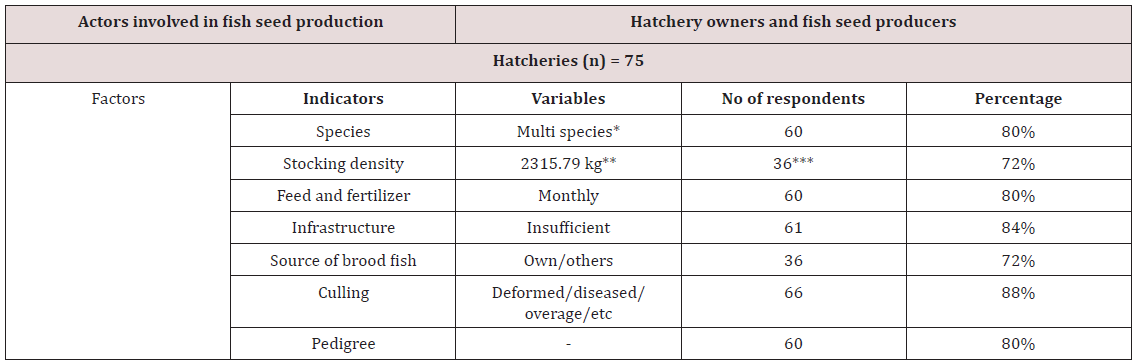
In a breeding program, the primary input is the readily available male and female fish at the peak of their maturity stage. Along with maturity age and size of the brood fish is also an important consideration for the successful spawning. According to the principle of induced breeding a brood fish in the age and size group of 2-5 is suitable. Collection of brood stock in adequate number from different geographical territories, cataloguing of their geographical origin, their genetic characterization and maintaining their pedigree record are important pre – requisites for breeding program. These aspects are of much genetic relevance for a scientific breeding aiming at quality seed production. Further proper feeding of brood stock and their health maintenance are some important management aspects. Different fish show considerable variations in the number of eggs develop i.e. Fecundity varies. As fecundity refers to number of eggs/kg of body weight so it is easy to assess the requirement of brood stock for production of specific number of eggs. The dietary intake of blood stock found to have profound influence on maturation and fecundity of fishes. Experimental results indicate decreased egg production (75%) when ration size reduced to half, again decreased ration size during second half of reproductive cycle decrease egg size (Table 1).

Table 1: Brood stock management practice in the area of study.
Lupinepublishers-openaccess-Agriculture

*(>6 species); * *Average; *** (>1500) kg.

Infrastructure for Brood Stock Raising

The available brood stock raising area, nursery, spawning pool, hatching pool, brood stock biomass etc. available in the hatcheries of study area was insufficient. Altogether, 84% of the hatchery owner had insufficient area for growing of brood stock in their farm (Table 1). Formula for calculation of the area required for brood fish pond according to Thomas (2003) is:

ABRP = BR×1/SD, where

ABRP = Area of brood fish production pond

BR = Weight of brood fish expressed in kg

SD = Stocking density of brood fish per ha.

Source and pedigree of brood stock

The study revealed that 72% of the hatchery owners do not have sufficient numbers of brooders to sustain the level of spawn production in their hatchery (Table 1). The small farmers depend entirely on outside source for collection of brood fish prior to breeding programme. The big and medium farmers depend both on farm raised and outside source. It was observed that 62% (average) of the total brood fish comes from farmers own pond and the rest 38% (average) comes from outside source and share basis prevalent among the farmers. The breeders in the hatcheries (80%), visited during study period, are least bothered to know the pedigree of fish stock they have for the breeding programme to be carried out in their farms (Table 1). None of the farms were found to maintain pedigree record of the brood stock, repeatedly using for seed production since long back, required to avoid the mating of close relatives. Cultured populations should be identified by using a proper marking system. Females & males should be from two different lines.

Culling

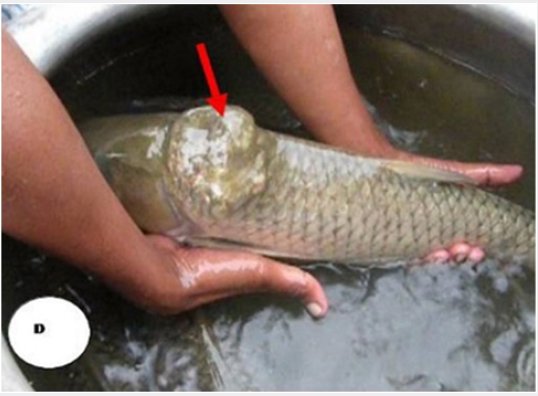
The practice of eliminating or culling of fish from the breeding programme is the necessity of the modern breeding programme. The culling of fish could be based on the criteria based on the phenotype of fish such as growth, disease, deformity, age, size, and most catchable fish than least catchable during harvesting. No such activity was adopted by any of the fish seed producers of the study area, instead one of the breeder was seen injecting a grass carp fish for induce spawning with a tumour like lump on the skull region of the fish (Figure 1). According to the information provided by him, it was learnt that he has been breeding the same fish for the last couple of years. Table1 conforms that majority of the breeders have no idea about the importance of culling of fish from the breeding programme. Quality deterioration finds its easy routes when a diseased fish used as brooders.

Figure 1: Tumour like lump on upper Cephalo -thoracic region, a potent candidate as brood fish.
Lupinepublishers-openaccess-Agriculture

Feed and fertilizer

Majority of the hatchery managers do not have proper feeding schedule for the brood stock or nursery management and provide (80%) feed and fertilizer on monthly basis (Table 1). It is just before the start of the breeding season there is a change in feeding schedule. From February onwards, protein rich feed composed of cereals, broken rice, fish meal etc., after boiling in large pot (karai) are broadcasted in the pond arbitrarily two times a day, without any consideration to the bodyweight. In West Bengal and Bihar, the farmers and fish breeders are more interested in using floating feeds, the reason, as they advocated that as the feeds are floating so it helps them to gaze the amount of feed required by the total biomass, besides it creates no pollution. Whatever it may be the entire supply chain of all the aquaculture products like feed, medicine, chemicals, probiotics and inducing agents are under the control of some unscrupulous middleman/agents. Many a times these products fail to fulfil the criteria of the specific needs for which they are used. The consequences are that the users are deprived of getting the expected results.

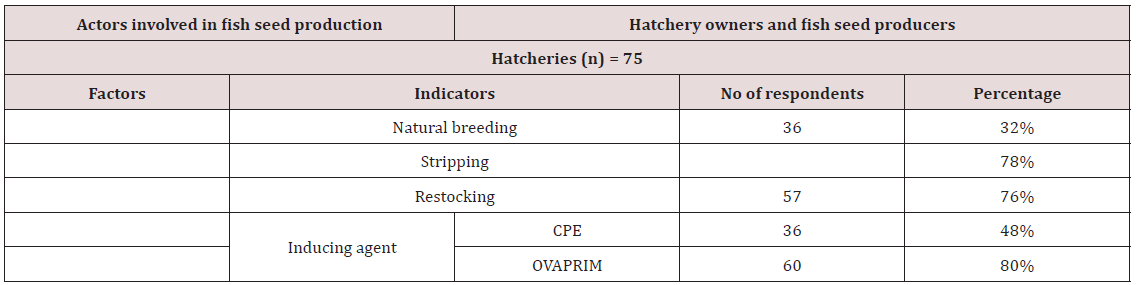
Table 2: Breeding Practices as adopted by the Fish breeders of Three States.
Lupinepublishers-openaccess-Agriculture

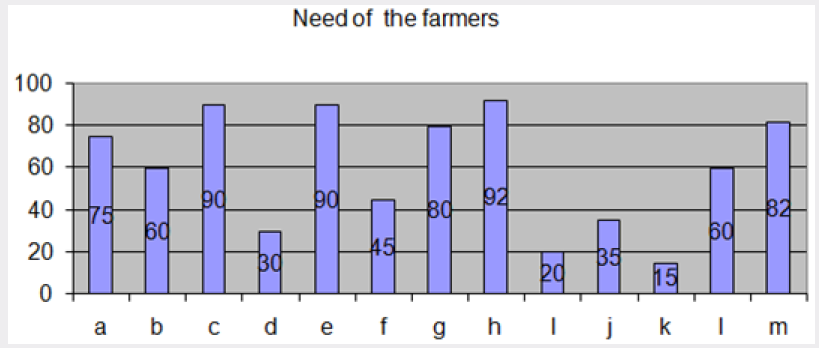
Figure 2: Need of the farmers as quantified (%) from the survey. (a=specialized training, b=Institutional Finance, c=soil and water testing d=institutional coverage, e=organized fish seed market, f=unhealthy competition, g=exemption of taxation during transportation, h=introduction of new species, i=change in land revenue act, j=supply of quality food, k=removal of discrepancy in breeding program, l=supply of quality brooders m=specific aquaculture medicine).
Lupinepublishers-openaccess-Agriculture

As indicated, the actors involved in operating the captive breeding program are totally ignorant about scientific basis of the technology and they are using the technology only for profit making proposition. Mixed spawning, multiple breeding (Figure 2) is the normal practice due to convenience and profit. Mixed spawning (more than 80%), is mainly undertaken to cut the water and electricity budget, as because in case of single species breeding, separate breeding pool is required. Mixed spawning leads to indiscriminate hybridization resulting in genetic introgression and other related consequences [5].

In Bihar the entire hatchery operations are under the control of some hired skilled labourer, but in Assam the operations are partly under the control of some hired skill labourer from Bengal. Not being appraised of the basic principles of the technology and to meet the demand of the customers as also to fulfil the profit of the hatchery owners, they adopt all sorts of misappropriation, starting from the use of impotent gland to mixed spawning, hybridization, multiple breeding, use of under aged diseased fishes as brood fishes. Cross verification of some of the leading hatchery owners of three states emphatically said that in more than 80% cases the fish breeders adopt all sorts of misappropriation to achieve their target.

Problems & Suggestions from Farmers

a) Inadequate technical know how

b) Finance

c) Poaching, poisoning of water body

d) Labor dispute, flooding and water logging of the farm sit

e) Availability of quality pituitary gland

f) Excavation of pond in agriculture land

g) Selling of fish seed on 3rd and 4th day of incubation.

8. Suggestions from the Fish Breeders/Farmers

a) Institutional Training Program

b) Changes in Land Revenue Act.

c) Easy Finance.

d) State wise Hatchery establishment for reducing mortality during transportation.

e) Standardization in breeding should be stopped.

f) Dishonesty in breeding should be stopped.

g) Some progressive farmer suggested that household waste water should be drained to a common place on a cluster basis and may be used for backyard fish farming so that some kind of social fishery might be developed. The farmer also suggested that suitable drainage plan should be incorporated during the plan making of house building.

h) Poaching should be stopped.

i) Management of water quality.

j) Subsidy in electricity.

Conclusion

The study indicates that how proper and scientific dissemination of a technology is important for sustenance of the technology. Here, illiteracy, ignorancy on the part of fish breeders about the scientific basis of the technology plays a negative role against its proper implementation. This is the 1st phase of the beginning of quality deterioration of fish seed in captivity. The initial phase starts with use of impotent gland in most of the breeding program. With the increasing demand for quality carp seed from captivity, the demand for pituitary glands were becoming more ex-pensive and their availability is decreasing. Often, batches of these pituitaries are bad as they are collected from the market where dead fishes are preserved under ice. Decrease in their potency is leading to failure in spawning. To overcome these problems, induced spawning of carps and other important fishes, in many countries, are now carried out with GnRH or its analogue [6] which release endogenous GTH and effects spawning in a much confident manner than the crude pituitary extract.

Besides, Pituitary extract very often also contains pathogenic micro-organisms causing infection in fishes. Moreover, pituitary GTH is glycoprotein in nature and is extremely sensitive to temperature denaturation. Hence, GnRH is no doubt a better alternative for induced spawning. But there is one problem with GnRH use; its activity is inhibited by endogenous dopamine. Dopamine occupies GnRH-receptor and thus blocked its action on pituitary gonadotroph cells. Use of domperidone (or pimozide), a dopamine antagonist, increases GnRH-receptor capacity, thus enhancing GnRH responsiveness [7]. Therefore, for induced ovulation, together with salmon GnRH-analogue, pimozide (antidopamine) has been use. On the basis of information, Ova prim, a commercial product has been prepared by the Syndel Laboratories, Canada, which is now marketed by Glaxo Laboratories Ltd for induced breeding of fish.

Though Assam breeders exclusively use synthetic hormones, the West Bengal and Bihar breeders still use the pituitary extract as the primary inducing agent. They claim that pituitary is more effective in stripping and also put blame about the ineffectiveness of synthetic hormone in many cases. Comparative study on the efficacy of two inducing agent on individual species may help in dissolving confusion.Though brood stock can maintain on maintenance ration but recent information, as revealed by various experimental results, indicate deficiency of certain dietary ingredients such as fatty acids (PUFA), vitamins, trace elements, can have negative impact on maturation, breeding, spawning, larval vigor and survivality. Keeping in mind that nutritional requirement varies according to species, proper experiment should be designed to formulate right food for individual brood stock so that supply of quality seed will be ensured to the farming sector.

Experimental study on wild stocks of C. catla represent a diversified genetic resource and indicates that in situ management practices, such as preventing the wanton capture of fish and creating sanctuaries for protecting small stocks such as those in major rivers, can help maintain and conserve the present diverse gene pool. Hatchery owners are accustomed to operating negative selection and polygynous breeding systems in which some males mate with many females year after year, resulting in genetic deterioration that subsequently cause a negative impact on aquaculture production. Based on our present findings, hatchery owners can collect their brood fish or replace their existing breeding populations with genetically diverse fish from stocks like those in the rivers and increase their effective breeding populations and thus improve the aquaculture production. However, the strict implementations of correct management practices are essential to maintaining the genetic diversity of the natural stocks.

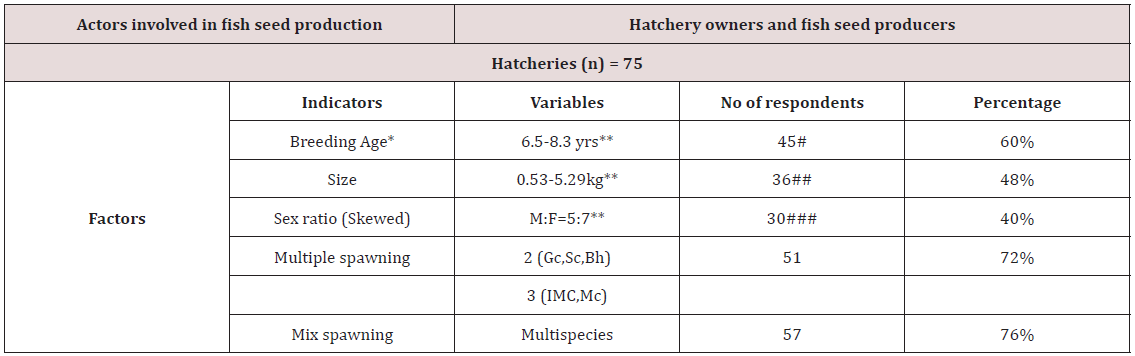
Table 3: Faulty Approaches in Breeding practice & related criteria.
Lupinepublishers-openaccess-Agriculture

A further important point is that breeding between two genetically discreet or distant populations may have a positive impact on aquaculture production. As indicated in Table 3 due to dire scarcity of brood fish, except large hatchery owners there was no organized brood stock management practice, the fish breeders adopt all sorts of misappropriation to manage the customers demand. This create some important avenues for quality deterioration of seed in captivity, Mixed spawning, another profit-making approach by the fish breeders, leads to genetic introgression [8] among the genetically flexible different species of fish [9] while repeated use of small number of founder population for seed production results in inbreeding. All these faulty breeding practices throughout the years has eroded the qualitativeness of the technology, as established by the frequent claim by the seed buyers regarding the poor performance in terms of growth in particular. Other related criteria like use of skewed sex ratio and immature brood fish are also producing negative impact against quality of seed. A consolidated program from Govt. and institute level need to be initiated for general appraisal of the misappropriation with implementation of suitable laws banning the faulty practices can provide sustainability to such a novel technology [10].

In all, it can be said that the first criteria to consider the development of aquaculture sector is the steady availability of quality seed locally (within the states and country) to meet the requirements of the industry. Where ever this has not been possible, seeds and /or brood stock may be introduced through certification. It is encouraging to observe that we are in a stage where the emphasis is slowly shifting from quantity to quality. Only in very recent years farmers began to realize the importance of quality seed i.e. pathogen free uniform size seed to remove their sufferings and to maximize production. It may not be entirely wrong to say that this shift in emphasis (attitude) to seed quality has come about largely because of the recurrent disease problems that has besieged the aquaculture industry especially shrimp and fresh water prawn.

Read More Lupine Publishers Agriculture Journal Articles:


Tuesday, 1 September 2020

Lupine Publishers | Occupational Noise-Induced Hearing Loss (ONIHL) and Fishing?

 Lupine Publishers | Journal of Otolaryngology Impact Factor


Abstract

Fishing is a working environment, which, due to the presence of engines and noisy equipment, can lead to hearing problems, especially for workers who are more exposed, such as motorists. It is emphasized that prevention, the only weapon available, is more difficult at sea.

Keywords: Occupational noise-induced hearing loss; Epidemiology; Noise; Audiometry

Introduction

Occupational noise-induced hearing loss (ONIHL) describes an acquired hearing impairment attributable to excessive workplace noise exposure. ONIHL is likely to contribute to a very high proportion of the cases of hearing loss in adults. In Italy noise deafness affects almost two thirds of fishermen. The motorists and the Commanders present a greater risk of developing noiseinduced hearing loss compared to sailors. These data agree with those reported in studies conducted in other countries. The main source of noise inside of the boats is represented by the engines that produce high sound levels too in fishing vessels of less than 30 m in length. A further aspect related to noise on fishing vessels is represented by exposure sometimes continuous; it is estimated that a 24-hour exposure at 85dB (A) matches at an exposure of 8 hours to 90dB (A). The high and constant exposure to noise, even during the few hours of rest on board, helps to develop not only the hearing loss but also sleep disorders and alterations of blood pressure and favors the occurrence of injuries. On the boat, the exposure time cannot be reduced, but the researchers recommend that measures are taken to decrease the intensity of the noise. Besides, they ask to the workers to receive a training and oration on the hearing health and on the raising awareness and sensitization to the noise exposure, to take regularly hearing tests and to be followed in the long term to warn the risks of the deafness further to the noise [1-5].

Conclusion

The relationship between fishing and deafness appears to be widespread among sea workers. It must to promote the culture of safety and health protection of workers in the maritime sector, in order to detect, analyze and study the risk factors in the fishing sector.

Read More Lupine Publishers Otolaryngology Journal Articles:
https://lupine-publishers-otolaryngology.blogspot.com/
Read More Lupine Publishers blogger Articles:
https://lupinepublishers.blogspot.com

Wednesday, 26 August 2020

Lupine Publishers | Onion (Allium cepa) Production in Urban and Peri-Urban Areas: Financial Performance and Importance of This Activity for Market Gardeners in Southern Benin

    Lupine Publishers | Current Investigations in Agriculture and Current Research


Abstract

Food safety has always been and continues to be a major concern for all countries of the world. This concern is all the more perennial in the developing countries like Benin with a low economic level and still rudimentary and extensive agriculture. To reduce a little bit of food insufficiency, is developed urban and peri-urban agriculture based mainly on market gardening. This study focused particularly on the production of onion in southern Benin. It aims to analyze its performance, to understand the importance of this activity but also to see what are the obstacles faced by these producers. Three municipalities were investigated: Grand-Popo, Cotonou and Sèmè-Kpodji. A total of 60 farmers were surveyed at 20 per municipality. Quantitative and qualitative tools were combined for the analysis of data collected through individual and group interviews. A joint analysis approach was used to achieve specific objectives. It consists to combine speech analysis, participant observation with statistical tools such as the frequency distribution, the regression model and calculation of performance indicators. It follows from all of these analyzes that onion production is profitable from a financial point of view. This performance is enhanced by factors such as age, experience and membership of a producer group. Similarly, the farmers claimed for majority that onion occupies a special place in their market garden production. This production improves their socio-economic and food situations. However, the constraints that undermine the more onion production and thus constitute important producer concerns are financial, institutional, organizational, property constraints and those directly related to production. Farmers therefore, expect a little more effort from agricultural policies to improve the development of this sector.

Keywords: Onion, Performance, Importance, Barriers, Southern Benin

Introduction

The agricultural sector provides essentially food security and livelihood in Benin, with 70% of the population earning their income from agriculture [1]. This sector is even more important for developing countries like Benin, where it is one of the pillars of the economy [2]. Nowadays, it is increasingly recognized that in the developing world, nearly three billion people live on less than US $2 per day [3]. Majority of this population are smallholder farmers producing staple food crops with little prospects of generating higher incomes. Hence, diversification into high-value horticulture is essential for increasing farm incomes, alleviating poverty and improving livelihoods [4,5]. Globally, food production is still a challenge [6,7], especially with the projected rise in world population to over 9 billion by 2050 and increased urbanization in cities [8]. There is therefore still some justification for increasing agricultural production in the coming years [9,10]. Urban vegetable production is an intensive agricultural strategy through which urban dwellers secure income and improve their livelihoods [11].Urban and periurban agriculture (UPA) has been defined differently by Mougeot [12,13], Moustier [14], and Van Veenhuizen [15], but they all lay stress on agriculture’s relationship with the city as a resource and destination for outputs [16].

Onion (Allium cepa L.) is one of the most important commercial spice crops of the world belongs to Amaryllidaceae family [17]. Moreover, essential oil and sulfur compounds have been found in onion which is responsible for unique odour, flavour, and taste [18]. Based on the interested situation in health food development, the properties of onion and its extract as a functional agent have been demonstrated in many previously [19]. Onion (Allium cepa L.) has been valued as food and medicinal plant since ancient times [20]. It is widely cultivated secondly to tomato, and is a vegetable bulb crop known to most cultures and consumed worldwide [21]. The major onion producing countries of the world are China, India, USA, Turkey, Japan, Spain, Brazil, Poland and Egypt [22]. In Benin West African country, this culture has become very important especially in urban areas where the market gardeners devote more land to the production of onion. It is in order to make an inventory and understand onion production in southern Benin that this study was conducted. Specifically, the study aims to analyze firstly the profitability of onion production, secondly to appreciate the importance of onion production in southern Benin and ending by identifying the difficulties facing the farmers.

Materials and Methods

Study zone

The municipalities of Grand-Popo, Sèmè-Kpodji and Cotonou are located in south of Benin and cover respectively 289km², 250km² to 79km². The town of Grand Popo is located in the southwestern department of Mono. It is limited to the north by the Athiémé, Comé and Houéyogbé communes, south by the Atlantic sea, to the southwest by the communes of Ouidah and Kpomassè and west by the Republic of Togo. Located between the parallel 6° 22 ‘and 6° 28’ north latitude and the meridian 2° 28 ‘and 2° 43’ east longitude, the commune of Sèmè-Kpodji is in the Department of Ouémé, the Southeast of the Republic of Benin on the Atlantic coast. It is limited to the north by the city of Porto Novo and Aguégué, south by the Atlantic sea, to the east by the Federal Republic of Nigeria and to the west by the city of Cotonou. The town of Cotonou in turn is located on the barrier beach that stretches between Nokoué Lake and the Atlantic sea, consistitued of alluvial sands of about five meters maximum height. It represents the only municipality in the Littoral department is bounded to the north by the municipality of Sô-Ava and Nokoué Lake, south by the Atlantic sea, to the east by the town of Seme-Kpodji and West by that of Abomey-Calavi. These towns are from a set that has a sub-equatorial climate except Sèmè-Kpodji bathed in a Guinean Sudanese climate. We find in these areas, the sandy type of soil, leached and hydromorphic. The municipalities of Grand-Popo, Sèmè-Kpodji and Cotonou have various socio-cultural group included the mina, the Goun, the Xwla and Toffins.

Methodology

To conduct this research, three (03) municipalities were selected in southern Benin. These towns were chosen partly because of their significant contribution to the onion production of the department to which they belong, and secondly because of the large number of onion producers they contain. We have Grandpopo, Sèmè-Kpodji and Cotonou. Therefore, (60) producers made object of investigation at the rate of twenty (20) producers per commune. This sample consists only of onion producers. Note that the sample was achieved in a simple random in order to give all producers the same probability of being selected. Table 1 show the composition of the sample per commune: The collected data is related not only to the characteristics of the producers, but also to expenditure and revenue of producers. The information has been collected on the basis of a questionnaire and a pre-prepared interview guide.

Table 1: Composition of the sample per commune.

Lupinepublishers-openaccess-Agriculture

Source: Results of investigation, 2018.

Data analysis

In this study, the performance of onion production in southern Benin was assessed using several indicators of financial performance. To this end, it is inspired by the work of Dédéwanou [23]. Several profitability indicators were therefore calculated, namely: Gross Product Value (PBV), Added Value (VA), the Gross Operating Income (RBE) and Net Operating Income (RNE). From Adégbola [24] and Bockel [25] studies, these indicators can be calculated as follows:

a) Product Gross Value (PBV): Denoting by Q the quantity of onion obtained and PU the selling price of the kilogram, the Gross Product Value (PBV) is given by: PBV = Q*PU.

b) The PBV is for this purpose the revenue made by the producer.

c) Added Value (VA): It corresponds to the difference between the Raw Product Noise Value and the value of intermediate inputs (CI). Intermediate consumption represents expenses related to the acquisition of insecticides, herbicides, and baskets. Its formula is given by: VA=PBV-CI.

d) The added value is obtained by deducting from the PBV, all expenses directly related to the production. Note that the added value is the wealth that the producer creates. This wealth contributes to the Gross Domestic Product of the country.

e) Gross Operating Income (RBE): It is given by the formula: RBE=VA-(Labor compensation + financial expenses + taxes). To estimate the RBE, it was considered only the hired labor.

f) Net Operating Income (RNE) This indicator represents the balance of RBE less the value of depreciation. Its formula is given by: RNE=RBE-Amortization.

g) The RNE expresses the gain (or loss) Economic agent once acquitted all current operating expenses. RNE, expresses the economic gain (or loss) given the investments made previously. Therefore RNE is obtained by deducting from the PBV all expenses related to production.

h) This study is also proposed to analyze the determinants of the profitability of onion production. For this purpose this study was based on the work of Tovignan [26] and Allagbe [27]. A multiple linear regression model has been developed on the basis of sixty (60) onion producers. Thus, the multiple linear regression formula can be written as follow:

y =α01xi+ εi

Where: y is the dependent variable, xi the explanatory variables, α is a constant called “intercept” and Ɛi the error term of the model.

The evaluation of the importance of onion production consists to determine changes in socio-economic and food orders induced by this production in the three investigated municipalities. To do this, in a collection of producer’s speeches about perceived improvements since they produce onion was done. The analysis fundamentally was based on the discourse of these producers and through participant observation. More simply, the analysis consists to explain the effects induced by the production of onion in a social context through producer’s speeches and participant observation. These explanations were supported by the comments of some significant producers. The frequency distribution and the farmer’s speeches allowed identifying the barriers of onion production in the study areas.

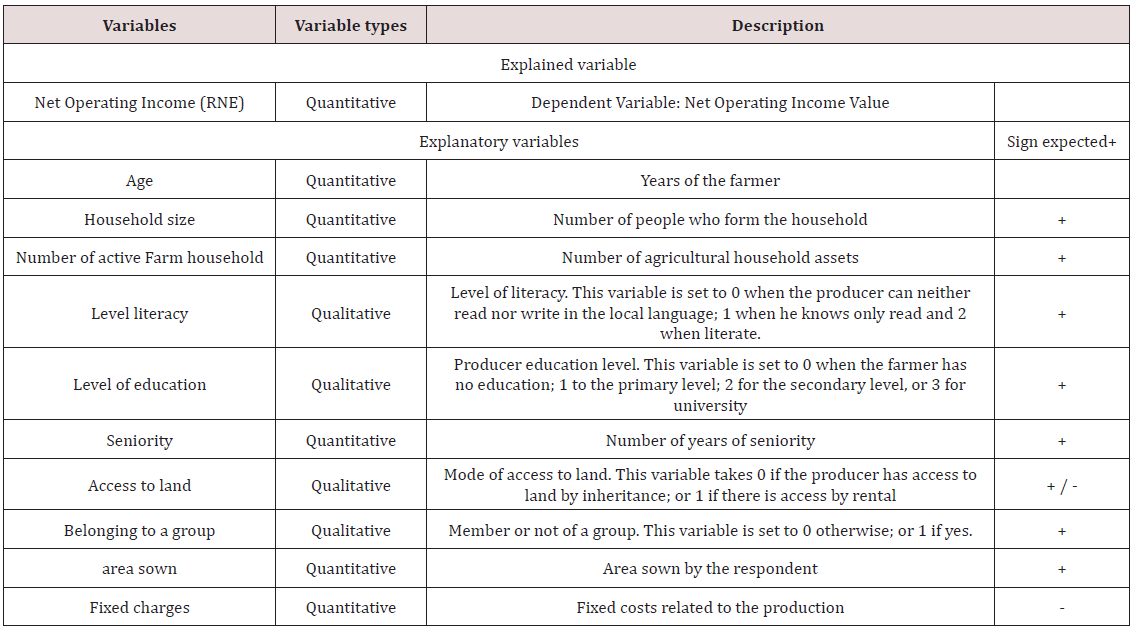
Presentation of the variables included in the model

Two types of variables are included in the regression model turned. We have on the one hand, the dependent variable and the other explanatory variables. The dependent variable is the Net Operating Income of producers. It was therefore question of identified and analyzed the factors influencing the income of onion producers. So many variables called ‘’ explanatory ‘’ were introduced in the regression model. The explanatory variables included in the model are: age of the producer (Age), household size (Mena), the number of agricultural household assets (ActifM), the level of literacy (Alpha), educational level (Inst), seniority (Anc), membership of a group (APPG), the cultivated area (Sup), the mode of land access (ACCT) and fixed costs (CF).

There are a lot of reasons for the incorporation of these variables in the regression model.

a) Age: Age is a variable expressed in years. Several studies identify age as a parameter determining the profitability of agricultural production. Indeed, the more the producer is aged, the more he gains experience enabling him to improve the financial performance of its operations. This variable has been introduced into the model to see if it has an influence on the net income of onion producers in South Benin. The age would have a positive effect on the financial performance of onion production.

b) Mena: This variable refers to the number of persons who form the household of the producer. Household size is a potential source of labor and allows producers to increase production. It therefore positively influences the net income of the onion producer.

c) ActfM: This variable represents the number of agricultural workers of producer household. The number of assets would have a positive effect on the profitability of production because the market garden production, especially onions requires a lot of labor.

d) Alpha and Inst: Education can acquire a base regarding the management of a exploitation. So, educated onion producers will have a higher income than their uneducated counterparts. The effect of literacy and education on the net income would be positive.

e) Old: This is the number of the producer seniority year. Over the producer has a number of high year of seniority, the more he has strengths and knowledge that will enable him to improve his onion production. It therefore positively influences the net income of the onion producer.

f) APPG: This variable represents the membership or not of the producer to a group. It is a binary variable taking the values 1 if the producer is a member of an onion producer group or 0 if not. This variable could have a positive effect on financial performance of the production, in the sense that the producer’s group members have the support of extension services as well as that of some development programs and projects in order to improve their performance.

h) ACCT: This variable represents the farmer’s access mode to the ground. This variable is set to 0 if the producer has access to land by inheritance; 1 if access rental. The fact that the onion producer owns the piece of land to his work, it could have an influence on his income because the latter will invest the necessary capital. A positive or negative sign of the coefficient for this variable would be expected.

i) CF: Fixed costs represent costs of production. Over were these expenses less producers take advantage of his farm. These variables will therefore have a negative effect on net income of onion producers.

Table 2: Summary of the model variables and the expected signs.

Lupinepublishers-openaccess-Agriculture

Source: Results of literature searches, 2018.

Table 2 shows a summary of all the variables included in the model with their expected signs. Note that two software’s were used in this section. SPSS has achieved descriptive statistics and STATA software was used to perform econometric regression.

Results and Discussion

A zoom on onion production and consumption

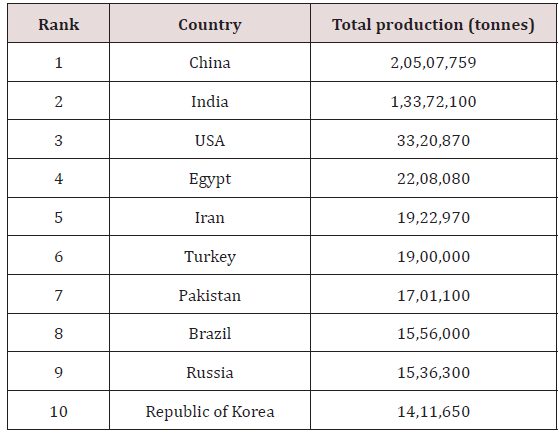
The following Table 3 shows the countries that produce most of onion in the world. China and India are the primary onion growing countries, followed by the USA, Egypt, Iran, Turkey, Pakistan, Brazil, the Russian Federation, and the Republic of Korea [21]. Onion productivity is highest in the Republic of Korea (66.16t/ ha), followed by the USA (56.26t/ha), Spain (53.31t/ha), and the Netherlands (51.64t/ha). With world production of 74,250,809 tonnes from an area of 4,364,000 hectare, the average productivity across the world is 19.79t/ha. The international trade in onion exports is 6.77 million tonnes. The Netherlands is the highest onion exporter (1.33 million tonnes) followed by India, China, Egypt, Mexico, USA, Spain, and Argentina. Bangladesh, Malaysia, the Russian Federation, the UK, Japan, and Saudi Arabia are the major onion importing countries in the world [21]. According to Bethesda [28], West Africa represents less than 2% of the world output of onion. However, it represents 10±25% of the vegetables consumption in West Africa: its culture is ancient in the region and extends through several agro-ecological zones, ranging from arid Sahelian countries to humid coastal countries [29]. In Benin particularly, the production of the onion is relatively young (40-50 years) [30].

Table 3: The ten largest producers of onion in the world.

Lupinepublishers-openaccess-Agriculture

Source: FAO, 201221.

If there is no recent and clear statistics of the volume of domestic onion production, it should be noted that the production has been in galloping development of around 70,000 tonnes against 15,000 just 20 years ago. According to Baco [31] and Affomasse [32], the average area of onion production is 1 ha in Benin representing 57% of total area under vegetable crops. Onion is the market garden predominant crop in Benin since it is grown by more than 80% of vegetable growers. Similarly, the onion is a product consumed by all the urban and rural beninese. Urban consumption is estimated at 3.3kg of onions per year per person. This demand represents a commercial demand for 7000 tonnes per year. The consumption of rural populations against is estimated at 1.1 kg of onions per year per person, a rural consumption of about 14 000 tonnes. Although the production of onion is growing, the country is unable to meet domestic demand of around 45,000 tonnes [33] throughout the year, which explains the need to import the remaining, mainly by Niger, Gaya-Malanville border [34].

Source of supply and sector’s actors

Niger, Burkina Faso, Nigeria and Benin are the biggest onion supply sources to West African consumers. Niger is the largest producer and exporter of onion in West Africa and its commercial network allows to supply the major coastal markets of the sub region. In Benin, for against the import of this speculation is more important because domestic production cannot meet the needs of people. However, nationally the most productive zones are Malanville, Karimama and Grand-Popo followed by large cities (Cotonou, Sèmè-Kpodji, Ouidah, Dassa and Glazoué) that also produce a considerable quantity of onion as urban or suburban vegetable. The production of onion, like most agricultural crops in Benin knows two periods: a period of abundance (January to May) characterized by high availability of onions on the market. Currently, importers of other countries (Nigeria, Burkina Faso, Nigeria) are sourcing local onion to neighboring countries. The second period, that of solder (August to December) is characterized by the scarcity of onions and increasing the product price on the market. In Benin, onion varieties are encountered onion Galmi (or white Galmi onion), purple Galmi (or onion Agades) and Dendi onion of Malanville (red onion or local onion). Of these varieties, the white Galmi remains the favorite onion for Beninese consumers. Besides his characteristics that one knows (bigger than the red onion, relatively smooth, easier to maintain, less spicy (less acidic)), it is its organoleptic qualities that are most appreciated (the pleasant flavor that it gives to the sauce and the fact that it does not blacken). Regarding the sale price of onions, it knows a big fluctuation depending on the period as specified above. Thus, the bag of 100kg of acceptable quality onion (red onion Galmi) and the most appreciated (white Galmi onion) respectively cost 14,500 CFA and 19,500 CFA in times of plenty against respectively 50,000 CFA and 75.000 CFA in lean period. Table 4 shows the selling price of 100 kg bag of different onion varieties in the study area.

Table 4: selling price of 100 kg bag of cultivated varieties of onion.

Lupinepublishers-openaccess-Agriculture

Source: Results of investigation, 2018.

The actors in the Value Chain (VC): a multitude of stakeholders

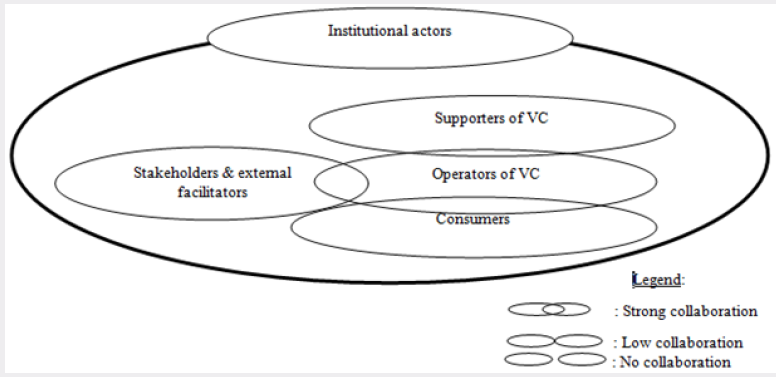
The onion sector is composed of a large number of actors can be subdivided into four groups. It is the operators of the value chain; supporters of the chain; institutional actors; stakeholders and external facilitators

a) The operators of the value chain are most concerned. They are upstream of the value chain and are for the most part the first owners of the product. They represent producers, sellers or resellers, customers or buyers, processors, intermediaries, wholesalers and retailers.

b) The supporters of the chain are those that are not directly related to the process of production or marketing. They are actors who sell their services to producers, processors and traders. This is usually suppliers of inputs (seeds, fertilizers, pesticides), moneylenders or credit providers, pumps sellers and gasoline retailers, MFIs, intermediaries, carriers, of agricultural laborers, carters to transport the onion over a short distance etc.

c) Institutional actors are the actor’s group that provides institutional support in the context of a continuous improvement and regulation of the sector activities. These include state structures (MAEP, CECPA, SCDA, customary chiefs, customs, police, gendarmerie, research and extension services etc.). The finding done is that these groups of actors do not really invest in the development of the sector.

d) Stakeholders and external facilitators are actors who aim to improve the socio-economic life of rural populations. They provide financial and technical support primarily to producers. These are NGOs, development projects and programs, and specific fund donors.

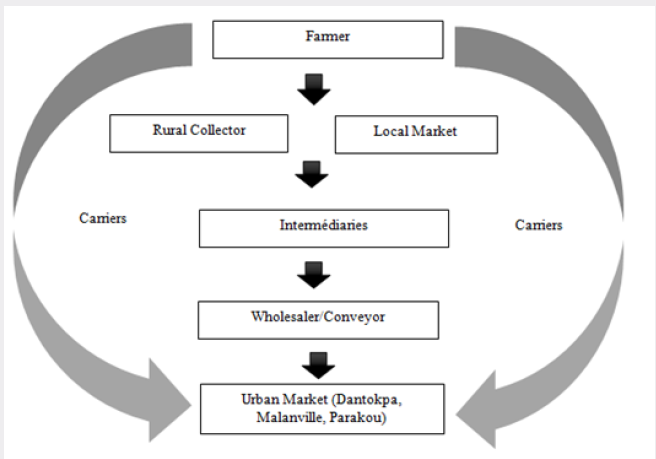
Downstream of the chain, there is a last group of actors which is relatively large: The consumers. Onion Consumers can be at any level of the chain. He may be the producer and in this case he practices subsistence farming or firm that process onion for example. It is important to note that in this sector, the actors play complementary roles. The value chain would not be good if each group of actors not playing its role effectively. The following Figure 1 shows schematically the various actors in the onion value chain in Southern Benin: In fact, some of the onions harvested by farmers are sold to rural collectors or directly to local markets. Intermediaries and wholesalers, for their part, buy onion for the most part from rural collectors or local markets. The purchased stock is then transported to urban markets (for example the Dantokpa,Malanville and Parakou markets). However, it should be noted that some producers sell their crops directly in these urban markets. The following circuit (Figure 2) shows the onion commercialization process described by respondent’s producers. All actors in the chain are present and the complementary relationship they have in the onion value chain.

Figure 1: Groups of actors in the Onion value chain in Benin.

Source: Results of investigation, 2018.

Lupinepublishers-openaccess-Agriculture

Figure 2: Process of marketing of onion value chain.

Source: Results of investigation, 2018.

Lupinepublishers-openaccess-Agriculture

Potential and motivations of onion producers

The onion production in both North and South Benin is favored by some natural assets available in the country. It is:

a) Agro-ecological potential of Benin (soils, climate, topography, vegetation, drainage network).

b) The geographical location of Benin (proximity to other producing countries such as Niger, Nigeria, Burkina Faso and other countries onion importers like Togo).

In addition to the natural potential, certain provisions promote onion production in Benin. We can talk about:

a) Mechanized irrigation through pumps for irrigation, from the shallow groundwater.

b) Interventions of many projects to support the intensification and promotion of fruit and vegetable crops.

c) Applied search to identify ways of improving vegetable production.

d) The producer’s enthusiasm for onion cultivation due to its high profitability.

e) The supply in specific inputs (Improved seeds, products pesticides, fertilizers...) from the 2000s.

f) Existence of market garders communal groups.

g) The existence of an international market and many village markets.

Especially for urban producers surveyed (Cotonou, Seme- Kpodji and Grand Popo) these are the following benefits that motivate these market gardeners to engage in the cultivation of onion.

a) The high financial profitability of onion production

b) More favorable conditions for the intensification of production systems, due to land pressure and pluriactivity that promote the enhancement of complementarities.

c) The geographical proximity to markets (Dantokpa market for example) reduces transportation costs compared to remote rural areas.

d) The reduction of energy and time in getting goods to consumers: transport, storage, especially for fresh produce.

e) The reduction of post-harvest losses due to the proximity of production areas.

f) Better product quality in terms of freshness for perishable products.

Socioeconomic and demographic characteristics of the surveyed producers

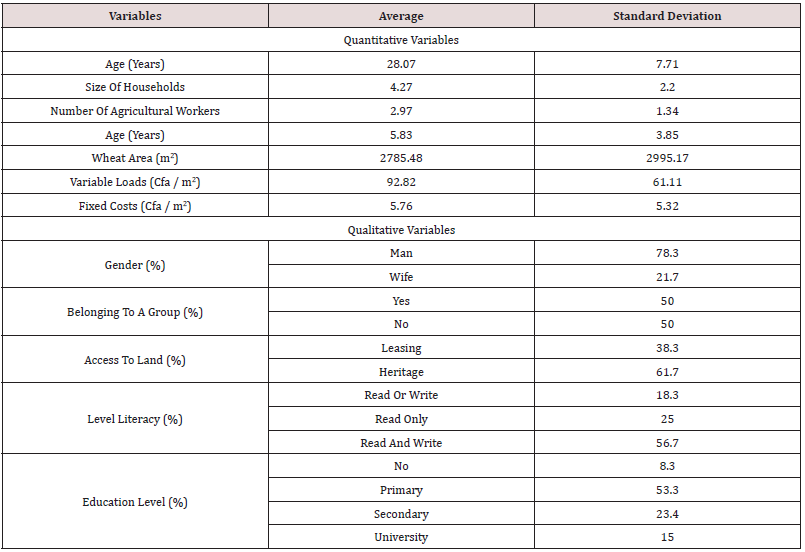
In southern Benin, specifically in the municipalities of Grand-Popo, Sèmè-Kpodji, and Cotonou onion production is predominantly male (78.3% of men against 21.7% of women). These producers have an average age of 28 (±08) with a tenure of 06 years (±04). Moreover, in the study area average household has 04 persons (±02) and 03 (±01) agricultural assets. Levels of literacy and education of the surveyed producers are more or less acceptable in public Grand-Popo, Sèmè-Kpodji and Cotonou. Note also that 50% of producers are active members of a group against a second half not belonging to a producer group. Overall, there are 81.7% literate farmers and 91.7% educated farmers. In the study zone, onion producers have an average area under crop of 2785.48 m2. These areas are obtained either legacy (61.7%) or rent (38.3%). To operate their farms, producers face two types of loads in their exploitations. These called ‘’variables’’ and those ‘’fixed’’. These charges are respectively 93 CFA/m2 and 5.76 CFA/m2. Table 5 shows the statistical variables characterizing respondents.

Table 5: Statistical variables characterizing respondents.

Lupinepublishers-openaccess-Agriculture

Source: Results of investigation, 2018.

Financial Performance of onion production

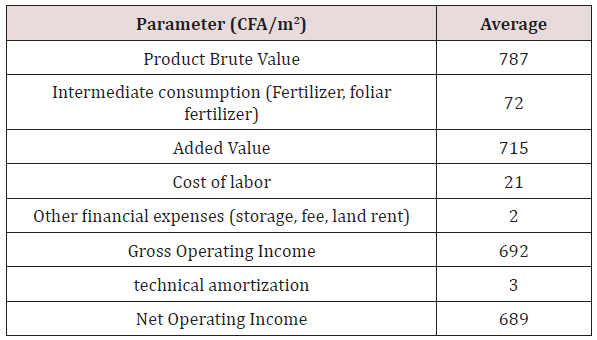
To assess the financial performance of onion production, analysis of operating farmers account was made. Thus, the results of the analysis reported in Table 4 shows that onion production is profitable in southern Benin as the average Net Operating Income calculated is positive (689 CFA/m2>0). These results are consistent with those of MAHRH [35] and Fanou [36] whose studies finally led to the conclusion that onion production is profitable. Table 6 below shows the operating account of onion producers. Note that the financial performance indicators used were calculated in CFA/m2.

Table 6: Financial performance indicators calculated.

Lupinepublishers-openaccess-Agriculture

Source: Results of investigation, 2018.

Determinants of onion production profitability

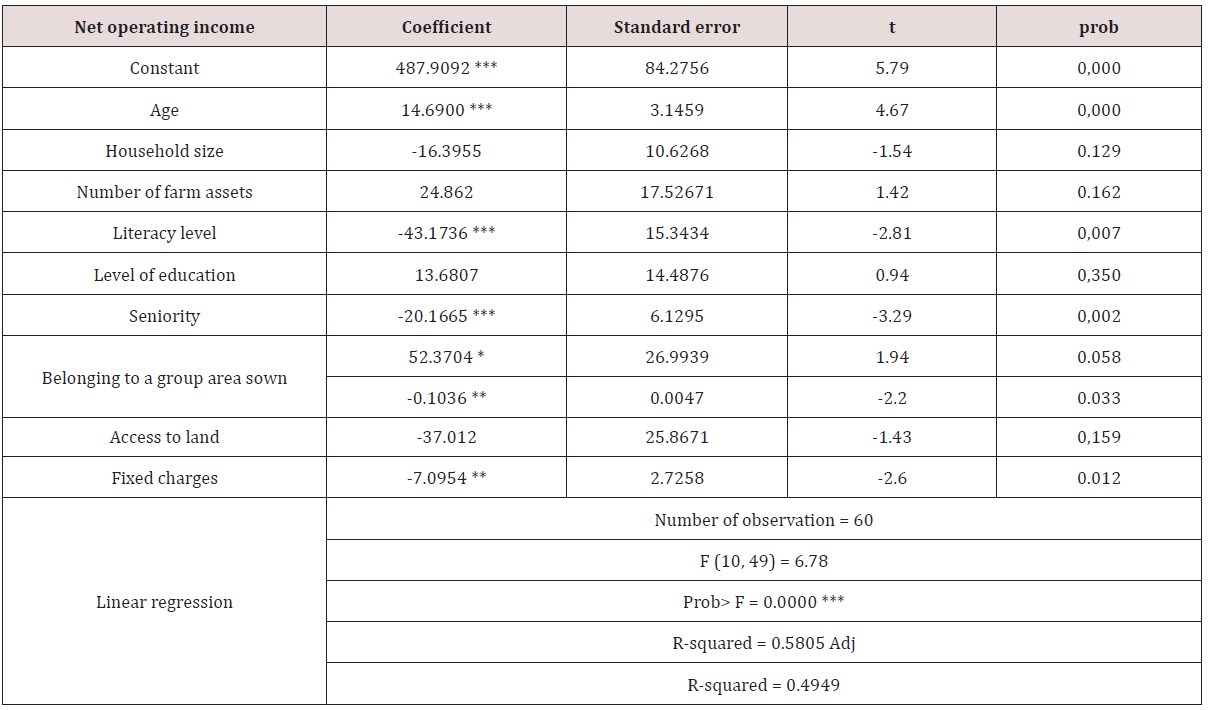
The multiple linear regression model performed to identify the determinants of the onion production profitability is generally significant at the 1% level (p=0.0000<1%). Variables such as age of the producer, the cultivated area, the level of literacy, membership in a group, the experience, and fixed costs are those which influence the onion production profitability in southern Benin. The variables of the model that are not significant are: household size, the number of farm assets, access to land and the level of producer instruction. Age has a positive significant effect on the threshold of 1% on the profitability of onion production. We therefore deduce that more the producer is old, more sometimes he took advantage of its business. The producer thus gains experience with time. Which experience allows him to improve the financial performance of his exploitations? However, these producers are very few open to new technologies that are proposed to improve their income. They therefore remain conservative. This conclusion stems from the fact that seniority has a negative significant effect on the threshold of 1% on the profitability of onion production. It is the same for literacy that has a negative and significant effect on the threshold of 1% on the profitability of onion production in southern Benin. These results are contrary to those obtained by Labiyi [37] which identify education as a determinant of economic efficiency of resource allocation in soybean production in Benin. Membership of the producer group has a positive and significant effect at the 10% threshold on the profitability of onion production.

Thus, onion producers who are members of a group have higher net profits than the others because they will benefit from certain advantages. We can highlight the sharing of information, mutual assistance and the expertise that a producer can take the other being a member of an onion producer group. These results are consistent with those of Tovignan [26] who found that producers who are members of a group have a higher net profit than others who do not belong to any group. Unlike the membership of a producer group, the wheat area has a negative and significant effect on the threshold 5% on the profitability of his exploitations. Thus, over the cultivated area, the less the onion producer benefits from his activities. The producers do not manage to meet the obligations belong to large farms. Note that these results contradict those obtained by Tovignan [26] who deduced that producers who have a large area under cotton production have a higher net profit than those having a small area. It is the same for the fixed charges that have a negative effect and significant at the 5% level on the profitability of the production of onion. Therefore, the more these expenses amounted less the producer benefits from his plantation. Table 7 shows the results of estimation of multiple linear regression model performed.

Table 7: Estimated multiple linear regression models.

Lupinepublishers-openaccess-Agriculture

*** = Significant at 1%; ** = significant at 5%; * = Significant at 10%

Source: Estimation Results, 2018.

Source: Estimation Results, 2018.

Onion importance for farmers: The onion producers constitute the largest actors group in the in the sector. Therefore, this production contributes to job creation for over 75% of agricultural assets during market gardening seasons in different regions of the study area. At the household level, onion cultivation is an important source of income and contributes to food and income security for producers. The onion is often the biggest source of cash income and helps to meet the needs of families. At Grand-Popo, as in all the investigated cities (Cotonou, Seme-Kpodji), deferred selling garden products, particularly onion is a powerful lever to support the food security of urban populations. As an activity of counter-season, onion belts allow producers not only to self-employed, to ensure household food security but also to receive significant revenue.

98% of surveyed producers recognized that onion production has resulted in many changes in their socio-economic life. In general, improving purchasing power has had a positive impact on food security, education and health situation of farmers. The onion income often also generates new income-generating activities such as petty trading, farming and others. Culturally, onion helps to prepare for marriage or pilgrimage to Mecca. Woman A and Man B two onion producers of Grand Popo and Cotonou asserted: ‘Onion production is very important to us. With this production I am more and more autonomous. I depend less on my husband. I don’t expect him anymore before buying coal or kitchen utensils. I do all my small expenses through this production income and I can even pay my tontine which was very difficult for me when I was not market gardner’ (A).’Onion is very profitable. I produce a lot of vegetables but little counter-season onion i produce, I can invest in my livestock and it is the same money that allow me paying my three children’s scholar fees each year’ (B).

Importance for input suppliers and other service providers

To carry out their activities, onion producers have much contact with a range of actors that are upstream in the value chain. Producers purchase pumps and pipes, gasoline, seeds, plows and small equipment, fertilizers and pesticides. Then, there is all kinds of economic relations between producers and suppliers, including the informal credit provision. The majority of the production costs regarding labor. Indeed, the onion sector creates many jobs, often for the poor. There is a redistribution of income from large producers to small producers, landless people in rural exodus through the agricultural labor. In most cases, producers raise funds to run production without financial institutions credit. Man C a Cotonou seed seller confirms these observations through these words:

‘In general market garden production allows us seed sellers to us to quickly sell our products in the city. Most of the time, people come to take the seeds of garden crops like onion and tomato. Many people feed through production. Carriers, agricultural equipment vendors, laborers ... ‘ (C)

Health and nutritional importance for producers-self consumer

Some market gardeners (6%) produce the onion just for its nutritional and health importance. For these producers, onion is a valuable culture that they not only produce for sale but also and especially for its therapeutic properties, organoleptic qualities and anti-erosive effect. Three onion self-consumers Men D, E and Woman F justify the importance of the Niger’s purple gold in their diet and their health situations.

‘The onion gives the taste and flavor. You can prepare a good sauce without putting a little onion. It is sometimes used to garnish the food or mitigate the effect of spicy chili’ (D)

‘The onion comes in many herbal tea in traditional therapies. When crushed with other products such as garlic, Goussi and others that can heal digestive problems, cancer, liver, rheumatism. It also helps to regulate menstruation cycle of women. My grandfather suffered from high blood pressure but with the adequate consumption of onions, it’s much better for a while ‘ (E)

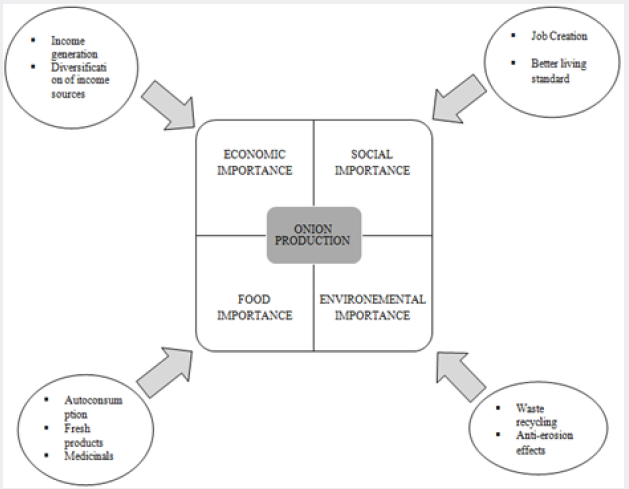
‘The onion can be used in all forms: raw for salads, for example, cooked for frying or sauce, cut, beads, rapped or crushed. Onion juice can treat skin acne and provides a smooth and beautiful skin, as well as for hair growth and maintenance, colds, coughs, to sexual arousal’ (F). Figure 3 presents the advantages of onion production in southern Benin.

Figure 3: Importance of onion production in southern Benin.

Source: RResults of investigation, 2018.

Lupinepublishers-openaccess-Agriculture

Obstacles and expectations of onion producers in south benin

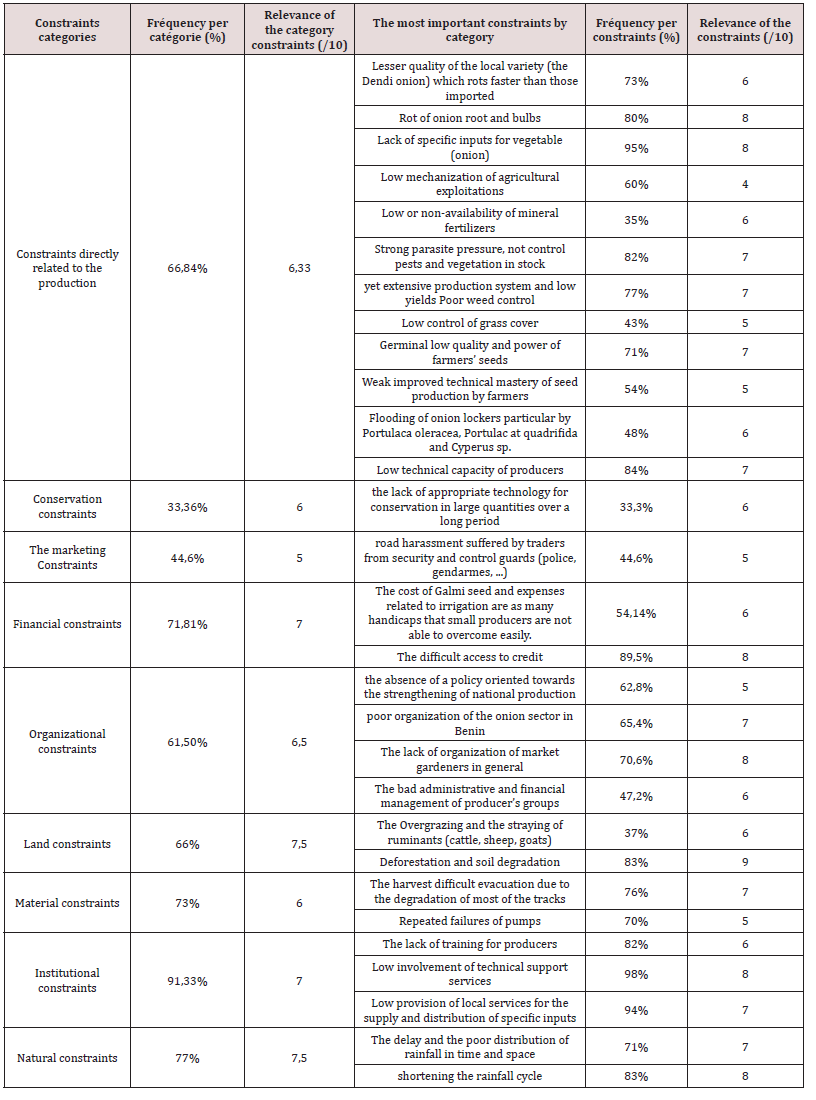
Onion production despite the many benefits that it brings to market gardeners, is facing various difficulties. Analysis of the Table 8 shows that the major constraints identified in onion production in southern Benin are institutional organizational, financial, land orders, and those directly related to production. The market gardeners interviewed affirmed that these constraints were also those for which it was essential that one find solutions. Among the most relevant constraints mentioned by farmers are: the lack of specific inputs for vegetable (onion), strong parasite pressure not control pests and vegetation in stock, the still extensive production system and low yields, low technical capacity of producers, difficult access to credit, poor organization of the onion sector in Benin, the lack of organization of market gardeners in general, deforestation and soil impoverishment, difficult harvest evacuation due to the degradation of most of the tracks, the low involvement of technical extension services, low supply of local services for the supply and distribution of specific inputs, lack of arable land, delay and poor distribution of rainfall in time and space and finally shortening the rainfall cycle.

Table 8: Constraints of onion production and relevance of these constraints by producers.

Lupinepublishers-openaccess-Agriculture

Source: Results of investigation, 2018.

These results are in the same direction as those obtained by Gotoechan-Hodonou [38] in northern Benin, attic of the onion production. Baco [31] also identified similar constraints in their studies in the field of seed production. The context of the difficulties faced by onion farmers in southern Benin is similar to the case of Niger where the constraints identified were the poor quality and availability of inputs and equipment, problems of access to certified seeds, low financial capacity producers, poor access and insufficient agricultural credit, poor mastery of production techniques, a lack of modern storage infrastructure and huge losses in stock, the traditional character of the transformation, the lack of appropriate packaging the variability of the weight of the bag, the existence of different methods of fixing and price volatility, weak infrastructure and road harassment [39], market saturation after the third cycle of production, the lack of regulatory mechanism supply and demand and competition from foreign imports in the sub-region39. However, among the identified constraints, are institutional, organizational and financial coming to the forefront. It is therefore imperative that the public and private agricultural institutions orient their policies in a process of facilitation and development of onion production in Benin. Despite the efforts, the producers of South Benin still face enormous difficulties that significantly hamper production. Producers have issued many approaches that could improve production conditions and therefore their living conditions. The most important approaches proposed by the producers were related to the main constraints mentioned. Man X and Woman Y, two onion producers argued about it, respectively:

‘We know that we are in cities, so with regard to the land is lacking but we did not complain too much. But there are things the government can do to make our job easier. For example, they can create agricultural credit services for onion producers, they can put us in group; can also be formed on the most effective technologies of production. It is necessary that the state helps.’ (X)

‘It is difficult to produce in cities, but we mostly need help. We receive no government support. Nobody supervises us, we cope alone. We would like the state begins to take us for help. The state focuses on cotton or cashew forgetting that gardening provides food security especially those urban populations. I don’t know if they know but especially gardening onion production is more profitable than cotton. I have produced cotton in the North before coming south for work. But finally I gave myself to the production of onion because it gives me more revenue especially against season. I strongly urge agricultural institutions to find us improved varieties of onion seeds, financing for irrigation and the launch of activities, organizing into cooperatives and especially we organize training courses.’ (Y)

Conclusion

Onion production is a very important sector which may be considered not only to ensure food security of urban populations but also to improve the living conditions of the producers. This production proves very financially profitable for producers in southern Benin. In addition to its financial performance, it also impacts on social, health, nutritional and environmental producers living. It allows a large number of producers and a considerable number of actors as service providers to have substantial income. However, it would be interesting for agricultural policies to develop actions to limit constraints of this production in southern Benin.

Read More Lupine Publishers Agriculture Journal Articles:

Tuesday, 25 August 2020

Lupine Publishers | One plus One is More Than Two? Reaping From the Synergy between Indigenous and Scientific Knowledge to Climate Adaptation in Ghana

    Lupine Publishers | Current Investigations in Agriculture and Current Research


Abstract

The rapid escalation and dangers of global climate change is bourgeoning astronomically and thus places colossal demands on stakeholders to marshal innovative ways and processes for connecting knowledge systems to tackle its negative upshots. These demands in contemporary climate related discourses have led to calls for the integration of indigenous knowledge (IK) and scientific knowledge (SK) sources in climate adaptation efforts. However, studies that advocate and utilize the co-production of IK and SK as the way forward to climate adaptation efforts in Ghana remain scanty. This paper supports by reporting promising outcomes in economies that have embraced the co-production of IK and SK into their adaptation action plans. It is envisaged that this paper will spark stakeholder discussions and subsequently galvanize efforts leading to the integration of both IK and SK into adaptation policies in Ghana. Thus, one plus one can be more than two should Ghana thread on the path of knowledge co-production in climate adaptation initiatives.

Keywords: Global climate change; Indigenous knowledge; Scientific knowledge; Climate adaptation

Opinion

Copious evidence supports climate change-induced decline in crop and livestock productivity in the global landscape [1,2] , more especially in weather-sensitive agricultural production regions such as sub-Saharan Africa where those most vulnerable to these impacts are the indigenous people whose source of livelihood depends solely on small-scale farming. Presently, the agricultural sector contributes 22% of Ghana’s GDP [3] and employs 42% of the economically active workforce [4]. In 2017, Ghana’s GDP recorded a growth rate of 8.5%, with the agriculture sector expanding from a growth rate of 3.0 percent in 2016 to 8.4 percent in 2017 [5]. Nonetheless, the agricultural sector is extremely imperiled as the EPA of Ghana predicts that the country stance to lose about 81.3 square meters of arable land yearly, and yields of maize and other cereal crops will reduce by 7 percent by 2050. This creates the urgency for best-fit climate adaptation practices to aid adaptation efforts by small-scale farmers, on whom the whole country depends mostly for food supplies. Thus, contemporary adaptation planning necessitates access to the preeminent available knowledge, whatever its source. Unfortunately in Ghana, there exists low levels of awareness and poor understanding of climate change impacts coupled with significant knowledge gaps about climate change processes [6]. These realities have mired effective societal decision making of climate change adaptation and mitigation. There is therefore the need to create such awareness and also integrate indigenous climate change adaptation and mitigation planning with sustainable development and poverty reduction goals [7].

In the light of this, countless developmental projects are known to have been created, funded and accomplished by outside resources and presented into rural communities with the hopes and promises of impacting the lives of small-scale farmers. Assessments indicate that these projects failed to recognize the culture of the people and resulted in low participation and success rates [8,9].As a consequence of these letdowns, there was a growing interest in the incorporation of indigenous knowledge (IK) and traditions to increase project participation rate and provide environmentally sound approaches to development. The main reasons for this paradigm shift towards indigenous knowledge and practices were (i) IK stem from the cultural context of the people concerned, (ii) IK evolves in close contact with the specific environment conditions and, (iii) IK is based on intimate knowledge of the environment in the traditional societies Mathias, 1995. Also, according to Adugna [10] and Woodley [11], IK adds value to climate change studies in the following ways; (i) IK systems create a moral economy, (ii) identifies a person within a cultural context, therefore providing decision-making processes or rules of thumb to be followed based on observed indicators or relationships within events, (iii) indigenous knowledge is progressively demonstrating a semblance with scientific methods as many ideas in indigenous knowledge that were once viewed as primitive and misguided, are now seen as appropriate and sophisticated, and (iv) indigenous knowledge systems provide mechanisms for participatory approaches. Valuable local knowledge of relevance to climate change assessment and adaptation is held by rural societies [12]. Thus, these sources see farmers in the agriculture sector as innovators with a sophisticated body of ‘indigenous knowledge’ comprised of practices gained through experience and transmitted through members of a community [13,14].

Extensive evidence of academic literature that documents how smallholder farmers use knowledge systems to adapt to climatic trends in Africa exist [15-17]. Owusu Ansah [18] in a study that examined indigenous knowledge sources, potency and practices to climate adaptation in the small scale farming sector cited 49 sources to indigenous knowledge in an article for the Journal of Earth Science and Climatic change. Crate [19], referenced 136 sources on climate change and culture in an article for the Annual Review of Anthropology. The United Nations Education, Scientific and Cultural Organization (UNESCO) and the United Nation University (UNU) [20] cited over 300 references in the 2012 report “Weathering Uncertainty: Traditional Knowledge for Climate Change Assessment and Adaptation”, which offers a synopsis of key issues and areas of research on indigenous knowledge. UNFCCC [21] ascertained the importance of indigenous knowledge conservation as key to the benefits of an ecosystems-based approach to climate adaptation.

The rapid acceleration and enormity of global environmental change places colossal demands on humanity to marshal innovative ways and processes for connecting knowledge systems that are conducive to sustainability learning and recognize the convolutions of socio–ecological systems and the challenges of the anthropocene [22,23]. In recent years, there has been a growing awareness that scientific knowledge (SK) alone is inadequate for solving the climate crisis [24] which has led to growing recognition of local, indigenous, traditional knowledge as an important source of climate knowledge and adaptation strategies. Byg [25] contend that it is erroneous to understand social ecological issues based on SK alone. Thus, the role of indigenous knowledge in climate adaptation in Ghana is required to buttress scientific knowledge adoption [26]. On the other hand, the challenges brought on by global climate change are beyond the lived experience of all knowledge holders, whether scientific or indigenous [27,28]. Owusu Ansah [18] opined that the utilization and efficacies of IK remained indubitable for decades but owing to recent unpredictability in the observed changes in the environment, coupled with the fast increasing susceptibilities of communities to climate change, absolute reliance on the sources of indigenous indicators for correctly predicting environmental changes have become more difficult and obsolete for farmers. Also, the potencies of the identified IK adaptation practices for yielding perfect responses to changes in the environment have become riskier and challenging as time goes by. Even though the relevance of indigenous knowledge sources and practices remain indispensable in the struggle to adapt to climate change, efforts will be more promising should there be a co-production of other knowledge sets (science based) to buttress established positive practices in IK Owusu Ansah [18]. This has led to several calls for interdisciplinary climate change research in modern studies [29-31]. Gratani et al. [32], show that integration of traditional knowledge through scientific validation can be respectful and empowering. To succeed, we cannot afford to lose insights and information originating from multiple knowledge systems [33].

However, studies that advocate and utilize the co-production of multiple knowledge systems that integrate IK and SK as the way forward to climate adaptation efforts in Ghana remain scanty. Aside from the relatively significant physiognomies of spatial locations in climate change manifestations on the global scale, existing literature on the subject is unsatisfactorily scanty in the context of sub-Saharan Africa and Ghana in part [18]. Thus, this paper reviews studies that have presented promising findings from the incorporation of IK and SK elsewhere to inform new approaches to climate adaptation in Ghana. In the face of climate change risks and impacts that remain uncertain and unpredictable, there is a growing need for policies and action that foster the co-production of new knowledge sets, based upon collaborative efforts involving IK and SK holders. Co-management regimes that bring communities and the State together to jointly manage natural resources, have provided an important arena for the development of knowledge coproduction [34-36].

Reaping From the Synergy: One Plus One is More Than Two

Studies by scholars provide examples from across the globe where the recognition of complementarities across knowledge systems have advanced the understanding, and in many cases improved management, of ecosystems, critical natural resources, and biodiversity. In Africa according to Guthiga and Newsham, (2011) and Kalanda Joshua et al. [37], rainmakers in the Nganyi community of western Kenya and farmers in Nessa Village in southern Malawi have worked in partnership with meteorological scientists to create integrated forecasts that are being disseminated by both indigenous and conventional methods to enhance community resilience to climate change and its adversarial upshots. Uganda [38] highlighted the maintenance, protection and continuity of the use of indigenous knowledge in the management of natural resources as a project in its National Adaptation Programmes of Action (NAPA). Also, Ethiopia included the documentation and advancement of indigenous rangeland resource management as a way to enhance resource management practices. Mozambique incorporated the role of local forecasting knowledge in strengthened early warning systems for detecting changes in the environment. The United Republic of Tanzania [39] encouraged the promotion of indigenous knowledge in the agriculture sector.

In Cape Verde, the Ministry of Environment and Agriculture promoted the need to understand traditional knowledge in relation to variations in the water cycle and agro-silvo-pastoral production systems. In 2008, Liberia recognized the necessity to better integrate indigenous and effective coping strategies into its national development policy and planning in order to better respond to the growing incidence and intensity of climatic shocks so that the country will be in a better position to address the situation within the context of its existing sustainable development policy processes. In West Africa, an initiative has been piloted by the Association for Indigenous Women and Peoples of Chad, the Indigenous Peoples of Africa Coordinating Committee and UNESCO, which brought together pastoralist M’bororo weather forecasting knowledge with scientific seasonal and long-term forecasts. This initiative is grounded on a sequence of discussions and exchanges between indigenous and scientific knowledge holders, with the support of indigenous knowledge experts [40]. This initiative occasioned instances where Meteorological services integrated indigenous knowledge, such as phenological data, into their projections to provide users with more broadly based information [41]. In Kenya and Ghana, multiple avenues of culturally appropriate communications are used to ensure that advisories and forecasts are disseminated to farmers and livestock keepers [42]. Also, CARE International’s “Joto Afrika: Climate communication for adaptation” provides an example of a platform where SK provides data for IK holders to assess their decision-making on when to plant. By providing the capacity to develop rainfall records from their own community rain gauges, agro pastoralists can take informed decisions on planting dates.

Based on a report by ACIA [43], The Arctic Council’s Arctic Climate Impact Assessment is a successful approach to the collaboration of IK with SK that resulted in the incorporation of a broad set of observations from indigenous peoples alongside a regional assessment of the impacts of climate change in the Arctic. This brought together representatives of IK and SK holders on the Artic Council to cooperate and integrate both knowledge sources into a report that produced two chapters on indigenous perspectives and incorporated nine case studies into the final report. Such collaboration led to a robust knowledge base on the impacts of climate change on the Arctic, with indigenous and scientific knowledge supporting each other [43,44].

Conclusion

Transforming governance of biodiversity and ecosystems toward sustainability will require a rich understanding of the complex interactions of people and nature at different scales, and of the drivers and feedbacks that affects these interactions [45]. The rapid acceleration and enormity of global environmental change places colossal demands on humanity to marshal innovative ways and processes for connecting knowledge systems that are conducive to sustainability learning and recognize the convolutions of socio– ecological systems. We argue that to achieve this, the science-policy community needs to embrace a diversity of knowledge systems, and when connecting to knowledge from local or indigenous communities, it must think beyond aspects that can easily be fitted into conventional models and frameworks. Also, the partial success of the use of traditional knowledge in coping with climate change leads to the conclusion that a healthy relationship between scientific knowledge and traditional or indigenous knowledge – which both have their limitations – is desirable, especially in developing countries where technology for prediction and modeling is least developed [46]. We therefore suggest that, in the face of climate change risks and impacts that remain uncertain and unpredictable, there is an increasing need for procedures and measures that nurture the coproduction of new knowledge sets, grounded on collaborative energies encompassing community-based knowledge holders and natural and social scientists to tackle the climate change bottlenecks that engulf Ghana [18]. Our study demonstrates that understanding and use of climate adaptation strategies should be overarching in the context of Ghana to incorporate indigenous and scientific knowledge to achieve a counterbalance. Through this, the strengths of both knowledge sources will combine to produce promising returns that could be achieved individually; one plus one is more than two [47,48]. Therefore, an understanding established on multiple evidences can afford stronger confidence in conclusions where knowledge and understanding converge across knowledge systems. Our findings accentuate the quintessential requirement for efforts that embrace continuous training and education on climate-smart farming practices, on-hand provision of extension officers and up-to-date meteorological data, constant supply of farm inputs and inculcate partnerships and periodic organization of regional-district-community workshops or forums that bring together IK and SK holders to forge new set of measures and mitigating strategies to adeptly tackle climate-induced challenges on the agriculture sector of Ghana.

Read More Lupine Publishers Agriculture Journal Articles: