Showing posts with label Journal of Genetics Sciences. Show all posts

Friday, 1 September 2023

Lupine Publishers | The Nok Smoking Gun

 Lupine Publishers | Journal of Forensic & Genetic Sciences


Introduction

The Nok culture arose in Nigeria in the first millennium BC and vanished in the first millennium AD. It is remembered for terracotta figures that bear an uncanny resemblance to the brass and bronze Ife Yoruba art that arose centuries later. “The Yoruba were the creators of remarkable bronze and terracotta sculptures that flourished from the 12th to the 14th century and that were possibly associated with the more ancient Nok culture (end of the first millennium BC)” [1]. “West African Nok culture. Terracotta heads characterized black Africa’s first known sculpture. Civilization from c.a. 500 BC. Nok culture. Well organized economy and administrative system in northern and central Nigeria; first people in sub Saharan Africa to make iron tools and weapons. Influenced neighbors in region” [2]. “The Yoruba are a people of great antiquity and have a record of impressive achievements in many fields of human activity. The Yoruba trace royal genealogies as far back as the 12th century but higher forms of political and social organizations have existed among the Yoruba for much longer: it is thought that they may have developed as early as the first millennium BC, and archaeological discoveries in the Nok valley and on the island of Jebba on the Niger substantiate this’ [3].

“The discovery of the widespread Nok culture and the recognition it was ancestral to the later highly developed art of Ife…” [4]. “The supreme examples of this are found among the works from Katsina Ala especially. The mouth is usually shown with thick lips, sometimes open, but only rarely showing teeth. There are two both found at Nok. The first was possibly a headdress mask, strangely like the bronze headdress masks of the Oduduwa cult.” [5]. “The Yoruba communities clustered around Ife, the religious centre and centre of dispersion. These were probably extant by the 13th century, a period which may tentatively be associated with the emergence of the marvellous brass art of Ife, itself probably a development of the earlier Nok culture” [6]. “It is natural to consider the possibility of a genetic connexion between the art of Nok and that of Ife and indeed, a terracotta fragment of a face found at the north Yoruba town of Ire, seems to approximate more closely to the Nok than to the Ife style” [7].

“We do not know what political and ritual systems the Nok adopted. But perhaps we shall extrapolate our information of Ife to Nok” [8]. “Many of the distinctive features of Nok art can also be traced in later developments of Nigerian art produced in such places as Ife” [9]. “As far as the origins of the Yoruba are concerned, all that archaeology can point to is some stylistic similarities between pottery in Ife and in Northern Nigeria, dating to a period between 900 BC and AD 200. This indicates that they probably migrated southward from the savanna into the tropical forest area after that time” [10]. In today’s ultra-politically correct world will I be vilified and crucified if I dared theorize that Proto Yoruba people once lived in northern Nigeria and were the brains behind Nok? Will I be called an ethnocentrist if I dare use my intelligence, common sense and God given powers of deduction to infer and suggest that hostile non-Yoruba tribes migrated into northern Nigeria and displaced The Yoruba via warfare, massacre and marginalization and that when these Yoruba vanished their Nok culture vanished with them?

Read More About Lupine Publishers Journal of Forensic & Genetic Sciences Please Click on Below Link:
https://forensic-journal-lupine-publishers.blogspot.com/

Friday, 2 June 2023

Lupine Publishers | Homographic, Heterophonic and Heteronymic Evidence that Yoruba is a Language Isolate

 Lupine Publishers | Journal of Forensic & Genetic Sciences


Introduction

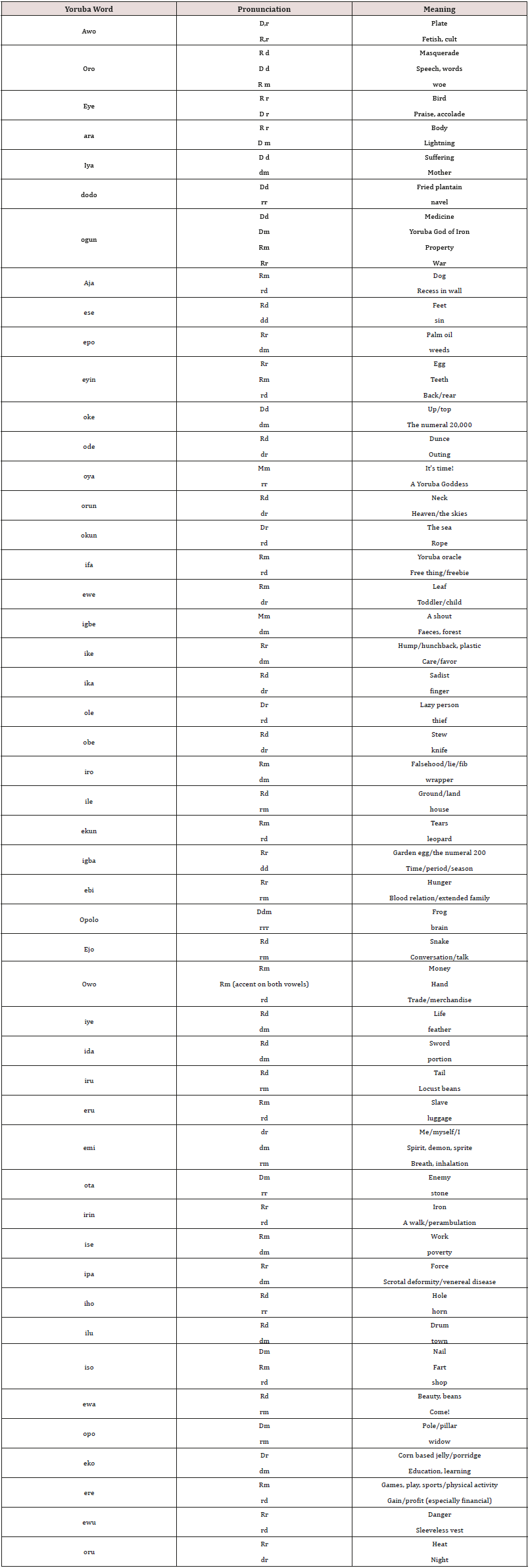
In linguistics, words that have the same spelling but have different meanings when pronounced differently are called homographs, heterephones or heteronyms [1,2]. Apart from English, Dutch and a few other Indo-European languages, few other languages on earth-apart from Yoruba have so many heteronyms. And given that many of the English heteronyms are merely verb and noun heteronyms (e.g. the noun ‘house’ means an actual structure for domicile while as a verb to ‘house’ means to provide said domicile and/or place person(s) therein) the number of spoton English heteronyms falls significantly. Also, many English and Indo-European language heteronyms come in pairs e.g. ‘confine’ as a noun means a boundary or limit while ‘confine’ as verb means to restrict. On the other hand, many Yoruba heteronyms came in trios, quartets, quintets and in rare cases septets such as the word ‘OKO’ which, depending on the pronunciation means spear, penis, farm, vehicle, husband, stone and hoe! [3] This is seven meanings for just one word merely by varying the pitch! It’s time for linguists worldwide to stop burying their heads in the sand and to do the honorable thing-officially reclassify Yoruba as a language isolate.

More examples of Yoruba homographs and heteronyms include the following: kindly note that the alphabet ‘d’ stands for the sound ‘do’, ‘r’ stands for the sound ‘re’ and ‘m’ for ‘mi’ (Table 1). This list of Yoruba heterophones is by no means exhaustive. But these are enough for any fair-minded and reasonable observer to strongly suspect, if not conclude that Yoruba is a language isolate [3].

Table 1:

Lupinepublishers-openaccess-Forensic-Genetics


Thursday, 16 February 2023

Lupine Publishers | The Philosophical Odyssey of Temporality

 Lupine Publishers | Journal of Forensic & Genetic Sciences

Abstract

During their research of the explanation of the world, most authors were, and still are, concerned about temporality. However, the literature of the subject is dominated by a proliferation of opinions and a dramatic absence of demonstrations, the tenacity of historians, poets and philosophers deserves praise. In his Annales, the Latin poet Tacitus (c.55-c.120) notices that there is little distance between art and error (Book IV, Ch. LVIII, 3).

Keywords:Precursor; Event; State of a System

Introduction

Since antiquity, the main trends of thought have developed from the idea of eternity: in many cultures, man in his anguish refuses death by attributing himself an eternal destiny. The idea of eternity can be considered a prodrom of temporality; a major precursor of time observed as soon as the writing was invented about 5000 years ago. This study reviews the main concepts of temporality, according to their appearance in history, and through over fifty major authors.

Eternity and Rebirth

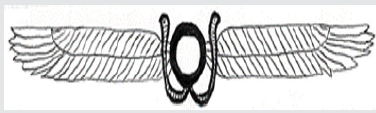
Figure 1: A sacred precursor of time and space. .
Lupinepublishers-openaccess-Forensic-Genetics

Eternity is a theological precursor of time that has first appeared in Mesopotomia and in Egypt. An Egyptian hieroglyph (Figure 1) symbolizes the cycle of the Sun God Re, in which the disc represents Re, creator of living beings. The spread wings of the Goddess Nephthys symbolize the Sun’s path, with the alternation of day and night, and with rebirth after death: a life post mortem in an imaginary hereafter, a life that is sustainable, perpetual; hence the idea of eternity, the idea of eternal duration. This sacred symbol of motion spread across a large part of western Asia, but no trace has been observed in Greek and Roman architecture and numismatics.

In most theogonies, Gods created humans with the purpose of being served and venerated; but, as they were afraid of being overwhelmed by these creatures of their own making, an idea which may seem strange to us, they made them mortals. They could then exert their occult Uranian influence by using aging and subsequent death. God must be written with a capital letter, as the Latin poet Petronius (?-c.65 CE) (CXIV) did in Satiricon, and as Tacitus did in Annales (Book III, Ch. VI, 2); indeed, their Gods were not inferior to ours. (CE for Common Era; BCE for Before Common Era). The Gilgamesh Epic (Sumer, c.2700 BCE) reveals that the Gods created humans, but that death was part of the deal. The legendary king was protected by the sun God Shamash, requesting that neither he nor his double Enkidu should be required to age: they wanted eternal life.

Pharaoh Narmer, c.3000 BCE, Menes in Greek « the one who is eternal » [1], p. 37), was the first pharaoh of unified Egypt. The name of pharaoh Menkaou-Re (c.2500 BCE), Mikherinos in Greek means « the solar God Re is eternal » [1], p. 46). The Pharaoh Khety, c.2070 BCE, gave his opinion: « Man survives after death, his deeds in a heap at his side. We are here for eternity; he who does not take Eternity is a theological precursor of time that has first appeared in Mesopotomia and in Egypt. An Egyptian hieroglyph (Figure 1) symbolizes the cycle of the Sun God Re, in which the disc represents Re, creator of living beings. The spread wings of the Goddess Nephthys symbolize the Sun’s path, with the alternation of day and night, and with rebirth after death: a life post mortem in an imaginary hereafter, a life that is sustainable, perpetual; hence the idea of eternity, the idea of eternal duration. This sacred symbol of motion spread across a large part of western Asia, but no trace has been observed in Greek and Roman architecture and numismatics. In most theogonies, Gods created humans with the purpose of being served and venerated; but, as they were afraid of being overwhelmed by these creatures of their own making, an idea which may seem strange to us, they made them mortals. They could then exert their occult Uranian influence by using aging and subsequent death. God must be written with a capital letter, as the Latin poet Petronius (?-c.65 CE) (CXIV) did in Satiricon, and as Tacitus did in Annales (Book III, Ch. VI, 2); indeed, their Gods were not inferior to ours. (CE for Common Era; BCE for Before Common Era). The Gilgamesh Epic (Sumer, c.2700 BCE) reveals that the Gods created humans, but that death was part of the deal. The legendary king was protected by the sun God Shamash, requesting that neither he nor his double Enkidu should be required to age: they wanted eternal life.

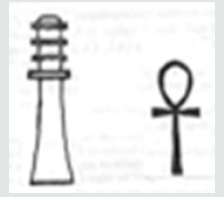
Pharaoh Narmer, c.3000 BCE, Menes in Greek « the one who is eternal » [1], p. 37), was the first pharaoh of unified Egypt. The name of pharaoh Menkaou-Re (c.2500 BCE), Mikherinos in Greek means « the solar God Re is eternal » [1], p. 46). The Pharaoh Khety, c.2070 BCE, gave his opinion: « Man survives after death, his deeds in a heap at his side. We are here for eternity; he who does not take care of that is a total fool! » [2], p. 62). The Djed (Figure 2) is a pillarshaped amulet which was intended to allow the pharaoh to live on « for ever in the next world » [3], Ch. III). The Djed appears on the side of the throne of Sesostris I (1970-1928 BCE) which was found in Karnak (Museum of Egyptian Antiquities in Cairo). It reminds the backbone of Osiris [4], p. 27), the God of rebirth after death. In his hypogeum, Amenophis II receives the cross of life Ankh (Figure 2) from the Goddess Hathor, thus conferring the gift of immortality [4], p. 121). In Odes, the Latin poet Horace (65-8 BCE) writes « we shall take the barque for the eternal exile » (Book II, III). For the polytheists (early 1st century), αιων (aion) is the eternal duration, associated with change. The fourth century Greek philosopher Euhemerus made a rational study of the post mortem divination of monarchs and prophets, called euhemerism, which is today lost in part. Medieval Judeo-Christians used the expression eternal time [5], p. 522).

Figure 2: Djed and Ankh.
Lupinepublishers-openaccess-Forensic-Genetics

The Day

Figure 3: Hittite hieroglyph for « day ».

Lupinepublishers-openaccess-Forensic-Genetics

The Hittite pictographic writing appears during the 15th century BCE, as does their first hieroglyphs: they use the day in their everyday life as a kind of unit (Figure 3) [6]. In Odyssey, the Greek poet Homer (9th century BCE) writes: « when Zeus brought the seventh day » (Song XII). « Then Helios was falling (in the Okeanos), and it was the end of this war of one day » (post-Homeric song). In Cratyle, the Greek philosopher Plato (428-348) notices that for Socrates (470-399), (the Sun) « is continuously rotating around the Earth ». The Latin poet Virgil (70-19 BCE), refers to volvenda dies: the rolling out of the days; what let suppose he considered that time is an active phenomenon. In de rerum natura, the Latin poet Lucretius (99-c.55 BCE) mentions the revolutions of the Sun (Song V, 931). In Manuel des Poids et Mesures, published in 1840, A. Tarbe gives an exemplary definition: « the returns (of the Sun) to the meridian mark the days » (Titre IV, §8). This is the rigorous semantic of an Avocat General at the Court of Cassation who was not, however, an astronomer.

The Month

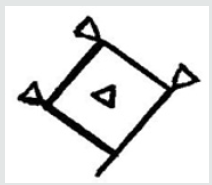
Figure 4: The invention of temporality.
Lupinepublishers-openaccess-Forensic-Genetics

From 2800 BCE, Sumerians have developed a cuneiform writing [7]. An unexpected clay tablet has been uncovered: it is engraved with a cuneiform sign (Figure 4) which means « lunar month » (6, Ch. II). It is the oldest proven reference to temporality (2800-2500) in the history of thought. The foregoing analysis demonstrates that the lunar month was not discovered somewhere in Nature or in the Universe, unlike a virus or an exo-planet. The Sumerian savants observed the Moon alternations, they named it arhue, which corresponds to the lunar month, and they used it as a unit in their everyday life. The lunar month is the invention of the first parameter of time, knowing that the word time does not exist yet. In Odes, the Latin poet Horace (65-8 BCE) wrote: Luna volvit menses (the Moon rolls out the months). In Aeneid, Virgil, who assumes that time is active, ventures the following expression: volvendis mensibus (the course of the months).

The Year

The year was used in Mesopotamia from the late 3rd millennium (7, Ch. IV): it comprised 360 days. During the Assyrian period (12th- 7th century BCE), the limmu was an important person whose name was used to indicate the year (5, p. 239). In Odyssey, Homer writes: « when time comes with the course of years » (Song I). « when the fourth year came, and when the seasons began again » (Song II). « after days and months have passed and the year being performed, seasons come again » (Song IV). « at the end of the year, when the hours have accomplished their round trip, when the months have gone by and when long days have elapsed » (Song X). In Histories, the Greek historian Herodotus (484-425) reports his travel in Egypt during which Egyptians claimed that they were the first to identify the annual cycle of seasons, this being divided into twelve months (Book II, 4). In Georgics, Virgil uses Volventibus annis (the years roll out). In Epistles, Horace complains: « During their course, the years strip us all our advantages » (Book II, II). In Life of Numa, the Greek philosopher Plutarch (c.46-c.126) writes about the year: « It only has three months among certain barbarians. Among Egyptians, the year had one month at first, and later it had four months » (18, 6 & 7). The Consul Ausonius, in The other prayer to the calends of January (379 CE), was the first in Rome to associate the regular advent of seasons with Annus (5, p. 553). The calends was the first day of the lunar month.

Past, Present and Future

Homer refers to what has passed using the word παρωξημενοζ (5, p. 547). In Odyssey, he writes: « So that we sang them in the future days » (Song VIII). The Greek poets Aeschylus (c.525-456) and Pindar (518-438) talk about future time: μελλων (5, p. 547). For the Greek Stoic Zeno (335-264), ομελλων means the future. The present is initiated with οενεστωζ, but its reality is denied (5, p. 551). They were right, because present time is a concept. In on Common Conceptions against the Stoics, Plutarch criticizes them with an unjustified reproach: « it is contrary to the notion that we have a future time and a past, but no present » (5, p. 549). In Isis, he mentions Rhea, the mother of Gods, spouse of Cronus (or Kronos), and the source of duration [8].

In Pyrrhonian Hypotyposes, the philosopher Sextus Empiricus (c.160-c.210) mentions the three divisions of time. He wonders if time exists or not. Is it finite or infinite? Divisible or indivisible? Perishable if it was created, or imperishable if it was not created? (5, p. 548). In the Peloponnese War, the Greek founder of historical science, Thucydides (c.465-c.395), reports the conflict which opposes Athena and Sparta from 431 to 404, pulled into conflict by their various alliances. He does not study present time, but present events. He follows the sequence of events in order to understand, and to accomplish his work as a historian (Book V, 26). In his conference La Conscience et la Vie (in L’Energie Spirituelle) at Birmingham University in 1911, the French philosopher Henri Bergson (1859-1941) described the present, as a duration thickness located between our immediate past and our imminent future. The physicist J. M. Levy-Leblond claims about present, that there is a width and a thickness between future and past [9]. In fact, if present designates present event, its duration is measured with a timer; if it designates present time, the duration of time is an obvious sophism.

The Seasons

Thucydides talks about the season (August) during which people’s health grows weaker (Book VII, 47). He avoids the confusion between the seasonal climatic impact and time. His translator Denis Roussel notes that physicians of the Cos School, that of Hippocrates (c.460-c.377) were taking the influence of climate and seasons into account. In the early fourth century AD, during Roman times, winged women were used to represent the four seasons, as in the Mosaic of the Seasons which was discovered near Antioch [10], Ch. V), and is now in the Musee du Louvre. In Histoire du temps (Fayard 1982), the French intellectual Jacques Attali reports an investigation carried out by Reinberg and Halberg about people suffering from brain death in France between 1962 and 1967, from which it results a greater fragility during winter seasons. Attali takes this as an action of time on individuals (Ch. 4), whereas in fact there is no action of time, merely a seasonal climatic impact. DAYS’ WALK

Herodotus frequently specifies the distance travelled (or to be travelled) in « days’ walk », in « days’ sail », or in « months’ sail » (Book I, 203; Book II, 19 and 31: « The distance is not short, it’s three days’ walk » (Book III, 6). In Anabase, the historian and strategist Xenophon (c.428-c.353) uses « days’ walk » (Book I), like Plutarch does in Life of Timoleon (25, 5). Considering how slow walking armies could be, for Persian, Greek, and Phoenician strategists, and especially for the foot soldiers and sailors who carried out these maneuvers, these expressions had the advantage of indicating both the « distance » and the « duration » of the travel. « distance walked in one day », « distance sailed in one day » and « distance sailed in one month » can be considered the first speed units. The British physicist Issac Newton (1643-1727) formalizes the distance travelled according to speed, with the equation: (distance travelled) = (velocity) x (duration of the travel) (9, p. 67).

The Clepsydra

The Latin writer Cicero (106-43) uses ad clepsydram, which means: under the control of the clepsydra, which is a water clock. Plutarch says that he’s measuring the water of clepsydra (Life of Alcibiades, 19, 5): he measures how much water has flowed, not the duration of an event.

Duration

The Queen Hatshepsut (1504-1483 BCE) says « So that my name is durable and perpetual ». Hatshepsut’s high priest: « I went towards my place of infinite duration ». Amenophis I « Amon is satisfied » (1558-1530 BCE) adds « Amon whose monuments are long-lasting » [11], Ch. II). Ptahhotep begs his pharaoh Isesi (c.2400 BCE) to discharge him of his functions: he complains of « the longlasting of life » (12, Ch. III). Was the concept of duration known at this epoch? Instead, Ptahotep probably said « the many years of life ». The physicist Michel Paty points out that the philosopher Alfred North Whitehead (1861-1947) thought that a duration had a temporal thickness [9].

Time

In Tell el-Amarna, on the tomb of Ai, who was the second husband of Nefertiti « the beautiful one has come » (second half of XIVth BCE), there appears a poignant anthem to the Sun composed by the Pharaoh Akhenaten, instigator of the first monotheism: « You are time itself, you last with it. In you, we all live eternally thanks to your splendour » [12], Ch. II). Eternity was subsequently referred to as the father of time by the Greek philosopher Proclus (412-485) (5, p. 540). In the Heracleidae by the Greek poet Euripides (480- 406 BCE), eternity was given the nickname son of time. According to Plato, the Demiurge has created a mutable copy (time) of the immutable model (eternity) (5, p. 537); in other words, Plato considers time to be a reality, without defining it. In Timaeus, he notes: « the Sun, the Moon and the five other planets were born to define the numbers of time » (5, p. 559). This is correct, given that the numbers of time correspond to our time units. However, he adds: « days, nights, seasons, are time divisions »; which shows that he did not see the need to distinguish phenomena (days, nights and seasons) and concepts (time divisions).

Philosophy treats time and physical space as primordial categories of understanding, although Philosophy does not explain what time and space are. For the Greek philosopher Aristotle (384-322), time and place are two out of his ten categories of understanding. In his cosmological treatise On the Heavens, the tutor of Alexander the Great, uses αιων (aion) for duration; the tripartition of time is not clearly established (5, p. 537). In De rerum natura Lucretius notices « the immensity of time » (Song V, 427) and « the infiniteness of time » (Song II, 574 et Song V, 378); he uses spatium tempus for space of time. Fugit irreparabile tempus (Time flies irremediably): this aphorism due to Virgil in Georgics represents all the metaphors of the presumed dynamics of time. In Geography, the historian and geographer Strabon (c.64-c.22 EC) reminds that the Egyptian priests of Thebes, who also dealt with philosophy and astronomy, decided to connect the course of time to the Sun and no longer to the Moon. The Roman historian Titus Livius (c.59-17 CE) used spatium tempus for space of time. In The art of loving, the Latin poet Ovid (43- 18 CE) asserts that « with time you will conquer Penelope » (Book I). He rejoices: « Others praise the past; for myself, I am pleased to be born in this century » (Book III). « Time flows like water » (Book III). Tempus edax rerum (Time destroys things), the aphorism of Ovid in Metamorphoses, suggests that time is the cause of change, including aging.

Plutarch was careful enough to say he had « leisure » instead of « free time » (Life of Cesar, 11, 5). Petronius describes « a clock near which a bucinator warns us of the flight of the days, and time gone by » (XXV). Days and hours cannot be measured; it is changes observed by Petronius that are measured. In Annals, Tacitus uses the expression « succession of times » instead of « succession of events » (Book XII, Ch. XL, 5). He uses distanti tempore for space of time. The Mosaic of Antioch (150 x 350 cm) was brought to light in 1939 in the lower valley of the Orontes river. Dated from Roman times (3rd Century) it carries the inscription ΧΡΟΝΟΙ (plural of time). The mosaic represents three allegories at a banquet: ΠΑΡΩΞΗΜΕ// ΝΟΕ (past), ΕΝΕΣΤΩΣ (present), ΜΕΔΔΩΝ (future). Outside the symposiac scene, the fourth allegory, ΑΙΩΝ (Aion), God of eternity, exhibits the ring of the zodiac, which symbolizes the uninterrupted and eternal duration of cosmic cycles (5, p. 517). Proclus proposes a truly constructive definition: « Time is the measure of the common return of all motions to the same point » (5, p. 557). This definition is interesting, even though Proclus does not differentiate between a phenomenon and the corresponding concept. Strictly speaking, it’s the observation of the return of motions that defines the concept of time.

The Roman bishop Aurelius Augustinus (354-430) complained in his Confessions (398) that time was familiar to him, but otherwise totally elusive if ever he attempted to explain it. In La Magie Orientale, Idries Shan observes that the Qutub was the supreme and invisible head of Sufism who managed to reach the degree of Wasl (Union with the infinite); he used to communicate with chiefs of the Order through telepathy, by abolishing time and space (p. 83). In As you like it, the British playwright William Shakespeare (1564- 1616) has Rosalind say: « the lazy foot of Time as well as a clock. Time travels in divers’ paces with divers’ persons » (Act III, Scene II). He uses heterochrony to express the illusive heterogeneity of durations; asserting that time passes quickly or that it flows slowly assigns a speed to time, but with respect to time, which is a sophism. In Julius Caesar, Mark Antony speaks to Caesar who has just been murdered: « Thou art ruins of the noblest man That ever lived in the tide of times » (Act III, Scene I, 256). For Newton, time determines phenomena (9, p. 33). « I saw the customs of my time », the Swiss philosopher Jean-Jacques Rousseau (1712-1778) writes in the preface to La Nouvelle Héloïse published in 1761: Rousseau used the word time instead of the word epoch. The German philosopher Emmanuel Kant (1724-1804) considers time and space as two out of his twelve philosophical categories: Kant asserts that time and space are pure intuitions, cognizable by intellect.

Time as a Phenomenon

Lucretius asserts that « time does not exist » (Song I, 459), but he later refers to « the strong forces of time » (Song III, 451), and « the eternal stretching of time » (Song V, 216). Lucretius mentions « the strong laws of time » (Song V, 58), « the ravages of time » (Song V, 317), and « the forces of immense time » (Song V, 379). He adds that « time is changing the nature of the world » (Song V, 834). In Ancient History of the Jews, the Jewish historian Flavius Josephus (37-c.100) noticed that the beauty of the palace built in Ecbatana, the capital of Media, now Hamadan, in the sixth century BCE by Darius King of Persia, was not tarnished by time (Book X, 11). Flavius recalls that « The Temple of Jerusalem was taken (by Pompey) on a day of fasting during the 179th olympiad » (Book VIII, 2), which would have been about 60 BCE. The Roman historian Curtius Rufus (1st century) admired the good condition of the Hanging Gardens of Babylon (Bab-Ilu means the door of God Ilu), which were created by Nebuchadnezzar II (604-562), and which had thus escaped the gradual destruction by time.

Plutarch observed that the monuments of Pericles (including the Parthenon) were preserved from « the ravages of time » (Life of Pericles, 13, 5). He cited Pericles when he was faced with the threat of war: « Time is the best advisor » (17: 18, 2), thereby discouraging haste. The French poet Victor Hugo (1802-1885) quotes the inscription on the façade of Notre Dame cathedral in Paris, which refers to damage done to the monument during the Revolution: Tempus edax, Homo edacior (Time destroys, humans more so). In L’Evolution Creatrice (1907), the French philosopher Henri Bergson (1859-1941) asserts that time is a flux and a kind of force, however flux and force are mutually exclusive. In La Fin des Certitudes (Odile Jacob, 1996), the Belgium Ilya Prigogine, Nobel Prize in chemistry in 1977, is convinced that time must necessarily play an active role in physical laws (Ch. I): The French philosopher Gilles Deleuze (1925-1995) thinks that time keeps dividing itself into before and after with the motion of the instant.

Events

In Bibliotheca historica, the Greek historian Diodorus of Sicily (c.90-30) stresses the fact that history has valuable lessons to teach us: the history that Diodorus is talking about concerns past events and present events, rather than past time and present time. In Ars Poetica, Horace mockes the laudator temporis acti (the old man who praises past time); of course, Horace means past life or past events, instead of past time as such. In Odes he writes: Luna volvit menses (The Moon rolls out the months). Fugaces labuntur anni! (The years pass quickly!) (Book II, XIII).

The Physical State of a System

The Greek philosopher and mathematician Pythagoras (c.570-c.480) considers that « everything changes, nothing disappears ». In de Natura, the Greek philosopher Parmenides (c.504-450) explains that the Universe is stationary. On the other hand, the Greek philosopher Heraclitus (c.541-c.480) has an intuition of impermanence: Παντα ρει και ουδεν μενει (everything flows, nothing remains) [5]. In de rerum natura, Lucretius writes that « nothing stays the same as it is now » (Song V, 830). In on the E at Delphi, Plutarch pointed out the impossibility of « observing a deadly substance twice in the same physical state » (5, p. 555).

Time and duration will be defined from the concept of state of a system [13].

The Existence of Time

In Sein und Zeit (1927), the German philosopher Martin Heidegger (1889-1976) postulates the existence of time and the phenomenology of time. He thinks of time as a being, and confused time, events, and historiality; he wondered why the flux of time could not be reversed. Despite his baroque phraseology, he could not explain the nature of time. The Austrian physicist Ernst Mach (1838-1916) thought that space and time did not exist, and that they were used to relate together certain phenomenona (9, p. 130). In other words, Mach considered that time and space were only parameters. In 1953, the French poet Louis Aragon (1897- 1982) proclaims without hesitation that Stalin, who had just died, was « the greatest philosopher of all time » (L’Express, Feb. 22nd, 2012). Naturally, we should understand here: in the whole history of philosophy, as the poet did not know the meaning of the word time. The Dictionnaire General du Surrealisme (P.U.F 1982) reports that the grave of the surrealist poet André Breton (1896-1966) in Batignolles cemetery in Paris carries the epitaph: « I seek the gold of time ». In Princeton in 1954, the Swiss physicist Albert Einstein (1879-1955) did a statement wherein he was in favour of a theory with no space and no time; « although we do not know how to do », Einstein added (9, p. 44).

Conclusion

Tacitus reminds us that « The habits were modified, according to needs; also, today’s innovation would soon happen in the manners » (Book XII, Ch. VI, 3). The long and rich Odyssey of time, from eternity to Einstein’s interrogation, offers an unexpected illustration of Titus’s aphorism.

Read More About Lupine Publishers Journal of Forensic & Genetic Sciences Please Click on Below Link:
https://forensic-journal-lupine-publishers.blogspot.com/

Saturday, 17 September 2022

Lupine Publishers | Mental Capacity and Decision Making in Bipolar Disorder

 Lupine Publishers | Journal of Forensic & Genetic Sciences


Introduction

Bipolar disorder is a chronic, recurrent and potentially debilitating illness characterised by fluctuations in mood state and energy, which is associated with significant impairments in cognitive, social and everyday functioning. Difficulties appear especially in the manic or depressive phase, but this disorder allows more than half of these patients to have a normal life and make their own decisions when no severe symptoms appear, which is in these patients for most of their life.

Principles

a. All people have mental capacity until proven otherwise, even if they suffer from a mental illness.

b. An important principle in the evaluation of mental capacity is the freedom every person must make bad decisions. The fact that a person might make an irrational decision is not proof enough of incapacity. These facts may raise doubts but must not be decisive in the process.

c. In order to prove inability for decision making, it is necessary to demonstrate disability, through a diagnosis of mental illness that incapacitates the abilities related to the decision-making process at that moment and for a specific task that is being evaluated.

d. When difficulties in the decision-making process appear, the least restrictive suitable and available measure should be taken. In this sense, curatorship may be more beneficial than guardianship. The best interest of the patients should be uppermost in the mind of a curator. Only in some areas and when the patient is unwell, the curator person will make decisions on economic or health aspects.

Practical Issues

a. To determine that a person does not have the capacity to make his own decisions, a mental disorder of enough severity to be unable to understand, appreciate and reason about relevant information for decision making must appear.

b. All intermediate courses are preferred rather than extreme courses. Incapacitation must be avoided as long as it is not strictly necessary and seek less drastic measures or support systems.

c. As medical and mental health professionals, it is always important to check with family members and sometimes talk to neighbors with the patient’s consent, explaining your concerns and trying to win their collaboration for the patient’s medical follow-up.

d. There are several ways to support patients that suffer Bipolar disorder, so that they can make the best possible decisions. They should be adapted to the mood phase in which they are at the moment. For instance, depressed patients should be encouraged to carry out their daily life activities while hypomanic patients should be encouraged to rest and be in the most quiet and calm environment available.

Read More About Lupine Publishers Journal of Forensic & Genetic Sciences Please Click on Below Link:
https://forensic-journal-lupine-publishers.blogspot.com/


Thursday, 26 May 2022

Lupine Publishers | Genetic Counseling and Testing for Colorectal Cancer in Young Adults: Mini-Review

 Lupine Publishers | Journal of Forensic & Genetic Sciences


Abstract

Colorectal cancer (CRC) has one of the largest proportions of familial cases. Two to 5% of all colon cancers arise in the setting of inherited syndromes, including Lynch syndrome (hereditary nonpolyposis colorectal cancer [HNPCC]), familial adenomatous polyposis (FAP), attenuated FAP, MUTYH-associated polyposis (MAP), and certain hamartomatous polyposis conditions like Peutz-Jeghers syndrome (PJS) and juvenile polyposis syndrome (JPS). All of these conditions are inherited, autosomal dominant disorders, except MAP, which is autosomal recessive [l]. Although clinical similarities do exist, each has different cancer risks, characteristic clinical features, and separate genetical etiologies. In addition to these syndromes, up to 30 % of colon cancers exhibit increased familial risk, likely related to inheritance. A number of less penetrant, but possibly more frequent susceptibility genes have been identified for this level of inheritance. Determination of predisposing genes allows for accurate risk assessment and more precise screening approaches. Examples include common polymorphisms in genes that regulate metabolism or genes that are regulated by environmental or other genetic factors.

Abbreviations: CRC: Colorectal cancer; HNPCC: Nonpolyposis Colorectal Cancer; FAP: Familial Adenomatous Polyposis; MAP: MUTYH- Associated Polyposis; JPS: Juvenile Polyposis Syndrome.

Introduction

Lynch syndrome is the result of a germline mutation in a class of hMSH2, hMLHl, hMSH6, and hPMS2. The MMR system is and insertion-deletion loops that form during DNA replication. Germline mutations in genes involved in DNA MMR (necessary for maintaining genomic stability by correcting single-base mismatches), including hMSH2 and hMLHl account for the up to 90% of Lynch syndrome cases; mutations in hMSH6 account for approximately l0% and mutations in hPMS2 are detected on rare occasions [2]. FAP (development of hundreds to thousands of colonic adenomas, beginning in early adolescence, and inevitable CRC in untreated individuals by 39 years), attenuated FAP (70% lifetime risk of CRC, an average of approximately 30 colonic adenomatous polyps), and Gardner syndrome (FAP with osteomas, epidermoid cysts, dental disorders, and/or desmoid tumors) all result from mutations in gene APC, which encodes a tumor suppressor that is part of the WNT signaling pathway.MAP is caused by biallelic mutations in MUTYH (MYH;part of the base-excision repair pathway, which is involved in defending against oxidative DNA damage) and is characterized by the presence of adenomatous polyposis of colo-rectum, and an increased risk of especially proximal colonic neoplasms, like attenuated FAP [3]. PJS and JPS are hamartomatous polyposis diseases hat are both associated with an increased risk for CRC and other malignancies. Gastrointestinal symptoms first occur in the early teenage years and include small bowel obstruction and intussusception. Mutations in STKll (LKBl) are the only known cause of PJS, whereas JPS is caused by mutations in either SMAD4 or BMPRlA [4]. Another known very rare hamartomatous condition, Cowden syndrome, arises from mutations of PTEN [5].

Identification of the genes that cause these colon cancer syndromes has led to the development of specific management guidelinesand genetic teststhat can diagnose these familial disorders. These guidelines are important, not only for the affected patient, but also for their family members. If a patient has FAP, close family members should be tested early on, usually as teenagers. This is because CRC in patients with FAP tends to arise at a very young age. If a patient has Lynch syndrome, family members can wait until they are about 20 to 25 years old to undergo genetic testing. At-risk patients can be offered genetic counseling and testing to determine whether they carry a detectable mutation for such a syndrome. If so, this information provides the clinician with valuable data about the patient's risk for other cancers, and alerts surgeon about the correct time for surgery.

Conclusion

In conclusion, genetic testing is available for most hereditary CRC syndromes and can be used to confirm suspected diagnosis, to clarify risks of extra-colonic cancers in affected individuals, and to identify relatives who are also at risk. Therefore, genetics analyses of CRC risk need to be included in mainstream clinical practice.

Read More About Lupine Publishers Journal of Forensic & Genetic Sciences Please Click on Below Link:
https://forensic-journal-lupine-publishers.blogspot.com/
Thursday, 7 April 2022

Lupine Publishers | Pitfalls in the Genetic Identification of Human Remains

 Lupine Publishers | Journal of Forensic & Genetic Sciences


Abstract

DNA technology is an irreplaceable tool for the identification of human remains, but the reliability of the ante mortem reference data remains a serious concern. We present here two cases where misleading conclusions could be achieved by using only the genetic profile of the missing person's father such as reference sample. Nevertheless, when appropriate reference DNA samples (e.g., the maternal samples) became available, certain identifications were achieved as shown by the probability of maternity (> 99.999%). Thus, all these data together show that extra-pair paternity was found by the way, in both cases. Precautions to avoid misleading conclusions are addressed.

Introduction

From the beginning of PCR era it rose that DNA profiling of human remains could be an irreplaceable tool for personal identification [1]. Now, after two decades, DNA technology represents the golden standard for human identification [2], which is being used even for mass disaster [3] and mass graves victims [4]. DNA testing is, by definition, a sample-to-sample comparison, and its reliability in the identification of human remains depends from several factors, out of them the degradation of the sample [5] and the availability of the "ante mortem reference data" (AMRD) [6] play the major role.

In such cases, the ideal AMRD is represented by a genetic database (such as in the case of the Armed Forces personnel, for example). Alternatively, personal effects (tooth brushing and razors, for example) belonging to the missing subject can be used to recover genetic data from the biological traces left on them. Nevertheless, since these approaches are not always allowed, the personal identification is usually performed, in such cases, by using the DNA of the relatives/son/daughter such as reference sample. The resulting data will be then compared by following standard procedures employed in kinship analysis [7]. This report describes two cases in which misleading conclusion could be achieved by using only the genetic profile of the missing person's father such as reference sample. The genetic reasons of these undesirable results are discussed.

Description of the two cases

Case 1

The naked body of a male subject was found in this water (Gulf of Trieste, Italy; latitude 45°38'10"32 N; longitude 13°48'15"12 E) in the summer time of the 2009 [water temperature: 21°C]. Conventional identification was not possible because of the decomposition of the body. Ten days before, the father of 32 years- old man (affected by psychiatric disorders), living in the area reported his missing. Two specimens (muscle from the quadriceps and patellar ligament) were collected during the autopsy and underwent genetic typing by using the AmpF/STR® Identifier™ PCR Amplification Kit (Applied Bio system) [8]. Identical full profiles were produced from the two samples of the unidentified body (UB). As reference sample, only the missing person's father (MPF) sample (saliva swab) was available at that time. The comparison of the two profiles (UB vs MPF) showed allelic matches in 10 out of the 15 loci tested. Therefore, this result could exclude in see the identification of the UB.

Few weeks later, a saliva swab was collected from the missing person's mother (MPM) and processed as reported above. The comparison of the two genetic profiles (UB vs MPM) showed allelic matches in 15 out of the 15 loci tested. A LR (likelihood ratio) value of 135,501,461 (corresponding to a probability of maternity of 99.999999%) was then found. Therefore, the identification of the body was achieved.

Case 2

A skeleton was found in a cave in the autumn of the 2013 near the boundary line of Tarvisio (Italy; latitude 46°30'20" N; longitude 13°35'12" E). The skull showed signs of a violent trauma probably caused by a blunt object, suggesting the hypothesis of a murder. No document was found in the clothes. About a year before, an unattended truck was found in the Customs-station of the Italy- Austria border. In addition, in the same days, the missing of its truck driver, a 42 years-old Lithuanian man, was reported.

Two bone samples (BS) were collected at the autopsy and underwent genetic typing by AmpF/STR® Identifier™ PCR Amplification Kit (Applied Bio system) [8] and Y-Filer™ PCR Amplification Kit (Applied Bio system) [8]. Full "consensus profile" [9] was achieved for the autosomal markers while partial "consensus profile" (11 out of 16 loci) was achieved for the Y-specific ones. In addition, the use of the YHRD (Y-Chromosome STR Haplo type Reference Database) [10] showed that the haplo type of the skeletal remains (SR) was already found once (in 69, 064 samples) just in Lithuania, thus suggesting that the skeletal remains could belong to the missing truck driver. Initially, the Scientific Police of the Republic of Lithuania provided only Y-specific haplotype of the truck driver's father (TDF) such as reference samples. Since the comparison of the two haplotypes (SR vs TDF) showed 3/11 matches, an exclusion judgement could rise. Few months later, the autosomal genetic profile of the truck driver mother's (TDM) was available for further analysis. The comparison of the two genetic profiles (SR vs TDM) showed allelic matches in 15 out of the 15 loci tested. A LR (likelihood ratio) value of 794,665 (corresponding to a probability of maternity of 99.999874%) was then found. Therefore, identification of the skeletal remains was achieved.

Discussion

We present two cases where misleading conclusions could be achieved by using only the genetic profile of the missing person's father such as reference sample. The first sample-to-sample comparisons, in fact, excluded the identity of the human remains, in both cases. Nevertheless, when appropriate reference DNA samples (e.g., the maternal samples) became available, the probability of maternity was shown to be >99.999 % and therefore proving the identity of the human remains. Thus, all these data together show that extra-pair paternity was found by pure chance, in both cases.

DNA technology is an irreplaceable tool for the identification of human remains [1-6,8,9] but the reliability of the reference samples remains a relevant concern since the frequency of extra-pair paternity is estimated to be about 1% [11]. In our experience, which records less than one hundred cases of identification of human remains, even a case of illegal adoption was found by the way [12]. It is therefore advisable that all these aspects are considered in the forensic practice.

Read More About Lupine Publishers Journal of Genetic & Forensic Sciences Please Click on Below Link:
https://forensic-journal-lupine-publishers.blogspot.com/

Friday, 11 February 2022

Lupine Publishers | Forensic Nanotechnology in Forensic Genetics

 Lupine Publishers | Journal of Forensic & Genetic Sciences


Abstract

Deoxyribose Nucleic Acid (DNA) is unique to each and every individual and it remains constant throughout the life as it follows the laws of Mendelian inheritance. However DNA analysis is widely accepted techniques for personal identification. DNA extraction and isolation from ancient bone samples, degraded body parts etc. is still quite difficult and challenging task for forensic scientist. But new upcoming technology like nanotechnology will help for analysis of such samples for DNA. Hence, in this review article we are short listed some of the research articles which used the different nanoparticles for DNA extraction. Where different nanoparticles used for the DNA extraction were cited and explained in brief.

Keywords: Nanotechnology; Personal Identification; DNA; Forensic; Nanoparticles; Copper nanoparticles; Gold nanoparticles; Magnetic Nanoparticles

Introduction

Personal Identification Using DNA

Traditionally, personal or forensic identification of human remains is done on the basis of fingerprint, odontology or skeletal evidence, facial characteristics, scars, marks, or other special features. In many cases, the methods available does not prove to be useful as the extent of putrefaction or destruction of the remains or decomposition is very high [1]. In the case of mass disasters, terrorist attacks, traffic accidents, wars, fires, explosions, airplane crashes defragmented body, highly decomposed body or severely burnt and other harrowing events personal identification or forensic identification become very difficult for the investigator from skeletal remains [2-4]. During decomposition human body undergoes a series of changes and the rate of degradation may vary due to factors like climate, bacterial growth, and insect and animal scavengers [1]. At this time soft tissues do often get destroyed and dental histories may be absent [2]. In such conditions Deoxyribo Nucleic Acid (DNA) can prove to be the most useful source of identification or a good alternative for identification purposes [2]. Deoxyribose Nucleic Acid (DNA) is responsible for the genetic inheritance and hence the discovery of double helix structure of DNA in 1953 triggered the major impact and headed to remarkable changes in almost all fields of science including forensic investigations. This understanding has been the foundation for development of new techniques and methodologies that permits characterizing each person have individually based on DNA sequence. DNA is composed of phosphate backbone, deoxyribose sugar, and nitrogenous base where the phosphate backbone and deoxyribose sugar remain constant across all individuals, only the nitrogenous bases distinguishes between each individuals. Hence, human DNA consists of 99.9 percent sequences approximately same in each individual only 0.1 percent is found to be different that is unique to each individual, though the possibility of having same DNA is about approximately 10-15 between two unrelated individual [5,6]. These minute differences in human DNA sequences can be detected and in 1984 first forensic DNA testing was done on the basis of these differentiations between DNA sequences [7].

In recent years it is largely widespread that, DNA could lead to personal identification of human remains, namely skeletal remains in the majority of the cases. DNA sample identification and profiling play very crucial role in mass disaster and also to identify suspect in civil and criminal cases. But simultaneously, it should be taken in to consideration that the degradation of genetic materials by the microorganism, humidity and many organic or inorganic compounds to which the skeletal remains were exposed reduce the amount of DNA and reliability of extraction of good quality DNA. To overcome such problem the use of small size loci amplification by polymerase chain reaction (PCR) gives the excellent results for further analysis of genetic materials. However, in forensic examination of skeletal remains, in context of personal identification, extraction of the PCR ready genetic material has become the crucial and challenging task. For forensic purposes, DNA was routinely isolated from different biological evidences such as blood, saliva, semen, hair, urine, skin, tissues, tooth, bones, etc [8-20]. From all these bone and tooth samples, particularly from ancient/buried/post-mortem skeletal remains samples, examination has been a chal-lenging task as the skeletal remains samples bring complication to the DNA extraction process due to the paucity of chemicals used to achieve effective disruption of cells and denature nucleoprotein/ protein-DNA complexes in the embedded cells. In addition, there is non-uniformity of sampling even from pulver-ized bone powder, compounded by the generally low quantity of cellular material and age-related degradation of DNA in the bone and the presence of polymerase chain reaction (PCR) inhibitors. Besides DNA hydrolysis by cellular nucleases and microbial degrada-tion, the DNA molecules are prone to biochemical degradation such as hydrolytic and oxida-tive damage [21,22].

There are many commercial products available for the isolation of DNA, involving column chromatography or extraction following agarose gel electrophoresis, but these techniques fail to avoid contamination or complicated procedures. It is essential that the isolated DNA from biological samples must be free from any kind of contaminants, such as protein and RNA. The process of genomic DNA isolation and purification has advanced considerably within the last decade but still there is need for improvements in methodologies for the DNA isolation. There is a necessity to replace old laborious and time-consuming traditional techniques which, generally rely on the use of phenol-chloroform method. All these techniques of DNA extraction are time-consuming, multi-step and utilize organic solvent for extraction, alcohol precipitation as well as centrifugation [23]. However, nanotechnology is recently entered in DNA isolation to answer and overcome such problems.

Forensic Nanotechnology

The advent of nanotechnology is taking control of atoms and molecules individually, modifying and placing them to use with an extraordinary degree of accuracy. The word 'Nano' comes from Greek word means dwarf, which refers to one billionth (10-9) mean about nanometer (nm) [24]. It deals with emerging material or devices having size equal to 100 nm or lesser. Nanomaterials are applying in different areas including electronics, engineering, physical sciences, materials sciences and also found its application in the field of medical science [25]. The advancement of nanotechnology has led to the development of newer methods which are novel and have improved properties which prove to be valid in all areas of science and technology. At present nanotechnology is playing vivacious role in the field of biomedical and biological fields [26,27].

Currently, nanoparticles have gained a huge attention for analytical biochemistry, medicine, and biotechnology applications, due to their unique size and physical properties. In the context of bio-separation and purification, a probable solution is to replace micro-particle with nanoparticles as they have high surface to volume ratio. Advancement of integrated systems to isolate DNA are developed which employ solid-phase supports among which magnetic nanoparticles have received great attention due to their easy manipulation and cost-effectiveness [28]. Magnetic nanoparticles has become an increasingly popular technique for the separation of biomolecules namely proteins, DNA and RNA [29]. Magnetic particles have been successfully used to extract genomic DNA from body fluids, such as blood, saliva, and semen [30]. Magnetic particles coated with different polymers like agarose, carboxyl and silica have been studied for DNA isolation [31]. Solid phase systems which adsorb DNA - silica-based particles, glass fibers, anion-exchange carriers, and modified magnetic beads have been used as they have an advantage of minimum DNA degradation during its purification [32-41].

From blood DNA extraction was done using magnetic nanoparticles by ZM Saiyed et al. [40], using magnetic microsphere by Rui Gong et al. [41] and ZM Saiyed et al. [42], from cell culture using magnetic nanoparticles by ZM Saiyed et al. [42] and using salicylic acid-coated magnetic nanoparticles by Zhongwu Zhou et al. [43], from soil using silica-magnetic nanoparticles by A Sebastianelli et al. [44], from urine using magnetic nanoparticles by Zhi Shan et al. [45] and from saliva using magnetic nanoparticles by Li Yi et al. [46]. The phenol / chloroform method is toxic, timeconsuming, and multi-step and utilizes organic solvent extraction, alcohol precipitation, as well as centrifugation [47]. The method has limitation while dealing with small amounts of DNA. The use of magnetic carrier technology has become widespread technique for the separation of biomolecules such as DNA, RNA and proteins [48,49].

Lodha et al. [50] utilized the unique property of copper nanoparticles for DNA isolation from skeletal remains samples for the first time ever. Where copper nanoparticles synthesized in microwave by using diethylene glycol (DEG), ascorbic acid and Poly Vinyl Pyrrolidone (PVP), which binds to DNA with very high affinity. The novelty of this method is that the copper nanoparticles have not been applied till now for DNA isolation. Moreover, authore claimed that this developed method can easily be applied to DNA isolation from skeletal remains. Muntaha et al. [51] found that the improvement of DNA quality and quantity were obtained when DNA extracted from Gram negative bacteria by extraction methods (boiling, alkali lysis and salting out) in the presence of ZnO nanoparticles. While in the presence of TiO2 nanoparticles, improvement in DNA quantity extraction from both bacteria was obtained when it had been used the salting out method only. Kwang et al. [52] used the longitudinal resonance of Au nanorods to transform near infrared energy into thermal energy in a microfluidic chip. Where the resulting heat generated effectively caused pathogen lysis. Consequently the DNA was extracted out of the cell body and transferred to a PCR system. Which resulted in the successful demonstration of a one step real-time PCR system for pathogen detection without removal or changing of reagents?

Conclusion

The use of nanotechnology to identify unknown human remains using forensic genetics/DNA has the potential to provide precise personal identification in portable, nonhazardous, easy manner from even trace samples. It is imperative that DNA extraction efficiency is maximized for forensic analyses because sample sizes are often limited and incomplete DNA extractions can introduce bias and therefore alter the interpretation of results. The reproducibility and nanomaterials used in the extraction steps requires research. Due to the existence of a wide variety of nanomaterials based DNA extraction protocols, there is currently no standardized extraction method used across forensic laboratories. This may limit the potential to compare forensic samples across different forensic research and lab groups, countries, or even case studies. Lastly, standardization of nanomaterials based lab on chip DNA forensic methods will need to be examined. When these issues are resolved, forensic scientists will be able to incorporate nanomaterials and DNA analysis into commonly applied casework, providing robust, reliable evidence for personal identification using nanotechnology.

Read More About Lupine Publishers Journal of Forensic & Genetic Sciences Please Click on Below Link:
https://forensic-journal-lupine-publishers.blogspot.com/

Monday, 13 December 2021

Lupine Publishers | The Case of the Fraudulent “Free Gift”- Amazon.Com and Luminary Skin Care

 Lupine Publishers | Journal of Forensic & Genetic Sciences


Introduction

One of the realities of human psychology is that people want "something for nothing” [1]. Franklin P. Jones, the long-time humorist whose column in the Saturday Evening Post was its longest continually posted feature, once wisely observed, "If you get something for nothing, you just haven't been billed yet [2]. "Jones was only partially right in today's credit card age when some fraudulent advertisers access your credit card balance without even the courtesy of a bill before the fact! Unfortunately, one of the more disappointing realities of business life is that the name of the highly regarded Amazon.com corporation-one of America's most highly respected companies [3] has been used to perpetuate a fraud by Luminary Skin Care, yet Amazon.com is allowing this fraud to go on unchecked. Luminary Skin Care uses the Amazon.com name on a simple online survey which, when answered, informs the customer that (s) he has won a "free gift.” Among those gifts is Luminary Skin Care products advertised as "a free trial [3].”The ruse is perpetuated by having the respondents provide their credit card number "to cover shipping and handling.” Unfortunately for hundreds of recipients, Luminary Skin Care bills them for the "free gift” to the tune of $187.58, ten days after the product is received and sends these recipients more of the unordered products.

What is particularly galling for recipients of the Luminary Skin Care "free gifts” is that the company's "Customer Service Staff” who handle incoming phone calls provide callers with no "service” whatsoever -although they do emphasize, "Didn’t you access the company's website and read the fine print?" Allegedly, there is such a website with a fine print explanation, but the product is nonetheless advertised enthusiastically. Like many "come on” ads, this Luminary Skin Care website misrepresents their product, claiming that this "special offer” is only available for a short time and that the product is virtually flying off the shelves due to overwhelming customer demand. Interestingly, of course, repeated trips to the website-just to double-check its validity-reveals that the same bogus information is repeated time after time and day after day. [4] Although the Better Business Bureau affirms that Luminary Skin Care is not a member of their organization and publishes many customer complaints, Amazon.com has nonetheless failed to "police” Luminary Skin Care and apparently condones their use of the Amazon name [5]. Attempts to contact Amazon. com’s Fraud Division result in sympathy but no apparent action in requiring Luminary Skin Care to responsibly inform surveyed customers thus perpetuating the fraud. Meanwhile, complaints to Luminary Skin Care occur on an hourly basis and are posted online, but customers continue to be defrauded by Luminary Skin Care and to have that fraud condoned by Amazon.com.

Read More About Lupine Publishers Journal of Forensic & Genetic Sciences Please Click on Below Link:
https://forensic-journal-lupine-publishers.blogspot.com/

Friday, 17 September 2021

Lupine Publishers | Assertiveness of Bullying Victims in Elementary School

 Lupine Publishers | Journal of Forensic & Genetic Sciences


Abstract

Forensic Science and Forensic Psychiatry plays a role in the developement of Psychology in Children and Psychology Education. Forensic science is related with physical examination in victims who have suffered from physical bullying. Pyschiatrist are related to victims who have suffered from verbal and psychological bullying.

Keywords: Forensic Science; Psychology; Bullying; Elementary School

Introduction

Bullying, according to Lidenberg [1] Is an agressive behaviour with an imbalance of power between the prepertrator (bully) and victim, which is done repeatedly by a child or a group of children. Its purpose is to annoy another child of of the same age. The difference between bullying and other agressive behaviours is that the frequency of bullying is done repeatedly, and the relationship between the prepertrator and victim, where the victim is usually a specific target who is dominated by the power of the prepertrator [2] In elementary schools, there are many types of direct bullying, such as physical (ex: hitting, punching) and verbal (ex: threats) bullying. Craig. According to [3], there are three types of bullying:

    a) Pyhsical Bullying, ex: taking the victims belongings, hitting/punching/kicking/pinching the victim, destroying the victims belongings etc;

    b) Verbal Bullying, ex: calling names or nicknames, making fun of the victim, mocking the victim,

    c) Pyschological bullying, ex: spreading rumours about the victim, rejecting the victim in a certain group.

In Persecuted Even on the Playground of the Liberation Magazine, Richard Werrly stated that 10 % of students in Japan suffer from stress due to the bullying they recieves, and at least attempted suicide once. Japan Education Department estimated 26.000 elementary and junior high school students skip school because of the the bullying that occured to them at school SEJIWA. The same problem is also occured in Europe and Australia [4]. It is estimated that from 15.686 students, 29,9%experience bullying with 13% as the bully, 10,6% as the victime and 6,3% as both the bully and victim. Nansel, dalam Raskauskas , Stoltz, A survey by Yayasan Semai Jiwa Amini (SEJIWA) hows that bullying in Indonesia between 2005-2007, occured in children between 9-19 years old, and 30 victims that died as a result from bullying. Ratna Juwita studied 1500 children in three cities Surabaya, Yogyakarta and Jakarta, the result showed that 70% of bullying occurs in school [5].

Bullying victims, according to Orpines [6] are individuals that recieve agressive behaviours repeatedly. One of the reason why a student or individual becomes a victim to bullying is said to have a low assertiveness. This is supported by a pilot study by Saripah [7], where 526 elementary students in five regions and cities in West Java showed that bullying has become a major sosial problem in elementary students (42,59%), and the result showed that bullying victims have a love assertiveness.

A victim of bullying can't defend themselves assertively [8,9]. The tend to obey the bully, cry easly and passively recieve the agressive behaviour given to them. This Shows that bullying victims have a low assertiveness [10]. Assertiveness itself is the quality of being self-assured, confident and maintaining their rights without being aggressive or harming other people [10]. Assertiveness, according to, is defined to the ability to express feeling, choose how to behave, maintain their rights, increase their self respect and know when and what to speak. Other opinions such as Alberti and Emmons, defined assertiveness as a behaviour that allows an individual to act as they want, maintain themselves without a worry, express their feeling honestly and comfortably or use their rights without violating the right of others [11]. Pyschological aspects of assertiveness according to Sheffield [12], is making a request, cutting off a conversation to uphold their rights, saying no, and ignoring a statement.

Making at Request

This way is used by an individual when bullyed to state what they want or a request to the bully without violating each others rights. This ability can be done before stating a request, the individual (student) must know what they want first. In order to state the request well, the individu (student) must practice how to make that request. Practice should start by using small statements, such as: " this is mine, i want you to give it back to me".

Cutting of a Convesation to Uphold their Rights

This can be done by students who experience bullying. Cutting of a conversation si done when the bully is seducing the victim to get what he/she wants. It is also a way to uphold the victims rights when the victim doesnt want to obey what the bully wants. By consistenly cutting of the conversation, it is hoped that the bully will give up forcing the victim to do something they dont want, for example: i know you dont have a pencil, but this is my pencil and i want my pencil back". If the bully keeps forcing the victim, the victim must be more persistent until the bully finally gives up.

Saying "NO"

Saying no is a way for the victim state out that they are refusing the request of the bully. Here, the victim must understand that everyone has the right to say "No". This is to make the victim aware of their rights and so that they dont feel guilty for declining the request from the bully. When saying "No", the victim must show an assertive body posture, for example: standing straight up, not smiling and making eye contact with the bully. This too needs practice. Practice can be done with friends, peers, family or even in front of the mirror.

Ignoring a Statement

Ignorning a statement is another way for the stand up to the bully. Here, the victim does not reply to the statement given or answer with insulting words. The victim should not show any anger towards the statement given by the bully. When the victim finds a statement is true, he/she may answer with "thats true". But when the statement given is not true, the victim should answer with "you might be right" atau " that may be true, or maybe not". Whatever answer is given, it should be said calmly. This type of reply is hoped to make bully not increase the state of bullying given to the victime.

Theoritically and empirically, a bully has a history of being bullyed themselves [13]. A bully tends to have agressive behaviour and a lack of empathy. Sciara, Olweus, Coloroso, Saripah Another effect of bullying is that the victim usually more suspectible to disease, experiencing academic barriers such as fear in going to school and decreasing in academic prestiges, longterm effects may include suicide, anxiety, low selfesteem and depression. Hawker Boulton, Mc Daugall, Vilancourt, Hymel [14], where as students who are victims of bullying who give an agressive response that suffer from bullying will have difficulty adjusting psychologically, such as antisosial behaviour, social and emotional. Glover, Gough, Johnson, Cartwright, dalam Smith [15,16].

Conclusion

One of the reasons why bullying occurs in elementary school is due to the lack of assertiveness, not only from the victim but also from the bully. Assertiveness is important because it can help the children to have a better social interaction with friends, family, teachers and social enviroment.

Read More About Lupine Publishers Journal of Forensic Sciences Please Click on Below Link
https://forensic-journal-lupine-publishers.blogspot.com/

Thursday, 5 August 2021

Lupine Publishers | Assertiveness of Bullying Victims in Elementary School

 Lupine Publishers | Journal of Forensic & Genetic Sciences


Abstract

Forensic Science and Forensic Psychiatry plays a role in the developement of Psychology in Children and Psychology Education. Forensic science is related with physical examination in victims who have suffered from physical bullying. Pyschiatrist are related to victims who have suffered from verbal and psychological bullying.

Keywords: Forensic Science; Psychology; Bullying; Elementary School

Introduction

Bullying, according to Lidenberg [1] Is an agressive behaviour with an imbalance of power between the prepertrator (bully) and victim, which is done repeatedly by a child or a group of children. Its purpose is to annoy another child of of the same age. The difference between bullying and other agressive behaviours is that the frequency of bullying is done repeatedly, and the relationship between the prepertrator and victim, where the victim is usually a specific target who is dominated by the power of the prepertrator [2] In elementary schools, there are many types of direct bullying, such as physical (ex: hitting, punching) and verbal (ex: threats) bullying. Craig. According to [3], there are three types of bullying:

    a) Pyhsical Bullying, ex: taking the victims belongings, hitting/punching/kicking/pinching the victim, destroying the victims belongings etc;

    b) Verbal Bullying, ex: calling names or nicknames, making fun of the victim, mocking the victim,

    c) Pyschological bullying, ex: spreading rumours about the victim, rejecting the victim in a certain group.

In Persecuted Even on the Playground of the Liberation Magazine, Richard Werrly stated that 10 % of students in Japan suffer from stress due to the bullying they recieves, and at least attempted suicide once. Japan Education Department estimated 26.000 elementary and junior high school students skip school because of the the bullying that occured to them at school SEJIWA. The same problem is also occured in Europe and Australia [4]. It is estimated that from 15.686 students, 29,9%experience bullying with 13% as the bully, 10,6% as the victime and 6,3% as both the bully and victim. Nansel, dalam Raskauskas , Stoltz, A survey by Yayasan Semai Jiwa Amini (SEJIWA) hows that bullying in Indonesia between 2005-2007, occured in children between 9-19 years old, and 30 victims that died as a result from bullying. Ratna Juwita studied 1500 children in three cities Surabaya, Yogyakarta and Jakarta, the result showed that 70% of bullying occurs in school [5].

Bullying victims, according to Orpines [6] are individuals that recieve agressive behaviours repeatedly. One of the reason why a student or individual becomes a victim to bullying is said to have a low assertiveness. This is supported by a pilot study by Saripah [7], where 526 elementary students in five regions and cities in West Java showed that bullying has become a major sosial problem in elementary students (42,59%), and the result showed that bullying victims have a love assertiveness.

A victim of bullying can't defend themselves assertively [8,9]. The tend to obey the bully, cry easly and passively recieve the agressive behaviour given to them. This Shows that bullying victims have a low assertiveness [10]. Assertiveness itself is the quality of being self-assured, confident and maintaining their rights without being aggressive or harming other people [10]. Assertiveness, according to, is defined to the ability to express feeling, choose how to behave, maintain their rights, increase their self respect and know when and what to speak. Other opinions such as Alberti and Emmons, defined assertiveness as a behaviour that allows an individual to act as they want, maintain themselves without a worry, express their feeling honestly and comfortably or use their rights without violating the right of others [11]. Pyschological aspects of assertiveness according to Sheffield [12], is making a request, cutting off a conversation to uphold their rights, saying no, and ignoring a statement.

Making at Request

This way is used by an individual when bullyed to state what they want or a request to the bully without violating each others rights. This ability can be done before stating a request, the individual (student) must know what they want first. In order to state the request well, the individu (student) must practice how to make that request. Practice should start by using small statements, such as: " this is mine, i want you to give it back to me".

Cutting of a Convesation to Uphold their Rights

This can be done by students who experience bullying. Cutting of a conversation si done when the bully is seducing the victim to get what he/she wants. It is also a way to uphold the victims rights when the victim doesnt want to obey what the bully wants. By consistenly cutting of the conversation, it is hoped that the bully will give up forcing the victim to do something they dont want, for example: i know you dont have a pencil, but this is my pencil and i want my pencil back". If the bully keeps forcing the victim, the victim must be more persistent until the bully finally gives up.

Saying "NO"

Saying no is a way for the victim state out that they are refusing the request of the bully. Here, the victim must understand that everyone has the right to say "No". This is to make the victim aware of their rights and so that they dont feel guilty for declining the request from the bully. When saying "No", the victim must show an assertive body posture, for example: standing straight up, not smiling and making eye contact with the bully. This too needs practice. Practice can be done with friends, peers, family or even in front of the mirror.

Ignoring a Statement

Ignorning a statement is another way for the stand up to the bully. Here, the victim does not reply to the statement given or answer with insulting words. The victim should not show any anger towards the statement given by the bully. When the victim finds a statement is true, he/she may answer with "thats true". But when the statement given is not true, the victim should answer with "you might be right" atau " that may be true, or maybe not". Whatever answer is given, it should be said calmly. This type of reply is hoped to make bully not increase the state of bullying given to the victime.

Theoritically and empirically, a bully has a history of being bullyed themselves [13]. A bully tends to have agressive behaviour and a lack of empathy. Sciara, Olweus, Coloroso, Saripah Another effect of bullying is that the victim usually more suspectible to disease, experiencing academic barriers such as fear in going to school and decreasing in academic prestiges, longterm effects may include suicide, anxiety, low selfesteem and depression. Hawker Boulton, Mc Daugall, Vilancourt, Hymel [14], where as students who are victims of bullying who give an agressive response that suffer from bullying will have difficulty adjusting psychologically, such as antisosial behaviour, social and emotional. Glover, Gough, Johnson, Cartwright, dalam Smith [15,16].

Conclusion

One of the reasons why bullying occurs in elementary school is due to the lack of assertiveness, not only from the victim but also from the bully. Assertiveness is important because it can help the children to have a better social interaction with friends, family, teachers and social enviroment.

Read More Lupine Publishers Journal of Forensic & Genetic Sciences Please Click on Below Link:
https://forensic-journal-lupine-publishers.blogspot.com/