Showing posts with label Lupine Publishers Group. Show all posts

Wednesday, 25 October 2023

Lupine Publishers | Automatic Sampling of Product Temperature and Moisture within a Heat Pump Apple Dryer

 Lupine Publishers | Journal of Advances in Robotics & Mechanical Engineering


Abstract

Food losses in perishable fruits are present worldwide and in many cases half of the fruit harvested is lost. Drying is the oldest and most common food conservation process that increase product shelf life. However, some nutritional properties can be lost if dryer variables are not properly controlled. Heat pump drying (HPD) is useful for food products having high initial moisture as the dryer keeps the air relative humidity beneath 20%. A monitoring system was developed to check the homogeneity of each of the apple slices within a tray. The system touches all the slices within one row, before it moves to the next one. Product moisture was measured with a bifurcated optical fiber that acquired the 950nm and 800 nm wavebands and converted them to electrical signals with photodiodes. Surface plots show moisture measurements taken once the tray was inserted and two hours later.

Keywords: Heat Pump Dryer; Apple Slices; Moisture Fiber Optic Sensing; Product Temperature Sensing

Introduction

Half of all the fruit and vegetables produced worldwide are lost or wasted, representing 1.3 billion tons annually [1]. Fruit processing is becoming necessary to avoid its spoilage. Food dehydration is a common food conservation practice for increasing fruit shelf life. This technique maintains product sensorial attributes and can be easily transported worldwide after proper packing [2]. Drying removes free water from food reducing microbial spoilage and enzymatic reactions [3]. Food drying has been extensively studied in the last years trying to obtain high drying rates while maintaining product quality [4]. Energy consumption during drying has to be optimized, meanwhile fruit texture, flavor and chemical components persist [5]. Drying consumes 10-15% of the total industrial energy demand in Canada, France, and the USA [6]. Solar and hot air drying are the most common used methods due to their simplicity, but their performance is questionable due to long drying time and poor energy efficiency [5,7,8]. Total energy consumption in drying apple slices increased with air velocity and decreased with air temperature. Its energy efficiency varied from 2.87 to 9.11% [9]. Postharvest studies in the United States indicate that 8.6% fresh apples are lost at retail and 20% at consumer level [10]. Apple dehydration methods include solar, tunnel, microwave, infrared and freeze drying [11]. Hot air circulates through trays enclosed in a cabin and the poor drying and energy efficiency depends on air speed and heaters [5-9,11,12]. High quality food use vacuum-microwave and Refractance Window drying [13] due to its better energy efficiency.
Heat pump technology has been used to dry food based on dehumidification/heating principles. Heat pump drying (HPD) has been found to be more effective in drying materials with high initial moisture and in very humid places [14]. Heat pump drying is now encountered in food industries due to its low energy consumption, minimum quality loss and high drying performance. HPD dries fruit with lower air temperature and relative humidity preserving heat-sensitive vitamins [15,16]. A system composed of a solar and a HPD dryer combination can be more efficient [17]. Solar drying can take place in daytime meanwhile heat pump drying can be effective at night. Fruit slices are introduced in trays and require from continuous temperature and moisture sampling. Single-point spectroscopy in the visible and near infrared region (Vis-NIR) [18] is a non-destructive technique used to monitor quality changes in the food industry. In a study carried out with mango it was found that at the 532 and 785 nm wavebands, moisture changes were detected [19]. Reflectance to transmittance ratios in the photosynthetic domain at 555 nm represent a cost-effective alternative for water stress and quality estimation in maize [20]. The reflectance regions at 765–784 nm, and 950–957 nm is described as water absorption wavebands [21,22]. In this paper we describe an automatic system for sampling moisture and temperature of apple slices within a heat pump dryer. A mechanism was designed to move the sensors and measure both air and product variables.

Heat Pump Dryer

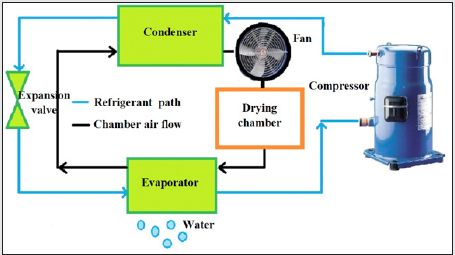
The block diagram of the heat pump dryer (Figure 1) shows the refrigerant cycle being its path highlighted by a blue line. The refrigerant components are a SM120S4VC scroll compressor, a condenser, an evaporator, and an expansion valve [17]. Airflow within the drying chamber circulates through the evaporator and the condenser as shown by the black line in Figure 1. Fans make airflow circulation possible.

Figure 1: Block diagram of the heat pump dryer showing the refrigerant and drying chamber paths.
Lupinepublishers-openaccess-robotics-mechanical-engineering-journal

Air Temperature, Air Relative Humidity and Slice Temperature Sampling

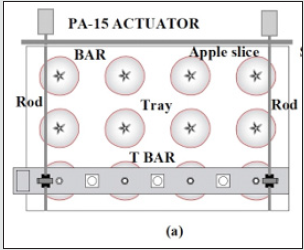
Figure 2a: Prototype used to measure fruit temperature showing top view.
Lupinepublishers-openaccess-robotics-mechanical-engineering-journal

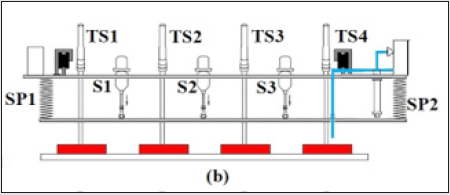
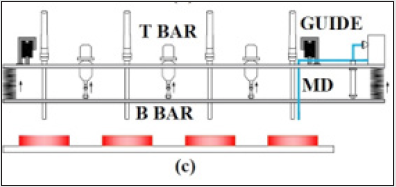
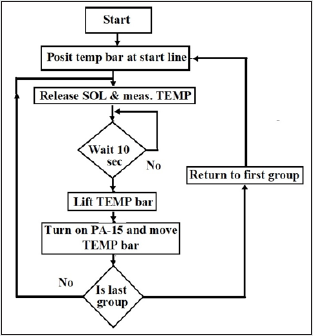
Air temperature and relative humidity were measured with DHT22 sensors (Adafruit, Australia). The sensor uses a capacitive circuit to measure air humidity and a thermistor to measure temperature. There were 5 circuits installed inside the dryer hanging between the top bar (TBAR) and the bottom bar (BBAR), (Figure 2a). These circuits were connected through an I2C connection to an Arduino UNO microcontroller, sampling air variables every minute. Dryer control based on product temperature demands less energy than with air temperature control. Therefore, a prototype was designed to measure food temperature by contact using J type thermocouples (TS1-TS4). In Figure 2 only 4 thermocouples are shown, but the prototype used five sensors per row. The main elements used by the automatic monitoring process were a linear actuator, three solenoids (S1-S3) and two rectangular bars separated by springs (SP1, SP2). The bottom bar has the thermocouples fixed (Figure 2b), and the metal rod plunger of the solenoids welded. After releasing the 120 V solenoids the sensors touch the apple slices and measure their temperature (Figure 2b). When the solenoids are energized, the bottom bar is lifted (Figure 2c) and the bars are free to move, letting a distance of 10 mm between the apple slices and thermocouples. A linear actuator (PA 15, Progressive Automations, USA) with a 12 V brushed DC motor was employed to move the thermocouple bar back and forth. Apple slices measurements were done automatically and uses a microcontroller (Arduino UNO) to provide sampling time and actuator voltage. When the TBAR is over the 5 apple slices of the first row and the solenoids are turned-off, the J-thermocouples touch the slices (Figure 2b, Figure 3). The springs will maintain the bottom bar (BBAR) down and temperature measurements of five slices are taken simultaneously at the first row. After 10 seconds, energy is supplied to the solenoids lifting the BBAR. A voltage pulse is applied to the PA-15 actuator until it arrives to the second row of apple slices, being the sampling process repeated. An optical sensor was developed (Figure 4a) to detect moisture in apple slices. Two hundred samples were acquired from random apple slices using a Vis-NIR spectrometer (USB2000+, Ocean Optics Inc. USA). After analyzing the spectral signatures with discriminant analysis, the best wavebands for moisture detection were 950 nm and 800 nm.

Figure 2b: Prototype used to measure fruit temperature showing lateral view with released solenoids.
Lupinepublishers-openaccess-robotics-mechanical-engineering-journal

Figure 2c: Prototype used to measure fruit temperature showing lateral view after solenoids activation.
Lupinepublishers-openaccess-robotics-mechanical-engineering-journal

Figure 3: Flowchart for synchronous product temperature measurement.
Lupinepublishers-openaccess-robotics-mechanical-engineering-journal

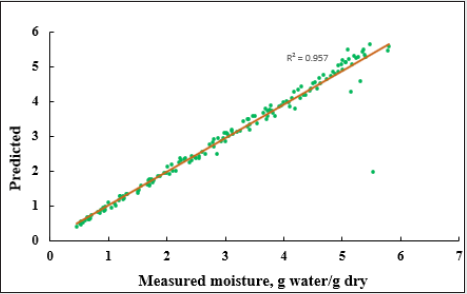
A light source illuminates the bifurcated optical fiber system at one end and reflected light from the sample is obtained at the other fiber end (Figure 4a). The reflected light arrives to a NIR beam splitter (mod 47-123, Edmund Scientific, USA), that outputs two identical 50R/50T reflectance and transmission optical beams (Figure 4b). Each beam is filtered by a band pass filter (mod 65-118 for 800 nm and mod 88-569 for 950 nm, Edmund Scientific, USA). The optical information is directed to photodiodes and converted to electrical signals. After amplifying the photodiode signals with two precise, zero-drift operational amplifiers (LTC1050, Linear Technology Inc., USA) it is acquired by an Arduino UNO microcontroller and saved in memory. The PIN photodetector (PS7- 5, First Sensor Inc., USA) was used for 800 nm detection, meanwhile a precise PIN photodiode (S1223, Hamamatsu Inc., Japan) detected the 950 wavebands. Two hundred apple samples were measured at different drying stages with the optical sensor, weighted with a balance and then dried in an oven to obtain the dry weight without water. A linear curve resulted between real and optical moisture measurements having a R2 of 0.957 (Figure 5).

Figures (4a,4b): Optical fiber sensor (a) detects apple slice moisture, being (b) composed of a beam splitter, filters, and photodiodes.

Lupinepublishers-openaccess-robotics-mechanical-engineering-journal

Figure 5: Optical fiber sensor measurement correlated apple slice moisture given in grams of water against grams of dried solid content.
Lupinepublishers-openaccess-robotics-mechanical-engineering-journal

Results

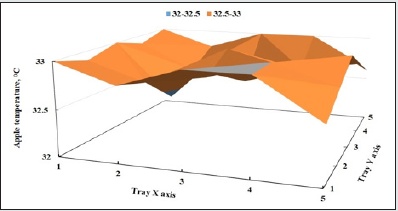
Apple slices 6 mm thick were cut filling three trays of the HPD dryer. Only the top tray was monitored as the surface over it let a space for the prototype movement. Air temperature was of 40°C and air relative humidity 20%. These measurements were taken with the DTH22 sensors and were constant during the entire 250 min drying time. Temperature measurements taken with the prototype showed apple slice variations after 90 minutes of drying (Figure 6). Temperature of the 25 slices varied from 32.4 to 33°C. The X and Y axis number represents the slice number given in cartesian format (1,1; 3,4). The first case (1,1) represents the apple slice in the first row, being at left position. The second case (3,4) shows the middle apple slice (3) of the fourth row.

Figure 6: Temperature apple slices surface plot.
Lupinepublishers-openaccess-robotics-mechanical-engineering-journal

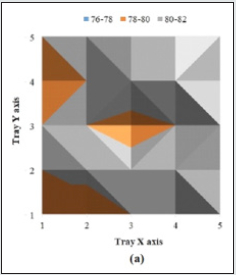
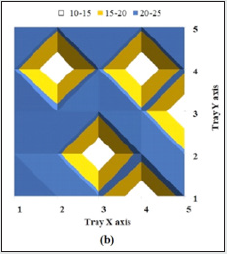
Optical fiber and photodetectors have been used to monitor chemical concentrations [22]. Optical moisture measurements were taken to 25 samples positioned over the top tray. Once the dryer was hot and the trays introduced, the 25 apple slices of the top tray had moisture content values between 76 and 78% (Figure 7a). After drying for 120 minutes, the slices reduced their moisture content considerably to values within 18 and 22% (Figure 7b). The slices at (2,4; 3,2 and 4,4) were smaller and shrinked quickly [23]; optical measurements were not taken over the fruit surface and their values were below 11% [24].

Figure 7a: Moisture area plot of apple slices just introduced to the HPD dryer.
Lupinepublishers-openaccess-robotics-mechanical-engineering-journal

Figure 7b: Moisture area plot of apple slices two hours later.
Lupinepublishers-openaccess-robotics-mechanical-engineering-journal

Conclusion

This work shows an automatic system for drying apple slices. It measures temperature and moisture content of the fruit during the drying process as it can provide a better signal for energyefficient dryers. The system can include more thermocouples and use instead infrared sensors avoiding solenoid lifting and releasing. The moisture optical sensor used 800 nm and 950 nm waveband filters. The optical sensor can be transformed to measure another fruit nutrients during drying by changing the waveband of the filters.

Acknowledgements

We would like to acknowledge all the technical staff of the University that provided funding to build the prototype. As well we would like to thank MI Angel Hernandez Facundo for his help in the development of all the drawings.

Read More About Lupine Publishers Journal of Advances in Robotics & Mechanical Engineering Please Click on the Link Below:

https://robotics-engineering-lupine-journal.blogspot.com/


Tuesday, 10 October 2023

Lupine Publishers | Post-Breast Cancer Chronic Wounds with Solid Calcifications Treated with Cu/SiO2-TiO2 Nano Biocatalyst

 Lupine Publishers| Journal of Modern Approaches on Material Science


Abstract

Objective: To describe patient outcomes with respect to the use of Cu/SiO2-TiO2 nanoparticles embedded in a polymeric gel as treatment for post-breast cancer chronic wounds with solid calcifications.

Methods: The nanoparticles were synthesized by the sol-gel method. The compound was incorporated into a polymeric gel matrix. SEM and TEM microscopy studies were carried out to evaluate grain size, morphology, and texture of the pure nanoparticles. The chronic wounds were treated by applying zinc oxide as emollient, Triticum vulgare (Italdermol®) and the Nano biocatalyst. The wound was covered with Solvaline® N dressings for the absorption of the exudate.

Results: The Cu/SiO2-TiO2 nanobiocatalyst displayed average particle size between 5 and 10 nm with high particle dispersion. Ordered arrangement of the nanoparticles was observed in TEM micrographs suggesting anatase crystalline structure. Microcalcifications extracted from the wound were suspected to be calcium carbonates and calcium oxalates, exhibiting sizes of the order of 20 μm. The administration of the nanoparticles with Triticum vulgare enhanced granulation tissue formation and revascularization by limiting bacterial infection. After 8 months of the first application the wound had completely healed in an atrophic scar, with no sign of inflammation or infection. No adverse effects were observed in the patient.

Conclusions: Post-breast cancer chronic wounds were successfully treated with Cu/SiO2-TiO2 nanoparticles. Good outcomes were observed in terms of tissue regeneration, wound healing, and infection hindering. Calcifications were eliminated. The nanoparticles can be used as a primary apposite to stimulate the autolytic debridement of injures due to their excellent local absorption and bactericide action.

Declaration of Interest: The study’s sponsors were not involved in the study design, the collection, analysis and interpretation of the data, the writing of this manuscript and the decision to submit this article for publication. The views express in this article are those of the authors.

Keywords: Cu/SiO2-TiO2, Chronic wounds, Breast cancer, Microcalcification, Tissue regeneration

Key Points:

a. A nanobiocatalyst based on mixed-oxides impregnated with transition metals was synthesized by the sol-gel method for the treatment of a post-breast cancer chronic wound.
b. The nanobiocatalyst presented displayed average particle size between 5 and 10 nm with high particle dispersion and ordered particle arrangement suggesting anatase crystalline structure as observed by SEM and TEM.
c. The post-breast cancer wound exhibited the formation of microcalcifications (20 μm) composed of calcium carbonates and calcium oxalates.
d. The administration of the nanobiocatalyst enhanced the formation of granulation tissue and revascularization by limiting bacterial infection.
e. The 30-years-old wound completely healed in an 8-months period, with no adverse effects detected.
f. The microcalcification formation was eliminated after tissue regeneration.

Introduction

Despite recent advances in the detection and treatment of metastatic breast cancer, mortality related to this disease remains as one of the highest due to the emergence of therapy-resistant cancer cells [1-5]. In 2018, an estimated 2 million new global cases were diagnosed representing 23% of all cancers, incidence rates varying from 19.3 per 100,000 women in Eastern Africa to 89.7 per 100,000 women in Western Europe [6]. By 2030, the number of deaths in Latin America is expected to achieve 74,000 per year [7]. The Globocan 2018 estimated that in Mexico the incidence for breast cancer was 39.5 cases per 100,000 habitants, with a total of 27,283 new cases and 6,884 deaths [8,9]. Common treatments for nonmetastatic breast cancer include endocrine therapy and cytotoxic chemotherapy [10]. The main surgical approach for cancer of the breast in all stages, early or late, is a radical and total mastectomy, breast-conserving surgery, and breast reconstruction, all followed by irradiation [11]. Possible side effects of surgery include seroma, hematoma, lymphoedema, cording, restricted range of movement in the shoulder, nerve pain, tissue necrosis, microcalcification formation, and surgical site infection [12-15]. The incidence of wound complications after breast cancer surgery are substantial, ranging from 6 to 30% [16-19]. There are several factors related to increased risk of complications in post-surgical patients, including patient risk factors (e.g., diabetes, obesity, and smoking), [20,21] surgical technique, [22] and type of surgery. [23] In fact, it has been suggested in previous studies that radiation increases the risk of complications, both in patients receiving breast implants, [24-29] and in those treated with autologous reconstructions. Murthy et al. [30-32] proposed that delayed wound healing is associated with an increased rate of systemic recurrence after primary breast cancer excisional surgery, [33] therefore one main point of attention in postoperative care must be the control of wound-closure-hindering infections.

In past studies, we have evaluated the healing properties of copper nanoparticles stabilized in a titania-silica mixed oxide matrix (Cu/SiO2-TiO2) as a treatment for chronic diabetic foot ulcers [34,35]. The nanoparticles prepared by the sol-gel process allowed to avoid a programmed supracondylar amputation in the patient, with favorable clinic evolution of the chronic ulcer by enhancing tissue regeneration and wound healing.

Aim of the Study

The aim of this study was to determine the wound healing properties of the Cu/SiO2-TiO2 nanoparticles for the management of breast-cancer-related chronic wounds in combination with Triticum vulgare (used as a treatment of oral mucositis by radiotherapy and chemotherapy in cancer patients) [36] and Solvaline® N (wound dressing).

Materials and Methods

Ethanol (99.8%), copper acetylacetone (97%), sulfuric acid (98%), phosphoric acid (98%), tetraethyl orthosilicate (98%) and titanium butoxide (98%) were purchased from Sigma Aldrich Company (Saint-Louis, MO, USA). Solvaline® dressings were purchased from Lohmann & Rauscher (Milwaukee, WI, USA), and aqueous extract of Triticum vulgare (Italdermol®) was obtained from Italmex (Mexico City, CDMX, Mexico).

Preparation of Cu/SiO2-TiO2 Nanoparticles

The nanoparticles were synthesized following the procedure of secrecy No. 101/100/014/13. A flask with deionized water and ethanol was kept at room temperature and constant stirring, the adequate amount of copper acetylacetonate was added to this mixture, then the pH was adjusted to pH 1 with sulfuric and phosphoric acids. During a period of 4h, tetraethyl orthosilicate and titanium butoxide were added dropwise to the mixture under stirring. Once the alkoxides were completely added, the temperature was increased while stirring until gelation. The nanoparticles were obtained when the gel dried. The compound was incorporated into a polymeric gel matrix.

Scanning and transmission electron microscopy studies

The grain size, morphology, and texture of the pure nanoparticles with no polymeric gel matrix were characterized by scanning electron microscopy (SEM) in a JEOL JSM-6010LV microscope equipped with an energy dispersive spectroscopic (EDS) microanalysis system (OXFORD). The nanoparticles’ size was determined by transmission electron microscopy (TEM) in a JEOL JEM-2100F, operated at 120 kV voltage. The images were obtained using a CCD Mega Vision (III) camera.

Clinical Study

Patient Clinical History

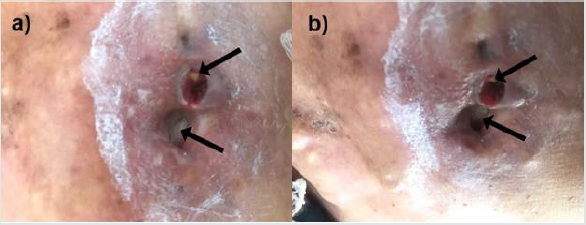
A 78-years-old female patient from Mexico City presents a family history of diabetes mellitus and hypertension, as well as cases of chronic venous insufficiency and deep vein thrombosis, from both mother and father lineages. She presents type-2 diabetes mellitus for 15 years treated with biguanide and insulin 30-0-20, with medication non-adherence problems. The patient refers previous history of mixed dyslipidemia and hypertension. Furthermore, the patient was diagnosed with Invasive Ductal Carcinoma (IDC) in the left breast thirty years ago, which conducted to total mastectomy and irradiation. The breast cancer exhibited total remission for 30 years. The patient reported to medical consultation for presenting small wounds in the chest and secondary calcifications that were growing inside and outside the injury since the beginning of irradiation therapy. During first physical exploration blood pressure was 140/90 mmHg, heart frequency had a rate of 76 beats per minute, respiratory rate of 18 breath per minute, temperature was 36.9°C. The patient denies fever, general discomfort, asthenia, and adynamia. The size of the wound located in the left thorax is 2.0 x 1.0 x 1.5 cm with macerated borders (Figure 1a&1b), the perilesional skin showed edema, erythema, and hyperpigmentation, with yellow exudate and foul odorous suppuration, visible calcifications were identified inside the wound. She exhibits a scar due to the previous total mastectomy of the left breast. The patient refers moderate pain at palpation and during wound cleaning.

Figure 1: Post-breast cancer chronic wound with solid calcifications. The size of the wound is 2.0 x 1.0 x 1.5 cm with macerated borders. Calcifications are identified with black arrows.

Lupinepublishers-openaccess-material-science-journal

Clinical Diagnosis

Chronic radiation-induced ulcer in the chest wall after surgery in breast cancer. Risk factors for systemic recurrence: female, total mastectomy, chronic untreated ulcers, type-2 diabetes mellitus, hypertension.

Treatment

Advanced wound care was initiated by applying zinc oxide (ZnO) on the macerated skin due to its epithelialization and infection-control properties [37]. The Cu/SiO2-TiO2 nanoparticles embedded in a polymeric matrix were applied in combination with Triticum vulgare inside the wounds to generate granulation tissue and limit bacterial infection. The wound was covered with Solvaline® N dressings for the absorption of the exudate. Additional management included prophylaxis antibiotics on one occasion and analgesics each 12 hours when pain was presented.

Results

Electronic Microscopy Studies Of The Nanoparticles

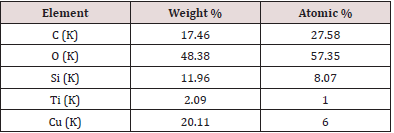
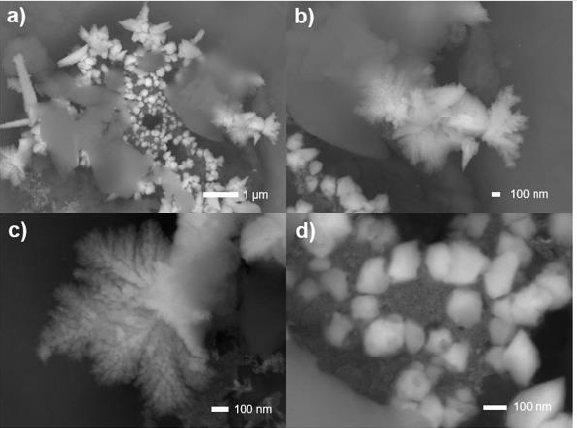
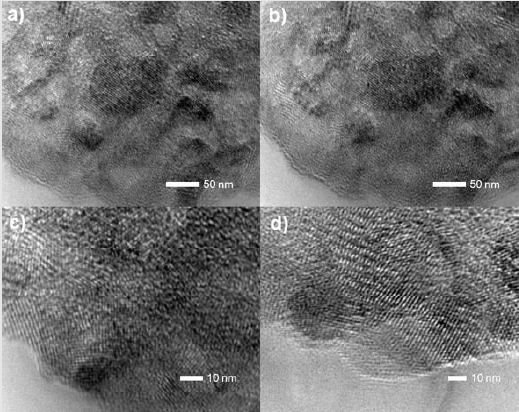
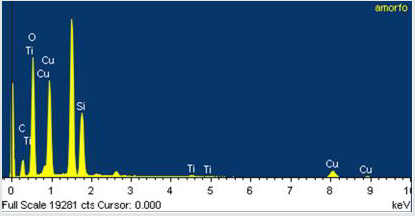
SEM images showed Cu/SiO2-TiO2 nanoparticles formed conglomerates with visible crystalline structure and average particle size between 0.1 and 1 μm, as shown in (Figure 2a). The conglomerates exhibit a flake morphology with a flustered arrangement of the nanoparticles. A deeper analysis increasing magnification to 37,000x (Figure 2b), 70,000x (Figure 2c), and 100,000x (Figure 2d) allowed to observe individual nanoparticles with sizes ~ 10 nm grouped in 100-nm conglomerates. A further study of TEM (Figure 3) allowed to corroborate individual particle size to be of the order of 5 nm. Particle arrangement observed in TEM images suggest the presence of crystalline structure, possibly microcrystalline anatase with grain sizes of 10-30 nm as observed in previous XRD studies regarding the SiO2-TiO2 mixed oxide matrix [38-40] (the diffractograms are not shown in this paper for the sake of brevity). EDS measurements in the conglomerates showed homogeneous distribution of the elements present in the compound with atomic percentages as expected (Figure 4). The atomic composition is shown in Table 1.

Table 1: Atomic percentage composition of the nanoparticles.

Lupinepublishers-openaccess-material-science-journal

Figure 2: SEM micrographs of the Cu/SiO2-TiO2 nanoparticles at 15,000 x (a), 37,000 x (b), 70,000 x (c), and 100,000 x (d). Nanoparticle conglomerate formation with sizes 0.1–1.0 μm is observed. Individual nanoparticles exhibit average particle size of 5-10 nm.

Lupinepublishers-openaccess-material-science-journal

Figure 3: TEM micrographs of the Cu/SiO2-TiO2 nanoparticles with dimensions 50 nm (a, b) and 10 nm (c, d). Individual particle size was identified to be < 10 nm. The nanoparticles exhibit crystalline structures with grain sizes of 10-30 nm. Particle arrangement suggests an anatase crystalline structure.

Lupinepublishers-openaccess-material-science-journal

Figure 4: EDS measurement in the conglomerates with the presence of Ti, Si, O, and Cu, elements that compose the Cu/SiO2-TiO2 nanoparticles. Carbon peaks correspond to the carbon tape in which the sample was placed.

Lupinepublishers-openaccess-material-science-journal

Microcalcification Analysis

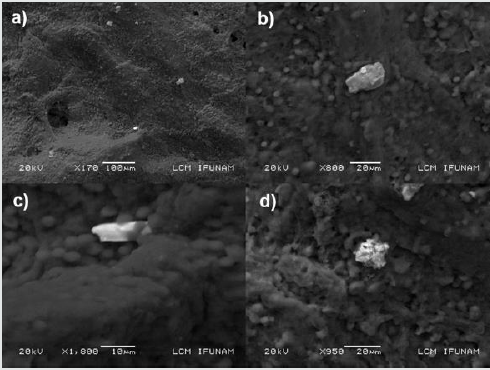
Microcalcification accompanies several benign and malignant alterations in breast parenchyma [41,42]. Most commonly the calcifications (5 μm to 100 μm) are composed of hydroxyapatite (Ca10(PO4)6(OH)2), which forms concentric concretions and amorphous masses, [43] exhibiting grey-white, opaque, and ovoid form or fusiform shapes with irregular surfaces [44]. Less often, calcium oxalate dihydrate (Weddellite) is deposited, forming single crystals up to 1 mm long, [44,45] which are amber in color, partially transparent and form pyramidal structures with relatively planar surfaces [46]. Before treatment with Cu/SiO2-TiO2 nanoparticles and Triticum vulgare, the wound was cleaned, and intern calcifications were removed. After a few applications, internal calcifications emerged from the wound, which captured our attention. For a better understanding of the properties of the calcifications obtained, the crystals were analyzed by SEM and EDS techniques to identify morphology, texture, and composition. In (Figure 5) a sample of epithelial tissue is observed with the presence of individual calcifications with sizes of the order of 20 μm. The masses exhibit amorphous structures with no visible presence of crystal twinning. According to bibliography revised, [15,43-45] our hypothesis is that the calcifications are composed of calcium carbonate (CaCO3), calcium oxalate (Ca(CO2)), or hydroxyapatite (Ca10(PO4)6(OH)2); the aforementioned is intended to be corroborated in a further EDS study. Calcium oxalate has been shown to be associated with benign lesions of the breast or at most non-invasive lobular carcinoma in situ [47]. Calcium carbonate microcalcifications identified with breast tissues grow in calcite and aragonite crystal structures [48].

Figure 5: SEM micrographs of the calcifications observed in the wound-tissue sample. Individual calcifications with sizes of the order of 20 μm are observed surrounded by erythrocytes deposited in the surface of the epithelial tissue.

Lupinepublishers-openaccess-material-science-journal

Clinical Study

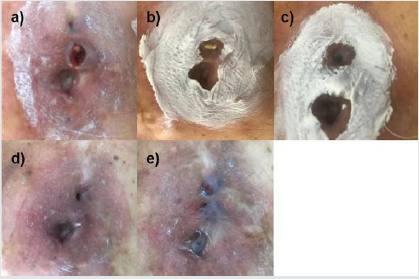
Administration of Cu/SiO2-TiO2 nanoparticles with Triticum vulgare enhanced granulation tissue formation by limiting bacterial infection as early as two months after the first application. The wound was dry and clean, with sharp edges and edema reduction. After four months of treatment, the size and depth of the chronic wound had reduced significantly, presenting an erythematous clean bed and a decrease in calcification formation. At the 6-months mark, granulation tissue was observed with optimal reepithelization and no fibrin due to revascularization and fibroblast production. After 8 months of the first application, the wound has completely healed in an atrophic scar. No inflammation was observed. The healing process is observed in (Figure 6).

Figure 6: Evolution of the chronic wound with Cu/SiO2-TiO2 + Triticum vulgare treatment at time 0 (a), after 2 months (b), after 4 months (c), after 6 months (d), and after 8 months (e). The white film observed corresponds to the zinc oxide applied as emollient.

Lupinepublishers-openaccess-material-science-journal

Discussion

The clinical case presented several risk factors that seriously complicated the wound healing process and represented a possible systemic recurrence: chronic untreated ulcers, hypertension, and type-2 diabetes mellitus. In healthy patients, the healing process involves coordinated interactions between diverse immunological and biological systems, which are divided into four time-dependent steps: (i) coagulation and hemostasis, (ii) inflammation, (iii) proliferation, and (iv) wound remodeling [49-55]. The four steps are essentially dependent on a proper blood irrigation to the wound for the transport of the cells (endothelial, thrombocytes, neutrophils, etc.), nutrients, and coagulation and inflammatory factors that will intervene in the process [56-59]. Diseases that lead to compromised microcirculation, such as diabetes, inhibit the delivery of oxygen and nutrients to tissue injuries, impairing wound healing [60] and causing the development of chronic wounds on account of impaired growth factor production, angiogenic response, collagen accumulation, fibrosis, and abnormal blood pressure [61]. Furthermore, due to chemotaxis and impaired leukocyte function and inadequate migration of neutrophils and macrophages to the wound, [62-64] diabetic patients develop a preponderance for infections such conditions demand for wound healing treatments that enhance reepithelization while reducing infection progression [65,66].

Titania-silica mixed oxide nanoparticles with high specific surface areas (up to 645 m2/g) have been studied regarding their catalytic properties for a broad variety of applications, [38,40,67- 69] including absorption of organic pollutants, [70] drug delivery, [71,72] and catalysis [73-75]. The incorporation of transition metals (such as platinum and copper) in the mixed matrix has been reported to enhance the antibacterial properties of the compound. [34,35] For the treatment of the chronic wounds the patient exhibited, we synthesized Cu/SiO2-TiO2 nanoparticles with catalytic and antibacterial properties. The nanoparticles were obtained by the sol-gel process through a hydrolysis catalyzer to achieve acid conditions in the gelation process, and thus, to obtain acid nanomaterials. The development of acidic properties in binary mixed metal oxides in terms of Lewis and Brønsted acidic sites has a direct impact on the catalytic properties of the nanoparticles. [38,76,77] The nanoparticles’ size observed in SEM and TEM studies (5-10 nm) makes them capable to traverse the plasmatic membrane of the bacteria through passive diffusion [78]. Once inside the bacteria, due to synthesis method used and their functionalized surface, the nanoparticles are able to catalyze the breakage of C-C and C-N bonds present in DNA and RNA nitrogenous bases hence destabilizing the structure of the molecule and inhibiting the bacterial reproduction [79]. This biocatalytic process is believed to generate molecular oxygen which enhances the proliferation of fibroblast activity, [80] collagen synthesis, [81] and inflammation, [82] hence improving the generation of granulation tissue and reepithelization, and significative decreasing the time of recovery.

The patient’s wounds treated with the Cu/SiO2-TiO2 nanoparticles exhibited total recuperation after 8 months since the first application. Through the healing process, internal solid calcifications emerged from the wound. They were removed and analyzed by SEM technique. The presence of calcium compounds in the breast is related to benign lesions, as the chronic wounds the patient exhibited. After the application of the nanoparticles, the calcification formation was reduced and eliminated as a sign of lesion recovery [41,83]. The successful outcome achieved with the treatment meant a significant improvement in the patient’s quality of life, eliminating the possibility of a systemic recurrence of breast cancer [18].

Conclusion

Post-breast cancer chronic wounds were successfully treated with Cu/SiO2-TiO2 nanoparticles in a patient with the menace of systemic recurrence due to risk factors such as hypertension and type-2 diabetes mellitus. Good outcomes were observed in terms of tissue regeneration and wound healing. The therapy with the nanoparticles embedded in a polymeric gel hindered infection formation allowing wound reepithelization and healing with a time of recuperation significantly reduced (8 months in a 30-years-old chronic wound). Furthermore, calcifications present in the wound were removed and the recurrent formation was eliminated after the treatment. No adverse effects were observed in the patient. Scientific evidence supporting the efficacy and safety of the Cu/ SiO2-TiO2 therapy is hereby shown. The nanoparticles can be used as a primary apposite to stimulate the autolytic debridement of injures, due to their physical-pharmaceutical properties: excellent local absorption because of its nanoparticulate composition and bactericide action that helps control local infections. Yet, future studies must be carried out to further confirm the efficacy of the nanoparticles.

Reflective questions

a. Microcalcification formation elimination is related directly with the catalytic effect of the nanoparticles or with the wound healing process?

b. Do we need to assess the effectiveness the nanobiocatalyst in the real world and not simply rely on clinical trial data?
c. What can be done to improve wound healing rates?
d. How can the efficiency of health-care delivery be improved?

Author Contribution

All authors contributed to the study conception and design. The design and synthesis of the nanoparticles were executed by TL, PR and FJPG. The characterization techniques were made by EGL. The patient’s treatment was carried out by VSB. The first draft of the manuscript was written by FJPG. All authors commented on previous versions of the manuscript and critically revised it. FJPG was responsible for compiling the final draft. All authors read and approved the final draft.

Funding

This study was funded by the Autonomous Metropolitan University – Xochimilco and NANOTUTT S.A. de C.V.

Compliance With Ethical Standards

Conflict of Interest: The authors declare that they have no conflict of interest.

Ethics Approval: This study was performed in line with the principles of the Declaration of Helsinki. Necessary ethical clearance was obtained from the ethical committee office code number JUDI- 01/07 CDMX under the protocol: [“Security and efficacy of the local application of Pt/SiO2-TiO2 nanomaterials in patients with diabetic foot ulcers” Education and Investigation Direction], and the study was conducted in accordance with the ethical Good Clinical Practice.

Declarations

Consent to participate. Informed consent was compulsory for contribution in the study. The staff notified the contributor with the objectives, dates, drugs, diet, possible risks, and general activities through the clinical study.

Consent to Publish: No personal data of the patients was mentioned in the study.

ORCID ID

1. Tessy López: https://orcid.org/0000-0002-6048-0419
2. Francisco J. Padilla-Godínez: https://orcid.org/0000- 0002-9253-2463

Read More About Lupine Publishers Journal of Modern Approaches on Material Science Please Click on the Below link:

https://lupine-publishers-material-science.blogspot.com/

Saturday, 7 October 2023

Lupine Publishers | Laparoscopic Ovarian Cystectomy Hemostatic Maneuvers Impact and Influence on Ovarian Reserve Parameters and Indices

 Lupine Publishers | Journal of Genecology and Women's Healthcare 


Abstract

Background: Electrocoagulation during performing laparoscopic ovarian cystectomy as a method used for hemostasis is one of the most commonly and preferred methods due to simplicity and speedy applicability. Fertility outcomes after ovarian cystectomy is a global concern that should be respected and investigated by further research efforts trying to elucidate the best method and protocol in surgical practice.

Aim: To investigate the impact and influence of hemostatic methods implemented in laparoscopic ovarian cystectomy on ovarian reservoir function.

Methodology: A prospective research clinical trial conducted on 72 research study subjects from January 2017 till April 2018. Research study subjects were recruited for the study having unilateral or bilateral ovarian cysts they were equally categorized into research groups according to the hemostatic method implemented during the surgical procedure.

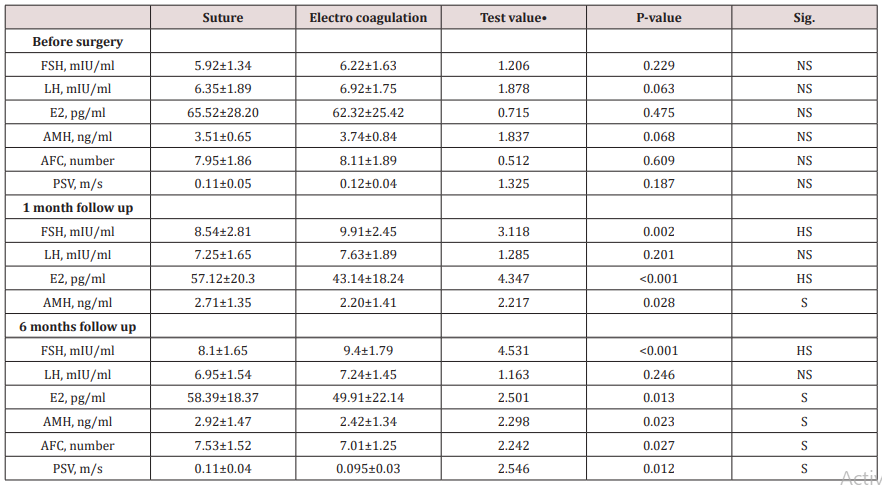
Results: There was no statistical significant difference as regards the ovarian reserve parameters observed before surgery between both electrocoagulation and suture research groups as regards FSH, LH, E2, AMH, AFC, PSV (P value =0.229, 0.063, 0.475, 0.068, 0.609, 0.187 consecutively) after 1 month follow up there was statistically significant difference between suture and electro surgical research groups as regards the FSH, E2, AMH (P values =0.002,<0.001,0.028 consecutively) being more favorable within suture research group ,finally at 6 months follow up there was statistically significant difference between suture and electro coagulation research groups as regards FSH, E2, AMH, AFC, PSV (P values =<0.001, 0.013, 0.023, 0.027, 0.012 consecutively).

Conclusion: Further research efforts are required to evaluate if the difference is clinically significant concerning fertility potential and premature ovarian failure by implementing larger study samples putting in consideration the age and racial differences among the observed cases.

Keywords: Laparoscopic; Ovarian cystectomy; Anti mullerian hormone

Introduction

Ovarian cysts are a frequent form of ovarian lesions that could carry concerns to gynecologists according to their sonographic and histopathological characteristics [1,2].

One of the cornerstone issues and chief factors particularly in child bearing age is the impact of ovarian cystectomy on ovarian reserve function. The hemostatic methods that are implemented during the surgical procedure could influence the functional performance of the ovary at physiological, cellular and molecular levels due to the healing process that follows performance of the hemostatic method [3,4].

Electrocoagulation during performing laparoscopic ovarian cystectomy as a method used for hemostasis is one of the most commonly and preferred methods due to simplicity and speedy applicability. Research debate and many unanswered questions around the clinical and reproductive outcome that various hemostatic methods on ovarian reservoir function such as suturing and electrocoagulation [5,6].

 Fertility outcomes after ovarian cystectomy is a global concern that should be respected and investigated by further research efforts trying to elucidate the best method and protocol in surgical practice that would preserve the best ovarian functional reservoir after surgery [7,8].

Aim

To investigate the impact and influence of hemostatic methods implemented in laparoscopic ovarian cystectomy on ovarian reservoir function.

Methodology

A prospective research clinical trial conducted on 72 research study subjects from January 2017 till April 2018. Egyptian research study subjects from Zagazig Governate were recruited for the study having unilateral or bilateral ovarian cysts with good clinical general condition they were equally categorized into research groups according to the hemostatic method implemented during the surgical procedure 36 cases within suture research group and 36 cases within electrocoagulation research group. Inclusive research criteria were as follows in which cases recruited for the research study had an age range 21 to 36 years old, 28-35 days menstrual cycle length; ovarian cyst diagnosis by B- mode sonography; cyst diameter was 5 to 8 cm , no past history of gynecological surgery; no coexisting endocrinological diseases e.g. DM ,hyperthyroidism, and no hormone usage within the previous 6 months before the surgical intervention.

Surgical intervention

After anesthetic induction, the cases have been positioned in supine position, head down and hip up. After classic laparoscopic preliminary steps Pneumoperitoneum have been accomplished observed ovarian cortex covering the cyst wall have been incised in which the ovarian tissue have been observed to be characterized by being thin with few blood vessels. The surgical incision was performed in a manner to be located away from the ovarian hilum anatomical zone. The cyst wall has been stripped off from the normal ovarian tissue using blunt dissection and exteriorized using an endobag. Ovarian tissue hemostasis has been accomplished using bipolar electrocoagulation within the electrocoagulation research group. The probe was in contact with the bleeding points no more than 3 sec, causing the heat to achieve hemostasis. After performing electrocoagulation hemostatic procedure, no suturing was performed for the residual ovarian tissue left, and the ovarian edges have been left to heal by the process of secondary intention. The suture research group ovarian tissue bleeding has been managed by usage of 4-0 absorbable sutures. The surgical incision has been sutured in a manner perpendicular in direction to the ovarian longitudinal axis using a continuous suturing needle was running close to but not via the ovarian cortical tissue.

Ovarian reserve parameters observed

Biochemical 3rd menstrual cycle FSH, LH, E2, AMH were assayed preoperatively,1 month and 6 months after the surgical procedure by using radioimmune assay. Sonographic vaginal color Doppler sonographic assessment after 6 months from performing the surgical intervention the following was obtained as research data to be statistically analyzed involving the following basal antral follicle count in both ovaries (number of antral follicles within early menstrual cycle measuring less than 10 mm in diameter), peak systolic velocity of ovarian stromal blood flow was observed, ovarian volume.

Statistical analysis

Research data was collected, revised, coded and entered to the Statistical Package for Social Science (IBM SPSS) version 23. The quantitative data were presented as mean, standard deviations and ranges when parametric and compared between two independent groups using Independent t-test. Also, qualitative variables were presented as number and percentages and compared between groups using Chi-square test and/or Fisher exact test when the expected count in any cell found less than 5. The confidence interval was set to 95% and the margin of error accepted was set to 5%. So, the p-value was considered significant at the level of < 0.05.

Results

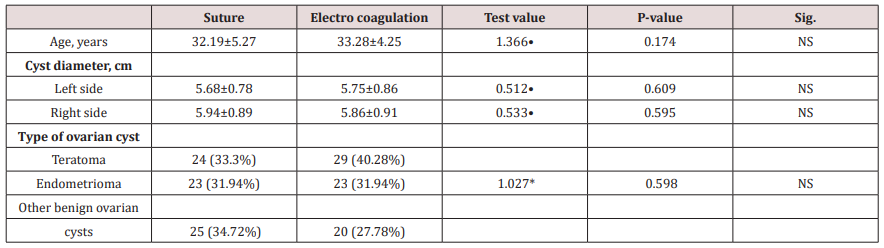
(Table 1) reveals and displays the age, cysts diameters mean +/-SD on left and right sides type of ovarian cysts in which there was no statistically significant differences between both research groups (p values=0.174, 0.609, 0.595, 0.598 consecutively).

Table 1: Cases age, cyst diameter and type.

lupinepublishers-openaccess-journal-gynaecology-women-health-care

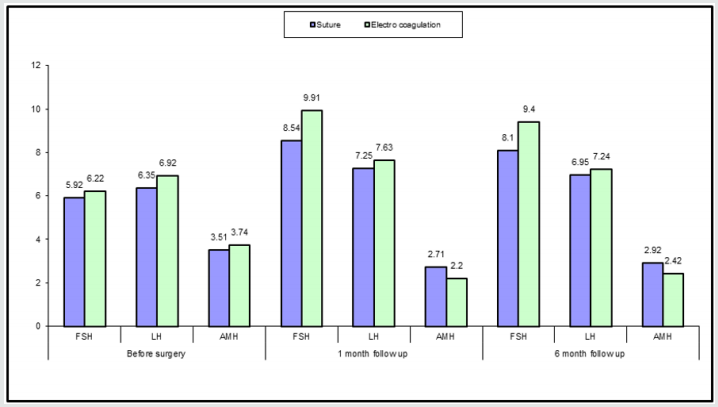
(Table 2) and (Figure 1) reveals and displays the that there was no statistical significant difference as regards the ovarian reserve parameters observed before surgery between both electrocoagulation and suture research groups as regards FSH, LH, E2, AMH, AFC, PSV (P value =0.229, 0.063, 0.475, 0.068, 0.609, 0.187 consecutively) after 1 month follow up there was statistically significant difference between suture and electro surgical research groups as regards the FSH, E2, AMH (P values =0.002,<0.001, 0.028 consecutively) being more favorable within suture research group, finally at 6 months follow up there was statistically significant difference between suture and electro coagulation research groups as regards FSH, E2, AMH, AFC, PSV (P values =<0.001, 0.013, 0.023, 0.027, 0.012 consecutively).

Table 2: Ovarian reserve parameters and indices in suture and electrocoagulation research groups before surgery, 1 month, 6 months after surgery.

lupinepublishers-openaccess-journal-gynaecology-women-health-care

•: Independent t-test

Figure 1: Ovarian reserve parameters in both research groups (FSH, LH, AMH) before ,1 month,6 months after surgery.

lupinepublishers-openaccess-journal-gynaecology-women-health-care

(Table 3) reveals and displays that there was no statistically significant difference between both suture and electrocoagulation research groups as regards cyst diameter and pregnancy occurrence within 1 year (p values =0.073,0.729 consecutively).

Table 3: Ovarian cysts diameter and occurrence of pregnancy within 1 year after surgery among both suture and electro coagulation research groups.

lupinepublishers-openaccess-journal-gynaecology-women-health-care

*: Chi-square test

Discussion

Ovarian reserve function after ovarian cystectomy remains the cornerstone research debate issue among infertility practitioners all over the globe, requiring the balance between the best management protocol that preserves the residual ovarian function for infertility management and occurrence of conception after the procedure [9,10].

Hemostatic maneuvers implemented are necessarily required during performance of ovarian cystectomy that needs to have minimal negative impact on ovarian reserve. Ovarian follicular damage and release of inflammatory mediators besides the affection of ovarian vasculature integrity are all proposed negative impacts that could affect the ovarian function particularly after ovarian cystectomy [11,12].

Reproductive potential of cases is measured by various indices and parameters that reflect the ovarian function such as Anti mullerian hormone, antral follicular count, peak systolic velocity among others are affected by age and surgical interventions affecting the ovarian structural integrity [13,14].

There is no single assay that could reflect ovarian reservoir function with 100% precision. Integrated assessment of various parameters and indices have shown by various prior research groups of investigators to be more precise for ovarian reserve predictability [15,16].

Interestingly a prior research systematic review compared and contrasted the impact of suturing and surgical energy hemostasis implemented during ovarian cystectomies on ovarian reserve function statistical analysis of the pooled research data powerfully supports the usage of suturing rather than surgical energy (e.g. bipolar coagulation) for hemostasis since it offers enhanced ovarian function preservation during ovarian cystectomy. In which ovarian reserve markers AMH, AFC, PSV, ovarian volume have been revealed and displayed to have a positive correlation to suturing usage the research team of investigators in harmony and similarity to the current research study findings have revealed that suturing for ovarian cystectomy hemostasis is superior to electrocoagulation for ovarian function preservation [1,3,7].

A previous similar research study to the current study investigated, suturing and electrocoagulation as hemostatic methods, to control ovarian wound bleeding during laparoscopic ovarian cystectomy performance, and assessment of ovarian reserve after intervention was conducted by the research team of investigators. The serum levels of E2, FSH and AMH have statistically significant at 1- and 6-months post procedure between both research groups (P values <0.05). Further more it was observed that the blood flow of the ovarian stroma, antral follicular count and peak systolic velocity post- procedural indices among the electrocoagulation research group was lower in comparison and contrast to the suture research group, in a statistically significant fashion (P values <0.05). The research team to the conclusion that hemostatic suturing during laparoscopic ovarian cystectomy is superior in maintenance of the follicles and cortical blood supply within the residual ovarian tissue. on the other hand, electrocoagulation hemostasis caused a reduction in of ovarian functional performance in a more considerable manner than hemostatic suturing. those research findings in addition show great harmony and similarity to the current research study findings [4,6,15].

Conclusion and Future Research Recommendations

Further research efforts are required to evaluate if the difference is clinically significant concerning fertility potential and premature ovarian failure by implementing larger study samples putting in consideration the age and racial differences among the observed cases.

Read More About Lupine Publishers Journal of Gynaecology Please Click on Below Link:
https://lupinepublishers-gynecology.blogspot.com/

Friday, 6 October 2023

Lupine Publishers | Relationship Between the Relational Coordination Model and Quality in the UTEQ

 Lupine Publishers | Journal of Psychology and Behavioral Sciences


Abstract

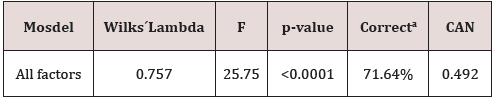
The objective of this study was to build an organizational typology that explains the relationship between relational coordination (RC) and satisfaction in higher education. 4,000 cases were analysed in diverse socioeconomic contexts. 19 RC variables were measured. By applying factor analysis, 6 factors have been obtained that explained a 66.23% of variance. The first three factors were more relevant and are linked to coordination with administration, representative`s cooperation and lectures´ cooperation. Discriminant analysis results showed a strong relationship between RC and quality. Quality exhibited high discriminating power in the model (71.64%), which used 6 factors of RC. The cluster analysis assigned high quality to group 3, associated to high levels of coordination with administration and representatives’ coordination. It evidences that an improvement of RC allows reaching best results in terms of quality in higher education

Keywords: Relational coordination; satisfaction; higher education; shared objectives; mutual respect; communication; quality

Introduction

La Coordinación Relacional (CR) es un proceso comunicativo que busca la integración de tareas a través de la comunicación efectiva y las relaciones entre los agentes de la organización [1-5]. Entendiendo la Universidad como organización, con la aplicación del modelo se busca una mejora de la calidad en la Educación Superior. Actually, la higher education es un elemento clave en la sociedad. Con mejores profesionales, todas las organizaciones contarán con un capital humano más cualificado, lo que supondrá mejores resultados productivos [6,7]. La comunicación entre los distintos agentes de una organización está estrechamente ligada con el nivel de calidad de los resultados que ésta produce [8,4]. La Universidad Técnica Estatal de Quevedo, localizada en Ecuador, es una universidad centrada en titulaciones acordes a las exigencias de su entorno, tales como Ciencias Agrarias, Ciencias Pecuarias, Empresariales, Ciencias Ambientales o Ciencias de la Ingeniería. It is graded with “B” category by the CEAACES (Council of Evaluation, Accreditation and Quality Assurance of Upper Education), in a classification from “A” up to “C”, in a decreasing scale. El objetivo de este estudio fue construir una tipología basada en factores obtenidos de la observación del modelo de RC en la UTEQ así como conocer la relación entre relational coordination and Quality [5].

Methods

Se tomó una muestra de 4,000 alumnos de Universidad Técnica Estatal de Quevedo (Ecuador) durante el curso académico 2014 configurada. Se aplicó un cuestionario que recoge las dos dimensiones de CR. A la dimensión de comunicación pertenecen las variables comunicación precisa, comunicación oportuna y comunicación para la resolución de problemas. A la dimensión de relación pertenecen las variables conocimientos compartidos, respeto mutuo y objetivos compartidos. Los perfiles sobre los que se preguntó fueron personal de administración, profesores, compañeros, representación de estudiantes y “yo mismo” [4].
Se realizó un análisis factorial (AF) como una forma de reducir el número de variables y revelar un modelo de CR mediante relaciones entre variables. Para probar la adecuación del tamaño de la muestra se utilizaron las pruebas de Kaiser-Meyer-Olkin (KMO) y Bartlett [2,6]. El coeficiente alfa de Cronbach, que se calculó aplicando un análisis de confiabilidad en factores designados, indicó alta consistencia interna (α=0.92) [5]. Posteriormente, se construyó una tipología de modelos organizativos a través de una análisis clúster. Por último. se relacionaron los elementos obtenidos en los análisis previos con la calidad percibida por los estudiantes [8].

Results

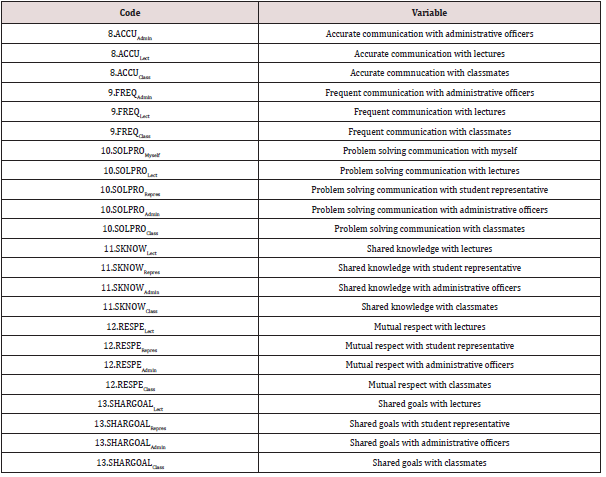
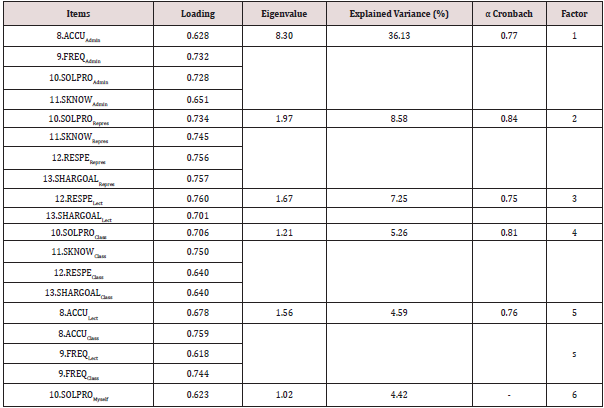
Applying factor analysis (FA), variables were assigned to 6 factors than explained a 66.23% of variance with an eigenvalue under one (Tables 1 & 2). Factor 1 represents a 36.13% of the variance. It´s composed by variables of both RC dimensions. It shows highest values invariables likre accurate communication, fequent communication, solving problem communication and shared knowledge. All of these variables are related with the profile of administrative officers. This factor is called coordination with administration. Second factor explains a 8.58% of the variance. It contains variables of both RC dimensions, too. Solving problem communication, shared knowledge, mutual respect and shared goals are the variables of thise factor. The prevailing selected profile in the variables was the one representing students ´representatives, and it`s called representatives ´coordination. Third factor represents the 7.25% of the variance. It shows high scores invariables of relartionship dimensión, lie mutual respect and shared goals, all of them related with lectures profile. In this way, this is lectures`cooperation factor. Fourth factor explains a 5.26% of variability and, it is associated to variables related to solving problem communication and some variables of relationship RC dimension like shared knowledge, mutual respect and shared goals with classmates. Highest scores in this factor are related to the need to proportionate higher levels of solving problem communication and shared knowledge. This factor represents classmates´ coordination. The fifth one explains a 4.59% of the variance. This factor showed high scores in the profiles related to lecturers and classmates in the items of accurate and frequent communication. This factor represents classroom communication. Finally, the sixth factor, with the 4.42% of the variabce, is related to the individual capacity to solve problems and it is named autonomy.

Table 1: Relational coordination dimensions.

Lupinepublishers-openaccess-journals-psychology-behavioral-science

Table 2:Factor loading matrix of rotated components.

Lupinepublishers-openaccess-journals-psychology-behavioral-science

Table 3: Centroids for each cluster.

Lupinepublishers-openaccess-journals-psychology-behavioral-science

Note: a,b,c,d Within row, averages with different superscript differ significantly according to indicated value p.

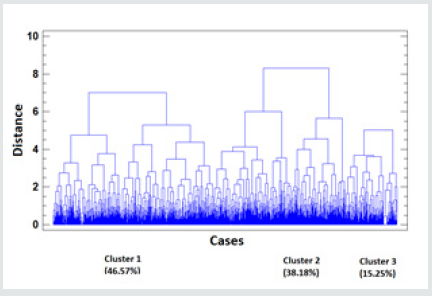
Cluster analysis which presented the most significant results, was the solution of four groups with Ward’s method, based on the Euclidean distances (Figure 1). Table 3 shows the main characteristics of each organisational type. Cluster 1 comprised 46.57% de los casos. Estre grupo muestra valores intermedios en práticamente todos los factores. Destaca levemente un valor más bajo correspondiente al factor autonomy (factor 6), aunque no supone una gran diferencia con el resto de factores. Cluster 2 comprende el 38.18% de los casos. Es el grupo que present valores negativos encodes los factories. Predominant los factories coordination with administration and representatives` coordination. Los valores medias se Encuentros end lectures’ cooperation, classmates’ coordination, classroom communication. El valor más alto dentro de Este grupo avarice end el factor autonomy. Cluster 3 comprende el 15.25% de los casos. Aunque es el grupo de manor tamanu, present los valores más altos. Desta can las atlas punctuations en coordination with administration and representatives’ coordination. Medium values are found in lectures’ cooperation, classmates’ coordination, classroom communication and to a lesser extent to student’s autonomy.
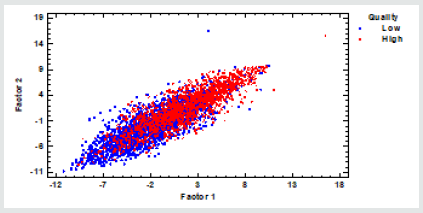
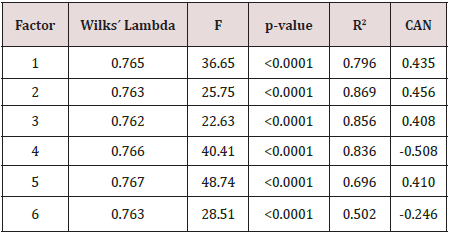
Table 4 shows the general results of the canonical discriminant analysis with all the variables measured [1,7]. In this case, discrimination power was evident because the F statistics of the Wilks’ lambda were significant for the discriminant variables. The Model classifies 71.64% of the cases correctly. Figure 2 shows the distribution of cases with respect to factors 1 and 2. The higher values of quality correspond to high scores of both factors. Table 5 shows the results of the canonical discriminant analysis for each factor. Wilkes´ Lambda indica el alto poder discriminante de la calidad referido a cada factor de forma individual. Coeficientes foro canonical variables muestran una alta relación entre la mayor parte de los factores, destacando coordination with administration and representatives’ coordination. On the otear hand, los factores classmates’ coordination and autónomo shows valores más bajos, indicando una menor relación con la calidad. Mahala Nobis distances indicant la relation existents entre los dos gropes de collided observations (low and high), mestranol una distances de 1.278 entre ambos, con un p-value <0.0001.

Figure 1: Relational coordination clusters.

Lupinepublishers-openaccess-journals-psychology-behavioral-science

Figure 2: Representation of cases according first and second factors and quality level.

Lupinepublishers-openaccess-journals-psychology-behavioral-science

Table 4: Results of the canonical discriminant analysis.

Lupinepublishers-openaccess-journals-psychology-behavioral-science

Note: aPercent correctly classified into farms assignment (R2=1-tolerance); (-) Non-significant values for this canonical component.

Table 5: Results of the canonical discriminant analysis for each factor.

Lupinepublishers-openaccess-journals-psychology-behavioral-science

Note: aPercent correctly classified into farms assignment (R2=1-tolerance); (-) Non-significant values for this canonical component.

Discussion

El análisis factorial muestra 6 factores extraidos de las variables del modelo de RC. Los factores con mayor incidencia en el modelo son coordination with administration representatives’ coordination and lectures’ cooperation, que suponen más del 50% de la varianza. Los dos primeros factores son los asociados a una mayor calidad de la universidad. El sexto factor, autonomy, se asocia con peores niveles de calidad. De la tipología se extraen tres modelos organizativos. El primer modelo, de mayor tamaño muestra una presencia general de todos los factores organizativos. De este modo, se observa una calidad media generalizada en la universidad. El segundo modelo, de tamaño intermedio, muestra valores negativos en todos los factores. Destacan como más bajos los factores coordination with administration and representatives’ coordination. Según se observa en el análisis discriminante, estos dos factores están asociados a mayores niveles de calidad en la universidad. Por otra parte, el valor más alto de este grupo se encuentra en el sexto factor, autonomy, que está asociado a niveles más bajos de calidad. De este modo, este grupo representa el sector con menor calidad en la universidad. En el tercer modelo, el más pequeño, el factor autonomy presenta una baja puntuación, mientras que los factores con más peso son coordination with administration and representatives’ coordination. Por lo tanto, este grupo está asociado a niveles altos de calidad universitaria.

Conclusion

Existe una relación directa entre calidad y el modelo de RC, de este modo se verifica este modelo para la UTEQ. Según este estudio, la calidad de la universidad se encuentra en un punto medio. Muestra valores balanceados en sus elementos, aunque la autonomía de los estudiantes y la actividad comunicativa de los alumnos en clase son bajas. Para conseguir un mayor nivel de calidad se propone centrar la atención en elementos que mejoren la comunicación con el personal de administración y con la respresentatives´students. Una mejora de las TICs podrá suponer una comunicación más fluida entre esos perfiles y el alumno.

Read More About Lupine Publishers Journal of Psychology Please Click on Below Link:
https://lupine-publishers-psychology-journal.blogspot.com/

Saturday, 30 September 2023

Lupine Publishers | Motivation: We Need Psychobiosocial Model

 Lupine Publishers | Journal of Research & Reviews Health care


Opinion

Motivation has been studied in many ways over many years, historically, the concept of motivation derived from many different lines of inquiry. Morgane (1979) for example attacked the concept as mystical and without representation of nervous system. Now we can see that the concept represents the convergence of different lines of inquiry in the history of philosophy and sciences I will highlight on some viewpoints and global facts of new trends and theories of the concept. Why do we do what we do? Why do we feel what we feel? How can we change what we do and feel? What causes behavior? What starts, maintains, and stops behavior? Why does behavior vary in its intensity? Motivation is the process of initiating, sustaining, and directing psychological and physiological activities, including internal forces such as impulses, drives and desires involved in the process. Motives may operate on a conscious or unconscious level and are frequently divided into physiological (primary or organic, such as hunger and elimination), and psychological (secondary, or personal /social such as af􀏐iliation, competition and interests) [1]. Motivation and emotion derive from movere (Latin for “to move”. Motivation refers to the processes that give behavior energy and direction Motivated behavior leads to rewards or reinforcement, which create in the promotion of new learning, and the maintenance of performance and achievement. On the other hand, the motivation can be measured preferences, interests, choices, aversions, and willingness to overcome barriers to achieve the goal, or to work and perform. At this point the approach/avoidance ply a signi􀏐icant role in understanding the dynamic basis of behavior, especially, the concept of con􀏐licts.

Motivation con􀏐licts is happened when two or more motives with each other resulting in frustration as in animal desiring food but waiting to avoid a 􀏐light with predator. Some motivational con􀏐licts involve acquired motives. According to this view, I see that, social and environmental context ply an important role in the direction of motivated behavior. The motivation is inferred from behavior to account for the shifts in arousal and direction of behavior throughout the day and season. The motivated behavior may be aroused or derived by a change in the internal environment, by naturally arousing stimuli such as incentive, signs stimuli, and previously neutral stimuli that come to arouse because of learning and conditioning. The hypothalamus and other structures lining the ventricles received information from the internal environment through seven known cirecumventricular organs that lie outside the blood-brain barrier. The hypothalamus exerts over the internal environment through its in􀏐luence on pituitary and through its connections with the brainstem such as dorsal vague complex. These connections allow it to participate in neural control over autonomic functions and metabolism. Learning and experience play signi􀏐icant roles in motivation and rewards (reinforcement). It is only with humans that we have a way of knowing about hedonic experience for we can measure pleasantness and unpleasantness with suitable rating scales or magnitude estimation techniques.

There is connection between motivation and creativity. The enjoyment is justi􀏐ication enough for intrinsic motivation, and the intrinsic motivation boosts creativity. On the other hand, personal relevance of a task causes intrinsic motivation [2]. Higher incentives do not always lead to better performance. Monetary incentives worsen performance in tasks that require creative problem solving. For complex tasks, people are driven by autonomy, mastery and purpose. Cultivate emotional ownership. As we suggested at the outset of this article, it is indeed an exciting time for the study of motivation–cognition –emotion interactions. Although studies of motivation have been an active focus within psychology and neuroscience for decades, there has clearly also been a recent rejuvenation of interest [3]. It is very important to investigate the relationship between motivation, emotion and cognition in personality. The 􀏐ield is now poised to make rapid progress on these and related questions, but that such progress will critically depend on the adoption of an integrative, collaborative approach. Psychological study of motivation searches for theories that describe the functions of motivation in natural systems such as humans and animals. New trend in investigating emotion is that the psychological theories of motivation are implementing in arti􀏐icial systems [4].

Conclusion

we need an integrated/global model for investigating the motivation because it is complex phenomena. This model should be containing the psychobiosocial trend for approaching the goal of science: understanding, predicting and controlling the motivated behavior in personality [5]. Rudolf concluded, “Motivated behavior is complex. Obtaining goals — ‘appetitive’ behavior — involves the integration of cognitive knowledge about your goals with habits and the motivational impact of environmental stimuli (CSs). Once you’ve obtained your goal, you need to integrate complex ‘consummatory’ response patterns to use it. Structures within the brain’s limbic system play an important role in appetitive and consummatory behaviors; we can distinguish those structures contributing to each”.

Read More About Lupine Publishers Journal of Research and Reviews Healthcare Please Click on Below Link:
https://lupine-publishers-research.blogspot.com/

Friday, 29 September 2023

Lupine Publishers | Covered Perforativnye Ulcers Gastroduodenal Zone

 Lupine Publishers | Journal of Surgery & Case Studies


Abstract

Of the 215 patients with gastroduodenal ulcer probodnymi zone 17 (7.9%) She wore covered nature. The author notes some difficulties in diagnosing this type of pathology. If you open probodenijah symptomatology are manifestnyj nature and errors in diagnosis is usually not observed, then covered the clinical picture had ulcers was wiped out in nature, requiring additional research methods, including x-ray, to recognize this pathology. An inexperienced clinician may resort to using gastrografii contrast barium dredge. As a result of the suspension enters the free abdominal cavity, which further accompanied by the development of severe adhesive disease. This cause of this serious pathology he watched from 2 patients operated in various hospitals of Kuban. The author describes a diagnostic algorithm of this pathology in 17 patients admitted in the hospital, or with acute cholecystitis, or other pathology, and only a few hours when they are accidentally fibro gastroduodenoscopy the true cause has been identified the emergence of pain in epigastralna area is covered with a perforated gastroduodenal ulcer zone.

Keywords:Gastroduodenal Ulcer Zone Covered Perforation; Diagnostic

The aim of the study was the definition of diagnostic methods to identify covered perforating ulcers of the stomach and duodenum (PPJaZhD).

Introduction

Identification of covered probodnyh ulcers gastroduodenal zone represents some diagnostic difficulties. If you open perforations of ulcers leading clinical symptom is triad-Mond or (ulcerative anamnesias, “pain in the abdomen, doskoobraznoe tension of the abdominal wall) and x-ray-presence of free gas in the abdominal cavity, when covered probodnoj ulcer all they are missing [1- 3]. More-over, and other clinical symptoms are not defined, i.e. dullness, no liver kept blunting in sloping are-as of the abdomen and other [4,5,6]. Patients usually complain of mild pain in the area epigastralna, accompanied by diarrheal events malaise [7,8]. As their doctors have had the impression that the patient has occurred, or the aggravation of gastric ulcers or chronic cholecystitis [9,10]. Such patients are hospitalized in a therapeutic institution, and begin to be a typical survey, sometimes with the use of barium dredge that is blunder-its particles embedded in the peritoneum, and remain there, despite intensive abdominal lavage varying fluid. This leads to the development of a total of commissural process. To avoid this error, in the middle of the 20 centuries, Weber resorted to inflation of the stomach using gastric probe. This was accompanied by a delaminating of agglomerated tissues in area of ulcers and gastric cavity air rushed to free abdominal cavity (usually under the left or right of the dome of the diaphragm). This manipulation it produced during rentgeno gastroscopy, which al-lowed him to clearly observe the screen air outlet outside the cavity of the body [1,5]. Something similar can be observed in fibro gastroduodenoscopy-as soon as the endoscopies begins to inflate the stomach for inspection of its walls, the patient occur severe abdominal pain that is associated with the forced penetration of air from the stomach cavity in free abdominal cavity. In such a situation urgently carry out a repeated review x-rays of the abdomen, and if, in the first survey of the air in the abdominal cavity is not detected, then now he’s clearly defined [1,2,10]. So, the diagnosis is established. With this same purpose, some radiologists have resorted to the use of water-soluble contrast media.

Material and Methods

For 3 years in 2-ohm ECHO KGCSMP were treating patients with 215 probodnymi ulcers stomach and duodenal ulcers, of whom 17 (7.9%) There were PPJaZhD. All of these patients, who were all men aged 31 to 67 years, was on the front wall, or duodenal ulcers (12), or pyloric stomach Division (5). At 9 (4.18%) these patients the disease began with the emergence of moderate pain in epigastralna area, which was accompanied by vomiting. District therapists they suspected food poisoning and within days conducted appropriate outpatient treatment effect. By the end of the specified term of treatment in patients pain intensified, and at the same time appeared the strain in the right podreberie. With suspected acute cholecystitis, they were sent to hospital treatment. The remaining 8 (3.72%) disease patients developed similarly but when seeking medical help, through 6-12 hours from onset of symptoms, they immediately were suspected of acute cholecystitis. With this diagnosis were hospitalized in the surgery department. The first survey of all 17 patients was missing symptoms of irritation of the peritoneum. ULTRASOUND of abdomen radiography review pathology. For x-ray study of stomach using barium dredge, not steel, as in earlier Office underwent surgical treatment of patient with 2 adhesive ileus, which developed due to the falling mist abdomen (this error allowed doctors in other hospitals). In this situation, esophagogastroduodenoscopy was shown, but when I try to run it in all patients immediately arose strong abdominal pain. The procedure was discontinued. Within one hour from all 17 patients developed a picture of acute peritonitis. Repeat-ed survey radiography of abdominal cavity revealed the presence of free gas in it. Patient’s emergency laparotomy was performed.

The Result of The

During surgery in the abdominal cavity found muddy effusion. Around probodnoj the holes had inflammatory infiltrate, and it was partially obscured the top adjacent organs and tissues. All 17 patients carried out organ-preserving operations the results of the study. Of the 17 patients with PPJaZhD (5.9%) and 1 died the patient (from cardiovascular insufficiency). The overall mortality in probodnyh ulcers was 4.65% (of 215 patients died 10).

Discussion

When examining the data received on time execution of operations on the stomach and duodenum from these 17 patients, it can be concluded that cover probodnoj ulcers occurred due to the adhesive around the process expressed ulcers, with the rapid development of inflammatory infiltration. This can happen only when expressed protective immunity when around the ulcer occurs hearth with positive electric potential, to which attracted surrounding organs, having all the negative potential, and fabric to stick together. So in vivo survival occurs. When stoking the stomach this protective barrier is destroyed. That’s why even from ancient times people with abdominal pain otljozhivalis and ate almost nothing for a few days. Range that they at that time carried naked stomach ulcers. Apparently, positive role plays and reflex vomiting, during which adopted on the eve of food almost in full erupts outward. Body cavity decompression promotes podsasyvaniju surrounding organs to probodnymi.

Discussion

As you know, the most informative diagnostic process ulcers gastroduodenal zones possess esophagus gastroduodenoscopy and x-ray studies. However, we observed patients with PPJaZhD these methods initially did not give the expected result. And this was due to the fact that when abdominal radiography review absent such Cardinal diagnostic test, as the detection of free gas in it. Increased pain in the abdomen that occurred during the execution of fibro gastroduodenoscopy can be attributed to the violent disintegration of infiltration air, which at this time vduvalsja in the stomach cavity. As a result of its contents from falling into the free abdomen, that led to the development of a peritonitis. Repeated survey radiography of abdominal cavity allowed recognizing the true cause of the critical deterioration of patients, i.e. the development of widespread peritonitis, which is when the hollow organ perforation took only locally limited form. Thus, the leading value in the diagnosis of PPJaZhD has repeated panoramic radiography of abdominal cavity, which is performed after the failed fibro gastroduodenoscopy. The use of barium dredge to diagnose ulcers of stomach stones leads to the development of heavy adhesive disease of abdomen (due to the introduction of particles of barium in thickness of the peritoneum).

Read More About Lupine Publishers Journal of Surgery Please Click on Below Link:
https://surgery-casestudies-lupine-publishers.blogspot.com/