Showing posts with label Biomedical Engineering Journals. Show all posts

Wednesday, 3 May 2023

Lupine Publishers| A Model for Metastasis for Hybrid Cancer Cells

Lupine Publishers| Journal of Biomedical Engineering and Biosciences


Abstract

Hybrid cancer cells have been recently discovered. They have greater ability to form metastasis. Here a simple mathematical model is given for this phenomenon. Some comments about the possibility of their reaching brain are given.

Hybrid Tumor Cells

Recently [1,2,3,4] hybrid tumor cells have been discovered. They have the following properties:

i. They circulate more than ordinary tumor cells.

ii. They have greater ability to migrate and invade other tumors.

iii. They have greater ability to form metastasis.

The Metastasis Model

Metastasis comprises a sequence of linked steps leading to the dissemination of cancer cells from a primary tumor to other distant tissues the overwhelming majority of cancer-related deaths still result from the progressive growth of metastasis that are resistant to conventional therapies [1,2].

Motivated by this the following model is presented for the metastasis of hybrid cancer cells:

Let T1, H1 be the ordinary and hybrid tumor cells respectively of the first tumor. Let N=T1+H1. The second tumor is assumed to contain ordinary tumor cells T2. Hence the model can be represented by

dH1/dt=a1H1-N-c2H1, dT1/dt=b1T1^(2/3)-N, dT2/dt= (b2-1)T2+c2H1    (1)

where a1,b1,b2,c2 are positive constants. The metastasis term is c2H1.

The reason for the power 2/3 is that ordinary tumor cells grow due to surface cells [3,4].

The equilibrium solution for the coexistence of both tumors is:

H1eq=T1eq/(a1-c2-1)

T1eq= [b1(a1-1-c2)/(a1-c2)]^3    (2)

T2eq=c2H1/(1-b2)

It is locally asymptotically stable if:

b2<1,

[1-(2/3)(a1-c2)/(a1-c2-1)][1+c2-a1]-1>0    (3)

[1-(2/3)(a1-c2)/(a1-c2-1)]+[1+c2-a1]>0

Since hybrid cells have a greater ability to invade other cells, it is expected that they will invade brain cells. Hence brain tumors can be a good source for identifying them. Moreover trying to attract them to less important sites can be a feasible strategy to deal with them. It may be difficult to test this idea experimentally, because the hybrid state, in general, is unstable [5].

Read More Lupine Publishers Journal of Biomedical Engineering and Biosciences Please Click on Below Link:
https://biomedical-sciences-lupine-publishers.blogspot.com/

Wednesday, 22 February 2023

Lupine Publishers| Electro Elastic Actuator for Micro and Nano Surgical Repairs

 Lupine Publishers| Journal of Biomedical Engineering and Biosciences


abstract

The structural scheme and the transfer functions, the characteristics of the electro elastic actuator for micro and nano surgical repairs are obtained. The transfer functions of the electro elastic actuator are described the characteristics of the actuator with regard to its physical parameters and external load.

Keywords: Electro elastic actuator; Piezo actuator; Structural scheme; Transfer function

Introduction

The electro elastic actuator on the piezoelectric, electrostriction effects is used in the mechatronics systems for the micro and nano surgical repairs, for the micro and nano robotics, for the micro and nano manipulators and injectors [1-6]. The mathematical model, the structural scheme and transfer functions of the electro elastic actuator are calculated for designing the control system for the micro and nano surgical repairs [4-11]. The structural scheme and transfer functions the electro elastic actuator based on the electro elasticity make it possible to describe the dynamic and static properties of the electro elastic actuator for the micro and nano surgical repairs with regard to its physical parameters and external load [12-23].

Structural Scheme Electro Elastic Actuator

The method of mathematical physics with Laplace transform is applied for the solution the wave equation. The structural scheme of the electro elastic actuator for the micro and nano surgical repairs is changed from Cady and Mason electrical equivalent circuits [7- 8]. The equation of the electro elasticity [6,8,12] has the following form

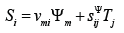
where Si is the relative displacement along axis i of the cross section of the piezo actuator, is the control parameter, Em, is the electric field strength for the voltage control along axis m, Dm is the electric induction for the current control along axis m, Tj is the mechanical stress along axis j, νmi is the electro elastic module, for example, the piezo module, ij sΨ is the elastic compliance for the control parameter Ψ = const , and the indexes i= 1, 2, … , 6; j = 1, 2, … , 6; m = 1, 2, 3. The main size along axis i for the electro elastic actuator is determined us the working length l = {δ , h,b} in form the thickness, the height or the width for the longitudinal, transverse or shift piezo effect.

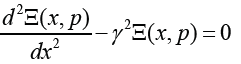
For the construction the structural scheme of the electro elastic actuator is used the wave equation [8,10,14] for the wave propagation in the long line with damping but without distortions. With using Laplace transform is obtained the linear ordinary second-order differential equation. The problem for the partial differential equation of hyperbolic type using the Laplace transform is reduced to the simpler problem [8,14] for the linear ordinary differential equation

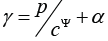
where Ξ(x, p) is the Laplace transform of the displacement of the section of the electro elastic actuator α Ψ = + is the propagation coefficient, cΨ is the sound speed for the control parameterΨ = const ,α is the damping coefficient.

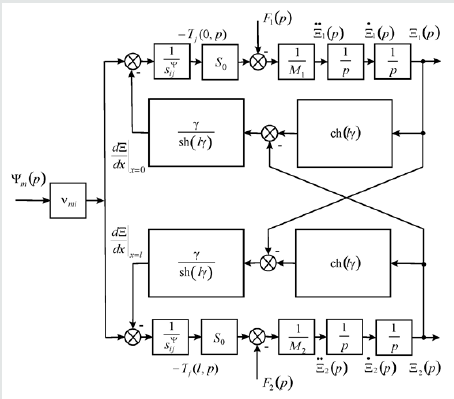
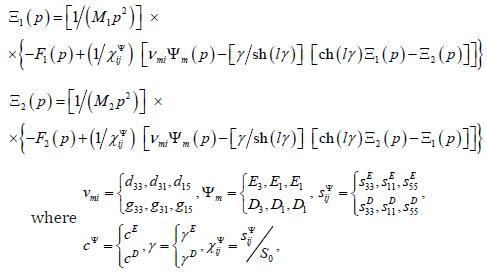
The mathematical model [6, 23] and the structural scheme of the electro elastic actuator for the micro and nano surgical repairs on Figure 1 are determined, using method of the mathematical physics for the solution of the wave equation, the boundary conditions and the equation of the electro elasticity, in the following form

Figure 1: Structural scheme of electro elastic actuator for micro and nano surgical repairs.

lupinepublishers-openaccess-journal-environmental-soil-sciences

vmi is the electro elastic module, is the control parameter, m E is the electric field strength for the voltage control along axis m, m D is the electric induction for the current control along axis m, sΨij is the elastic compliance, dmi is the piezo module at the voltage-controlled piezo actuator, gmi is the piezo module at the current-controlled piezo actuator, S0 is the cross section area, M1 , M2 are the mass of the load, are the Laplace transforms of the appropriate displacements and the forces on the faces 1, 2. For the micro and nano surgical repairs the structural schemes of the voltage-controlled or current-controlled piezo actuator are obtained from its mathematical model.

Transfer Function Electro Elastic Actuator

The matrix transfer function [6,18,21] of the electro elastic actuator for the micro and nano surgical repairs is derived from its mathematical model in the following form

where (Ξ( p)) is the column-matrix of the Laplace transforms of the displacements for the faces 1, 2 of the electro elastic actuator, (W( p)) is the matrix transfer function, (P( p)) the column-matrix of the Laplace transforms of the control parameter and the forces for the faces 1, 2.

Conclusions

The structural scheme, the transfer functions of the electro elastic actuator for the micro and nano surgical repairs, for the micro and nano robotics, for the micro and nano manipulators and injectors are described the characteristics of the electro elastic actuator with regard to its physical parameters, external load.

Read More Lupine Publishers Journal of Biomedical Engineering and Biosciences Please Click on Below Link:
https://biomedical-sciences-lupine-publishers.blogspot.com/

Monday, 5 December 2022

Lupine Publishers| The Role of Biofield Energy Treated DMEM in Erectile Dysfunction using Detection of Cgmp Levels in Human Endothelial Cell Line

 Lupine Publishers| Journal of Biomedical Engineering and Biosciences


abstract

The study was performed to assess the impact of Biofield Treated test item (DMEM medium) on Human Endothelial Hybrid Cell Line (EA. hy926) for the expression of cyclic guanosine monophosphate (cGMP). The test item was divided into three parts. The first part was received one-time Consciousness Energy Treatment by a renowned Biofield Energy Healer, Mahendra Kumar Trivedi and labeled as BT-I, while second part received two-times Biofield Treatment and is denoted as BT-II. The third part did not receive any types of treatment and denoted as untreated DMEM. The level of intracellular cGMP in the BT-I and BT-II groups showed a significantly (p≤0.001) increased by 296.06% and 339.37%, respectively in Ea. hy926 cells compared to the untreated DMEM group. These results suggest that BT-II group showed a significant improved the level of cGMP with respect to the BT-I group. Therefore, the Biofield Energy Healing Treatment can be used to treat the erectile dysfunction patients along with other associated disorders such as orgasmic disorders, frotteuristic disorder, female sexual arousal disorder, vaginismus, fetishistic disorder, sex addiction, hypoactive sexual desire disorder, premature or delayed ejaculation.

Keywords: Biofield Energy; cGMP; Endothelial Hybrid Cell; PDE-5; DMEM; Erectile Dysfunction

Abbrevations:BT-I: One-time Biofield Energy Treated DMEM; BT-II: Two-times Biofield Energy Treated DMEM; CAM: Complementary and Alternative Medicine; NCCAM: National Center for Complementary and Alternative Medicine; DMEM: Dulbecco’s Modified Eagle’s Medium; cGMP: Cyclic guanosine 3′,5′-monophosphate; FBS: Fetal Bovine Serum

Introduction

Erectile dysfunction (ED) or impotence is the inability to get and keep an erection firm enough for sex. This is the most common sexual disorder in men across the globe [1]. Erectile dysfunction symptoms include persistent trouble in getting and keeping an erection and less sexual desire. Male sexual arousal is a complex process, which includes the coordination of the brain, hormones, emotions, nerves, muscles, and blood vessels [2]. ED might occur due to stress and severe mental health conditions. Besides, the literature data reported that physical cause of ED are heart disease, Parkinson’s disease, multiple sclerosis, atherosclerosis, high cholesterol, peronei’s disease high blood pressure, diabetes, obesity, sleep disorders, use of tobacco, alcoholism, injury of spinal cord and various metabolic syndromes such as high insulin levels, body fat around the waist, etc. [3]. Along with physical and psychological factors, impaired function of arteries and corpora cavernosa within the penis are the primary condition for impotence. While the lack of smooth muscle tone and imperfections in neuronal stimuli can lead to unsuccessful penile erection [4]. ED eventually leads to neuronal and cardiovascular disorders [5,6].

Nitric oxide synthase (NOS) enzymes are the major mechanism involved in ED, and it enhanced the production of cyclic guanosine monophosphate (cGMP), which results in smooth muscle relaxation and vasodilation via NO/cGMP pathway [7,8]. Inadequate level of NO/cGMP leads to ED. Thus, cGMP is the major therapeutically important target to overcome ED by inhibiting the cGMP-specific phosphodiesterase (PDE-5) enzyme [9]. However, sildenafil a PDE5 inhibitor has been used to treat ED, but it has life-threatening sideeffects viz. cardiac arrhythmia and hypotension [10] and vascular or neuronal deficiency like diabetes [11]. Thus, some alternative or complementary therapeutic approach is the best method to treat impotence without any side effects. In recent years, a remarkable outstanding alternative Complementary and Alternative Medicine (CAM) therapies approach known as Biofield Energy Healing Treatment (The Trivedi Effect®) have been scientifically reported in various fields. The human Biofield Energy is a weak electromagnetic field around of the human body. The Trivedi Effect® can be able to transform all the living organisms and non-living materials through a unique energy transmission process [12]

The effects of the CAM therapies have great potential, which include Johrei, Qi Gong, external qigong, Tai Chi, Reiki, therapeutic touch, deep breathing, yoga, polarity therapy, pranic healing, chiropractic/osteopathic manipulation, guided imagery, meditation, massage, homeopathy, hypnotherapy, special diets, progressive relaxation, acupressure, acupuncture, relaxation techniques, mindfulness, Rolfing structural integration, healing touch, movement therapy, pilates, Ayurvedic medicine, traditional Chinese herbs and medicines in biological systems both in vitro and in vivo [12]. Biofield Energy Healing as a CAM showed significant results in biological studies [13]. Also, the National Center for Complementary and Alternative Medicine (NCCAM), well-defined Biofield therapies in the subcategory of Energy Therapies [14]. The Trivedi Effect® has been reported to have created significant changes in the materials science [15-17], agricultural science [18,19], microbiology [20-22], biotechnology [23,24], improved bioavailability [25-27], skin health [27-29], nutraceuticals [30,31], cancer research [32,33], bone health [34-36], human health and wellness. Based on the outstanding benefits of The Trivedi Effect®, the present study was aimed to investigate the effect of Biofield Treated DMEM on the level of cGMP, in order to eradicate the ED using standard in vitro assay in Human Endothelial Hybrid Cell Line (EA. hy926).

Material and Methods

Requirement of Chemicals

Dulbecco’s Modified Eagle’s Medium (DMEM) and fetal bovine serum (FBS) were obtained from Life Technology, USA. Antibiotics solution (penicillin-streptomycin) was purchased from HiMedia, India, while ethylenediaminetetraacetic acid (EDTA) was purchased from Sigma, USA. Sildenafil citrate was purchased from Clearsynth, India. All the other chemicals used in this experiment were analytical grade procured from India.

Cell Culture

Human Endothelial Hybrid Cell Line (EA. hy926) was used as a test system in this experiment. The cells were maintained in DMEM growth medium for routine culture supplemented with 10% FBS. Growth conditions were maintained at 37°C, 5%CO2, and 95% humidity and subcultured by trypsinization followed by splitting the cell suspension into new flasks and supplementing with fresh cell growth medium. Three days before the start of the experiment, the growth medium of near-confluent cells was replaced with fresh phenol-free DMEM, supplemented with 10% charcoal-dextran stripped FBS (CD-FBS) and 1% penicillin-streptomycin [37].

Study Design

The experimental groups consisted of group 1 (G-I) with serumfree DMEM defined as the untreated DMEM. Group 2 (G-II) consisted of positive control (sildenafil citrate) at different concentrations. Further, group 3 (G-III) included DMEM medium (test item group) with the one-time Biofield Energy Treatment and denoted as BT-I, while the group 4 (G-IV) included the test item with the two-times Biofield Energy Treatment and indicated as the BT-II.

Biofield Energy Healing Treatment Strategies

The test item, DMEM was divided into three parts. One part of the test item was treated with the one-time Biofield Energy Healing Treatment by a renowned Biofield Energy Healer (The Trivedi Effect®) and coded as the Biofield Energy Treated DMEM (BT-I), while the second part was received the two-times Biofield Energy Healing Treatment and denoted as the BT-II. Further, the third part did not receive any treatment and defined as the untreated DMEM group. This Biofield Energy Healing Treatment was provided by a renowned Biofield Energy Healer, Mahendra Kumar Trivedi, remotely for~3 minutes. The Biofield Energy Healer was located in the USA, while the test item was located in the research laboratory of Dabur Research Foundation, New Delhi, India. This Biofield Energy Treatment was administered for ~3 minutes through the Healer’s unique Energy Transmission process remotely to the test items under the standard laboratory conditions. Mahendra Kumar Trivedi never visited the laboratory in person, nor had any contact with the test item (DMEM medium). Further, the untreated DMEM group was treated with a “sham” healer for comparative purposes. The “sham” healer did not have any knowledge about the Biofield Energy Treatment. After that, the Biofield Energy Treated and untreated samples were kept in similar sealed conditions for experimental study.

Assessment of PDE-5 Enzyme Inhibition

The cells were counted using an hemocytometer and were seeded at a density of 0.4 X 10⁶ cells/well in DMEM with 10 % FBS in 6-well plates. The details test procedure was followed as per Branton et al. 2018 [38-40]. Increase in cGMP level was determined as the following equation (1)

% Increase in intracellular cGMP level = {(B-A)/A} x 100----- -- (1)

Where, B = OD of cells treated with test item and A is the OD of untreated wells (media treated).

Statistical Analysis

Values were expressed as Mean ± SEM of three independent experiments. For multiple group comparison, one-way analysis of variance (ANOVA) was used followed by post-hoc analysis by Dunnett’s test. Statistically significant values were set at the level of p≤0.05.

Result and Discussion

Detection of PDE-5 Enzyme Inhibition

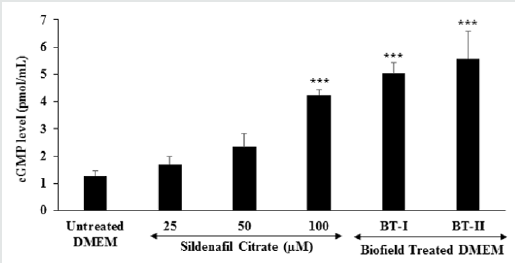
The result of the intracellular cGMP level in Ea. hy926 cells is shown in Figure 1. Sildenafil citrate, used as positive control at 25 μM, 50 μM, and 100 μM exhibited a significant increase in the intracellular cGMP in Ea. hy926 cells by 34%, 84%, and 234%, respectively compared to the untreated DMEM group. The onetime Biofield Energy Treated DMEM (BT-I) group showed 5.03 pmol/mL, while two-times Biofield Energy Treated DMEM (BTII) group showed 5.58 pmol/mL level of cGMP. Thus, BT-I group showed a significant (p≤0.001) increase in intracellular cGMP level by 296.06% in Ea. hy926 cells with respect to untreated DMEM. Similarly, the BT-II group showed a significant increase in the intracellular cGMP levels by 339.37% in Ea.hy926 cells than untreated DMEM. Thus, the data suggest that the two-times Biofield Energy Healing Treatment (BT-II) showed better results with respect to the increased cGMP level as compared with the one-time Biofield Treated DMEM group, which meant that the Biofield Energy Healing Treatment inhibited PDE-5 enzyme; resulting to the higher level of cGMP which can help to treat the erectile dysfunction (ED).

Figure 1: Effect of the test items (untreated and Biofield Treated DMEM) on the expression of intracellular cyclic guanosine monophosphate (cGMP) in human endothelial hybrid (Ea. hy916) cells. BT-I: One-time Biofield Energy Treated DMEM; BT-II: Two-times Biofield Energy Treated DMEM. ***p≤0.001 vs. untreated DMEM group.
lupinepublishers-openaccess-journal-environmental-soil-sciences

The drugs, which are available in the market for the treatment of ED, are having serious side-effects along with short time treatment of ED [41]. Thus, ED can be treated with some alternative mode of treatment without having any type of adverse effects. Biofield Energy Healing Treatment is one of the best CAM approach worldwide to treat various clinical disorders along with a significant change in different scientific fields. The results are outstanding and can be comparable with the marketed synthetic drug, sildenafil citrate. Scientific literature results showed that relaxation in smooth muscles results in improved level of cGMP production leading to penile erection [42]. Increase in cGMP results in decreased level of intracellular calcium, which supports penile erection [43]. However, cGMP activation is regulated by the PDE-5 enzyme, which is abundant in the corpus cavernosum and results in improved blood circulation that leads to penile erection [44]. Biofield Energy Healing based DMEM and Biofield Energy Healing Treatment might work by the relaxation of penile smooth muscles, which could lead to penile erection.

Conclusion

Erectile dysfunction results an unsatisfactory sex life, mental stress or anxiety, embarrassment or low self-esteem, relationship problems, inability to get your partner pregnant, which can produce lot of pathological implications like hypertension, hypercholesterolemia, diabetes mellitus, cardiovascular disease, and depression. Thus, the Biofield Energy Healing Therapy is one of the best approach to treat various sexual disorders and its related diseases. The present study results showed that the Biofield Energy Treated DMEM significantly increased the level of intracellular cGMP in Ea. hy926 cells compared with the untreated DMEM group. PDE- 5 is the predominant phosphodiesterase, while the intracellular cGMP level was significantly (p≤0.001) increased by 296.06% in the one-time Biofield Energy Treated DMEM group (BT-I) in Ea. hy926 cells compared to the untreated DMEM group. Additionally, the BT-II group i.e., the two-times blessed in DMEM also showed a significantly (p≤0.001) increased the level of cGMP by 339.37% compared with the untreated DMEM group. Henceforth, it can be concluded that the Biofield Energy Treated (The Trivedi Effect®) DMEM were found to have a significant impact on cGMP level, which might significantly inhibit the PDE-5 enzyme that leads to the penile erection. Thus, the Biofield Therapy can be used for the treatment of numerous sexual disorders viz. hypoactive sexual desire disorder, fetishistic disorder, dyspareunia, frotteuristic disorder, vaginismus, exhibitionistic disorder, voyeuristic disorder, sex addiction, premature or delayed ejaculation (or sexual malfunction or sexual disorder) improve normal sexual activity, desire, including physical pleasure, arousal or orgasm, preference, and neurological disorders, hormonal imbalances, sexual performance, desire disorders (lack of sexual desire or interest in sex), marital or relationship problems, effects of a past sexual trauma, feelings of guilt, depression, and pain disorders (pain during intercourse).

Read More Lupine Publishers Journal of Biomedical Engineering and Biosciences Please Click on Below Link:
https://biomedical-sciences-lupine-publishers.blogspot.com/

Monday, 17 October 2022

Lupine Publishers| Thermodynamic, HOMO-LUMO, MEP and ADMET Studies of Metronidazole and its Modified Derivatives Based on DFT

 Lupine Publishers| Journal of Biomedical Engineering and Biosciences


Abstract

In this study, Metronidazole (Met) and it’s modified derivatives are optimized by employing density functional theory with B3LYP/6-31g (d,p) level theory to explore their structural and thermodynamical properties. Molecular electrostatic potential (MEP) calculation has performed to calculate their possible electrophilic and nucleophilic attack. ADMET prediction was performed to search the absorption, metabolism and toxic level. Finally, this study can be helpful to design a potent candidate.

Keywords: Metronidazole; Density functional theory; HOMO-LUMO; MEP; ADMET

Abbrevations:Met: Metronidazole; DFT: Density functional theory; HOMO: Highest occupied molecular orbital; LUMO: Lowest unoccupied molecular orbital; MEP: Molecular electrostatic potential; ADMET: Absorption, distribution, metabolism, excretion, and toxicity

Introduction

Metronidazole (Met) is an antibiotic [1] and antiprotozoal drug [2]. It is widely used in the treatment of amoebiasis, trichomoniasis and giardiasis [3,4]. It has some demerits depending on the type and nature of unusual physical condition and on the limit of dose. High and long term dose can cause of leucopenia, neutropenia and peripheral neuropathy diseases [5]. Adverse effect and resistance of drugs indicate the importance of the discovery of new potential candidate. In computer aided drug design system, physicochemical, molecular docking, nonbonding interactions, and ADMET predictions are important criteria to evaluate newly designed molecules [6]. Drug modification is another alternative way to search better agent, which can increase the selective action of drug and reduce the side effect. Recently, it has been seen the trait of modifying drugs using halogens and alkyl group play important role in improving drug performance [7].

Herein, I report the optimization of Metronidazole (Met) and its modified derivatives to investigate their biochemical behavior on the basis of quantum mechanical approach. The free energy, electronic energy, enthalpy, dipole moment, HOMO-LUMO gap, hardness, softness, chemical potential and electrostatic potential have been calculated. All the newly designed derivatives show better thermodynamic properties, and some of them exhibit better chemical reactivity than parent drug. From the regarding quantum chemical studies, it’s assuming that, some of the designed compounds may have profound effect as drug.

Methods and Materials

Computational Details

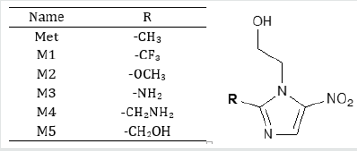
In computer aided drug design, quantum mechanical methods are widely used to predict thermal, molecular orbital, and molecular electrostatic potential properties [8]. Initial geometry of Metronidazole (Met) was taken from the online structure database named ChemSpider [9]. Geometry optimization and further modification of all structures carried out using Gaussian 09 program [10]. Density functional theory (DFT) with Becke’s (B) [11] threeparameter hybrid model, Lee, Yang and Parr’s (LYP) correlation functional [12] under Pople’s 6-31g (d,p) basis set has been employed to optimize and elucidate their thermal and molecular orbital properties [13]. Initial optimization of all compounds was performed in the gas phase. Dipole moment, electronic energy, enthalpy, free energy and electrostatic potential are calculated for all the compounds (Figure 1).

Figure 1: Chemical structure of Metronidazole (Met) and its modified analogues.

lupinepublishers-openaccess-journal-environmental-soil-sciences

Frontier molecular orbital features HOMO (highest occupied molecular orbital), LUMO (lowest unoccupied molecular orbital) were calculated at the same level of theory. For each of the drugs, HOMO-LUMO energy gap, hardness (η), softness (S) and chemical potential were calculated from the energies of frontier HOMO and LUMO as reported considering Parr and Pearson interpretation [14,15] of DFT and Koopmans theorem [16] on the correlation of ionization potential and electron affinities with HOMO and LUMO energy (𝜀). The following equations are used to calculate hardness (η), softness (S) and chemical potential (μ);

In computer aided drug discovery system, computational predictions are using to explore absorption, distribution, metabolism, excretion, and toxicity (ADMET) which saves on time and investment. AdmetSAR online database was utilized to predict ADMET properties of Metronidazole and its analogues [17].

Result and Discussion

Thermodynamic Analysis

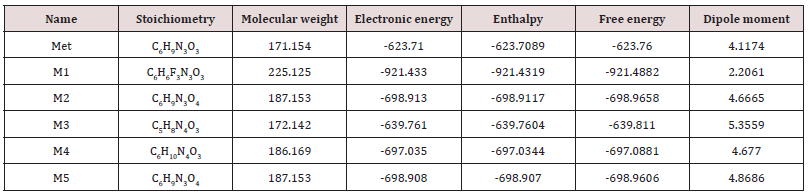
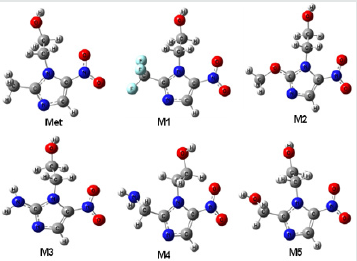
Simple modifications of molecular structure significantly influence the structural properties including thermal and molecular orbital parameters. From the free energy, and enthalpy values, spontaneity of a reaction and stability of a product can be predicted [18]. In drug design, hydrogen bond formation and nonbonded interactions also influenced by dipole moment. Increased dipole moment can improve the binding property [19]. From thermodynamic data (Table 1), the free energy of Metronidazole is -623.7600 Hartree, where M1 shows the highest negative value (-921.4882 Hartree). The –F substitution (M1) influence the free energy significantly. Highly negative free energy is favourable for stable configuration. Again, the dipole moment of Metronidazole is 4.1174 Debye where M3 shows the maximum dipole moment (5.3559 Debye) due to substitution of –NH2 group (Figure 2).

Table 1: The stoichiometry, molecular weight, electronic energy, enthalpy, free energy in Hartree and dipole moment (Debye) of Metronidazole (Met) and its analogues.

lupinepublishers-openaccess-journal-environmental-soil-sciences

Figure 2: Most stable optimized structures of Metronidazole (Met) and newly designed analogues. Optimized with B3LYP/6- 31g (d, p) level theory.

lupinepublishers-openaccess-journal-environmental-soil-sciences

Molecular Orbital Properties

Table 2: Energy (eV) of HOMO, LUMO, gap, hardness, softness and chemical potential of the designed drugs.

lupinepublishers-openaccess-journal-environmental-soil-sciences

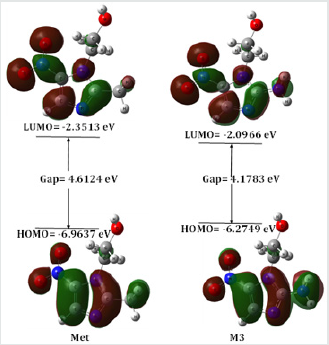
The HOMO-LUMO energies, hardness, softness, chemical potential of all compounds is presented in Table 2. The electronic absorption relates to the transition from the ground state to the first excited state and mainly described by one electron excitation from HOMO to LUMO [20]. The chemical hardness, softness, and potential values depend on the energy gap of HOMO-LUMO [21,22]. Kinetic stability decreases with the decrease of HOMO-LUMO gap. As a result, removal of electrons from ground state HOMO to excited state LUMO requires less energy. In our studies, Metronidazole shows the HOMO-LUMO gap 4.6124 eV, where M3 have the lowest energy gap (4.1783 eV) with highest softness (0.4787 eV) which may contribute higher chemical reactivity (Figure 3).

Figure 3: Frontier molecular orbital (HOMO-LUMO) and related energy of Metronidazole (Met) and M3.

lupinepublishers-openaccess-journal-environmental-soil-sciences

Molecular Electrostatic Potential Analysis

Molecular electrostatic potential (MEP) was calculated at B3LYP/6-31G (d,p) level of theory to forecast the reactive sites for electrophilic and nucleophilic attack of all optimized structures [23]. Red color represents maximum negative area which favorable site for electrophilic attack, blue color indicates the maximum positive area which favorable site for nucleophilic attack and green color represent zero potential area. MEP displays molecular size, shape as well as positive, negative and neutral electrostatic potential regions simultaneously in terms of color grading. It is seen from MEP map, region having the negative potential are over electronegative atom (oxygen atoms) and having positive potential are over hydrogen atoms. Here, the maximum negative potentiality is found for M3 is -0.3497 a.u (deepest red) for oxygen atoms and the highest positive potentiality of M1 is +0.3903 a.u (deepest blue) of hydrogen atoms.

Read More About Lupine Publishers Journal of Biomedical Engineering and Biosciences Please Click on Below Link: https://biomedical-sciences-lupine-publishers.blogspot.com/

Wednesday, 20 July 2022

Lupine Publishers| Determinants of Depression Among Married Women Living in Quetta City, Pakistan

 Lupine Publishers| Journal of Biomedical Engineering and Biosciences


Abstract

Intense and tenacious feeling of despondency or loss of interest in things that once were enjoyable such condition is termed as Depression which is characterized as a mental illness and contributes a considerable fraction of the inclusive burden of diseases. Determinants of depression among married women includes gender discernment, over burden of work, domestic violence, psychological distress, sexual abuse, women’s poor mental and physical health etc. Identification of potential determinants of depression will possibly aid in devising preemptive strategies in order to reduce its pervasiveness among married women.

Keywords: Depression; Psychological distress; Gender discernment; Cultural bindings; Quetta

Introduction

Depression has been documented as a major mental disorder globally evinced by its fourth position among other diseases [1]. It has been reported that approximately 350 million individuals suffer from it that subsidizes to a high rate of suicide [2]. In Pakistan depression is reported to hold first place among all psychological ailments affecting approximately 29% to 66% women and 10% to 33% of men [3,4]. Depression is intensifying as a major health problem affecting married women with high magnitude than men [5]. Determinants of depression among married women includes gender discernment, over burden of work, domestic violence, psychological distress, sexual abuse, women’s poor mental and physical health etc [6,7]. Besides unforceful life events such as loss of a loved one, subservience, mortification can envisage depression [8]. In addition to that numerous health related issues of married women such as hormonal imbalances, menstrual cycle irregularity, miscarriage, abortion, pregnancy, menopause etc also contributes to high rate of depression [9,10].

A number of married women faces stresses due to over burden of responsibilities both at work and home [11]. Numerous women are also particularly susceptible to postpartum depression after the birth of a baby due to the added responsibility of a new life [12,13]. Married women are reported to be more depressed usually because of her multiple roles as a mother, as a wife, as a daughter-in-law etc and its associated responsibilities [14]. Marital dissatisfaction, family size, occupation, domestic violence, education, cultural setups etc were also reported to be the contributing factors causing depression among married women [15,16]. Quetta city is known for its low countenance, strong customary bindings, cultural reticence, lack of assets and social difficulties [17,18]. Therefore the main purpose of this designed study was to identify the determinants of depression among married women residing in Quetta city and to determine its incidence rate. The reason for choosing married women lies in the fact that married women are more inclined to be depressed that men because they have multiple responsibilities and they are the one who usually faces the ups and downs of life. Consequently, it is important to report this problem to develop mental health sustenance services for women suffering from depression particularly for under developed regional areas.

Materials and Methods

Current study was conducted with the help of a self-developed questionnaire among married women living in different areas of Quetta city, located in the province of Balochistan. The sample size was kept 100.Incidence of depression was measured using 21- item Beck Depression Inventory–II (BDI-II) [19]. The score below 17 indicated non-depressed individuals however score equal to or greater than 17 indicated depressed individuals. Information regarding education, occupation (working status), number of children (family size), husband’s income and marital status was also obtained for the studied respondents.

Results and Discussion

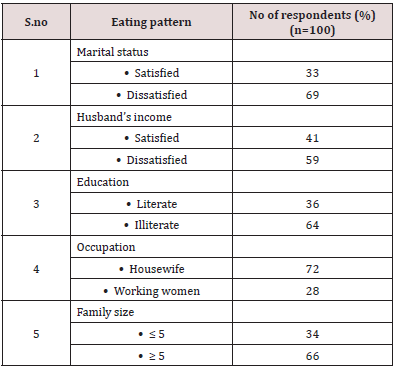
Data in Table 1 shows that a high percentage of married women is facing marital dissatisfaction (69%) which may be due to their husband’s unsatisfactory low earnings as indicated in the mentioned table that 59% of married women were dissatisfied with their husbands’ income causing financial problems. Thus, creating difficulties for such women to support large family. As we all are aware of the concept of combine family system in Pakistan, majority of the households in Quetta has combine family setup which consisted of a large number of dependent individuals relying on a sole independent earning member for their needs [20,21]. Such independent individual is referred as the head of the family and is usually a male. He is responsible for providing the basic necessities of life to his family [22].

Table 1: Demographic and social factors among married females.

lupinepublishers-openaccess-journal-environmental-soil-sciences

And since majority of Pakistani households preferred to have large family size based on their cultural influence and upbringing setups [23]. In such circumstances a low income of the head of the family is not sufficient to support a family of many individuals creating domestic issues which eventually a married woman has to face in the end, leading to mental stress and depression [24,25]. As income is one of the contributing factors of depression, it is well known that women who belongs to low socio-economic group are at elevated risk for depression [26]. Table 1 also indicates that high incidence of depression is mainly due to low literacy rate of married women, only a small percentage of women were literate i.e.36% and a large fraction were reported to be illiterate. According to a study it was reported that educated women were found to be less depressed than low educated or illiterate women because an educated woman is more intellectual and skillful in performing day to day domestic tasks and managing a big household with less mental pressure [27,28]. An educated woman is more fortified with self-sufficiency, decision making capability and confidence [29].

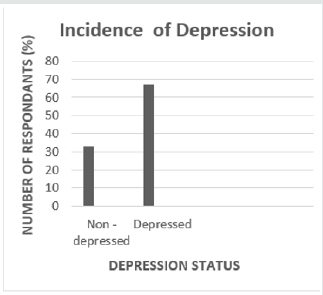
Besides she can also share the financial burden of her husband by doing a job of some kind [30]. Unfortunately working of a female after marriage is not much favored in Pakistani system especially in under developed areas like Quetta due to the narrow mindedness of her male partner or reluctant mentality of her in-laws. Considering the above-mentioned determinants of depression, prevalence rate of this mental disorder was reported to be high i.e.67% among married women as indicted in Table 2 and Graph 1. However, there were several limitations in our study such as information regarding family history of depression, loss of loved ones, current health illness, documentation of domestic violence, sexual abuse, clinical evaluation of women physical/mental health before/after child birth etc which needs to be unveiled in future studies. This study is an endeavor to address the matter of increasing rate of depression among married Pakistani women living in under developed areas to make commendations on how to improve their mental health.

Table 2: Incidence of depression among married women of Quetta city.

lupinepublishers-openaccess-journal-environmental-soil-sciences

Grpah 1: Incidence of depression among married women of Quetta city.

lupinepublishers-openaccess-journal-environmental-soil-sciences

Conclusion

Current study revealed that the overall rate of depression was reported to be high i.e. 67% among married women which is alarming and required clinical diagnosis of depression and its associated treatment. The overall results indicated that depression is high among married women who belongs to a low-income household with large family size. Besides high illiteracy rate is also responsible for depression among married women.

Read More About Lupine Publishers Journal of Biomedical Engineering and Biosciences Please Click on below Link: https://biomedical-sciences-lupine-publishers.blogspot.com/
Friday, 14 September 2018

A Novel Finite Element Model on Atherosclerotic Plaques: Effect of Heart Rate: (OAJBEB) - Lupine Publishers


Abstract
Atherosclerotic plaques are highly heterogeneous, nonlinear materials with uncharacteristic structural behaviors. It is well known that mechanics of atherosclerotic plaques significantly depend on plaque geometry, location, composition, and loading conditions. Computational studies have shown great potential to characterize this mechanical behavior. Different types of plaque morphologies and  mechanical properties have been used in a computational platform to estimate the stability of rupture-prone plaques and detect their locations. In this study, we hypothesize that heart rate (HR) is also one of the major factors that should be taken into account while mechanics of plaques is studied. We propose a tunable viscoelastic constitutive material model for the fibrous cap tissue in order to calculate the peak cap stress (PCS) in normal physiological (dynamic) conditions while HR changes from 60 bpm to 150 bpm in 2D plane stress models. A critical discussion on stress distribution in the fibrous cap area is made with respect to HR for the first time. Results strongly suggest the viscoelastic properties of the fibrous cap tissue and HR together play a major role in the estimation of the PCS values. The results of current study may provide a better understanding on the mechanics of vulnerable atherosclerotic plaques.


Wednesday, 12 September 2018

Navigation of a Virtual Exercise Environment with Microsoft Kinect by People Post-Stroke or With Cerebral Palsy: (OAJBEB) - Lupine Publishers


Navigation of a Virtual Exercise Environment with Microsoft Kinect by People Post-Stroke or With Cerebral Palsy by John Hoyle, Justin McCroskey, Lloyd Cooper, and Alan W Eberhardt in Open Access Journal of Biomedical Engineering and Biosciences (OAJBEB) in Lupine Publishers

Abstract


People with physical disabilities have less access to exercise opportunities than their able bodied peers, which contributes to the overall lack of physical activity noted today. In order to help provide engaging active options for this diverse group of people, an Advanced Virtual Exercise Environment Device was designed with adaptable components and an integrated virtual display. Voice commands  were  used  and  a  custom  balance  sensing  system  was  created  using  Velostat  to  allow  users  to  make  choices  within  a  virtual environment. The voice recognition system was tested at various background noise levels and found to be highly accurate within standard conversational ranges for a non-impaired speaker. The balance system was verified for an unimpaired user both while standing and while seated in a wheelchair, though the system was much more responsive for the standing operation mode. A user study with 19 individuals with diverse physical disabilities was performed to obtain feedback on how the various parts of the device functioned for a wide cross section of disabilities. The results showed that the device was functional in all of its components. Initial indications suggested that normal use of the device could provide enough challenge for ardiovascular health maintenance. The device without the accompanying virtual interface was perceived to be generally enjoyable, not boring. Users did not dislike the experience and found it to be more engaging with the virtual interface.


Thursday, 9 August 2018

Open Access Journal of Biomedical Engineering and Biosciences (OAJBEB) - (ISSN: 2637-4579) Lupine Publishers

Open Access Journal of Biomedical Engineering and Biosciences (OAJBEB)  ISSN: 2637-4579 addresses avant-garde research in the multi-disciplinary area of Biomedical engineering and Biosciences. A key field here is biomedical engineering and Biosciences offering a amalgamation of physical, chemical, mathematical and computational sciences pooled with engineering principles to augment R&D in biology, medicine, behaviour, and health. The Journal hanker for to publish articles allied to Bioinstrumentation, Biomaterial, Biomedical engineering, Biomechanics, genetic engineering and Cellular tissue and Medical electronics, Clinical engineering, Medical imaging, Rehabilitation engineering, Systems physiology, Biosceinces and many more Open Access journal and aims to publish the most inclusive and steadfast source of information on the complex and very latest research topics. Journal dedicated to allocate the elevation and dissipation of scientific knowledge concerning biomedical sciences and related academic disciplines. Open Access can be distinct is an ultimately used for public well being to rouse the growth of global science, over and above to sustain the eminence of scientific actualization at the same time.

http://www.lupinepublishers.com/oajbeb/