Showing posts with label Journal of Gynaecology and Women's Healthcare. Show all posts

Saturday, 18 March 2023

Lupine Publishers | Two Consecutive Successful Pregnancy Outcomes in a woman with Eisenmenger’s Syndrome: A Case Report

 Lupine Publishers | Journal of Gynaecology and Women's Healthcare


Abstract

Eisenmenger’s syndrome is a very rare condition in pregnant women. The incidence of ES is about 3% of the pregnant patients with congenital heart defects; however, it can be accompanied with high incidence of maternal and neonatal morbidity and mortality. Therefore, these patients should have efficient contraception or termination of pregnancy in the first trimester. We present two poorly-controlled consecutive pregnancies with good outcomes in a woman with ES to clarify the appropriate function of teamwork in the management of emergency situations in similar cases. Alongside teamwork, good prenatal care is also important because it can result in elective termination in higher gestational age of pregnancy.

A 21-year old woman, Repeat II cesarean belonging to a very low socioeconomic class, with ES was admitted to the emergency ward of Imam Hossein teaching hospital affiliated to Shahid Beheshti University of Medical Sciences with labor pain and severe dyspnea in 28 weeks of pregnancy. Echocardiography indicated a PAP of 120 mmHg. The patient had supportive treatment in intensive care unit until she was discharged. Despite previous reports of poor pregnancy outcomes in women with ES, high quality and significant treatment through labor and postpartum period lead to good outcomes in both mother and neonate.

Keywords:Eisenmenger complex; outcome; pregnancy; pulmonary hypertension

Introduction

Several congenital heart defects may result in Eisenmenger’s syndrome (ES) [1]. The progress of ES in patients with congenital heart defects depends on the heart defect size and location [2]. Signs and symptoms of ES include right ventricular (RV) failure due to right ventricular hypertrophy, nail clubbing, cyanosis, dyspnea, edema, fatigue, dizziness, and arrhythmia [1]. For the first time in 1897, Victor Eisenmenger described a 23-year-old man with a large ventricular septal defect and pulmonary arterial hypertension and termed the condition as ES [3]. The major causes of death in ES are right ventricular failure, pulmonary hypertension crisis, arrhythmia and stroke [1]. ES is a very rare condition in pregnant women. The incidence of ES is about 3% of the pregnant patients with congenital heart defects [4]. Although ES progresses slowly in non-pregnant women, the increased blood volume during pregnancy may advance the disease during a relatively short time [5]. When pulmonary hypertension exceeds 70% of systemic blood pressure, pregnancy may be associated with complications and cause maternal death [6]. In a review, the maternal mortality rate from 1978 through 1996 due to ES was 36% and the risk of maternal death remained unchanged over the period [5]. Neonatal outcome of pregnancy with ES is also poor. ES is a strong risk factor for spontaneous abortion, preterm birth, and intrauterine growth retardation (IUGR) [7].

As a rule, pregnancy in women with ES must be prevented or terminated in the first trimester [1,4,8,9]. In women who choose to continue pregnancy, a team consists of an obstetrician, perinatologist, cardiologist and an anesthesiologist is needed to care the pregnancy and labor [4,9]. Women with ES should be hospitalized in the second trimester of pregnancy [10]. Pulmonary vasodilator agonists have been used for lowering pulmonary hypertension with good results [9,11,12]. The best mode of delivery is a non-instrumental vaginal delivery using a labor pain relief through epidural block. Spinal analgesia is also preferred for cesarean in these women [5,9]. In general, treatment of ES is supportive [13] and includes oxygen therapy, the use of digitalis, diuretics, vasodilators and anticoagulants [4]. Usually anticoagulant therapy is prescribed to prevent thrombotic events; however, it may increase the risk of hemorrhage in the postpartum. Kahn reported a pregnancy in a 23-year old woman G4P3 with ES who was transferred to the hospital at 38 weeks with a two-month history of dyspnea and edema. After vaginal birth, she was treated with heparin to prevent thromboembolism. In the next day, severe vaginal bleeding developed and finally she expired [8]. We present two consecutive pregnancies with ES and good outcomes in a 21- year old woman, with poor prenatal care. If she had regular visits during her pregnancy by specialists in obstetric, perinatology and cardiology she would have a higher chance of elective termination in later gestational age of her pregnancies; however, in emergent situations, a good teamwork can lead to saving both the patient and her neonate as it happened in both pregnancies in this patient. Therefore, women with ES may have a chance to experience motherhood.

Case Presentation

A 21-year old mother G1P0 in 34 weeks of pregnancy was admitted in the emergency ward of Imam Hossein teaching hospital affiliated to Shahid Beheshti University of Medical Sciences with labor pain and dyspnea. She was a known case of ES since 25 weeks of her pregnancy. The most important findings were pulse rate (PR) of 100beat/min, respiratory rate (RR) of 24/min, blood pressure (BP) of 100/60 mmHg, O2 SAT of 92% and no cyanosis was seen. The echocardiography revealed a mild right ventricular enlargement, a mild left atrial enlargement, a mild reduced right ventricular function, a mild left ventricular hypertrophy (LVH), ejection fraction (EF) of 50%, Pulmonary artery systolic pressure (PAPs) of 50mmHg, and a large ventricular septal defect (VSD) progressing to ES. She continued her pregnancy until presented dyspnea and cyanosis in the 34th week of pregnancy. The vital signs were as follows: PR=100 beat/min, RR=34/min and BP=100/70mmHg. The second echocardiography reported EF of 50% and PAP of 98 mmHg. O2 SAT was 86%. Due to severe pulmonary hypertension, viability of fetus and low Bishop score, cesarean was performed, and a neonate was born with Apgar score 9/10 and birth weight of 2kg. She was admitted to the intensive care unit (ICU) and after four days, she was discharged from the hospital in good condition.

Again, in her second pregnancy, she was admitted for an elective therapeutic abortion in the 16th week of pregnancy but she did not accept and left the hospital. In physical examination she had PR of 110 beat/min, RR of 32/min, BP of 110/70mmHg and O2 SAT of 85%. The patient also presented acrocyanosis. Echocardiography in the 16th week of pregnancy detected EF of 50%, PAP of 80mmHg, mild systolic dysfunction and mild right ventricle enlargement. In electrocardiography, a sinus tachycardia was seen. After 12 weeks, she hospitalized in emergency ward with labor pain and dyspnea. Blood pressure, pulse rate, and respiratory rate were 100/70 mm Hg, 112 beat/min, and 30/min, respectively. Finding in arterial blood gas analysis (ABG) were as follows: PH = 7/52, partial pressure of carbon dioxide (PCO2) = 18mm Hg, bicarbonate (HCO3) = 27mEq\L and O2 SAT = 90%. In the electrocardiogram, a sinus tachycardia was detected. Echocardiography indicated a PAP of 120mmHg. Immediately oxygen was administered, emergency consultation with a cardiologist was done According to consultation with an anesthesiologist, pethidine was injected to reduce the labor pain. Supportive management such as oxygen and pain control continued. While stabilizing the patient, magnesium sulfate for neuroprophylaxis of the baby and betamethasone for fetal lung maturity were administered. The patient was admitted to the ICU. After 8 hours, because of intensified labor pain, cesarean was done under general anesthesia and a preterm baby girl with Apgar score of 7/8 and birth weight of 1800gm was born. Tubal ligation was performed and again she was transferred to the ICU ward. Enoxaparin was administered to prevent thromboembolic events in the postpartum period. The result of the echocardiography after cesarean showed PAPs of 110mm Hg and EF of 48%. Four days later, she transferred to the post-cesarean ward and after one week, she discharged with good general condition.

Ethics

We obtained patient’s informed consent for publishing this report.

Discussion

It is strongly recommended that women with ES be discouraged having pregnancy or be advised to terminate in the first trimester of pregnancy [4,9]; however, few reviews and case reports indicated that outcomes for women with ES have been improved [11-16]. Geohas and McLaughlin reported a 21-year old woman G3P2 in the 34th week of pregnancy with ES who suffered from dyspnea and edema in the third trimester. She was treated with epoprostenol and was terminated by cesarean. The outcome was good and a newborn with good Apgar score was born [13]. Our patient was belonging to an underprivileged social group and did not have appropriate prenatal care during her pregnancies. She was a known case of ES since second trimester of her first pregnancy which was continued until gestational age of 34 weeks. In her second pregnancy, she maintained her pregnancy and finally was terminated in 28 weeks of pregnancy. The outcome of both pregnancies was good similar to the results reported in previous studies [10,13,17] while in Duan’s report, the perinatal outcome of pregnant women with ES were poor [1]. In a systematic review from 1978 through 1996 on 73 women with ES, patient`s age was a risk factor of maternal death [5]. Our patient was young, and it can be one of the reasons leading to good outcome. In addition, O2 sat and hemoglobin did not show any relationship to the outcome in ES [5].

Although vaginal delivery is preferred in these patients [4] other factors such as Bishop score and maternal and fetal condition are important to determine delivery route. In our case cesarean was preferred. In three reviews, 65% to 100% of patients gave birth by cesarean due to deteriorating maternal condition during the third trimester of pregnancy [4,12,18]. In a review study by Wang, and colleagues on 13 pregnancies, no pregnancy continued to term [19]. In our study, both pregnancies were preterm and terminated at the gestational age of 34 and 28 weeks of pregnancy, respectively. Despite poorly controlled prenatal care, the mother saved because she was young and received proper care in a tertiary center during labor and postpartum period. Besides, preterm labor at the 34th and 28th week of pregnancy may contribute to the successful outcomes of the patient due to stopping the progress of hemodynamic changes and worsening the condition. On the other hand, the patient was referred to the same hospital and we had access to her past medical history. Because she was not supervised between her pregnancies, we were not aware of the medications and the cares she received and whether she was adherent to the treatment.

Conclusion

Although prevention of pregnancy or termination in the first trimester is usually recommended in patients with ES, in this case, two consecutive pregnancies developed with good outcomes. Although the patient received no proper prenatal care including visiting a cardiologist before pregnancy and having timely care by a perinatologist or even an expert obstetrician in managing high risk patients, receiving a significant treatment in a tertiary center during labor and postpartum period resulted in good outcomes in this patient. Women with ES may have a chance to experience motherhood.

Acknowledgment

Authors thank the patient for agreeing to publish this report

Ethical Approval

We obtained patient consent for publishing this report.

Read More About Lupine Publishers Journal of Gynaecology and Women's Healthcare Please Click on Below Link:
https://lupinepublishers-gynecology.blogspot.com/

Friday, 10 February 2023

Lupine Publishers | Attitudes of Married Women with Advanced Maternal Age and their Spouses Towards Family Planning and Evaluation of the Effects of Trainings related to This Issue

 Lupine Publishers | Journal of Gynaecology and Women's Healthcare


Abstract

Purpose: In this study, we aimed to evaluate the attitudes of married women with advanced maternal age and their spouses towards family planning and to assess the effects of training related to this issue.

Design: The sample group of the study was composed of 170 women and their spouses who were registered to the three health clinics located in Kiziltepe district of Mardin province. Participants were selected according to the family planning attitude scale results.

Results: When we evaluate the mean attitude scale scores of both women and their spouses before and after the trainings, it can be concluded that trainings positively affected the attitudes of them towards the family planning.

Implications: Trainings are effective in changing attitudes and behaviors of individuals who are strongly are engaged in traditional cultural characteristics.

Keywords: Family planning; Attitude scale; Nursing, Education; Culture, Mardin

Introduction

Family planning is defined as that all couples and individuals have right to have desired number of children, to decide the duration between the births freely and responsibly, and to have knowledge, tools and education in this regard. In other words, Family Planning is a protective service which allows married couples to have desired number of children according to their economical possibilities and personal wishes, and it ensures the couples to have births at appropriate intervals in accordance with the maternal and child health William et al. [1], Yıldırım [2]. Population growth has been the determinative factor in Family planning service requirements of countries. According to the World Bank reports between 2004 and 2020, the average population growth rates of come countries are estimated as follows; India (1.3), Ireland (1.2), Mexico (1.1), USA (0.9), Canada (0.8), China (0.6), Norway (0.5), Netherlands and the UK (0.3), Greece (0.1), Germany and Italy (0), Japan (-0.1). On the other hand, the population growth rate in Turkey in the same time interval will be higher than the world average (1.2 and 1.1). This population growth rate of Turkey will be one of the highest population growth rates in the world and Turkey will be one of the three countries in this regard (India and Ireland) with the highest rates Ulusoy [3], Population and the Environment [4].

In each minute, 380 women conceive, 190 women are faced with an unplanned or undesired pregnancy, 100 women experience complications related to pregnancy, 40 women experience unsafe abortion, and 1 woman die. Among all these deaths, 1% of them happen in developed countries and 99% of them happen in developing countries. In developing countries, 1 woman dies in each minute due to complications of the pregnancy. Almost 90% of these deaths can be preventable. In Turkey, there are approximately 1,8 million pregnancies in a year. Among all, 500.000 of them are abortions, 23.000 of them are stillbirths, and 1.350.000 of them are live births. Besides, 39.000 babies die before the age of one Altıparmak [5]. It has been reported by the World Health Organization (WHO) that annually 12% of 500.000 women die due to complications of abortion and 99% of these women are from developing countries. Studies conducted particularly in developing countries show that almost half of the abortions are performed as a family planning method due to the undesired pregnancies and these findings indicate the importance of the family planning services after these abortions Kabalcıoglu et al. [6], Erol et al. [7]. In Turkey, mother-child health indicators and high population growth rates require to give priority to family planning services among other health services Gemalmaz [8]. It has been shown that the rate of the desired abortion is 24% and spontaneous abortion rate is 20% in Turkey. The rate of 25 year-old or younger women who experience induced abortion is lower than 10%. However, this rate is higher than 40% in women between the ages of 45 and 49. Yigitler and Donmez conducted a study in Antalya and they stated that women who have an induced abortion are mostly in the 40-49 age group Okçay & Öztürk [9]. In a study conducted in England, the 35-40 age group of women had high risks in gestational diabetes, placenta previa, breech presentation, operative vaginal delivery, elective cesarean delivery, emergency cesarean delivery, postpartum hemorrhage, birth before 32 weeks, and birth weight and stillbirth under 5. percentile Jolly & Sebire [10].

According to the 2013 Turkey Demographic and Health Survey data, the total fertility rate is 3.41 children per woman and the highest rate is detected in the Eastern Region of Turkey. In line with this information, Southeastern Anatolia Project shows that the fertility rate is even higher in Southeastern part of the Turkey (3.46 births per woman) compared to other East regions. The fertility rate in Mardin (3.52 births per woman) is higher than the average values according to the 2014 data. The fertility rates of regions other than the East regions are similar or lower than the average of Turkey. This finding shows that the fertility rates change between the rural and urban areas and also between the east and other regions of Turkey TNSA [11]. The use of contraceptive methods alters according to the age of the woman. The frequency of contraceptive method use is the lowest among 15-19 year-old married women (44%) and this frequency increases up to 81% in 30-34 year-old women and decreases to 50% in 45-49 year-old women. The death risk due to the pregnancy is 2-3 times more in 35-39 year-old women compared to women at the age of 20s and this risk increases in women older than 40 years old Eserdağ [12]. As the age of the mother increases, the complications and death rates during the birth or after the delivery also increase Çetinoğlu et al. [13].

In Turkey, the family structure contains strong cultural elements which prevents the use and disseminates the family planning methods Cüceloğlu [14]. Authoritarian and patriarchal structures of the Turkish family relationships require the approval of man in family planning management as in other issues Depe & Ayten [15]. Uskun et al. [16], Turkistanli et al. [17], Kitis et al. [18] conducted studies and they detected that the use of family planning methods by women is affected by the educational status of the women and their spouses, the family structure, the number of children, and the view of men towards the family planning. More active involvement of men in family planning services and the use of male-specific methods will facilitate the reduction of excessive fertility Uskun et al. [19], Türkistanlı et al. [17], Kitiş et al. [18]. International and national studies indicate that the choice of method related to reproduction and fertility control depends on patriarchal traditions and this affects reproductive behaviors of women. The decision of man is prioritized about which protection method to be used and the number of family members. Men have a right to decide in family planning in various societies. It is believed that inappropriate family planning management and unhealthy attitudes due to the insufficient knowledge can be decreased in case men actively participate in the family planning Depe &Ayten, [15]. Certain practices, beliefs, attitudes, myths, customs and habits of each society depend on cultures of societies Babadağlı & şahin [20]. For instance, ceremonies and use of herbs for women’s fertility are very common in Nigerian culture. In African culture, individuals used to apply hot water, salt or vinegar/lemon juice inside the vagina after the sexual activity in order to prevent the pregnancy. There are some other contraceptive methods such as eating arsenic and castor oil seeds and drinking the water used to wash corpses Akın & senlet [21], Keller [22]. In Turkey, the number of female children increases 5-6 times due to the recurrent deliveries till the couple has a male child. In our region, there are still various wrong beliefs and applications related to the family planning. For instance, it is believed that the oral contraceptive drugs will lead to cancer, the intrauterine tool can go to the stomach, vasectomy may cause impotence, and connecting pieces of the fallopian tubes can lead to infertility. These are only some of these wrong beliefs Örsal & Kubilay [23].

Materials and Methods

Participants

The universe of the study was composed of 35-49 year-old married women who did not enter menopause, who did not use any of the effective family planning methods and their spouses. Totally 68860 participants were selected from individuals who were registered to the 1., 2. and 3. Health Clinic located in the center of Mardin province.

Data Collection

In order to measure the attitudes of individuals towards family planning in Turkey, we used the unique scale “Family Planning Attitude Scale” which was developed by Orsal. The scale was composed of 34 items and the answers to questions were ranked from 1 to 5. The minimum score was 34 and the maximum score was 180.The increased scores were considered as a positive output.

Data Analysis

The study was conducted for almost two years. The survey form and attitude scale were applied to women and their spouses by using face-to-face method via home visits. During home visits, researchers asked all questions of the survey and attitude scale to women and answers were also written by researchers. Men filled the survey and the attitude forms by themselves. The family planning attitude scale was applied before and after the trainings.

Trustworthiness

Statistical Package for The Social Sciences (SPSS) for Windows 11,5 was used to code the data and the data assessments. The reliability of the scale was tested and Chronbach’s alpha internal consistency coefficients for sub scales were calculated. The statistical analyses were done by using SPSS 11.5 program. The significance was accepted for p values either equal or lower than 0.05 (p≤0.05).

Results

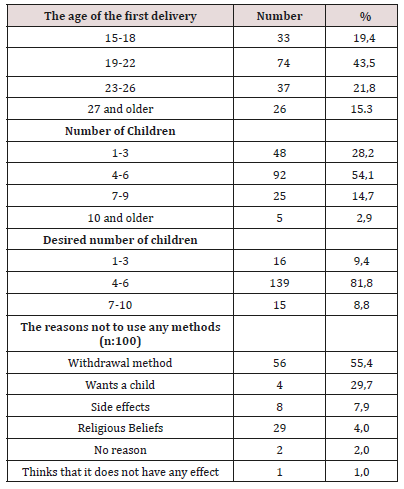
Table 1: Distribution of Characteristics of Women related to Fertility and Family Planning.

lupinepublishers-openaccess-journal-gynaecology-women-health-care

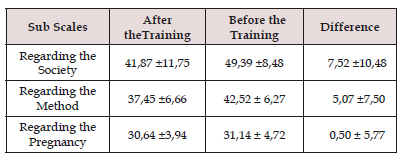
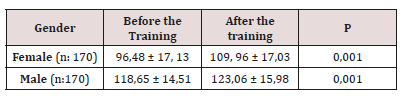
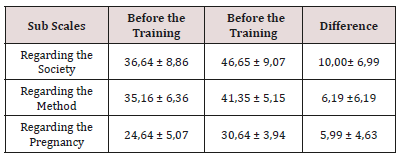
In this part, the socio-demographic features of women and their spouses, fertility and family planning characteristics, the mean scores of attitude scale before and after trainings, and comparison of some variables can be seen. The highest age range when the women gave birth 19 and 22. More than half of the women had 4 to 6 children, 81.8% of them stated that they desired to have 4 to 6 children. Women stated that they did not use any contraceptive methods because more than half of them were using withdrawal method and 29.7% of them wanted to have a child (Table 1). There was a significant difference between the attitude scale scores of women and their spouses before and after trainings. Trainings led to behavioral change in both women and men (Table 2). According to our results, we detected significant differences between society, method and pregnancy subscale scores. When we evaluate the differences between the scores before and after trainings, we can conclude that the lowest differences were obtained in case of society sub scale scores and highest differences were detected in case of pregnancy sub scale scores (Tables 3 & 4). There was a significant difference between society and method sub scale scores of men before and after trainings. However, we did not detect significant difference between pregnancy sub scale scores of men before and after trainings. The lowest differences between scores before and after trainings were found in case of pregnancy subscale scores (0,505) and the highest differences were detected between the scores of society sub scale scores (7,52).

Table 2: Distribution of Attitude Scale Scores of Women and their Spouses before and after the Trainings.

lupinepublishers-openaccess-journal-gynaecology-women-health-care

Table 3: Subscale scores of women before and after the trainings.

lupinepublishers-openaccess-journal-gynaecology-women-health-care

Table 4: Distribution of the sub scale scores of men before and after trainings.

lupinepublishers-openaccess-journal-gynaecology-women-health-care

Discussion

In this part, we discussed the results of our study which was conducted to evaluate the effect of attitudes of women and their spouses towards family planning and trainings related to this issue.

In our study, we found that more than half of the women had 4 to 6 children (54.1%). In a study conducted in Isparta province, it was shown that the mean number of children was 1.95 and this number was lower compared to findings of other studies (2.5, 2, 2.7, 1.92, and 2.07) Kişioğlu et al. [16]. In Diyarbakir, according to the findings of the study conducted in Woman Health Institution, the mean number of living children was 4.3. This similarity can be because of that these studies were conducted in the same province Saka et al. [24]. It was shown that women desired to have at least four children (81.8%) because the study was conducted in East Anatolian Region of Turkey, the mean number of children was 6, it was not the preference of women to have high number of children, and women had to behave according to traditions. It was detected that women were affected by various factors while applying different family planning methods. In a study conducted in Van province, 57.9% of the women living in the city and 55.2% of the women living in villages or towns stated that they did not use any family planning method because their older family members did not allow them to use the contraceptive methods. In the same study, it was shown that 21% of the women living in the city and 30% of the women living in villages or towns did not prefer to use contraceptive methods because they believed that it is sin and 3.4% and 2.6% of them respectively thought that family planning methods led to infertility Şahin et al. [20].

In our study, more than half of the women did not use the contraceptive methods because they were using withdrawal method. Furthermore, 29.7% of them did not use these methods because they wanted to have a child. In Ankara, it was determined that the most common contraceptive method was the withdrawal method (33.7%). According to the results of Soylu, 54.4% of the women wanted to have a child and thus they did not use these family planning methods Yıldırım et al. [25]. Our findings are similar to these results. According to TNSA (2003), withdrawal method was the most common one among family planning methods TNSA [26]. Another study conducted in Mardin reported that using the withdrawal method was very common because other modern methods were not well known Ertem et al. [27]. In Turkey, it was shown in a study conducted with two different groups that individuals did not use family planning methods mostly because their spouses or families did not allow them to use or they believed that using contraceptive methods is a sin. It was shown in this study that older family members and men primarily decided on the choice and use of contraceptives, individuals had lower educational level, they had wrong religious beliefs, families were under the effect of feudal and closed society structure. These factors led to unsuccessful family planning services Tunç [28].

According to our findings, there was a significant difference between mean attitude scale scores of women and their spouses before and after trainings. The differences of mean scores of women before and after trainings were lower compared to men. We can state that trainings were more effective on women than men. For instance, women were asked whether or not they agree with the statement “The main task of woman to give birth” and 33.5% of the women answered “Yes, I agree.” before trainings. However, 17% accepted that this statement was right after trainings. Furthermore, 25.8% of the women agreed that “Contraceptive methods are impositions of western countries” before trainings. After trainings, only 13.5% of the women participated in this statement. Similarly, 75.3% and 37% of the women accepted the idea that “I can tell that I have a child in case I have a son” respectively before and after trainings. According to answers of the spouses of women, 28.3% of them supported the idea that “it is true that the main task of woman is giving birth.”. However, this rate was decreased to 7.1% after trainings. Similarly, 31.2% of the men answered as “I agree” to the statement “Contraceptive methods are impositions of western countries. After trainings, this rate was 9.5%. There was more difference between the scores of women who did not use previously any contraceptive methods before and after trainings. These women had a greater interest in trainings. This can be because that these women had an advanced maternal age and they did not use any family planning methods and they received trainings in their own home. The lowest scores were obtained from women who did not use contraceptive methods due to their wrong religious beliefs. We observed that the scores of this group mostly increased after trainings. It is possible due to their scores before trainings were prominently lower compared to scores of others.

In our study, there was a statistically significant difference between the society, method and pregnancy subscale scores of women before and after trainings. We found that the difference between scores was maximum for the society subscale scores and minimum for the pregnancy sub scale scores before and after trainings. Regarding the society subscale items, 57% of the women supported the idea of “higher number of children provides a stronger social environment” before trainings. This rate decreased to 28.2% after trainings. Furthermore, 29% of the women participated in the statement “Higher numbers of children show the power of men”. However, only 12.9% of them agreed this statement after trainings. 51.1% and 18.8% of the women agreed the statement “Men have a boy child” respectively before and after trainings. There was a significant difference between the society and method subscale scores of men before and after trainings. However, there was no significant difference between the pregnancy subscale scores of men before and after trainings. It is most probably that men perceive that the pregnancy is only the task of women. Society sub scale scores before and after trainings were the highest scores. According to answers of men, 45.8% of them agreed the statement “higher number of children provides a stronger social environment” before trainings. This rate decreased to 28.4% after trainings. Furthermore, 25.9% of the men participated in the statement “Higher numbers of children show the power of men”. However, only 8.8% of them agreed this statement after trainings. 52.5% and 29% of them agreed the statement “Men have a boy child” respectively before and after trainings.

In our study, the society, method and pregnancy subscale scores of women according to their educational statuses increased as the educational level of them increased. We observed that this difference was even higher for women particularly graduated from secondary school or higher level of educational institution. For instance, 37.1% of the women agreed the statement “Contraceptive coil leads to headache”. However, this rate decreased to 11.2% after trainings. 47% and 8% of them supported the idea that “Contraceptive drugs can lead to cancer” respectively before and after trainings. Regarding pregnancy subscale items, the statement “pregnancy makes the women more attractive” was accepted by 35.9% of the women before trainings. However, this rate decreased to 14.1% after trainings. The statement “men should marry women who do not have knowledge about family planning methods” was accepted by 28.2% of the women before trainings. However, this rate decreased to 6% after trainings. In Japan, a study related to oral contraceptive use was conducted in 1999 and it was emphasized that women should be informed about the contraceptive methods, their contribution in the health of women, and particularly about their side effects in order to reach the success in new family planning strategies Goto et al. [29].

In Turkey, the family structure contains strong cultural elements which prevent the use and disseminate the family planning methods. Authoritarian and patriarchal structures of the Turkish family relationships require the approval of man in family planning management as in other issues Depe & Ayten [15]. The use of family planning methods by women depends on various factors such as the education statuses of women and their spouses, the number of children, the family structure, and the perspective of men on family planning (DepeAyten,2006). Furthermore, according to the results of TNSA [26], it was detected that the modern contraceptive use rates increased in case women approved the attitudes of their spouses towards the family planning. However, there are limited numbers of studies conducted on the use of family planning methods and perspectives of men on family planning TNSA [26]. In Turkey, withdrawal method is one of the methods which have limited impacts (97.5%). The failure rate of these types of methods such as withdrawal method is known as 30%. In a study conducted in Turkey, it was shown that individuals who use the withdrawal method considered that it is a reliable and safe method. Therefore, family planning trainings and consultancy services should be given to men and they should be informed about the methods with limited impacts Yurdakul [30]. It has been shown in one of the studies that men can have wrong knowledge about various contraceptive methods in Izmir even though they are living in one of the well-developed cities in Turkey. According to studies, it has been detected that the education status of men does not affect their attitudes towards using contraceptive methods Gönener & Altay [31]. According to our results, we found that the mean attitude scale scores were significantly difference from each other before and after trainings. These findings can show us that trainings effective because a nurse who gave these trainings was aware of the structure of the society, she was living in the same society, and she was a well-known sand a reputable person.

Read More About Journal of Gynecology Please Click on Below Link:
https://lupinepublishers-gynecology.blogspot.com/
Friday, 21 October 2022

Lupine Publishers | Pethidine Infiltration in Intra Fascial Layer After Abdominal Hysterectomy

 Lupine Publishers | Journal of Gynaecology and Women's Healthcare


Abstract

Introduction: multimodal analgesia regimen has a cornerstone component involving local wound infiltration with analgesic agents to manage and enhance post-operative pain to increase patient satisfaction.

Aim: assessment and evaluation of effectiveness of local pethidine infiltration as a local analgesic in total abdominal hysterectomy.

Methodology: A cohort of 151 cases that have undergone abdominal hysterectomy have been categorized randomly into two research groups research group I (n=74 cases), involved women that were administered both wound infiltration and IM pethidine; and research group II (n=77 cases), involving women that were administered IM pethidine.

Results: The median 10-cm VAS for postoperative pain was significantly lower in women who received both WI and IM pethidine when compared to women who received only IM pethidine, 1 hour, 6 hours, 12 hours and 24 hours postoperatively. The mean total morphine consumption was lower in women who received both WI and IM pethidine when compared to women who received only IM pethidine.

Conclusion: Pethidine when administered in a simultaneous manner intrafascially and intramuscularly in cases undergoing total abdominal hysterectomy is more effective in reducing post-operative pain levels

Introduction

Post-operative pain management in cases undergoing total abdominal hysterectomy is considered a major challenge for both gynecologists and anesthesiologists aiming for enhancing patient satisfaction and level of health care service requiring multidisciplinary management and planning regarding the pathway of pain management of pain [1,2]. Despite the fact that epidural form of analgesia is an efficient mode of managing post-operative pain in abdominal surgeries however less invasive forms are considered more practical and applicable for many health care systems [3,4].

Local analgesia infiltration is considered a simple and efficient mode of pain management that has reduced costs in comparison to epidural analgesia. Advancing the pain management protocols could enhance patient post-operative recovery and improve clinical outcomes [5,6]. A widely implemented synthetic opioid known as pethidine causes its analgesic action by Functioning as an agonist on opioid receptors, furthermore it has been revealed and displayed to exert a local anesthetic impact chiefly via Linked to its interfaces with sodium‑ion Channels that are voltage‑dependent. peripheral nerve conduction blockage action has been revealed and displayed widely in various in vivo and in vitro experimental animal research studies that makes its applicability in clinical practice in humans a promising protocol of management [7,8].

Furthermore, pethidine has been shown to block conductivity in both motor and sensory neural systems via electrophysiological research studies making this issue a matter of interest to investigate its impact on patients undergoing abdominal surgeries via research studies aiming to merge from them evidence-based protocols in practice [9,10]. The privilege of local anesthetic agents’ infiltration interestingly has revealed that there are no local anesthetic toxicity issues arise if properly administered in a professional manner, no wound infection or healing issues due to usage of this form of analgesia making it an attractive mode for postoperative pain management for both gynecologists and anesthesiologists [11,12].

Aim of the Study

Assessment and evaluation of effectiveness of local pethidine infiltration as a local analgesic administered intrafascially in total abdominal hysterectomy.

Methodology

A randomized controlled research trial performed at Ain Shams University Maternity Hospital 151 cases that have undergone abdominal hysterectomy have been categorized randomly into two research groups research group I (n=74 cases), involved women that were administered both wound infiltration and IM pethidine; and research group II (n=77 cases), involving women that were administered IM pethidine. Oral and written consent form was obtained from the study subjects with the American Society of Anesthesiologists physical Status I‑II, aged range 45 to 65 years, who were recruited for total abdominal hysterectomy and bilateral salpingo‑oophorectomy, under general anesthesia via performing a Pfannenstiel incision. The exclusive research criteria involved malignancy, cases on chronic analgesic agents, known allergy to local anesthetics, morphine, pethidine, or nonsteroidal anti‑inflammatory drugs, with chronic hepatic disease, chronic renal impairment, coagulation abnormalities and DM. After performance of wound closure, cases recruited for wound infiltration research group were administered 1mg/kg of pethidine dosage divided half intrafascially, prepared in a 15ml saline syringe and an half IM injection in simultaneous manner in a solution of 2.5ml saline, while the cases recruited for the IM research group were administered an IM injection of 1mg/kg pethidine in a solution of 2.5ml saline with simultaneous infiltration of 15ml of normal saline intrafascially.

Pain assessment

was conducted by usage of a point visual analogue scale (VAS) at 1, 6, 12 hours, at 24 at rest and with cough in the post-operative period. The study subject was asked to mark on the line the pain she feels. The usage of standard 10cm visual analogue scale (VAS) for scoring pain level was explained to the patient during the preoperative visit represented 0=no pain and 10=the most severe pain.

Ethical approval

The research study had approval from the Ethical Committee of the Department of Obstetrics and Gynecology, Faculty of Medicine, Ain Shams University and fulfilling declaration of Helsinki ethical principles for medical research involving human study subjects 2001.

Sample size justification

Data from a previous study Stamatakis et al. [12] showed that the mean values for 24-hour total morphine consumption in cases who received wound infiltration and in those who received intramuscular pethidine were 11.33 ± 8.3 mg and 15.56 ± 9.69 mg, consecutively (p< 0.05). Calculation according to these values, setting the type-1 error (α) at 0.05 and the power (1-β) at 0.8, produced a minimal sample size of 72 women in each group. Assuming a drop-out rate of 5%, a total number of 154 cases were needed to be randomized into two groups.

Statistical methods

Statistical analysis was performed using Microsoft Excel version 2016 and SPSS for Windows version 22.0. Data were presented as range, mean and standard deviation (for normally distributed data); range, median and interquartile range (for discrete or skewed data); or number (percentage) for categorical data. Difference between the two groups was analyzed using independent student’s t-test (for normally distributed data); Mann-Whitney’s U-test (for discrete or skewed data); or chi-squared test for categorical data. The mean differences and risk ratios were presented with their 95% confidence intervals, as well. Significance level was set at 0.05.

Results

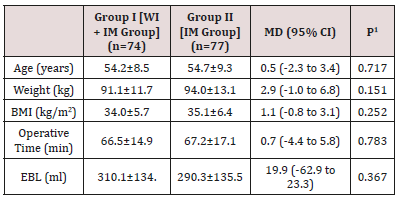
Table 1: Initial Characteristics of Included Women in Both Groups.

lupinepublishers-openaccess-journal-gynaecology-women-health-care

WI wound infiltration

IM intramuscular

BMI body mass index

EBL estimated blood loss

Data presented as mean ± standard deviation

MD (95% CI) mean difference and its 95% confidence interval

1 Analysis using independent student’s t-test

Table 1 reveals and displays that there was no statistically significant difference as regards age (years), weight (kg), BMI (kg/m2), operative time (min), estimated blood loss (ml) (p values =0.717,0.151,0.252,0.783,0.367, consecutively).

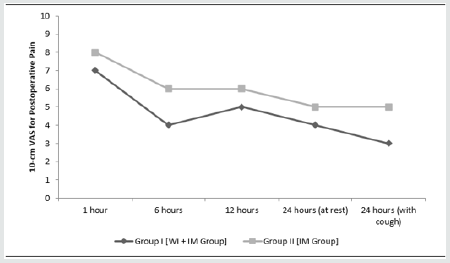
A total of 151 women who underwent abdominal hysterectomy completed the study were included in the final analysis. They were randomized into one of two groups: group I (n=74), including women who received both wound infiltration and IM pethidine; and group II (n=77), including women who just received IM pethidine. (Table 1) shows the initial characteristics of included women in Citation: Raafat TA, Mostafa M S. Pethidine Infiltration in Intra Fascial Layer After Abdominal Hysterectomy. Int Gyn & Women’s Health 3(1)- 2019. IGWHC.MS.ID.000153. DOI: 10.32474/IGWHC.2019.03.000153. 3/4 both groups. There were no significant differences between women of both groups, regarding the age, weight, BMI, estimated blood loss and operative time. The median 10-cm VAS for postoperative pain was significantly lower in women who received both WI and IM pethidine when compared to women who received only IM pethidine, 1 hour, 6 hours, 12 hours, and 24 hours postoperatively (Table 2, Figure 1). The mean total morphine consumption was lower in women who received both WI and IM pethidine when compared to women who received only IM pethidine (Table 3). As regards the pethidine-related adverse effects, the rates of nausea/ vomiting were comparable in both groups of women. The median sedation score was, however, significantly higher in women who received both WI and IM pethidine when compared to women who received only IM pethidine (Table 4).

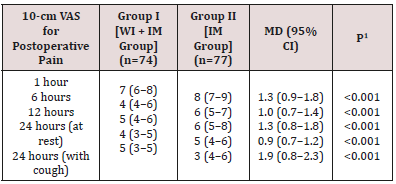
Table 2: VAS for Postoperative Pain in Included Women in Both Groups.

lupinepublishers-openaccess-journal-gynaecology-women-health-care

WI wound infiltration

IM intramuscular

VAS visual analogue scale

Data presented as median (interquartile range)

MD (95% CI) mean difference and its 95% confidence interval

1 Analysis using Mann-Whitney’s U-test

Table 2 reveals and displays interestingly a statistically significant difference as regards VAS scoring between group I and group II at 1,6,12,24 (at rest), 24 (with cough) (p values < 0.001) being lower in research group I (wound infiltration +IM).

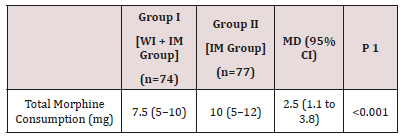
Table 3: Total Morphine Consumption in recruited Women in Both Research Groups.

lupinepublishers-openaccess-journal-gynaecology-women-health-care

WI wound infiltration

IM intramuscular

Data presented as median (interquartile range)

MD (95% CI) mean difference and its 95% confidence interval

1 Analysis using Mann-Whitney’s U-test

Table 3 reveals a statistically significantly lower morphine consumption levels in the research group administered both wound infiltration and IM pethidine administration than the IM only research group. (p value< 0.001).

Table 4: Pethidine-related Adverse Effects in Included Women in Both Groups.

lupinepublishers-openaccess-journal-gynaecology-women-health-care

WI wound infiltration

IM intramuscular

Data presented as median (interquartile range); or number (percentage)

MD (95% CI) mean difference and its 95% confidence interval

RR (95% CI) risk ratio and its 95% confidence interval

1 Analysis using Mann-Whitney’s U-test

2 Analysis using Chi-Squared test

Table 4 reveals clearly that sedation score levels were much higher in a statistically significant manner in the research group administered both wound infiltration and IM pethidine administration than the IM only research group. (p value< 0.001) whereas there was no statistically significant difference as regards nausea and vomiting between both research groups (p value=0.420).

Discussion

Infiltrative form of analgesia locally acts by blockage of pain transmission due to triggering of voltage‑dependent sodium channels, and additionally, sensitizes noci receptors by decreasing inflammatory mediators release responsible for pain [13,14]. Exploring and advancing post-operative pain management is a crucial issue in gynecological practice particularly in frequently performed procedures such as total abdominal hysterectomy .Pethidine as a frequent and preferred analgesic implemented for control of pain could be administered in a more efficient manner when considering its usage in a local and systemic manner that raises the effectiveness in the total performance level of the agent as an analgesic [1,3,5]. The current research study revealed and displayed the following findings that prove the higher privilege in administering I.M pethidine and local fascial layer infiltration to reduce pain levels without increasing side effects such as nausea and vomiting in which sedation score levels were much more higher in a statistically significant manner in the research group administered both wound infiltration and IM pethidine administration than the IM only research group.(p value< 0.001) whereas there was no statistical significant difference as regards nausea and vomiting between both research groups (p value=0.420).

Figure 1: VAS for Postoperative Pain in Included Women in Both Groups. Figure 1 displays clearly lower VAS scoring levels in cases having simultaneous administration of Pethidine intrafascially and intramuscular forms in research group I in comparison to research group II having intramuscular pethidine only. .

lupinepublishers-openaccess-journal-gynaecology-women-health-care

Concerning pain levels estimated by using VAS scoring system Table 2 reveals and displays interestingly a statistically significant difference as regards VAS scoring between research group I and research group II at 1,6,12,24 (at rest), 24 (with cough) (p values < 0.001) being lower in research group I (wound infiltration +IM). That finding could be justified by the fact that both the local action of pethidine on sodium channels and systemic action on opioid receptors have been elicited by using wound infiltration in the fascial layer and I.M forms of administration adding a clinical value in patient recovery within the post-operative period.

As regards morphine consumption that is an issue of concern for clinicians and surgeons due to the fear of possible clinical side effects Table 3 reveals a statistically significantly lower morphine consumption levels in the research group administered both wound infiltration and IM pethidine administration than the IM only research group. (p value< 0.001). Similarly, a prior research study similar to the current research have revealed that the effectiveness of wound infiltration during performance of total abdominal hysterectomies, in decreasing the opioid consumption levels during the first 24 hours of postoperative period that is in great harmony with the current research study results that issue could be justified by a hypothesized mechanism demonstrated in abdominal surgeries by usage of a neuroanatomical approach. Similarly, prior research groups have revealed interestingly that subcutaneous administration of pethidine, in comparison to bupivacaine, have an opioid‑sparing impact after cesarean delivery procedures [7,9,11].

Similarly another research study performed by a similar methodology performed to evaluate the effectiveness of sole administration of pethidine intrafascially in comparison to I.M injection have shown that Postoperative VAS scoring levels have revealed no statistically significant privilege between wound infiltration and intramuscular method, whereas the total consumption of morphine was lower in the IM, in comparison to the wound infiltration research group (27.2%). The research team in that study came to the conclusion that local wound infiltration with pethidine after total abdominal hysterectomy did not decrease the total morphine consumption levels within the first 24 hours postoperatively that shows great contradiction to the current research study findings [12].

As a sole agent pethidine, was displayed by prior research team of investigators to be efficient and effective in accomplishing a successful transversus abdominis blockage during conductance laparoscopic cholecystectomy [2,4,15]. Furthermore, there are numerous research studies assessing the local analgesic effectiveness of pethidine, particularly in performing peripheral blockage action. Additionally, in orthopedic surgery research wound infiltration analgesia implementing pethidine causes a postoperative analgesic impact in cases undergoing total hip replacement, chiefly by blockage voltage‑activated sodium channels present within the nerve endings and by interaction with opioid receptors [6,8]. Contradicting with the current research study findings it was revealed priorly that pethidine showed failure to control pain by wound infiltration after performance of laparoscopic tubal ligation. The finding was justified by the research team due to the dosage used, and to the issue that the visceral pain experienced by the cases was more overriding, in comparison with the pain correlated to the wound due to trocar insertion, where the infiltration was conducted. Furthermore, contradicting with the current research study in a similar fashion it was shown that wound infiltration using a local anesthetic had no opioid‑sparing impact after performing total abdominal hysterectomy, as regards morphine consumption levels [10].

Conclusion

Pethidine when administered in a simultaneous manner intrafascially and intramuscularly in cases undergoing total abdominal hysterectomy is more effective in reducing post operative pain levels. However, the current study results should be interpreted with caution as other variables are required to be put in consideration in future research studies such as racial and ethnic differences and normal anatomic integrity such as cases with prior abdominal incisions could have more fibrosis affecting drug absorption levels intra facially. Future research efforts are recommended to be performed in a multicentric fashion with larger numbers of cases to elucidate the usefulness of local pethidine administration by wound infiltration in comparison with other analgesic agents and at different anatomical planes in ac comparative manner such as subcutaneous layer. Other gynecological procedures should be put in consideration in future research such as total laparoscopic hysterectomy and commonly performed obstetric procedure such as cesarean section deliveries in which wound infiltration should be implemented in a manner permitting useful implementation of clinical guidelines aiding in improving postoperative recovery.

Read More About Lupine Publishers Journal of Gynecology Please Click on Below Link:
https://lupinepublishers-gynecology.blogspot.com/
Friday, 1 July 2022

Lupine Publishers | Confucian Teaching

 Lupine Publishers | Journal of Gynaecology and Women's Healthcare


Opinion

According to Confucian teaching “A woman is under her father influence when she is at home... When she get married, she is under her husband’s and when her husband passed away... her sons will take over” In other words in her entire life any decisions in life, a woman will depend on other influence to decide the course of action from money to journey, from procession to education... and therefore, one can conclude that any decision relating to a woman health and/or medical TREATMENT or PROCEDURE must be mage in conjunction and collaboration with her men...This notion to be applied to the Oriental, African, Muslim cultures and all other ethnic/immigrant groups in USA...

In the last 20 years, I have the privilege to serve as the Ethnic/ Cultural Consultant for different medical clinics and organizations and hospitals across USA in the matter of HOW TO DEAL WITH THE ETHNIC and/or IMMIGRANT PATIENTS in the medical treatment and procedure... In this capacity, I offer the cultural angle as how to communicate and understand the Ethnic “INSTITUTIONAL STRUCTURE OF MEDICAL /HEALTH PERCEPTION” and provide the effective action plan to treat the patient in the meaningful and compassionate manner..Indeed, we must treat the immigrant patient with proper understanding and pursue the course of action with the right approach to be achieved the setting goal. Let tackle the issue of ABORTION...In USA, the decision of having a abortion is between the woman and her doctor...Not so in other cultures and in different ethnic and immigrant groups in USA...The decision of whether or not a woman should have an abortion is 80% depends on her family mostly her father and her husband... In this instance, the doctor must focus more in her men than the woman herself to establish the channel of communication, to convey message,and able to offer the feasible course of action in the procedure...Yes, the woman will sign the Consent form, but her men must approve and support it.

OK, take another example... A woman needs to have a SPINAL surgery...In any consultation as well as treatment, there must be her men standby...It is NOT the matter of Language difference, but it is the matter of COMMUNICATION...We must convey the message that all involved parties must understand and APPROVE the treatment and procedure before anything to happen...It is extremely important that the patient understand the procedure approach and feel OK with it... But it is much more important that her men believe in it, support it and approve it.

Lesson to be learned

If you deal with a MALE IMMIGRANT/ETHNIC PATIENT...HE, himself will be one one that you interact and work with in the entire of medical treatment course of action...But if you have to provide the medical services to a female immigrant/ethnic patient...you are, not only have to offer the best treatment for her health interest, but also you must consult and work with her father, husband and family members as well.

Read More About Lupine Publishers Journal of Gynaecology Please Click on Below Link:
https://lupinepublishers-gynecology.blogspot.com/
Tuesday, 24 May 2022

Lupine Publishers | Features of Rheumatic Disease Management while Pregnancy

 Lupine Publishers | Journal of Gynaecology and Women's Healthcare


Abstract

Rheumatism is a systemic inflammatory disease of connective tissue and joints with a predominantly affected heart. Children and young people are ill mostly: women are 3 times more likely than men. Therefore, the problem of rheumatism in pregnant women is quite common.

Keywords: Rheumatism; Pregnancy; Orthopedist

Etiology & Pathogenesis

The main etiological factor in acute forms of the disease is betahemolytic streptococcus of group A [1]. In patients with prolonged and continuously recurrent forms of rheumatic heart disease, the association of the disease with streptococcus often fails to be established. In such cases, the defeat of the heart, which fully meets all the main criteria for rheumatism, apparently has a different nature - allergic (not related to streptococcus or, in general, infectious antigens), infectious-toxic, viral. Speaking of rheumatism, it is implied that the process involves the musculoskeletal system and the cardiovascular system [2]. Given this fact, it becomes extremely clear that pregnancy with such extra genital pathology should proceed under the compulsory supervision of not only the obstetrician-gynecologist, but also the rheumatologist. According to statistical data, pregnancy itself rarely leads to the development of an unpleasant phenomenon of the future mother, such as rheumatism.

Usually, women already suffer from this ailment, only during pregnancy the disease worsens in 20% of women and causes many pregnant women to seek medical help [3]. The development of rheumatism is observed in the first months of pregnancy, when there is a weakening of immunity and the body as a whole. This indicates that the body is not able to withstand various diseases, which are mostly infectious. Births also play a significant role in the development of extra genital pathology. After all, it is well known that after giving birth, the body is significantly weakened and loses ability to fight against many diseases, including rheumatism. It takes sufficient time for the body to recover and the woman to return to her former strength. The most unpleasant thing is that if rheumatism worsens at the initial stage of pregnancy, it can lead to an interruption of the process, because any acute inflammation occurring in the body requires mandatory medical intervention and the admission of certain groups of drugs [4]. How rheumatism is manifested and how can it happen in pregnant women? Most often it is caused by beta-hemolytic streptococcus group A.

The development of the rheumatic pathological process consists of several stages:

a) a disease with sore throat, pharyngitis, scarlet fever, or other ENT infection of streptococcal nature;

b) In response to the penetration of β-hemolytic streptococcus, the immune system produces specific antibodies - the so-called “antibodies”. C-reactive proteins;

c) In the presence of a genetic predisposition to rheumatism, C-reactive proteins begin to attack their connective tissue cells (similar antigens exist on their surface, as in hemolytic streptococcus);

d) An autoimmune inflammatory process develops in the affected area - most often in the joints, myocardium, endocardium, vessels, etc. [5,6].

The provoking factors of exacerbation of rheumatism during pregnancy are [7]:

a) Hypothermia;

b) Physiological Reduction of Immunity in early Pregnancy;

c) Bacterial and Viral Infections;

d) Stress;

e) Malnutrition;

f) Exacerbation of Existing Chronic Diseases;

g) Excessive Exposure to the sun.

Speaking about the symptoms of the disease, it should be borne in mind that they are in some ways similar to those with streptococcal angina and are characterized by [8,9]:

a) general weakness;

b) the appearance of pain in the heart;

c) often minor physical exertion can provoke shortness of breath, rapid heart rate;

d) loss of appetite;

e) Joint pain, especially on days when the weather is changing noticeably; increase in temperature.

Due to the fact that during pregnancy many corticosteroid hormones are produced that have anti-inflammatory effect, the signs of exacerbation of rheumatism are blurred and not pronounced. With a heart form of rheumatism, pain in the heart is more pronounced. As a rule, the joint form is combined with the heart. It all starts with pain in the large joints. In this case, the pain passes from one group of joints to another. The cutaneous form is manifested in the appearance of characteristic pink rings on the skin, which eventually pass Rheumatism of pregnant women can lead to a condition like late toxicosis. With the exacerbation of rheumatism, there is often an acute shortage of oxygen, which can lead to placental vasculitis, changes in the placenta, intrauterine hypoxia and hypotrophy. Given the possible complications, those pregnant women who are at risk are kept under close supervision throughout the process, right up to the birth itself. If a woman has suffered several exacerbations of rheumatism, she should definitely mention this at the first visit to the doctor of a woman’s consultation. As a preventive measure, you must take care of acute infectious diseases, and if they arise, immediately go to a doctor who will prescribe an effective treatment. In addition, antirheumatic therapy is performed in pregnant women who have undergone angina or catarrh of the upper respiratory tract.

Diagnosis of rheumatism in pregnancy

Recognize and determine rheumatism in a pregnant woman can only a doctor after the examination and analysis. Diagnosing rheumatism is important in the first trimester. Because of the dangers that rheumatism causes (especially if there is heart failure and heart defects), it may be asked about the need for abortion. The diagnosis of rheumatic carditis is based on ECG (electrocardiogram), ultrasound of the heart [10]. It is necessary to consider those cases when a number of pregnant women do not suspect about the presence of rheumatism. To identify extra genital pathology, laboratory (diagnostic) studies are mandatory. Speaking about the complex of diagnostic examination, we mean the delivery of a blood test, as well as ultrasound, an echocardiogram of the heart. These indicators can give accurate information about whether a pregnant woman suffers from rheumatism or not.

Particular attention is paid to increasing the heart rate. In pregnant women suffering from a disease such as rheumatism, the heart rate has a more pronounced picture than the usual (healthy). Nevertheless, it should not be forgotten that in most cases this picture may indicate more about the development of insufficiency in pregnant blood circulation, rather than the development of rheumatism. Therefore, several methods are used to obtain more accurate and reliable information about the work of the heart. In this case, an important role in the diagnosis is played by ECG (electrocardiogram) indicators, such as: increase / flattening / broadening of the P-Q interval; serration of the tooth P; QRS complex changes; slight or, conversely, a significant decrease in the ST segment and T wave. In addition to the results of ECG and ultrasound of the heart, blood tests are used to diagnose rheumatism. Practice shows that rheumatism, especially if there is a tendency to exacerbate it, leads to an increase in ESR (sedimentation rate erythrocytes) to 35-50 mm / h. When conducting a biochemical blood test in pregnancy, the main indicators are [11]:

a) C-reactive protein;

b) Hexose;

c) Ceruloplasmin;

d) Seromucoid;

e) Hydroxyproline;

f) A2-globulin.

As for the indicator, such as fibrinogen, which is determined by the blood test, it is not given special attention, since it is always elevated in pregnant women and does not indicate an increase in rheumatism. Another issue is the identification of those pregnancy periods in which one can expect activation of the rheumatic process. Almost all authors agree that the most frequent exacerbation of rheumatism occurs in the first trimester of pregnancy. The second vulnerable period is postpartum; sometimes an exacerbation occurs at a gestational age of 28-32 weeks, so it is reasonable to conduct an anti-relapse treatment in these periods and especially in the first 3 months of pregnancy and immediately after delivery. It should be noted that the risk of exacerbation is not limited only to the postpartum period. These people may come several months after the birth, demanding special monitoring of this contingent of women for a longer time (at least, up to 6-12 months).

Many pregnant women are wondering: why should the survey be conducted at an early stage, that is, in the first months and even weeks of pregnancy? The fact is that pregnant women with rheumatism require serious treatment, especially if it is a question of exacerbating it. If the treatment is serious enough, that is, the expectant mother should take strong drugs, then the process should be suspended. That is, in this case, it will be about the termination of pregnancy. There is nothing comforting in this, of course, not, as most of the pregnant women fall into depression and understand that they do not promise birth in the near future. However, such an approach to solving the problem is most appropriate, since rheumatism has the ability to negatively affect the development and formation of the baby’s future. To avoid any consequences, doctors are advised to terminate the pregnancy, undergo a full course of treatment and only then think about re-conception of the child. Exacerbation of the rheumatic process during pregnancy, and even more so if a woman becomes pregnant with an active rheumatic process, is fraught with the possibility of a number of complications of pregnancy. Thus, according to the materials of the authors [12], with an active rheumatic process, deviations from the normal course of pregnancy are observed one and a half times more often than with the inactive and pathological births - more than twofold.

Our observations confirm these data: premature termination of pregnancy, late toxicosis, threatening fetal asphyxia, premature discharge of amniotic fluid was more frequent. Of particular note is the late toxicosis, which in patients with rheumatism often occurs atypically, at a “normal” level of arterial pressure against the background of impaired blood circulation, caused by activation of the rheumatic process. If you recognize the allergic nature of late toxicosis, you can understand why it often occurs with rheumatism. In the case if rheumatism in pregnant women is mild, that is, there is no exacerbation, and the issue of termination of pregnancy is closed. However, the future mother in any case is under the supervision of her attending physician before the birth begins. This is necessary to ensure the safety of both the pregnant woman herself and her future baby. She is recommended to undergo at least two procedures in the hospital mode for the entire period of pregnancy.

Complications

What is the risk of rheumatism in pregnancy?

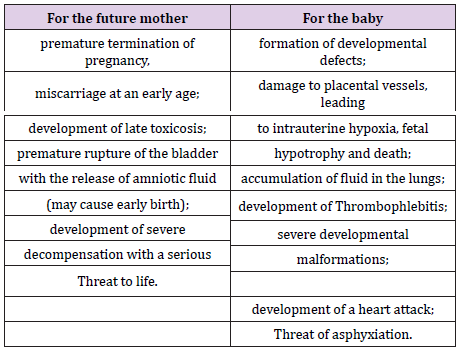
In the early stages of aggravation of rheumatism can cause miscarriage or defects in the formation of the fetus. In the second and third trimester, exacerbation of rheumatism can lead to the following complications and consequences [13]: damage to the blood vessels of the placenta causes hypoxia, hypotrophy and intrauterine fetal death;.

a) Edema and pulmonary infarction; Thrombophlebitis;

b) Rheumatic carditis of the future mother becomes the cause of fetal hypoxia, which entails various violations of its intrauterine development

c) Severe fetal malformations;

d) Premature separation of amniotic fluid;

e) Threat of premature termination of pregnancy; late toxicosis (gestosis);

f) Threat of fetal asphyxia;

g) Decomposition, threatening the life of a pregnant woman.

Due to active rheumatic endocarditic, in some cases sudden death may occur during childbirth or soon after (Table 1).

Table 1: Possible complications of rheumatism during pregnancy.

lupinepublishers-openaccess-journal-gynaecology-women-health-care

Treatment

What to do in case of an exacerbation of rheumatism and how to cure it during pregnancy?

A. Treatment of pregnant women will depend on the following factors:

a) The degree of the disease;

b) Clinical form of rheumatism;

c) Individual characteristics;

d) Condition of the heart muscle, valvular heart apparatus

e) Results of the survey;

f) Presence of other diseases;

g) The course of the pregnancy process.

To treat rheumatism during pregnancy is necessary, as dangerous complications threatening the life of the future mother and her child can develop.

B. There are several important rules in treatment [14]

a) At detection of foci of infection or expressed activity of pathological processes (2nd or 3rd degree of rheumatism) antibacterial therapy is shown, including the use of drugs from the penicillin group and its synthetic derivatives.

b) In the first 10 weeks of gestation, the use of aspirin is contraindicated because of teratogenic effects. Do not take it before birth, because it has hypo coagulant properties and increases the risk of bleeding.

c) In severe toxicosis, analgin cannot be used because it can cause difficulties in removing the fluid from the body. NSAIDs are also contraindicated, and corticosteroids are resolved only after the end of the first trimester, when antirheumatic therapy does not help.

Timely begun therapy in most cases saves the life of the mother and the future baby. In the therapy of any disease, the spirit mood is important. Often, pregnant women become depressed after learning about rheumatism and its consequences. This is extremely untrue. It is necessary to assess together with the doctor all possible outcomes of the pathology and make the right choice. When there is a real threat to the baby and his mother, it makes sense to interrupt the pregnancy in order to undergo a full course of treatment and start planning a re-conception. In the absence of a significant threat, you should follow all the doctor’s recommendations and adjust to the best. This will help the body to regain strength and coupled with competent therapy to stop the progression of the disease.

C. What can the patient do?: The occurrence of the above symptoms should be alerted, you should immediately contact a therapist or rheumatologist. It is better to carry out the treatment even before the onset of pregnancy, since medications negatively affect the intrauterine development of the baby. In case of rheumatism it is advisable to be treated at least twice during the pregnancy period in a hospital. It is necessary to comply with bed rest during the exacerbation stage, to fully eat and fulfill all the prescriptions of the doctor.

D. What does the doctor do?: After examination, the doctor prescribes antibiotics, drugs with hyposensitizing and antiinflammatory action, sedatives, vitamin remedies, etc. It is also important to monitor the condition of the baby. If future mothers are late, you should visit your gynecologist regularly and listen to the fetal heartbeat.

Prevention

A. Is it possible to prevent the onset of rheumatism or its aggravation during pregnancy?

a) the risk can be minimized if one adheres to the following principles: beware of acute infectious catarrhal diseases - avoid public places during epidemics;

b) timely treatment of tonsillitis, pharyngitis, otitis, sinusitis - foci of streptococcal infection;

c) conduct hygiene of the oral cavity - treat tooth decay, periodontal disease, gingivitis, candidiasis of the oral mucosa;

d) do not overcool and do not undergo excessive sun exposure; maintain immunity;

e) Ensure that the diet contains all the necessary vitamins and microelements, the need for which is increased during pregnancy.

B. The likelihood of developing rheumatism or exacerbations during childbearing can be minimized by performing the following preventive measures [15]

a) it is necessary to beware of catarrhal diseases: avoid crowded public places during epidemics, take a complex of vitamins and minerals for pregnant women;

b) timely treatment of foci of streptococcal infection - pharyngitis, tonsillitis, sinusitis and otitis;

c) maintain oral hygiene: brush your teeth daily and treat dental diseases - dental caries, periodontal disease, candidiasis and gingivitis;

d) Do not overcool and avoid long exposure to direct sunlight.

It is necessary to eat fully, walk more, avoid overstrain of muscles, agitation and stress. It is useful to do morning exercises and go swimming. Rheumatism in most pregnant women often occurs before the onset of conception. The period of bearing of the baby aggravates its course, causing a vivid clinic of the disease. This refers to the first months when the body adapts to a new status, and the immune system weakens [16]. As a result, control of the disease is lost, and its symptoms are aggravated, which is a significant threat to the baby and his mother. To reduce the likelihood of all risks to a minimum, it is strongly recommended that you plan your pregnancy and take timely therapy for rheumatism. In this case, you can successfully take a future child and become a mother.

Read More About Lupine Publishers Journal of Gynaecology Please Click on Below Link:
https://lupinepublishers-gynecology.blogspot.com/