Showing posts with label journal of Drug Designing. Show all posts

Monday, 9 October 2023

Lupine Publishers | Plant Extracts as An Alternative to Synthetic Medicines

 Lupine Publishers | Journal of Drug Designing & Intellectual Properties


Abstract

Mankind first medicines were extracts from plants. However, over the years, mankind has resorted to the use of synthetic medicines. Whilst, synthetic medicines have fulfilled their roles and save millions of people around the globe, there is still a need to promote the use of herbal medicines, considering that synthetic medicines have severe side effects when administered and the cost of synthesising drugs, is an expensive endeavors for developing countries like Guyana. Guyana has an adundant of diverse flora, whose extracts have been shown by us and others to have potent and selective antimicrobial activities and antidiabetic activities. However, there is a need to promote the isolation of antimicrobial, antidiabetic and anti-cancer drugs from plants, an elucidation of their structure and modulation of their medicinal activities. This entails significant finance to aid in the purchase of requisite equipment etc. in Novel Drug Discovery. The Guyanese Diaspora and the Entrepreneurship Sector can promote such research in Guyana via the provision of finance to purchase “State of the Art” equipment to conduct such research or the establishment of a National Herbal Research Institute. Such an institute will promote further research on our current herbal medicines and also on the discovery of new Herbal medications.

Keywords: Medicines antimicrobial activities Antidiabetic activities Anti-cancer activities Diaspora Entrepreneurship

Introduction

Mankind first medicines were extracts from plants. Plants have had a long history in modern medicine [1-18]. For example, long before the advent of modern medicine, the Peruvians were fending off malaria with the Cinchona bark from the “quinaquinas” tree. It was given as a cure to a Spanish countess who fell ill with the disease in Lima in around 1630. Then Bernabe Cobo, a Spanish missionary and naturalist was the first to bring the bark to Europe. Quinine was purified from the bark by a team of French pharmacists19. Over the years, mankind has resorted to the use of synthetic medicines. Whilst, synthetic medicines have fulfilled their roles and save millions of people around the globe, there is still a need to promote the use of herbal medicines, considering that synthetic medicines have severe side effects when administered and the cost of synthesising drugs, is an expensive endeavours for developing countries like Guyana.

Antimicrobial endeavours

Guyana, has an adundance of diverse flora, whose extracts have been shown by us and others to have potent and selective antimicrobial activities against human pathogens such as E.coli, S.aureus, K. pneumoniae, B. subtilis and Candida albicans. We have also shown that selected plant extracts exhibited antidiabetic activities. Our initial efforts to evaluate the antimicrobial properties of plant extracts focuses on the leaves and stem extracts of plants. These were inclusive of those of Samanea Saman, Smilax schomburgkiana, Mormordica charantia, Phyllanthus Acidus, Sphagneticola Trilobata and Doliocarpus Dentatus [10-15]. Later on, we focused our antimicrobial studies of fruits. The idea is that a fruit is edible and so an evaluation of its antimicrobial properties, singly and in combination, would eventually lead us to find some good natural antimicrobials, without the need for clinical trials. In all our studies on antimicrobial activity of leaves, stems and fruit extracts, the diameter of Zone of Inhibition, DZOI and the Area of Zone of Inhibition, AZOI were used as guage of antimicrobial studies. Amongst the fruits investigated were passion fruit (passiflora edulis), Vicia faba L [16-20]. In search for natural antimicrobials, our aim is to find leaves, stems and fruit extracts that would be selective and potent as synthetic antimicrobials such as penicillin, aminoglycosides, and tetracyclines etc.

Antidiabetic endeavour

Diabetes mellitus is a chronic health problem around the world and in Guyana with long term consequences that are potentially preventable. It is a heterogeneous group of disease, characterized by high blood glucose levels resulting from impaired insulin secretion, impaired insulin action, or both [20-27]. In a hyperglycemic state, the body tries to remove excess glucose by excreting in the urine. This increases urine output, causing glycosuria and result in frequent thirst. In addition, the body is deprived of glucose energy and seeks alternative energy sources such as fats and muscle tissues, leading to weight loss [23]. A diminishing growth effect and increased predisposition to certain infections, may also be present with chronic hyperglycemia 4. These combinations along with polyuria, polydipsia, polyphagia, and blurry vision produces the common symptoms of diabetes [24]. As this disease progresses, vascular damage ensues leading to severe diabetic microvascular and macrovascular complications [25]. Therefore, diabetes covers a wide range of diseases which are the major causes of chronic morbidity and death in diabetic subjects [26,27].

Selected plants are a potential complementary source of hypoglycemic drugs to combat diabetes, in addition to the use of synthetic drugs: insulin, metformin etc. We have shown that the aqueous extract of the fruits of Psidium guajava, Averrhoa bilimbi and the peel of Tamarindus indica exhibited hypoglycemic effect on normoglycemic guinea pigs. Administration of extracts of Psidium guajava, Tamarindus indica and Averrhoa bilimbi resulted in a marked hypoglycemic (reduction) activity in blood glucose levels when compared to the control and Glibenclamide treated group on the 12th day: Psidium guajava (90 ± 3.0 to 75.7 ± 3.5mg/dL), Tamarindus indica (89.0 ± 5.6 to 70.7 ± 2.1mg/dL) and Averrhoa bilimbi (110.0 ± 9.2 to 86.7 ± 10.0mg/dL). Glibenclamide also resulted in a reduction (88.0 ± 2.0 to 67.3 ± 3.5mg/dL) as compared to the control [27].

Antidiabetic effect of the ethanolic extract of Phyllanthus emblica fruits in evan rats has been reported and is dose dependent [28]. The anti-hyperglycemic effect of Quercetin, a major constituent of the methanolic extracts of Phyllanthus emblica fruit in Streptozotocin (STZ) induced diabetic rats were determined [29]. There are several herbs that are used to treat diabetes in Guyana and internationally [30-34]. Locally Momordica charantia [30], an herbaceous, tendril-bearing vine contains a compound called charantin, which have hypoglycaemic effect. It has been found to increase insulin sensitivity. A daily dose of 100mg per kilogram of body weight is comparable to 2.5mg/kg of the anti-diabetes drug glibenclamide taken twice per day. Other compounds in M. charantia have been found to activate the AMPK, the protein that regulates glucose uptake. The whole plant is used as a decoction for diabetes. The dry leaf and stem are boiled, and the water drunk as an anti-diabetic. The fruit is cooked and eaten as an anti-diabetic. Use with almond oil for a vulnerary. Tablets of M. charantia extract are sold in the United Kingdom.

Phyllanthus niruri [30] contains alkaloids, flavonoids and triterpenes. The whole plant is used as a blood purifier (bitter tonic) to reduce blood sugar level. It’s available as capsules. Cajanus cajan [30]. Pigeon peas contain high levels of protein and the important amino acids methionine, lysine, and tryptophan. Leaves and flowers are boiled for a diuretic and diabetes remedy. The whole plant of Desmodium barbatum [30] is use to reduced blood sugar level. The wood of the plant, Telitoxium [27]. is used for diabetes. The active adaptogenic constituents of Tinospora cordifolia [30] are diterpenoid compounds: polyphenols, and polysaccharides, including arabinogalactan polysaccharide. T. crispa and T. rumphii are used in Thailand and Philippines for treatment of diabetes. A decoction of the leaves of Azadirachta indica [30], Neem is used as a bitter tonic for treating diabetes and jaundice. Internationally, the juiceof the leaves of Abrus precatorius [31-34] are given to diabetic patients. Achyranthes aspera [32-34] is used as a decoction in the treatment of diabetes mellitus. Likewise, the roots of Catharanthus roseus is used as decoction in the treatment of diabetes mellitus. The entire plant ofCentella asiatica [32-34] is also used as a decoction in the treatment of diabetes mellitus. [32-34] Curcuma longa is a rhizomatous herbaceous perennial plant which is used in the treatment of diabetes mellitus. Phyllanthus emblica [32-34]. Edible fruits are antidiabetic in nature. Piper bettle [32-34] lea extract is used in the treatment for diabetes mellitus. Sphaeranthus indicus [29-31].

Anticancer endeavours

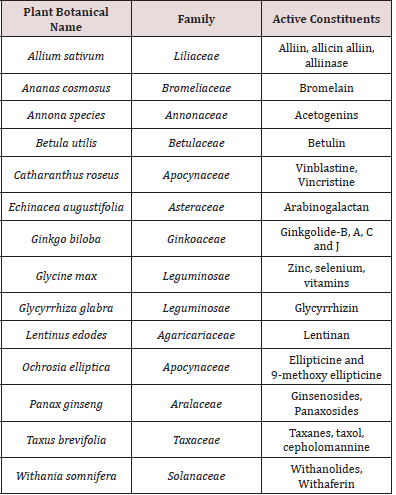
Table 1: Some selected anticancer plants and their active constituents.
lupinepublishers-openaccess-drug-designing-journal

While plants have been tested over the years for their anticancer activities abroad and proven positive, such research is lacking in Guyana. There is a need to screen plants in Guyana for their anticancer activities. This stem from the fact that cancer is on the rise in Guyana. Cancer has been a constant battle globally with a lot of development in cures and preventative therapies. Cancer is the uncontrolled growth in human cells and will result in the formation of tumours of malignant cells with the potential to be metastatic35. Treatments include chemotherapy, radiotherapy and the use of synthetic drugs such as cis-platin. Using chemotherapy can put patients under a lot of strain and further damage their health. Thus, there is a need for an alternative complimentary medicine in herbal treatments36.However, this research is hampered by the lack of cancer research equipment. There needs to be the establishment of a cancer research unit in Guyana, to assess the anticancer proficiency of plants. (Table1). shows a list of plants tested abroad for their anticancer proficiency [37-45].

Diaspora role in promoting herbal medicines in Guyana

However, there is a need to promote the isolation of antimicrobial, antidiabetic and anti-cancer drugs from plants, an elucidation of their structure and modulation of their medicinal activities. Also, an investigation of their activities. This entails significant finance to aid in the purchase of requisite equipment etc in Novel Drug Discovery. A separate research laboratory, with modern equipment and instrumentation is necessary at the University of Guyana to realize the above. Also, lacking in Guyana is the equipment to conduct anticancer and antiviral studies A step can be taken further by the Government in the establishment of a National Herbal Research Institute to further explore our herbal folklore medicines and undiscovered herbal medicines. Such an institute will promote further research on our current folklore or traditional herbal medicines and also on the discovery of new Herbal medications. The Guyanese Diaspora, Entrepreneurship Sector and Foreign investors can promote such research in Guyana via the provision of finance to purchase “State of the Art” equipment to conduct such research. Our whole objectives is that we can be a leading exporter of herbal medicines in the Caribbean and one of the best in the world. Guyana has a richbiodiversified flora, whose herbal proficiency needs to be further investigated.

Read More About Lupine Publishers Journal of Drug Designing & Intellectual Properties Please Click on the Below Link:

https://lupine-publishers-drug-designing.blogspot.com/

Monday, 19 June 2023

Lupine Publishers | Insecticidal Activity of Plant Extracts

 Lupine Publishers | Drug Designing & Intellectual Properties International Journal


Abstract

Insecticides are a group of compounds with heterogenous toxicity, whose intended purpose is to kills insects. Synthetic insecticides are known for their very harmful environmental and health impacts. This therefore generates a need for a safer solution. Botanicals are a special group of insecticides with a natural origin, obtained primarily from plant parts. There is a continued interest to screen plants for their insecticidal activities in light of the great destruction done to crops that affect the livelihood of the populace worldwide, especially in countries, whose GDP depends primarily on agriculture. Guyana, a country on the mainland of South America is no exception. Agricultural produce is now threaten by emerging new species of insect pests, such as in the rice sector. Thus, there is a need to screen Guyana’s richly biodiversified flora for its insecticidal activities and to promote research in biological control of crop pests and boost the agro industry.

Keywords: Insectides; environmental; Guyana; biodiversified flora

Introduction

Background

Insects, though useful in many ways to mankind, have had negative effects in the field of agriculture. They have attacked plant parts such as stored grains, seeds, flowers, leaves, stems, fruits etc and have had a significant effect on the agroeconomy of many countries [1-3] . One way to control insects deleterious effects on crops is to utilize chemical pest control, which employs potent chemical pesticides to curb, reduce or eliminate pests and thus sustain crop production throughout the world. However, most synthetic insecticides used to date are deleterious to human health and the environment [4]. Thus, an alternative strategy is necessary. That alternative strategy is the use of plant extracts and phytochemicals as natural antifeedant, insect deterrents and repellent [4]. Plant extracts are safe alternatives that are of low cost, convenient to use and environmentally friendly. Plant products have been successfully exploited as insecticides, insect repellents and insect antifeedants [1-3]. In addition, natural products insectides have been isolated from plants and serve the basis for structure mimicry synthesis. Figure 1 show a list of structure of some isolated natural products from crude plant extracts. Figure 2 shows a notorious insecticidal natural product, Azadirachtin Many countries whose GDP (Gross Domestic Product) depends on agriculture, have in recent times being affected by insects. Guyana, a country on the mainland of South America is of no exception. Agricultural produce is currently threaten by emerging new species of insect pests. One notable example is in the field of rice cultivation. Recent research in Guyana has shown that rice production is threatened by paddy bugs, leaf miners, water weevils and caterpillars [6]. Natural insecticides from Guyana flora, should be a good choice, apart from the synthetic analog imported. Thus, there is a need to screen Guyana’s richly biodiversified flora for its insecticidal activities and to promote research in natural pesticides control. There is not much report of plant being screened for their insectidal activities here, even though research is currently being done. So, this area of research needs intensification in Guyana. In addition, the crude plant extracts can be subjected to chromatographic separation, which will lead to the isolation of known and unknown natural products which will continue to provide the platform for novel insectidal discoveries and structure activity relationship.

Figure 1: The structure of some selected isolated insecticides.

Figure 2: Azadirachtin, a notorious insecticidal isolate from Azadirachta indica.

Brief survey of some selected natural insectides

Internationally, there are many reports of plant extracts being used for their insecticidal properties. Several will be briefly reviewed here. For example, Morinda citrifolia leaf extract was tested for larvicidal activity against three medically important mosquito vectors such as malarial vector Anopheles stephensi, dengue vector Aedes aegypti, and filarial vector Culex quinquefasciatus Insecticidal activity of essential oil [7], extracted from Morinda lucida was tested on pulse beetle Callosobruchus maculatus, which is a pest that causes serious damage to several pulses. The insecticidal activity was compared with two pesticides, Phostoxin and Primo-ban-20. Results clearly indicate that M. lucida essential oil can be used as an effective alternative for pulse beetle C. maculatus control, and it could be tested against other pulse beetles affecting Asia and Africa and throughout the world, thereby reducing use of synthetic pesticides [8].

The insecticidal and antifeedant activity of the ethanolic extracts from Allium rotundum L has been noted against the larvae of the L.decemlineata [9]. It was found that the ethanolic extracts from the aerial part possessed moderate level (40.0%) of insecticidal properties against the larvae of the L. decemlineata and low against the imago (6.7-13.3%0) [9]. The petroleum ether, ethanol and aqueous extracts from the leaves of Artemisia herbalba, Asso, Euclayptus camaldulensis Dehnh and Rosmarinus officinalis L were investigated for their insectidal activity against 3 to 4 days old Myzus persicae individuals at 1,2.5, 5 and 10% and observations were made after 24 hours. Etheric extracts of all plants were effective and induced mortalities (100%, 53% and 60% respectively) at the highest concentration. However, the ethanolic and aqueous extracts did not show any significant insecticidal effect [10] Sixteen aromatic plant extracts from three species belonging of the Asteraceae family, were tested for their insectidal activity against adults and larvae of confused flour beetle Tribolium confusum du Val (Coleoptera Tenebrionidae).

The methanolic and ethyl acetate extracts of Mantisalca duriaei Briq. Cavill. and petroleum ether, chloroformic and methanolic extracts of Raconteur acute DC, significantly induced larval growth. Antifeedant properties were detected in methanolic extracts of M. duriaei and R. acaule, petroleum ether and chloroformic extract of R. acaule and ethyl acetate extract of M. duriaei. For all extracts, mortality was higher for larvae than adults. Values of 83% and 77% were obtained using petroleum ether and methanolic extracts of R. acaule. These results suggest that M. duriaei and R. acaule may be used in grain storage against insect pests [11]. Leaf oil of Psidium guajava L obtained from Soxhlet extraction was tested for insecticidal effect and phytochemical screening against khapra beetle, Trogoderma granarium Everts (Coleoptera: Dermestidae. The application of the oil at the rate of 0.5ml gave significantly (p < 0.05) higher percentage mortality than the control [12].

A study was conducted to determine the insecticidal activity of essential oils from oregano, Origanum onites L. (Lamiales: Lamiaceae), savory, Satureja thymbra L. (Lamiales: Lamiaceae), and myrtle, Myrtus communis L. (Rosales: Myrtaceae) against three stored-product insects such as the flour moth Ephestia kuehniella Zeller (Lepidoptera: Pyralidae), the Indian meal moth Plodia interpunctella Hübner (Lepidoptera: Pyralidae) and the bean weevil Acanthoscelides obtectus Say (Coleoptera: Bruchidae). A. obtectus was the most tolerant species against the essential oils. However, the insecticidal activity of the myrtle oil was more pronounced than other oils tested against A. obtectus adults. The essential oils of oregano and savory were highly effective against P. interpunctella and E. kuehniella, with 100% mortality obtained after 24hrs [13].

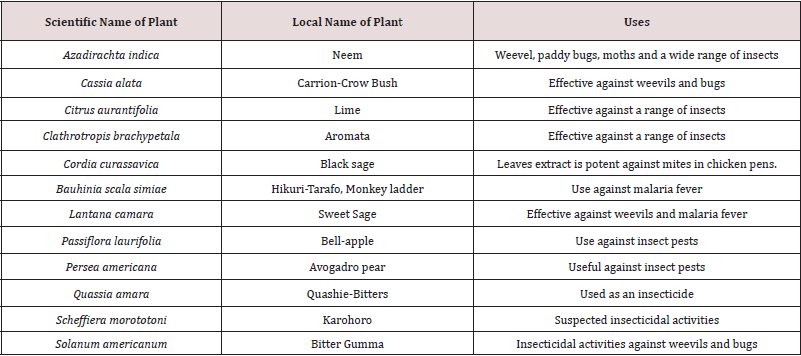
Table 1: Some selected plants from the Guyanese flora with folklore insecticidal activities.

lupinepublishers-openaccess-drug-designing-journal

Six different indigenous plants were screened for antifeedant and insecticidal activities against fourth instar larvae of Epilachna beetle, Henosepilachna vigintioctopunctata, a severe pest on brinjal. Amongst the plants screened, Achyranthes aspera showed higher activity against the selected pest. Ethyl acetate extracts of A. aspera showed higher antifeedant index and insecticidal activity against fourth instar larvae of H. vigintioctopunctata. Preliminary phytochemical analysis revealed that the presence of alkaloid and quinines in the ethyl acetate extracts indicating higher percentage of activities [14]. The insecticidal activities of four local plants extracts Rhazya stricta Decne, Lantana camara L., Ruta chalepensis L. and Heliotropium bacciferum Forssk against subterranean termites Psammotermes hybostoma (Desneux) were reported. Of the four extracts, the hexane extract of R. stricta was more pronounced, having an acute (24hr) and chronic (48hr) LC50s of 194.8 and 147.4ppm, compared to 221.7 and 149.9; 288.9, 185.6 and 391.3 and 244.5ppm for L. camara, R. chalepenesis and H. bacciferum respectively [15]. There are other reports of plant extracts used for their insecticidal activities [16-22]. There are few reports of plants from the Guyana flora with insecticidal activities, even though research has been pursued in that direction. Table 1 shows a list of ten plants with selected insecticidal activity from the richly biodiversified Guyana flora.

Conclusion

Insects are indeed a threat to mankind, especially in the field of agriculture. Many countries, whose economy depends on the agro-industry are threaten with new emerging destructive insects. Guyana is of no exception. Whist synthetic insecticides can do the job in many cases, there use is deleterious to the environment etc. Insecticides derived from plant extracts is far more environmentally friendly and far less expensive to make compare to synthetic ones. From an economical point of view, it would be best to use the aqueous extract of selected plants with insecticidal activities. There are many plants with folklore insecticidal activities in Guyana and their extracts: organic and aqueous need insectidal investigation. Also, the isolation of natural products from the crude plant extracts can lead to the discovery of new isolates and it would form the basis for continued novel drug discovery.

Read more about Lupine Publishers Journal of Drug Designing and Intellectual Properties Click on the below link: https://lupine-publishers-drug-designing.blogspot.com/


Tuesday, 9 November 2021

Lupine Publishers| An Overview on Pharmaceutical Supply Chain: A Next Step towards Good Manufacturing Practice

 Lupine Publishers| Journal of  Drug Designing & Intellectual Properties


Abstract

The top priority in any health system is delivering of medicine as a strategic product. In the present context of a health-conscious society, management of pharmaceutical supply chains has become more complex because it involves the life-saving interest of human being and requires the participation of different stakeholders such as pharmaceutical manufacturers, wholesalers, distributors, customers, information service providers and regulatory agencies. Limited research is available in the area of pharmaceutical supply chains. Pharmaceutical companies, a most important player of the drug supply chain, are subject to many risks. These risks interrupt the quantity and quality of supply of medicine and their delivery to the accurate place and customers and at the correct time.

Keywords: Drug Counterfeiting; Temperature Controlled Logistics; Supplier Qualification; Performance Management; Globalization; Sustainability

Abbrevations: OTC: Over the Counter; CDSCO: Central Drug Standards and Control Organization; NPPA: National Pharmaceutical Pricing Authority; RFID:Radio Frequency Identification Technology; EPC: Electronic Product Code; EPC: Electronic Product Code

Introduction

Supply chain management is defined as the amalgamation of key business processes across the supply chain for the rationale of generating value for customers and stakeholders. Indeed supply chain management integrates supply and demand within and across companies in an efficient business model. [1,2] The Council of Supply Chain Management Professionals defines supply chain management as planning and management of all activities involved in sourcing, procurement, conversion and all logistics activities. There are a variety of aspects of evaluating in the supply chain; eliminating bottlenecks, balancing between tiniest material cost and transportation, optimizing manufacturing flow, maintaining the right mix and location of factories and warehouses, vehicle routing analysis, dynamic programming and efficient use of capacities, inventories, and labors are of main aspects of supply chain optimization [3, 4]. All stockholders need to institute the right configuration and adaptability to create best practice and to overcome the obstacles in continues changing environment. Pharmaceutical supply chain should provide medicines in the right quantity, with the acceptable quality, to the right place and customers, at the right time and with optimum cost to be consistent with health system's objectives and also it should make benefits for its stockholders. Supply chain is a set of players, processes, information, and resources which transfers raw materials, and components to finished products or services and delivers them to the customers. It includes suppliers, intermediaries, third-party service providers and customers. It also includes all of the logistics activities, manufacturing operations and activities with and across marketing, sales, product design, finance and information technology [5-7].

Benefits of Supply Chain Management

Supply chain management in the pharmaceutical industry can renovate the organization to make better use of assets and resources, to engender profits, to boost shareholder value, and to optimistically respond to customer demand. Effective supply chain management can effect and develop virtually all business processes, such as data accuracy, operational complexity reduction, supplier selection, purchasing, warehousing and distribution. Other benefits include [8]:

    a) Quicker customer response and fulfilment rates

    b) Shorter lead time

    c) Greater productivity and lower costs

    d) Reduced inventory supply throughout the chain

    e) Improved forecasting precision

    f) Fewer suppliers and shorter planning cycles

The Pharmaceutical Supply Chain

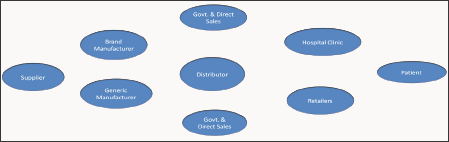
After a drug is launched, a completely different set of objectives, drivers, and constraints become dominant. The key stakeholders in Main Issues Related to Pharmaceutical Supply Chain final product. The Pharmaceutical Supply Chain this supply chain include multiple government agencies, hospitals, clinics, drug manufacturers, drug distributors, pharmacy chains, retailers, research organizations, and the FDA. To compound matters further, the same supply chain is responsible for the distribution of prescription drugs, over-the-counter (OTC) medicines, generics, as well as biologics having different handling needs and operational objectives. Indeed, there are numerous other organizations, such as insurance companies, healthcare management organizations, and GPOs, that further increase the complexity. Due to very different business objectives, these organizations make the task of managing supply chain all the more difficult. Furthermore, due to the regulatory nature of the industry and numerous merger and acquisitions to acquire more R&D expertise, many pharmaceutical supply networks have grown in an uncontrolled fashion rather than being planned for optimal performance [9] (Figure 1).

Figure 1: The Pharmaceutical Supply Chain.

Lupinepublishers-openaccess-Drugdesigning-Intellectualproperties


Main Issues Related to Pharmaceutical Supply Chain

    i. Issues related to Counterfeiting.

    ii. Unfavorable reaction of the drug to the patients.

    iii. Issues rose due to entities of supply chain operations.

    iv. Manufacturing issues like mixing incorrect input raw materials, or cross contamination due to manufacturing more than one drug in the same facility, or improper labeling of the final product.

    v. Retailer's issues including improper temperature controls and handling.

    vi. Transportation issues caused by mishandling, improper temperature controls, and the use of improper shipping mode.

    vii. Storing and warehousing issues such as using improper temperature controls, improper handling in the warehouse and mixing products with raw materials.

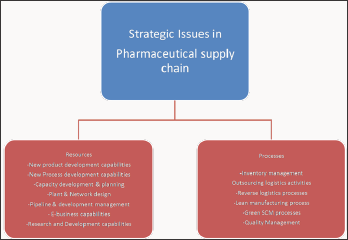
Figure 2: Strategic issues in pharmaceutical supply chain.

Lupinepublishers-openaccess-Drugdesigning-Intellectualproperties


    viii. Raw material suppliers issues like improperly prepared raw material, raw material with high impurity levels and mislabeling of raw material shipments (Figure 2).

The Regulatory System

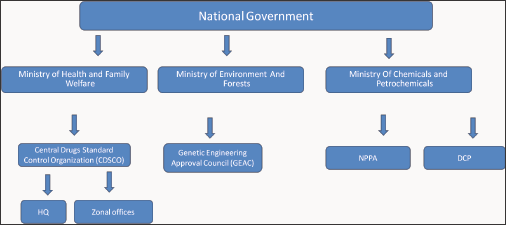
The regulatory system of the Government of India has a federal form that divides the medical regulatory system into national and state authorities. The principal regulatory bodies that are answerable for the approval, production, and marketing of quality drugs in India are the following entities [10]:

    a. Central Drug Standards and Control Organization (CDSCO): This agency sets standards to ensure the safety and quality of drugs, diagnostics, cosmetics, devices, and supervision of the importation of drugs.

    b. National Pharmaceutical Pricing Authority (NPPA): This agency fixes or revises the prices of decontrolled bulk drugs.

    c. Ministry of Chemicals and Petrochemicals: This organization supervises pharmaceutical sector policy, planning, development, and regulatory activities pertaining to the chemicals, petrochemicals (Figure 3).

Figure 3: Regulatory system of government of India.

Lupinepublishers-openaccess-Drugdesigning-Intellectualproperties


Temperature Controlled Logistics

India is a vast continent with different temperatures and environmental conditions varying 25 to 500c at different places. This presents a whole different set of challenges for the drug manufacturers to ensure drugs are maintained at the requisite temperatures throughout their lifecycle. The problem of temperature controlled logistics is one of the common noteworthy problems. The failure to maintain drugs at their prescribed temperature often results in the loss of efficacy. The drugs that require stringent cold storage and transport are often expensive and are often targeted by the drug counterfeiters due to their high value.

Radio Frequency Identification Technology (RFID) and Electronic Product Code (EPC) and its Effect on The Pharmaceutical Supply Chain [11, 12]

A RFID system fundamentally consists of four items, a host computer, readers, encoders and tags. Tags are manufactured of a microchip, size is approx 0.2 mm or 0.4 mm and a bendable antenna entrenched in a plastic-coated inlay having numerous forms and dimensions depending on the context and performance required. The information can be written onto the tags by an encoder printer, which is consequently read by a reader that converts the electromagnetic wave pattern coming from the tag into digital signals and transmits them to the information system by a terminal computer. Data are stored into the tag chip in the form of an Electronic Product Code (EPC).

Read More About Lupine Publishers Journal of Drug Designing & Intellectual Properties Please Click on Below Link: https://lupine-publishers-drug-designing.blogspot.com/

Thursday, 13 June 2019

Lupine Publishers-Drug Designing Journal


Recently much emphasis is being laid on the development of micro particulate DDS in preference to single unit systems because of their potential benefits such as increased bioavailability, reduced risk of systemic toxicity, reduced risk of local irritation and predictable gastric emptying. The objective of the present study is to prepare and evaluate micro particulate drug delivery systems of Gliclazide using starch acetate, a new modified starch for oral controlled release. The starch acetate (DS 2.75) was freely soluble in chloroform and insoluble in several aqueous fluids and organic solvents. Chloroform could be used as solvent for starch acetate in the preparation of micro particles, microcapsules and in film coating Spherical starch acetate- Gliclazide micro particles could be prepared by the emulsification-solvent evaporation method. The method is industrially feasible as it involves emulsification and removal of the solvent, which can be controlled precisely. The emulsification solvent evaporation method was reproducible with regard to size and size distribution of the micro particles. About 65-70% of micro particles in each batch were in the size range 35/50 mesh (398.5μm) Encapsulation efficiency was in the range 96.0-99.3 % in the preparation of micro particles. Gliclazide release from the starch acetate micro particles was slow and spread over longer periods of time. The drug release depended on the proportion of core: coat in the micro particles. A good linear relationship (R2=0.826) between percent coat and release rate (ko) was observed. 


For more Lupine Publishers Open Access Journals Please visit our website: https://lupinepublishers.us/

Tuesday, 21 May 2019

Lupine Publishers-Journal of Drug Designing


Single mother cannot produce benefit properly which is required to children, playing, and other food source into energy. Researcher has been looking for simple and effective ways to deliver benefit into the children who have a single mother to child by their choices as well as single mother has to her choice. The most common one is taking orally that has financial support from organization which is privately manage and ruled out by under the surveillances of Pharmacy council of India. However research shows that is easily broken down by the system. This problem has solved by using intervention by secretarial level department of health research (DHR) government of India. These can be done by binding pharmacy council of India by department of health research with government of India. The encouragement is protected with monthly salary that has single mother by choice which is service privately manage under the influence pharmaceutical Institutions which is linkage of slums and rural area in India. To know more go through the below link.


Tuesday, 2 April 2019

Journal of Drug Designing-Lupine Publishers


Single mother cannot produce benefit properly which is required to children, playing, and other food source into energy. Researcher has been looking for simple and effective ways to deliver benefit into the children who have a single mother to child by their choices as well as single mother has to her choice. The most common one is taking orally that has financial support from organization which is privately manage and ruled out by under the surveillances of Pharmacy council of India. However research shows that is easily broken down by the system. This problem has solved by using intervention by secretarial level department of health research (DHR) government of India. These can be done by binding pharmacy council of India by department of health research with government of India. The encouragement is protected with monthly salary that has single mother by choice which is service privately manage under the influence pharmaceutical Institutions which is linkage of slums and rural area in India. Once financial support reaches the children’s, another pathway takes over to help financial pass into the children needs. Binding of regulatory of pharmacy council of India to single mother by choice residing in private pharmacy institution in slum makes the financial hitch a ride on this protected supply chain, where it is released to do its work. Financial help also causes stimulation of brain which leads to increased release of sertraline moieties. Finding simpler ways to deliver cause into the slums pharmacy institution is one important avenue for tackling the myth of single mother by choice that is sweeping the developing world and GDP in slum occupied pharmacy Institutions. Single mother by choice has specific mechanisms for protecting and absorbing valuable things that would usually be correlate by financial conditions and better delivery method to their children.


For more Lupine Publishers Open Access Journals Please visit our website: http://www.lupinepublishers.com/

For more journal of Drug Designing articles Please Click Here: https://lupinepublishers.com/drug-designing-journal/


Tuesday, 26 February 2019

Drug Designing & Intellectual Properties journals- Lupine Publishers


Beyond Pain, Fear, Withdrawal-Findings, And Problems Involving Change - Treatment and Application for A Chronic Addiction on Alcohol Do Not End by Loai Aljerf in DDIPIJ in Lupine Publishers

Alcohol use disorders (AUD) involving hazardous, harmful and addictive misuse of alcohol are widespread in most parts of the world. The aim of this study was to review the effect of the common inhibitors in the treatment of patients with AUD, taking into consideration, the short- and long- terms abstinence. An extensive literature search conducted in MEDLINE, PubMed, Scopus and CINAHL databases identified 776 articles, which were then evaluated for pre‐specified criteria for relevance and quality assurance. A total of 38 articles, including 36 human studies and 2 animal studies, were selected for this review. Many inhibitors used in the treatment of alcoholism and some were considered of effective medication when their intakes are supervised by an expert. However, their therapeutic efficacies vary widely; for instance, disulfiram is a pro-drug that requires its transformation into an active form and because it shows a wide range of secondary effects, it often prevents the use of doses that ensure full therapeutic effectiveness. Sex hormones play an important role in establishing sex‐distinctive brain structural and functional variations that could contribute to the sex differences in alcohol consumption behavior. Existing evidence supports the association of increased testosterone level and increased risk for alcohol use and AUD in males. In contrast, the evidence supports the association of increased estrogen level and increased alcohol use in females. Much less is known about the impact of progestins on alcohol use and misuse in human subjects. Future observational and experimental studies conducted in both sexes with a comprehensive hormone panel are needed to elucidate the impact of the interplay between various sex hormone levels during various developmental stages on alcohol userelated phenotypes and AUD. On the other hand, alcohol withdrawal-especially delirium tremens (DT)-is a potentially life-threatening condition. While short-term treatment regimens and factors that predispose to more severe symptomatology have been extensively studied, little attention has been paid to the clinical epidemiology and long-term care of the chronic medical, addictive, psychiatric, and psychosocial problems faced by these patients. Chronic alcoholic patients are frequently suffering from specific micronutrient deficiencies, including vitamins involved in one carbon metabolism. The deficiencies commonly involve folate, vitamin B6, thiamine, and vitamin A. Inadequate dietary intake is a major cause of the vitamin deficiency. As a consequence of chronic alcohol intake, could lead to metabolic disruption and potentially to hyperhomocysteinemia. Alcoholism can affect the absorption, storage, metabolism, and activation of many of these vitamins.  

https://lupinepublishers.com/drug-designing-journal/abstracts/beyond-pain-fear-withdrawal-findings-and-problems-involving-change-treatment-and-application-for-a-chronic-addiction-on-alcohol-do-not-end.ID.000130.php
https://lupinepublishers.com/drug-designing-journal/fulltext/beyond-pain-fear-withdrawal-findings-and-problems-involving-change-treatment-and-application-for-a-chronic-addiction-on-alcohol-do-not-end.ID.000130.php

For more Lupine Publishers Open Access Journals Please visit our website: http://www.lupinepublishers.com/

For more Drug Designing & Intellectual Properties journals articles Please Click Here: https://lupinepublishers.com/drug-designing-journal/

Monday, 18 February 2019

Journal of Drug Design and Development-Lupine Publishers


State Department evacuates a number of Americans from the US consulate in Guangzhou, China after they experienced unexplained health issues. A group of US diplomats stationed in China have been brought back to the states after being inflicted by a mystery illness that reportedly resembles the brain injuries previously suffered by staff in Cuba. Heather Nauert, a State Department spokeswoman, said in a statement that the individuals from the US office in Guangzhou were returned home for further evaluation. It was unclear if there was any connection to last year’s situation in Cuba where 24 US government employees experienced a range of ailments after hearing an unusual sound.  


Monday, 11 February 2019

Journal of Drug Design and Development- Lupine Publishers


Depression in Pregnancy: Treat or Do Not Treat? by Amani Mohsen in DDIPIJ in Lupine Publishers

Globally, mental health disorders are increasingly prevalent worldwide with depression particularly contributed to the largest percentage of global disability (7.5% of all years lived with disability in 2015). It is more common in females than males affecting 4 -7% of women in reproductive age group [1]. Women with mild depression are treated with cognitive based therapy and antidepressants are used depending on the severity of the symptoms [2]. Utilizing antidepressants preconception and during pregnancy was assessed in wide range of studies to evaluate the risk of associated congenital anomalies. Ornoy et al reviewed the association between tricyclic antidepressants (TCA) and congenital anomalies. Early studies showed slight increase in the associated risk however the following large studies showed no association [2].

https://lupinepublishers.com/drug-designing-journal/abstracts/depression-in-pregnancy-treat-or-do-not-treat.ID.000128.php
https://lupinepublishers.com/drug-designing-journal/fulltext/depression-in-pregnancy-treat-or-do-not-treat.ID.000128.php

For more Lupine Publishers Open Access Journals Please visit our website: http://www.lupinepublishers.com/

For more Journal of Drug Design and Development articles Please Click Here: https://lupinepublishers.com/drug-designing-journal/


Tuesday, 5 February 2019

Journal of Drug Designing- Lupine Publishers


An Extra-marital affair relationship can break heart. Extramarital affair women, according to a study, have a higher risk for heart disease. Turns out, for women, being extra-marital affair can be injurious to health. According to a study conducted by the New York University, extra-marital affair women have a higher risk for heart disease compared with non-extra-marital affair women across several modifiable risk factors [1-3]. “Our findings highlight the impact of sexual orientation, specifically sexual identity, on the cardiovascular health of women and suggest clinicians and public health practitioners should develop tailored screening and prevention to reduce heart disease risk in extra-marital affair women,” Little is known about the impact of sexual orientation on heart disease risk in women, despite the fact that widow and extramarital affair women may be at a higher risk based on modifiable factors like tobacco use and poor mental health. In this study, the researchers examined differences in modifiable risk factors for heart disease and heart disease diagnoses in women of different sexual orientations. Risk factors measured included mental distress; health behaviours such as tobacco use, binge drinking, diet, and exercise; and biological risk factors such as obesity, hypertension, diabetes, and cholesterol [4].


Tuesday, 15 January 2019

Semiconductor Quantum Dots as In-Vivo Imaging Agent:(DDIPIJ)- Lupine Publishers


Inability to early diagnosis is a major concern for the treatment of fatal disease like cancer. Early diagnosis and treatment enhances the scope of disease curability. The accurate identification, realtime monitoring and targeting the cancerous tissues in a precise manner hold the key for longer progression free survival of a patient. Among different diagnostic techniques, fluorescence based minimally invasive bio-imaging techniques are considered to be ideal to have clear understanding about the physiological processes of the infected tissues as well as to reduce physical and mental stress of a patient. Super-resolution fluorescence microscopy has improved the spatial optical resolution of biological molecules, living cells and tissues with the use of highly fluorescent inorganic semiconductor nanocrystals, also known as quantum dots (QDs), with sizes ranging from 2 nm to 15 nm [1]. These nanocrystals comprised of elements belong to groups II–VI (eg, CdSe and CdTe), groups III–V (eg, InP), groups IV–VI (eg, PbS and PbSe) [2].


For more Lupine Publishers Open Access Journals Please visit our website: http://www.lupinepublishers.com/

For more drug designing journal articles Please Click Here: https://lupinepublishers.com/drug-designing-journal/

Friday, 4 January 2019

»N2B-Patch« – Nose-To-Brain Delivery of an Active Pharmaceutical Ingredient via the Olfactory Region:(DDIPIJ)- Lupine Publishers


Within the EU funded project »N2B-patch« eleven partners from eight countries aim to develop an innovative technology for the nose-to-brain delivery of an active pharmaceutical ingredient via the olfactory region for the regenerative treatment of multiple sclerosis using novel multi-functional biomaterials combined with a medical device. The four year EU-funded research involves an innovative method of bypassing the blood-brain barrier by delivering a potential multiple sclerosis drug with a special medical device via the nose directly to the brain. 


For more Lupine Publishers Open Access Journals Please visit our website: http://www.lupinepublishers.com/

For more Healthcare Open Access Journal articles Please Click Here: https://lupinepublishers.com/drug-designing-journal/


Tuesday, 9 October 2018

A Review on The Phytochemical and Pharmacological Properties Barringtonia Asiatica: (DDIPIJ) - Lupine Publishers

A Review on The Phytochemical and Pharmacological Properties Barringtonia Asiatica by Isaac John Umaru in Drug Designing & Intellectual Properties International Journal in Lupine Publishers
 
A review of Barringtonia asiatica considered to be a mangrove associated species is made to update its Phytochemical and Pharmacological Properties which is claimed to be a broad-spectrum medicinal property. Barringtonia asiatica was commonly used in various country of the world for treatment of liver disorder, diarrheal disease, eye disease, as well as antifungal and antibacterial, as well as chest pains and heart troubles. It was also considered a fish killer; this has been identified as a source of Natural products with potentials as an antitumor. The aim of the present review is to provide detailed information regarding geographical distribution, phytochemicals and pharmacological properties of this plant.

https://www.lupinepublishers.com/drug-designing-journal/abstracts/DDIPIJ.MS.ID.000138.php
https://www.lupinepublishers.com/drug-designing-journal/pdf/DDIPIJ.MS.ID.000138.pdf

Wednesday, 26 September 2018

The Names of Drugs In “Kutadgu Bilig”: (DDIPIJ) - Lupine Publishers

The Names of Drugs In “Kutadgu Bilig” by Kholmuradova Mushtariy in Drug Designing & Intellectual Properties International Journal in Lupine Publishers

Name of drugs are analyzed in the represented article “Kutadgu bilig”. Lexical units of medical concepts are widely investigated by the works of Yusuf Khos Khojib including human body part, health, temper, and eating habits. The importance of medical terms, and medical viewpoints are enlightened of our nowadays medicine.

Thursday, 23 August 2018

Body on Chip-A Distant Dream or an Emerging Reality?: (DDIPIJ) - Lupine Publishers

Body on Chip-A Distant Dream or an Emerging Reality? by Benzion Amoyav and Ofra Benny in Drug Designing & Intellectual Properties International Journal (DDIPIJ) in Lupine Publishers

We are currently facing a global health challenge regarding the way we discover and develop new drugs. Small biotech companies, as well as large pharmaceutical corporations, spend increasingly more money on the classical route of drug development, and it fails more often than it succeeds. Consequently, some diseases are not being treated and patients who are in dire need of new therapies are not receiving them.

http://www.lupinepublishers.com/ddipij/abstracts/DDIPIJ.MS.ID.000118.php
http://www.lupinepublishers.com/ddipij/fulltext/DDIPIJ.MS.ID.000118.php
http://www.lupinepublishers.com/ddipij/pdf/DDIPIJ.MS.ID.000118.pdf

»N2B-Patch« – Nose-To-Brain Delivery of an Active Pharmaceutical Ingredient via the Olfactory Region: (DDIPIJ) - Lupine Publishers

»N2B-Patch« – Nose-To-Brain Delivery of an Active Pharmaceutical Ingredient via the Olfactory Region by Carmen Gruber Traub* and Jenny Ullrich in Drug Designing & Intellectual Properties International Journal (DDIPIJ) in Lupine Publishers

Within the EU funded project »N2B-patch« eleven partners from eight countries aim to develop an innovative technology for the nose-to-brain delivery of an active pharmaceutical ingredient via the olfactory region for the regenerative treatment of multiple sclerosis using novel multi-functional biomaterials combined with a medical device. The four year EU-funded research involves an innovative method of bypassing the blood-brain barrier by delivering a potential multiple sclerosis drug with a special medical device via the nose directly to the brain.

http://www.lupinepublishers.com/ddipij/abstracts/DDIPIJ.MS.ID.000116.php
http://www.lupinepublishers.com/ddipij/fulltext/DDIPIJ.MS.ID.000116.php
http://www.lupinepublishers.com/ddipij/pdf/DDIPIJ.MS.ID.000116.pdf

Tuesday, 21 August 2018

Regulation of Pharmacy Council of India and Assessment of Quality Life Among single Mother -By-Choice ‘Residing in slums Linkage Pharmaceutical Institutions in Pune, India: (DDIPIJ) - Lupine Publishers

Regulation of Pharmacy Council of India and Assessment of Quality Life Among single Mother -By-Choice ‘Residing in slums Linkage Pharmaceutical Institutions in Pune, India by Rahul Hajare in Drug Designing & Intellectual Properties International Journal (DDIPIJ) in Lupine Publishers

Single mother cannot produce benefit properly which is required to children, playing, and other food source into energy. Researcher has been looking for simple and effective ways to deliver benefit into the children who have a single mother to child by their choices as well as single mother has to her choice. The most common one is taking orally that has financial support from organization which is privately manage and ruled out by under the surveillances of Pharmacy council of India. However research shows that is easily broken down by the system. This problem has solved by using intervention by secretarial level department of health research (DHR) government of India. These can be done by binding pharmacy council of India by department of health research with government of India. The encouragement is protected with monthly salary that has single mother by choice which is service privately manage under the influence pharmaceutical Institutions which is linkage of slums and rural area in India. Once financial support reaches the children’s, another pathway takes over to help financial pass into the children needs. Binding of regulatory of pharmacy council of India to single mother by choice residing in private pharmacy institution in slum makes the financial hitch a ride on this protected supply chain, where it is released to do its work. Financial help also causes stimulation of brain which leads to increased release of sertraline moieties. Finding simpler ways to deliver cause into the slums pharmacy institution is one important avenue for tackling the myth of single mother by choice that is sweeping the developing world and GDP in slum occupied pharmacy Institutions. Single mother by choice has specific mechanisms for protecting and absorbing valuable things that would usually be correlate by financial conditions and better delivery method to their children.

http://www.lupinepublishers.com/ddipij/abstracts/DDIPIJ.MS.ID.000115.php
http://www.lupinepublishers.com/ddipij/fulltext/DDIPIJ.MS.ID.000115.php
http://www.lupinepublishers.com/ddipij/pdf/DDIPIJ.MS.ID.000115.pdf

Structural and Vibrational Study On the Acid, Hexa-Hydrated and Anhydrous Trisodic Salts of Antiviral Drug Foscarnet: (DDIPIJ) - Lupine Publishers

Structural and Vibrational Study On the Acid, Hexa-Hydrated and Anhydrous Trisodic Salts of Antiviral Drug Foscarnet by Maximiliano A Iramain and Silvia A Brandán in Drug Designing & Intellectual Properties International Journal (DDIPIJ) in Lupine Publishers

The structural and vibrational properties of acid species, hexa-hydrated and anhydrous trisodic salts of antiviral drug foscarnet in gas phase and in aqueous solution have been studied in this work by using the hybrid B3LYP method with the 6-31G* and 6-311++G** basis sets. The properties in solution were carried out with the self consistent reaction force (SCRF) method by using the integral equation formalism variant polarised continuum (IEFPCM) and SD models while the complete vibrational assignments for those three species were performed in both media by using the experimental available infrared spectrum of hexa-hydrated trisodic salt and the scaled quantum mechanical force field (SQMFF) methodology. The natural bond orbital (NBO) studies suggest that the hexa-hydrated salt in solution is most stable than the anhydrous one in the same medium but in gas phases the anhydrous salt shows a higher stability in solution. The atoms in molecules (AIM) analyses have revealed the ionic characteristics of the O--- Na bonds in both salts supporting the higher stability of the hexa-hydrated salt in solution. The evaluation of the frontier orbitals show that the anhydrous salt is the most reactive species in solution, as supported by its higher solvation energy and volume variation. Apparently, the presences of phosphate group in foscarnet probably increase its activity when it is used as drug. The experimental infrared bands observed in the hexa-hydrated species at 1059 and 983 cm-1 are clearly attributed to the stretching modes of phosphate group while the strong bands at 1445 and 1333 cm-1 are associated to the stretching modes of carboxylate group. In addition, the force constants for the carboxylate and phosphate groups are reported.

http://www.lupinepublishers.com/ddipij/abstracts/DDIPIJ.MS.ID.000114.php
http://www.lupinepublishers.com/ddipij/fulltext/DDIPIJ.MS.ID.000114.php
http://www.lupinepublishers.com/ddipij/pdf/DDIPIJ.MS.ID.000114.pdf

Gut Micro biome, Multiple Sclerosis, and Cancer: (DDIPIJ) - Lupine Publishers

Gut Micro biome, Multiple Sclerosis, and Cancer by Robert Skopec in Drug Designing & Intellectual Properties International Journal (DDIPIJ) in Lupine Publishers

Thanks to their influence on the owner’s gut micro biome, dogs may be beneficial in reducing cardiovascular, diabetes, multiple sclerosis and cancer risk by providing a non-human form of social support and increasing physical activity. Ownership of hunting dog breeds was associated with a decreased risk of CVD, and ownership of all purebred breeds was associated with lower risk of all-cause mortality. Dog ownership has also been associated with elevated parasympathetic and diminished sympathetic nervous system activity, lower reactivity to stress, and faster recovery of blood pressure following stressful activity. We provide evidence that supports epsilon toxin’s ability to cause BBB permeability and show that epsilon toxin kills the brain’s myelin producing cells, oligodendrocytes; the same cells die in multiple sclerosis (MS) lesions. A new study has identified how the environment surrounding a tumor can stimulate metastatic behavior in the individual cancer cells. Researchers found that the tumor cells activate a particular set of genes and begin form blood vessel-like structure when they are confined in densely packed environment.

http://www.lupinepublishers.com/ddipij/abstracts/DDIPIJ.MS.ID.000113.php
http://www.lupinepublishers.com/ddipij/fulltext/DDIPIJ.MS.ID.000113.php
http://www.lupinepublishers.com/ddipij/pdf/DDIPIJ.MS.ID.000113.pdf

A Comparison Study for Chances of Reduction in Cardiovascular Risk by Draksharishta in Induced Diabetic Condition: (DDIPIJ) - Lupine Publishers

A Comparison Study for Chances of Reduction in Cardiovascular Risk by Draksharishta in Induced Diabetic Condition by Subhajit Ghosh, Dr PN Murthy and Dr H Joshi in Drug Designing & Intellectual Properties International Journal (DDIPIJ) in Lupine Publishers

In this study was to evaluate the effect of Draksharishta-T and Draksharishta -M prepared by traditional and modern methods respectively and Dabur Draksharishta and comparison between them on fasting blood glucose and serum lipid profile in alloxan induced diabetic rats. Oral administration of Draksharishta-T, Draksharishta-M and Dabur Draksharishta (2ml/kg p.o.) for 21 days caused a significant decrease in fasting blood glucose (FBG) and showed significant rise in blood glutathione level (GSH) in diabetic rats. Glibenclamide was used as a standard anti diabetic drug (10 mg/kg, p.o). These preparations also caused significant reduction in serum cholesterol, LDL and triglycerides and showed significant rise in serum HDL level in diabetic albino rats. Thus all these preparations were able to maintain the tested parameters near to the normal level significantly.

http://www.lupinepublishers.com/ddipij/abstracts/DDIPIJ.MS.ID.000111.php
http://www.lupinepublishers.com/ddipij/fulltext/DDIPIJ.MS.ID.000111.php
http://www.lupinepublishers.com/ddipij/pdf/DDIPIJ.MS.ID.000111.pdf