Saturday, 23 September 2023

Lupine Publishers | A Worksite Health Promotion Project in The University Setting A Doctor of Nursing Practice Project

 Lupine Publishers | Journal of Nursing & Healthcare


Abstract

Non-communicable diseases (NCD) have become the leading cause of death and disability worldwide. This public health issue has driven the development of innovative solutions, one of which has been implementing wellness programs at work. Historically, the university has been characterized as a low physical activity setting, which made it the perfect place to test the potential benefits of a workplace wellness program. This Doctor of Nursing Practice (DNP) project was designed to improve health behaviors in a satellite university faculty. The project implemented a 10-week worksite wellness program intervention comprised of education and walking. The intervention effectiveness was evaluated with American Heart Association My Life Check® (AHA MLC) online tool. Although there was not a significant difference between the pre-intervention heart scores (M=6.04, SD=1.66) and post-intervention heart scores (M=6.31, SD=1.57); t (19) =1.47, p=0.159), this project demonstrated improvements in several independent areas of the AHA MLC, which included weekly activity levels, overall cholesterol, increased fruit, and grain intake, and decreased sugary beverage intake. This project contributed to research by offering an example of how an innovative web-based wellness program could impact faculty health behaviors in a satellite university setting. Future studies are needed to identify types of wellness programs that yield positive results in various workplace settings.

Keywords: worksite wellness program; workplace wellness program; wellness program wellness program in the university setting

Introduction

Background and Significance

Non- communicable diseases (NCDs), rather than infectious agents, have become the primary source of illness among Americans. While these diseases have not been infectious or transmittable, they have been considered chronic and preventable. Diabetes, cardiovascular disease, cancer, and chronic lung disease have emerged as the most common NCDs [1] (World Health Organization [WHO], 2017). NCDs have been directly related to increased mortality rates of 88% in the United States (US) and 70% across the globe [2] (WHO, 2014). The macro and microeconomic impact associated with NCDs has been substantial. Macroeconomic issues have included increased health care expenditures and lost labor and productivity for businesses and employers. Microeconomic issues have included increased personal costs associated with disease treatment, work-related absenteeism, and lost personal independence [3] (WHO, 2009). Risk factors for developing NCDs have included a sedentary lifestyle, obesity, stress, as well as alcohol and tobacco use. The American way of life has changed substantially since the 1950s, when more than 50% of the workforce was employed in physically demanding jobs (Centers for Disease Control and Prevention [4] [CDC], 2016b). Today, less than 20% of workers are in positions requiring physical labor. Technological advances have shifted labor from physically demanding jobs to service-oriented jobs requiring minimal strenuous activity. Occupations necessitating minimal physical activity have been classified as sedentary. Over the last half-century, there has been an 83% increase in sedentary work environments (American Heart Association [5] [AHA], 2015b). Both sedentary jobs and lifestyles have contributed to the development of NCDs.

Modern technological conveniences have resulted in decreased physical job requirements, altered eating habits, and increased sedentary leisure time. Improved access to public and private transportation has reduced the amount of time people spend walking to everyday activities, contributing to decreased daily movement [5] (AHA, 2015b). The 1970s heralded a shift in eating patterns. Readily available food options, in the form of processed and fast food, have replaced home-cooked, home-grown meal preparation. Additionally, food consumption volume has doubled, and overall levels of nourishment have decreased. This flip-flop in nutrition has resulted in obesity, vitamin and mineral deficiencies, and immune system dysfunction [6]. While activity and nutrition have decreased, the average American is suffering from an increase in stress. Job stress has contributed to missed days at work and could lead to other unhealthy behaviors, including increased substance abuse, decreased physical activity, and unhealthy eating trends (Center for Disease Control and Prevention [7] [CDC], 2016a). For decades, Americans have been educated on the poor health outcomes associated with tobacco and alcohol consumption. Multiple forms of tobacco use have been linked to cardiovascular disease and different types of cancer. Heavy alcohol intake, classified as more than eight drinks a week for females and ten for males, has been linked with cardiovascular disease, liver impairment, highrisk sexual behaviors, accidents, and if consumed during pregnancy, can cause fetal harm [7] (CDC, 2016a). These changes have affected the population across all socioeconomic levels. Unfortunately, these evolutionary alterations have not improved physical and mental health, but have contributed to decreased physical activity, increased stress, poor nutrition, and continued alcohol and tobacco use [8] (AHA, 2015a). The burden of chronic disease has inspired the nation to examine innovative health improvement strategies. One solution has been the incorporation of worksite health promotion programs. These programs have been encouraged to offer onsite health-related activities to promote physical activity, proper nutrition, relaxation techniques, and tobacco and alcohol cessation for employees [9].

Sedentary work environments have unintentionally become poor health behavior breeding grounds. Less than ideal working conditions characterized by low activity levels, limited nutritional choices, and increased stress have contributed to poor health choices. Unfortunately, the university setting has been one such environment, defined by desk jobs, vending machines, and high-stress deadlines [10]. Nursing education jobs have long been considered sedentary, associated with mostly deskbound clerical tasks such as computer use, grading papers, and course development. As health promoters, an integral part of the nurse’s role has been to recognize negative health habits and develop programs to improve the health of individuals and society [11] (American Association of Colleges of Nursing [AACN], 2006).

Purpose and Significance

This project aimed to evaluate the effect of a worksite wellness program on faculty health behaviors at a satellite university campus. This study intended to determine if a workplace wellness program could improve health behaviors. Additionally, the project provided data to illuminate how employers could offset adverse health outcomes by implementing workplace health programs. This project helped university employees establish a worksite wellness program with the intent of increasing participants’ overall health. The project included evidence-based interventions and provided health and productivity research directed at satellite university faculty, which was generalizable to other similar professions. A needs assessment was conducted to determine the facility baseline wellness status using the CDC Health Scorecard (HSC). Each section of the HSC tool gave the facility a score based on the presence or absence of specific health activities. Categories with a low numerical rating identified areas of need. The results were as follows: tobacco control 11/19, nutrition 1/21, physical activity 6/24, weight management 0/12, stress management 10/14, depression 7/18, elevated blood pressure 2/10, cholesterol 0/15, diabetes 2/15, signs and symptoms and response plans for heart attacks, strokes, and occupational safety 22/22, and vaccine-preventable disease 6/18. According to the CDC HSC results, the lowest scores were in nutrition, physical activity, weight management, hypertension, hyperlipidemia, and diabetes. The employee wellness needs assessment focused on these areas and determined the best worksite wellness intervention for the project.

Method and Design

Considerations

Expedited approval for this quality improvement project was obtained from the Institutional Review Board at Northwestern State University of Louisiana and Southeastern Louisiana University prior to initiation. Approval was based on the probability of no greater than minimal risk to the participants.

Participants and Setting

Convenience sampling was used for participant recruitment by campus email. The naturalistic study setting was the university satellite campus. The campus was comprised of classrooms, offices, and a library. Classrooms were rectangular with desks and chairs and short carpet. The campus outside was flat, even pavement conducive for an activity intervention. The intervention and data collection settings varied from individual and small groups to indoor and outdoor campus areas.

Intervention

Phase one of the study was the administration of the Alliance for a Healthier Generation EWIS to assess current wellness behaviors in employees and identify areas of need [12] (Alliance for a Healthier Generation, 2015). The EWIS survey was chosen because it was specifically designed to determine the needs and wants of employees in a school setting [13] (Alliance for a Healthier Generation, 2016). The survey examined healthy activities, including various types of exercise, health screening interest, weight and stress management, and nutritional education. Survey specifics have been discussed under the outcomes measured section. The results of the study were calculated and used to formulate a relevant intervention. The results of the EWIS revealed that employees were interested the most in dietary and nutritional education, followed by physical activity and stress management. This information was used to develop a 10-week wellness intervention that focused on nutrition and physical activity. The purpose of phase two was to deliver the wellness intervention to a group of 20 participants. Identification of one set day and time was impossible due to faculty schedule variations. Creating an intervention that offered participants flexibility was a project goal. Therefore, after researching various web-based tools, the DNP student created a centralized project content delivery area, where invited participants could access information on their own time. The university’s Microsoft Office 365 account was used to create a group site, upload content, and interact with study participants.

Each week participants had various videos and educational content they were asked to review. The educational content focused on Life’s Simple 7 and healthy eating videos from the Physicians Committee for Responsible Medicine (PCRM). Life’s Simple 7 detailed seven steps that were associated with improved health. The seven steps were: managing blood pressure, controlling cholesterol, reducing blood sugar, getting physically active, eating healthier, losing weight, and smoking cessation [14] (AHA, 2017c). PCRM was comprised of healthy eating videos that encouraged a diet high in fruits and vegetables to improve overall heart and health status. In addition to the weekly educational information, participants were asked to walk half a mile twice weekly. Although participants were not required to submit proof of weekly walking at the end of the study, they were asked to identify if they completed this part of the project. Indoor and outdoor walking routes were mapped and provided for subjects. Subjects were expected to have the physical ability to complete the one-half-mile distance during the project timeframe. The AHA MLC was used, both pre and post intervention, to assess intervention effectiveness. The AHA MLC tool was developed specifically to evaluate WWP, making it appropriate for this project.

Outcome Measures and Instruments

All study participants completed the EWIS and MLC assessment tools. The EWIS was an anonymous two-part survey administered through Survey Monkey. The EWIS measured individual healthy activities and health behavior interests. The first part included 16 questions regarding healthy activities. The healthy activity list was comprised of the following: fitness plan development, exercise classes, dancing, team sports, walking, bicycling, yoga, etc., and also health screening, weight and stress management, and nutritional education. Participants indicated their level of interest by choosing one of the following: “very interested,” “might be interested,” or “not interested.”

The subsequent 12 questions evaluated participant interest in the following categories: health promotion programs, healthy snack options, and preferred physical activity types and times. These 12 questions were scored with a four to one Likert scale: “4=very likely,” “3=somewhat likely,” “2=not very likely,” and “1=not likely at all” [15] (Healthier Generation, 2016). The EWIS tool was offered as a free assessment from the Alliance for a Healthier Generation, which was founded by the American Heart Association and the Clinton Association [16] (American Heart Association, 2017a). The results of the EWIS were used to determine participant interest and develop a tailored wellness intervention. Although the validity and reliability of the EWIS survey were not available, the EWIS survey was supported by the AHA and used by the Wellness Council of America, The California Department of Public Health, and The United States Department of Agriculture as a recommended wellness assessment tool [17] (Healthier Generation, 2013). The MLC was an innovative science-based tool created by the AHA specifically for WWP. The MLC assessment tool evaluated seven behaviors associated with good health, also known as Life’s Simple 7. The key outcome measured by the MLC was an overall heart score, also known as an overall heart health score. The heart score was a valid and reliable measurement [18] (American Heart Association, 2017c). The original research study by [19] reported the Heart Score demonstrated good discrimination (Harrell’s c-index, 0.72; 95% confidence interval [CI], 0.71, 0.74 [females]; 0.77; 05% CI, 0.76, 0.79 [males]), fit, and calibrated.

Gathering the following information generated the overall score: smoking status, nutrition, activity, weight, blood pressure, cholesterol, and blood glucose. MLC obtained information such as age, height, weight, gender, and ethnicity, as well as seven additional questions, which included three questions on blood components such as cholesterol and blood glucose and four questions on daily activities such as fruit and vegetable intake and activity levels that impact health. The information was entered into the MLC online tool, and an individual heart score along with an action plan was generated. One feature of the MLC tool was that participants could access it multiple times, enabling them to track improvements over time.

Data Analysis

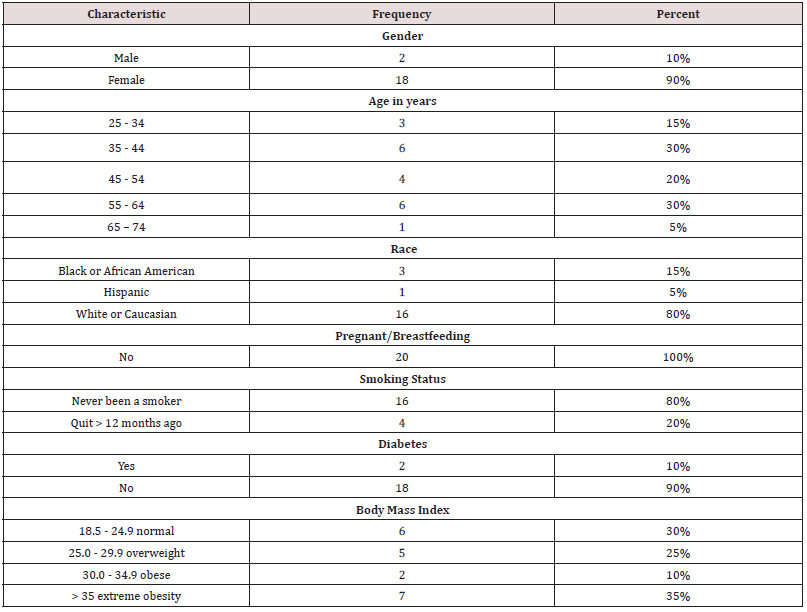
Demographic data were collected on the AHA MLC but not the EWIS. The demographic data and characteristics obtained, provided in Table 1, included gender, age, race, pregnant/breastfeeding status, smoking status, diabetes status, and BMI. Of the 20 study participants, 10% (n=2) were male and 90% (n=18) female and the age ranges in years were as followed 15% (n=3) were 25-34, 30% (n=6) were 35-44, 20% (n=4) were 45-54, 30% (n=6) were 55-64, and 5% (n=1) was 65-74. The study participants were Caucasian 80% (n=16) followed by African Americans 15% (n=3), and Hispanic 5% (n=1). None of the study participants reported being pregnant or breastfeeding. Ninety percent (n=19) of participants denied having diabetes; 10% (n=2) were self-reported diabetics. Regarding smoking status, 80% (n=16) identified as “never been a smoker,” and the remaining 20% (n=4) reportedly quit over 12-months ago. Finally, the sample study participants’ BMI was as follows: 30% (n=6) were 18.5- 24.9 normal, 25% (n=5) were 25.0-29.9 overweight, 10% (n=2) were 30.0-34.9 obese, and 35% (n=7) were classified as extremely obese. In summary, the majority of participants were female, age 35-44 or 55-64 years, Caucasian, never smoked, without diabetes, and classified as extremely obese.

Table 1: My Life Check® Demographic Characteristics.
lupinepublishers-openaccess-nursing-healthcare
American Heart Association My Life Check®

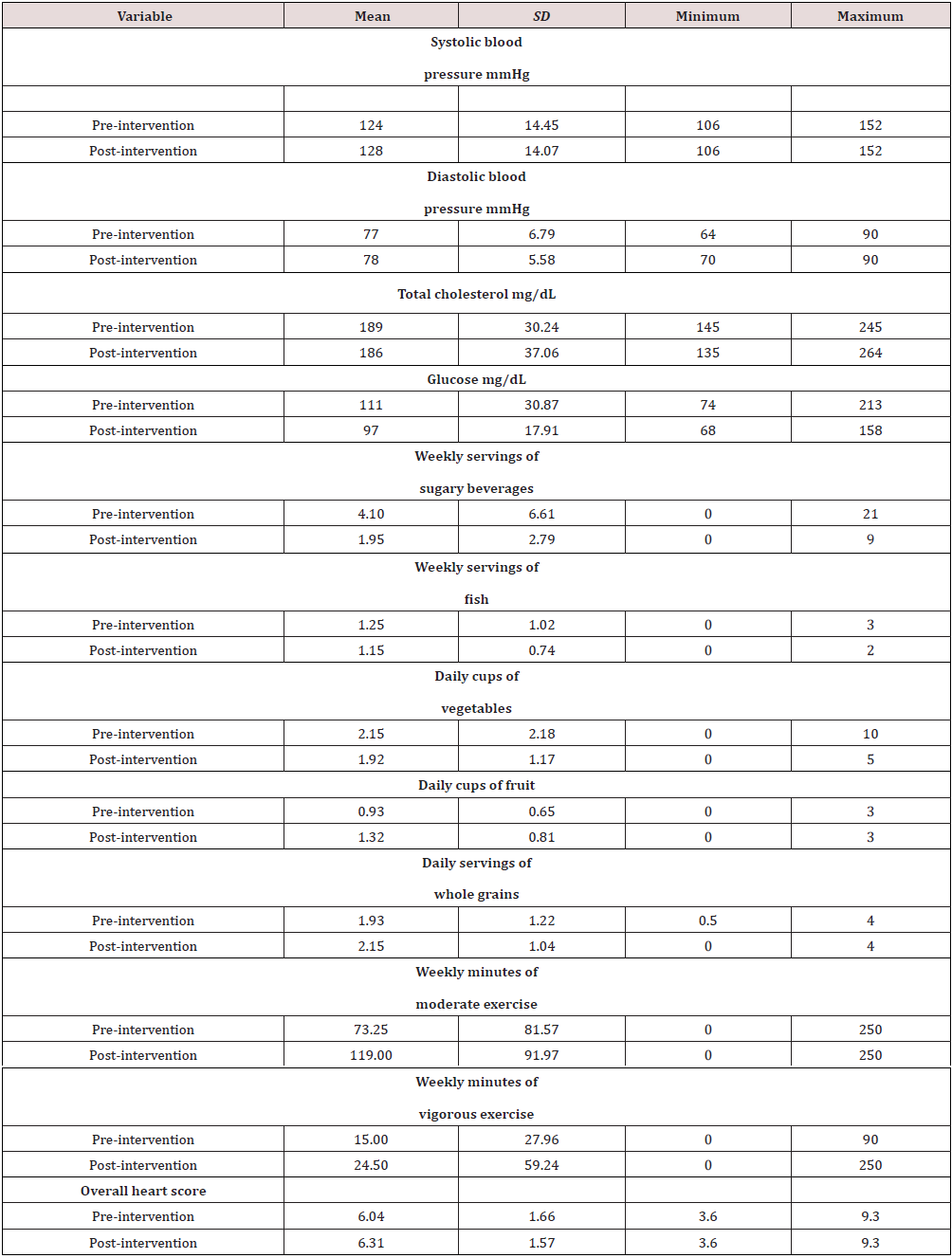
The AHA MLC online tool was used to calculate each participant’s overall heart score. The AHA MLC heart score was computed using participant demographics, underlying cardiovascular disease presence, blood pressure, glucose, total cholesterol, exercise, and dietary habits. All 20 participants completed the pre-intervention AHA MLC. The result of the pre-intervention AHA MLC has been reported in Table 2. The mean systolic blood pressure (SBP) was 124 mmHg, and the mean diastolic blood pressure (DBP) was 77 mmHg. The mean total cholesterol was 189 mg/dL, with the highest at 245 mg/dL and the lowest at 145 mg/dL. The mean glucose was 111 mg/dL, with the highest glucose recorded being 213 mg/dL, and the lowest was 74 mg/dL. Dietary habits were assessed in regard to sugary beverages, fish servings, fruits, vegetables, and grain consumption. The average number of sugary beverages consumed in a week was 4.1. The average number of fish serving was 1.25 per week. The average number of daily servings of fruits, vegetables, and whole grains was 0.925, 2.15, and 1.93, respectively. The preliminary data used to calculate the heart score also reported participant exercise activity as 73.25 minutes a week of moderate exercise and 15.00 minutes a week of vigorous exercise. This data, along with the demographic characteristics, were used to calculate participants’ heart scores. The mean pre-intervention heart score was 6.0, with the highest heart score being 9.3 and the lowest at 3.6 on a 0-to-10-point scale, with 10 representing the lowest risk for cardiovascular disease.

The AHA MLC online assessment tool was used to calculate each participant’s pre and post-intervention heart score. All 20 participants completed the post-intervention AHA MLC. The result of the post-intervention AHA MLC was reported in Table 2. The mean SBP was 128 mmHg, and the mean DBP was 78 mmHg. The mean total cholesterol was 186 mg/dL, with the highest total cholesterol at 264 mg/dL and the lowest at 135 mg/dL. The mean glucose was 97 mg/dL, with the highest glucose recorded being 158 mg/dL, and the lowest was 68 mg/dL. Dietary habits were re-assessed regarding sugary beverages, fish servings, fruits, vegetables, and grain consumption. The average number of sugary beverages consumed in a week was 1.95. The average number of fish servings was 1.15 per week. The average number of daily servings of fruits, vegetables, and whole grains was 1.32, 1.92, and 2.15. The final data used to calculate the heart score also reported participant exercise activity as 119 minutes a week of moderate exercise and 24.50 minutes a week of vigorous exercise. The mean post-intervention heart score was 6.31, with the highest heart score being 9.3 and the lowest at 3.6 on a 0-to-10-point scale, with 10 representing the lowest risk for cardiovascular disease.

Table 2: Pre and Post Intervention My Life Check® Data.
lupinepublishers-openaccess-nursing-healthcare

Findings

When comparing the pre and post-AHA MLC Mean (M) data (n=20), improvements were noted in several areas. In regard to nutritional intake Means: the weekly sugary beverage intake decreased from 4.1 to 1.95 servings, and the daily fruit serving intake increased from 1.93 to 2.15. Increases were seen in the Mean scores of both average weekly minutes of exercise from 73 to 119 and vigorous weekly minutes of exercise from 15 to 245. The average glucose and cholesterol decreased from 111mg/dL to 97 mg/dL, and 189mg/dL to 186 mg/dL, respectively. Finally, the Mean heart score increased from 6.0 pre-intervention to 6.3 post intervention. The project intervention was delivered in a flexible format where participants could access information at their leisure. This non-traditional design forced participants to be self-directed. Therefore, the post-intervention data also collected a response from each participant to assess study compliance, presented in Table 3. Compliance was defined as completing 80% of both the weekly intervention information sessions and the weekly walking. Of the 20 participants, 75% (n=15) reported study compliance, 5% (n=1) reported non-compliance, and 20% (n=4) did not answer the question.

A paired t-test was used to compare the heart scores for participants’ pre and post-workplace wellness intervention for both the entire group (n=20) and separately for the group who reported study compliance (n=15); see Table 4. There was not a significant difference between the pre-intervention heart scores (M=6.04, SD=1.66) and post-intervention heart scores (M=6.31, SD=1.57); t (19) =1.47, p=0.159) for the total group; t (14) =2.14, p=0.051 for the compliant group. The Shapiro-Wilk test of normality (n=20) was performed and showed a significance of p=0.018 (α 0.05) which indicated data did not follow a normal distribution. Consequently, the Wilcoxon signed-rank test was used for comparison. However, the Wilcoxon signed-rank test (n=20) also showed no statistical significance (W=14; p=0.227). Tables 4, 5, and 6 have been provided with the statistical data information.

Table 3: Self-Reported Intervention Compliance.

lupinepublishers-openaccess-nursing-healthcare

Table 4: Statistical Analysis of Heart Scores.

lupinepublishers-openaccess-nursing-healthcare

Table 5: Shapiro-Wilk Tests.

lupinepublishers-openaccess-nursing-healthcare

Table 6: Wilcoxon Signed-Rank.

lupinepublishers-openaccess-nursing-healthcare

For several decades non-communicable diseases (NCDs) were responsible for the majority of deaths and disabilities worldwide [7] (CDC, 2016a). The impact of NCDs in the United States matched this disturbing trend. One of the most shocking features of common NCDs was the fact they have been considered preventable. Each year the NCD related death toll has continued to rise, which has made the issue a public health priority. Despite advances in NCD prevention, the number of people affected has continued to rise. The two main reasons for this increase were attributed to decreased activity and poor nutrition. Technological growth has altered the occupational environment, changing the way people work, leading to less daily physical movement. Compounding this activity issue has been the proliferation of processed and fast food consumption. These two major shifts in modern society have contributed to an increase in cardiovascular disease, the number one NCD associated with increased morbidity and mortality [7] (CDC, 2016a). The growing realization that declining employee health has become a global health concern has sparked employers to utilize the workplace as a wellness intervention site. Higher education settings, especially those focused on health education like nursing, have had a unique opportunity to foster collaboration between disciplines and departments to promote workplace wellness programs. Furthermore, higher education settings where faculty jobs are considered sedentary have provided an optimal setting for this project.

The main result of this DNP project, which consisted primarily of nutrition and activity interventions, was a mean heart score increase from 6.0 to 6.3 on a 0-to-10 point scale. The American Heart Association (AHA) My Life Check® (MLC) online total heart score tool evaluated intervention success. The AHA MLC was a recommended tool to evaluate overall health in the workplace [9]. In addition, key findings included improvements in total cholesterol, weekly sugary beverage intake, daily fruit, and grain intake, and weekly moderate and vigorous exercise. Improvements in inactivity and nutrition were consistent with the previous studies from [20,21]. There were no participants who dropped out of the study. The final data collection tool added a question on program compliance. Compliance was described as subjects completing 80% of weekly information sessions and the twiceweekly one-half mile walks. According to the final data collection tool, 75% of participants self-reported project compliance. Among the 20 program participants, the majority were Caucasian (80%) and female (90%). Furthermore, 70% of participants were classified either as overweight, obese, or extremely obese, showing that wellness programs aimed at improving weight loss through nutrition and activity were relevant for this population. Although the purpose of this study was not aimed at weight loss per se, healthy eating and nutrition are known contributors to a healthy weight. The five participants who did not self-report study compliance were all classified as extremely obese. A second statistical analysis was completed on the compliant participants. Interestingly, the AHA MLC score was still not statistically significant even after the non-compliant group was removed from the analysis (p=0.051).

Consistent with previous research, the study found that workplace wellness can positively impact employee health behaviors [21,22,23]. This DNP project’s contribution to the literature was an example of a workplace wellness program delivered in a non-traditional style to sedentary university faculty employees. However, the best type of WWP in this setting will still need additional investigation and planning. The project provided information on the effects of a workplace wellness program on faculty health behaviors. This was important because as health educators, nursing faculty should have opportunities and resources to promote personal health. This project also depicted faculty health characteristics like weight, body mass index, physical activity levels, and basic eating habits. Although the final heart score change was not statistically significant, several areas of improvement were seen in various participant health behaviors, including increased weekly activity and daily fruit consumption. These results were consistent with the previous WWP studies by [20,21]. Moreover, this project provided detailed employee interest information for facility future wellness adventures. Employers might be inspired to invest in workplace wellness programs if they view the investment as beneficial. As stated previously by [22], successful WWP needs leadership involvement, including policies that promote a culture of health. The sustainability plan of establishing a workplace wellness committee, including a human resource person, could improve long-term wellness opportunities for the university. Workplace wellness programs have been linked to positive outcomes, but the question then becomes which program is the best fit for various facilities. This question should be best answered individually by organizations. Similar to the study by [24,25,26], the internetbased WWP approach was doable by most participants. Embracing innovative approaches to wellness that encourage employee input may have improved the chances of successful wellness program implementation and sustainability.

Strengths and Limitations

Several limitations were related to the sample. First, a sample of 20 participants is considered small (Faber & Fonseca, 2014).

Secondly, the project participants were from a satellite university campus concentrated in a Southern region, with the majority of participants being Caucasian and female. Therefore, the study group may not be reflective of the larger population and may limit generalizability. Another limitation of the project was the time of year that it was implemented. This project took place during the fall and ended the week after the Thanksgiving holiday. Participants may have found it challenging to maintain healthy eating habits during a holiday known for eating in abundance. The main strength of the project as it provided the needs assessment and employee interest of a specific facility. This site-specific comprehensive exploration could be used to develop current and future university health practices. Additionally, the recommendation of developing a wellness committee could improve the future health of employees.

Future studies should target more generalizable samples from various regions of the United States. Research focusing on WWP intervention time length, specific program measurement tools, and various seasonal influences would also be beneficial. Finally, specific studies evaluating types of wellness programs yielding effective for university faculty will also be needed.

Discussion and Conclusion

The findings of this study suggested that workplace wellness programs can positively impact faculty health behaviors. Seventyfive percent of the study participants acknowledged that a onceweekly time commitment to wellness activities was both acceptable and sustainable. While the total participants’ group findings were not statistically significant, the author notes that the small sample size and further lack of compliance by some subjects may have impacted the outcomes. A larger sample would have yielded a more reliable result. Workplace wellness programs benefit both employees and employers by improving worker health. More research needs to be conducted to determine if workplace wellness programs could be used to halt the progression of NCDs in an increasingly sedentary world.

Read More About Lupine Publishers Journal of Nursing & Healthcare  Please Click on below Link:
https://lupinepublishers-nursing-healthcare.blogspot.com/

Friday, 22 September 2023

Lupine Publishers | Ultrafiltration and Reinfusion of Ascites to Treat Pregnancy Complicated with Severe Ovarian Hyper-Stimulation

 Lupine Publishers | Journal of Clinical & Community Medicine


Abstract

Background: Ovarian hyper-stimulation syndrome (OHSS) is one of the most serious iatrogenic complications during in vitro fertilization-embryo transfer (IVF-ET). How to treat OHSS has attracted the attention of many scholars. Here we reported a case treated with reinfusion of ascites after concentration and ultrafiltration in hope of providing a new option in clinics.

Case presentation: The patient experienced severe OHSS demonstrated by severe electrolyte disorder, blood concentration, hypercoagulability and loss of protein. The symptom aggravated even with symptomatic treatment. After treat with reinfusion of ascites after concentration and ultrafiltration, the above-mentioned symptoms were significantly relieved. The patient was discharged with two alive embryos and low hospital expense.

Conclusion: We inferred reinfusion of ascites after ultrafiltration and concentration could achieved a good curative effect and can be further used in clinical practice.

Keywords: Ascites; Ultrafiltration; IVF-ET; OHSS; Reinfusion

Introduction

In recent years, the incidence of infertility due to anovulatory is getting higher and higher, which results to the boom of assisted reproductive technology (ART). OHSS mainly occurs in the patients with infertility, who experiences the treatment of ovulation induction. The incidence of OHSS ranges from 1% to 10% in IVF-ET cycle[1,2]. The main clinical manifestations of OHSS are enlargement of ovarian volume, increased permeability of capillary leading to the formation of local or systemic tissue edema [3-5]. Liver and kidney failure may be induced by hypovolemic shock, oliguria or even anuria due to decreased blood flow [6]. Here we report a case of pregnancy with severe OHSS treated by reinfusion of ascites after ultrafiltration and concentration, in hope of providing a new insight for the treatment of OHSS. This study was undertaken with ethical approval of the Human Ethics Committee of JiNan University, which was in accord with the Declaration of Helsinki. The enrolled patients have signed the informed consents.

Case Presentation

A 40-year-old woman was admitted to our hospital for “vomiting and abdominal distention for 8 days after embryo transplantation”. Ultrasonography showed a large amount of ascites and increased bilateral ovary. The patient was supposed to experience OHSS. Laboratory tests demonstrated Total Protein 51.0g/L, Albumin 27.8g/L, HGB 184.40g/L, Hct 56.79%, PLT 499.0*109/L, WBC 32.85*109/L, Potassium 4.26mmol /L, Sodium 127.3mmol/L, Chlorine 95mmol/L, Plasma D-dimer quantification 2780ng/ml. All those index showed disordered electrolyte, blood concentration, hypercoagulability and loss of protein. To correct the disordered state, we adopted low molecular weight heparin to prevent thromboembolism, administration of human albumin, crystal and colloid supplementation to maintain osmotic pressure, diuresis and other symptomatic treatment. Unfortunately, the ascites continued to increase, Albumin and total protein continued to decrease. Two weeks later, ultrasonography demonstrated even larger ovary and increased ascites in the liver and kidney crypt and the intestinal lacunae. To relieve the symptom, we performed reinfusion of ascites after ultrafiltration and concentration. WLFHY-500 computer ascites ultrafiltration and concentration system were adopted. The patients experienced the treatment twice every week, during which 2000-3000ml of ascites was filtered every time. After two times of treatment, the symptoms of abdominal distension were significantly relieved. The volume of urine was increased without further use of diuretic. Laboratory test indicators, such as blood routine and electrolyte examination fluctuated in the normal range. Also, the hypercoagulable state was corrected. Ultrasonography showed transplanted embryos were alive and the ascites was significantly decreased. The patient was discharged with good prognosis after 10 times of treatment.

Discussion

The pathogenesis of OHSS is complex and diverse, which is mainly related to the increased permeability of ovarian blood vessels and peritoneal epithelial cells [7]. Up to now, about 25 factors have been proved to be involved in the regulation of vascular permeability, such as renin-angiotensin-aldosterone system (RAS) [8], human chorionic gonadotropin beta subunit [9], estradiol [10], luteinizing hormone [9],vascular endothelial growth factor. Among all of these factors, the role of vascular endothelial growth factor is particularly critical [11]. With the widespread development of assisted reproductive technology, the incidence of OHSS has gradually increased. About 2% to 6% of women who experiences ART experienced severe OHSS [12]. About 16% of OHSS patients were accompanied with a large amount of ascites, leading to abdominal distension, dyspnea and even acute abdominal symptoms [13]. Therefore, it is very important to treat ascites actively. At present, the clinical treatment of traditional abdominal puncture and drainage is generally adopted, but it is easy to cause the loss of a large number of protein [13]. Comparing with traditional abdominal puncture and drainage, reinfusion of ascites after ultrafiltration and concentration has the following advantages [14], such as effective relieve of abdominal compression, reuse of autologous albumin, and rapid increment of plasma albumin concentration. Also, reinfusion of ascites after ultrafiltration and concentration can alleviate the economic burden of patients and avoid the risk of infection some contagious disease when using blood-derived products. In our case, the disordered conditions of the patients were significantly ameliorated after two times of treatment and the patient was discharged with low expense. In a word, reinfusion of ascites after concentration and ultrafiltration is an effective treatment for a large number of ascites, dyspnea and oliguria induced by severe OHSS in pregnancy. It can rapidly improve the symptoms and shorten the period of the disease. It is worth further promotion and application in clinical practice.

Conflict Of Interest

The authors declare that they have no conflict of interests.

Acknowledgement

Not applicable.

Funding

The National College Students Innovation and Entrepreneurship Training Program (CX18024).

Read More About Lupine Publishers Journal of Clinical & Community Medicine Please Click on Below Link:
https://journalofclinicalcommunitymedicine.blogspot.com/
Wednesday, 20 September 2023

Lupine Publishers | Treatment of Infected Primary Teeth using Modified Antibiotic Paste

 Lupine Publishers | Journal of Interventions in Pediatric Dentistry


Abstract

Objectives: Treatment of pulpectomized primary molars with chronic infection using a mixture of three antibiotics: Metronidazole, Ciprofloxacin, and Doxycycline mixed with Macrogol or Propylene Glycol (modified 3MIX-MP) as an intracanal medicament before the complete cleaning and shaping and obturation.

Study design: A 7 years old child with infected primary molar came to our clinic for treatment. A detailed medical history and drug allergy were taken. Ciprofloxacin (500mg), Metronidazole (500mg) and Doxycycline (100mg) tablets divided in the proportion of 1:3:3 (one part of Ciprofloxacin, three parts of Metronidazole, and three parts of Doxycycline) and mixed with propylene glycol to form an ointment. Biomechanical preparation was done. The modified 3MIX-MP paste placed in the pulp chamber then temporary filling. The patient was recalled after 2 weeks. The tooth was obturated and restored then a stainless-steel crown placed. Then reevaluated at 3rd, 6th, and 12th months.

Results: Excellent clinical and radiographic success when compared to conventional pulpectomy and non-instrumentational lesion sterilization tissue repair therapy.

Conclusion: Treatment of Primary molar with modified 3MIX-MP, followed by instrumentation and obturation provided excellent clinical and radiographic success when compared to non-instrumentational lesion sterilization tissue repair therapy.

Keywords: Pulp infection; Pulpectomy; Modified antibiotic paste; Primary molars; Chronic, infected pulp; Modified 3 MIX-MP; Pulpectomy; Triple antibiotic paste; Primary teeth

Introduction

The first topical antibiotic introduced to endodontics was Grossman’s polyantibiotic paste in 1951, later many topical antibiotics have been introduced with varying combinations, few of those include Septomixine forte; PBSC (Combination of Penicillin, Bacitracin, Streptomycin and Caprylate sodium), and Clindamycin. However, none of these combinations has proven to be 100% successful in eliminating all the bacterial strains from the root canal system [1-5].

Materials and Methods

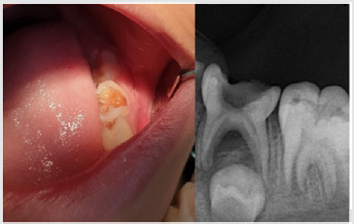
A child aged 7 years old with chronic infection related to the lower left primary molar came to our clinic for treatment of the infected molar (Figure 1). Treatment was explained to the parents and written informed consent was taken from parents before start of the study. A detailed medical history and previous illness with a history of drug allergy were taken from the parents, then the mentioned primary molar was diagnosed clinically, the molar was badly decayed with signs of chronic infection such as: gingival swelling and tenderness to percussion. A radiographic examination was done and a per radicular radiolucency was found, with no excessive root resorption. Commercially available chemotherapeutic agents such as Ciprofloxacin (500mg) (Omacip, NPI Pharma, Oman), Metronidazole (500mg) (Anazol, JPI, Saudi Arabia), and Doxycycline (100mg) (Tabocine, TPMC, Tabuk) tablets were obtained [6,7], then these tablets were crushed into fine powder using sterile porcelain mortar and pestle. These powdered drugs were transferred into three separate sterile glass containers, capped tightly and stored in the refrigerator until its use. Just before use, each powdered drug was divided in the proportion of 1:3:3 (one part of Ciprofloxacin, three parts of Metronidazole, and three parts of Doxycycline) and were mixed with propylene glycol and polyethylene glycol to form an ointment. Reddy GA et al. Trairatvorakul and Detsomboonrat, Jaya et al., Cruz et al. also followed the similar protocol of preparation of 3MIX antibiotic paste [8-11].

Figure 1: Preoperative illustration.

Lupinepublishers-openaccess-pediatric-dentistry-journal

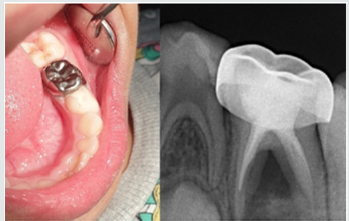
Figure 2: Postoperative illustration.

Lupinepublishers-openaccess-pediatric-dentistry-journal

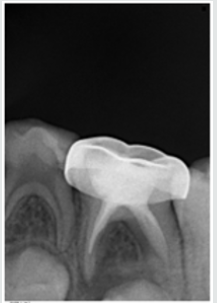
Preoperative clinical and radiographical signs and symptoms were recorded. The tooth was anesthetized using 2% Xylocaine with 1:80,000 adrenalin and isolated with rubber dam. Access opening was performed using round bur, Biomechanical preparation was done using k files from size 10–25. The root canals were chemically cleaned with 1% sodium hypochlorite solution and dried with paper points. The 3MIX-MP paste placed in the pulp chamber and pressed with dampened cotton pellet and temporized with Cavit. The patient was recalled after 2 weeks for evaluation. The tooth was obturated with reinforced zinc oxide eugenol (IRM, Dentsply) using lentulo spirals. Then restored with glass ionomer restorative material (Riva self-cure, SDI) and reinforced by placing stainless steel crowns (Figure 2). Further, the treated tooth was reevaluated both clinically and radiographically at 3rd, 6th, and 12th months intervals postoperatively (Figure 3). At the time of revisits, the tooth was examined clinically for any signs of failure that includes a report of spontaneous pain, presence of swelling, sinus tract and mobility. Radiographic evaluation was done to check the radiolucency and signs of resorption. The tooth was asymptomatic without pain, swelling, sinus tract and mobility also there was no increase in furcation radiolucency or development of root resorption which is abnormal for the age of the child.

Figure 3: 12 months Follow up.

Lupinepublishers-openaccess-pediatric-dentistry-journal

Results

Excellent clinical and radiographic success when compared to conventional pulpectomy and non-instrumentational lesion sterilization tissue repair therapy.

Discussion

This study was approved by “Research Ethics Committee, Taibah University, College of Dentistry, TU CD-REC”. The concept of Non-Instrumentation Endodontic Therapy introduced by Niigata university school of dentistry; Japan has gained reputation as it proved to attain 100% sterility in the root canal system [12- 15]. They recommended a technique similar to pulpotomy where debriding only the pulp chamber of chronically infected primary teeth and placing medicament (ciprofloxacin, metronidazole, and minocycline) near the root orifice without preparing the radicular portion. Cruz et al. suggested vehicles such as macrogol and propylene glycol (3MIX–MP) and demonstrated that these vehicles will carry the medicament deep into the dentinal tubules, thus aid in effective eradication of bacteria [11]. Metronidazole (Nitroimidazole compound) due to its wide spectrum of antibacterial action against anaerobes (Ingham et al. 1975) gained importance as the 1st choice drug for triple antibiotic paste preparation [16,17]. Metronidazole binds to the DNA and disrupts its helical structure and thus leads to rapid cell death. However, metronidazole even at higher concentrations could not eradicate all the bacteria thus indicating the necessity of some additional drugs to sterilize these lesions [15]. The two other antibacterial drugs, i.e. ciprofloxacin, and minocycline, in addition to metronidazole (3MIX) were added in an effort to eliminate all bacteria [8,10,15,18]. The 2nd choice of drug ciprofloxacin is a synthetic fluoroquinolone with rapid bactericidal action. It inhibits the enzyme DNA gyrase of bacteria. It exhibits very potent activity against Gram-negative bacteria but very limited activity against Gram-positive bacteria. Most of the anaerobic bacteria are resistant to ciprofloxacin. Hence, it is often combined with metronidazole in treating mixed infections. The 3rd choice of drug was minocycline. It is a semisynthetic derivative of tetracycline, primarily bacteriostatic, inhibiting protein synthesis by binding to 30S ribosomes in susceptible organisms and exhibits broad spectrum of activity against Gram-positive and Gramnegative microorganisms [3].

In our present study we replaced Minocycline with Doxycycline due to the difficulty in obtaining Minocycline, and before using the Doxycycline as a replacement we have done further searches for previous studies to ensure that both medications have the same effect and this replacement will not affect the efficacy of the mentioned mix. The already done studies concerning the difference between both Doxycycline and Minocycline revealed that still no statistically significant differences had been demonstrated in clinical trials when comparing Minocycline with Doxycycline, and investigators had concluded that both are equally effective. And they differ in their adverse event profile [19]. Considerably fewer adverse effects have been reported for Doxycycline than Minocycline; the adverse effects for Minocycline are 5 times more common than for Doxycycline [19]. We have followed the same protocol of Reddy GA et al. of extirpation of both necrotic coronal as well as all accessible radicular pulp tissue and then complete obturation, which is reported successful clinically over 16th month follow-up [9]. Although the previous studies have demonstrated that the LSTR (Lesion Sterilization Tissue Repair) technique as one of the successful techniques for management of chronically infected primary teeth, the controversies aroused about the duration of therapeutic activity of the medicament and leaving the infected material in the radicular region. So that the present study planned where in treated tooth were revisited after 2 weeks for medicament removal and obturation.

Conclusion

All the primary teeth with chronic infection which were treated using modified 3MIX-MP, followed by the instrumentation and obturation provided excellent clinical and radiographic success when compared to conventional pulpectomy and noninstrumentational lesion sterilization tissue repair therapy.

Read More About Lupine Publishers Journal of Pediatric Dentistry Click on the Below Link:

https://lupine-publishers-pediatric-dentistry.blogspot.com/


Tuesday, 19 September 2023

Lupine Publishers | Non-Hodgkin Lymphoma of Hard Palate

 Lupine Publishers | Scholarly Journal of Otolaryngology


Abstract

Oral cavity lesions are common complaints in clinical ENT settings. They are often misdiagnosed as a periodontal disease or granulomas. A 43-year-old male came to the our OPD with complaints of hard palate swelling on the right side for 1 year coupled with a swelling on the floor of the mouth for 2 years.

Keywords: Non-Hodgkin Lymphoma; Lymphoma; Hard Palate; Tumor; Maxilla

Introduction

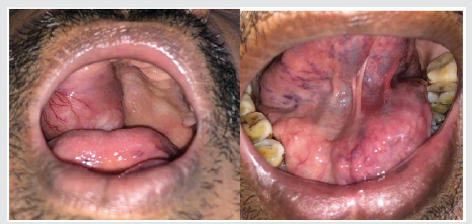
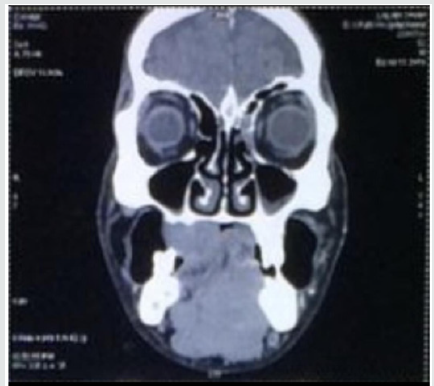
Lymphomas are primarily tumours of lymph nodes. They are further classified as Hodgkin lymphoma and Non-Hodgkin lymphoma. Non-Hodgkin lymphoma is primarily present in Lymph nodes. Its extra nodal presentation includes sites like GI tract, Waldeyer’s ring, lung, liver, spleen, bone, skin. However, it is rare to find Non-Hodgkin lymphomas in oral cavity and are thus often misdiagnosed. Vigilant clinical examination, radiological investigations and histopathological reports help in identifying the disease at an early stage. We therefore emphasize on a voracious workup to hasten diagnosis and early treatment. We report a rare case of a 43-year-old male presenting with a hard palate swelling (Figure 1). The swelling was associated with pain during chewing. His contrast enhanced CT face/neck was suggestive of soft tissue mass involving right half of hard palate up to the midline with bony erosion of the floor of maxillary sinus. Excision of growth was done and sent for Histopathology. Histopathology report of this growth showed Follicular B cell lymphoma.

Figure 1: The Human Normal Eye Anatomy.

Lupinepublishers-openaccess-otolaryngology-journal

Case Report

A 43-year-old male presented with complaints of swelling over the right half of the hard palate for 2 years along with swelling over the floor of the mouth on the left side for 1 year. He gave history of tobacco chewing for 15 years along with significant weight loss. The patient presented to us 2 years back when the lesion initially presented, failing to follow up. Examination: On intraoral inspection a 6*4*4cm lesion on the right side of hard palate extending from upper right canine to the third molar, crossing the midline. The swelling was firm, with visible dilated veins, without scars, sinuses or pulsations. On palpation it was cystic to firm in consistency, smooth, without any local rise of temperature. On inspection an ovoid, solitary swelling on the left side of floor of the mouth, measuring 5.5*3*3 cm was noted which occluded the gingivolabial sulcus without signs of scars, sinuses, discharge from the swelling. The swelling was firm and non-tender. Indirect laryngoscopy examination was normal.

Investigations

A Face CT along with that of paranasal sinuses was ordered so as to estimate the extent of the swelling which was suggestive of a soft tissue lesion involving the right hard palate, upper alveolus and bony erosion of the floor of the maxillary sinus. The swelling also extended posteriorly up to the right superior retromolar trigone causing erosion of the right medial pterygoid plate. The scan also revealed multiple non necrotic cervical lymph nodes on bilateral level Ib, II and Va. Following this an excision biopsy was planned for further evaluation (Figure 2). The samples were sent for histopathological evaluation. Biopsy revealed Lymphoid tissue arranged in variable sizes separated by thin and thick fibro cartilagenous septae was seen suggestive of? Non-Hodgkin lymphoma. For definitive diagnosis and to measure the extent/ spread of the condition FNAC of the cervical lymph nodes and Bone marrow aspiration was performed.

Figure 2: The Human Normal Eye Anatomy.

Lupinepublishers-openaccess-otolaryngology-journal

The samples were also subjected to Immunohistochemistry for classification, subtyping and further management. FNAC of the cervical lymph node showed similar morphology as that of the palatal swelling. Bone marrow aspirate had a hypercellular marrow with 25% lymphocytes. IHC Markers used were CD20(clone L26), CD3(CLONE PS1), CD5(CLONE SP19), CD43(CLONE DF-P1), CD10(CLONE 56C6), Bcl2(CLONE 100/B5), Bcl6(CLONE-PG- B6P), Ki67 which reported as: IHC markers that turned out to be positive were - CD20(CLONE L26)- Positive; CD10- focal positive; Bcl2- positive; Bcl2- positive; Bcl6- positive; Ki67- 15-20% in neoplastic follicles. IHC markers that were negative are - CD3- negative; CD5- negative; CD43- negative; He was thus diagnosed as a case of Non- Hodgkin – Follicular lymphoma grade II. The patient was referred to the Department of Medicine Oncology for further management.

Discussion

Lymphomas are primary tumour of lymph nodes. They have been majorly divided as Hodgkin lymphomas and Non-Hodgkin lymphoma. Named after Dr Thomas Hodgkin who identified the cells for the first time. NHL is further classified as B cell or T cell lymphomas depending on the cells they affect. GI tract is the most common extra nodal site for NHL followed by Oral cavity. Within oral cavity, Waldeyer’s ring is the most common area to be affected, other including mandible, hard palate, nasopharynx, parotid gland, paranasal sinuses, thyroid gland and orbit [1]. Incidence of oral cancers is high due to addiction to tobacco. Presentation of NHL with primary site in oral cavity is rare. The mean age of presentation of NHL is 42 years of age. and its incidence increasing as the age advances. They are ranked fifth in terms of cancer incidence and mortality worldwide [2]. Majority Non-Hodgkin lymphomas are that of B cell origin type. Presentation of the lymphomas in the oral cavity are usually tooth ache, numbness, painless swelling [3] The differential diagnosis for such swelling can be that of an infective aetiology, hence all baseline investigations like a complete blood count is equally mandatory. The presenting symptoms for lymphomas are an unexplained, painless swelling of the lymph node, , gradually increasing in size either in the neck, axilla or the groin region. It can also be associated with B symptoms (symptoms whose, presence or absence has an impact on outcome of disease) such as fever, night sweats, abdominal pain, unexplained weight loss.

Majority of the NHL’s are B cell in origin. In our patient the immunohistochemistry was CD20 (Pan B cell marker) positive, CD3 negative(Pan T cell marker) suggestive of Follicular lymphoma. The aetiology of Non-Hodgkin lymphoma remains unknown. It shows a strong association with immunocompromised patients [4]. In our patient there was no evidence of any immunocompromised state, His serological status was Negative for HIV. Lifestyle factors like smoking, tobacco chewing have all direct adverse effects with Non- Hodgkin lymphomas. There is a twofold risk for NHL in cigarette smokers and three-fold in bidi smokers [3] Standard treatment modalities for NHL is chemotherapy. Generally, a combination of Chemotherapy (cyclophosphamide, doxorubicin, vincristine, prednisone) and radiation is recommended [5].

Conclusion

Non-Hodgkin lymphomas of hard palate are a rare entity. Clinicians attending patients who come with growth in the oral cavity, or over the hard palate must rule out NHL as their differential diagnosis [6,7]. When detected in time, at early stages and treated either surgically or by chemotherapy, the prognosis of such patients is good [8].

Read More About Lupine Publishers Journal of Otolaryngology Please Click on the Below Link:

https://lupine-publishers-otolaryngology.blogspot.com/


Monday, 18 September 2023

Lupine Publishers | About the Influence of Evaporation at Filtration in a Rectangular Interchange with a Particularly Unpermatable Vertical Wall

 Lupine Publishers | Current Investigations in Agriculture and Current Research


Abstract

We consider a plane steady-state filtration in a rectangular bridge with a partially impermeable vertical wall in the presence of evaporation from a free surface of groundwater. To study the effect of evaporation, a mixed multi parametric boundary-value problem of the theory of analytic functions is formulated and using the method of P. Y. Polubarinova-Kochina. Based on the proposed model, an algorithm is developed to calculate the dependence of efficiency and productivity of hydrodynamic analysis.

Keywords: Filtration; Evaporation; Jumper; Ground water; Free surface; Polubarinova-Kochina method; Complex velocity; Conformal mappings; Differential equations of the Fuchs class

Introduction

As it is known [1-6], the exact solution of tasks on inflow of liquid to an imperfect well with the flooded filter (i.e. an axisymmetric task) or the tubular well representing an impenetrable pipe with the filter in its some part is connected with great mathematical difficulties and so far isn’t found. Therefore in due time as the first approach to the solution of similar tasks some corresponding flat tasks analogs about a filtration to imperfect rectilinear gallery in free-flow layer [4,7] and in a rectangular crossing point with partially impenetrable vertical wall were considered [8]. It should be noted that areas of complex speed of the specified cases allow applying by means of inversion at the decision Christoffel- Schwartz’s formula.

In work [9] it is shown that the current picture near the impenetrable screen significantly depends not only on imperfection of gallery, but also on evaporation existence that is strongly reflected in an expense of gallery and ordinate of a point of an exit of a curve depression to an impenetrable wall.

In the real work the exact analytical solution of a task on a current of ground waters through a rectangular crossing point with partially impenetrable vertical wall in the presence of evaporation from a free surface of ground waters is given. In this case in the field of complex speed, unlike [1,4,6-8] there are not rectilinear, but circular polygons that doesn’t give the chance to use classical integral of Christoffel-Schwartz. For the solution of a task P.Y. Polubarinova-Kochina’s method is used [1-6]. By means of developed for areas of a special look [10-12] which are characteristic for problems of an underground hydromechanics, ways of conformal display of circular polygons [13-19] decides mixed multiple parameter tasks of the theory of analytical functions. The accounting of characteristics of the considered current allows to receive the decision through elementary functions that does its use by the simply and convenient. The provided detailed hydrodynamic analysis gives the flavor about possible dependence of filtration characteristics of the movement on all physical parameters. The received results, at least, qualitatively can be postponed for a case of tubular wells.

Formulation of the Problem

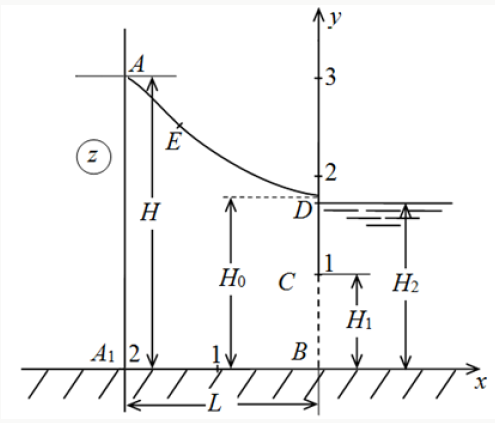
In Figure 1 the rectangular crossing point with slopes of AA1 and DB on the impenetrable horizontal basis of length of L is presented. Water height in the top tail of Н, lower tail with water level of Н2, having partially impenetrable vertical wall CD (screen), adjoins a layer sole. If the working part of the crossing point CB (filter) of width of H1 is flooded, H2>H1, an interval of seepage, usual for dams, is absent [1]. The upper bound of area of the movement is the free surface of AD, coming to the disproportionate CD, screen to which there is a uniform evaporation of intensity ε(0<ε<). Soil is considered uniform and isotropic, the current of liquid submits to Darci law with known coefficient of a filtration κ=const.

Figure 1:

Lupinepublishers-openaccess-Agriculture

We will enter the complex potential of the movement ω =ϕ + iψ ( φ–speed potential, ψ–function of current) and complex coordinates z = x + iy , carried respectively κH and H, where H – a pressure in A point. At choice of system of coordinates specified Figure 1 and at combination of the plane of comparison of pressures with the y=0 plane on border of area of a filtration the following regional conditions are satisfied:

Lupinepublishers-openaccess-Agriculture

The task consists in definition of provision of a free surface of AD and finding of ordinate of H0 – points of an exit of a curve depression to the impenetrable screen, and also a filtration expense of Q.

Creation of the Decision

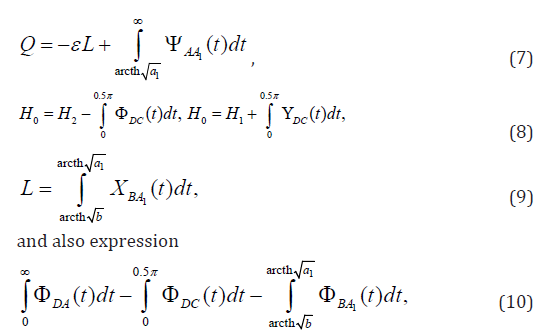
For the solution of a task we use P Y Polubarinova-Kochina’s method which is based on application of the analytical theory of the linear differential equations of a class of Fuchs [1-6,20]. We will enter: auxiliary area t–semi-strip Ret >0, 0<Imt < 0.5π a parametrical variable t at compliance of points tA =∞, 1 1 0.5 , 0.5 A B t = arcth a + π t = arcth b + π i (1<a1<b<∞), a1, b – unknown affixes of points A1 and B in the plane , 0.5 C t t = π i and 0 D t = ; function z(t), conformally displaying a plane t semi-strip on area z, and also derivative dω/dt и dz/dt. We will address to area of complex speed of w, corresponding to boundary conditions (1) which is represented a circular quadrangle of ACDE with a section with top in E point (the corresponding inflection point of a curve depression) and a corner Πν = 2arctg ε at A, top belongs to a class of polygons in polar grids and was investigated [12-19] earlier. It is important to emphasize that similar areas, despite the private look, however are very typical and characteristic for many problems of an underground hydromechanics: at a filtration from channels, sprinklers and reservoirs, at currents of fresh waters over based salty, in problems of a flow of the tongue of Zhukovsky in the presence of salty retaining waters (see, for example, [9,21]).

The function making conformal display of a semi-strip to area of complex speed of w, has a former appearance [9]

Lupinepublishers-openaccess-Agriculture

Where С (C ≠ 1) – some suitable material constant.

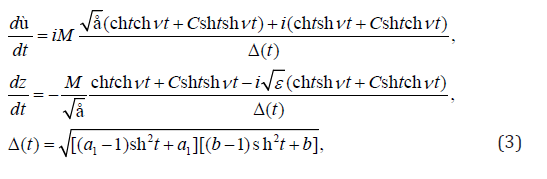
Defining characteristic indicators of the dω/dt and dz/dt functions about regular special points [1-6, 20], considering that w=dω/dz and in view of a ratio (2), we will come to dependences

Lupinepublishers-openaccess-Agriculture

Where М>0 – a large-scale constant of modeling.

It is possible to check that functions (3) meet the boundary conditions (1) reformulated in terms of the dω/dt и dz/dt, functions and, thus, are the parametrical solution of an initial regional task. Record of representations (3) for different sites of border of a semistrip with the subsequent integration on all contours of auxiliary area of the parametrical t leads to short circuit of area of a current and, thereby, serves as control of calculations.

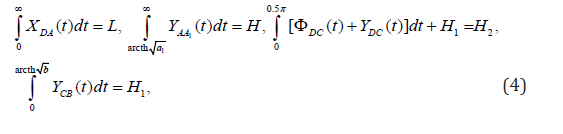
As a result we receive expressions for the set sizes: width of the L crossing point, water level in the top H and the lower H2 the tail`s and lengths of H1 of the filter

Lupinepublishers-openaccess-Agriculture

and also required coordinates of points of a free surface AD

Lupinepublishers-openaccess-Agriculture

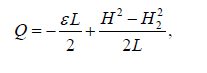
and expressions for a filtrational expense of Q and ordinate of a point of an exit of a free surface to the screen

Lupinepublishers-openaccess-Agriculture

Control of the account are other expressions for sizes Q, H0 and L

Lupinepublishers-openaccess-Agriculture

directly following from boundary conditions (1).

In formulas (4)-(10) sub integral functions–expressions of the right parts of equalities (3) on the corresponding sites of a contour of auxiliary area t. Limit case. At merge of points of A and A1, in the plane t, at a1→1 (arcth a1=∞) the crossing point degenerates in freeflow layer semi-infinite at the left and the task about a current of ground waters to imperfect gallery investigated earlier [9] turns out.

Calculation of the Scheme of A Current and Analysis of Numerical Results

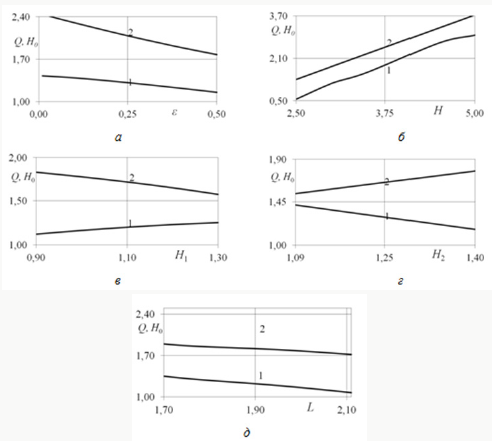
Representations (3)–(10) contain four unknown constants of M, C, a1 and b. The parameters a1, b (1< a1<b<∞), C (C ≠ 1) are defined from the equations (4) for the set sizes H1,H2 (H1≤H2<H) and L, constant modeling of M thus is from the second equation (4), fixing water level H in the top tail of a crossing point. After definition of unknown constants consistently there is a filtration expense of Q ordinate of H0 of a point of an exit of a curve depression to an impenetrable site DC on formulas (6) and coordinates of points of a free surface of DA on formulas (5). In Figure 1 the current picture calculated at ε=0.5 , H=3, L=2, H1=1.0, H2=1.4 (basic option [9]) is represented. Results of calculations of influence of the defining physical parameters ε, H, H1, H2 and L at sizes Q and H0 are given in Tables 1 & 2. In Figure 2 dependences of an expense of Q (curves 1) and ordinates H0 of an exit of a curve depression to the screen (curves 2) from parameters ε, H, H1, H2 and L. Рис.2 Dependences of the sizes Q and H0 from ε (а) at H=3, L=2, H1=1 H2=1.4, , from H (б) at ε=0.5, L=2, H1=1, H2=1.4; от L(в) at ε=0.5, H=3, H1=1, H2=1.4; from H1 (г) at ε=0.5, H=3, L=2, H2=1.4; from H2(д) при ε=0.5, H=3, L=2, H1=1.

Figure 2: Dependences of the sizes Q and H0 from ε(а) at H=3, L=2, H1=1 H2=1.4, from H(б) at ε=0.5, L=2, H1=1, H2=1.4; от L (в) at ε=0.5, H=3, H1=1, H2=1.4; from H1(г) at ε=0.5, H=3, L=2, H2=1.4; from H2 (д) при ε=0.5, H=3, L=2, H1=1.

Lupinepublishers-openaccess-Agriculture

The analysis of these tables and schedules allows drawing the following conclusions. First of all opposite qualitative nature of change of the sizes Q and H0 at a variation of parameters attracts attention ε, H and L (Table 1): also, as well as earlier [9] reduction ε and increase H is led to increase of an expense and ordinates of an exit of a curve depression to the screen. Thus, in relation to a filtration in a crossing point reduction of intensity and evaporation plays the same role, as well as increase in a pressure. Thus the greatest influence on the sizes Q and H0 renders a pressure: at increase of parameter H by only 1.2 times the expense and ordinate increase more, than 52 and 24% respectively. Essential interest is represented by dependences of an expense of a crossing point and ordinate of a point of an exit of a free surface to the screen from water level of H2 in the lower tail, and also from extent of deepening of the screen, i.e. from the size H1 at fixed ε, H and L (Table 2). Here as well as concerning parameters ε and H observed opposite qualitative nature of change of the sizes Q and H0 at a variation of H1 and H2. It is visible that increase in water level of H2 in the lower tail and reduction of deepening of the H1 screen are followed by reduction of an expense and raising of a free surface that, in turn, it is expressed in increase in H0; both of these factors characterize strengthening a sub time.

Table 1: Results of calculations of the sizes Q and H0 at a variation ε, H and L.

Lupinepublishers-openaccess-Agriculture

Table 2: Results of calculations of the sizes Q and H0 at variation H1 and H2.

Lupinepublishers-openaccess-Agriculture

Follows from Table 1 and Figure 2 that reduction of the H1 и H2 parameters respectively at 1.45 and 1.29 times attracts change of size Q for 16.8 % (at fixation of H1) and 12 % (at fixation of H2). Noted regularities lead to the conclusion that the expense of a crossing point depends on the size of lowering of the level in a little bigger degree, than on filter length (or from imperfection of a well or a well). From Figure 2 it is visible that for basic option almost all dependences of the sizes Q and H0 on parameters ε, H, H1, H2 and L are close to the linear. Comparison of the results received for basic option Q=1.155 and H0=1.776 with results Q=1.141 and H0=1.768 for basic option [9] where the current area was limited equipotential at the left shows that the relative error is very small and makes only 0.5 and 1.3% respectively.

Comparison of value of the expense Q=1.16, received for basic option to Q=1.26, value which follows at application of the generalized I.A. Charny’s formula [1, with. 267] for a usual rectangular crossing point (without screen) in the presence of evaporation leads 8.3% to an error.

Lupinepublishers-openaccess-Agriculture

For comparison with results [7] we will consider option ε=0.1, H=1, L=4, H1=0.05, H2=0.238 for which Q=42, H0=0.75 is received, and, therefore, relative errors make respectively 71 and 61%. Thus, as well as in [9], here too evaporation significantly influences a current picture.

Conclusion

The technique of creation of the exact analytical solution of a task on the movement in liquid in a rectangular crossing point with the screen in the presence of evaporation from a free surface of ground waters is developed. It is shown that the current picture near the impenetrable screen significantly depends not only on the filter size, but also on evaporation existence that is strongly reflected in an expense and ordinate of a point of an exit of a curve depression to the screen. The received results give an idea (at least qualitatively) of possible dependence of characteristics of a current by consideration of a task about a filtration already to an imperfect well or a tubular well.

Read More About Lupine Publishers Journal of Agriculture and Current Research Please Click on the Below Link: https://lupinepublishers-agriculturalsciences.blogspot.com/


Saturday, 16 September 2023

Lupine Publishers | A Control Study of Calligraphy Training Plus Drug Treatment in The Intervention of Anxiety Disorder

 Lupine Publishers | Journal of Complementary & Alternative Medicine


Abstract

Background: Chinese calligraphy handwriting (CCH) enhances one’s cognitive, emotional, and physiological functions. Its applications have shown effective improvements in psychological, psychosomatic, behavioral, and clinical disorders, including anxiety symptoms associated with neurosis, depression, schizophrenia, and cancers.

Objectives: We tested the effects of a combined CCH plus Venlafaxine training as a new treatment method, which involved the use of anti-anxiety drugs together with CCH training for a new system of behavioral intervention.

Methods: 60 patients meeting the criterion of CCMD-3 for anxiety disorder were assigned randomly to the Exp Group (N-31) or the Control Group (N-29) for an eight-week protocol. The Exp Group was given both Venlafaxine and the CCH training, whereas the Control Group received only Venlafaxine. Effects were evaluated with the Hamilton Anxiety Scale (HAMA), Self-Rating Anxiety Scale (SAS), and Clinical Global Impression Scale (CGI) before and after 2, 4, 8 weeks of treatment, respectively.

Results: The Total Scores of HAMA, SAS, CGI in the Exp Group showed significant improvements after 4 and 8-weeks of the treatment (p<.05). All Pre-Post t-tests for the Exp Group in all three measures reached P<0.01 level, whereas those for the Control Group reached P<0.05 level of significance, both after the 8th week. postt-tests after the 4th week showed P<0.05 for the Exp Group, but not for the Control Group in any of the measures.

Conclusion: Treatment by CCH plus Venlafaxine resulted in better effects than using only Venlafaxine for anxiety disorders. The combined drug and CCH intervention offers effective clinical outcomes

Background

Anxiety disorder, i.e., anxiety neurosis, includes generalized anxiety disorder, panic disorder, social anxiety disorder (social phobia), and various phobia-related disorders. One can have more than one anxiety disorder. Sometimes anxiety results from a medical condition that needs treatment. Anxiety disorders are generally treated with cognitive behavior therapy (CBT), antianxiety medication as well as stress management techniques, including meditation and biofeedback. Several Chinese medical practices of acupuncture, Qigong, Taiqi and calligraphy training have shown positive effects on anxiety and depression Xu, et.al. [1]. Chinese calligraphy handwriting (CCH) enhances one’s cognitive, emotional, and physiological functions Kao, [2,3]. Its applications in behavioral, psychosomatic, and cognitive disorders have shown positive improvements, including anxiety symptoms in patients with schizophrenia Fan, et.al. [4]. neurosis Kao, et.al. [5]. and depression Kao, et.al. [6]. and PTSD Zhu, et. al. [7]. In addition, similar states of anxiety and profiles of moods have also been investigated on patients with breast cancer Liu, et.al. [8], Nasopharyngeal Carcinoma cancer Yang, et.al. [9]. as well as conditions of depression associated with cancer patients in a scoping review Wagner, et.al. [10] A recent study of World Health Organization (WHO) has identified and praised our CCH therapy as an effective treatment of stress and anxiety conditions and behavioral change of the childhood survivors of the massive 2018 Sichuan Earthquakes Foucourt et.al. [11].

Above all, a series of brain imaging studies have provided encouraging evidence of the CCH’s varied training effects and influences on the practitioner from a fundamental neuroscience perspective. One study using fMRI technique has found that longterm CCH training may be associated with improvements in specific aspects of executive functions and strengthened neural networks in related brain regions Chen W, et.al. [12]. Another recent VBM study suggested that CCH training may improve attention and influence brain structures through mental processes such as meditation Chen W, et.al. [13]. These research studies provided theoretical support to the clinical effects of calligraphy training for clinical application in the present study. No direct comparisons on treatment effects between calligraphy training and drug treatment have been attempted in the past dealing with any psycho-emotional disorders. Thus, the present study explored the therapeutic effects of calligraphy training plus Venlafaxine on patients with anxiety disorder, testing the efficacy of both the anti-anxiety drug and a calligraphy-based behavioral intervention.

Method

Participants

Sixty patients who met the criterion of CCMD-3 for anxiety disorder participated in the study. They were outpatients or inpatients of Binzhou Mental Health Center from March 2003 to March 2005. All of them had a HAMA (Hamilton Anxiety Scale) score not lower than fifteen and an SAS (Self-Rating Anxiety Scale) score not lower than fifty. They had neither serious physical diseases nor serious suicidal tendencies. Participants were assigned randomly to experimental group or control group treatment based on their visit consequence. The study group was given venlafaxine in addition to calligraphy training while the control group was given venlafaxine only. In the experimental group, there were 31 patients with an average age of 32.4±7.8 years and an average span of disease 15.4 ±12.8 months, with 13 male and 18 female, 10 outpatients and 21 inpatients. Another 29 patients were in the control group, consisting of 14 male and 15 female, 9 outpatients and 20 inpatients. The average age was 30.5±8.6 years and the average span of disease was 16.4±10.7 months. Patients in both groups had educational levels above junior secondary school. Comparisons of the two groups based on any aspect mentioned above attain no significance both for the Chi-square test and for the T-test (p >.05).

Procedure

Drug therapy: After a two-week washout period, all the participants were given venlafaxine, with a dose of 50 mg/d at the beginning and adding to 200-250 mg/d within 2-3 weeks accordingly. The medicine was taken fifteen minutes after breakfast and after supper. Calligraphy training: In addition to the Venlafaxine, patients in the experimental group had calligraphy training five times a week for a period of eight weeks, for two hours per session. Calligraphy training was explained and directed by two disciplined psychiatrists and two nurses in the Handwriting and Painting Room, to ensure that the participants understood the training objectives, meanings, and the operation methods as well. Participants were asked to write characters of varying levels of difficulty. For the inpatients, we examined and kept track of their training completion status as well as their emotional regulation. For the outpatients, we did not offer any instructions at any time, so we gave them calligraphic assignments according to their actual situation, asking them to perform calligraphy handwriting for two hours every day and have subsequent visit every week. We asked about their disease progress in the past week and regularly evaluated their calligraphic writing and shared the experience of calligraphic handwriting. During the process of calligraphic writing, the participants established consciousness of self-control and relieved anxiety emotion by developing an interest in calligraphy.

Treatment Evaluation HAMA, SAS and CGI (Zhang, 2001) were used as indications in the evaluation of treatment effects, and they were evaluated by two associate chief physicians (the Kappa test for consistency equals to .89). Participants were administered these tests before treatment and 2, 4, 8 weeks after the beginning of the treatment. Three patients in the experimental group and two patients in the control group dropped out, and their absence did not cast influence on the statistical results for either the experimental or control group. Clinical effects were assessed in four grades according to the HAMA score-reduction rate: >75% -clinical recovery; 50%-75% -significant progress; 25%-49%-improve; <25%- no effect (Zhou & He, 2005). The first three grades were marked effective.

Results

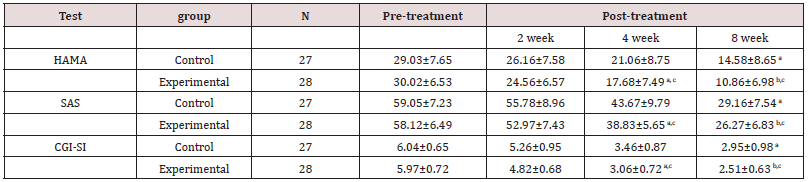
The comparisons of clinical effects of CCH treatment between the experimental group and control group are provided in the Table 1 below. Results showed that the effective rates of 2-, 4-, and 8-weeks’ treatment in the experimental group were 28.5%, 57.1% and 71.4% respectively while corresponding rates were 14.8%, 29.6% and 44.4% in the control group. Chi-square test showed the differences of the two groups were significant, indicating calligraphy training plus Venlafaxine was more effective than merely venlafaxine therapy in the treatment of anxiety disorder. The comparisons between pre-and post- CCH treatment effects in HAMA, SAS and CGI of the two groups are given below. Results indicate that pretreatment comparisons of the two groups in HAMA, SAS and CGI-SI were non-significant (p>. 05). After 4-week and 8-week treatments, HAMA, SAS and CGI-SI scores in experimental group decreased significantly compared with those of pre-treatment (p<.05 or p<.01); in the control group, the drug therapy only took effect after an 8-week treatment (p<.05). Between-group comparisons of 4-week and 8-week post-treatment tests also showed significant differences between experimental group and control group. These results demonstrated a more rapid and greater improvement when the patients also proceed with calligraphy training besides antianxiety drugs treatment.

Table 1: comparison within group a p<.05, b p<.01; Comparisons between groups c p<.05.

lupinepublishers-complementary-alternative-medicine-journal

Discussions

Long-term calligraphy training brings practitioners into a composed, stable, and tranquil state, helping them to relieve from anxiety and emotional tension and to maintain physical and mental health Kao, [1]. Abundant evidence has showed that calligraphy handwriting has positive effects in assisting our brain in achieving a state of intense concentration, in regulating our emotions as well as antagonistic system Kao et.al. [3]. When performing calligraphy, practitioners are concentrated in performing control writing activities and try to reduce influence from environment so that they can easily enter a state of tranquility and relaxation. Such a stable and relaxed states enable anxiety patients to reduce the bias of attention which makes them selectively pay attention to those closed to depressed emotion. This is a diversion of attention, helping the anxiety patients to focus less on things that lead to fears and anxiety Kao,[14]. There are studies investigating the relation between calligraphy practice and emotional response. They have provided firm evidence to show effects of calligraphy in helping practitioners to regulate their emotion by changing and adjusting their respiration, heart rate and blood pressure Kao,[13]. Huang and his colleagues Kao,[13]. found that there were significant differences between people with calligraphy experience and those without in terms of self-report symptom inventory, and those with long-term calligraphic experience possessed better mental health. Additionally, calligraphy practice has obviously positive effects in fear reaction Luo, et.al. [15]. Luo et al [14] found that under intense working environments, practicing calligraphy for half an hour every day for one month can reduce positive symptoms, relive emotional tension, and help to regulate emotion [Table 2].

Table 2: comparison with pre-treatment, a p<.05, b p<.01; Comparisons between groups c p<.05.

lupinepublishers-complementary-alternative-medicine-journal

Results of the present study indicate that the experimental group has more rapid and greater effect in anxiety reduction than the control group. In addition, patients’ subjective experience was better when practicing calligraphy. For example, some patients said they were able to concentrate their attention and empty out all other thoughts from their mind, they had stable emotion and good mood, and that they felt emotional relief after calligraphy training. Though the sample was not large, we can see that calligraphy training can significantly improve state of depression and anxiety in the short term, so as to reduce anxiety symptoms and bolster the effects of drugs. These results are consistent with those reported by Calligraphy practice can be quite easy and convenient, since it can be carried out out at home to facilitate physical and mental health and reduce recurrence rate of diseases. Short-term treatment and observation is far from enough to evaluate the effects of any therapy method. We need to proceed with long-term follow up interventions, to grasp patients’ state of mind and give psychological consulting based on an overall consideration of various factors. It is a process of remolding personality, optimizing the environment, and a process full of difficulty and hardship. Further exploration is needed for influence of factors, such as patients’ personality, families, and social environment on the effects of treatment.

Read More About Lupine Publishers Journal of Complementary & Alternative Medicine Please Click on below Link:
https://lupine-journal-complementary-medicine.blogspot.com/