Showing posts with label Agricultural journal. Show all posts

Monday, 29 May 2023

Lupine Publishers | Effects of Urban Farming Practices on Income Poverty Reduction in Dodoma Municipality, Tanzania

 Lupine Publishers | Journal of Agriculture and Current Research


Abstract

The main objective of this paper is to reveal the less known effects of urban farming practices on income poverty reduction in Dodoma Municipality, Tanzania. Collected primary and secondary data were analyzed both manually and by the use of SPSS software in which descriptive statistics and multiple responses presented by frequencies and cross tabulation employed. The findings show that the male raised higher income (61.7%) compared to women (38.3%) resulted from urban farming practices. It also shows that the majority of urban farmers use rain water compared to other sources of water. The capital availability found to be a problem (73.3%); has income below TZS 90,000 per month. The study also revealed that urban farmers use poor technology in farming activities. However, the study found that urban farmers practice agro-forestry which help to prevent land degradation and to enrich soil fertility as well as acting as wind breakers and shade provision. It was found that, though urban farming practices contribute to reduce income poverty in the study area but there are some factors which found to hinder the improvement of urban farming such as inadequate water supply, inefficiency laws and by laws and lack of improved seeds due to insufficient capital. These problems can be minimized through early seed provision from government and NGOs, use of irrigation technology rather than depending on rainfall, efficiency and effectiveness implementation of laws and by-laws and increase area for urban farming as population increase in Dodoma municipality due to concentration of colleges/universities and government activities.

Keywords: Urban farming; Urban famers; Income poverty; Land degradation

Introduction

Background information

farming is very extensive in urban areas in developing countries. Urban farming includes activities such as crop farming, vegetables, gardening, livestock keeping and poultry. It is estimated that; urban farming is practiced by about two thirds of urban workforce in developing countries [1]. Urban farming could contribute to mitigating the two most intractable problems facing third world cities which are poverty and waste management. Urban farming is one of several food security options for households. Similarly, it is one of several tools for making productive use of urban open spaces, treating urban waste, saving or generating income and employment and managing fresh water resources more effectively ibid, 2000.

The main motivation for urban farming is food production and/or higher income for personal consumption or sale ibid, 2000. Tanzania economy is still depending on agriculture as its main stay. In the year 2015, the contribution of the agriculture to the total GDP has been around 29%, and contributed 70% to the total employment and 55% of the country’s foreign currency [2]. Dodoma urban as one of the semi-arid areas in the country, through municipal councils’ authorities set strategies on encouraging farmers to put priority on production of drought resistant crops such as cassava, millet, sorghum and sunflowers in all areas with an annual rainfall between 400mm-600mm (Municipal Agricultural and Livestock Development Officer, 2016). In Miyuji ward there was more than 13.6 hectares which were used for growing grapes and other plants but now only 6.2 hectares are used for these activities (Dodoma Municipal Report, 2016). This shows that there is a decrease in urban farming practices in Miyuji ward more than half of the area which planned for agriculture.

Statement of the problem and significance of the study

Dodoma municipal council has 196,000 hectares suitable for cultivation but only 137,200(70%) hectares have been cultivated. Out of cultivated area, 11433(12%) hectares are used for urban farming and only 1509(1.1%) hectares are used by small farmers in Dodoma municipal council. Urban farming in Dodoma was mostly practiced by farmers in Miyuji, Msalato, Veyula, Mzakwe, Makutupora and other areas in Urban and Peri-Urban (Dodoma Municipal report, 2016). About 68% of the estimated 16,579 human population (2016) in Miyuji ward are relying on arable farming and livestock keeping.

The ward estimated to have 3832 hectares of arable land but only 1734.7 hectares are used for farming (Miyuji WEO office report, 2016).Despite of the hectares used for urban farming in Miyuji ward is being decreasing, yet the living standard of people, especially urban farmers, is very poor in the ward. Therefore, this study intended to examine the effects of urban farming practices on income poverty reduction in Dodoma municipality. The findings of the study will be useful in reducing income poverty to urban farmers by promoting urban farming through identified constraints and opportunities facing urban farming practices and formulating competent national policies which will be used in improving urban agriculture, and help to add literature related to urban farming.

Research objectives

General objective: The main objective of this research was to examine the effects of urban farming practices on income poverty reduction in Dodoma municipality.

Specific Objectives: Specifically, the study was intended to:

Examine factors affecting the performance of urban farming practices in the study area

Examine contribution of urban farming on income poverty reduction in the study area.

Examine the effects of urban farming on the environment in the study area.

Conceptual framework

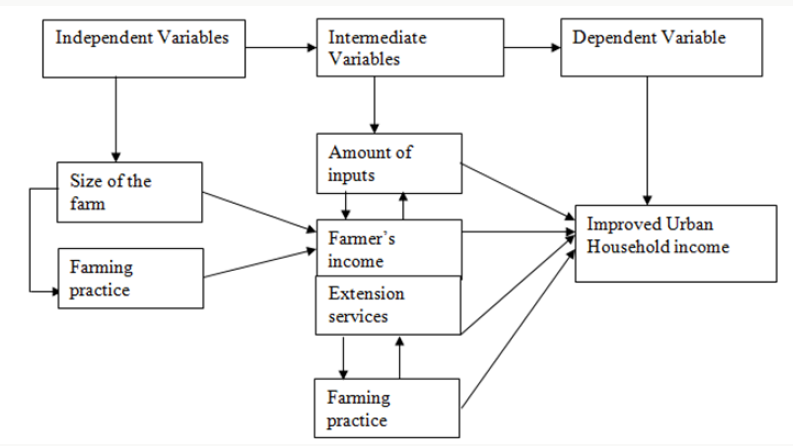
The primary interested variable of this study is the dependent variables which is assessment of urban farming practices. The intermediate variables will be used in attempt to explain the dependent variables; these variables are amount of inputs, farmers’ income, Extension services and farming practice. Independent variables acting on and operating through intermediate variables which cause or determine or influence dependent variable to occur. The Figure 1 below shows the conceptual framework in a clear and simple way.

Figure 1: Conceptual Framework of the Study.
Lupinepublishers-openaccess-Agriculture

Research Methodology

The study area

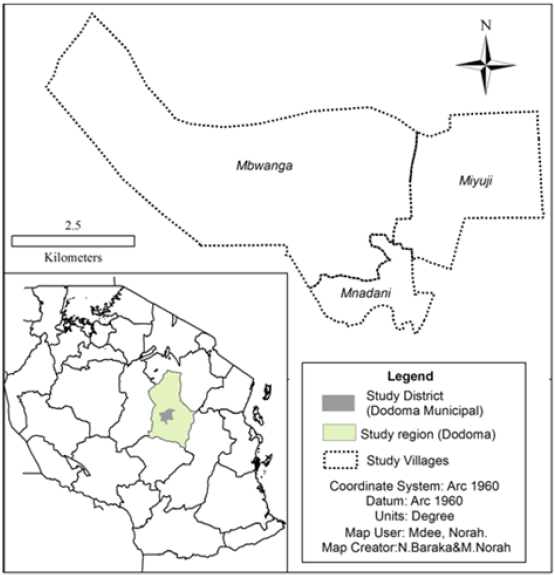
The researcher chooses Miyuji ward as the study area in Dodoma municipality due to the fact that, it is among the area which urban farming practices were given priority and there were planned land for such activities (Dodoma Municipal council report, 2016). Miyuji ward is located in urban area of Dodoma Municipality which lies between Latitude 60–6030/ South and longitude 3503/–36002/ East. Dodoma Municipality has an area of 421km2 of which 346km2 is arable land, 57.1km2 is residential and industrial area 17.9km2 occupied by natural resources and planted forests, mountains and non-arable land (Figure 2). According to projection basing on year 2012 population census, the current population of Dodoma municipality accounts to 446, 579 inhabitants, where by 240, 481 inhabitants live in urban areas and 206, 098 live in peripheral zone consisting of villages. The population size of Miyuji ward in 1988 was about 14,288; 2002 was about 15,779; and 2012 was about14, 965. This situation shows that the size of Miyuji was dramatically decline for about -0.47%/year from 2002 to 2012.

Figure 2: Map of the study area.
Lupinepublishers-openaccess-Agriculture

Data types and sources

Both primary and secondary data were used. Primary data such as income levels and farm sizes were collected in Miyuji ward by using household questionnaire. Secondary data such as number of extension workers, number of market centers were collected from street and ward executive offices by reading different reports and documents existent.

Sampling design

Sampling frame: A list of all households was used to pick respondents where a sample of 70 respondents was taken to represent the total population. Judgmental sampling was categorizing samples into different groups such as household with large arable land, household with small arable land, local leaders, extension workers (EW) and District Agricultural Officer (DAO)

Sampling unit: The sampling unit for this study was a household.

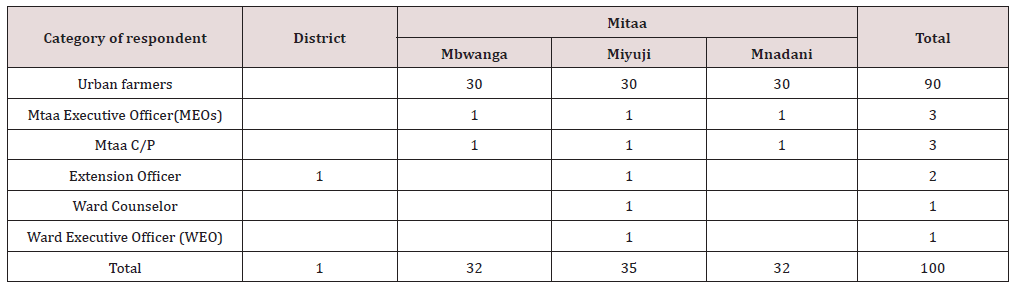
Sample size: The sampling size for this study was 100 (Table 1), which involves 90 households and key informants. Yamane (1967), provides a simplified formula for calculating sample size as follows:

n=N/1+N(e)2

Where: n=Sample size

N=Population size (Number of households in my case)

e=Level of Precision

In Miyuji ward: N=3684

e= 10% as recommended to social sciences

n=3684/1+3684(0.1)2

n= 97~100 households

Sampling procedure: Both probability and no-probability sampling techniques was used.

Probability sampling: The method was used to obtain the sample required by employing stratification where the population was divided into a number of homogenous sub-population and a sample helped the researcher to obtain 90 respondents.

Table 1: Respondent Sample Composition.
Lupinepublishers-openaccess-Agriculture

Non-probability sampling: The method was used to obtain the sample required by employing purposive sampling technique to select the 10 sample required to meet the objectives includes selection of AO (Agriculture Officers), MEOs (Mitaa Executive Officers), and WEO (Ward Executive Officer).

Data collection methods

Both primary and secondary data collection methods were used.

Primary data: Primary data was collected by using the following methods:

Interview: Structured questionnaire was used to enable face to face meeting in which the interviewer asked the interviewee questions and recorded responses. This method was used to obtain information from different respondents.

Observations: The method was used by visiting the selected areas to observe different things related to study such as how urban farming is practiced.

Focused group discussion: Focused group discussion enabled respondents to express and exchange their views on how they practice urban farming. This group involved Mtaa C/p, Extension officer, and few urban farmers. Group of not more than 25 people is recommended since they will be difficult to manage [3]. Fourteen respondents were invited to participate in focus group discussion for Miyuji ward as follow; Ward executive officer (1), Mtaa government chairpersons (3), Mtaa executive officer (3), Ward agriculture extension officer (1), and prominent urban farmers (6). Group discussions were conducted in a ward executive office where flip charts and marker pens were available after seeking permission from ward authorities. Questions were written on the flip chart, and the chairman who was elected by the participants guided the discussions by first reading the questions loudly for every member to hear and allowed for contributions through raising a hand. The group leader’s role also was to make sure that one person does not dominate and influence the discussion. The researcher took notes as well as probing questions when judged that the respondent’s statement was ambiguous. The information collected was used to supplement the household questionnaire.

Secondary data: Secondary data was gathered through.

Documentary review: The method was involving reading various published and unpublished materials related with the study. These materials include internet, books, Magazine, newspaper and Journals.

Data Processing, analysis and presentation

Data processing: Data was processed both manually and by computer using SPSS (Statistical package for social sciences) and MS-Excel where the exercise involved editing questionnaires, coding, clearing and verifying the entered data for easy interpretation.

Data Analysis: The data was analyzed manually and by the use of SPSS Version 11.5 software. Bivariate analysis technique was used in which the researcher examined the relationship between two variables for example farm size and Household income by the use of Cross- tabulation method.

Data presentation: The results from the research are presented by using charts, tables and graphs.

Limitations of the study

Time was not enough to cover the whole ward instead only 3 streets (mitaa) were represented.

Some respondent especially key informants were reluctant to give out the needed information as they thought that, they will be responsible when the wrong things/issues concerned with urban farming been recognized by the institution, however observation and literature review overcome this difficult.

Disturbances/bureaucracy of getting permission to conduct research in a study area.

Results and Discussion

General characteristics of the respondents

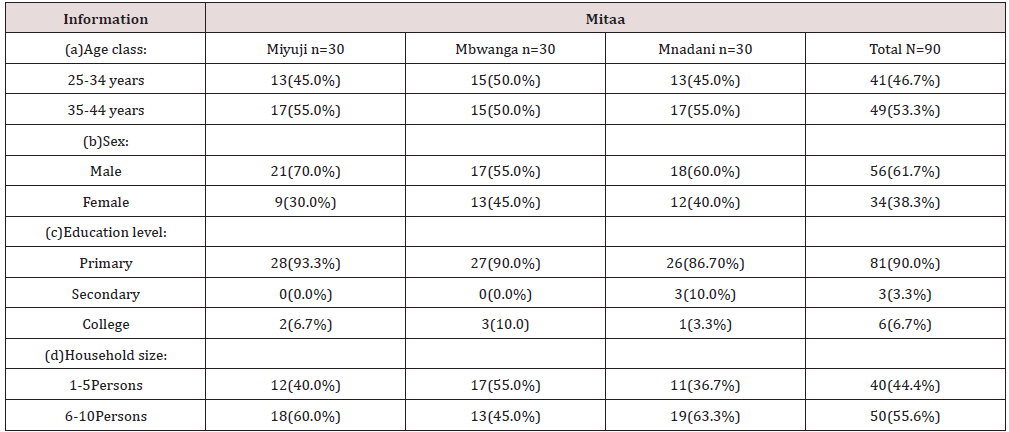
The study population comprised of males and females with different ages, family size and education background (Table 2). Of the household heads interviewed, 53.3% of the respondents were between 35-44 years old and 46.7% were between 25-34 years old. This was important because these age groups are the one who practice urban farming; understand the historical trend of their areas as well various indigenous technical knowledge. The study mitaa were found to have large household sizes. Results show that 55.6%have 6-10 persons per household and 44.4% have 1-5 persons. This is due to the behavior and culture of excluding family plan, of which results into a lot of dependents to feed and take care of Education background of the surveyed population is mainly primary education (90.0%), very few had college education (6.7%), and 3.3% had secondary education. Despite of having primary and secondary schools but the number joining secondary schools is small due to financial base of study population.

Table 2: General information on residents of study villages.
Lupinepublishers-openaccess-Agriculture

According to URT [4]; World Bank (2014); and Deloitte [5], one of the signs of both income and non-income poverty in the country is the low level of literacy and numeracy. The literacy level in Tanzania is now estimated to be 68%, down from 90% achieved in the 1980s. The gross enrolment rate for primary school pupils was 77.8% in 1996, down from 90% in 1980s. the literacy rate for youths and adults in the year 2014 was 76% and 73% for male and female youths respectively; and 75% and 61% for male and female adults respectively World Bank (2014).The Tanzanian government has managed to pay teachers’ salaries and allowances but number of teachers employed is not enough despite the efforts made to recruit more teachers due to agenda of having at least one secondary school in each ward and primary school in each village. With free tuition fees in public schools, the number of girls will be increased in schools as parents had have tendencies to choose between boys and girls to educate before the year 2016 because of cost sharing [6-8].

Factors affecting the performance of urban farming practices

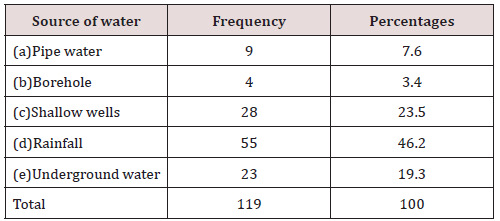
Water availability: Availability of water is an important factor for urban farming practices. Miyuji ward is within semiarid region of Dodoma where enough rainfall for urban farming practices is a problem. The study mitaa in miyuji ward based on multiple responses (Table 3) found to have water mostly from rainfall (46.2%), 23.5% shallow wells, 19.3% underground water, 7.6% pipe water and 3.4% borehole. The results show that many urban farmers in Miyuji ward prefer rain harvesting as source of water, and due to low water table in Dodoma region, underground water also seems to be preferred although it require some fund for investment in it like pump machine, fuel etc.

Table 3: Main source of Water in Miyuji Ward.
Lupinepublishers-openaccess-Agriculture

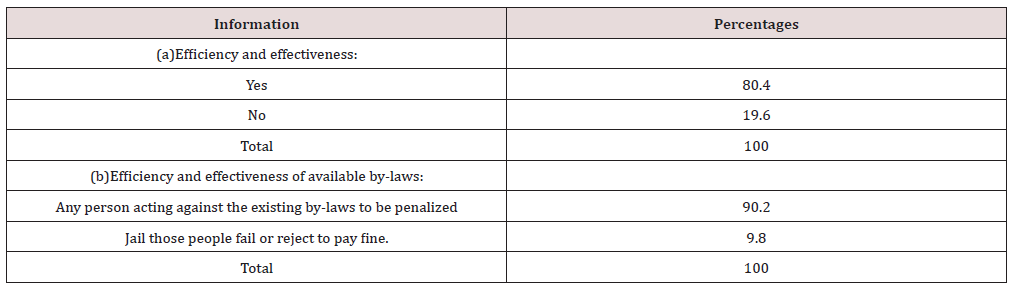
Laws and by laws: The study mitaa found to have by laws that deal with urban farming. The results Table 4 shows that 77.7% of respondents in study mitaa understand and respect by laws present while only 22.3% claims that they do not know if there is by laws for making urban farming sustainable. By laws is very important for guiding urban farming practices. The following by laws which enforced in the study area based on multiple responses Table 5 shows that 45.3% of urban farmers responded to bylaw dealing with protection of soil erosion by restrict quarry activities, 36% protection of forests (cutting down of trees), 10.7% protection of water and 8% protection of illegal farm burning. The study made revealed that 80.4% of the urban farmers in the study area are aware with existing by-laws and its effectiveness. However, 19.6% of urban farmers complained that the existing by-laws are not enforced hence are not effective. It was established that 90.2% of urban farmers want any person acting against the existing by-laws to be penalized the rest 9.8% want any criminal to be jailed (Table 6).

Table 4: Presence of by Laws Dealing with Urban Farming.

Lupinepublishers-openaccess-Agriculture

Table 5: By laws guiding urban farming.

Lupinepublishers-openaccess-Agriculture

Table 6: Efficiency and Effectiveness of By-laws Guiding Urban Farming.
Lupinepublishers-openaccess-Agriculture

Table 7: Income level of Respondent per Month.
Lupinepublishers-openaccess-Agriculture

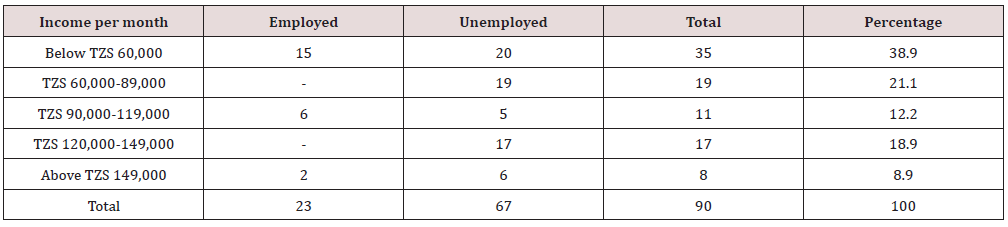
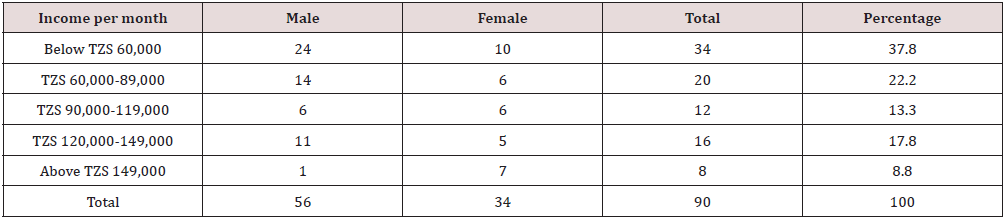
Capital Availability: Urban farming needs starting and operating capital so as to harvest considerable crops per acre and end products results from livestock and poultry. Capital helps to buy chemicals, fertilizers and other inputs helps in farming practices (Personal Observation). The study mitaa found to have different income groups in which 61.1% of study population has income per month above TZS 60,000 (Table 7). The results show that 38.9% of the urban farmers are living in absolute income poverty for both employed and unemployed and cannot even have power to buy any input for farming or self-sustenance. That majority with high income above TZS 60,000 can use the money earned to buy different equipment. During focus group discussion it was found that, urban farmers are not recognized in financial institutions for providing them loans unless they form a group of five persons or above and follow long procedures until given that loan. Also these urban farming practices are also done by employed people so as to raise household income, reduce income poverty and provide food to households’ members who are large in number. Also the study found that, urban farmers in Miyuji ward are practiced by both men and women from all income groups where by the majority of them were from below TZS 60,000 income earners as shown in Table 8. It was established that those urban farmers grow food crops for security and income generation as stipulated by Nugent [9,10] and URT [7]. In Miyuji ward women who engaged in urban agriculture are actively participate in urban garden for home production but also in food processing and marketing though in Miyuji ward women are involved in small scale production as explained much by Mouget [10] and URT [7].

Table 8: Income level of Respondent per Month interms of Sex.
Lupinepublishers-openaccess-Agriculture

Market availability: The study area found to have markets for their products from urban farming practices. The results show that 87.7% of study households said they have market for their farming products. This shows that in Miyuji ward market for urban farming products is not a serious problem what is required is to increase crops production. Crops produced includes millet, cassava, sorghum, sunflower, grapes, groundnuts, njugu, maize, vegetables, tomatoes and others; while livestock keeping includes cows, goats and pigs; and poultry which mostly includes hens (Table 9). Due to increase of higher learning institutions in Dodoma urban, it is likely the market to be extended and scarcity of this products resulted from urban farming practices increase and leads to poverty reduction to those people involved in these practices.

Table 9: Market availability of Crops, Livestock and Poultry.

Lupinepublishers-openaccess-Agriculture

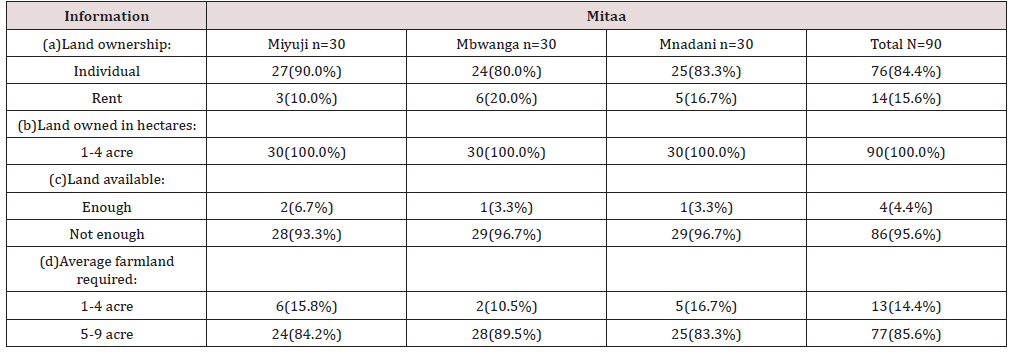
Plot size and type of tools used for agriculture: The study area found to have scarcity of land for urban farming. The results show that 84.4% of study households own land and only 15.6% rent those lands for urban farming plots (Table 10). Also 100% of the study area own 1-4 acres of land and within this study population 95.6% claims that land is not enough and 85.6% propose average farmland required to be 5-9 acres and 14.4% propose to remain 1-4 hectares with maximum land size of 4 acres. Due to the use of hand hoe (low technology) in study area for agricultural activities, farmland shortage will continue to be a problem until the situation is reversed. Most urban farmers claim that, though urban agriculture is potentially viable and productive but not a panacea to solve the most severe problems of food security in Miyuji ward as explained also much by Nugent [9] and Mboganie [11].

Table 10: Market availability of Crops, Livestock and Poultry.
Lupinepublishers-openaccess-Agriculture

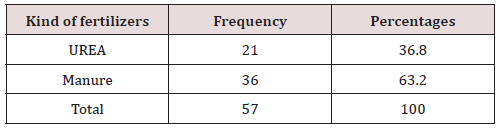
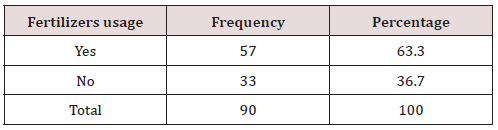
Use of fertilizers: The made in the study area found to have high fertilizers users. The results show that 63.3% use fertilizers and 36.7% are not using fertilizers (Table 11). This shows that disparities of income groups are the determinant for using fertilizers as those urban farmers with high income group are the one with ability to buy fertilizers. Also those practice either livestock keeping and agricultural or poultry keeping and agriculture can use manure type of fertilizer which is not costly [12]. Kinds of fertilizers used are shown in Table 12. The increase in fertilizer prices and reduction in credit have hit urban farmers harder because they are on poorer land which needs more of fertilizer which they are less able to afford. This has resulted in increasing cultivation of marginal areas with associated deforestation and erosion problems.

Table 11: Fertilizers Usage in Farming.
Lupinepublishers-openaccess-Agriculture

Table 12: Kind of Fertilizers Used.

Lupinepublishers-openaccess-Agriculture

Contribution of urban farming on income poverty reduction

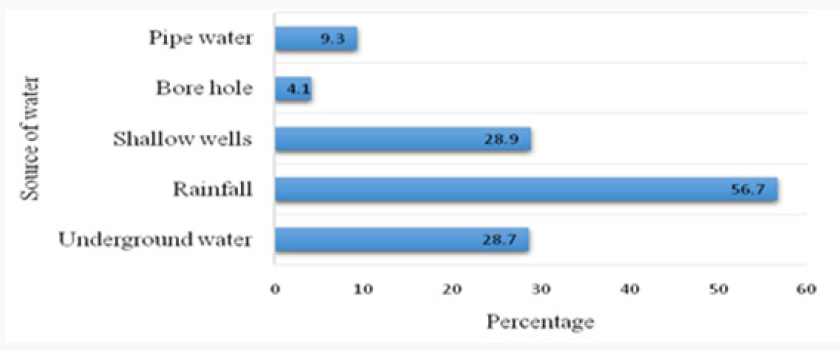
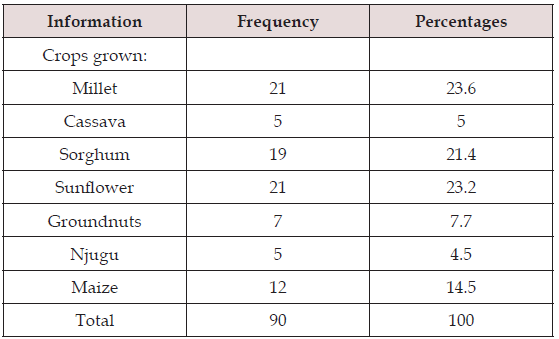
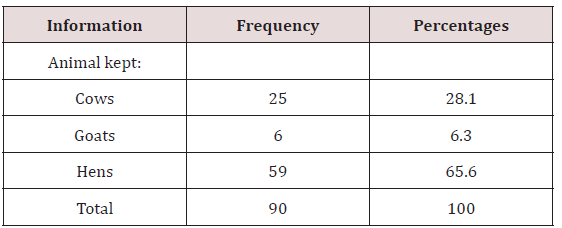
Activities of urban farming: The study made found to have high number of household using rain fed farming as their main source of water for urban farming [13]. Results shows that, 56.7% use rain harvesting only 9.3% and 4.1% use pipe water and borehole respectively (Figure 3). This shows that those use pipe water from DUWASA are the one who cultivate leafy vegetables includes chinese, beans, sweet potatoes leaves, cassava leaves and non-leafy vegetable includes tomato, cucumber and carrot; and cultivate both vegetable and fruits includes orange, grapes and pawpaw. The common crops grown by both groups of different main water sources includes millet (23.6%), sunflower (23.2%), sorghum (21.4%), maize (14.5%), groundnuts (7.7%), cassava (5%), and njugu (4.5%)(Table 13). Also livestock kept includes cows (28.1%), goats (6.3%) and poultry (hens) (65.6%) (Table 14). These crops grown and livestock kept are both for subsistence use in families and business to increase income of household whereby keeping hens found to be done by large number of households in study area. The study found that, men in Miyuji ward dominate commercial urban food production such as sunflower and groundnuts and selling of livestock kept. Most of women earn/control the money from milk and eggs selling. The study also revealed that children were involved in urban farming activities through weeding and watering. Involving children is contrary to child labour rights [14].

Figure 3: Source of Water in Miyuji Ward.
Lupinepublishers-openaccess-Agriculture

Table 13: Crops grown kept in Miyuji Ward.
Lupinepublishers-openaccess-Agriculture

Table 14: Livestock kept in Miyuji Ward.
Lupinepublishers-openaccess-Agriculture

Table 15: Crops production per acre.

Lupinepublishers-openaccess-Agriculture

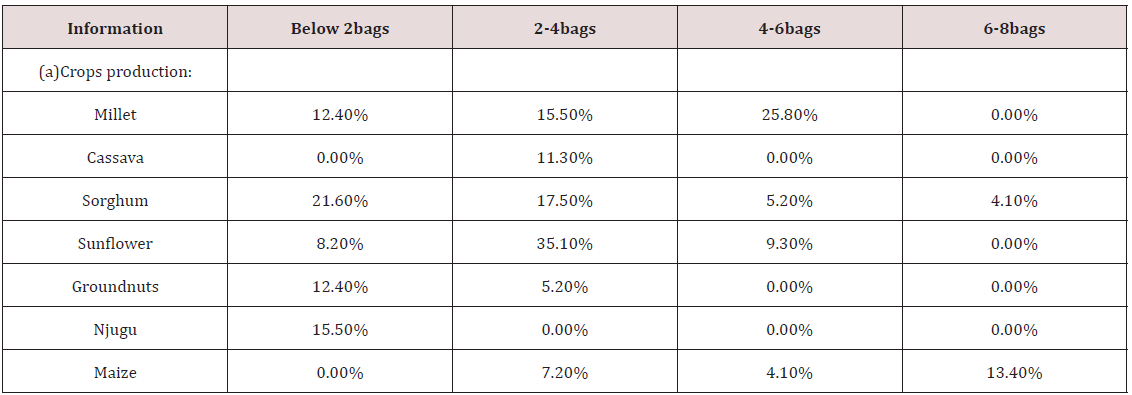
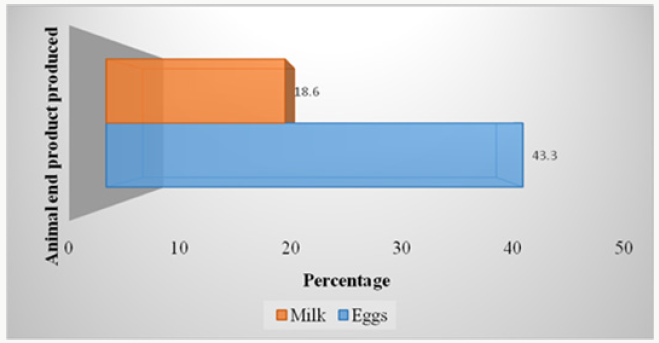
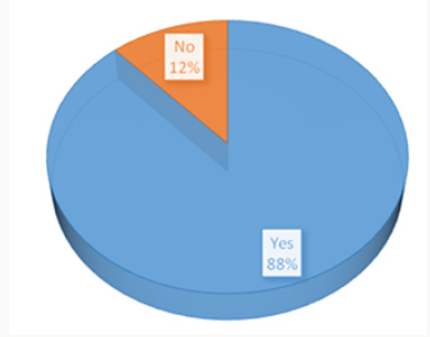
Amount produced and sold and price of products: The study population found to have medium production of urban farming products [15]. Crops production per acre as shown in Table 15 below shows that, 35.1% produce 2-4 bags per acre of sunflower, 21.6% below 2bags of sorghum, 25.8% produce 4-6 bags of millet per acre, 13.4% produce 6-8 bags per acre of Maize, Njugu 15.5% produce below 2bags per acre, 11.3% produce 2-4bags of cassava per acre, and 12.4% produce Groundnuts below 2bags per acre. Animal production based on end products shows (Figure 4) that, 43.3% produce hens’ eggs and 18.6% produce milk During focus group discussion, it was shown that, urban farmers of Miyuji ward use products obtained for home use and business whereby most of them sell all products in order to get income for covering some expenses for example paying fees for their children, health issues, water bills and all other household necessities needed rather than priotised using crops produced to solve the problem of food insecurity. Market availability for products produced is not a problem in a study area [16]. Results in Figure 4 shows that 88% of the respondents in study area have market for their products and only 12% have no market. This shows that as population increase in Dodoma urban then demands for urban farming products increases, therefore production should be increased in order sustain the available population.

Figure 4: Animal end product produced.
Lupinepublishers-openaccess-Agriculture

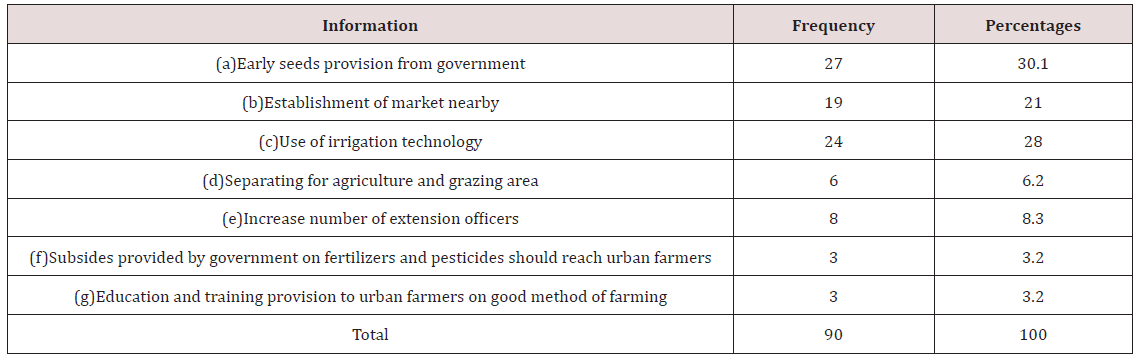
When the researcher interviewed households, it was found that, price of crops products varies depending on demand especially during parliamentary meetings and higher learning students’ institutions studying semester’s periods. Animal products includes milk and eggs found to have constant price of TZS 1000 per liter and TZS 500 per egg while the price of cow and chicken are subject to change ranging from TZS 300.000 to 600,000 depending on size and specie of cow, while chicken range from TZS7000 to 15,000. In order this farming practices to be improved so as to increase production, the study households suggested as shown in Table 16. 30.1% said if they can be supplied by early seeds provision, adopt irrigation technology (28%), establishment of market nearby, increase number of extension officers (8.3%), separating agriculture and livestock area (6.2%), education and training provision to urban farmers on good method of agriculture (3.2%) and Subsides provided on fertilizers and pesticides to reach urban farmers (3.2%) tgether with financial support from Banks and Credit agencies [17], altogether can improve urban farming practices and more urban dwellers can engage themselves as explained much by Nelson, 1996.

Table 16: Suggestion given by urban farmers on the improvement of their farming practices.
Lupinepublishers-openaccess-Agriculture

Effects of urban farming on the environment

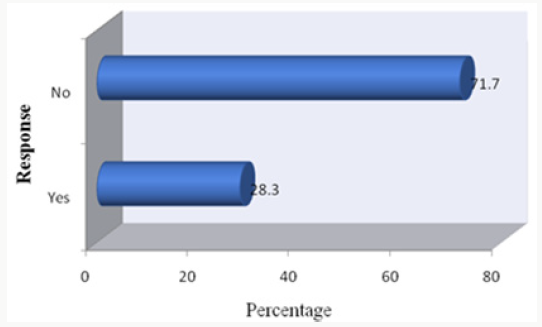
Chemicals used and cow dung disposal: The study found that urban farmers have low usage of chemicals in farming practices. Results shows that, 71.7% do not use any insecticides or pesticides in crops production and only 28.3% use insecticides and pesticides for the crops production (Figure 5). This shows that farming products produced in Miyuji ward have little concentration of chemicals which can have negative effect to human being. However, during interview with ward agricultural officer, it was shown that sometimes aerial sprays to kill “koleakolea” have been done in the area few years ago. Also during focus group discussion, it was revealed that cow dung disposal in farm plots make them to increase nutrients as a results production per acre increase compared to plots without any fertilizer. Additionally, it was found that cow dung can be used for production of bio-gas which is alternative source of energy rather than concentrating using fuel wood and charcoal as the main source of energy in study area.

Figure 5: Market availability for crops and animals products.
Lupinepublishers-openaccess-Agriculture

Figure 6: Insecticides/Pesticides usage in farms.
Lupinepublishers-openaccess-Agriculture

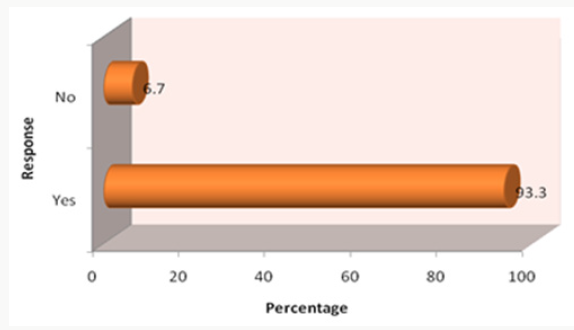
Figure 7: Land Degradation Resulted From Urban Farming Practices.
Lupinepublishers-openaccess-Agriculture

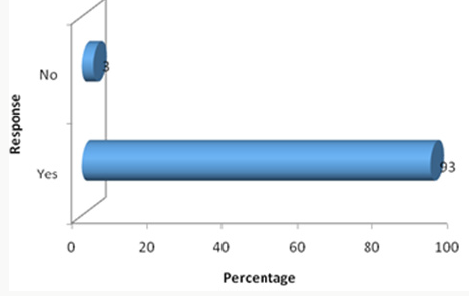
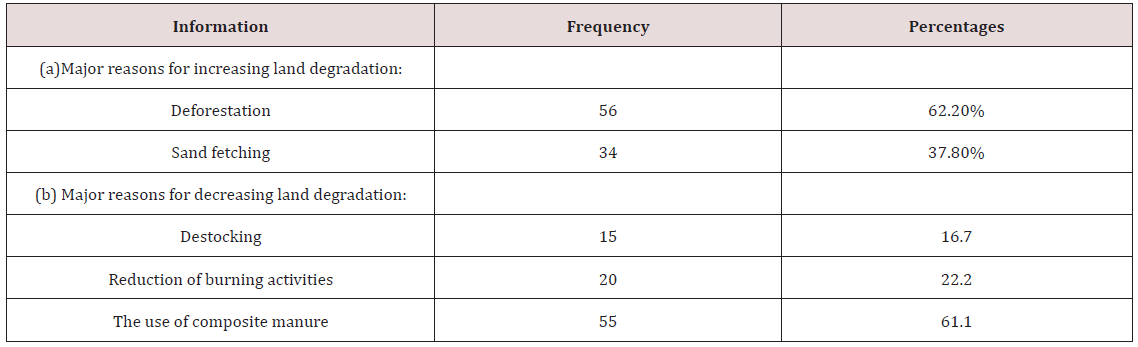
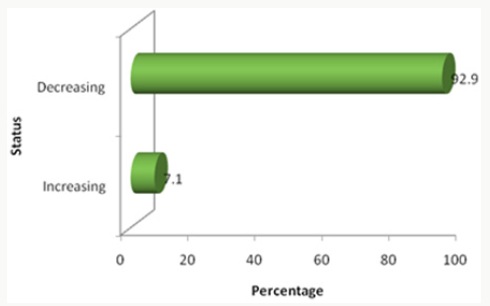
The study area found to have land degradation resulted from urban farming practices. Results shows that 93.3% of study households experienced land degradation resulted from urban farming practices and only 6.7% do not experience it. This shows that poor farming practices present in the area, so the duty of extension officers to reverse the situation will be appreciated (Figure 6). Land degradation is among of the effects on urban farming which experienced in the study area [18]. Types of land degradation experienced are shown in Table 17. Also it shows that this land degradation decreasing. Results from observation and household questionnaire shows that, 92.9% of study households have seen this degradation as decreasing and only 7.1% responding to increasing land degradation (Figure 7). This shows that presence of extension officers helps to conservation of environment by teaching community proper way of practicing urban faming. Major reasons for increasing and decreasing land degradation are shown in Table 18.

Table 17: Types of Land Degradation experienced in study area.

Lupinepublishers-openaccess-Agriculture

Table 18: Major Reasons for Increasing and Decreasing Land degradation.
Lupinepublishers-openaccess-Agriculture

Figure 8: Status of Land Degradation.
Lupinepublishers-openaccess-Agriculture

Figure 9: Tree planting.

Lupinepublishers-openaccess-Agriculture

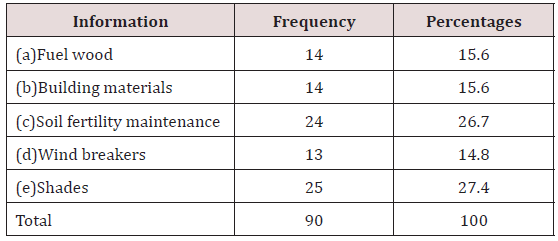
Table 19: Purpose of growing trees in study area.
Lupinepublishers-openaccess-Agriculture

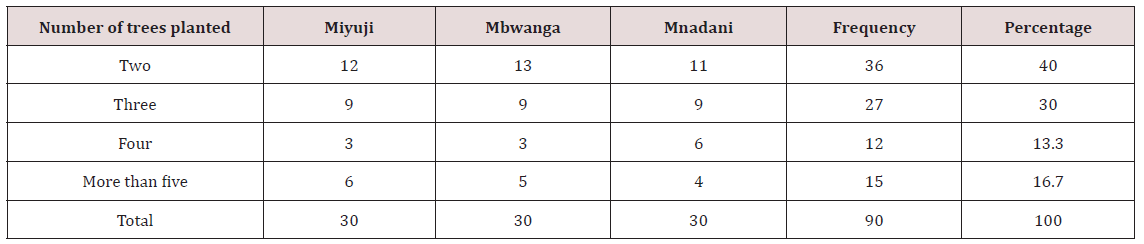
Planting trees: Planting trees is a positive strategy towards environmental in many areas of the world, and collaborative measures whereby, all community together practice this tree planting for the benefit of extracting carbon dioxide gas concentration resulted from daily productive activities Smit and Nasr, 1997. The study found that 93% of respondents in study area planted trees and only 7% did not plant trees (Figures 8 & 9). This shows that indigenous technical knowledge and NGOs play a good role in providing conservation education and importance of growing trees for the benefit of urban farming practices. The study population found to have behavior of planting trees for shades rather than combating fuel wood shortage. Results shows that 27.4% of planted trees are meant for shades, 26.7% for soil fertility maintenance, 15.6% for fuel wood and building materials respectively, and 14.8% for wind breakers (Table 19). Also the study revealed that in Miyuji ward have high populations who plant few trees per year. Results in Table 20 shows that 40% of respondents planted two trees per year and 60% plant more than two trees per year. This implies that, as times goes on and those trees planted being protected then in few years to come Miyuji ward can have large amount of tree.

Table 20: Number of Trees Planted Per Year.
Lupinepublishers-openaccess-Agriculture

Conclusion and Recommendations

Conclusion

Generally, urban farming practices contribute much to reduce income poverty in Dodoma Municipal especially in Miyuji ward. Based on analyzed data most of respondents are in a position of improving their living standard and getting their basic human needs due to involvement in urban farming practices though there are some factors which observed to hinder urban farming practices in the study area such as inadequate water, inefficiency laws and by laws which govern urban farming practices, lack of enough capital, small plot size, low technology and lack of nearby market to sell their crops and livestock products.

Recommendations

Urban farming practices is a new employment opportunity to urban dwellers as the study shows it increase income to households, fight food insecurity, provide room for environmental conservation through planting trees and adopting proper way of farming and other benefits associated with urban farming. In order this sector to be improved and increase production, the following issues found in the study area must be taken into account:

Early seed provision from the government and non-government organization can help to improve urban farming practices in Miyuji ward. This can be facilitated by ward agricultural extension officer.

Improvements of irrigation method can help to improve urban farming practices rather than depends much on tap and rain harvest water. Urban farmers, extension officers and government are in position to incorporate in order to reach consensus.

Regular education to the urban farmers from urban farmers’ expertise can help to increase the crop and livestock yield hence poverty reduction to the urban farmers.

The village government must ensure implementation of existing laws and by laws governing urban farming practices which help to conserve the environment so as to be conducive for practicing urban farming.

Town planners should plan an alternative area for urban farming practices to suit the urban farmers as their areas are too small as compared to the size of their family.

Read More About Lupine Publishers Journal of Agriculture Please Click on Below Link:
https://lupinepublishers-agriculturalsciences.blogspot.com/

Wednesday, 3 February 2021

Lupine Publishers | “Role of Agriculture in Ayurvedic Drug Research”

  Lupine Publishers | Current Investigations in Agriculture and Current Research


Mini Review

Ayurveda which is known as science of life, is beauty of Indian culture. From ancient era Indian people live this science. Ayurveda given first preference to prevention than cure. Bhaishajya (doctor), Rugna (patient), Aushadha (medicine/drug), Parichrka (medical assistance) is four chikitsapaad of chikitsa [1]. Aushadha (medicine/ drug) is one of the important chikitsapaad among them. Nowadays golden days of Ayurved are arrives. CCRAS and AYUSH all are engaged in Ayurved research. There are four types of research, drug research is one of important research among them. Drug research in Ayurved done with modern as well as ancient parameter. For drug research source of plants is necessary. Original raw material of herbal drug can supply from special Ayurvedic agriculture. Drug research include proper identification, lit. study, filed work, cultivation, collection, testing efficacy of various part and body of plants, adverse effect, adulteration, morphology, photochemistry, study of various formulation and testing action of drug. [2].

In farming India has second rank in whole world. Due to various climate, soil, geographic structure variety of vegetable, fruits, plants production occurs in india.in exporting also our country is at top rank [3] India has shown a steady average nationwide annual increase in kilograms produced per hector for some items of agriculture. For treatment Ayurvedic physician need different types of fresh and qualitative drugs. Unfortunately most of drugs are unavailable or available with adulteration. Due to popularity of Ayurveda demand of herbal drugs is increased, but supply are less as per need, so marketing peoples do adulteration in herbal drugs. If raw so material of medicine is not pure, than how can we expect proper results? So, there is need of development of trained agriculture filed as per medical Science i.e Ayurveda.


Read More Lupine Publishers Agriculture Journal Article:

Tuesday, 19 January 2021

Lupine Publishers | Impact Assessment of Adoption of Improved Varieties of Millet in North Kordofan State Sudan

  Lupine Publishers | Current Investigations in Agriculture and Current Research


Abstract

This study was carried out with the objective to assessment the impacts of adoption of improved varieties of millet on the farm income of households in three localities of Sheikan, Umrawaba and Elrahad in the North Kordofan State. Data for this study was primarily from farm household surveys conducted in seven seasons (2006/2007 to 2014/2015) in three localities of Sheikan, ElRahad and UmRawaba in North Kordofan State. A random sample of 794 households was randomly drawn from different villages in the study area. Multi-stage random approach was adopted. Treatment effect regression was used to assess the impact of adoption of improved varieties in the study area. Analysis was completed using STATA12 and SPSS22 software packages to draw results and test hypotheses.

Factors which positively affected farmers’ decision to adoption improved varieties of millet were education (0.016), attending training (0.223), family members male (0.004) and sex of HH (0.198), Income from farm increased by 29727.86 SDG per year as a result of adoption of millet improved varieties. Area of improved varieties would increase by 9.63 Hectare per year as a result of adoption improved varieties of millet.

Introduction

There has been much discussion on the need to increase productivity and sustainability in agriculture globally in the medium to long terms, but much less information is available on specific means to achieve this aim. Increasing agricultural productivity is critical to meet expected rising demand and, as such, it is instructive to examine recent performance in cases of modern agricultural technologies (FAO, 2011). In Sudan, sorghum, millet, groundnut and sesame yields per unit area of land are higher at research level and well managed farms than in typical farmers’ fields. The yield gap is mainly attributed to ineffective extension and technology transfer, lack of access to inputs, poor access to finance, and problems related to marketing.

The rain-fed farming sector in Kordofan region has been contributing considerably to the country’s annual crop production. It produces about 40% of the total millet production, 15% of sorghum, 25% of groundnut, 30% of sesame, and 5% of maize. Other crops grown in the region include roselle, cowpea, and cotton.

Problem Statement

In general, agricultural production and productivity could be increased by allocation of more resources to agriculture and improvement of agricultural technology which requires more investment in education, health and infrastructure. In the context of Sudan profile, various governments have declared a policy aiming at self-sufficiency in food. The means towards achieving this objective has always been an expansion in cultivated area and/or improvement in yield.

It is no longer possible to meet the needs of increasing numbers of the world population and to achieve food security objectives by expanding areas under cultivation since the fertile land is not increasing over time. But this problem can only be better solved by increasing agricultural productivity of farm households. Still, achieving agricultural productivity growth will not be possible without developing and disseminating yield-increasing technologies and application of these technologies by farm households. A main feature of farming in North Kordofan is continuous deterioration in the natural resources base and production. Such deterioration has resulted from various influential factors, among them are poor genetic resources, biophysical factors including topography, low rainfall, soil quality, insect, diseases. To answer the below key questions, studies are required to be conducted in the area but accessed information does not show that such adoption studies have been conducted in North Kordofan state in general and Sheikan, Elrahad and Umrawaba localities, in particular to identify the determinants the impact of adoption of improved varieties of millet on the farm income.

Objectives of the study

The overall objective of this study is to measure the impacts of adoption improved varieties on the yields of millet and household income and. The study also aims to achieve the following specific objectives:

a) To identify and analyze socioeconomic factors that influences the adoption of improved varieties of millet among farmers.

b) To understand the factors that determines the adoption and intensity of use of improved varieties of millet.

c) To study the impact of adoption on yield and household incomes.

d) To provide policy makers and related institutions with a clear picture of the impact of adopted improved varieties on the livelihoods of smallholder farmers.

Research hypotheses

a) Adoption of improved varieties leads to high yields of sorghum and millet.

b) Farmers’ perception of technology characteristics significantly affects their adoption decision.

c) Adoption of improved crops varieties leads to higher household income and increase farm income of households.

Data Sample Procedures

The sampling: Data for this study comes primarily from farm household surveys conducted in seven seasons (2006/2007 to 2014/2015) in three localities: Sheikan, ElRahad and UmRawaba in North Kordofan State. Multi-stage random approach was adopted. The localities were used as a sampling frame. From the three localities we selected nine locality units randomly, from theses nine locality unit eight to twelve villages were randomly selected for conducting interviews for individual households. In each village eight to sixteen household heads, in both male- and female-headed households, were randomly selected for interviews.

Accordingly, a sample of 794 households was randomly drawn from different villages in the study area. Selection was structured on the basis of ensuring a representative sample of male and female household heads. Farmer’s household heads were interviewed using questionnaire. Each male and female household heads was interviewed annually for seven seasons. Analysis was undertaken using STATA12 and SPSS22 software packages according to which results, and hypotheses were drawn.

Treatment Effects Regression

A treatment effect is the average causal effect of a binary (0 -1) variable on an outcome variable of scientific or policy interest. The term treatment effect originates in medical literature concerned with the causal effects of binary, yes or no, such as an experimental drug or a new surgical procedure. But the term is now used much more generally. The causal effect of a subsidized training program is probably the mostly widely analyzed treatment effect in economics (see, for example [1] for one of the first examples.

A treatment effect is the average causal effect of a binary (0 -1) variable on an outcome variable of scientific or policy interest. The term treatment effect originates in medical literature concerned with the causal effects of binary, yes or no, such as an experimental drug or a new surgical procedure. But the term is now used much more generally. The causal effect of a subsidized training program is probably the mostly widely analyzed treatment effect in economics (see, for example [1] for one of the first examples.

The Gain from treatment is

Lupinepublishers-openaccess-Agriculture

For a particular unit I, the gain treatment is

Lupinepublishers-openaccess-Agriculture

If we could observe these gains for a random sample, the problem would be easy: just average the gain across the random sample. The key problem with this model is that for each unit i, only one of Yi (0) and Yi (1) is observed and in effect, there is a missing data problem. It assumes a random sample of units from the population, but we do not observe both outcomes.

In the treatment effects regression model, there are two parameters of primary interest:

a) The average treatment effect (ATE) which is the expected gain for a randomly selected unit from the population.

Lupinepublishers-openaccess-Agriculture

b) The average treatment effect on the treated (ATT) is the average gain for those who actually were treated:

Lupinepublishers-openaccess-Agriculture

With heterogeneous treatment effects – that is, when Yi (1) – Yi (0) is not constant the average treatment effect and the average treatment effect on the treated can be very different.

With heterogeneous treatment effects – that is, when Yi (1) – Yi (0) is not constant the average treatment effect and the average treatment effect on the treated can be very different.

Lupinepublishers-openaccess-Agriculture

The key assumptions of the treatment effects regression are:

a) Confoundedness; rather than assume random assignment for each unit i a random vector representing the population distribution of covariates Xi is drawn. The strongest form of confoundedness is conditional on X, the counterfactual outcomes are independent of W. For units in the subpopulation defined by X = x, assignment of treatments is randomized.

b) Overlap: for all x in the support X of X,

Lupinepublishers-openaccess-Agriculture

In other words, each unit in the defined population has some chance of being treated and some chance of not being treated. The probability of treatment as a function of x is known as the propensity score

Lupinepublishers-openaccess-Agriculture

Results and Discussion

Adoption Rate

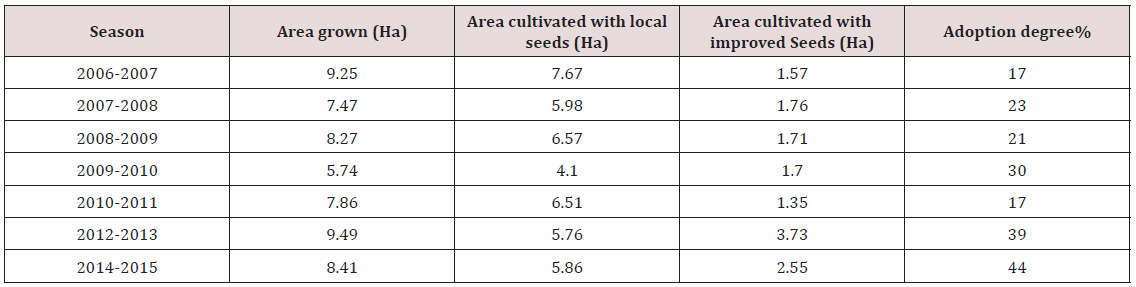
The crop varieties grown by farmers are usually local varieties with very few cases where improved varieties are used in small acreage (Tables 1 & 2).

Table 1: Average distribution of farmers according to adoption of improved varieties in Sheikan, Um rawaba and Elrahad localities. seasons 2007-2015. Source: Field surveys, 2007-2015.

Lupinepublishers-openaccess-Agriculture

Table 2: Distribution of respondents according to adoption degree of improved varieties of sorghum, millet, and groundnut and sesame%.

Lupinepublishers-openaccess-Agriculture

Source: Field surveys, 2007-2015.

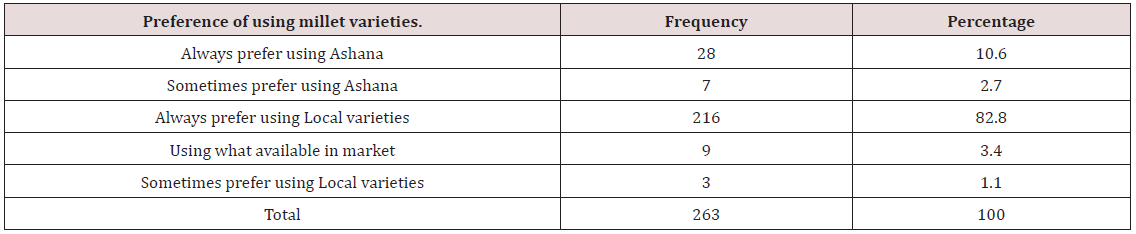
Preferences of using millet varieties (Table 3)

Table 3: Farmers preferences of using millet varieties in Sheikan, Umrawaba and Elrahad localities.

Lupinepublishers-openaccess-Agriculture

Source: Field surveys, 2007-2015.

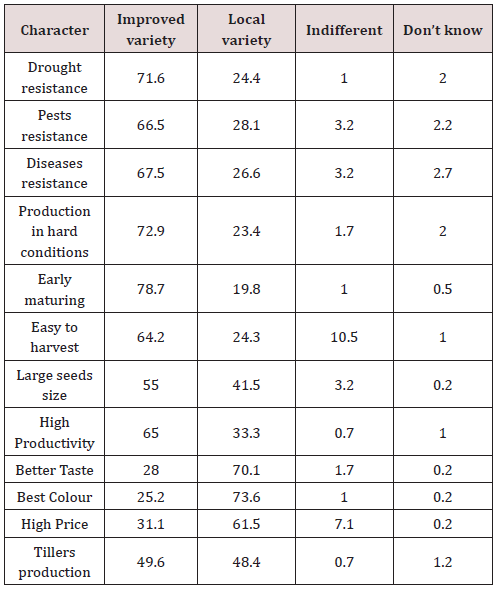
Varietal Characteristics

The farmers state that the improved varieties of millet has better characters than the local varieties, except for the characters taste, color and price Table 4.

Table 4: Millet characteristics in Sheikan, ElRahad and Umrawaba localities 2007/2015.

Lupinepublishers-openaccess-Agriculture

Source: Field surveys, 2007-2015.

Impact of Using Improved Varieties of Millet on Farm Income

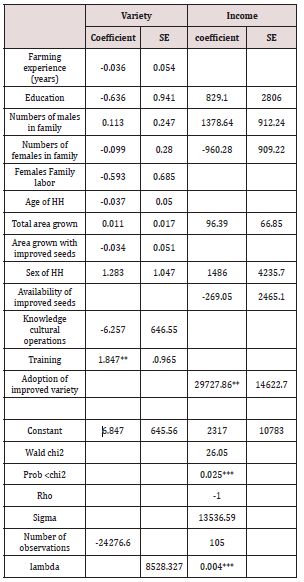
The treatment effects regression was used to assess the impacts of using improved varieties of millet on farm income, using improved varieties is the treatment used in the first equation of this model. In the first step it was regressed against different variables which affect the likelihood to adopt improved varieties of millet and was used to estimate impacts in the second step of the treatment effects model (Table 5). For the impact of adoption of improved varieties of millet on farm income, the most important factor which increase the likelihood to adopt improved varieties of millet is attending training (1.847**). The effect of variety in the outcome equation (farm income) was significant at 0.01level (Table 5).

Education (829.10), total grown area (96.39), male’s family members (1378.64), sex of household head (1486) were the most important factors which increased farm income (Table 5). Income from farm increased by SDG 29727.86 per year as a result of adoption millet improved varieties. This finding agreed with the adoption of improved technologies was expected to enhance productivity and consequently increase incomes, reduce poverty and accordingly ensure equity among beneficiaries [2-4].

Table 5: Estimates of the treatment effects regression on farm income for millet. Symbols *, ** and *** indicate significant differences at 0.1, 0.05 and 0.01 levels of significance, respectively.

Lupinepublishers-openaccess-Agriculture

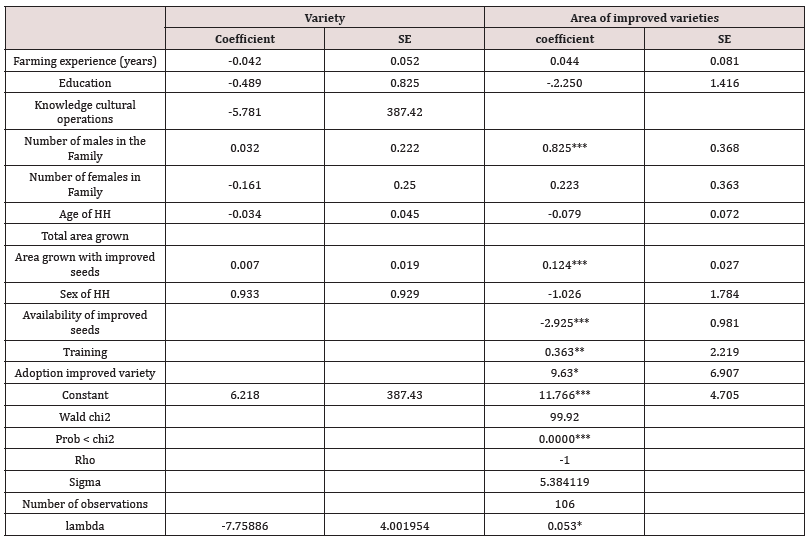
Area of improved varieties would increase by 9.63 hectare per year as a result of adoption of millet improved varieties. Attending training (0.363**), total grown area (0.124***), number of male’s family members (0.825***), were the most important factors which increased area of improved varieties, whereas, availability of improved varieties (-2.925***), decreased area of improved varieties Table 6.

Table 6: Estimates of the treatment effects regression on area of improved varieties for millet.

Lupinepublishers-openaccess-Agriculture

Symbols *, ** and *** indicate significant differences at 0.1, 0.05 and 0.01 levels of significance, respectively.


Read More Lupine Publishers Agriculture Journal Article:

Monday, 18 January 2021

Lupine Publishers | Success Story of Common Bean Technology Pre-Scaling Up in Southern Ethiopia

 Lupine Publishers | Current Investigations in Agriculture and Current Research


Introduction

Pulses grown in 2016/17 (2009 E.C.) covered 12.33% (1,549,911.86 hectares) of the grain crop area and 9.69% (about 28,146,331.73 quintals) of the grain production was drawn from the same crops. Faba beans, haricot beans (white), haricot beans (red), and chick peas were planted to 3.40% (about 427,696.80 hectares), 0.63% (about 78,910.13 hectares), 1.68% (about 211,292.30 hectares) and 1.79% (about 225,607.53 hectares) of the grain crop area. The production obtained from faba beans, haricot beans (white) haricot beans (red) and chick peas was 3.02% (about 8,780,108.79 quintals), 0.43% (about 1,259,801.75 quintals), 1.23% (3,579,424.75 quintals) and 1.53% (4,441,459.26 quintals) of the grain production, in that order CSA [1]. Common bean (Phaseolus vulgaris L.) is the second most important source of human dietary calories and also it has a high nutritional value with important protein contents (~22%), minerals (calcium, copper, iron, magnesium, manganese, zinc), and vitamins necessary to warrant the food security of people in the developing countries Misgana and Taddese [2].

Production of common bean by introducing the improved and high yielding varieties could make an important contribution to increase agricultural production and productivity in the area where there is low practice of using improved varieties of common bean. To this end, using the improved common varieties could be one of the alternatives to improve productivity by small farmers. However, production of common bean using the improved varieties is not yet introduced and studied in the target area. Thus, this research work is initiated to investigate the success story of using improved common bean varieties in Irish Aid Operational Technology Dissemination Project Mandate area of Areka Agricultural Research center Tekle. et.al [3].

Preface

In Southern Nations, Nationalities, and Peoples Region (SNNPR) particularly the project target Woredas are characterized by persistent food insecurity with many farming household not producing enough food and income to meet families’ food requirements. Improved agricultural technologies largely focusing on increasing yield and market value have an important role in increasing productivity, income and building household food security. The increased agricultural productivity also boosted by the availabilities and access of new and improved agricultural technologies. Improved agricultural technologies, management practices, and inclusion of resource poor household for enhanced technological access also have a proven track record on improving food security and decreasing susceptibility to individual stresses. Thus, investing in dissemination of improved agricultural technologies is key to improve the livelihood of low-income and food insecure households. By recognizing this, Irish Aid has launched technology dissemination initiative with aims to reducing poverty for poor and marginalized farmers, particularly women; driving agricultural growth by linking poor farmers into new and improved crop, livestock, and natural resource conservation technologies.

The Operational Research Technology Dissemination project (ORTDP) is addressing key agricultural development challenges prioritized by both the Ethiopian and Irish governments: improved food security, poverty reduction and greater gender equity, better nutrition outcomes and more climate resilient food and farming systems through supporting of rural poor household by accessing for improved agricultural technologies. Southern Agricultural Research Institute (SARI) in collaboration with Irish-Aid has been currently investing in agricultural research and dissemination of improved agricultural technologies focusing on crop, livestock, and natural resource management. The technologies being disseminated are tested and proven to have potential for up scaling to improve productivity, food and nutrition security, and climate resilience of resource poor farmers. For the past five years, the project has disseminated more than 33 proven crop, livestock, and natural resource management technologies for more than 13266 resource poor household in seven food insecure woredas of the region especially for whose landholding less than 0.25 hectare and women.

The project has reviewed its performance and status to lay out strategic directions and priorities for agriculture technologies dissemination and extension in the region. As one component to address the OR project goal particularly to reduce poverty or improve nutrition, common bean is one of the crop technologies disseminated by the project and its performance has been evaluated giving an account in addressing issues related to productivity, income, nutrition and adaptability to ever changing environment. Of the technologies successfully disseminated by the project, the common bean case studies presented as proven bestbet agricultural technologies and innovations that are available for uptake and up scaling. This case study was conducted in five ORTDP project woredas of common bean disseminated. Farmers for the case study were selected randomly from beneficiary and non-beneficiaries. Thus, from the project woredas 135 farmers were selected of which 80(60%) farmers were beneficiaries and 55(40%) farmers’ non-beneficiaries. Data collection sheet was prepared to collect quantitative and qualitative data regarding the productivity, income, food, and nutrition, trends on use of improved seed, adoption, and challenges. The data collected was subjected for simple descriptive statistical analysis.

Justification of the Intervention

Common bean is one of lowland pulses produced on hot regions. It has been known as an export crop for long period contributing to the foreign exchange earnings. It is also grown for home consumption. Common bean is consumed in traditional dishes. In SNNPRS, it is a popular food as “nifro” with maize and it is also consumed with Kocho. Despite its role in the farming system and in supporting the national economy, yield has been low and stagnant for several years. There could be several reasons for this but the most important ones are lack of improved varieties with desirable agronomic practices, low yield potential of local varieties, and diseases. Especially low production and distribution of improved seed is limited among resource poor farmers. Besides this, the access of the improved varieties has been low for poorest farmers. Therefore, ORTDP project has proposed to promote various improved common bean varieties (hawassa dume, and nassir) for five consecutive years and wajo and tatu for the past two years only aimed to improve income, diversify diets, and improves nutritional status of poorest households in six project intervention woredas.

Result and Achievement

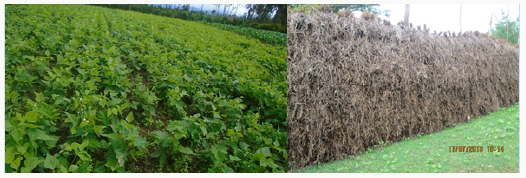
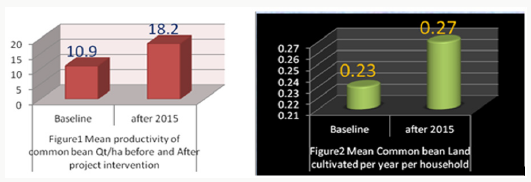
In the last five project intervention years, ORTDP has addressed 1357 resource poor households with improved common bean dissemination, especially for farmers who unable to access improved seeds and had smaller land (farmers their landholding less than 0.25ha). Through revolving seed, more than 1160 households have benefited. Totally, 2517 households are benefited by direct provision and revolving of improved common bean seeds. The project has provided 241 quintals of four improved common bean varieties (hawassa dume, Nasir, wajo and tatu) and popularized on 591 hectare of land throughout the project intervention years. These varieties have been successfully promoted in all woredas using cluster-based approaches accompanying with practical agronomic practice training and its related input as a package. Participatory technology dissemination method and cluster approach was a key element of the implementation of this project. The study in line with Bassa et al. [4], which confirmed enabling poor farmers to use full packages of agriculture through direct provision, capacity building, awareness creation and sustainable supporting the extension system promotes agricultural productivity there by enable the small-scale farmers to be in position of food security and build assed (Figure 1).

Figure 1: Mean Productivity of common bean Qt/ha before and After project intervention.

Lupinepublishers-openaccess-Agriculture

Improved Productivity

Based on the suitability and agro-ecological adaptability of crops ORTDP has disseminated different crop varieties for beneficiaries. While the project proposes four common bean varieties for demonstration, the primary criterion was its contribution to increase of productivity of common bean. The advantages of theses common bean varieties include their high yield potential, early maturity, and nutritional values. Midterm impact evaluation revealed that yields of common bean have increased by 66% twofold over 4-years period among beneficiaries in comparison to a 30% increase of mean yield for non-beneficiaries. The increase in productivity mainly attributed the higher productivity of new varieties, slight increase of common bean cultivated land by beneficiaries, and the application of fertilizer (NPS) for common bean, which was uncommon among many farmers in many project woredas. The survey report also indicates that 10% increase in average annual cultivated land per household for common bean (Figure 2).

Figure 2: Mean Common bean Land cultivated per year per household.

Lupinepublishers-openaccess-Agriculture

Food and Nutrition Security

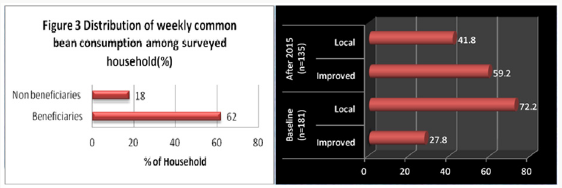
Increased production has also led to significant improvement in food security and nutrition. As survey report in Figure 3, over 62% of project beneficiary household consume common bean at least once in a week while only 18.8% of non-beneficiary household consume common bean at least once in a week. Consumption of common beans was much more prevalent in among beneficiaries, while lesser extent among non-beneficiaries. This indicates that project beneficiaries tend to produce more for food than cash. Through their consumption household can have food nutrients like protein and iron that common bean contains. Caution needs to be taken in interpreting these nutritional results. While it reveal some interesting trends on contribution to nutrition, what is not mean that household access all required food items that meets the nutritional security standards (amount of killo calories per day/week). The data to what extent reflects the availability and access of common bean, which rich in nutrition through their own production. This also have a significant contribution to food security with many nutritional benefits, as it is rich in protein, iron, zinc, and dietary fibre. These constituents contributed to the improvement in food and nutrition and the common bean acceptance by farmers.

Figure 3: Distribution of weekly common bean among surveyed household(%).

Lupinepublishers-openaccess-Agriculture

Improved Income

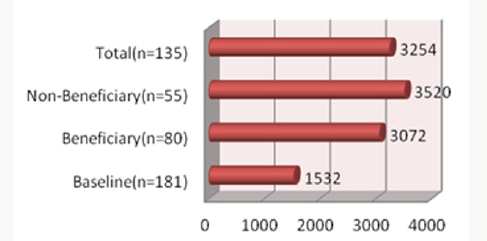
Farmers in all woreda use common bean both for cash generation and for home consumption although the majority use for cash. Common bean is grown in both production seasons; belg and meher seasons with the main growing season being belg. Farmers are in great need of cash for the meher season especially wheat and teff producing woreda to buy agricultural inputs like fertilizer and seed. The yield of the new varieties is about two times those of local bean and generated an additional income for household. Therefore, common bean is strategic cash crop, which fulfils the immediate cash demand for input purchase. Moreover these, its short production period, legumness and related soil fertility improvement characteristics increased, and erratic rain fall and relatively less susceptibility to weather change increased the demand of common bean production maximization year to year. During interviewees farmers mentioned that most of the common bean produced during, Belg season is sold to generate income. As indicated in the baseline report, crop income for farmers in SNNPR ORTDP project woreda comes from sale of cereals such as wheat, teff, and sorghum, and during the survey time, the annual income from cereals was 1532 ETB (ORTDP baseline survey report, 2012). After four years of project implementation, the annual mean cash income obtained only from sale of common bean for both project beneficiaries and non-beneficiaries reaches over 3,254 birr per household (Figure 4). The actual mean annual cash income for non-beneficiaries is higher for beneficiaries; this is because when compared to beneficiaries, non-beneficiaries sold more of what they produced.

Figure 4: Mean annual income of households from common bean after intervention in Birr.

Lupinepublishers-openaccess-Agriculture

Technology Adoption

The common bean varieties disseminated by the project were evaluated against the local variety by using 13 criteria. More than 59% farmers in the survey districts evaluated Nasir and Hawassa Dume by seed emergence, suitability for inter cropping, seed size, seed color, early maturity, yield, taste, and marketability. Over all rank calculated shows that Nasir and Hawassa Dume have first preference by farmers in the all project location. Both the local and new varieties have the same market demand as they have the same color. Trends on planting of improved common bean varieties in project woredas during base lines ranged from 10% to 50% with mean value 27.8%. After four years of intervention, trends on use those common bean varieties has become 59.2%. Three different successful aspects of the new bean varieties were identified by farmers during the survey: improved taste, higher productivity, and market-preferred attributes reported among both beneficiaries and non-beneficiaries. In addition, drought tolerant and early maturity aspects of varieties has also contributed to the better adoption not only project kebele but also in neighboring kebeles. As this was one of the outputs of the operational research programme, and 60% of households included in the survey were programme participants, it suggests more work has to be done through regular extension in disseminating and promoting of those improved common bean varieties among non-beneficiary household.

Drivers to Success

As it described in section 2.1 higher productivity, marketability, and compatibility with the color preference of farmers were the main drivers for the successful dissemination of those common bean varieties. Beside this, the project full package approach enables poorest to increase their productivity using fertilizer as a package. The use of fertilizer for the common bean especially NPS were uncommon in most project woredas and the project has tried to demonstrate the yield difference using NPS fertilizer. Moreover, the project’s cluster-based technology dissemination and transfer approach played a significant role to easily diffusion of knowledge and practice from one cluster to the other and created a critical mass on disseminated technologies.

Challenges

Despite the significant contribution of common bean for food security, income and nutrition challenges are remaining. Farmers reported that the susceptibility to disease and pest and less tolerant to flood and heavy rainfall and management problem especially improper application of fertilizer. The significant number of farmers reported that they have not applied fertilizer mainly NPS as recommended rate.

Opportunities for Further Scaling Up

As indicated above in section 2.4, high productivity, early maturity, its color acceptability, its taste, suitability for intercropping and marketability played a significant contribution for the successful popularization and adoption of common bean varieties disseminated in project woreda as well as beyond project area. Beside this the ever-increasing market demand on common bean, availability of seed at local level, availability of organized seed and marketing system and availability of diverse agro-ecology that suitable for cultivate common bean in the region was the major opportunities to further scale up the common bean technologies in the region.

Key Lesson and Recommendation

The interventions in agricultural research and dissemination have been strong components in strategies to promote sustainable agricultural development. Previously the technology dissemination approaches were focused on strengthening the productivity aspects of the technologies. Currently the project has disseminated the common bean varieties focused demand of farmers. The project considers the multi-benefits and interactions of common bean technologies disseminated with interest and demands of farmers for technologies. In all project woreda, farmers give equal priority for income generating potential of technology as productivity potential. Therefore, common bean technologies disseminated by the project has great demand by the community for food consumption as well as for income source and is a major crop in the area. A technology, which has great demand by beneficiaries, have multi-benefit and agro-ecologically suitable, ultimately leads to success. The varieties distributed by the project fulfill most of farmers’ interest and their production objectives and that is why it became successful.

Therefore, the food and income security of poorest and marginalized people could be enhanced through accessing poorest household for demand driven better yielding and high valued agricultural technologies. Moreover, the project’s cluster based technology dissemination and transfer approach played a significant role to easily diffusion of knowledge and practice from one cluster to the other and created a critical mass on disseminated common bean technologies. This approach can bridge the research with extension in more interlinked way and accelerate technology transfer between farmers. In addition, most of farmers prefers to plant common bean as intercropping rather than mono cropping. Their preference varies with the primary objective of farmers. Farmers whose primary objective is for household consumption and have land shortage tends to cultivate as intercropping while farmers with their primary objective for cash tends to cultivate as mono-cropping. Intercropping production of common bean among households having less than 0.25ha is more advantageous over mono cropping cultivation.

Generally, it can be concluded that farmers demand driven technology dissemination can lead to accelerated technology adoption and knowledge transfer. Dissemination of any research outputs or technologies likes common bean to address multi-fated problem of resource poor farmers can be successful if it considers the primary production interest or objectives of poor farmers and the multi-benefit potential of the technologies. In addition, it was recommended that the greater use of research or technology for income generation might have the greater contribution to speed up improvement of livelihood of resource poor farmers and adoption of the technologies.

Acknowledgement

The research teams provide acknowledgements and own great appreciation on Ireland Embassy, All Ireland people and its Irish Aid department of foreign affairs for financial support of project implementation and case study successful accomplishment, Addis Ababa, Ethiopia and Southern Agricultural Research Institute and Areka Agricultural Research center for supporting in implementation.


Read More Lupine Publishers Agriculture Journal Article: