Showing posts with label Open access Publishers. Show all posts

Tuesday, 11 February 2020

Lupine Publishers | Varied clinical and Oral Presentation of Beckwith – Wiedemann Syndrome - Report of a Case from Saudi Arabia

Lupine Publishers | Journal of Pediatric Dentistry Impact Factor


Abstract

Beckwith – Wiedemann syndrome is congenital, genetic and epigenetic pathologies with low prevalence and diverse clinical presentations. It is characterized by triad of omphalocele, macroglossia and gigantism. This syndrome has been widely studied with a current emphasis on improvement of prenatal diagnostic techniques and a multidisciplinary approach towards treatment. We report a case of BWS from Saudi Arabia, with unique presentations and misleading history which delayed diagnosis, due to cultural and religion constraints.
Keywords:Congenital; Epigenetic; Genetic; Prenatal

Introduction

Genetic and epigenetic changes or a human genomic imprinting disorder is characterized by phenotypic variability which might shows its occurrence either as sporadic or inherited. The pathology presents wide range of effect on psychological and social wellbeing of patients and families. One such congenital, multigenic, multisystem human genomic imprinting disorder with complex molecular etiology and variable complex phenotype is Beckwith – Wiedemann Syndrome (BWS). Beckwith-Wiedemann Syndrome is most common overgrowth syndrome described by Beckwith in 1963 and Wiedemann in 1964 with similar findings. It is rare congenital deformity with low prevalence but at same time have high prevalence within genetic abnormalities of overgrowth [1]. The presentation of triad features of omphalocele (exomphalos), macroglossia and gigantism was described earlier as EMG syndrome which now is referred as Beckwith – Widemann Syndrome. The incidence of BWS reported is approximately 1:13700 births and the major cause is thought till date is genetic and epigenetic defects within the chromosome 11p15.5 regions [2].
BWS presents wide array of clinical manifestations such as congenital abdominal wall defects as hernia (exomphalos), gigantism, macroglossia, nevus flammeus, ear pits/hearing loss, midface hypoplasia, cardiac anomalies, hemihypertrophy, genitourinary anomalies and musculoskeletal abnormalities. To standardize the diagnostic criteria various attempts have been made to classify the major and minor criteria. Elliot et al described the diagnosis of BWS with the presence of either three major features (abdominal wall defect, macroglossia, gigantism) or two major and three minor features (ear pits, nevus flammeus, hemi hyperplasia, nephromegaly, neonatal hypoglycemia) [3]. In spite of diverse clinical presentations of BWS, most of the cases do not show characteristic features at birth but develop later in life. Also, children with BWS have significantly increased risk of cancer during early childhood which need strict follow up and monitoring. Here, we present a case of BWS with unique dental and medical presentation and its differential diagnosis with literature review.

Case Report

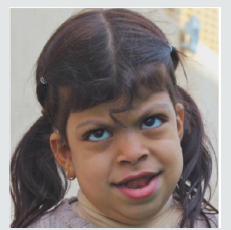
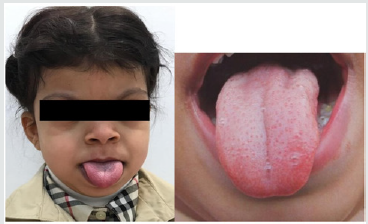
A 5-year-old female patient, accompanied by her mother, presented to the dental unit with complaint of decay tooth in upper front region of mouth. Extra oral examination revealed dysmorphic features, coarse facies and developmental problems (Figure 1). Intra oral examination of hard tissue showed high arched palate, decayed teeth in relation to 51, 52, 55, 61, 62, 74, 75, 84,85. Oral soft tissue examination revealed macroglossia, enlargement of fungiform papillae and mild loss of filiform papillae (Figure 2). Speech and feeding difficulty were noticed due to macroglossia. History revealed she is the youngest 7th child born out of consanguineous marriage in 30th week by cesarian section. She has a chronic history of constipation for 9 months of age. She passes hard stool once in every 8 to 10 days, by spending long time in washroom. It is associated with decrease in appetite and abdominal pain. She was given Movicol (half the adult dose) twice a day for constipation without any medical prescription. She was also tried with lactulose, glycerin suppository and mineral oil. Under medical supervision fleet enema and contrast enema were performed to relieve constipation and to rule out Hirschsprung disease.
Figure 1: Photograph showing dysmorphic features and hypertelorism.
Lupinepublishers-openaccess-pediatric-dentistry-journal
Figure 2: Macroglossia with enlarged fungiform papillae and loss of filiform papillae.
Lupinepublishers-openaccess-pediatric-dentistry-journal
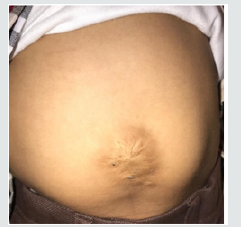
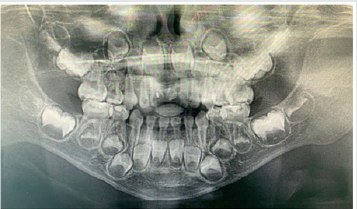
Other medical findings noticed omphalocele, ear pits, large child at 90th centiles, large rounded eyes with hypertelorism, abdominal soft lax, enlargement of kidney, distention of left renal pelvis with significantly distended urinary bladder, abnormal anatomy of the colon located in left abdomen and partial colonic non – rotation with no evidence of obstruction (Figure 3). Based on the clinical and past medical history a diagnosis of Beckwith – Wiedemann Syndrome (BWS) was made. Series of laboratory investigation were reviewed which presented negative urine examination, alpha – fetoprotein, karyotype, microarray and methylation analysis for BMS. Patient was advised for gene analysis and targeting testing for parents. The gene analysis of CDKN1C gene showed heterozygous alteration consistent with BWS but targeting gene tests were refused by parents. Panoramic radiograph was advised considering the patient chief complaint, which revealed multiple developing permanent tooth buds, protrusion of anterior teeth, open bite and increase in mandibular dimension (Figure 4). Under preventive measures the patient was treated for the decayed teeth and is under follow up from past 6 months.
Figure 3: Photograph showing abdominal wall defect with surgical scar.
Lupinepublishers-openaccess-pediatric-dentistry-journal
Figure 4: Panaromic radiograph showing multiple developing permanent tooth buds, open bite and increased mandibular dimension.
Lupinepublishers-openaccess-pediatric-dentistry-journal

Discussion

Diagnostic criteria for BWS is still a matter of research due to its varied clinical presentations and overlapping features with other various conditions. The presence of major and minor findings is generally helpful in establishing the clinical diagnosis (Table 1). The oral findings as mentioned in the literature and observed in our case has been tabulated in Table 2 [4,5]. The incidence of BWS is difficult to assess in Saudi Arabia, as most of the cases goes undiagnosed and unnoticed. Also attributed to its diverse clinical presentation and difficulty in diagnosing. In the present case, features of macroglossia, macrosomia, omphalocele, abdominal wall defect (treated immediately after birth and surgical scar observed clinically), Renal involvement, ear crease, high arched palate, open bite and increased mandibular dimension, leads to the diagnosis of BWS. Various molecular mechanisms and alterations have been involved in BWS such as abnormal methylation of H19DMR, loss of imprinting of IGF2, chromosomal rearrangements, loss of imprinting of LIT1, uniparental disomy of 11p15 and CDKN1C mutations [2]. The full gene analysis of CDKN1C gene profile were suggestive of BWS in our case and the alteration is thought to be located in the allele inherited from the mother. Parental testing was advised which was refused by the parents. There are various endocrine and overgrowth syndromes that was considered in the differential diagnosis. These included Simpson-Golabi-Behmel syndrome (mutation in X-linked gene, GPC3), Perlman syndrome (Increased risk of neonatal mortality), Costello syndrome (missense mutation in HRAS), Sotos syndrome (Mutation in NSD1) and Mucopolysaccharidosis type IV (lysosomal storage disorder) [6]. Oral findings like macroglossia of BWS needs differentiation from other lesions like lymphangioma, idiopathic muscular hypertrophy, hemangioma, rabdomyomas, amyloidosis, cretinism and acromegaly.
Table 1: Presenting major and minor features of BWS.
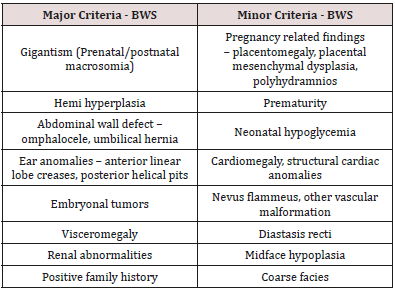
lupinepublishers-openaccess-pediatric-dentistry-journal
Table 2: Oral findings of BWS.
lupinepublishers-openaccess-pediatric-dentistry-journal
The overall risk of BWS for tumor development/malignancies is estimated to range from 4 – 21%. The tumors reported with BWS are mainly embryonal tumors such as Wilms tumor, hepatoblastoma, rabdomyosarcoma, adrenocortical carcinoma and neuroblastoma [7]. The prenatal diagnosis with current technology is increasing representing an important tool to determine some features of BWS before birth. In our case, parents were highly orthodox and refuse to share the detailed prenatal and ultrasonic reports. Few misguided information’s were given by mother which was later clarified with the reports from the subsequent medical hospitals. Patient’s parents were advised for periodic follow up with genetic counselling and the possibility of surgical interventions in the medical units, but they refused to follow and changed the hospitals every time. Hence, an effort was put forward to retrieve the information’s related to the patient while giving her the primary treatment for which she reported to our dental unit. This suggest the need of awareness required in the country like Saudi Arabia, where most of the cases goes unreported/unnoticed or parent’ consent not given or the cultural and religion barriers that prevent reporting such cases. Though the patient was treated with dental fillings, the follow up of the patients is been restricted by the family members.

Conclusion

Beckwith – Wiedemann Syndrome patients usually grow and do well despite being at increased risk of childhood cancer. Hence, strict follow up, awareness of parents and cancer screening is mandatory. Families, physicians and dentists should determine screening schedule including abdominal ultrasound in every three months, blood test to measure alpha-fetoprotein in every six weeks, dental check-up in every six months and other symptomatic treatment schedule as and when required.

Read More Lupine Publishers Pediatric Dentistry Journal Articles : https://lupine-publishers-pediatric-dentistry.blogspot.com/
Read More Lupine Publishers Articles : https://lupinepublishers.blogspot.com/

Monday, 9 December 2019

Lupine Publishers | Congenital Craniofacial and Cervical Cysts, Sinuses and Fistulas- A Review Article

Lupine Publishers | Journal of Otolaryngology Research Impact Factor


Abstract

Congenital cysts, sinuses and fistulas of the head and neck are anomalies that may be encountered in pediatric life. They represent abnormal development of the brachial apparatus or inclusion of the ectoderm at any site of the lines of fusion of the face. In the head, preauricular, salivary and median nasal fistulas as well as dermoid cysts and Van der Woude syndrome are examples. In the neck, median thyroglossal cyst and fistula, and lateral brachial cyst and fistula are well-known congenital anomalies. Proper diagnosis of these malformations is essential to decide the line of treatment. Standard and modified surgical procedures are adopted for excision and repair of these anomalies with the possibility of incidence of complications, recurrence and malignancy.
Keywords: Congenital; Cysts; Sinuses; Fistulas; Craniofacial; Cervical; Thyroglossal; Branchial
Abbreviations: CT: Computed Tomography; MRI: Magnetic Resonance Imaging; MULFs: Median Upper Lip Fistulas; TGDCs: Thyroglossal Duct Cysts; VWS: Vander Woude Syndrome

Introduction

A fistula is an abnormal tract communicating the cavities of two internal organs or the cavity of an organ with the body surface whereas a sinus is one-end blind tract that opens on the surface. Congenital cysts, sinuses and fistulas of the head and neck are uncommonly detected in children. They include congenital craniofacial and cervical anomalies; the latter may be mediocervical or latero-cervical in position. Surgical excision of these lesions is the only option of treatment.

Congenital Craniofacial Cysts and Fistulas

Congenital periauricular cysts, sinuses and fistulas occur commonly in children are developmental anomalies of the first branchial cleft and first pharyngeal arch [1,2]. Children with recurrent postauricular abscesses show associated congenital anomalies like postauricular sinuses, post auricular dermoid cysts, first branchial cysts, aural fistulas and aural atresia [3]. Congenital salivary fistulas of the main part of the parotid gland are rarely reported; surgical excision of the fistula and parotid gland is an effective line of treatment for this anomaly [4]. Odontogenic cutaneous fistula results from abnormal tooth canalization caused by chronic periapical infection; it may be wrongly diagnosed as a congenital fistula [5]. Abnormal protrusion of a part of the brain and its meninges through a defect in the skull bones is termed meningoencephalocele. A case of an anterior meningo-encephalocele presenting as a small swelling in the right lower eyelid was reported; if it was mistreated as a lachrymal swelling it might result in meningitis and cerebrospinal fluid leakage [6]. The nasal dermoid cyst and median nasal sinus are rare congenital anomalies that are attributed to early embryonic inclusion of the ectodermal germ layer during closure of the anterior neuropore of the neural tube [7]. Congenital nasofrontal fistulas (also termed nasofrontal dermal sinuses) are extremely rare malformations that may be complicated with serious meningitis [8]. Patients with congenital nasal fistulas and dermoid cysts are operated upon through vertical midline or horizontal glabellar, and nasofrontal osteotomy [9]. A craniofacial dermoid cyst at the lateral wall of the orbit was reported to be associated with a cutaneous frontotemporal fistula that extended to the dura of the temporal lobe of the brain through the temporal and sphenoidal bones; lateral orbitotomy was surgically performed in this case [10].
Congenital sinuses and fistulas of the lip are uncommon and median upper lip fistulas (MULFs) are extremely rare. A case of congenital MULF, at the philtrum of a girl infant, was surgically removed. The fistulous tract was histological lined with squamous epithelium that contained sebaceous and mucous glands as well as hair follicles. [11,12] Van der Woude syndrome (VWS) is a single gene autosomal dominant congenital craniofacial abnormality that is featured by labial cysts, accessory salivary glands, and lower lip pits, fistulas and paramedian sinuses; it is commonly associated with cleft lip or palate or both [13,14]. Excision of lower lip sinuses and accessory glands, reconstruction of the lip, nose, and associated cleft lip and palate are the components of VWS surgery [15]. Surgical excision of congenital lower lip sinuses has an increased rate of mucoceles formation and recurrence [16].

Congenital Cervical Cysts and Fistulas

Neck masses are frequently met with in children and they may be congenital or acquired in origin. Congenital neck swellings include branchial cysts, thyroglossal cysts, hemangiomas and cystic hygromas. They may be complicated into sinuses and fistulas [17,18]. Congenital cervical cysts, sinuses and fistulas are not common. Thyroglossal duct cysts (TGDCs) are the commonest malformations followed, in frequency, by branchial cleft anomalies and dermoid cysts [19]. Congenital cysts and fistulas of the neck are divided, according to their locations, into midline or mediocervical and latero-cervical anomalies [20,21]. In man during the 3rd to the 4th week of development, a pharyngeal (branchial) apparatus is formed in the wall of the pharyngeal gut. It consists of six mesodermal arches, four ectodermal clefts and five endodermal pouches. The derivatives of these branchial elements include essential structures in the head and neck while their remnants may develop into congenital neck anomalies like branchial cyst (and fistula) and thyroglossal cyst (and fistula) [22]. Laterocervical congenital cysts and fistulas are mentioned to be due to abnormal development of branchial clefts particularly the 2nd one; they are usually found at the anterior border of the lower third of the sternocleidomastoid muscle. The TGDCs (and fistulas) are the most common medio-cervical congenital anomalies; they are usually found in the median thyrohyoid region. Surgical resection of the cysts and fistulas should be complete to avoid recurrence and risk of malignancy [23]. Congenital cervical salivary fistulas result from ectopic non-branchial salivary tissue that has a sinus draining serous or mucous secretion to the anterior part of the base of the neck [24]. In congenital dermoid fistula of the anterior chest region, a skin orifice could be seen at the anterior border of the sternocleidomastoid muscle with subcutaneous extension of the fistulous tract till the sternoclavicular joint [25].

Median Neck Cysts and Fistulas

TGDCs are the commonest congenital swellings of the neck [26]. They represent 2% of cervical masses and 70% of congenital neck swellings [27,28]. TGDCs result from patency of a part of the embryonic thyroglossal duct that extends from the foramen cecum (on the dorsum of the tongue) till the thyroid primordium (pouches). They are painless and commonly diagnosed in children below the age of 5 years. A TGDC may ulcerate spontaneously leading to the formation of a thyroglossal fistula that rarely communicates with foramen cecum [28]. Thyroglossal fistulas may be suprahyoid, hyoid or infrahyoid in position [29]. It is agreed that congenital mento-sternal fistulas are embryologically and pathologically different from thyroglossal fistulas. Mento-sternal fistulas are most probably caused by midline cervical inclusion of ectodermal or endodermal tissue during fusion of the branchial elements [30]. Excision of the TGDC and fistula is performed through Sistrunk procedure which includes removal of the body of the hyoid bone. The lining epithelium of the excised cysts varies according to the sites of the cysts; it is cuboidal, columnar, pseudo stratified or stratified squamous in type [31]. In an adult female patient, during a Sistrunk procedure for a TGDC with recurrent purulent discharge, two fistulous tracts terminating at the hyoid bone were discovered; it was mentioned that similar cases were missing in the literature [32]. Moreover, a branched thyroglossal duct terminating in two separate cysts with a chronic fistula was diagnosed in a young woman with a history of an incomplete surgical excision of a TGDC [33].
Clinically, most of the thyroglossal fistulas are considered as the squeal of interventional procedures: incisions, punctures, enucleations or radiations of TGDCs. Radical Sistrunk procedure is an effective option for removal of a TGDC [34-37]. Standard or modified Sistrunk operation includes removal of the TGDC and/or fistula together with the middle part of the hyoid bone; the duct is microscopically or macroscopically dissected till the foramen cecum to avoid recurrence [38-43]. The recurrence rate of TGDCs removed by Sistrunk procedure is reported to be 4% [44]. In a group of patients with TGDCs and fistulas, the size of the cyst varied from 1 to 4 cm; Sistrunk procedure had the advantages of low rates of complications (9.08%) and recurrence(1.82%), avoidance of antibiotics usage and short hospital stay [45]. Preoperative neck ultrasonography is recommended as a diagnostic tool of a TGDC whereas postoperative histopathology of the excised cyst and fistula is mandatory to exclude rare occurrence of malignancy [46,47]. An unusual case of a TGDC at the base of the tongue and fistulizing to the anterior part of the tongue was described and successfully excised via a combined trans-hyoid and intra-oral surgical approach [48].
Piriform sinus fistulas are congenital anomalies of the third and fourth branchial arches. They are usually unilateral and associated with thyroiditis and recurrent abscesses in the lower part of the front of the neck. A case of rare bilateral congenital piriform sinus fistulas is mentioned in the literature [49].

Lateral Neck Cysts and Fistulas

Branchial anomalies of the 1st to 4th branchial clefts and arches represent 20% of all congenital head and neck swellings in children [50-52]. Branchial cleft anomalies can present as a neck swelling,sinus, or fistula. Second branchial cleft anomalies account for about 95% of all anomalies of the branchial apparatus. Repeated preoperative infections of these anomalies lead to a higher rate of postoperative recurrence [53]. Branchial cysts are supposed to result from incomplete developmental obliteration of the branchial cleft or trapping of cell nests in the branchial apparatus that can later form branchial cysts [54]. Second branchial cleft cysts and sinuses are the most common type of branchial cleft anomalies. Failure of obliteration of the cervical sinus of His leads to the formation of a branchial cyst and failure of fusion of the 2nd branchial arch with the 5th arch results in a branchial sinus (fistula) [55]. A rare coexistence of TGDC and branchial cyst with fistula in the same child is reported in the literature [56]. Unilateral first and bilateral second branchial cleft fistulas were concomitantly observed together with a preauricular sinus and moderate bilateral hearing loss in branchiootic and branchio-oto-renal syndromes [57]. A case of an ectopic tooth in a branchial cleft anomaly was described in a young girl who had Townes-Brocks syndrome [58]. Another case of second branchial cleft sinus remained asymptomatic till the sixth decade of life when it was surgically excised together with ipsilateral carotid endarterectomy [59]. Furthermore, a congenital branchial fistula may be complete with an internal orifice at the tonsillar fossa; complete surgical excision of the fistulous tract could be performed in one setting [60].

Conclusion

Congenital cysts, sinuses and fistulas of the head and neck must be properly diagnosed and managed to diminish the rate of complications and recurrence, and to avoid the risk of malignancy.

For more Lupine Publishers Open Access Journals Please visit our website: h
http://lupinepublishers.us/
For more Journal of Otolaryngology Impact Factor articles Please Click Here:
https://lupinepublishers.com/otolaryngology-journal/

To Know More About Open Access Publishers Please Click on Lupine Publishers

Follow on Linkedin : https://www.linkedin.com/company/lupinepublishers
Follow on Twitter   :  https://twitter.com/lupine_online

Friday, 18 October 2019

Lupine Publishers | On A Criminal Trace of Crippling and Often Even Lethal False Diagnosis: Lege Artis Cz

Lupine Publishers | Journal of Orthopaedics

Case Report

In 2010, the Czech Republic participated in the World Health Organization WHO Research to determine the quality of medical decision making in determining diagnosis and to determine an adequate individual choice of patient treatment. The conclusions were really frightening: the relative frequency of fatal medical decision-making errors is 10%, with a statistical accuracy of the tolerance estimate of +/- 2%, with a statistical reliability of conclusions of about 95%. Approximately rewarding results are found in all OECD countries - in all types of outpatient or inpatient health services. In real terms, this means that approximately every 10th accidental visit of the patient to the doctor will end up with an additional health problem. For example, a late-diagnosis of B-type jaundice, a medical prescription of an inappropriate medication that contravenes the health of a particular patient, or contraindicates the contraindication effects of other concurrent medications, or a radiologist misinterprets an X-ray image-with overlooked by emerging stomach cancer, overlooked severely fatal osteoporosis-disturbed bone, a preventive standard examination of the colonoscopy will occur with careless medical manipulation of the colon perforation probe in a hitherto healthy patient. In general, they are seriously threatened patients, sometimes even seriously endangered patient lives.
If the above mentioned documented WHO research results refer to the whole Czech pupil - that is, for the total population of the Czech Republic, 10.6 million living people and an average of at least one annual patient visit to any doctor in the Czech Republic. approximately 1 million citizens are probable expected to be expected to receive approximately one million people instead of the actual assistance needed in the Diagnosis and appropriate individual treatment, likely to have an unexpected, addictive - crippling health risky next complication - and some patients even due to a deteriorated health condition, probably some of them die sooner - many years before the bio statistic mean survival estimate for the remaining years would be the same-if the medical error did not become the correct diagnosis or treatment. The Providers Health care and medical staff said: It is fatal legal yearly irrevocable Facts - but I have said NO!

On a Criminal Trace of Repeated Mass Medical Mistakes With False Coded Working with Regards Lege Artis CZ

The First Criminal suspicious for Mass Illegal Medical Workflow CZ

If approximately one million Patients CZ are seriously threatened annually with incorrect medical decision-making contrary medical Knowledge’s WHO, logically at least Sum 50,000 Patients CZ are unnecessarily mutilated yearly. They are mostly casual preliminary dying - a long time ago from the adequate Cluster with similar Patients CZ with the same Diagnoses, Age, similar variant of Treatments they are growing differenced Health consequences and ever-increasing causal next health risks to die after medical mistakes - All these cases should end annually with ignoring of the Czech Justice Courts, supervising Criminal Police CZ, supervising from State Penalty Offices CZ - and survivors or heavily crippled patients of the Czech Republic should receive from the responsibly Health instance CZ of the Providers nets of Health Services of the Czech Republic - approximately there are ignored 3 million compensation for financial satisfaction per 1 case per annum.
The total should therefore be a probable compensation in the astronomical annual amount yearly - 50 thousand persons CZ x 3 million crowns - the result is 15 x 10x10x10x10x10x10x10x10x10x10 = 150 milliard CZK / year!!! Thus, in the Czech Republic’s national income about Sum CZK 330 Milliard, almou nearly half of the annual income is a waste of medical work. This is for the Healthcare of the Czech Republic, for the Provider of Health Services and their Employees, for the Judiciary CZ, for the State Budget of the Czech Republic, for the Criminal Police of the Czech Republic, for the Public Prosecutor’s Office of the Czech Republic unprivileged by national, political.
However, we have a very novel solution in the Czech Republic - whether you are an individual patient crippled and dying for legal or illegal medical mistakes very Cheap: All fatal cases will be placed in the category of “Unwanted inevitable medical and legal results of medical processes” with the unique cover false slogan LEGE ARTIS CZ. It is similar as a Italy Mafia with more strong laws, more servos as a OMERTA, who has taken a keen interest in all the injured patients in the medical, security, criminal and custody organizations: You are either a healthy, unnecessarily frozen or unnecessarily dying patient in the Czech Republic - but absolutely under the monotonic motto of observing Medical cases with false wisdom declination the principles of LEGE ARTIS CZ. So that any private truth criminalist evidence of Patients CZ, when that you are the Victim of a criminal way of providing medical health care will come out monotonously: You will almost never receive adequate financial justice satisfaction, because it is only derived of your preliminary “informed Patient consent” to planned risky and probably often including very technically illegal medical practice with Medical Devices, often with explicitly wrongly misused The Medical Devices- you have only one direction right Cementary route: sooner or later, without any patient comments to Court dealing CZ: to die without delay as a false result of the absolutely indifference responsible medical work “LEGE ARTIS CZ” with content many fatal explicit illegal technical partial medical mistakes [1-3].
Annual unnecessary severe mutilation of at least about 40 to maybe perhaps 50,000 patients in the Czech Republic with a much earlier causal death - this is a pre-agreed probable loss of life and health of the Czech Patients, which is the number of deaths and astronomically large national economic losses similar to the lives of Victims of the secret national continual war Physicians CZ - against their own patients in the Czech Republic, often absolute out of legal technical usage Medical Devices in hospital net CZ in regards to Technician Requirements of Laws EU/CZ.

The Perspective for Solutions to Limit and to Prevency the Mass Repeated Medical Mistakes in OECD

I know namely reliable coherent scientific processing to limit the Mass repeated similar medical mistakes with more efficiency sharing the best medical experiences only as perfect redefined scientific principles “LEGE ARTIS CZ“ - with more effective managing medical workflow with more effective usage samplings, clustering, validated medical processing, continual testing elementary partial medical activities of partial medical processing step by steps“ with more efficiency implanting Artificial intelligence, with more regards to Technician requirements of Laws EU/CZ for usage Medical Devices - with acquired my decision making method S_T_A_R_S in daily medical workflow - see the Literature Antonín Cuc: The Utility model 21532 CZ 2010, Czech Office for Industrial Laws. The Equipment for Retrieval and Search of sufficient statistic information to repeated similar strategic decision making with risk and computer support “the opened Sources to usage for Medicine US since April 17, 2017!
As a scientist, I am well educated in the field of Cybernetics and Statistics and in the field of H+S for Medical Devices, Technician requirements of Laws EU/CZ for legal processing usage Medical Devices in Providers Health care nets!

The précised and Redefined Logical Criminalist Definition Lege Artis Medical Processing in Health Care OECD

For example, violation of the Technical Requirements of the Laws on the Legal Safe Use of Medical Devices, for example in contravention of the Technical Requirements of EU / the use of Medical Devices, contrary to the requirements of related harmonized European standards, contrary to the instructions of the manufacturers of medical devices and contrary to the certified use of their installation and measuring instruments, contrary to the obligation to prevent known hazards declared in the Protocols on Medical Devices as products with use management conformity assessment rules “CE”.

The Logical Substantiation in Medical Processing OECD

In the Binary Logics so as in the Criminalist Logics for the conjunctions partial mixed procedural phenomenon’s with evaluating True, False - there are sum resulting evaluation the coherent sequential processing always resulting in evaluation F A L S E, when there are occurrence at least the One partial unit with evaluation with partial well criminal evidenced FALSE, definitely!
I am just needless dying Patient CZ because the implanting processing set Total Hip Arthroplasty since November 13, 2007 contained many illegal processing medical mistakes contrary functional assembling product processing for set THA Bicontact S, no cemented, nominal dimension 13 mm N, B.Braun Germany
- with false coaxial ties between the metallic Stem and my right femoral bone in the Surgery hall without preliminary Clinic Plan, with illegal declination coaxial ties 13,68 grads in sagittal Direction, out of acceptable assembling tolerance +/- 1 grad - The post operational first RTG images from date November 16, it was the sufficient criminal evidences about false illegal placement the spice the Stem in coordinate Xi, Yi, Zi - out of the firm installing radiologic Masks - but it should be controlled by the Laws and by the product ovoid on the Orthopaedic screen with the same scaling.
The wisdom false Court Medical Message from the Knowing Medical Institute - The Central Army Hospital Prague, CZ No. 36 C 181/2009-123 since the March 27, 2012 defined all Medical Orthopaedic Processing in Limits Lege Artis CZ, The fatal unhappy was defined not as Diagnose Fausse route stem on the Orthopaedic Surgery Hall - but as the results of the false medical Hypotheses in Complot of the Radiologic, Orthopads Doctors from the Orthopady Clinic and from the Knowing Medical Institute as Post operational tragic Event by Patient fallen“, despite such substitutions in truth Criminal traceing, Radiology, Geometry 3 D, Health Patient Documentation EHRs.
I laid down my life so that you and your physicians and technicians can work together in a responsible manner and in the real truth of God and in the same truth of the criminalist evidences.
I became an unnecessary Merthyr of human Stupidity and irresponsibility that threatens humanity and the patients of the Czech Republic who are denied the Constitutional Human Rights of the Czech Republic: for life, for a fair Court trials, for legal health care CZ. I believe that Medicine.com will never accept the falsity of the current approaches of „LEGE ARTIS CZ“, as now submitted to the world public by the Czech courts, the Criminal Police of the Czech Republic, the network of the State Prosecutor’s Offices of the Czech Republic.
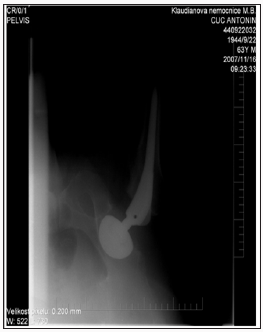
I am just placing the principal private RTG images for Forensic reconstruction Crash of set THA Bicontact S, no cemented in Geometry 3 D since date November 13, 2007 on the Orthopaedic Surgery Hall of the Regional Hospital Mladá Boleslav. Most of Patients with similar Crash are dying in duration since 3 till 7 days after overlooked FAUSSE ROUTE STEM, I was reoperation till 17 days after Poly trauma on the Surgery Hall, when the preoperational THA processing was realised in the same profile of Surgeon catting as in first THA, but the Spice of the Stem was created met he blooding and full plegic dysfunction Nervus is achidici with destructions my structure muscles in right calf, I am just frequential happened fallen with risk the repeated breaking the proximal femoral bone with just 8x worse probabilities and I am dying earlier about many years as other Patients CZ in Cluster with right legal first THA surgery.
Figure 1:
My Orthopads, my Judge, the forensic doctors from the Knowing Medical Institute CZ, Departments of Criminal Police CZ, State Penalty Offices CZ are smiling to my nearly Death within forced me many growing casual orthopaedic and leukemic heavy injuring LEGE ARTIS CZ (Figure 1). The virtual „Shorten of the Length the Axes of metallic Stem “It is caused the false placement with fatal declination in sagittal Direction in angle 13, 68 grads, there are false installing position of the spice Stem on coordinates Xo, Yo, Zi - it is illegal „to observing the RTG image in hands and by intuitive views“, when the Orthopads should taken the Orthopaedic screen and comparison the placement the Spice contrary firm radiologic Mask for the stem!
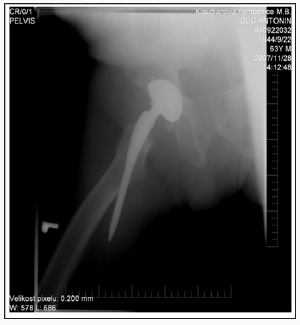
The Doctors said by illegal daily habits: We are working Lege artis, only a few orthopaedic patient are sometimes legal dying! The Criminal police CZ gave legal agreements so as the Knowing Medical institute CZ too - The mortal injured Patient CZ on the Prosector Hall haven´t commentaries! We are dying needless and very Cheap and frequently in CZ, always Lege Artis CZ (Figure 2). This is the Image from date November 28, 2007 too, this is forensic nonsense to prented this Criminal traceing could be realised as Patient fatal post operational happened! The last moving of the Stem was realised in Surgery hall November 13, 2007 in Regional Hospital Mladá Boleslav CZ.
Figure 2:
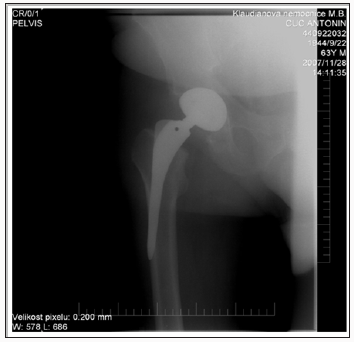
In Court trials CZ the Judge could believe for medical illegal Stupidities each of workaday. No Protests from Patients CZ are accepted in legal care for Constitutional Human Rights CZ by Ombudsman CZ- despite me is the Sate investigator for occupational mortalities in Branche Medical Devices. My Death is very awaiting CZ Events, like a public Execution of a disagreeable world Scientist in 21st Century (Figure 3).
Figure 3:


Friday, 11 October 2019

Lupine Publishers | Two Trajectorieess a Promise of Reform and Ashaaram Pattern what are we Missing?

Lupine Publishers | Journal of Orthopaedics

Abstract

The working of social and economic institutions, inequality is also a product of the way political institutions work. Government has known to serve the interest of economics elites and this most often works to the detriment of common people. This refers to the article ‘’Two trajectorieess’’ A Promise of reform and Ashaaram Pattern, what others do. A molar leadership deficit, our political leaders choose not to speak on certain issues. But they are forgetting that they have a molar responsibility towards domestic violence testing among divorced women begins privately manage pharmaceutical intuition associated to slums occupied area in Pune University, India. The horrific incidence in kathua and unnao has shown.com the ugliest side of the country’s politician. The right procedure is not followed for the enquiry of the domestic violence and his contention by government police. The term intimate partner violence is often used synonymously with domestic abuse or domestic violence, but it specifically refers to violence occurring within a couple relationships (i.e., marriage, non-cohabitating intimate partners). To these, the World Health Organization (WHO) adds controlling behaviours as a form of abuse. Intimate partner violence has been observed in opposite and same-sex relationships, and in the former instance by both men against women and women against men.
The high risk of experiencing domestic violence among divorced women in pharmacy institution in India who associated in slum occupied underscores the need for effective, instructional-based and standard behaviour culturally primary prevention. To inform such domestic violence primary prevention strategies for this population, author herein aimed to identify correlates of domestic violence testing in divorce women. Utilizing a cross-sectional design, potential correlates of domestic violence experience were explored among a geographically-clustered random sample of speak up few known women recently-divorce women residing in private pharmacy institution in slums in Pune, India. In domestic violence testing was associated with less educational attainment by the participant’s, less satisfaction of the job with the respect they earn, if not given’’ at the time of college hours, poorer living of life style, unhealthy food and conflict skills, and greater acknowledgement of domestic violence occurrence in college and friends. These connection suggest strategies that could be incorporated into future domestic violence early prevention interventions for this vulnerable population (i.e. promoting completion of formal education of men alongside women, migration causes of institution harassment, abuse language, more personal, skills, and challenging norms surrounding domestic violence add or before inspect the pharmacy institution.

Introduction

Women who have experienced intimate violence disease are at greater risk for physical and mental health problems including posttraumatic stress disorder (PTSD) and dependency. Most women get a severe stroke and the impact of all may compound these costs. Researchers have reported that women with these experiences are more difficult to treat; many do not access treatment and those who do, frequently do not stay because of difficulty maintaining helping relationships. However, these women’s perspective has not been previously studied in close monitoring in privately manage pharmaceutical institution [1,2].The purpose of this study is to describe the experience of seeking help for divorcées women dependency by Indian pharmaceutical institution to avoid the present violence. Women with dependency with a history of depression want help however the health and social services do not always recognize their calls for help or their symptoms of distress. Dependency thickens and stiffens walls, which can inhibit quality of life and will power, confidence.
Perception of alcohol use among well–Educated employees of pharmacy institution before and after the office hour in slums Pune Suburban has conflict. Little is known about how the overall employment conditions in a country impact the likelihood of employment of privately running out pharmacy institution in Pune University India [3,4]. Correlation of intimate domestic violence has aware of physical, sexual, psychological abuse, and control perpetrated against an intimate condition, is reported and prevalent globally accepted. Approximately one third of divorcee women reporting physical and/or *abuse by their head of the department during their office hour. Not only is an abuse word a violation of human rights that often results in physical injury. Divorcee women who experience domestic violence have higher odds of depression (measure face reading , body sacred, appearance, lower standards of dress, anxiety and other mental health disorders [5,6] true principal health, burn out stages and gynaecologic morbidity, rashes, sores, or lesions in the mouth or nose, or under the skin among other chronic disease states which is not known. Additionally, their children suffer from greater morbidity and mortality. In India, although national estimates suggest decreasing frequency, one in three women still report having been abused by their head of the department during their lifetime. Further, this figure is likely an underestimate of the abuse women suffer post-marriage with little hesitation, as it did not survey violence perpetration by the in-law or other members who believes traditional cultural draws. Divorcee women who reside in privately manage pharmacy institution in pune university India’s slums are among those at greatest risk of domestic violence.
While the disparate figures between slum- and non-slum occupied communities may be in sum art factual due to shameinduced underreporting in higher income communities, factors that drive increased domestic violence perpetration and compel women to remain in abusive relationships are likely disproportionately greater in slum communities. Women in slum communities may be more likely to experience domestic violence because their reporting officers and related to inadequate finances, crowding, and poor sanitation, discrimination, and subordination, reside in communities where normalization and acceptance of Domestic violence is greater, alcohol use is greater, perception has not known, have weakened support systems that do not allow them to develop and exercise positive coping mechanisms, no longer yoga knowledge, weaken immunity profile [7]. Further, in Pune slum communities, at the time of appointment, many women transition from unclear to join the intuitions (no appointment letter produce to employee) and newly enter the slums from surrounding rural areas; thus, the differences in upbringing within the couple may also influence illegal expectations and prompt conflict. Further, divorcee women residing in slums may be more likely to stay in abusive relationships because of poorer knowledge, skill and physiological and mental unawareness to support services, NGO’s, organisation head dependency systems, stronger perceptions of hopelessness and surrender, and residence in environments where domestic violence and other forms of violence occurs with frequency and acceptance. The risk imposed by these factors is compounded by local sanctions that encourage divorcee women to weaken ties with natal family members and their community post-marriage, that limit the time the couple spends together alone to develop their relationship both pre- and post-marriage, and external pressure on the couple (i.e. fertility].
Thus, domestic violence prevention for women residing in slum communities requires a culturally-educated, communityeducated approach that recognizes the structural factors of slum environments pharmaceutical institutions that shape domestic violence risk. Further, given the high domestic violence burden and limited and saturated support resources, focus in resourcelimited sittings should be on primary prevention. National evidence suggests that almost two-thirds of divorcee women who report domestic violence, state the abuse had begun within the first two years of job, underscoring the need for such prevention efforts to occur pre- or immediately post-marriage. To date, few studies have examined drisk factors for domestic violence experience among women residing in slum communities in India. T hose who have, identified the following risk factors: age, low educational attainment of self and spouse, young age of marriage, having a legal versus illegal, additional dowry request from marital family, employment, employment status, residence in a joint family, renting versus owning one’s residence, fewer class rooms in the institution and shared rooms, accepting attitudes toward women beating, shorter duration of marriage, and women alcohol dependency cannot ignore. And although causal directionality could not be established, one cross-sectional study among slum-dwelling women found participation in social groups and vocational training to be associated with domestic violence experience, perhaps because participation challenges social norms. Of note, none of these studies specifically examined correlates of violence in early stage, critical for primary domestic violence prevention. As part of formative work that led to the development of an intervention for the primary prevention of domestic violence for newly-wed couples residing in Pune slums, we aimed to explore correlates of domestic violence experience among recently-married women.

Methods

This study was considering it is fundamental characteristics and importance of present situation and instruction at all levels of our educational systems, from pre-primary to graduate.

Study Design

The study was conducted in Pune university pharmacy institutions, the second largest city in the western state of Maharashtra, India. According to most recent data from world university ranking. The study employed a cross-sectional design, wherein semi-structured interviews were conducted during the academic year 2016-2018. Interviews were conducted one-on-one in privately by trained female study staff in Marathi. Participant recruitment and enrolment. To be eligible for the study, participants had to be: a divorcee woman over 18 years of age; recently divorce; in a first marriage; in a second marriage.

Data Collection

Sample has collected to speak up methodology and data was selected using a muster name and item semi-structured questionnaire administered one-on-one in private by a trained female study team member.

Participant and study team safety

The study protocol was developed using the guidance of the AICTE and safety recommendations for research on violence against women.

Discussion

This study is the first to report correlates of domestic violence experience in early marriage among women residing in slums linkage private pharmaceutical institutions in pune university, India. We identified nine key potential domestic violence correlates: Teachers are not allowed to give physical punishment to the students. If seen strict action will be taken. During assembly nobody will be allowed to enter the school, the teacher should stand behind the respective classes. No P.F will be deducted from teacher salary i-e compulsory. Defence of unqualified pharmaceutical confidentiality that must be stop. Mobile phone should be kept in the office while signing the attendance register and collect it while leaving the school. Performed such other duties as may be not prescribed. No personal work is allowed during school time. Fourth Saturday of the month is holiday. Poor transportation facility.

Acknowledgment

This study has been guided by under supervision and guidance of Renowned Laboratory Scientist Respected Dr. Ramesh Paranjape’ Retd. Director and Scientist ‘G’ National AIDS Research Institute India. I express my sincere gratitude towards Respected Sir’ for motivation and being great knowledge source for this research. This work was supported by Award Number R.S.S.M./447/2017 Rastriya Samta Swatantra Manch. The content is solely the responsibility of the authors and does not necessarily represent the official views of the Rastriya Samta Swatantra Manch. Thanks go to grammar teacher who reviewed the manuscript grammar.


For more Lupine Publishers Open Access Journals Please visit our website:
For more Open Access Orthopedics and Sports medicine articles Please Click Here:

To Know More About Open Access Publishers Please Click on Lupine Publishers


Follow on Twitter   :  https://twitter.com/lupine_online

Friday, 4 October 2019

Lupine Publishers | The Role Effectiveness of Physical Activities on Mental Disorders in Students with Low Mobility Using General Health Questionnaire (Ghq)

Lupine Publishers | Journal of Orthopaedics

Abstract

Today, the emergence and growth of mental disorders are more noticeable in the student population due to the changes in health conditions of the world. Therefore, the purpose of this study was examining the role effectiveness of physical activities on mental disorders in students with low mobility using General Health Questionnaire (GHQ). The study was a causal-comparative research and has been conducted through the field method. The instrument was included the General Health Questionnaire-28 (GHQ-28). The statistical sample was included 430 male and female physical education and non-physical education students. The collected data was analyzed by descriptive and inferential statistical methods and analytical tests. The results showed that there was a significant difference between athlete and non-athlete students in all variable components of this study in two groups (P<0.05). It seems that regular physical activity can play an important role in students’ physical and mental health and students who participated in fitness and exercise programs have reported that their attitude and efficiency had a good state. Therefore, the increase of motivation through culture and the promotion of public awareness about the benefits of physical activity can be considered as one of the options for the development of the student sport.
Keywords: Anxiety; Social Function; Physical Problems; Depression; Physical Activities

Introduction

Today, the poor movement that has been created as a result of tremendous improvements in technology and mechanization of life and different jobs affects lifestyle in human societies. These very serious changes have had profound effects on human relationships at different levels of family and relationships with friends [1]. If we look at human’s physical construction, we will realize that human need naturally different kinds of physical activities for his/her entire development and evolution and the lack of adequate mobility and the lack of proper physical activities will disrupt different body systems. This great development in terms of health and well-being is one of the most important problems of today’s human [2]. This is very important for students, especially for students who are studying in a Master’s degree. Students should have a physical and mental health due to their role in social, cultural, and economic structures and their preparation to participate in social activities [3]. Today, the World Health Organization (WHO) considers a multidimensional concept for the concept of health multi-dimension and knows it as a positive concept based on the interests of individual and social sources and physical abilities. The WHO expresses that health is the welfare state and mental, physical, and social well-being and it is not only the lack of disease or body defects [4]. According to the definition of this organization, Health have physical, social, mental, emotional, and spiritual components. All five components have the interaction with each other for a healthy and strong person, so that if we give up one of them, we will be out of balance and our health will suffer in all domains [5, 6]. Therefore, dimensions of this definition (mental, physical, and social wellbeing and not merely the lack of disease) have the interaction with each other and these dimensions cannot be distinguished with a clear boundary [7]. There are indicators for the physical health and social welfare in many countries that those are reviewed and revised every few years, but the complexity and difficulty of definition often leads to neglect and ignore this in mental health [8]. The lack of mental health causes that a person suffers pains and physical and emotional symptoms such as isolation, headache, worry, anxiety, difficulty in falling asleep, and daily dysfunction [9]. Studies show that one of every two people will be prone to depression, so studies about improvement of mental health and its related factors are the most important studies in psychology [10]. In past decade’s huge changes were in the industrial world and considerably surround the lifestyle of many human communities. This has caused people to reduce physical activities, and have problems and diseases such as obesity, muscle weakness, cardiovascular and respiratory disease [11].
However, due to developments on the world health situation there is less risks to face this kind of problems. The considerable problem is emergence and growth of mental disorders .Purpose of mental health is the certain aspects such as human intelligence, mind and thought. According to Kameo someone has mental health, that who has no symptoms of anxiety and disability, able to establish communication with others and able to deal with the pressures of life [12]. We can found that the need for research in field of mental health and the survey of the effective factors on it is necessary with a look at the implications of urban lifestyle, apartment house, and the mechanization of societies in recent years and its negative effects especially on individuals’ mental health in a society and unresolved challenges [13]. The participation in sport activities as a scientific approach can increase individuals’ happiness and mental health. The various studies have shown that sport activities have psychological, emotional, and social benefits in addition to physical benefits, for example, the reduction of anxiety and depression, the increasing of sleep duration and better social relationships have been reported in different studies [14]. If a human has not enough calm to draw lost physical and personal resources and exposed to these severe psychological pressures repeatedly, the process of destruction will begin and then he/she will be sensitive to the disease especially psychosomatic diseases. Therefore, a human finds him/herself in anxiety without justification, fatigue, depression or feelings of dissatisfaction, and aimless, and he/she will hurt to relationships between individuals in the same way. One of the ways that psychologists introduce for the prevention and treatment of mental health problems is the role of physical activities in mental health, because the industrialization of societies and the reduction of physical activity in individuals have been revealed the need of sport more than ever and an extensive attention has been paid to exercise especially the role of exercise in psychological issues.
Research evidence show some environmental controversies that affect students’ mental health such as the desire for different social entertainments against willingness to study, the desire for physical superiority against organ limitations, the need to the lessons development against the feel of incompetence, the fear of personality expression against the desire for self-esteem, and job selection [15,17]. According to researchers’ idea who has mental health is a person that is distant from anxiety and disability symptoms and she/he can establish a constructive relationship with others, and is able to cope with life stresses [18]. On the other hand, conducted studies in the field of psychology and exercise have shown that exercise and physical activities are one of the effective methods for the prevention and treatment of mental illnesses [16,19]. Scientific evidences have shown that the participation in physical activities and the increasing of cardiovascular fitness are considered as an important factor in the improvement of mental health and mood. Nine factors are important in the creation of happiness and mental health that the participation in physical activities and exercise is one of the most important factors studied psychological and physical indexes in women that they concluded that aerobic activities and trainings had many benefits for behaviour and mood. Also, they stated that physical activities s were associated with the reduction of stress, tension, and the increasing of self-esteem [19].
Mental health is very importance for students in every community, because they are the future of any society. Mental disorders can lead to academic failure or the dropout. Students due to the specific conditions of students such as far away from family, getting into large and stressful collections, Economic problems and Lack of sufficient income, high volume courses, and intense competitions are prone to lose their mental health. They need an appropriate intervention for coping with such stressful situations. Regular physical activity at a moderate level course is one of strategies that scholars and researchers recommend to maintain and promote mental health [11,12] mental health (physical symptoms, anxiety, depression and dysfunction) of students in individual and team athletes with non-athletic and found out the amount of social dysfunction of team sports athletes than individual athletes and non-athletic and depression in non-athletes was more than two other groups. Also comparing each of the subscales between boys and girls athletes found that boys mean depression was more than girls [20].
Research results from Wang et al shows that any form of physical activity can protect and provide mental health. Sport in creating positive change, satisfaction with their sense of competence and efficiency play important role that are the component of mental health [14]. In his study concluded that following physical exercises, characters such as anxiety, depression and self-esteem varies to improvement that without regard to types of exercise activities that classified as aerobic have the most effects in terms of physiological and psychological.
Anxiety and depression are considered as trends and common mental disorders. So that Ghaffari (1384) studies results shows that non-athletes depression is less than professional and nonprofessional athletes. Studies suggests that physical activity and exercise has effect in promoting mental health, reducing depression,increasing welfare, mental and social health, self-confidence, self-belief and self-discovery. This study has compared male and female athlete and non-athlete students’ mental health, since many researchers have emphasized the role of physical activity and exercise as an instrument for the prevention of diseases and mental disorders and due to the existence of significant differences in men and women’s physiological characteristics. According to the findings of this study and differences of effectiveness in students due to studied different factors, we hope that can provide more effective and coherent programs for more participation in sports activities of different groups with an attention to these differences to improve students’ dimensions of mental health and the reduction of mental and psychological stresses in addition to the improvement of their physical abilities with the participation in sports activities.

Methods

This descriptive-analysis study was conducted on the causalcomparative method. The instruments of this study were included Goldberg’s General Health Questionnaire-28 (GHQ-28) and a demographic questionnaire that its validity and reliability have been proven in different studies. Goldberg’s General Health Questionnaire measures four categories of non-psychotic disorders such as somatic symptoms, anxiety and insomnia, social dysfunction and depression. Likert’s scoring method (0 to 3) was used for each case. The scoring criteria were the intensity of the evaluated symptoms and a higher score indicated a high intensity of the symptoms. According to this, a person with a score of 23 and lower score was considered as a healthy person and with a score of 24 and higher score was considered as suspected person who had a disorder. The statistical population of this study was all male and female physical education and non-physical education students in Universities Azad Islamic Branch of Gilan province. The statistical sample of this study was included 430 students that they were selected by randomized multi-stage cluster sampling. Athlete students were individuals who participated at least 3 times a week in sports programs and activities and non-athlete students were individuals who in this study did not have any physical activity or who their activities were limited to daily routine of life and education. The collected data were classified by descriptive statistical methods and were analyzed by dependent T-test. The SPSS software (version 21) was used for data analysis (α≤0.05).

Results

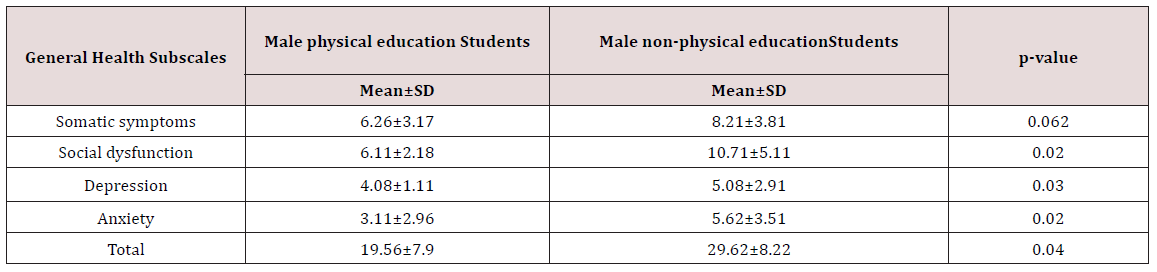
According to the results of the statistical analysis of this study, the status of general health indicators among physical education and sport sciences students was in the range of 19.68% that 27.11% was abnormal and 72.89% was normal in terms of general health status. Also, the results of statistical analyzes on the general health status among non-physical education students was in the range of 8.21%) that 42.17% was statistically abnormal and 57.83% was a good status. The male subjects’ age mean was 26 ± 3 and female subjects’ age mean was 24±7 in this study. The subjects’ age distribution was 63.17% in the age range of 20-30 years and 36.83% in the age range of over 30 years. 48.72% of physical education and sport sciences students were male students and 51.28% of them were female students. 56.11% of non-physical education students were male students and 43.89% of them were female students. The results in (Tables 1-3) showed that there was a significant difference between physical education and nonphysical education students (P<0.05).
Table 1: The results of independent T-test in the relationship with female Students’ General health subscales.
Table 2: The results of independent T-test in the relationship with male Students’ General health subscales.
Table 3: The results of independent T-test in the relationship with physical education and non-physical education Students’ mental health subscales.

Discussion

the purpose of this study was examine the role effectiveness of physical activities on mental disorders in students with low mobility using General Health Questionnaire (GHQ).The results of this study showed that there was a significant difference between physical education and non-physical education teachers in mental health (P<0.05). It means that physical education teachers had a higher mental health score in comparison with non-physical education teachers. This result is consistent with the results of Hamer Rass and Hayes, Anonymous, Narimani, Ahmadi and Pirhayti and Nariman’s study [21-23].
Undoubtedly, the establishment of a healthy and happy society depends on the physical and mental health of the members in the society and needs to efforts of healthy, efficient, and thoughtful human forces. In this regard, the human and specialist resources in education that often have acceptable scientific and practical knowledge and abilities need to be able to overcome threatening factors of general health by the management of their organizations. Otherwise, the reduction of their capability will be inevitable. In this regard, the highest harm will be for students who are trained and the educational goals will encounter with serious problems. On the other hand, teachers will be aware of harmful problems and resources in their profession with the cognition of these factors and will use coping methods to deal with its undesirable effects.
The results of this study are consistent with the results of Bakhshalipour et al that they examined the effect of aerobic training on non-athlete postmenopausal women’s mental health. On the other hand, the difference in mean of mental health in the comparison of male and female athlete and non-athlete students did not show a significant difference in any of the subscales, but it was significant in all subscales with the comparison of male athlete and non-athlete students. So that male athlete students’ mental health had better condition than the male non-athlete students. This results is consistent with the results of study. They stated that male athlete students who participate regularly in physical activities such as walking, jogging, swimming, aerobics, or playing in sports teams can be able to do boring tasks in a longer period than inactive male students that this can be due to adaptive responses in a body as a result of regular exercise. There is a lot of evidence about the benefits of regular physical activity for general health. Studies show that intense and regular exercise is associated with less stress and anxiety. Also, people who participate in fitness and exercise programs report that their attitudes and efficiency are better at work; for example, they make fewer mistakes. It seems that exercise can play an important role in students’ physical and mental health due to all subjects are students who study at master’s level and they do many research works, and modern life conditions that have physical abnormalities such as back pain, joint damage, and diseases such as obesity and cardiovascular diseases. Therefore, the increasing of motivation through culture and the promotion of general knowledge about the benefits of physical activity can be considered as one of the options for the improvement of student sport. A program that may not have been seriously considered so far. According to the results of these findings, it seems that one of the factors that cause student athletes have better mental health than non-athletic students is their participating in healthy activities such as sport activities. Tuckers research results Showed, that physical fitness significantly reduces mental disorders in people.

Conclusion

Generally, Athletes that, participate different sports field based on personal interests and tastes the exposure groups and sports cooperation and cooperation with them and enjoy the new friendships. This may be cause removing such feelings and dissociable and helps create collective spirit, while non-athletic students deprived this opportunity


For more Lupine Publishers Open Access Journals Please visit our website:
For more Open Access Orthopedics and Sports medicine articles Please Click Here:

To Know More About Open Access Publishers Please Click on Lupine Publishers


Follow on Twitter   :  https://twitter.com/lupine_online