Showing posts with label Journal of Gastroenterology and Hepatology. Show all posts

Tuesday, 29 August 2023

Lupine Publishers | Food Sources and Bioavailability of Calcium

 Lupine Publishers | Journal of Gastroenterology and Hepatology


Abstract

The identification of the calcium ration by self-questionnaires validated in the region of Blida and the Wilayas of approximately is one of the rare studies in Algeria. She was interested in a part of the Algerian population with characteristics that do not seem very different from the general population; however, this dietary survey must be supplemented by a study on a representative sample of the general population. The study showed insufficient calcium intake mainly secondary to low consumption of milk and dairy products. This low calcium intake was objectified by the two questioning methods (Fardellone and CERIN), however, it will be desirable to establish Algerian self-questionnaires validated and verified by our learned society. The results obtained are worrying, which obliges us to immediately introduce a prevention and control strategy against the multiple pathologies linked to this low calcium intake, the main one being osteoporosis with its serious fracture complications.

Keywords:Calcium; Milk ; Oxalic Acid; Self-Questionnaire ; Bioavailability

Introduction

The role of calcium in nutritional balance and its importance in the proper functioning of the

body are widely accepted [1]. Calcium is very common in the diet, however it is milk and its derivatives that exhibit optimal bioavailability [2]. The interest of studying the factors influencing this bioavailability is capital for better management of dietary advice to cover calcium needs; calcium absorption depending on the source of calcium and the nature of the diet [3,4]. Our study aims to define the dietary sources of calcium, the factors influencing the absorbability and its bioavailability in order to adapt the diets to calcium needs.

Patients and Methods

100 volunteers of both sexes aged between 20 and 60 years, from the regions of central Algeria (Médéa, Chlef and Ain Defla) participated in the cross-sectional study for 3 months in 2021.

Inclusion Criteria

a) Healthy subjects, without specific and active medical or surgical history.

Non-Inclusion Criteria

a) subjects with, in particular, a digestive pathology with repercussions on the absorption of calcium

b) subjects with an endocrine (goiter) or metabolic disorder (diabetes, obesity)

c) pregnant or breastfeeding women

d) subjects under calcium supplementation

The survey carried out is based on a validated frequency self-questionnaire (Fardellone) as a model for questioning the main dietary sources of calcium, the level of daily calcium intake and factors reducing its bioavailability. This frequency self-questionnaire comprises 20 items whose calcium content is assessed using Fardellone equivalence tables; each item is associated with a multiplying coefficient making it possible to obtain a result in mg / day.

Foods are divided into 6 groups

a) Dairy products group

b) Group of cereals, starches and pulses

c) Group of meats, fish and eggs

d) Confectionery group and particularly chocolate factories

e) Group of drinks (water, fruit juice, coffee and tea)

The descriptive analysis of the population is based on the calculation of means and standard deviations for quantitative variables and percentages for those which are qualitative. Data entry and statistical analysis are performed using SPSS4 statistical software.

Results

The study workforce was 60% women and 40% men. Subjects over 60 years of age represented 60% of the total population. The work revealed an insufficient calcium intake (calcium intake of 659, 12 mg / d in men and 736.62 mg / d) essentially linked to a low consumption of milk and dairy products and a high consumption of foods containing oxalic acid: beetroot, spinach, coffee and tea in 96% of the study population.

Discussion

The population who participated in the study is predominantly female (60%) and relatively young (71% of the subjects surveyed had an average age of 28.71 years). We have adopted the WHO references for daily consumption levels, i.e.: low intake level for consumption <500 mg / d, mediocre intake level for calcium inputs of 500-999 mg / d and a suitable level for an intake> 1000 mg / d [4]. Based on the Fardellone frequency self-questionnaire, easily performed, reliable and adapted to our eating habits, the low absorbability of calcium has been associated with the current consumption of products rich in oxalic acid (contained in beets, spinach, tea and coffee) which affects the digestive relay of calcium bioavailability [5]. Overall, our results are similar to those obtained in Morocco [6] where the average calcium intake is 699 mg / d in a population aged between 16 and 59 years, and, also to those found in Tunisia [7] in the survey which concerned premenopausal Tunisian women whose calcium intake was greater than 800 mg / day in only 4% of those concerned.

Conclusion

The results will be alarming, which encourages the immediate implementation of a prevention program for poor calcium status linked to the low calcium content of the food intake or its poor bioavailability in order to deal with the resulting pathological consequences such as osteoporosis exposing to major fracture risks. This survey must be reinforced by a study on a representative sample of the Algerian population.

Read More About Lupine Publishers Journal of Gastroenterology and Hepatology Please Clock on the Below Link: https://currenttrendsingastroenterology.blogspot.com/


Tuesday, 11 July 2023

Lupine Publishers | Different Toxicity of Aristolochic Acids in Kidney and Liver

 Lupine Publishers | Current Trends in Gastroenterology and Hepatology


Introduction

 Aristolochic acid (AAs) is a group of nitrophenanthrene compounds comprised of AAI, AAII, AAIII and AAIV, which are widely found in Aristolochia plants and used in herbal therapy and traditional Chinese medicine [1]. Consistent use of aristolochic acids- containing drugs could lead to aristolochic acid nephropathy and subsequent urinary tract tumors [2-4]. Active metabolites of AAs form adducts with DNA, inducing characteristic A-T transversion (A:T to T:A mutation) known as AA mutational signature [5]. In 2017, a study has analyzed AA mutational signature of several datasets and concluded that AAs and their derivatives were widely implicated in liver cancers in Taiwan and throughout Asia [6]. Ever since the paper published, there has been an intensive debate on whether the prevalence of AA signature mutation is high in HCC patients and if this mutation spectra is really correlate with traditional Chinese medicine consumption in Asia. Since no case report has linked AAI to liver cancer by far, many researchers held doubts regarding AA-induced liver cancer. Herein, we summarized previous reports of animal experiments indicating the organ specified toxicity in kidney other than liver and shared our opinion about the possible reasons.

For long, several reports have linked AAs to the development of urothelial cancer, kidney and forestomach tumors in rodents [7-11]. Although AA could be bioactivated in both kidney and liver, in most studies, it only induces tumors in kidney [12]. Therefore, kidney was usually considered as the prior target organ of AAs. AA-DNA adduct is a well-known biomarker for AA exposure. Studies conducted on rat kidney and liver found that kidney had at least two-fold higher levels of DNA adducts and mutant frequency than livers inducted by AAI [13, 14]. The same dose didn’t cause liver tumor in rat, but DNA adducts were detectable at lower levels than kidney [13]. The experiment on Muta mice showed the same tendency [15]. A most recent study also indicated that although forestomach carcinoma was the main cause of death in long-term small dose (0.3-3.0 mg/ kg) AAI-treated mice, kidney was still the organ with most AA-DNA adducts accumulation compared with forestomach and liver [16].

There are several possible reasons for the tissue specificity of AA, one of which could be the ability of proximal tubules to transport and concentrate AA and their metabolites, resulting in renal toxicity. OAT family, mainly expressed on renal proximal tubules, is considered to be one of the pivotal determinants mediating the accumulation of AAI into the proximal tubules [17]. In addition, the level of enzymes catalyzing the reductive activation of AAI are varied in different cells. The activation pathway for AAI is nitroreduction catalyzed by both cytosolic and microsomal enzymes. One of the main human and rat enzymes activating AA-I toxicity was NAD(P) H:quinone oxidoreductase (NQO1), present in hepatic and renal cytosolic subcellular fractions. Other involving enzymes include NADPH: CYP reductase (POR) in kidney microsomes and protaglandin H synthase (cyclooxygenase, COX) in urothelial tissues [18]. In addition to gene expression level of the AAI activation related enzymes in liver and kidney, in vivo oxygen concentration in specific tissues might also affect the balance between AAI nitroreduction and demethylation, which in turn would influence tissue-specific toxicity or carcinogenicity [19]. A recent study also indicated that hepatocyte-specific metabolism of AA-I substantially increases its cytotoxicity toward kidney proximal tubular epithelial cells, including formation of aristolactam adducts and release of kidney injury biomarkers [20].Moreover, AA exposure could cause significantly altered gene expression profiles between kidney and liver, involving defense response, apoptosis and immune response, cell cycle etc, which might also be possible reasons for the tissue-specific toxicity and carcinogenicity of AA [12, 21].

Although the toxicity and carcinogenesis of AAs in kidney is well-defined, their role in liver damage and tumor development may be different. Besides, AA exposure as the main cause of liver cancer was not consistent with the actual scenario in Asia since hepatitis B virus infection remains as the highest risk. Therefore, we believe the toxicity of AAs in liver and kidney should be considered separately.

Read more about Lupine Publishers Journal of Gastroenterology and Hepatology Click on the below link: https://currenttrendsingastroenterology.blogspot.com/


Tuesday, 12 October 2021

Lupine Publishers| Utilization of Direct Acting Oral Anticoagulants in Patients with Liver Cirrhosis: Is It Safe?

 Lupine Publishers| Journal of Gastroenterology and Hepatology


Abstract

Patients with liver cirrhosis are known to have increased risk bleeding particularly from gastrointestinal tract. However, recent literature has shown that patients with liver cirrhosis are also at increased risk of thrombotic complications. Therefore, it is important to consider anticoagulation in cirrhotic patients. The purpose of this article is to review the epidemiological studies available in scientific literature comparing the risk of bleeding in cirrhotic patients utilizing DOACs vs traditional anticoagulation.

Abbreviations: INR: International Normalized Ratio; VTE: Venous Thromboembolism; DVT: Deep Venous Thrombosis; PE: Pulmonary Embolism; PTT: Partial Thromboplastin Time; LMWH : Low-Molecular-Weight Heparin; NO: Nitric Oxide; PTT: Partial Thromboplastin Time; DOACs: Direct Oral Anticoagulants; AT: Antithrombin; ULN: Upper Limit Of Normal; AUC: Area Under The Plasma Concentration-Time Curve; PD pharmacodynamics; PK: pharmacokinetics

Introduction

Liver plays central physiologic role in hemostasis as it synthesizes the majority of the procoagulant and anticoagulant factors. The levels of these factors are markedly affected by decrease function of liver associated with cirrhosis resulting in abnormal hemostatic mechanism. Generally, the impression in the clinical world is that liver cirrhosis is associated with decrease synthesis of procoagulant factors resulting in increased risk of bleeding. This phenomenon is known as auto-anticoagulation and is supported by elevated international normalized ratio (INR) and low platelet count usually observed in cirrhotic patients. In this regard, gastrointestinal bleeding and more specifically variceal bleed is of major concern since they contribute significantly to the mortality of patients with liver cirrhosis. At least, 30% mortality has been reported at the first episode with a 70% recurrence rate in this patient population and a one year survival estimate ranging from 32% to 80% [1]. However, decrease function of cirrhotic liver also results in reduce level of anticoagulant factors including anti thrombin III, protein S, and C which may result in increased tendency to form clots. Interestingly, recent data also indicates cases of venous thromboembolism (VTE) including both deep venous thrombosis (DVT) and pulmonary embolism (PE) in cirrhotic patients ranging between 0.5% to 6.3% [2-10]. Dabbagh et al. [4] found that even an elevated INR > 2.2 was not protective against VTE in this patient population [4]. Gulley D et al. [10] noted that hospitalized cirrhotic patients without predisposing co-morbidities (e.g. neoplasm, congestive heart disease and chronic renal failure) had similar risks for VTE as compared to non cirrhotic patients [10]. Thus, the myth of auto-anticoagulation seems to be only partially true. Therefore, the abnormal routine blood tests (like elevated INR, Partial Thromboplastin Time [PTT], high MELD score and low platelet count) may indicate increased hemorrhage risk in this patient population which may not be completely protective against risk of VTE as these tests do not accurately reflect the activity of aforementioned anticoagulant factors in the serum. As a result, utilization of anticoagulation is now being increasingly encouraged in cirrhotic patient population to avoid thrombotic complications.

Direct oral anticoagulants (DOACs) are relatively newer class of anticoagulants which selectively inhibit factor Xa (for e.g. Apixaban, Rivaroxaban, and Edoxaban) and factor IIa (for e.g. Dabigatran) of the coagulation cascade. Being able to be administered orally, rapid onset of action, lack of heparin induced thrombocytopenia, fewer interactions, and non requirement of laboratory monitoring are some of the advantages that DOACs carry over the traditional anticoagulant agents. DOACs may also be helpful in management of portal vein thrombosis (PVT) and portal hypertension (pHTN) in patient with cirrhosis as case reports have been reported about PVT controlled by Rivaroxaban treatment [11-13]. Vilaseca M et al. [14] investigated the effect of Rivaroxaban on various mediators of portal hypertension in CCl4 and thio acetamide-cirrhotic rats. Rivaroxaban significantly decreased portal pressure in both models of cirrhosis by reducing oxidative stress, improving nitric oxide (NO) bioavailability, and ameliorating endothelial dysfunction. Rivaroxaban also markedly reduced intrahepatic microthrmbosis by reduced fibrin deposition and deactivated hepatic stellate cells which plays major role in increasing intrahepatic vascular resistance by promoting fibrogenesis [14]. The purpose of this article is to review the epidemiological studies available in scientific literature comparing the risk of bleeding in cirrhotic patients utilizing DOACs vs traditional anticoagulation.

Methods

An electronic Medline search was conducted using the key terms anticoagulation, oral anticoagulant, direct acting oral anticoagulant, novel oral anticoagulant, direct thrombin inhibitors, direct factor Xa inhibitors, Apixaban, Rivaroxaban, Dabigatran, Edoxaban, liver cirrhosis, chronic liver disease, and decompensated liver disease. Studies written in the English from January 2000 to March 2018 were considered for this review article. All search results were reviewed.

Results

Hum J et al. [15] conducted a retrospective cohort study to compare the efficacy and safety of direct oral anticoagulants vs traditional anticoagulants in 45 patients with cirrhosis who were prescribed therapeutic anticoagulation over a 3-year period for thrombosis or prevention of stroke in patients with atrial fibrillation. 27 patients were prescribed one of the DOACs and 18 were prescribed vitamin K antagonist or low molecular weight heparin (LMWH). Similar total bleeding events (8 with DOACs vs 10 with other, P=0.12) were observed in the two groups but DOACs group had significantly less major bleeding events (1 [4%] vs 5 [28%], P = 0.03) [15]. In another retrospective study, Intagliata N et al. [16] compared the rates of bleeding in cirrhotic patients treated with DOACs (Rivaroxaban and Apixaban) to the cirrhotic patients treated with traditional anticoagulation (coumadin and LMWH) using a research database. The sample size consisted of 39 patients who received anticoagulation therapy over a 3-year period. 20 patients received DOACS and 19 received traditional anticoagulation. No significant difference in bleeding was observed in the two groups (three in the traditional anticoagulation group and four in the DOACS group, p = 0.9). Three major bleeding events were noted including two in the traditional anticoagulation group and one in the DOACS group [16]. Nagaoki Y et al. [17] also conducted a retrospective cohort study in fifty cirrhotic patients comparing the efficacy and safety of Edoxaban and warfarin for treatment of portal vein thrombosis (PVT). After treating for two weeks with danaparoid sodium, patients were switched to either Edoxaban (n = 20) or coumadin (n = 30). The efficacy and safety of Edoxaban and warfarin was compared for up to 6 months. Clinically significant gastrointestinal bleeding was encountered in 3 of 20 (15%) patients of the Edoxaban group and 2 of 30 (7%) of the warfarin group but the difference was not statistically significant (P = 0.335) [17]. In a relatively larger retrospective cohort study, Goriacko P et al. [18] compared the rate of bleeding in chronic liver disease patients with atrial fibrillation treated with oral anticoagulants (coumadin vs DOACs). No significant difference in all-cause bleeding (HR 0.9, 95% CI 0.4-1.8) and major bleeding were observed between the two groups [18].

Conclusion

The data on the safety of DOACs in patients with liver cirrhosis is in very initial stages. Based on our Medline literature search, we were able to find four studies comparing the risk of bleeding in cirrhotic patients utilizing DOACs vs traditional anticoagulation. All studies reported either decrease bleeding events in patients with liver disease treated with DOACs as compared to patients treated with traditional anticoagulation or no significant difference in bleeding risk. However, these studies were limited by retrospective nature, small sample size, and lack of randomization. Due to retrospective nature, underreporting of the bleeding events may have resulted in the underestimation of the risk of hemorrhage in these studies. Lack of randomization may have resulted in the underutilization of DOACs in cirrhotic patients at higher risk of bleeding such as those with high INR, low platelet count and presence of esophageal varices. This may have also confounded the results of these studies.

One of the major concerns regarding utilization of DOACs in cirrhotic patient population is the lack of specific antidotes in face of life-threatening gastrointestinal bleeding or urgent invasive procedure. Since DOACs have long half-life, drug discontinuation is insufficient in these circumstances. Recently, three agents including Idarucizumab, andexanet alfa, and ciraparantag have been introduced with promising antidotal effect against the DOACs [19]. Idarucizumab is the only agent to date which has been approved for use and is specific to Dabigatran [19]. Andexanet alfa is specific to factor Xa inhibitors and is still under investigation [19]. Ciraparantag is a universal antidote and is in earlier stages of development [19]. In a study on healthy volunteers, Prothrmobin complex concentrate has been demonstrated to reverse the anticoagulant effect of Rivaroxaban and Dabigatran [20]. In another study, prothrombin concentrates and recombinant factor VIIA were added in vitro to plasma from healthy volunteers receiving Rivaroxaban and Dabigatran with (partial) reversal of these agents [21].

Another concern regarding the utilization of DOACs in patients with liver disease is that the abnormal functioning of liver may affect the pharmacodynamics (PD) and pharmacokinetics (PK) of DOACs resulting in altered half-life and serum concentration of these agents in this patient population. As a result, caution and dose adjustment may be required when using DOACs in patients with abnormal liver function. Graff J et al. [22] observed that in patients with moderately impaired liver function (i.e. Child-Pugh classification B), the area under the plasma concentration-time curve (AUC) of Rivaroxaban after a single dose of 10 mg increased by 2.27-fold along with increase in factor Xa inhibition [22]. Since, Rivaroxaban is also excreted mainly by the kidneys (66%) and liver (34%), caution and dose adjustment of this agent is recommended in cirrhotic patients with cirrhosis with or without concomitant renal failure [22]. Rivaroxaban is also contraindicated in patients with liver cirrhosis associated with coagulopathy, increased bleeding risk, and patients classified as Child-Pugh B and C [22]. In contrast, the AUC of Dabigatran after a single dose of 150 mg decreased by 5.6 % in patients with moderately impaired liver function (i.e. Child-Pugh classification B) [22]. Also, Dabigatran is mainly (80%) eliminated via the kidneys and is likely the more safer choice in patients with liver cirrhosis [23]. Stangier J et al. [23] observed slower conversion of Dabigatran intermediate to active Dabigatran [24]. However, total drug exposure was comparable between healthy volunteers (n = 12) and patients with hepatic impairment (Child Pugh classification B, n = 12) [24]. Moreover, the parameters of coagulation, including activated partial thrmboplastin time, clotting time, and thrombin time relationships were basically similar in both groups [24]. Therefore, Dabigatran can be used in patients with moderate hepatic impairment without the need for dose adjustment [24]. Dabigatran should be avoided in patients with elevated hepatic enzymes (>2× ULN) and is contraindicated in patients with hepatic impairment expected to have any impact on survival [22]. Increased AUC by 1.09-fold was observed for Apixaban after a single dose administration of 5 mg whereas AUC of Edoxaban decreased by 5.6 % after single dose administration of 15 mg [22]. In patients with mild (Child-Pugh A) or moderate (Child- Pugh B) hepatic dysfunction or transaminase levels >2× upper limit of normal (ULN), Apixaban can be used with caution. Apixaban should be avoided in patients with severe hepatic impairment and in those with hepatic impairment with increased bleeding risk [22].

It will be helpful to monitor activity of DOACs in cirrhotic patients particularly at increased risk of bleeding for example patients with esophageal varices, elevated INR, and low platelet count. Novel coagulation assays need to be developed to monitor the activity of DOACs in serum from patients with liver disease. In one study, Potze W et al. [25] noticed substantial reduction in anti- Xa levels when antithrombin (AT) dependent anticoagulant drugs (Unfractioned heparin, LMWH, and fondaparinux) were added to the plasma of patients with cirrhosis as compared to plasma from healthy controls. Therefore, they concluded that anti-Xa assay cannot be used to monitor AT-dependent anticoagulant drugs in patients with cirrhosis, as it may result in underestimation of drug levels and increase risk of bleeding. However, this was not the case with Rivaroxaban and Dabigatran and they recommended that direct factor Xa and IIa inhibitors may be monitored through the respective anti-Xa and anti-IIa assays in patients with cirrhosis.

Read More About  Lupine Publishers Journal of Gastroenterology and Hepatology Please Click on Below Link: https://currenttrendsingastroenterology.blogspot.com

Monday, 3 May 2021

Lupine Publishers| Hygiene and Dietary Measures in the Treatment of Type 2 Diabetes Population of Chief Region (Algeria)

 Lupine Publishers|  Current Trends in Gastroenterology and Hepatology


Abstract

Diabetes mellitus is a chronic, sometimes silent disease that exposes cardio-vascular morbidities by its micro and macroangiopathic complications with heavy socio-economic repercussions. Strategies of various kinds are put in place to contain this metabolic and nutritional pathology; hygiene and dietary measures participate in this program to fight against the outbreak and worsening of the diabetic disease.

We wanted in this study to make an inventory of places concerning the therapeutic education, the knowledge of the patients on the disease and the hygienic-dietary rules which should accompany any therapeutic scheme for an optimal control of the evolution of the diabetes. The socio-economic and school level, the food beliefs and the non-access to a specialized consultation, translate the non-observance of the hygienic-dietary measures which cause difficulties optimal control of diabetes.

Keywords: Hygienic; Dietary measures; Therapeutic education; Diet; Diabetes

Introduction

Diabetes mellitus is a chronic, sometimes silent disease that exposes cardiovascular morbidities by its micro and macroangiopathic complications, and other psychological, oncological, cognitive and even arthropathic constraints with adverse socioeconomic consequences. Diabetes is therefore a real public health problem nationally and internationally. All learned societies: American Diabetes Association (ADA), International Diabetes Federation (IDF), Diabetes Control and Complications Trial (DCCT) and even SAD (Algerian Society for Diabetology) have alarm and have put in place many strategies to deal with this problem. The question posed is that of our positioning in relation to the directives of these learned societies concerning:

a) The individualisation of the care of diabetics

b) The involvement of diabetics in this care

c) The adherence of these patients to the different councils of their doctors

Admittedly, the majority of our diabetics, especially those of type 2, are of a low level of education, even illiterate, but the involvement and adherence of these people to the orientations of care is still possible and very useful. This modest study contributes part of the answer to this problem concerning the current state of diabetic patients in a region of the Wilaya de Chlef (west central Algeria) in terms of information (therapeutic education), knowledge about disease and the rules of hygiene and dietary (RHD) to accompany any therapeutic scheme. In order to better understand the relationship of diabetic subjects with medical care, we were led to introduce into the interview questions focused on dietary and dietary rules and to provide an overview of patients’ knowledge. diabetics on:

a) The meaning of lifestyle and dietary measures;

b) Their knowledge about RHD;

c) Diet, dietary beliefs and various dietary errors.

It is also appreciated the patients’ adherence to the various advice of their doctors. In addition, this study focuses on monitoring and surveillance with specific indicators and the cardiovascular risk incurred by these patients. Our study also addressed:

a) The individualisation of the care of diabetics

b) The involvement and adherence of diabetics in this medical care, to establish an updated health status of diabetic patients

Materials and Methods

This survey is descriptive. It aims to describe the knowledge of patients with type 2 diabetes with regard to the rules of diet and diet. This is a quantitative, prospective study belonging to the group of descriptive cross-sectional observational studies. The survey took place over a semester from October 2017 to March 2018. For this, we developed a questionnaire of 73 items [1,2].

Study Population

We chose to study the diabetic population from three municipalities (El Marssa, Sidi Abderrahmane and El Guelta) who consults in the health center of Sidi Abderrahamne, the polyclinic of El Marssa and the center of El Guelta.

a. Target Population: In 2017, according to the figures collected near the municipalities, there are 8000 inhabitants in the municipality of Sidi Abderrahmane, 14000 in El Marssa and 4000 in El Guelta.

The prevalence rate of diabetes in 2012 was 17, 3%, of which 57% were men and 43% women and an average age of 68 years.

b. Inclusion Criteria: Type 2 diabetes

c. Exclusion criteria: Chronic diseases other than diabetes

d. Sampling: We printed 100 questionnaires. Our minimal goal was a return of 50 responses and the optimal goal of 100 responses.

How to Recruit Patients

The consultation took place in each health center (3 days of the week), from 8h 30 to 14h or 16h. It includes an interrogation (questionnaire), a clinical examination, anthropometric measurements and bio-impedancemetry. The duration of the consultation may exceed 30 minutes, a second meeting is necessary to review the balance sheets and especially the glycemic selfmonitoring of 3 days before the next consultation. The second consultation also includes providing nutrition advice to patients.

Collection of Data

The filling of the questionnaire is done during the initial consultation, then the analysis (according to the food survey and the medical examination), will be carried out during the second consultation.

Questionnary

The questionnary breaks down into nine parts, with a total of 76 questions. The majority of questions are closed-ended (with several possible answers).

First Part “Identification”: This section collects the information defining the population of our study: sex, age, residence, sociooccupational category, age of diabetes, personal and family history, associated pathologies, biological assessment (glycemia, HbA1c, lipids, uric acid, creatinemia).

Second Part «Education: Have you been informed about? Here, the main data to be determined is the existence of information delivered to the patient during his previous management: selfmonitoring, complications, treatments; the patient is asked about his satisfaction with the information received.

Third Part “Knowledge about the Disease”: The objective is to evaluate the knowledge on the pathology, the risk factors, the evolution of the diabetes and the measures hygiene and dietary.

Part Four “Knowledge and Beliefs about Diabetic Nutrition”: This part seeks to answer to appreciate the state of knowledge of the patients with regard to the food, the modes of food consumption and the beliefs towards certain foods, the interest of the food and finally the observance of a diet or no.

Part Five: “Eating Habits”: This section attempts to evaluate daily eating habits: eating habits, frequency of meals, snacking, oils used, and changing or not eating habits.

Part Six “Usually, do you Eat?”: In this part, the objective is to evaluate the frequency of daily, weekly or monthly food intake (during the month), for the different food categories: cereals, dairy products, fruits vegetables, meats, sweets, drinks, used fat, adding salt and some traditional meals.

Part Five: “Eating Habits”: This section attempts to evaluate daily eating habits: eating habits, frequency of meals, snacking, oils used, and changing or not eating habits.

Part 7 “What Kind of Physical Activity do you Practice?”: This part evaluates the nature and intensity of the patient’s physical activity.

Part Eight “Cardiovascular Risk Factors”: The cardiovascular risk of the patient is estimated by including other risk factors: stress, smoking (passive) and quality of sleep (insomnia, existence or not of sleep apnea syndrome).

Part 9 “Follow-Up Indicators”: This last part seeks to evaluate the quality of patient monitoring.

Calculation Tools and Statistical Studies

The study data were entered using computer calculation software (SPSS 14.0). The descriptive analyzes of the tables were carried out with the same software. Descriptive analysis included means and standard deviations for qualitative data and percentages for data.

Results

Figures (1-5)

Figure 1: Standard epidemic of Sheep bluetongue in Tamilnadu.
lupinepublishers-openaccess-journal-gastroenterology-hepatology

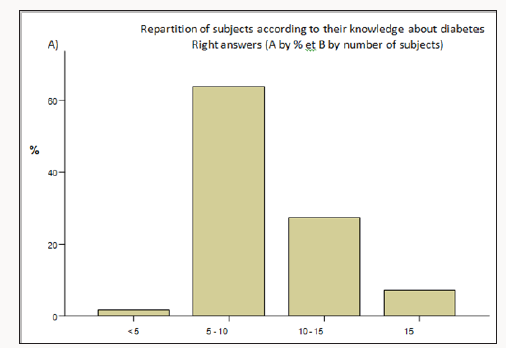
Figure 2:

lupinepublishers-openaccess-journal-gastroenterology-hepatology

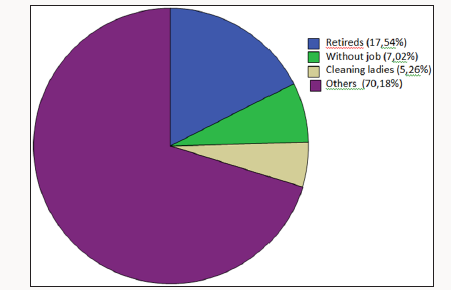
Figure 3: Repartition of patients according to their activities .
lupinepublishers-openaccess-journal-gastroenterology-hepatology

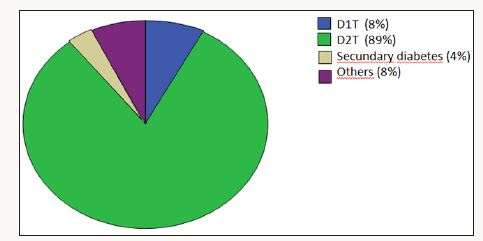
Figure 4: Repartition according to the type of diabetes.
lupinepublishers-openaccess-journal-gastroenterology-hepatology

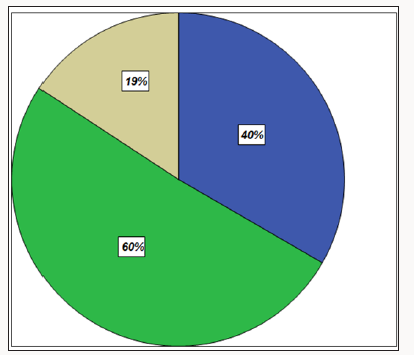
Figure 5: Rate of follow-up of patients by a specialist: 40% of subjects are followed regularly by a specialist while the majority never consults with a specialist (60%).
lupinepublishers-openaccess-journal-gastroenterology-hepatology

Discussion

All the recommendations recognize that dietary and hygiene measures remain one of the fundamental bases of the management of diabetic states, whether of type 1 or 2. However, it is generally advisable to align the drug treatments and dietary and lifestyle measures (DLMs) of diabetic especially type 2, throughout its evolution, even if the effectiveness of nutritional intervention trials in this area is always more difficult to prove than that pharmacological studies. The arguments in favor of DLMs are supported by the following arguments:

a. In primary prevention, DLMs are generally more effective than pharmacological interventions in preventing the conversion of a borderline condition, glucose intolerance into patent type 2 diabetes

b. It was also found that diabetics who do not respect the minimum of these DLMs are rarely well balanced hence the need for earlier drug escalation (mono and dual therapy, then triple therapy, or insulin therapy

c. In addition, dietary measures must be implemented or reinforced in diabetics insulins under penalty of additional weight gain and abuse (it is commonly accepted that a 1% average fall in HbA1c insulin treatment in a type 2 diabetic causes an average weight gain of the order of 2 kg); DLMs have priority over anti-obesity drugs that lead to several side effects.

All these observations argue in favor of nutritional measures which must be considered as an unavoidable step in the overall care of the diabetic. However in reality, things are not so simple: nutrition as a discipline does not always occupy an important place in the medical act; the influx of medicines sometimes makes.com lose the sense of the usefulness of an adapted nutritional care; Finally, nutrition is still often controversial, including diabetes, which causes confusion and inaction (because nutritional intervention studies are difficult to prove).

In 1985, DLMs reached a new stage: Americans discovered the beneficial antiatherogenic and anti-thrombogenic properties of monounsaturated fats (MUFAs). It was at this time that we began to hunt for lipids, particularly saturated fatty acids, accused of all ills and favor MUFA. From this date appeared several recommendations, many clinical trials concerning these RHD and several regimes have been developed among them the Mediterranean diet that has continued to evolve over time but is still fashionable for the prescriber [3-6]. Thus, it appears that nutrition is an area where these recommendations are subject to permanent reassessment. The dietetics of diabetes mellitus is no exception to this rule. The nutritional means to achieve these objectives are four in number:

a) Act on the amount of carbohydrates ingested at each meal

b) Act on the nature of carbohydrates

c) Increase the fiber content of foods

d) Associate other nutrients with dietary carbohydrates

In Interprandial Period

Avoid excessive glycemic lowering and especially hypoglycaemic episodes at a distance from meals. This precaution is more theoretical than practical in type 2 diabetics treated with oral antidiabetic drugs, although some diabetics treated with insulin secretagogues (sulfonylureas or glinides) may experience hypoglycaemia at a distance from meals, in the late morning, but more readily at the end of the morning. In our study, it is clear that the socio- economic level, the school level and the difficulties of access to specialized care are largely responsible for the failures of an adapted management of the diabetes management, in particular in as regards the hygiene aspect of life (marked by a generalized sedentary lifestyle) and the nonobservance of dietary rules due to erroneous beliefs about diet.

Conclusion

The main goal of nutritional management is to promote in diabetics a better lifestyle change (eating habits, physical activity, relaxation, leisure) to improve the metabolic control of the disease and its evolution.The goals of nutrition in diabetic patients are twofold:

a. Actions on glycemic disorders: Normalize blood glucose and avoid or minimize extreme blood sugar fluctuations in the direction of hyper or hypoglycemia (acute hyperglycemic peaks that usually occur after meals and excessive blood sugar drop that can lead to hypoglycaemic episodes more or less severe at a distance from meals).

b. Actions to fight the risk factors frequently associated with diabetes (dyslipidemia, high blood pressure, hemostasis disorders) and which make the bed of cardiovascular complications.

In fact, HDMs are not dedicated to regulating blood glucose alone (which is a restricted or glucocentric management) but they are part of a broader vision in a comprehensive management of the diabetic and as the experts said (it does not treat not a diabetes but we treat a diabetic).These objectives must respect the multiple dimensions of lifestyle, be they cultural, social, family and/or religious. For this reason the prescription must be personalized and negotiated (discussed with the patient and if possible with those around him) taking into account the particularities of each diabetic and his financial possibilities in particular. MHD placement should be preceded by the assessment of the starting dietary profile with the prescriber.

Read More About Lupine Publisher Current Trends in Gastroenterology and Hepatology Please Click on Below Link:
https://currenttrendsingastroenterology.blogspot.com/