Showing posts with label Open Access Journal of Complementary & Alternative Medicine. Show all posts

Friday, 11 November 2022

Lupine Publishers | The Effect of Body Mass Index on Components Size in Patients With Total Knee Replacement

 Lupine Publishers | Journal of Complementary & Alternative Medicine


Abstract

Introduction: Nowadays, one of the most common practices in orthopedic surgery is the Total Knee Arthroplasty. Logistic equipment, including prostheses, is the cornerstone of this surgical procedure. Clearly having a general overview of the size of consumable prostheses, the surgeons will act more confidently.

Materials and Method: This descriptive-analytic study employed a census method based on the inclusion criteria of the medical records of all patients who underwent knee replacement surgery in Besat Hospital of Hamedan in 1395 (2016-17) in terms of body mass index, age, gender, and size of tibial and femoral components. Data were analyzed by SPSS software version 16.

Results: A total of 214 patients were included: 21.5% male and 78.5% female. The mean age of patients was 67.95 years, and the mean body mass index was 27.98 kg/m2. As for the assessment of the size of components, most tibial components were of medium size (49.5%) and femoral components were of small size (65.9%). It was seen that there was an inverse correlation between tibial component and body mass index (BMI), and a direct and significant correlation between tibial component and height and weight in terms age and gender (p<0.05). Nevertheless, the correlation between femoral component and weight was statistically significant only at ages under 65 years and it was indirect (p=0.02).

Conclusion: Determining factors of the size of components used in joint replacement surgery include body mass index (BMI), weight and height of the patients for tibial surgeries, and weight of the patients for femoral ones.

Keywords: Body mass index (BMI); tibial component; femoral component

Abbreviations: OA: Osteoarthritis; BMI: body mass index; TKA: Total knee arthroplasty

Introduction

Knee joint is one of the main joints of human body which is usually affected by various progressive degenerative and inflammatory diseases, which ultimately lead to the destruction of articular cartilage (arthrodial cartilage) and its dysfunction [1]. Osteoarthritis (OA)is the most common form of knee arthritis that slowly and progressively causes damage to the knee joint and is a major contributor to functional disability [2,3]. The prevalence of osteoarthritis is high among the elderly and women [4]. It is estimated that knees, with prevalence of 41%, are the most frequently affected joints by osteoarthritis among adults [5]. Obesity is the most accelerating cause of this disease. Other important predisposing factors include: old fractures that cause irregularities in articular surfaces; previous illnesses that have damaged the articular surfaces (especially the end stages of rheumatoid arthritis or septic arthritis); previous intra-articular mechanical damage, such as meniscus tear or osteo chondritis dissecan; andtibial dislocation relative to the femur (in long-lasting cases of genu varum or genuvalgum for any reason) [6]. Progression of osteoarthritis causes the destruction of cartilage, bone, and its adjacent soft tissue (ligaments, capsules, tendons, and muscles) which ultimately leads to knee deformity, ligamentous instability or instability [7].

gradually causes various deformities in knee joint and makes it painful while walking. It also disrupts skeletal alignment and increases the risk of Osteo arthritisfalling and fractures. The disease usually affects both limbs and this mutuality can exacerbate functional disorders [8]. Osteoarthritis causes major health and social problems in the elderly and brings a heavy economic burden on the health and social welfare system [9].
Progression of the disease in this weight-bearing joint leads to significant disability and reduced functional capacity in a wide range of daily activities. The main causes of this functional decline in the patients are weakness of the quadriceps muscle, deep-seated perturbation and poor stability [10,11,12].
Common therapies for reducing pain and improving patients’ function include lifestyle changes and daily habits, rehab Rehabilitation and medicine therapy [13]. Patients with symptoms of pain, joint instability, reduced range of motion and deformity, and lack of response to conservative treatment need to have a surgery, which may include knee joint replacement. In spite of reducing the patients’ pain and improving the quality of their life, this surgery is a costly process with relatively high complications. Therefore, accurate preoperative planning for reducing costs and probable complications is so important for these patients. The planning procedure includes the preparation of medicine, equipment and operating room. Logistic equipment, including prostheses, is the cornerstone of this surgical procedure. Clearly having a general overview of the size of consumable prostheses, the surgeons will act more confidently. Since the results of various studies regarding body mass index, component size and surgical complications are controversial and sufficient studies have not been done in this field, this study aimed to examine the effect of BMI on the size of components used in patients undergoing knee joint replacement surgery.

Method

This descriptive-analytic study examined all patients suffering from severe knee joint osteoarthritis who had came to the orthopedic clinic and after clinical examination, had undergone arthroplasty surgery. The required data for patients’ medical records and surgical description were extracted and recorded in the checklist. Preoperative data, including preoperative examinations, lateral and patellar radiographies, and lower limb alignment were documented. Preoperative counseling was done and its information was recorded. In the alignment graph, the angle between the mechanical axis of femur and tibia was measured. The BMI of the patients after recording height and weight was calculated using SPSS software. The patients transferred to the operating room and received anesthetic injections. Their consciuosness was assessed and the size of tibial and femoral component used for them was measured by the the classic anterior midline approach after incising tibia and femur. Finally, the joint replacement was completed using a cement prosthesis (ZIMMER, NEXGEN LPS, WARSAW, US), and the day after surgery, patients were prepared for recovery and discharged with appropriate equipment. The common size of the femoral component used for patients was 8. To facilitate the analysis, the sizes 1 to 3 were classified in the small group, the sizes 4 and 5 in the medium group and the sizes 6 to 8 in the large group. Moreover, body mass index (BMI) was classified in very fat (35≤), fat (34.9-30), normal (24.9-20), and thin (20>), based on the WHO standard categorization. Then, the relationship between BMI and size of measurements was measured using statistical analysis.
The inclusion criteria of the study were all patients with severe knee joint osteoarthritis who were candidates for joint replacement surgery, along with their satisfaction for participation in the study, and exclusion criteria were the incompleteness of the data recorded in the case, the patients’ discontent and their unwillingness to co operatation.

Statistical analysis

The collected data were entered into computer and analyzed using SPSS version 16.0 statistical software. Quantitative data were described using mean and standard deviation; qualitative data were described in the form of tables, charts and frequency ratios. In the analytical section, Pearson correlation coefficient (PCC) was used to determine the correlation between quantitative variables and the size of tibial and femoral components; Spearman’s correlation coefficient was used to determine the correlation between ranked variables and the size of tibial and femoral components. The significance level in this study was considered as 0.05.

Results

Descriptive data of the 214 patients examined in the study are as follows

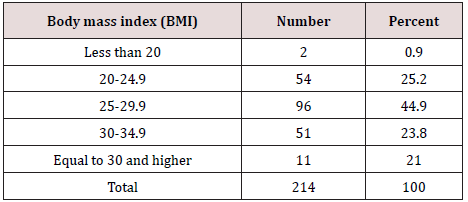
In terms of gender, the highest frequency belongs to the female group of 168 (78.5%) and the frequency of male group is 46 (21.5%). In terms of age, mean age of the participants of this study was 67.95 years. The minimum age was 32 years and maximum age was 94 years. The most frequent ages among patients undergoing knee joint replacement surgery was 60 to 69 years (46.26%). As for BMI of the patients undergoing knee joint replacement surgery, the mean body mass index was 27.89 kg/m2 (range 17.58-44 kg/ m2; standard deviation 4.49 kg/m2). The highest frequency was in the overweight group (25-29.9) (Table 1).

Table 1: Frequency of BMI in patients undergoing knee replacement surgery.
Lupinepublishers-openaccess-complementary-alternative-medicine-journal

In terms of component size frequency, most tibial components were of medium size (49.5%) and most femoral components were of small size (65.9%). For used tibial components (small-mediumlarge) classified by various categories of BMI, no statistically significant rank correlation was observed between the size of used tibial component and BMI (P=0.097).
According to the results of one way ANOVA test, a statistically significant difference was observed between the mean BMI and the size of used tibial component (P=0.005). The results of Tukey follow-up test showed that the mean BMI in small component (P=0.006) and in medium component (P=0.013) were significantly more than the mean BMI in large component (Table2).

Table 2: Comparison of mean BMI in terms of the type of used tibial component.

Lupinepublishers-openaccess-complementary-alternative-medicine-journal

For used femoral components (small-medium-large) classified by various categories of BMI, no statistically significant rank correlation was observed between the size of used femoral component and BMI (P=0.570) (Table3).

Table 3: Comparison of mean BMI in terms of the type of used femoral component.

Lupinepublishers-openaccess-complementary-alternative-medicine-journal

According to the results of one way ANOVA test, no statistically significant difference was observed between the mean BMI and the size of femoral component (P=0.156).
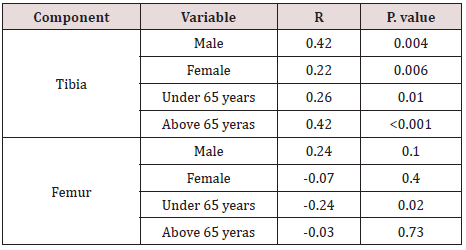
As for the relation between the size of tibial and femoral component and weight in terms of gender and age, a direct and significant was observed between tibial component and weight in terms age and gender (p<0.05). Nevertheless, the correlation between femoral component and weight was statistically significant only at ages under 65 years (p=0.02) (Table 4).

Table 4: Correlation coefficient of the relationship between the size of tibial and femoral component and weight in terms of age and gender.
Lupinepublishers-openaccess-complementary-alternative-medicine-journal

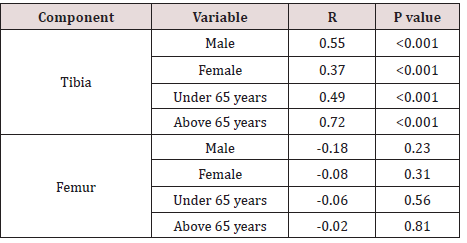
Moreover, for the relation between the size of tibial and femoral component and height in terms of gender and age, a direct and significant was observed between tibial component and heightin terms age and gender (p<0.05). Nevertheless, the correlation between femoral component and height was not statistically significant (p<0.05) (Table 5).

Table 5: Correlation coefficient of the relationship between the size of tibial and femoral component and height in terms of age and gender.
Lupinepublishers-openaccess-complementary-alternative-medicine-journal

Discussion

Knee joint is one of the main joints of human body which is usually affected by various progressive degenerative and inflammatory diseases, which ultimately lead to the destruction of articular cartilage (arthrodial cartilage) and its dysfunction [1]. Nowadays, knee joint replacement arthroplasty is a helpful method for the patients with severe knee joint
In this study, there was no statistically significant difference between mean BMI and the size of femoral component. Also, the correlation between femoral component with height was not statistically significant. There was an inverse correlation between the size of tibial component and BMI and a significant correlation between the size of tibial component and height and weight in terms of gender and age. There was no statistically significant correlation between the size of femoral component and BMI and height, but a significant and direct correlation was observed between the size of the femoral component and weight at the age under 65 years.
According toa study by Sershon et al. about the effect of body mass index on the accuracy of measuring the size of components (templating), there was no significant relation between between body mass index and measuring the size of femur acetabular components [14]. Similarly, this study didn’t find any statistically significant relation between body mass index and the size of femoral component. However, there was a statistically significant and direct correlation between the size of the femoral component and weight at the age under 65 years. The results of one-year research of Stickles et al. on patients with knee joint surgery showed that in terms of postoperative satisfaction, there was no difference between the obese and non-obese patients [15].
Another study by Collins et al. in 2012 regarding the effect of obesity on the need for re-surgery and patient’s satisfaction after knee replacement, revealed that 9 months after the surgery, obese (BMI>30) and non-obese patients’ level of satisfaction was good. There was no need to re-surgery among two groups, however obese patients showed a lower functional performance scores than non-obese patients [16]. Jackson et al. conducted a study in 2009 which followed535 patients for 9 years. The results showed that obese patients had lower functional performance scores than non-obese patients [17]. Two different studies conducted by Nunes et al. examined the effective factors on the final outcome of Total knee arthroplasty (TKA) during 3 years and 7 years follow-up respectively [18,19]. McElroy et al. developed a structured review in 2013 and their patients were followed up for at least 5 years. The results showed that BMI>30 had lower functional performance scores and lower complications and only few of them used partial prosthesis [20]. A study by Isa et al. in 2013 found that obesity had no significant effect on TKA outcomes. In this study, 210 of 174 patients were obese. According to the gained results, obese patients showed more complications than non-obese patients (10.5% vs. 3.8%). In terms of other outcomes, there was no significant difference between the two groups [21].This study, in contrary to the mentioned studies, didn’t examine the realtion between patients’ body mass index and their postoperative satisfaction. Nevertheless, there was a statistically significant correlation between body mass index and the size of tibial component. The fact that the mean body mass index has an inverse correlation with the size of tibial component but a significant and direct correlation with the height, is probably due to its inverse correlation with the square of the height, that is, the higher the height, the smaller will be the body mass index. However, as mentioned by previous studies, the body mass index not only determines the size of tibial component, it is also a variable predictor of the long-term result of tibia and femur joint replacement surgery. Those with a higher mass body index are more likely to give pressure to the prosthesis and feel more pain and discomfort. In result, they are more likely to have need to re-surgery.

Conclusion

In patients undergoing knee joint replacement surgery, BMI and height don’t affect the size of femoral component, but at ages under 65 year, size of this component increases with weigh gain. Size of tibial component has an inverse correlation with the mean body mass index (BMI) and has a direct correlation with height and weight. Moreover, the results of this study showed that the increase in BMI is predominantly due to an increase in body fat mass.

Declarations

Ethics approval and consent to participate
The study was conducted under the auspices of the ethical board of Hamadan University of Medical Sciences and registered with the number IR. 1396.286 in the Research Ethics Committee of the University of Medical Sciences.

Acknowledgements

There was no conflict of interest by any of the authors including financial and personal relationships with other people or organizations that inappropriately influenced this study.There has been no financial support with the project.

Limitations of the study

This study examines the results of just one health center. It is likely that the patients who have not visited this center would be different from those who participated in the study. It is recommended to conduct a similar study with a larger sample.

Read More About Lupine Publishers Journal of Complementary & Alternative Medicine Please Click on Below Link:
https://lupine-journal-complementary-medicine.blogspot.com/

Friday, 26 August 2022

Lupine Publishers | Detection and Analysis of Pathogenic Bacteria from Raw and Pasteurized Milk

 Lupine Publishers | Journal of Complementary & Alternative Medicine


Abstract

Milk is a proper and complete healthy diet for all individuals. Milk contains all the basic nutrients such as carbon, calcium, and rich water content which facilities bacterial contamination if hygienic conditions are not properly maintained. Different types of bacteria such as gram-positive and gram-negative can contaminate milk in many ways such as use of unclean utensils, storage tanks, and other factors which includes diseased animals, or/and animals suffering from mastitis. Most commonly isolated organisms from raw milk samples are E. coli, Shigella, Staphylococcus aureus, Klebsiella, and spores forming Bacillus species which can cause serious enteric illness if contaminated consumed. Pasteurization process extensively reduces the risk of contamination and makes the milk safer for drinking. In this study, we have collected 24 samples in total of raw milk (n=12) and pasteurized milk (n=12). Further, we processed the milk samples on different agars. For raw milk, we used Nutrient agar, Mannitol salt agar, and Eosin Methylene blue agar whereas for pasteurized milk we have used dye reduction test. Raw milk indicated high contamination as compared to the milk which is pasteurized. Even some locally available pasteurized milk has detected contaminating agents. As the results indicated that raw milk is highly contaminated so for the safety of individuals and the population, it is suggested that we should use pasteurized milk in our daily life. Furthermore, we must apply some safety precautions including maintenance of tanks, storage temperature, and sterilization of utensils in which milk is kept.

Introduction

Milk is extremely healthy food for all individuals. Milk of cattle, buffalo, goat, and sheep contains the same but different concentrations of a chemical constituent AU-Hahn et al. [1]. A vast variety of products are made from milk such as cheese, yogurt, butter, cream, and other dairy food. The nutritional complex of milk is extremely multifaceted. It contains all the main molecules which are required for the body and bone development. One cup of whole cow’s milk contains calories, proteins, 88% water, carbohydrates, sugar, and fiber Langiano E et al. [2]. All these compounds make the milk, an excellent source of high-quality food for all age groups Elgohary et al. [3]. A carbohydrate makes up around 5% of milk usually in the form of lactose sugar which some individuals cannot digest Mohammad-Mehdi Soltan et al. [4]. In milk, some vitamins are also present such as vitamin B12, vitamin D, and calcium, riboflavin, phosphorus. Clean milk is drawn from a healthy cow that has a low microbial load and good for drinking but when milk is stored at a low temperature, it can be spoiled quickly and contaminated with bacteria. We can say unpasteurized milk acts as the best medium for microbial development Uddin et al. [5].
Raw milk comes from cows, goats in farms which is free from microorganisms, but the treatment process of milk can make it harmful or unhealthy Boycheva S et al. [6]. Raw milk is contaminated with various sources such as a closed milking system, improper bulk tanks, unhygienic storage equipment, and unclean processing area and other factors Mungai EA et al [7]. Various types of bacterial species can contaminate milk in different ways which includes fecal contaminated organisms, gram-positive, and gram-negative etc. Oliver et al. [8].
Pasteurization is a process in which raw milk is treated at high temperatures to reduce or eliminate the bacteria from milk and make the milk safer for consumers Desmasures N et al. [9]. Pasteurized milk is considered to be safe for a person because the heat treatment process kills the bacteria and other organisms such as salmonella, Campylobacter, E. coli, etc Yoti et al. [10]. Pasteurized milk does not reduce the nutritive value of milk. Basically, in the pasteurization process, heating of milk and quick cooling leads to the elimination of certain bacteria. For best results, pasteurized milk heated at a high temperature of 145 degrees Fahrenheit for 30 minutes. This method is also called batch-pasteurization, which is not commonly available Banwart GJ et al. [11].
There is another method is the Ultra-Heat Treatment method which involves very high temperatures and less time such as milk is treated with high heat 280 degrees Fahrenheit for 1 to 2 seconds Campos MRH et al. [12]. This temperature extended shelf life for up to 9 months. Another method is flash pasteurization, in which a liquid milk sample is heated for 15 minutes at 161.6 degrees Fahrenheit Chatterjee SN et al. [13]. This method is also known as high-temperature short time.
In the early 20th century, there were no proper instructions for temperature and heating time to get rid of the bacteria from milk. But in 1943, HTST (high-temperature short time) came in use Carvalho PLN et al. [14]. In this method, 72 °C is used for 15 seconds while in batch pasteurization, 63 °C is used for 30 minutes to maintain the thermal death time (the temperature which is required for complete killing of bacteria) Desmasures N et al. [15].
Another important and commercialized method of pasteurization is low temperature-short time (LTST). In this method, the temperature is used for the killing of bacteria at 145 F for 30 minutes Devi et al. [16]. It is also known as vat pasteurization. This method takes a thousandth second to treat milk, so it is called millisecond technology (MST).
Milk contamination occurs from various factors such as diseased animals which are suffered from mastitis (an animal disease), from improper cleaning of milking equipment and milk tanks in which milk is collected, stored, and transported Deshmukh AM et al. [17]. The most common cause of raw milk contamination is soiled teats, udders, and tails of animals. Milk is an enrichment medium for the development of microbes Eberhart RJ et al. [18]. During the transportation of milk at normal temperature, the microbes multiply and decline the quality of milk. This study was conducted to detect and analyze the pathogenic microbes among different collected samples of raw and pasteurized milk Ekici K et al. [19].

Material and Methods

Sample collection

We have collected 24 milk samples to conduct this study. Out of which, twelve (12) raw milk samples were collected from local dairy shops, and twelve (12) pasteurized milk samples were collected of different brands from the supermarket.

After the collection, the sterility of the samples was checked.
After drawing a 1ml sample each from different bottles by placing them at refrigeration temperature. The quality of these samples was checked according to the following steps:
1. All samples were collected aseptically.
2. All the 12 samples of raw and pasteurized milk had streaked on N.A, EMB, MSA plates.
3. Plates were incubated at 37c for 24 hours.
4. The next day plates were observed, and biochemical testing had performed for further identification.

Biochemical testing

Biochemical testing was performed to differentiate bacterial species. Bacterial species were differing from each other due to some changes in carbohydrates, protein, fats metabolism, production of certain enzymes, etc., Vlaemynck G et al. [20]. There are various types of biochemical test which were performed for various bacterial species such as gram -ve isolates, IMVIC was performed.

Imvic (Indole Methyl Red Voges Prokeur Citrate)

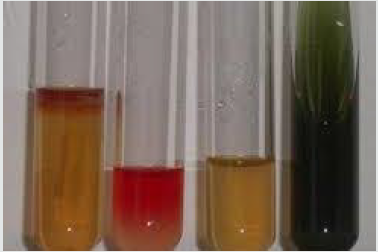
Indole test: The indole test is mainly done for the detection of the tryptophan enzyme in which tryptophan broth was incubated with tested organisms. It was incubated at 37 °C for 24 hours. After incubation, Kovac’s reagent was added to check the presence of the enzyme. If the tryptophan enzyme is present red ring is observed at the top of the layer of broth (cherry red color represents indole present).
Methyl Red: This is a biochemical test that is used to detect the formation of different acids by microorganisms such as acetic acid and formic acid by the fermentation of sugars Beerens H et al. [21]. Testing isolates were inoculated in Clark’s broth and incubated at 37 °C for 24 hours. After incubation red color was observed by the addition of methyl red which indicated production or fermentation of sugars. If acid produces the color of broth change into red after adding indicator whereas the organism does not produce acid the color of broth remains yellow Pathogen Safety Data Sheets and Risk Assessment 2014 [22].
Voges Proskauer Test (VP): This test is mainly used for the determination of organisms that produces acetyl methyl carbinol as a result of glucose fermentation. Tested organisms were inoculated in Clark’s broth and incubated at 37 °C for 24 hours. After incubation 1ml of broth culture was transferred in a tube, in which 0.6ml of 5% alpha naphthol followed by 0.2ml of 40% KOH were added. A positive test indicates the development of red color after 10 to 15 minutes. A negative test indicates no coloration Banwart, GJ et al. [11].

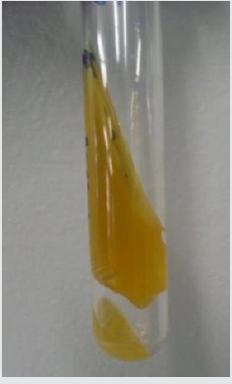
Citrate Test: The citrate test was done to detect the ability to consume citrate by an organism as the only source of carbon and energy. Tested organisms were picked from isolated pure culture and streaked on citrate agar slant and incubated at 37 °C for 24 hours. After incubation, the color of the slant was observed. When organisms metabolize the citrate the color of the slant turns into bright blue. If organisms do not utilize the citrate the color of the slant remains green.
TSI (Triple Sugar Iron Test): TSI stands for a triple sugar iron test. This analysis was performed to check the capability of a microorganism to produce hydrogen sulfide by the fermentation of available sugars. This test is made for the enteric bacteria which includes Shigella and salmonella species. This test indicates that tested organisms ferment sugars such as glucose, sucrose, and lactose that showed the production of by-products. If slant and butt both turned yellow indicate that an acidic condition was developed, and all the sugars were fermented. If alkaline slant and acidic butt show only glucose fermentation while both butt and slant show alkaline that indicates that no sugar fermentation has occurred. The blackening of the medium was indicated by the production of hydrogen gas. Carbon dioxide gas production is indicated by the cracks and bubbles formation.
Urease Test: Urease test is performed to detect the breakdown of urea by the action of an enzyme urease done by microorganisms. Streaked the isolated colony on urea slant and incubated at 37 °C for 24hours than observed the color change of slant. If urease enzyme present urea breakdown into ammonia and slant turned pink in color. If organisms were not produced urease enzymes the color of slant remains the same light orange.
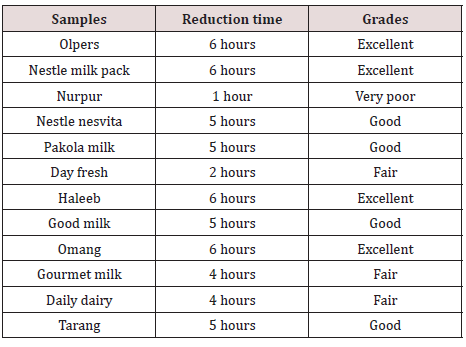
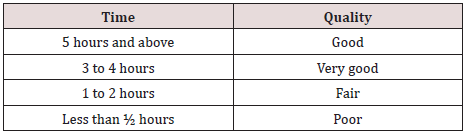
Dye reduction test (methylene blue): This test was used to estimate the microbial load of pasteurized and packed milk (Table 1).

Table 1: Grading of milk according to the time in which dye decolorize.

Lupinepublishers-openaccess-complementary-alternative-medicine-journal

Results

Bacterial Identification in raw milk samples

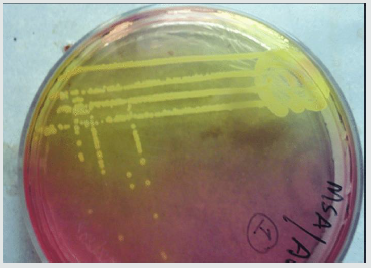
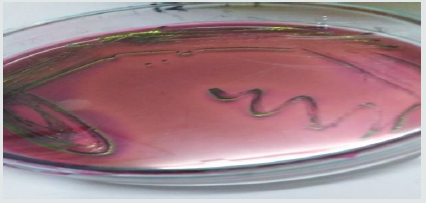
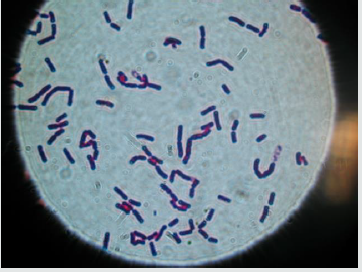
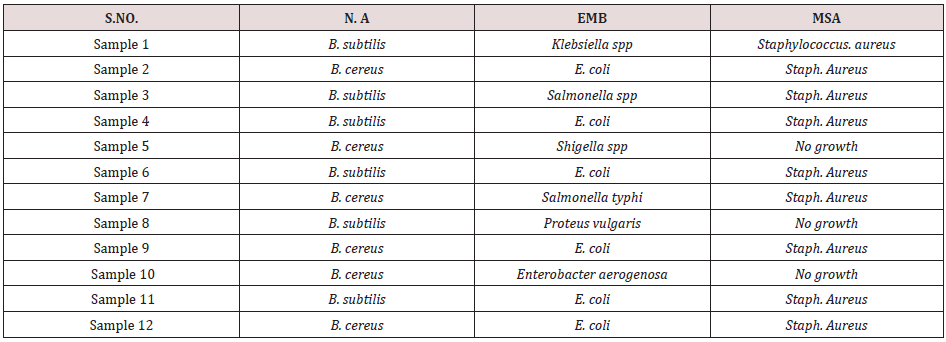
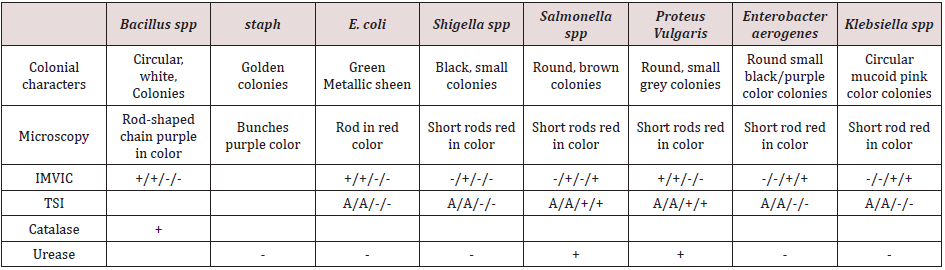
In our study different types of bacteria were identified from the raw milk samples. According to these results, the most common isolates in raw milk samples were staphylococcus aureus, Salmonella, and Bacillus. Other enteric organisms were also found like E. coli, Klebsiella spp, and Proteus spp. We performed bacterial identification on N.A, EMB, and MSA for all 12 raw milk samples. The following results were obtained that are mentioned in Table 2. These organisms are further identified on the basis of colonial and biochemical characteristics as mentioned in Table 3.

Table 2: Bacterial identification on N.A, EMB and MSA.

Lupinepublishers-openaccess-complementary-alternative-medicine-journal

Table 3: Colonial and biochemical characteristics.

Lupinepublishers-openaccess-complementary-alternative-medicine-journal

Methylene blue reduction test

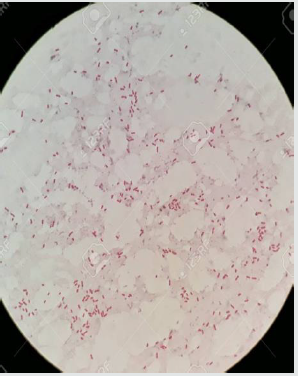
No colonial growth found on the plates of EMB, N.A, MSA. Samples were proceeded to perform M.B.R. The results obtained are mentioned in Table 4 & Figure 1A-1E.

Table 4: Qualitative analysis of Milk Sample by Methylene blue reduction test.

Lupinepublishers-openaccess-complementary-alternative-medicine-journal

Figure 1: Colonial identification of raw milk samples.

Lupinepublishers-openaccess-complementary-alternative-medicine-journal

Figure 1A: Staph. aureus on MSA.

Lupinepublishers-openaccess-complementary-alternative-medicine-journal

Figure 1B: E. coli on EMB.

Lupinepublishers-openaccess-complementary-alternative-medicine-journal

Figure 1C: Microscopy of Bacillus Cereus.

Lupinepublishers-openaccess-complementary-alternative-medicine-journal

Figure 1D: TSI Result of E. coli.

Lupinepublishers-openaccess-complementary-alternative-medicine-journal

Figure 1E: IMVIC Result of E. coli.

Lupinepublishers-openaccess-complementary-alternative-medicine-journal

Discussion

Milk is the best food for all age groups with all requirements which is necessary for individual growth and development. Different types of milk are available for the consumer to consume according to their taste and desire Karmali MA et al. [23]. Milk is composed of all basic nutrients such as calcium, phosphorus, vitamins, and water content Potter M et al. [24]. The composition of milk is considered as complete nutrition. The high amount of nutrients in milk supports the growth of microorganisms and causes spoilage of milk. High water content in milk is the basic factor for bacteria to grow Hill C et al. [25].
Raw milk is unheated (untreated milk) are readily available in the markets. Which is highly contaminated with pathogenic bacteria. Bacteria are present in the environment that’s why it contaminates the milk and its products easily Czaplicki A et al. [26]. Milk becomes contaminated with different ways such as fecally contaminated water when added in the milk, unsterile utensils, improper bulk tanks, soil, and major and most dangerous factor is that unhealthy condition of milking man because hygiene of personal is very important if caretaker of cows and the milking man was not properly clean in ordered to wash their hands and if suffer from any diseases so organisms should be transferred and contaminate the milk another factor is a diseased animal Hijiumi et al, 2011. Animal health is also very important because cow suffer from mastitis and organisms enter into milk and causes spoilage Ekici k et al. [17].
According to different studies, untreated milk is not healthy for human use until it is not properly boiled. But sometimes after boiling, microorganism remains present in the milk and causes enteric diseases such as diarrhea, vomiting, etc Oliver sp et al. [21]. All these effects and health issues of raw milk increases the value of pasteurized milk. Pasteurized milk is of better quality and long shelf life than raw milk and no health issues are measure from pasteurized milk Hill C et al. [23]. Pakistan is the biggest milkproducing country in the world. Milk contains major nutrients that support human health and makes the bones strong and prevent osteoporosis, but these nutrients also support the growth of bacteria which causes contamination. According to studies typhoid fever is very common in young children.
In this study we collected 24, out of which 12 were raw milk samples from local dairy shops of Karachi city and 12 were branded and local pasteurized milk samples such as Olpers, Haleeb, Nestle Milk Pack, Nurpur, Nestle Nesvita, Pakola, Day fresh, Good milk, Omang, Gourmet milk, Daily Dairy, and Trang. This study showed that raw milk is highly contaminated with soil, unhealthy water, and a high number of pathogenic bacteria. Whereas no growth was observed in pasteurized milk.
The outcome shows that the numbers of aerobic spores are readily available in milk samples because the reported concentration of aerobic spores in grass and maize vary from 10 to >105 per g. When spores present in soil and animal feed, they form high numbers of spores these spores excreted in feces. Bacillus species are rich in the environment and therefore naturally present in the soil. The proportion of milk samples that showed activist for S. aureus, the major pathogen-related with diseased cow condition worldwide. All types of bacteria which are present in milk samples are diseases causing but some of them are not related to foodborne diseases such as Klebsiella and Proteus these organisms cause pneumonia and urinary tract infections, respectively.
In this study the presence of microorganisms in the pasteurized milk was less than raw milk, the Methylene blue reductase test was performed for the detection of the quality of milk sample, pasteurized milk samples including Olpers, nestle milk pack, Haleeb and Omang showed the excellent quality of milk with 6hrs, Pakola, good milk, Trang and nestle Nesvita indicated good value of milk with 5 hours reduction time while Nurpur, the day fresh, daily dairy and gourmet milk showed poor quality and their reduction time was 1hr to 2hr. The implementation of good sanitation practices and applications of HACCP (hazard analysis of critical control points) will improve the quality of milk and also done by increasing the temperature and timing of the heating process will help to reduce the growth of microorganisms Armstrong C et al. [27].
A study of S. aureus in raw and pasteurized milk was conducted in the Reconcavo area of the state Bahria, Brazil. In this study, a total of 70 samples were studied out of which 50 samples of raw milk and 20 samples of pasteurized milk were taken. Out of 50 samples of raw milk, 34 showed the contamination of S. aureus while out of 20 samples of pasteurized milk 6 samples contaminated with S. aureus with percentages of 68% and 30% respectively. This contamination showed that both types of milk were health hazardous. In Dhaka city Bangladesh, a study for the characterization of pathogenic bacteria in raw and pasteurized milk had conducted. This study showed raw milk is highly contaminated with fecal bacteria known as Shigella, Klebsiella E. coli, whereas pasteurized milk was slightly contaminated with different types of bacteria such as Bacillus app Uddin et al. [5].
Pasteurization quality will be increased by increasing the heating time because milk becomes contaminated by different types of microorganisms that might be reduced by plenty of milking and transport measurement. The large number of Escherichia coli in milk samples showed that fecal contamination in milk and diseased condition of cows. Proper time and temperature in the pasteurization process must be maintained to eliminate pathogens and other contamination also some immediate actions for raw milk safety should be taken because individuals may suffer from illnesses. Due to the use of raw milk because of their unawareness.

Conclusion

e general public because of the possible presence of pathogenic bacteria. Internationally, outbreaks of foodborne sickness have been attributed to unprocessed milk. This can be reduced by using boiled water for cleaning all utensils and equipment. It is also preferred that detergents or disinfectants should be dissolved in boiled water for cleaning of all utensils and equipment which immediately helps to reduce milk contaminates. For pasteurized milk or locally available brands of milk, one should make sure that their processing areas are cleaned and proper which provides, ultra-high temperature to decrease bacterial contamination in milk.

Read More About Lupine Publishers Journal of Complementary & Alternative Medicine Please Click on below Link:
https://lupine-journal-complementary-medicine.blogspot.com/

Thursday, 2 June 2022

Lupine Publishers | Looking into the Historical Warning of Prohibition of Moxibustion at ST36 From Xiao Er (Little Child)

 Lupine Publishers | Journal of Complementary & Alternative Medicine


Abstract

ST36 is the most commonly used acupoint for tonification. The warning Prohibition of moxibustion at ST 36 from Xiao Er (little child) is firstly presented in Lei Jing Tu Yi in 1624 and has been discussed for more than three hundred years, but up to now there has not been any detailed information to verify it. Following TCM theories this study presents some explanations like moxibustion at ST36 may damage eyesight and digestion, including metabolism and scientific evidence. In addition, factors like the dosage of moxa, the quality and patterns of patients should be taken into consideration for research in the future.

Keywords: Ying Yang; moxibustion; ST36; Shao Yang

Introduction

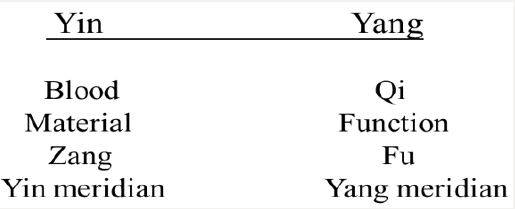
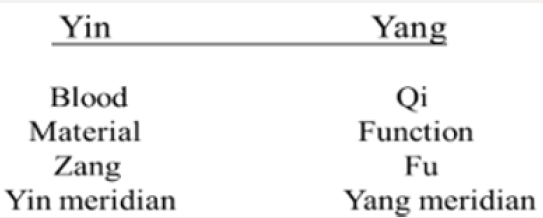
In general, most people in Taiwan present themselves to the medical doctors first when they are in need of medical treatments. Part of this fact is because there are not sufficient scientific researches to prove the efficacy of the traditional Chinese medicine (TCM) and acupuncture, including moxibustion, herbs, and cupping. Compared to the current acupuncture developments in Taiwan, acupuncture has gained more and more popularity in the past 40 years and been considered “essential health benefits” in the US and the Western countries [1]. The theories of Ying Yang, Zang Fu, the Five Element, and pattern identification in the TCM are unique and absolutely distinguishes TCM from the Western medicine. Among the TCM theories, the Yin-Yang balance is the most important and the unique concept indicating the harmony of internal organs and the dominating key of the TCM, which has served as the foundation and the guide for the explanation of etiology of diseases and treatments throughout the history of Chinese medicine for more than twenty centuries [1]. It is believed that this Yin-Yang balance explains a disease results from the loss of the balance of Yin Yang. Since diseases are understood to be a loss of balance between Yin and Yang as shown in Figure 1 good results cannot be expected without the positive consideration of Yin and Yang in clinic [1,2]. Furthermore, acupuncture and herbs, two common modalities of TCM in clinic, follow Yin-Yang balance to treat health issues, which have been practiced in the Chinese community for more than 2 millennia.

Figure 1: Characteristics of Yin and Yang.

Lupinepublishers-openaccess-complementary-alternative-medicine-journal

The most important key to gaining the expected results is that an experienced TCM practitioner or acupuncturist must rely on four skills with meridian identification to make accurate diagnosis and identify precisely the patterns to write up the prescriptions. The warning Prohibition of moxibustion at ST 36 from Xiao Er (小 兒, little child) is firstly presented in Lei Jing Tu Yi (類經圖翼, Illustrated Supplement to the Classic of Categories, 1624) [3] and has been discussed for more than three hundred years in TCM history and the reason still remains uncertain. This study tries to understand if this warning deserves attention from the TCM aspect and possible scientific explanation.

Age Related Debates in the Warning

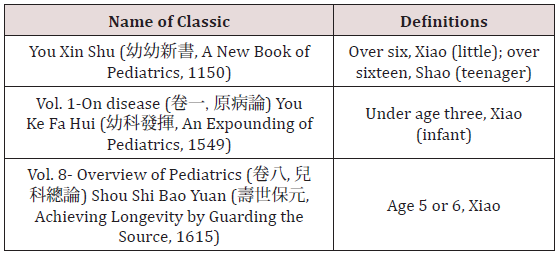
Xu Shen (許慎, 58 – 148 CE), a Chinese scholar-official and philologist of the Eastern Han Dynasty (25-189), was the author of Shuowen Iiezi (說文解字, Explaining Graphs and Analyzing Characters). Master Xu in this book provided the information on the development and historical usage of Chinese characters and reported there were a total of 9,353 characters [4]. The brief introduction above to the development of the Chinese characters suggests that definitions of characters vary with time. Definitions of Xiao (小, little) in TCM classics are presented in Table, indicating the difficulty in understanding the accurate age this warning refers to. Judging from the definitions presented above, we can understand age six may be the feasible bound for Xiao. In other words, Xiao Er in Chinese seems to refer to child under six.

Table 1: Definitions of Xiao Er (小兒, little child).

Lupinepublishers-openaccess-complementary-alternative-medicine-journal

Glance at Foot Yangming Meridian and ST 36

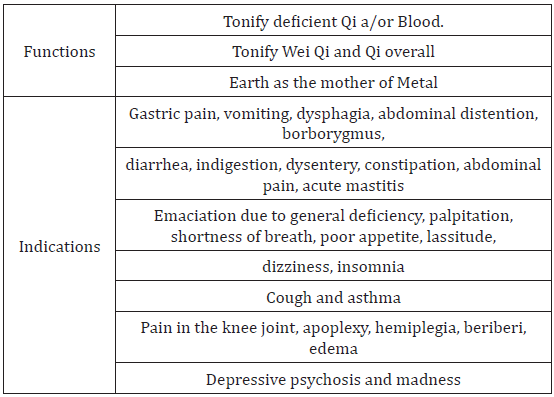
Table 2: Functions and indications of ST36.

Lupinepublishers-openaccess-complementary-alternative-medicine-journal

The flow route of the Stomach meridian of Foot Yangming shows it begins from the side of the nose at LI 20 (Yingxiang,) and ascends alongside the nose to meet the opposite branch at the bridge of the nose. Then it goes into the inner canthus to meet Bladder meridian of Foot Taiyang at BL 1 (Jinming). Descends downwards connecting CV24 (Chengjiang), ST5 (Daying), GB3 (Shangguan) to the dorsum of the foot at ST42 (Chongyang), runs forwards into the medial side of the great toe at SP1 (Yinbai) to connect with the Spleen meridian Foot Taiyin. ST36 (Zusanli, 足三里) is the 36th acupoint of the Foot Yangming meridian, located on the anterior aspect of the lower leg, 3 cun below ST 35 (Dubi), and one finger-breadth from the anterior crest of the tibia. Classified as the He-Sea point and the lower He Sea point of the Stomach Meridian, this acupoint is also included in Gao Wu Command Point and Ma Dan-yang Heavenly Star Point [5]. In addition to previous reports with evidence showing it can enhance cell proliferation and neuronal differentiation, affect the limbic and paralimbic systems in the brain that may affect the body’s response to stress [6-8], ST36 is commonly recommended and traditionally used in clinic with the features of Command point of the Abdomen, Point of the Sea of Water and Grain for gastrointestinal discomforts [9] with its functions and indications shown in Table 2.

Quick Look at Moxibustion

Moxibustion, the use of moxa or ai ye in Chinese to warm up regions and meridian acupoints with the intention of stimulating circulation through the points and inducing a smoother flow of blood and qi, is one of the traditional Chinese medicine techniques that can facilitate healing procedure. Moxibustion has been used by the Chinese for thousands of years to strengthen the blood, stimulate the flow of qi, and maintain general health. Recent research has shown moxa can increase blood circulation [10].

It is stated in Spiritual Pivot (Ling Shu, 靈樞) of Yellow Emperor’s Inner Classic (Huang Di Nej Jing, 黃帝內經) that where needle cannot work, moxibustion can. Based on both the actions of the meridian system and the roles of moxa and fire that can be warming, the moxibustion has a dual effect of tonification and purgation in TCM theories and is often applied in deficiency-cold syndrome for warming Yang, tonifying/promoting qi, nurturing blood, relieving depletion, dissolving stasis, , dredging channels, and relieving pain, reducing phlegm, eliminating stagnation, removing wind, dispelling dampness, drawing out poison, and purging heat. TCM doctors usually put “needling” and “moxibustion” collectively in practice since both are based on the same theory of meridian and acupoint. In other words, the moxibustion therapeutic effects depend on the meridians and acupoints. The results of scientific researches suggested that moxibustion thermal stimulation can affect both shallow and deep tissues of the skin [11] and the temperature changing of acupoint caused by moxibustion can affect the effects on acupoint and the efficacy of moxibustion [12] In addition to the heat effects the burning moxa can emit visible light and infrared (IR) radiation; therefore, non-thermal radiation effect may be an important role in the efficacy of moxibustion. Debates on the safety of moxa smoke remain unsolved because it is verified that neither volatile nor carbon monoxide would present a safety hazard under normal operating settings; however, some reports show that moxa smoke may be harmful to the human body for causing allergic reactions [13,14].

Chewing on the Warning

In ancient TCM classics, it is usually advised that moxibustion at ST36 should be prohibited from children. The most common reason presented in Golden Mirror of Medicine (Yi Zong Jin Jian, 醫宗金鑑) s that the moxibustion at ST36 can be given to adults, but not children with the damage to eyesight. The advice is given in Illustrated Supplement to the Classic of Categories (Lei Jing Tu Yi, 類經圖翼) that a man cannot take moxibustion until age thirty and children are strictly prohibited from moxibustion in order not be sick. In the Volume 39 of Secret of a Frontier Officials it is presented that “He who over age thirty should take moxibustion at ST36, or Qi goes upwards to damage eyes.” In this suggestion, we can catch the idea that those who are over thirty need moxibustion at ST36 to prevent the damage to eyes because the effect of moxibustion at ST36 can bring Qi downwards. The concern whether or not this principle can apply to children goes on.

Discussion

TCM, including acupuncture, and Western Medicine have been viewed as two distinct and divergent medicines for long with the different approaches to physiology and healing techniques. Therefore, the fundamental differences between Western medicine and TCM deserve attention. Constitution is one of the important concepts and concerns in TCM, which highlights the relation of the human beings and the Heaven. In this concept, both the Heaven and humans can interact with each other in providing solutions to the health because TCM sees the human body as a whole and as a microcosm of the universe in diagnosis and treatment, bringing the body, mind and spirit into harmony with Yin Yang balance. On the other hand, “congenital constitution” of the body can result in “root” problems in health. This can scientifically correspond to the core thesis of Precision medicine (PM), which proposes the customization of healthcare with medical decisions, treatments, practices, or products tailored to the individual patient’s genetic content. Moxibustion can strengthen the blood circulation and stimulate the flow of qi with its warming property, which represents Yang that can result in uprising Qi and Fire. Ying Yang imbalance leads to discomfort and disease. Channels, properties, indications, and actions of the Chinese herbs in the different material medica classics are not always discussed in the same ways. The actions of Radix Ledebouriellae Divaricatae (Fangfeng) in Compendium of Materia Medica (Bencao Gangmu, 本草綱目), for example, are night sweat, migraine and headache, and constipation. However, actions like aversion to Wind, sweating, blurry vision, and vertigo are presented in The Classic of Herbal Medicine (Shennong Bencaojing, 神農本草經). Licorice root (Gancao, 甘草) is the good example that highlights the time to collect herb is an attention that cannot be ignored. Literature shows the best time to collect and dry Licorice root is in the autumn two to three years after planting [15], but no detailed information is found for the reasons. The possible explanation for harvest time and cultivation time may be much to do with the compound differentiation, which can vary with moisture, temperature, and sunshine. In terms of the physiological development of children, it is stated in the TCM classic Medical mirror that children are pure Yang and Shao (少, little in Chinese) Yang [16]. The meaning of Shao (少) in Chinese is little or few, which indicates that Yang and Qi within children are developing. Normally speaking, physiological condition should develop positively and healthily. In other words, this advice suggests that children should be prohibited from nourishing Yang with moxibustion as Yang in TCM is viewed as energy, function, and rising upwards. On the other hand, excess Yang can consume Ying referring to materials in the body, which can cause Ying-Yang imbalance.

BL1 is the meeting acupoint of the meridians, such as Stomach, Bladder, Small Intestine, Yang Motility, and Ying Motility. The route of the Stomach meridian suggests the use of moxa may make uprising Qi ascend to the eyes, affecting digestion and metabolism with Fire and Heat. One of the functions of ST36 is to tonify “deficient” Qi and/or Blood, which means this deficient condition can be corrected with tonification for Yang and Qi. Moxibustion seems to be adequate for this deficiency, but not for children on the developing stage. Both TCM and acupuncture originated in ancient China and has evolved for more than two thousand years. This fact points out some theories may be presented based on personal experience of TCM masters restricted with geographical factors and transportation. Furthermore, there are not sufficient and detailed information presented in case reports, which makes it harder for TCM and acupuncture researchers and learners to trace back the real reasons.

Conclusion

The discussion of this warning show there’s not enough information for TCM and acupuncture researchers and learners to explore the real reasons and whether or not we should need to follow this warning. However, this warning reminds us that there is a long to go for TCM and acupuncture learners and practitioners to understand the difference between TCM and the Western medicine. Factors like the dosage of moxa, the patterns of the patients, and the time to collect and the processing of moxa, and the treatment during can affect the efficacy, which in truth needs further research.

Read More About Lupine Publishers Journal of Complementary & Alternative Medicine Please Click on Below Link:
https://lupine-journal-complementary-medicine.blogspot.com/
Friday, 14 January 2022

Lupine Publishers | Tips for Grandparents

 Lupine Publishers |Journal of Complementary & Alternative Medicine


Opinion

The lives of traditional Malays are always circled with various incidents that can cause a person to experience various diseases. A disease can be cured through medical methods. Since disease can be avoided, Malay credentials believe there are several ways in which the disease can be avoided. Hence, there are some tips that allow the Malay community to practice the tips to achieve a better life. In traditional Malay medicine, the use of many tips is practiced. Tips are not only used for treating ailments but have many other functions. Tips are often used for the purpose of maintaining a personal beauty, a taste of cuisine and so on. The tips used by ordinary Malaysians use the many herbs that grow in the area of the home. Knowledge of this herbaceous plant can be used as a cure for illness. Therefore, the use of herbs in the tips is widespread. Tips are derived from one generation to one generation. Practical delivery is often done to facilitate a new generation of practicing the tips. Hence, one does not need a detailed study on the use of herbs but is sufficiently illustrated by the previous generation either in the village community or in the city. In everyday life, there are just new tips.

The history of the practice of hints is still unknown because there is no clear evidence of the fact that since humans have practiced hints. But what can be said, tips have been around since people began to know the importance of tips. In the past man was exposed to all dangers. Animism and Hindu influence have led the local community to believe every place they want to explore has certain powers such as a waiter or a ghost. These powers if not presented with a presentation will cause a person to get the spread of the disease. Therefore, the community has already created a tip that is used to protect themselves from harm. Then after people are attacked by a variety of diseases, they are trying to maintain their health. Because they are susceptible to various diseases, preventive measures have been implemented. Hence, many herbs have been used as a cure for diseases. The effectiveness of tips in life has led people to create some tips on how to look after their own beauty. These tips are widely practiced by women to look always beautiful and interesting. In addition, the tips can also make a person healthy. Tips keep on changing and not only focusing on body care but covers all aspects of everyday life.

Before the Malay community embraced Islam, the influence of animism and Hinduism was so thick. The influence of this belief enabled some of the beliefs that led the Malays to fear and want protection. The beliefs of animism believe that every place they want to explore has many external elements such as waiter, pod or ghost. They also believe these elements will cause a striker to attack someone. Therefore, the Malay community has been looking for a way to avoid the illness that may be present. Hence, they have found some tips that intend to give the waiter. Among the tips that are still practiced today are to tear down homes or dwellings so that family members living there will not get any harm or illness. After the advent of Islam, the belief in such elements is diminishing. The Malay community began to believe that every illness was the result of an unhealthy body that either did not care for our own health or there were external elements such as weather or infection. Therefore, the Malay community has begun to create some tips to keep yourself healthy. Then the use of tips continues to be expanded and not just a matter of health.

Read More About Lupine Publishers Journal of Complementary and Alternative Medicine Please Click on Below Link:
https://lupine-journal-complementary-medicine.blogspot.com/
Monday, 15 November 2021

Lupine Publishers | Midwife

 Lupine Publishers | Journal of Complementary & Alternative Medicine


Opinion

The Malay institution is too unique. Various terms related to the individual involved arise based on their respective roles. Among the most popular to date are shaman, shamans, handlers and midwives. Although the field of medicine has grown with many new discoveries of science and technology, midwifery roles have never been affected especially in remote areas. Often midwives are required in urgent moments before the patient is taken to the hospital or clinic. In the cities there are midwives. These midwives are in hospitals or in private clinics. They have specialized qualifications in the field of birth and are more geared towards modern medicine. They are paid and considered as one of the public or private sector employees. For some societies, midwives are highly respected. This is because the average villagers consider the influence of a midwife very strong on the baby at birth. There is a belief that the life or death of the baby depends on the midwife’s own actions. Generally, midwives or callers who are more or less familiar with Tok Bidan or Mak Bidan play a role in welcoming the birth of a baby. Midwives are usually of a relatively old and experienced women in birth.

In this case the midwife acts almost the same as a midwife nurse. All nurses’ tasks are performed by midwives such as welcoming baby births and advising and treating mothers who are pregnant before and after birth. Other than that, the midwife is also able to determine whether a woman is pregnant or otherwise, expects the date of birth and manages the mother before and after a special birth in personal care, food and treatment matters. All food preparation is done by the midwife by using traditional herbs and native herbs. The baby was also placed under the supervision of a midwife. He is the one who will bathe in and dress the baby’s clothes over a certain period of time or until the baby is big enough and does not need too much care. Midwives have no special qualification as a ghost. No conditions apply or the duration of study to be done to become midwives in the villages. All the abilities and skills acquired based on experience. This experience is derived from childhood when they often follow their mothers to manage a birth. Midwives work on time regardless of the needs of a person. Midwives also have no fixed income. Their income source is through sincere donations or gifts in return for services provided while doing village work such as planting, keeping chickens, weaving mats and so on. In some cases, midwife’s role is wider. Sometimes they act like a bomoh, Mak Andam or bathing a corpse. But the task of midwives is often closely related to women’s affairs such as counseling the girl or the wife in terms of health care or husband and wife relationships.

The main role of a midwife is closely related to the birth. Since a woman begins to conceive until the woman gives birth to her child and during abstinence after the birth of the midwife service is necessary. At the beginning there are several things that midwives will do to pregnant women. This is to ensure the baby is always healthy and to facilitate the birth process. Among them is confirming the content, correcting the baby’s position and raising the baby’s position, providing a hint. Customized abdomen is performed specifically for women who are about seven months pregnant. The woman who underwent this custom must be pregnant with the firstborn. Usually this custom is done after 16 or 17 days of the content of up to seven months. In the customary bowing of some other custom must be done that touch the stomach, shower and face the spirit. When a woman is already nine months and ten days, she must be ready to wait at birth. The women are advised not to move much and stay calm. At this time the midwife will be informed in advance to be always ready to be called at any time.

Read More Lupine Publishers Journal of Complementary & Alternative Medicine Please Click on Below:
https://lupine-journal-complementary-medicine.blogspot.com/
Monday, 16 August 2021

Lupine Publishers | Challenges in Learning and Understanding Traditional Chinese Medicine and Acupuncture

 Lupine Publishers | Journal of Complementary & Alternative Medicine


Abstract

Logic thinking is the base of developing TCM and acupuncture theories. Pattern identification developed with Y-n-Yang and the Five Element theories should be the key principle in practice, especially for prescriptions and the scientific research verifying efficacy of TCM and acupuncture.

Keywords: Yin-Yang; The Five Element; Logic Thinking; Pattern Identification

Abstract

Both Traditional Chinese medicine (TCM) and acupuncture originated in ancient China and has evolved for more than two thousand years. However, most of the people generally in Taiwan present themselves to the medical doctors first when they are in need of medical treatments. Part of this fact is because there are not sufficient scientific researches to prove the efficacy and safety of TCM, acupuncture, moxibustion, acupressure, cupping, Tui na, and tai chi. In Asia, such as Taiwan, Korea, Japan, Hong Kong, etc., herbs, acupuncture, moxibustion, acupressure, cupping, Tui na, and tai chi are often used by TCM practitioners to integrate mind and body to treat or prevent health issues. Compared to the current TCM and acupuncture developments in Taiwan, acupuncture and TCM have gained more and more popularity in the past 40 years and been considered “essential health benefits” by people in the United States and the West, seeing and using acupuncture and TCM primarily as a complementary health approach [1]. TCM and acupuncture have established its status in the health system in the West, though they’re totally different from the Western medicine with the philosophy, diagnosis approaches, and pattern identification for treatment. Challenges exist at present, which deserves attention for those who are determined to learn or interested in understanding TCM and acupuncture. This paper, therefore, tries to present some issues for the better future of TCM, including acupuncture, and the Western medicine when there are integrated.

Fundamental Differences between TCM and West Medicine

TCM, including acupuncture, and Western Medicine have been viewed as two distinct and divergent medicines for long with the approaches to physiology and healing techniques. Therefore, the fundamental differences in both Western medicine and TCM deserve attention when healthcare providers are considering the feasible choices in clinical practice to patients [1].

In Theory

The philosophical concepts like Yin-Yang, the Five Element, pattern identification, and Qi and Blood are, to a certain extent, unique and abstract for learners to catch the whole picture with the functions broader than the anatomical knowledge in the Western medicine and are absolutely different from the theories of the Western medicine. In terms of relation of the human beings and the Heaven that can interact with each other in providing solutions to the health, it is totally different from the Western medicine that TCM sees the human body as a whole and as a microcosm of the universe in diagnosis and treatment, bringing the body, mind and spirit into harmony with Yin-Yang balance. It is believed that the concept of Yin-Yang balance is the unique concept indicating the harmony of internal organs and the dominating key of the TCM, which has served as the foundation and the guideline for the explanation of etiology of diseases, diagnosis, and treatments throughout the history of Chinese medicine and absolutely distinguishes TCM from the Western medicine [1]. Based on this concept, a disease thus refers to the loss of the balance of Yin-Yang [2].

On the other hand, TCM focuses on the “congenital constitution” of the body that can result in “root” problems in health, which can scientifically correspond to the core thesis of Precision medicine (PM), which proposes the customization of healthcare with medical decisions, treatments, practices, or products tailored to the individual patient’s genetic content. In TCM, constitutions of humans are categorized into the five patterns for understanding the “root” causes and predicting the health conditions in the future, based on the Five Element theory [1]. Western medicine is seeking the minor difference from the perspective of etiology and only concerned about diagnosing and treating the symptoms alone. The theory develops with seeing the organs separately and treating parts of the body like a machine. Each part of the organs has its function, and when a particular part fails, it needs the replacement or resection [1,3].

In Practice

Treatments by medical doctors directly target at the pathogen or etiology with the evidence by a large number of modern scientific instruments, such as blood, urine, and stool tests, X-rays, CT, and MRI, to check on the human body. In addition to history taking and physical examination, doctors do not make diagnosis until all evidence are collected. Without scientific instruments, TCM doctors or acupuncturists can only make diagnosis, based on symptoms related to the imbalance of Yin and Yang rather than diseases itself through analyzing a patient’s tongue, pulse, voice, and whole-body situation, including reaction, hair, and posture [1,3]. The most important key to the successful results is that an experienced TCM doctors and acupuncturists can only rely on four skills for diagnosis to identify the patterns and write up the prescriptions. In other words, patterns, which distinguish TCM from the Western medicine, should be the key concern for the TCM and acupuncture practitioners in making the decisions of treatments. Since diseases are understood to be a loss of balance between Yin and Yang as shown in Figure 1, good results cannot be expected without the positive consideration of Yin and Yang [2,4].

Figure 1: Characteristics of Yin and Yang.

Lupinepublishers-openaccess-complementary-alternative-medicine-journal

Challenging Issues

Challenging issues for those who are interested in and learning TCM and acupuncture are presented in this section. These issues may have been discussed in the previous research, but new viewpoints are presented to attract more attention.

Language

There is no doubt that cultural decoding relies mostly on words. It is strongly accepted that “word-for-word” literal translation method is the way paraphrasing the accurate lexical meaning. However, this cannot be applied to TCM and acupuncture. Language is therefore the most challenging issue that needs to be addressed first. With the popularity of TCM and acupuncture, language barrier surely needs learners’ attention. The fact in the West currently is that not all of the TCM and acupuncture classics are translated into English. On the other hand, correct translation requires good translators excellent in both Chinese and English. In addition to the good command of these two languages, the meanings of the characters used in the ancient time may be different from those at the present time, which may confuse and frustrate readers. Chinese characters, different from alphabet languages which only represent forms and sounds, are called ideographs with three features of forms, sounds and meanings [5]. The difficulties in understanding Chinese characters in the TCM and acupuncture classics can be classified in the following ways [5]:

A. Simplified Chinese is widely used all over the world; however, traditional Chinese is accepted and used in ancient classics and areas like Taiwan, Hong Kong, and Macao. For example, 黃帝內“經” in simplified Chinese is 黄帝内“经” in writing.

B. Pronunciation changed with usage. “能” is correctly pronounced neng in the modern Chinese, referring to “can” in English and. However, this character in Huang Di Nei Jing ( 黃帝內經, Yellow Emperor’s Inner Classic) means “state (態)” and the pronunciation is tai. This condition occurs when the characters were not enough for use in the ancient time.

C. “內” can be used either as a verb or a noun. It is pronounced na (equals納) when used as verb and nee when used as a noun referring to “inner” or “inside” in the modern use.

D. “平” is pronounced pin when it is related to an adjective “flat” in English. With writing mistakes, the pronunciation of this character is bian when it is used as a verb to mean “distinguish” in medical Chinese.

E. Different characters bear the identical meanings. “输”, “ 输”, and “腧” are different characters referring to the identical meaning of acupoint, and all of these three characters are pronounced shu.

The ability to understanding Chinese characters deserves attention as well in learning and understanding acupoints. For mastering acupuncture, understanding the real Chinese meanings of the acupoints is required. ST29-Guilai is the typical example for this aspect because Guilai (歸來) literally in Chinese means “return” and this acupoint is usually used for prolapse of uterus, menstrual irregularity, and dysmenorrhea [6]. 神(Shen) is translated differently into English in acupoints; for example, HT7-Shenmen ( 神門, Spirit gate) refers to the gate for Heart qi to get into and out of the body, while Heart governs Shen in TCM. Compared with the DU24-Shenting (神庭, Shen court), 門refers to gate in Chinese and 庭, court, which suggests that one must go through the “gate (HT7)” first and then get into the “court (DU24)” to hold or calm Shen. This difference highlights the importance of choosing acupoints in calming Shen. An acupoint may have different names with the historical developments. The nickname of KD3-Taixi (太溪) is呂細 (Lvxi) alternatively used in the acupuncture classics. On the other hand, the nickname of HT7 is 中都 (Zhongdu) completely identical with LV6 in Chinese, which may confuses learners.

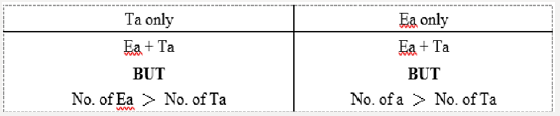
Figure 2: Protocol matrix in using traditional acupoints and extra acupoints.

Lupinepublishers-openaccess-complementary-alternative-medicine-journal

Note: Ea for Extra acupoints and Ta for Traditional acupoints.

In addition to the names of acupoints, extra acupoints also deserve close attention in consideration of combining regular acupoints with extra acupoints. Extra acupoints distinguish themselves from the regular acupoints on the traditional fourteen meridians with the unique indications, actions, and the great effectiveness in acupuncture theory and treatment, even though some of extra acupoints have not been verified with scientific evidence [7]. Pattern identification which derives from the Yin- Yang theory is surely the key concept of TCM. Unfortunately, this concept cannot apply to extra acupoints because they are not incorporated into the traditional meridians with the lack of Yin- Yang. The challenge acupuncture practitioners face is when it is the best time to consider extra acupoints in a protocol. The historical developments of extra points show that an extra point can surely play an essential role in acupuncture and be used alone or with the traditional regular acupoints for the treatment. Unfortunately, the actions and indications of extra acupoints have not be scientifically researched and verified as traditional regular acupoints. In strategy, a practitioner may take the principle of “Least needling for best results” into consideration to keep patients from pain, fear, or worry. The goal can be achieved with the following four choices shown in Figure 2 when it comes to the tactic [8].

Characterizations of Chinese Material Medica

The use of Chinese herb must be based on the patient’s conditions with accurate diagnosis, following the principles of pattern identification. Channels, properties, indications, and actions of the Chinese herbs in the different material medica classics are not always discussed in the same ways. The actions of Radix Ledebouriellae Divaricatae (Fangfeng) in Compendium of Materia Medica (Bencao Gangmu, 本草綱目), for example, are night sweat, migraine and headache, and constipation. However, actions like aversion to Wind, sweating, blurry vision, and vertigo are presented in The Classic of Herbal Medicine (Shennong Bencaojing, 神農本草經).

Licorice root (Gancao, 甘草) with properties of sweet and neutral to tonify and strengthen the Spleen qi is effective for sore throat, bronchitis, cough, and infections caused by bacteria or viruses. This herb is the good example that highlights the time to collect herb is an attention that cannot be ignored. Literature shows the best time to collect and dry Licorice root is in the autumn two to three years after planting [9], but no detailed information is found for the reasons. The possible explanation for harvest time and cultivation time may be much to do with the compound differentiation, which can vary with moisture, temperature, and sunshine. The Chinese term 木瓜 (Mugua) refers to both Chinese herb Fructus Chaenomelis and papaya. In other words, confusing situation like this Chinese herb occurs quite often to TCM and acupuncture learners.

Processing

The nature and indications of Chinese herbs change with processing for the required actions in treatment.

It is beyond doubt that Radix Bupleuri (RB) is one of the most popular traditional Chinese medical herbs in terms of treating diseases related to the Liver. Radix Bupleuri, named “Chaihu ( 柴胡)” in Chinese, is derived from the dried roots of Bupleurum Chinense DC. (Pei Chaihu, 北柴胡) and Bupleurum scorzonerifolium Willd (Nan Chaihu, 南柴胡) [10], which is the main ingredient of the most famous and frequently used preparations Xiao Chai Hu decoction and Da Chai Hu decoction. The major differences between Bupleurum Chinense DC. and Bupleurum Scorzonerifolium Willd are that the indication of Bupleurum Chinense DC. is dispersing stagnated Liver qi while Bupleurum scorzonerifolium Willd is raising Yang Qi in the Middle Jiao deficiency pattern.

For clinical use with indications changed to meet the patients’ needs, Radix Bupleuri is commonly selected in crude, fried, and vinegar-baked [11]. Among the characterizations of Chines herbs discussed above, dosage and ration are also two of the most important issues. Historic evolutions in the measurement show dosage, actually the top secret in learning Chinese formulas, has changed a lot and been a concern in practice for more than thousands of years. Quin (錢), the unique unit of weight measurement always used in TCM herbs, is different from that used in the Han dynasty, in which the author of Treatise on Cold Damage Disorders (The Shanghan Lun, 傷寒論) Zhang Zhongjing was born. In the meantime, one Quin equals 3.125g in China, but 4g in Taiwan, which suggests TCM and acupuncture learns need to bear the differences in mind when doing research. Another attention that should be given to the clinical use of Chinese herbs is dosage, which should draw attention with geographical factor. Zhang Zhongjing was born in Henan located in the south of China, where the temperate climate is humid subtropical. The climate may be one of the factors affecting his logic reasoning in the formulas; for example, the most used herbs in treating gastrointestinal diseases are licorice root, jujube, dried ginger, ginger, and Guizhi (Ramulus Cinnamomi) for the property of spicy to disperse stagnated Qi and tonify Yang. In other words, adjustments must be made, considering geographical factors.

In addition to weight, ration is also the concern that must been taken into consideration for the ingredient percentage of a formula. Liu Yi San (Six to One Powder, 六一散) indicates that the ratio of Talcum and Radix Glycyrrhizae (Licorice root) is 6:1. Actually, for learners who understand Chinese can easily catch the meaning of this formulas from the character 六 referring to six and-, 1. Dosages in practice must be adjusted, depending on the patients’ conditions. This is the most difficult to learn and understand because it reflects the experience of a TCM doctor or an acupuncturist. In other words, there is not golden rule to follow at all, and it is hard to be verified with quantitative analysis.

Discussion

The logic thinking of the Chinese is inductive reasoning, compared to deductive reasoning of the Western people. Based on this logic model, TCM, including acupuncture, features similarities in theories with Yin-Yang, the Five Element, Qi-Blood, and Pattern identification. It is noted that most of the scientific researches for verification of efficacy of TCM and acupuncture only focuses on diseases, instead of following the Pattern identification of TCM, which cannot accurately exemplify the TCM and acupuncture theories to a great extent [11]. The historical developments prove that there are challenges ahead of TCM and acupuncture learners, such as when to combine regular acupoints with extra acupoints, how to decide the accurate dosage and whether or not select dried herbs, etc. More and more population in the Chinese communities like China, Taiwan, Hong Kong, and Macao seems to suggest that TCM and acupuncture benefit public health with its efficacy. This study may recommend that having a good command of Chinese can play a key role to learning and mastering TCM and acupuncture. Unfortunately, it is not easy at all for the Western learners to make a right decision when it comes to learning traditional or simplified Chinese characters. The debate on traditional Chinese characters and simplified Chinese characters has been an ongoing dispute concerning Chinese orthography among users of Chinese characters for years with the establishment of the People’s Republic of China (PRC) in 1949. Looking back at the history of Chinese medicine, all of the great classics are written in traditional Chinese. This fact may give the learners the right direction that learning traditional Chinese enable the Western learners to acquire more profound knowledge of TCM and acupuncture. It is believed that “Englishword- for-Chinese-character” translation surely hinders learners from acquiring accurate understanding of TCM and acupuncture. However, there is not any Chinese medical terminology curriculum offered in the West.

Conclusion

Challenges exist before those who are learning or interested in TCM and acupuncture. Only accurate decoding of Chinese characters can exactly explain TCM and acupuncture concepts, so it is highly suggested that learning traditional Chinese characters must be considered for the Western learners when they really expect to explore and enjoy the beauty of TCM and acupuncture. With the natural and human restrictions, there is a long way to go for the contemporary learners and researchers to verify the efficacy of TCM and acupuncture with evidence-based research.

Read More About Lupine Publishers Journal of Complementary & Alternative Medicine Please Click on Below Link:
https://lupine-journal-complementary-medicine.blogspot.com/