Lupine Publishers | Journal of Veterinary Science
This paper is the first part of a three (3) part series of reviews
that serves to shed light on the parasites which inhabit the
gastrointestinal tract of domestic animals imported into the New World
tropics (Neo-tropics), the domesticated Neo-tropical animals
and the non-domesticated Neo-tropical animals (wildlife). This first
review has focused on the domesticated animals introduced
into the new world tropics (Neo-tropics) which were brought by the early
European settlers four to five hundred years ago. These
introduced Old World domesticated animal species were cattle (Bos
taurus, B. indicus), sheep (Ovis aries), goat (Capra hircus),
pigs (.com scrofa), horses (Equus caballus) and chicken (Gallus
domestiucus). The references used in this review were gathered and
synthesized to give a clear breakdown of gastrointestinal parasites of
Old World Domesticated animals. The references spanned
sixty five (65) years, the earliest reference cited was in 1953 and the
most recent was 2018. Most classes of gastrointestinal parasites
were reviewed and tabulated by species; they were trematodes, nematodes,
cestodes and coccidian. Gastrointestinal parasites which
have been reported in domestic livestock species, have negatively
affected the health and performances of the animals. The drugs
used have been tabulated across animal species.
Introduction
In the 16th century Spanish colonist brought animals from the
Old World to the New World. These original animals were cattle (Bos
Taurus, B.
indicus), sheep (Ovis aries), goats (Capra hircus), pigs (.com
scrofa), horses (Equus caballus) and chicken (Gallus domestiucus)
and they had to adapt to the new world conditions Reitz [1]. The
first domestic animals came from Iberia or Canary Islands to
Hispaniola. In Hispaniola, the local mammals were rodents such as
hutia (
Capromys pilorides), quitmi, mohug and a mule dog Reitz [1].
In Cubugua and Spanish Florida deer (possibly
Mazama spp.) was
present as a wild ruminant that may have suggested that the native
ruminant diseases could have affected the domestic ruminants
that were imported. The Old World animals at these locations were
reported to have performed poorly due to diseases, high humidity
and local competition for food. The soils were leached, acidic, and
infertile and produced forage of low nutritive value Reitz [1].
Domesticated animals reared in the French West Indies were
imported on the voyages from Europe in the 16th Century. Horses
were used to penetrate the country and donkeys and mules used
to carry loads over hills. In Guadeloupe, in the French west Indies,
the number of Old World domestic animals in the 16th Century were
3000 cattle, 16000 horses and mules, 4000 goats and sheep Xande
[2]. This paper is part of a three part series of reviews that serves
to shed light on the parasites which inhabit the gastrointestinal
tract of domestic animals imported into the New World tropics
(Neo-tropics), the domesticated Neo-tropical animals and the nondomesticated
Neo-tropical animals (wildlife). This first review has
focused on the domesticated animals introduced into the new world
tropics (Neo-tropics) which were brought by the early European
settlers four to five hundred years ago. This review seeks to shed
light on the effect of gastrointestinal parasites on Domesticated
animals that were introduced to the Neo-tropics. In particular, cattle, sheep, goat, pigs, horses and chicken were reviewed. The
review has addressed the presence of the parasite in each segment
of the gastrointestinal tract and liver.
a) To define and explain “Parsasitology”.
b) To review the gastrointestinal parasites of the Old World
Domestic Animals (Equines, Swine, Ruminants and Chickens).
c) To review the therapeutics and management of
gastrointestinal parasites of the Old World domestic animals in
the New World or Neo-tropics.
What is Parasitology?
Parasitology is the study of the phenomenon of parasitism.
Animal association can be broken down into (1) parasitism, (2)
commensalism, (3) symbiosis and (4) mutualism. Parasitism
implied a harmful association between the parasites living at the
expense of the host Soulsby [3]. Krull [4] stated that a parasitic
organism is one which lives on or in a host at the host’s expense.
Lapage [5] also stated that a parasite was an animal which lived
within another animal which was called a host and the parasite
gained benefits from its host and the parasite also inflicted harm to
the host. There are many species of parasites, which are relatively
harmless. There are many forms which have been reported to
produce pathological changes which may lead to severe illness or
death of the host Soulsby [3]. Lapage [5] was in agreement with
Soulsby [3] and stated that host and parasite may slowly develop
mutual tolerance of each other and live together with minimal
effects to each other. When this did occur the host was considered
to be a carrier (Table 1).
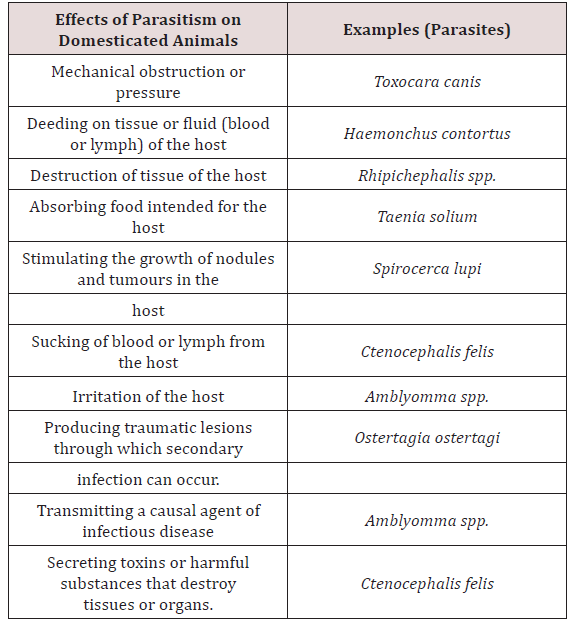
Table 1: The effect of Parasitism on Domesticated Animals
Soulsby (3); Krull (4); Lapage (5).
Commensalism was suggested to be where one organism
benefits nutritionally from another, without at the same time
harming the benefactor Soulsby [3]. In symbiosis, the original
implication was that of living together between dissimilar organisms
with both organisms obtaining a benefit from this relationship
Soulsby [3]. Mutualism has been seen to be essentially symbiosis
and the use of the term emphasises the mutual benefit derived
by members of the association Soulsby [3]. An intermediate host
is an organism that alternates with the definitive hosts harbours
larvae or immature stages of the parasite. The definitive host is the
organism that normally the sexual stages of the parasites [4,5].
Conclusions on “What is parasitology”
The writings of Lapage [5], Krull [4] and Soulsby [3] have been
found to be in agreement with each other on what is a parasite.
In summary, a parasite is an organism that lives in its host, is
metabolically depend on the host for its survival and negatively
affects the host’s health and performance either clinically or
sub-clinically. The literature has also suggested that animal
associations can be broken down into four relationships parasitism,
commensalism, symbiosis and mutualism.
Gastrointestinal parasites of Equine
a. Stomach
The stomach hair worm Tricho strongylus axei was noted
to have a direct life cycle and was widespread in many countries
MSDAGVET [6], Krull [4], Dua [7]. The adults were found in the
lumen of stomach gland and in the small intestines. These parasites
are important contributing to the burden of mixed worm species
infection. Parasites may have caused catarrhal gastritis that resulted
in severe weight loss Dua [7]. The stomach hairworm irritated and
eroded villi of the gut, damaged lymph vessels and blood vessels.
Blood was lost into the gut causing melena, diarrhoea, anaemia,
oedema and rapid loss of condition MSDAGVET [6], Krull [7]. Krull
[7] assumed that the horse becomes infected through its association
with ruminants.
Habronema muscae,
H. microstoma and
Draschia megastoma
were found in the stomach of horses.
Habronema muscae and
H.
microstma occured in the mucosal layer under the mucus while D.
megastoma was found in tumours of the stomach wall MSDAGVET
[6]; Krull [4]; Dua [7] (Table 1). These parasites have been observed
to have indirect life cycles and were present in horses worldwide.
The larvae or eggs released by the adult worm were ingested by
the housefly (Musca) or the stablefly (Stomoxy) maggots which
developed in manure. The maturation of the maggot to the adult
fly allowed the larvae to develop into the infective third stage.
Third stage infective larvae were deposited on wounds, lips and
nostrils of the horse as the fly feeds. Krull [4] noted that the
pre-patent period of Habronema was unknown. If licked and swallowed
by host larvae matured in the stomach but if they remained in the
wound deposited they didn’t complete their development and
remained circumscribed to the area of the wound which caused
cutaneous habronemiasis.
Another method of infection was by the ingestion of flies
with feed and water Krull [4]; MSDAGVET [6]; Dua [7]. Cutaneous
habronemiasis was also called summer sores and occurred on
the fetlock, side if neck, mouth, medial canthus of the eye, hock
and knees of horses Krull [4]. Draschia megastoma promoted
the formation of tumour like growths on the stomach wall which
may have ruptured and occasionally which caused blockage of the
passage of food from the stomach. Larvae deposited in the wound
migrated and fed which extended and prevented healing. Mild
digestive disorders may have resulted from gastric habronemiasis
MSDAGVET [6]; Dua [7].
b. Small intestine
The horse roundworm Parascaris equorum was observed to
be common throughout the world and was highly significant in
foals less than six months of age. Within the egg the second stage
larvae develop on pastures within 10 days to 6 weeks MSDAGVET
[6]; Krull [4]. When the eggs were swallowed the larvae hatched
and penetrated the intestines and were carried by the circulatory
system to the lungs and liver. Migration then occurs up the trachea
where they were coughed and swallowed and mature in the small
intestines Dua [7]. Clinical signs have been reported in foals less
than 6 months of age. Large numbers of larvae broke into the lungs
which caused haemorrhage which was also accompanied by severe
enteritis Dua [7]; Krull [4].
Fouls may cough and have a fever when immature larvae were
present in lungs. Enteritis resulted in alternated constipation and
foul-smelling diarrhoea. Mature horses rarely showed clinical signs
as previously infected horses confer good resistance MSDAGVET
[6]; Krull [7]. The equine intestinal threadworm Strongyloides
wersteri affected horses worldwide with a predilection site for
the small intestines. The only pathogenic form is a parthenogenic
female Dua [7]; MSDAVET [6]. Infection occurred through ingestion
of larvae or skin penetration, it involved larvae migrating to the lung
and once present in the lungs they then migrated up the trachea to
be swallowed MSDAVET [6].
Dua [7] stated that mares often harbour the larval stages in their
tissue and they were activated in parturition to move to mammary
tissue where they infected foals via milk. The mature adults were
found in the small intestine, females then layed eggs that required
no fertilization to develop MSDAVET [6]. These eggs were passed in
faeces and then hatched to yield first stage larvae, which developed
in the manner described as typical roundworms to become infective
third stage larvae. This was considered as a homogenic life cycle. A
homogenic life cycle involved a host and allows for rapid increase
in adult threadworm population when conditions outside the hosts
were unsuitable for larval development.
However, the adult threadworm in the intestine may have
also layed eggs that develop into a different kind of larvae. If
environmental conditions can provide necessary levels of warmth
and humidity, these larvae would undergo a series of moults on the
pasture to develop into the adult worm which can live outside the
host. The host could have ingested male and females of this type,
mate and lay eggs that eventually yielded infective third stage
larvae. The type of free ranging life cycle was termed heterogenic
and requires warmth and humidity Dua [7]; MSDAVET [6].
This parasite was of major importance to foals where migrating
Strongyloides larvae migrated through the lungs and caused severe
haemorrhage and respiratory distress. Skin penetration may have
resulted in dermatitis and adult worms may have caused erosion
and sloughing of the intestinal mucosa which severe interfered with
digestion MSDAGVET [6]. Krull [7] found that S. westeri produced
diarrhoea and emaciation in foals and has been speculated
that problematic skin ailments occurred because of cutaneous
penetration of infective larvae.
Anoplocephala magna,
A.perfoliata
are the tapeworms that were found in horses. The life cycle was
indirect requiring an oribatid mite as the intermediate host.
Infection occurred when a horse ate an infected mite. The
parasites were found worldwide and adults were located in the small
intestines and occasionally in the large intestines and caecum. Mild
infection caused no clinical signs but in large numbers they caused
irritation producing haemorrhage or ulcerative enteritis. Fatal
intestinal blockage could have occurred at the ileocecal junction
when, A. perfoliata clustered at this point of the large intestines
MSDAGVET [6]. Coccidiosis in horses was caused primarily by
Eimeria leukartii which caused massive intestinal haemorrhage in
foals and young horses. It occurred worldwide and infected the host
via ingestion of sporulated oocyst. Foals were suspected of sudden
death due to this parasite and the parasite damaged the cells of the
intestinal mucosa Dua [7].
c. Large intestine
Large strongyles such as
Strongylus vulgaris,
S.edquinus,
S.
edentates and
Tridontophorus spp. were observed as stout bodied
round worms. Adults are located in the large intestines and caecum,
the eggs developed into infective third stage larvae on pasture Dua
[7]; MSDAGVET [6]. When ingested third stage larvae dropped
their protective sheath in the small intestines.
Strongylus vulgaris
was the most important large strongyle because it is the most
pathogenic.
Strongylus vulgaris third stage larvae penetrated the
wall of the intestinal mucosa into nearby blood vessels. The larvae
wondered through arteries before reaching the anterior mesenteric
artery. After moulting to immature adults
S. vulgaris returned via
the arteries to the large intestine and burrowed through into the
lumen Dua [7]; MSDAGVET [6].
S. equinus burrowed into the submucosa to moult, subsequent
to that these parasites migrated to the liver where they wonder
for 6-7 weeks. They then emerged from the liver and moulted to
immature adults in various abdominal organs, then returned to the large intestines.
S. Edentatus larvae penetrated the intestine
and travelled to the liver via the portal vein where moulting
occurred. Larvae then wandered the peritoneum causing nodules.
The strongyle larvae formed nodules in the gut wall which they
ruptured to enter the lumen of the colon MSDAGVET [6].
S. vulgaris
larvae caused roughening of arterial walls providing sites for
clotting MSDAGVET [6]. These clots break off and caused infarction
to various parts of the body. Weakening of the blood vessels may
have caused aneurysms (verminous arteritis) which could have
ruptured which lead to death. Adults fed on mucosa and capillaries
causing intestinal damage, anaemia, fluid loss into the intestines
and blood protein loss Dua [7]; MSDAGVET [6]. Intestinal damage
caused diarrhoea, fever, oedema, anaemia, anorexia, depression,
weight loss and dehydration.
S. equinus and
S. edantatus caused
liver damage and peritonitis MSDAGVET [6].
Craterostomum spp,
Oesophagodontus spp,
Gyalcephalus spp
and
Cyathostoma spp were referred to as small stongyles MSDAVET
[6]. Dua [7] stated that Triodontophorus spp. belonged to the
small strongyle group of nematodes. They have a direct life cycle,
were seen in horses throughout the world and the large intestine
and caecum were the sites of predilection. Small stronyles caused
considerable economic losses and severe disease. Damaged was
caused by the adult worms in the large intestines however larvae
in gut walls may also have sucked blood. These worms were
observed as plug feeders and removed intestinal mucosa and
blood. Clinical signs included diarrhoea, anorexia, colic and weight
loss MSDAGVET [6]; Dua [7]. In heavily infected animals there was
disruption in digestive and absorptive function which resulted in
catarrhal enteritis in the large intestines Dua [7].
Oxyuris equi also known as equine pinworm was observed to
be common in horses throughout the world and adult worms were
found in the large intestine and rectum MSDAGVET [6]. Dua [7]
stated that these worms were of little significance in the intestine
and had direct life cycles. Adult female worms migrated out of the
anus and layed eggs on the peri-anal skin. The eggs were covered
with a sticky fluid and horses may have become infected by biting
at larvae in sticky fluid. Eggs may also have dropped into feed and
water and matured to infected larvae where they were ingested
by the horse, the larvae when ingested penetrated the lining of
the large intestines where they fed on mucosa. Ulceration, loss of
condition and poor appearance can be seen due to larvae feeding on
mucosa but intense itching of the rump was commonly seen due to
the fluid with Oxyuris eggs which was attached to the rump of the
animal MSDAGVET [6] (Table 2).
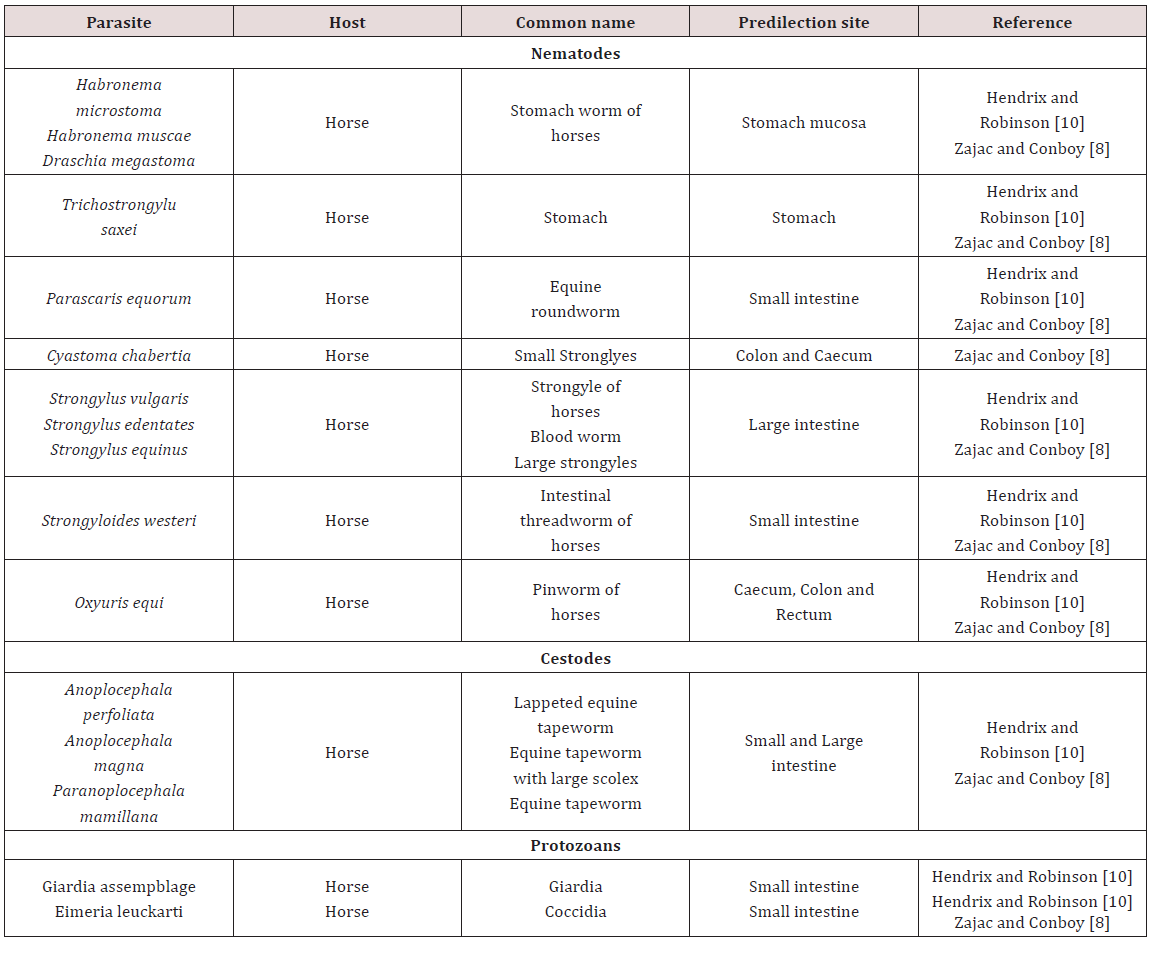
Table 2: The effect of Parasitism on Domesticated Animals
Soulsby (3); Krull (4); Lapage (5).
d. Liver
The common liver fluke Fasciola hepatica has been reported to
occur in wet areas where the Lymnea snail existed. The predilection
site was reported as the bile duct where adults layed eggs in the
bile. The bile carried the eggs into the intestines. The eggs left the
host in faeces where the immature fluke (miracidium) penetrated
a snail. Multiplication occurred in the snail and the cercariae left
the snail to be insisted on the blades of grasses. Definitive host was
infected when they ingested encysted metacercariae on grasses.
The parasites then penetrated the gut and passed over the liver
where they migrated to the bile ducts. Migration of flukes through
the liver damaged the tissue which caused scar tissue to develop
which impaired the function of the liver in production of albumin.
Flukes also ingested blood directly causing anaemia and decreased
growth rate MSDAGVET [6] (Table 2).
e. Conclusions on the gastrointestinal parasites in
Equines
Parasites present in the digestive system of the horse caused
a wide variety of clinical signs which included diarrhoea, anemia,
melena, peri-arnal irritation. Small strongyles were extremely
pathogenic to horses and caused damage to digestive and circulatory
system. The migration of these parasites caused damage to several
organs before returning to its predilection site. These parasites can
have direct or indirect life cycles. The indirect life cycles required
intermediate host such as Lymea spp. (snail) or mite.
Gastrointestinal parasites of Swine
a. Oesophagus
Gongylonema ransomi was observed as the gullet worm
(oesophageal worm) of pigs. This parasite was observed as causing
of great economic losses in swine. It affected pigs worldwide where
the worms were found embedded in the tongue of the animal.
Consequently there was disposal of swine tongues which were
found at abattoirs when lesions were found. The life cycle was
indirect and required dung beetles (Aphodius spp.) and cockroaches
(Blattella germanica) for completion of the cycle. The definitive
host became infected by consumption of parasitized intermediate
host. The migratory path which was taken by the parasite to reach
the oesophagus in domestic animals was unknown Krull [4].
b. Stomach
Physocehphalus sexalatus was reported as the thick stomach
worm of pigs Krull [4]; Dua [7]; Zajac and Conboy [8]. Krull [4]
noted that these parasites have worldwide distribution but seem
to be absent from the British Isles. Dua [4] is in disagreement with
Krull [7] and stated that the occurrence of P. sexulatus was seen
worldwide. The life cycle was indirect and the coprophagic beetle
was reported as the intermediate host. When egg containing larvae
were eaten by host other than the coprophagic beetle the larvae
encysts in tissue Dua [7]; Krull [4]. These paratenic hosts when
eaten by the pig (final host) the larvae become excysted and made
their way to the stomach where they reached maturity. The prepatent
period was approximately 30 days. These worms were blood
sucking and in light infection no clinical signs can be seen. Heavily
infected animals showed anorexia, excessive thirst and restlessness
Krull [4]. Dua [7] stated that clinical signs such as
those mentioned by Krull [4] were only seen when there was
large numbers of worms present or if there was a reduction in body
condition due to poor nutrition.
Hyostrongylus rubidus was also named the red stomach worm
of pigs Krull [4]; Dua [7]. The worm had worldwide distribution
and was found in the stomach. Krull [4] stated that the life cycle
was direct, the eggs hatched and larvae grew and underwent a
partial moult. Within 6 days the infective third stage larva was
developed and hogs become infected by eating contaminated
feed or rooting. In contrast Dua [7] stated that H. rubidus has an
indirect life cycle with the intermediate host being a coprophagic
beetle and pigs became infected by ingestion of the intermediate
host. The pre-parent period is 25 days and clinical signs were seen
as diarrhoea in young pigs and constipation in old sows. Anaemia,
emaciation, haemorrhages were common clinical signs seen. In the
stomach deep ulcerations may have perforated and caused death by
peritonitis Krull [4]; Dua [7] (Table 3).
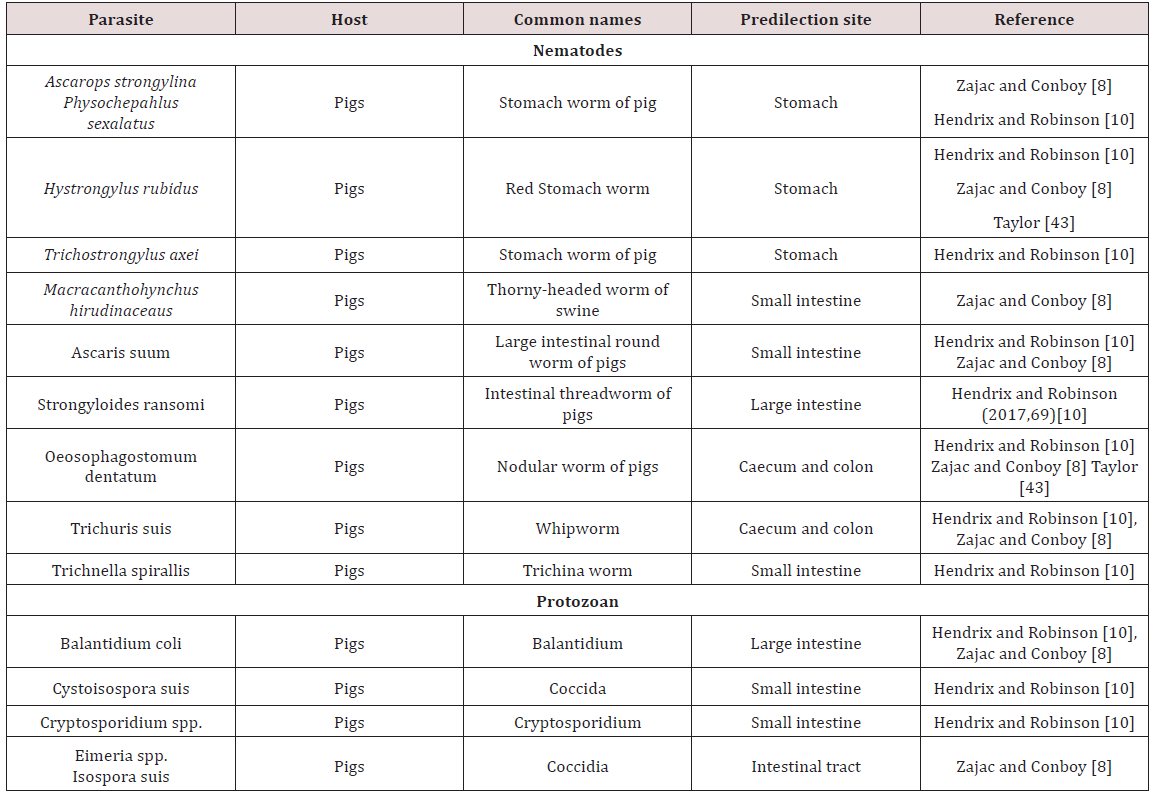
Table 3: Predilection sites and common names of gastrointestinal parasites in Pigs.
c. Small Intestines
Ascaris suum, the large intestinal roundworm found in pigs.
A.
suum can migrate to other areas of the gastrointestinal tract (bile
duct, stomach, large intestine, gall bladder). The life cycle was
observed to be direct and the eggs have to undergo development
to become infective Krull [4]; Dua [7]. The develop larvae does not
hatch from the egg but undergoes a moult, host was infected by
ingestion of the egg contaminated feed, water, scavenger animal
which have ingested eggs and piglets are infected by contaminated
udders Krull [4].The egg hatched in small intestine of definitive
host and larva must undergo extra-intestinal to the lungs and liver
via blood vessels before maturing and returning to the intestines
when the mature larva was coughed and then swallowed.
A.suum
produces serious respiratory, digestive and hepatic damage due to
its larval migration Krull [4]; Dua [7].
There was a pre-patent period of 75 days and clinical signs were
seen due to the migrations of the immature stages and the adult
worms. Many of the livers of infected pigs must be condemned at
abattoirs due to the immature larvae present Krull [4]. Respiratory
signs included coughing, fever and even death. In the digestive tract
they caused irritation, occlusion of bile ducts and intestines. A.suum
affected the pig industry greatest by the stunted growth, wasted
feed, unthriftness and condemnation of carcasses Krull [4]. Dua [7]
stated that the main effect of the adult worms were reduction in
grow rate of young pigs but in heavily infected animals abdominal
breathing can be seen due to pulmonary oedema and consolidation
caused by immature larvae.
Strongyloides ransomi, hair-like worm usually found in the
small intestines of pigs worldwide. The life cycle was similar to
other Strongyloides spp. in which the worms have a parasitic
state and a free living state. The adult females were considered
to be parasitic and were found in the wall of the small intestine.
Transmission occurred commonly through colostrum to affect
piglets. In light infection no clinical signs were seen but under
heavy infection scouring can be seen Dua [7]. Diarrhoea seen in
piglets as young as ten days and severe infections can be fatal Zajac
and Conboy [8]. Coccidiosis was a serious disease of pigs causing
destruction of intestinal mucosa by invasion. Species which were
highly pathogenic include Eimeriade bliecki,
E. neodebliecki,
E.
scabra,
E. spinosa and
Isospora suis.
E. spinose.
They had been seen in pigs less than three month of age causing
diarrhoea while pigs between five and fifteen days were usually
affected by I. suis. It affected swine worldwide and transmission
occurred via ingestion of infective oocyst. Older animals were
usually resistant to clinical disease and were sources of infection
to young, susceptible animals. Oocyst of
Eimeria and
Isospora when
passed in faeces are unsporulated. Under favourable conditions
oocyst sporulated and become infective. During sporulation
the development of sporozoites can be seen in the sporocyst.
The
Eimeria species had four sporocysts each containing two
sporozoites while
Isospora have two sporocysts each containing
four sporozoites. When infective oocyst was ingested they encysted
on the small intestine and sporzoites contained within were
liberated.
Asexual reproduction took place producing merozoites and
the liberated merozoite affected new cells. It is the merozoites
that caused destruction of intestinal cells that can lead to death
of the host. Some merozoites entered host cell and transformed
into gametocytes and gametocytes transform into gametes. When
gametes fused a zygote was formed which develops into an oocyst.
The oocyst then escaped from the host cell and was passed in faeces.
Clinical signs of cocciodiosis were watery or greasy diarrhoea. In
piglets the small intestines was flaccid but fibronecrotic enteritis
can be seen Dua [7] (Table 3).
d. Large intestines
Macracanthorhyncus hirudinaceaus are the thorny headed
worm of pigs. Adults were found in the large intestines and pigs
all over the world were affected. The life cycle was indirect with
various beetles serving as intermediate host. The site of attachment
may have a necrotic centre surrounded by inflammation. There
is no specific clinical sign but peritonitis and death may be seen
if intestinal wall was perforated Dua [7].
Trichuris suis commonly
referred to as the whip worm of swine. It is distributed worldwide
with adult worms being found in the caecum and large intestines. The
life cycle is direct and infection occurs via infection of embryonated
ova. These parasites had been found in the intestinal tract of human
on occasion. Most cases in animals were asymptomatic but heavy
infection could have caused diarrhoea and unthriftiness Dua [7].
Commonly found in pigs and may have caused severe diarrhoea and
dehydration. In severe cases bloody diarrhoea may have be seen
Zajac and Conboy [8] (Table 3).
e. Conclusions of gastrointestinal parasites of swine
Parasites of the pigs which were found in the digestive tracks
caused economic losses in the following ways
i. Larval migration causing of damaged organs and
condemning of affected organ at the abattoir.
ii. Decrease growth rate of infected pigs.
iii. Death of animals that succumb to parasitic disease.
Strongyloides spp. has two states, a parasitic and non-parasitic
state with the females being parasitic and were found in the final
host. Migration of larvae throughout the body can cause digestive
and respiratory signs. Adult cestodes were absent in the digestive
tract of pigs.
Ruminants
a. Rumen/ Reticulum
Paramphistomes were flukes which were found in the
reticulum of cattle and to a lesser extent sheep. The adults don’t
cause ill effects but the immature forms which reside in the lining
of the small intestine causes enteritis. The life history is similar
to the liver fluke where the fresh water snail was observed as the
intermediate host Belschner [9].
b. Abomasum
Haemonchus contortus was also called the large stomach worm
of ruminants. While Belschner [9] stated that the barber pole worm
was called Haemonchus placei .Dua [7] showed that Haemonchus
placei was found in cattle while
Haemonchus contortus was found
in sheep and goat. Cross transmission of Haemonchus between
sheep and cattle can occur with sheep being more susceptible.
This worm has a worldwide distribution and adults were found
in the abomasum. Sheep and goat were usually affected but may
also infect ox, goat, moose, deer, antelope, bison and musk Krull
[7]. In contrast Dua [7] stated that Haemonchus occurs in tropical
and sub-tropical condition. The life cycle was recorded as direct;
eggs are produced by females which were shed in faeces. The
larva completed its development in faeces or in the ground. The
larva then moulted twice to become third stage infective larva in
approximately four days. Infective larvae were active and climbed
unto grass to be ingested by the definitive host.
The third stage larva then became exsheathed in the stomach;
entered the gastric pits and mucosa. Here it feds on blood, moulted
and then returned to the lumen where the last moult occurs Krull
[4]; Belschner [9]; Dua [7]. Belschner [9] stated that the pre-patent
period was between twenty five (25) to twenty eight (28) days. In
contrast Dua [7] found that the pre-patent period was between two
to three week (14-21 days). Lesions were produced by the immature
larvae and adults that attacked the mucosa of the abomasum.
The worm’s mouth part possessed a lancet which was used to
secure blood and elicit bleeding. Animal infected are emaciated,
oedema, have rough hair coat, have pale mucus membranes and
are diarrheic Krull [4]; Dua [7]. Young cattle were usually heavily
infected and can cause death due to the blood loss that the parasite
caused Belschner [9].
Ostertagia ostertagi was observed in the stomach is also known
as the brown stomach worm primarily found in cattle Krull [4];
Dua [7].
O. circumcincta and
O. trifurcate is found in sheep and goat
Dua [7]. It has a worldwide distribution and adults were found
in the abomasum (true stomach). These parasites were found in
bison, antelope and sheep but as occasional host. These parasites
occurred worldwide and have a pre-patent period of 22 days Krull
[4]. Breschner [9] grouped Ostertagia ostertagi, Trichostrongylus
axei and Cooperia spp. as short hair worms which was found in
the fourth stomach. In young cattle it caused stunted growth and
scouring. Krull [4] stated that affected animals have stomach walls
which were elevated, inflamed, haemorrhagic and oedematic.
Symptoms seen were emaciation, pale mucous membranes, rough
hair coat and diarrhoea. Deaths were seen in severe cases and
identification of the parasite cannot be done by eggs Dua [7]; Krull
[4].
Krull [4] stated that Trichostrongylus axei and T. columbriformis
were found in the abomasum and small intestines of sheep, goat
and cattle. Dua [7] stated that Trichostongylus axei was found in
the abomasum of ruminants and the stomach of horses and pigs.
These parasites are extremely pathogenic and were not very host
specific and caused disease to domesticated, wild and sometimes
man. The life cycle was direct; eggs were discharged in faeces and
moulted twice to become infective third stage larva. The infective
stage larvae migrated from faeces and attach to grasses. Infection
occurred when third stage larvae was ingested by definite host. The
infective larvae when ingested entered the submucosa and moult
before returning to the lumen. The pre-patent period may have
ranged from 15-23 days Krull [4].
Clinical signs in sheep and goats were seen when the number of
worms ranged from 2,000 to 10,000 per animal. Krull [4] assumed
that the pathogenic effect was due to the toxins it produced
but not the blood sucking. Young lambs and kids were usually
affected showing acute signs of weight loss and reduced appetite.
Mixed infection with Nematodirus spp. intensifies the pathogenic
potential. In sheep it caused reduced gains, interference with wool
production, and depression in protein digestibility and depression
in calcium and phosphorus utilization. Phenothiazine was used in
the treatment of twisted stomach worm and lesser stomach worm
which inhabit the abomasum. Proper sanitation can control the
transmission of this disease Haberman [11].
c. Small intestine
Trichostrongylus columbiformis and
Trichostongylus vitrinus
were found in the small intestines of ruminants worldwide. T.
vitrinus was found mostly in sheep and goat and was observed as
having a pre-patent period of 18-21 days. The life cycle was direct
and larvae burrowed superficially in the crypts of the mucosa.
Clinical signs were anorexia, persistent diarrhoea and weight
loss Dua [7]. Cooperiosis was reported as a parasitic disease of
ruminants caused by the parasite Cooperia.
C. punctate,
C. pectinate
and
C. onchophora parasitized cattle. C. surnabada parasitized
cattle and sheep while
C. curticeii affected sheep and goat. These
worms don’t suck blood but caused profuse diarrhoea, anoexia and
emaciation. The life cycle was direct with a pre-patent period of 12-
15 days Dua [7].
Nematodirus helvetianus affected the small intestine of cattle
while
N. battus affects sheep worldwide. The life cycle was reported
as direct with N. battus more commonly seen in temperate regions;
animals became infected by ingestion of third stage larvae. Clinical
infection was usually seen from six week onward in dairy cattle
but in sheep there was a sudden onset of unthriftiness, profuse
diarrhoea, marked dehydration and death. Nematodirosis was
common in confined lambs or weaned sheep with lesions of
dehydration, catarrhal enteritis or acute inflammation of the
small intestines Dua [7]. Belschner [9] agreed with Dua [7] and
stated that
Nematodirus spp. was the thin necked intestinal worm
found most commonly in the small intestines. Heavy infection
by the immature larval stages could have caused death in young
cattle with a direct history similar to the barber’s pole worm.
Bunostomum phlebotomum the hookworm of cattle is fairly
common in coastal areas and heavy infection was usually seen in
calves. The hookworm fed on blood and tissue in the intestines; it
adhered to the intestinal wall and drew blood using its mouthpart.
Infection could have occurred via ingestion of infective larvae or by
larvae boring through the animal’s skin. The larvae migrated in the
body and were carried to the lungs where they developed and were
coughed up and swallowed to reach the intestine Belschner [9];
Dua [7]. Belschner [9] stated that the pre-patent period was two (2)
months. Dua [7] found that the pre-patent period could have ranged
from 30-56 days. Signs of infection were similar to the barber’s pole
worm where there was rapid loss of condition, anaemia and bottle
jaw Belschner [9]; Dua [ 7].
Neoascaris vitulorum also known as the large roundworms of
cattle were commonly found in the small intestines of calves. These
parasites were found worldwide affecting cattle, caribou and Indian
buffalo but were more prevalent in tropical areas. The life cycle was
direct and host became infected by ingesting infective eggs. The
larvae then migrated to lung and liver to mature and then returned
to the small intestines as adults Krull [4]; Dua [7]. Krull 1968 [4]
stated that the life cycle is similar to Ascarids seen in pigs and the
pre-patent period is two and a half months (75 days). Dua [7] was
in disagreement with Krull [4] stated that the pre-patent period
was 3-4 weeks and transmammary infection occured in pregnant
cows where larvae mobilized to be passed in milk which was fed
to calves. Clinical signs were anorexia, diarrhoea, colic and a lack of
endurance Krull [4]; Dua [7].
Strongyloides papulosus was observed as a slender like worm
measuring 3.5 – 6 mm long. These worms were found in the small
intestines of ruminants worldwide. Strongyloides have unusual
life cycles in which eggs produced in faeces of host can develop
into infectious larvae or free living adults. Transmission occurs by
ingestion or skin penetration of larvae. Infection was usually seen
in calves but clinical signs were rare but large worm burden may
cause diarrhoea and loss of appetite Dua [7]. Monezia benedeni was
recorded as a tapeworm that occurs in cattle found in the small
intestines. The microscopic mite was observed as the intermediate
host and cattle became infected by ingesting mites by grazing.
Heavily infected calves had intestinal obstruction with loss of body
condition Belschner [9].
In ruminant coccidiosis was observed to be of great economic
importance worldwide. They were found in the small intestines but
can also be found in the liver. They occurred worldwide and specific
species affect sheep, goats and cattle. In cattle Eimeria zuernii and E.
bovis were the most pathogenic. In sheep E. crandallis, E. ovinoidalis
and E. ovina was seen with E. ovinoidalis being a serious pathogen
of lambs. In goats E. arloingi, E. christenseni and E. ovinoidalis were
seen with the later (E. christenseni and E. ovinoidalis) being highly
pathogenic to kids Dua [7]; Zajac and Conboy [8]. Transmission
occurred by ingestion of infected cyst. The life cycle was similar
to Eimeria species found in pigs. The virulence of these organism
was linked with stressors such as poor nutrition, poor sanitation,
weaning, shipping, severe weather or change in feed. Young
ruminants were usually susceptible to disease and having a prepatent
period of seventeen to twenty one days. Clinical signs
included diarrhoea, fever, tenesmus, ill- thrift, inappetence and
death Dua [7].
d. Large intestine
Oesophagustomum radiatum also known as the nodular worm
was found in the large intestine Belschner [9].
O. radiatum were
found in cattle and buffaloes while
O. columianum was found in
sheep and goats Dua [7]. The life cycle was recorded as direct and
consisted of eggs being passed in faeces and larvae development
occurring in optimum conditions. The infective larvae were then
ingested by the host where it burrowed into the bowel wall and
formed nodules on the intestines Dua [7]; Belschner [9]. The larvae
left the nodule upon maturity and were present in the intestinal
lumen. The pre-patent period is six weeks and clinical signs were
similar to other endoparasites and entailed loss of condition, soft
dropping containing mucus and haematochezia Belschner [9]; Dua
[7].
Chabertia ovina was observed as the large nematode found in
the colon of ruminant. It was mainly found in sheep and goat but
was occasionally seen in cattle with a worldwide distribution.
The life cycle was reported as being direct and in sheep soft blood
flecked faeces can be seen. Death occurred with heavy infection but
clinical signs were seldom seen in cattle Dua [7]. Trichris globulosa,
the whipworm found in the caecum of cattle worldwide while
Trichuris ovis is found in sheep and goat. The infection was common
in calves with larvae and adult causing small haemorrhages and
oedema in the colon. These worms have a pre-patent period of 6-12
weeks Dua [7].
e. Liver
Fasciola hepatica was reported to be found in the bile duct
of sheep, goat, ox and other ruminants (Table 4). In unusual host
such as man and horse the fluke was found in the lungs and under
the skin. The fluke caused fasioliasis (liver fluke disease, liver rot)
especially in sheep and cattle Soulsby [3]; Belschner [9]; Dua [7].
The eggs entered the duodenum with the bile and left the host in
the faeces. The rate of development for hatching of the eggs was
dependent upon environmental temperatures. The miricidium
penetrated actively into the snail (Lymnea spp.) and developed
into the sporocyst. Each sporocyst give rise to rediae which further
developed into cercariae. Cercariae escaped from snails and settled
on the blades of grass just below water level. The cercariae were
then swallowed by the final host with plants on which they were
encysted Soulsby [3]; Belschner [9]; Dua [7].
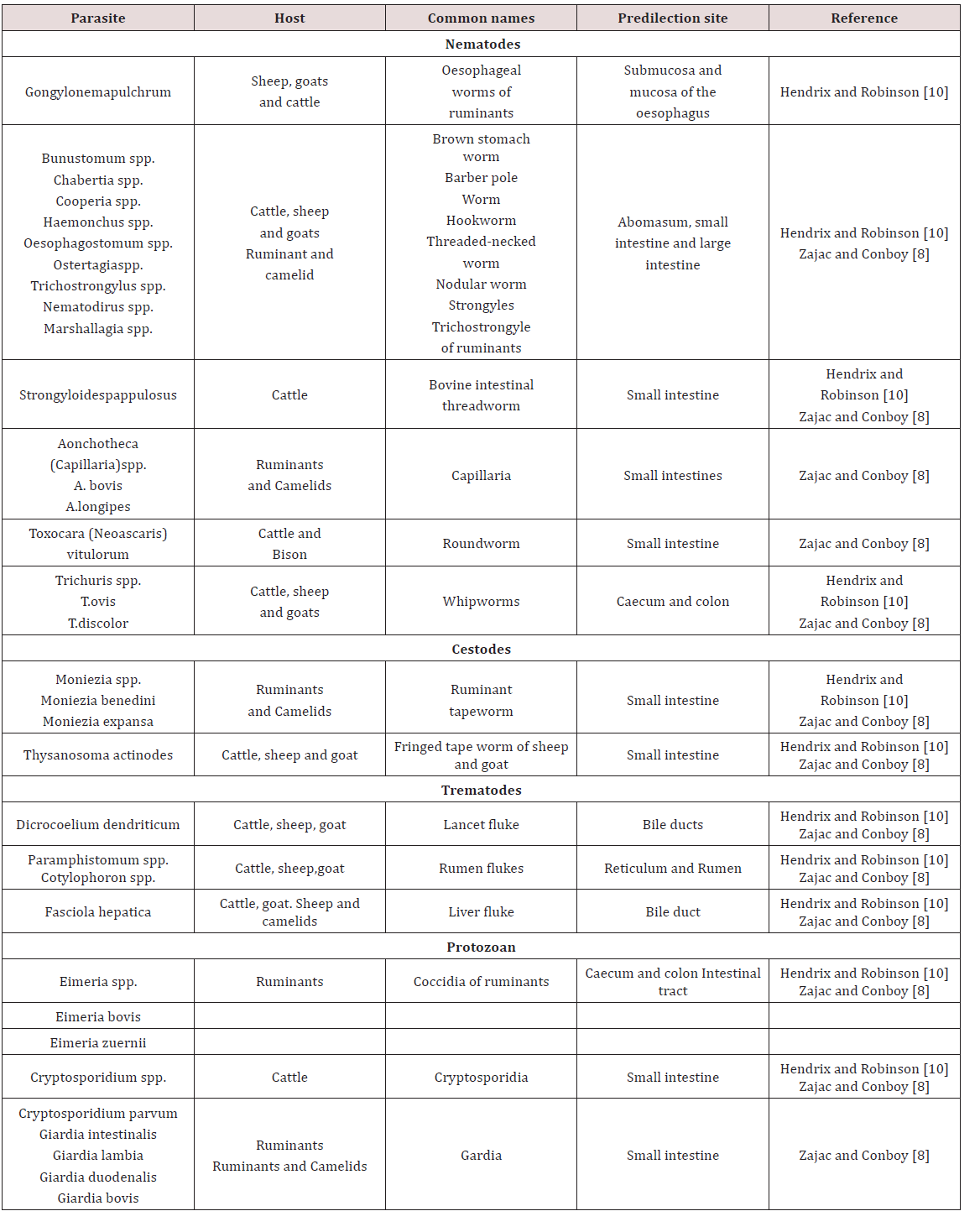
Table 4: Predilection sites and common names of gastrointestinal parasites in Ruminants.
Following ingestion the metacercaria excysted in the
duodenum. Within 24 hours of infection the majority of immature
trematodes occurred in the abdominal cavity. They then penetrated
the liver capsule and migrated through the liver parenchyma. The
pathological lesions manifested depended upon the number of
metacercariae ingested. No appreciable damage was done during
penetration of intestinal wall or the peritoneal cavity Soulsby [3].
The principle lesions occurred in the liver parenchyma or bile duct.
The disease entity can be divided into acute fascioliasis and chronic
fascioliasis Soulsby [3]; Dua 2012 [7]. The acute form was usually
seen in sheep and is essentially traumatic hepatitis produced by the
migration of large numbers of immature trematodes.
Animals may die a few days after the development of clinical
signs due to haemorrhage in the abdominal cavity caused by
extensive destruction to liver parenchyma. A complication of
this acute condition was “Black disease” caused by Clostridium
oedematiens novyi. The bacterium invaded after hepatic damage
by the parasite to anaerobic necrotic lesions Soulsby [3]; Belschner
[9]; Dua [7]. Chronic fascioliasis was more common in sheep, cattle
and other animals. The pathology was divided into hepatic fibrosis
and hyperplastic cholangitis Soulsby [3]; Belschner [9]; Dua [7].
Migration of immature flukes in the liver parenchyma caused
haemorrhage and necrosis. Healing and regeneration of these
lesions caused collagen and fibrin to be deposited.
The hyperplastic cholangitis was caused by the presence on
adult flukes in the bile ducts. At first the epithelium of the bile
ducts became hyperplastic, both close to and distal to the site of
fluke residence. Animals suffered from anaemia due to the blood
sucking activity of the adult flukes. Oedema may have occurred due
to the hypoproteinemia and was seen as “bottle jaw” Soulsby [3];
Belschner [9]; Dua [7]. Dicrocoelium dendriticum was found in the
bile duct of ruminants Soulsby [3]. Two intermediate hosts were a
snail and an ant. Two principal snail hosts were Zebrina detrita in
Europe and Cionella lubrica in North America. The miricidium do
not hatch out of the egg until the eggs have been swallowed by the
intermediate host. They hatch in the gut of the snail, the sporocyst
was then converted into cercariae and there was no redia stage. The
cercariae emerged from the snail in damp and clump into a slime
ball. The slime balls were eaten by ants of genus Formica Soulsby
[3].
Metacercariae were produced in the abdominal cavity and
some were found in the brain of the ant. Definitive host was infected
by swallowing infected ants. Cercariae entered the liver via the bile
duct, these flukes penetrated the fine branches of the bile duct.
Despite heavy burdens which may have occurred pathological
lesions were not seen. In advanced infection there was extensive
cirrhosis and scarring of the liver surface and the bile duct is
markedly distended with large number of flukes. In severe cases
anaemia, oedema and emaciation could have been be seen but
many cases showed no clinical signs Zajac and Conboy [8]; Hendrix
and Robinson [10]. Control of the snails (Intermediate host) could
be done by proper draining of water log pasture and the use of
Hexachlorethane in environment Haberman [11]. Parker [12]
stated that control was done by eliminating the intermediate host
(snail) which will break the cycle (Table 4).
f. Conclusions on the gastrointestinal parasites of
Ruminants
Haemonchus spp., Ostertagia spp. and Trichostrongylus spp.
caused severe damage to the abomasum of Old World Domestic
Ruminant and impeded ruminant production. Nematodirus spp.
affected sheep causing devastating clinical signs whereas when
these parasites are found in other ruminants caused milder clinical signs. Subcutaneous oedema (Bottle Jaw) was reported in
ruminants when large numbers of gastrointestinal parasites was
present which removed protein (blood, plasma protein).
Chickens
a. Oesophagus
Mukaratirwa et al. [13] found Gonglyonema inguvicola,
Skrjabinocerca spp. and Capillaria contorta in the oesophagus
of chickens. Mungube et al. [14] identified
Capillaria contorta
and Gonglyonema ingluvicola in the oesophagus of free ranging
chickens in Kenya.
b. Crop
In Nairobi Kenya Maina et al. [15], Mbeere Kenya Cheg et al. [16]
and Chota et al. [17] free ranging chickens Gonglyonema ingluvicola
was found in the crop.
Capillaria contorta and
Dispharynx nasuta
was found in the crops of chickens in Zimbabwe Mukaratirwa et al.
[13]. Mungube et al. [14] located Capillaria contorta in free ranging
chickens in Kenya.
c. Proventriculus
Tetameres americana was found in the proventriculus of free
ranging chickens Maina et al. [15]; Cheg et al. [16]; Mukaratirwa et
al. [13]; Mungube et al. [14]; Chota et al. [17]. Dispharynx nasuta
was also found in the proventriculus in chickens in Zimbabwe
Mukaratirwa et al. [13] but was found in the trachea in chickens
in Kenya Mungube et al. [14]. Dispharynx spiralis was identified in
Kenya Mungube et al. [14].
d. Gizzard/ Ventriculus
In Nairobi Kenya, free ranging chickens were examined. In
the gizzards Acuaena hamulosa was found Maina et al. [15].
Cheilospirura spp. was found in the gizzard of chickens in Zimbabwe
Mukaratirwa et al. [13]; Mungube et al. [14].
e. Small intestine
In chickens two forms of coccidiosis were seen; chronic form
and acute form. The chronic form was found in the small intestines
with the causative agent reported as Eimeria tenella. There was
also E. nacatrix, E. maxima, E. acervulina, E. mitis, E.praecox, E.
hagoni and E. brunetti which also caused intestinal coccidiosis.
Destruction of intestinal cells by the parasites caused diarrhoea,
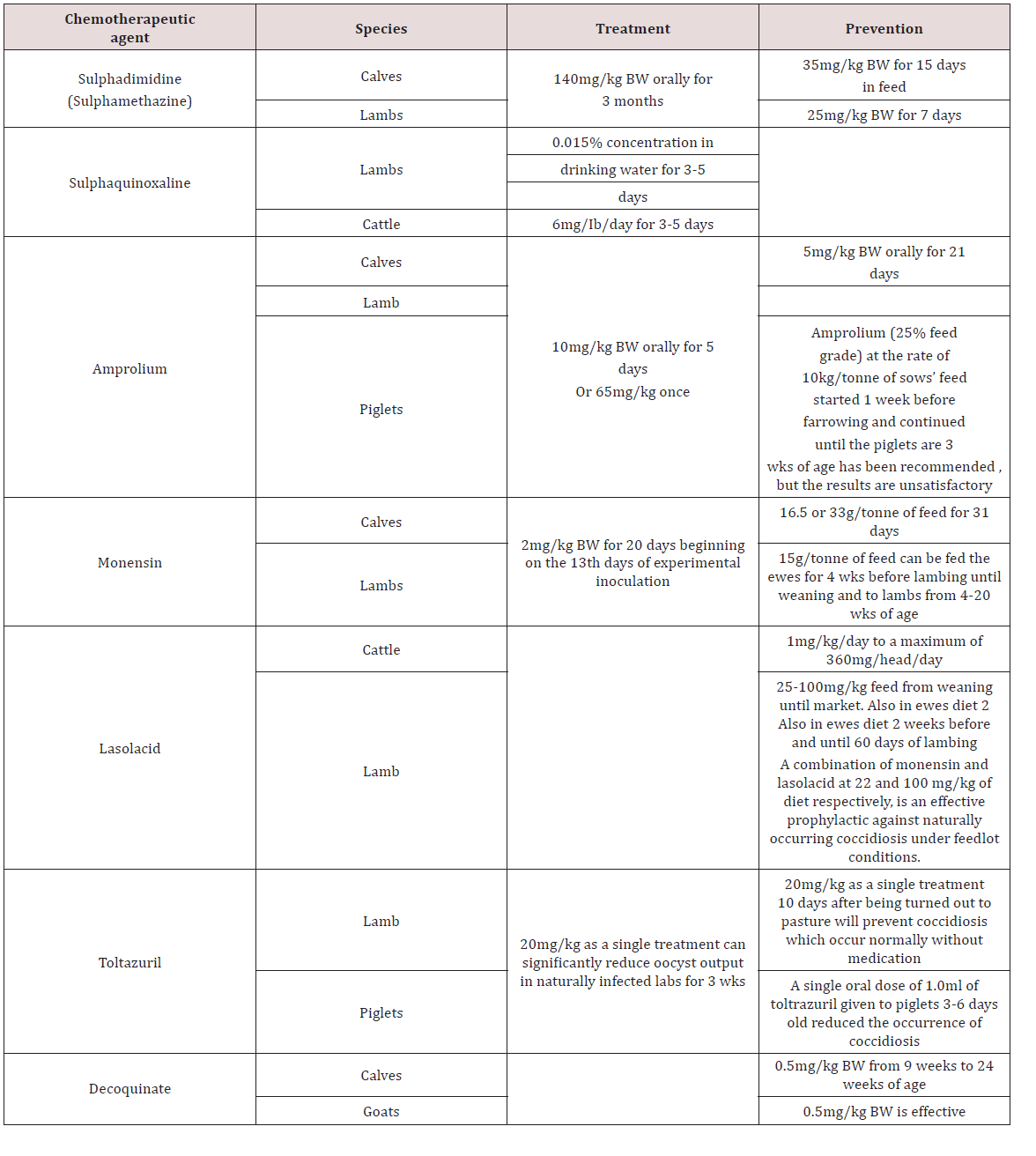
bloody droppings and decreased in feed intake. Sulphur based
drugs such as sulfaguanadine, sulfamethazine, sulfamerazine,
sulfadiazine, sulfapyrazine and sulfaquinoxaline Haberman [11]
(Table 5). Coccidia were common in domestic birds and many
infections were reported to be asymptomatic but where poultry
was confined Eimeria spp. were important pathogens. Sexual and
asexual multiplication occurred within cells of the intestinal walls
Zajac and Conboy [8]. Cryptospotidiumbaileyiand C. melaegridis
were found in the gastrointestinal tract and caused diarrhoea. This
parasite is zoonotic Zajac and Conboy [8].
Table 5: Predilection sites and common names of gastrointestinal parasites in Ruminants.
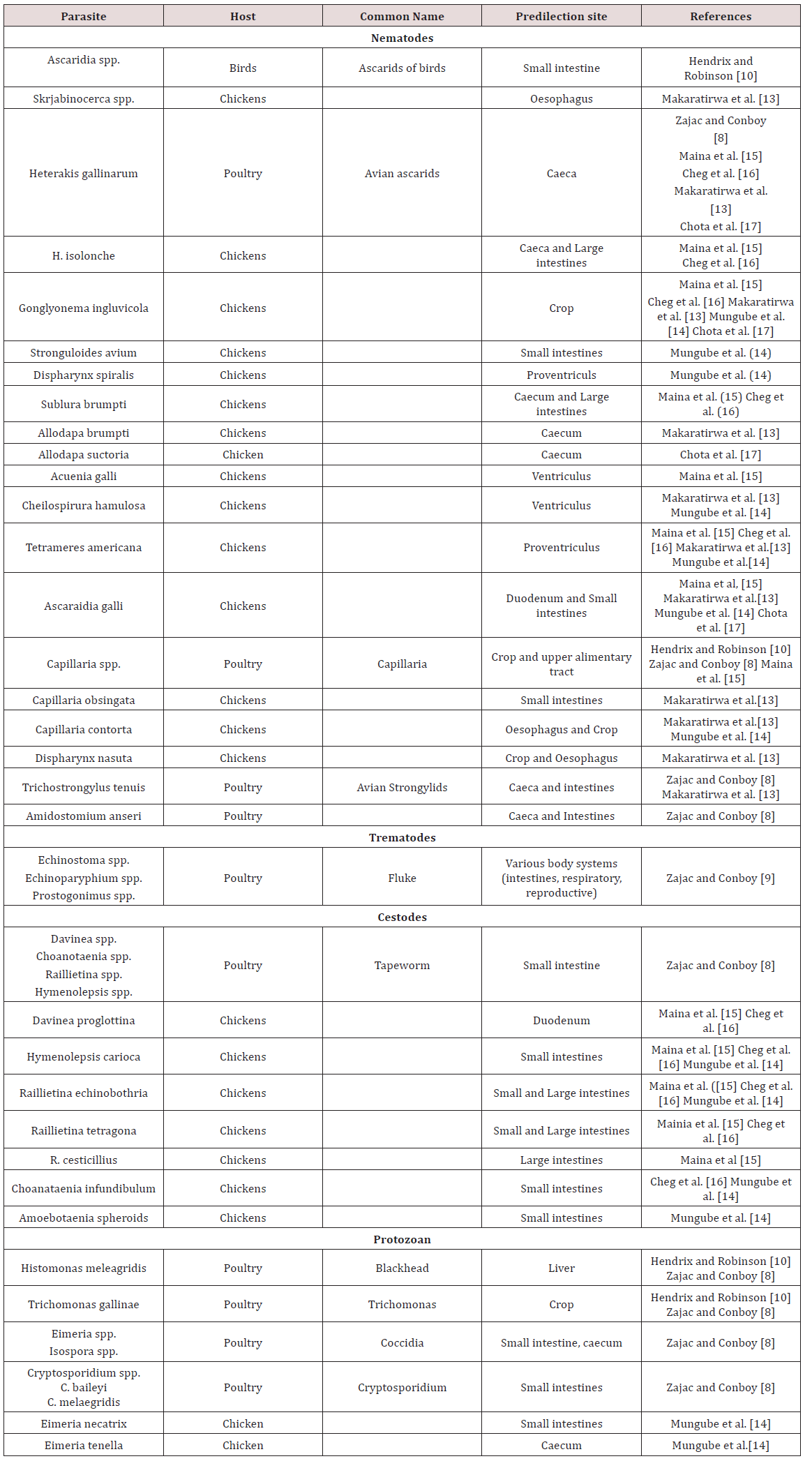
In the small intestines of free ranging chickens in Nairobi
Kenya parasites were observed. Endoparasites found were
Ascaridia galli, Raillietina echinoborthrida, Raillietina tetragona,
Davinea proglottina and Hymenolepsis carioa Maina et al. [15].
Mungube et al. [14] identified cestodes; R. echinobothrida,
Choanataenia infundibulum, D. proglottina and Amoebotaenia
sphenoids. Nematodes identified were A. galli, Strongyloides avium,
Ttrichostrongylus tenuis and coccidian Eimeria necatrix. Cheg at al.
[16] found Hymenolepsis canteniana, Choanataenia infundibulum,
R. echinoborthrida, Davinaea Proglottina. Mukaratirwa et al. [13] found
Trichostrongylus tenuis and Capillaria contorta in the small
intestines of free range chickens in Zimbabwe. Chota et al. [17]
recorded A. gallinarum in the small intestines of scavenger chickens
in Zambia.
found Trichostrongylus tenuis and Capillaria contorta in the small
intestines of free range chickens in Zimbabwe. Chota et al. [17]
recorded A. gallinarum in the small intestines of scavenger chickens
in Zambia.
In the caeca and large intestines of chicken in Nairobi Kenya
Heterakis gallinarum, H. isolonche, Subuluria brumpti and Raillietina
cesticullius, R. echinobothrida were found Maina et al. [15]. In
another county in Kenya (Mbeere) Heterakis spp., H.isolonche,
H.gallinarum, Subulura brumpti, R. echinobothrida and R.tetagena
was found Cheg et al [16]. Mukaratirwa et al. [13] found Allodapa
brumpti and Heterakis gallinarum in the caecum of free range chicks
in Zimbabwe. Mungube et al. [14] recorded Eimeria tenella in the
cecum of free ranging chickens in Kenya. Chota et al. [17] identified
Heterakis gallinarum in the ceaecum of chickens in Zambia (Table
6).
Table 6: Predilection sites and common names of gastrointestinal parasites in Ruminants.
g. Conclusions on gastrointestinal parasites of Chickens
The majority of work on helminths in chicken was obtained from
Africa, Asia and North America with limited published work done
in the Caribbean. Due to the long pre-patent period of helminths
they are usually found in free-ranging chickens and layers. Eimeria
spp. causes major economic damage to the poultry industry due to
the deleterious effects on the birds’ digestive tract.
Treatment and Control of Gastrointestinal parasites
a. Management practices and drugs strategies
In Brazil animals were reared in organic operations and
traditional dairy cattle farms to compare animal performance and
health. Organic farms had lower milk production per animal, lower
calf mortality, less incidences of mastitis, few rates of spontaneous
abortions and reducted ecto-parasitic load. However organic farms
had a greater prevalence of internal parasites compared to the
conventional farm Sliva et al. [18]. Farmers in Kenya perceived
the use of anthelmintics in drought times had no impact on the
productivity of small ruminants but states that the rainy season
was the reason for increased performance. The farmers didn’t
consider endoparaistes as having an effect on the animals unless
clinical signs were seen Okell et al. [19].
Anindo et al. [20] used Medicated molasses urea block with
fenbendazole in sheep production and recorded an increase in
feed intake and decrease in faecal eggs count. Arece-Garcia et al.
[21] studied ewes using two management procedures for control
of parasites. One group selective use of anthelmintic was done.
Only animals with clinical signs of parasites were treated whilst the
alternative treatment used conventional deworming system. The
results showed that there was no significant difference between
the two treatments with respect to animal performance. The
strategic strategy was then recommended as it reduced the amount
of therapeutic drugs being used which reduces anthelmintic
resistance Arece-Garcia [21]. Dried banana leaves were fed to
sheep artificially infected with Haemonchus and decreased faecal
egg hatchability was seen due to the tannins present in the leaves
Gregorya et al. [22].
Medicated fenbendazole urea block had caused an increase
in weight gain in goats as compared to the negative control group
which wasn’t treated with fenbendazole Abid et al. [23]. Cassava
foliage fed to goats had increased growth rates and reduced parasite
infestation. This was due to the high levels of tannins in the leaves
of the cassava plant Sokera and Preston [24]. Phengvichith and
Preston [25] also did an experiment in supplementing goats with
cassava foliage and found similar result to Sokera and Preston [24].
There was an increase in live-weight gain and reduction in faecal
egg count as compared to a negative control group. In Bishoftu
Town a survey was done with sheep reared in urban and peri-urban
environment. The most common athelmintic used was albendazole
followed by ivermectin and levamisole.
The reasons for the use of anhelmintics were general disease
symptoms (45.8%) such as emaciation, rough coat, weakness.
23% of farmers treated due to digestive disturbances, 18.3%
gave anthelmintics for simple deworming and finally 10% used
anthelmintics for respiratory conditions Datiko et al. [26]. Mahieu
and Aumont [27] investigated the use of sheep and cattle in
alternating grazing systems. Lambs were grown in the alternate
system (Cattle and Sheep) and the control (Sheep only) and the 70
day old lamb weight in the alterative system was higher than the
control. There was also no significant difference in the faecal egg
count in sheep reared under the two conditions.
b. Anthelmintic Resistance in Domestic Animals
Cheng et al. [16] investigated the efficacy of Piperazine citrate,
Levamisole hydrochloride and Albendazole in chickens. Levamisole
(25mg/kg) was effective against caecal worms Heterakis spp., H.
isolonche and Sublura brumpti but was ineffective to tapeworms
and Tertameres americana. Albendazole (20mg/kg) was effective
against Heterakis spp., Sublurua brumpti, Tetrameres americana,
Railletina tetrogena and R. echinobothrida. Piperazine citrate
(3mg/kg) was only effective against Ascaridia galli and ineffective
against nematodes and trematodes. In Bangladesh Trichostrongylus
spp., Oesophagustomum spp. and Strongyloides spp. were resistant
to Albendazole using the Faecal egg count reduction test (FERT).
This was due to the over use of the drug by farmers. Anthelmintic
resistance can be small in farm holders that use anthelmintics for
clinical disease Hogue et al. [28]. In Mexico, anthelmintic resistance
of parasites in Beef cattle was examined. Faecal egg reduction and
inhibition of egg hatchability was used for albendazole, ivermectin
and levamisole. The results showed resistance to ivermectin (32%
reduction faecal egg reduction).
Albendazole and levamisole were effective (95% and 100%
reduction in faecal egg reduction) Muniz-Lagunez et al. [29].
In South Africa small scale farmers were investigated for the
presence of anthelmintic resistance of albendazole, levamisole
and ivermectin. All anthelmitic in the study as ineffective in
reduction of faecal egg count in the animals with only a couple (2)
farms have susceptibility to the drugs Tsotesti et al. [30]. Algeria
-Lopez [31] investigated the efficacy of ivermectin against ecto and
endo parasites of cattle. The results showed that gastrointestinal
parasites were resistant to ivermectin but the tick Rhicephalus
were susceptible to the drug. In Ethopia the relationship of dose
and efficacy of albendazole was investigated. In goats 3.8 mg/kg,
5.7 mg/kg and 7.6 mg/kg was given and all dosages was ineffective
(65.5%, 81.4% and 84.1%) and showed the helminths developed resistance to the drugs Euale et al. [32]. In Trinidad the efficacy
of anthelmintics were investigated in sheep. Faecal egg reduction
tests were carried out and the results showed heliminth were
resistant to albendazole (46-62% reduction) fenbendazole (44-
61% reduction) and levamisole (53-81%). Ivermectin was effective
in decreasing the eggs count (95-97% reduction) George et al. [33].
c. Alternatives and Herbal Remedies in the control of
Parasites
Lone et al. [34] investigated the use of Euphorbia helicoscopia
as an anthelmintic to control Haemonchus contortus. Faecal Egg
Count Reduction (FECRT), egg hatchablity and larval development
inhibition was used. It reduced faecal egg count in 18 days post
treatment. Adult motility showed the highest of 98% efficacy at
5mg/kg. When compared with levamisole the plant extract had
low effects on egg hatchability. A collection of condensed tannins
from Balanites aegyptiaca, Tamarindies indica and Celtis toka were
evaluated for anthelmintic treatment. C. toka had the fastest adult
worm mortality and was as high as ivermectin whilst the other two
forages had no significant effect. There was no significant difference
in egg hatchability between ivermectin, T. indica and B. aegytiaca.
The three plant extracts (Balanites aegyptiaca, Tamarindies indica
and Celtis toka) was observed to inhibit larval development by
100% which was similar to ivermectin Assefa et al. [35].
Leucaena leucocephala and Salix bablyonica was investigated
as anthelmintic against Haemonchus spp., Ostertagia spp.,
Oesophogostomum spp., Cooperia spp., Bunustomum spp., N. battus,
Chabertia spp., Strongyloides papulosus and Nematodirus spathiger.
There was a reduction in the egg count for Strongyloides spp.,
S. papulosus, D. filarial, M. capillaris and Eimeria spp. The extract
had no effect on egg reduction on Trichuris spp., Nematodirus spp.
and Fasciola spp. Hernandez et al. [36]. Feitosa et al. [37] used of
pumpkin seed for its anthelmintic properties in ostriches. In the
study the pumpkin seeds fed at 1g/kg body weight gave a 90%
reduction in faecal egg count. The control and albendazole showed
no reduction in the faecal egg count. Extracts of Larrea tridentata
was used as an anthelmintic against Haemonchus contortus
larvae. Concentration of 12.5 to 50 mg/ml leads to low mortality
of sheathed and ex-sheathed larvae. When compared to Ivermectin,
Larrea tridentata had 70% efficacy with Ivermectin having 99%
efficacy against larvae Garcia et al. [38].
Consensed tannins of Sesbania sesban and Desmodium
intortum was investigated as an alternative anthelmintic for
Haemonchus contortus in goats. It was found that levels of the 1mg/
ml tannin from D. intortum significantly inhibited larval migration
but S. sesban was ineffective. Goats given D. intortum extract showed
no difference in weight compared to the negative control which
was attributed the incomplete removal of parasites by the tannins
Debale et al. [39]. Biological control was also investigated as an
alternative control for helminths in Sweden where Diddingtonia
flagrans a fungus was fed to sheep which trap anthelmintic larvae.
The experiment showed that there was no difference in the
performance of the lambs that received treatment and the negative
control group.
In the experiment the finding were attributed to the high initial
level of nutrition for both groups Waller et al. [40]. Gastrointestinal
parasitism in Creole goats was investigated using mixed breed
grazing systems in post-weaning period (3-7 months). Four groups
were grazed with different stocking rates bases on live-weight;
25% (kids 150 kg LW0.75 and cattle 450 kg LW0.75), 50% kids
(Kids 300kg LW0.75 and cattle 300 kg LW0.75), 75% (kids 450
kg LW0.75 and cattle 150 kg LW0.75) and 100% kids (kids less
than 600 kg LW0.75). There animals were then exposed to pasture
contaminated with parasites for 3-7 months. Faecal egg count was
significantly higher for groups having 100% and 75% goats.
The kids were then infected with H. contours at 11 months
of age. In contrast to the faceal egg counts seen earlier faecal egg
counts for the second infection (experimental) were lower for
the goats which were reared at 100% and 75% kids respectively.
It suggested that the animals had a degree of resistance based on
their first exposure to the parasites at pasture Cei et al. [41]. Cei et
al. [42] investigated the effect of growing kids in different housing
environments. The results of the study showed that rearing animals
gave better growth than animals in collective pens. Both groups
were exposed to 10000 L3 larvae of Haemonchus contortus and the
results showed that the individual reared animals performed better
than the collectively reared goats. This shows with proper housing
and management some of the effects of parasitism can be avoided.
d. Conclusions on the treatment and control of
gastrointestinal parasites
It has been reported that a wide variety of drugs can be used
to treat anthelmintics and coccidia which are present in Old World
Domesticated animals. With increases in the improper use and
frequency of these drugs, helminths and coccida have developed
some resistance. Now farmers and scientist are searching for
alternative extracts (drugs) and management technique to control
gastrointestinal parasitism in these animals.
Summary of Conclusions
a) The writings of Lapage [5], Krull [4] and Soulsby [3] have
been found to be in agreement with each other on what is a
parasite. In summary, a parasite is an organism that lives in its
host, is metabolically depend on the host for its survival and
negatively affecting the host’s health and performance either
clinically or sub-clinically.
b) The literature has also suggested that animal associations
can be broken down into four relationships (1) parasitism, (2)
commensalism, (3) symbiosis and (4) mutualism.
c) Parasites present in the digestive system of the horse
caused a wide variety of clinical signs which included diarrhoea,
anemia, melena, peri-arnal irritation.
d) Small strongyles were extremely pathogenic to horses and caused damage to digestive and circulatory system. The
migration of these parasites caused damage to several organs
before returning to its predilection site.
e) Parasites of the pigs which were found in the digestive
tracks caused economic losses in the following ways; (1)
larval migration causing of damaged organs and condemning
of affected organ at the abattoir, (2) decrease growth rate of
infected pigs (3) death of animals that succumb to parasitic
disease.
f) Strongyloides spp. has two states, a parasitic and nonparasitic
state with the females being parasitic and were found
in the final host.
g) Adult cestodes were absent in the digestive tract of pigs.
h) Haemonchus spp., Ostertagia spp. and Trichostrongylus
spp. caused severe damage to the abomasum of Old World
Domestic Ruminant and impeded ruminant production.
i) Nematodirus spp. affected sheep causing devastating
clinical signs whereas when these parasites are found in other
ruminants caused milder clinical signs.
j) Subcutaneous oedema (Bottle Jaw) were reported in
ruminants when large numbers of gastrointestinal parasites
was present which removed protein (blood, plasma protein).
k) The majority of work on helminths in chicken was
obtained from Africa, Asia and North America with limited
published work done in the Caribbean.
l) Due to the long pre-patent period of helminths they are
usually found in free-ranging chickens and layers.
m) Eimeria spp. causes major economic damage to the
poultry industry due to the deleterious effects on the birds’
digestive tract.
n) It has been reported that a wide variety of drugs can be
used to treat anthelmintics and coccidia which are present in
Old World Domesticated animals.
o) With increases in the improper use and frequency of these
drugs, helminths and coccida have developed some resistance.
p) Further research on alternative extracts (drugs) and
management technique to control gastrointestinal parasitism
in these animals.

