Lupine Publishers | Journal of Pediatrics and Neonatology

Abstract
Neurodegenerative disorders of childhood are complicated diseases with wide range of systematic involvement. These diseases often pose great challenge to clinicians in terms of diagnosis and management. The purpose of this article is to outline a systematic approach to a child presenting with suspected neurodevelopmental regression. Many inherited metabolic disorders present with neural regression. The clinical approach depends upon the age of presentation, site of involvement in brain. Sound clinical knowledge and better approach leads to early diagnosis, better management and above all genetic counselling. As the medical science is in the track of rapid progression several treatment modalities are in the pipeline for neurodegenerative syndromes, early diagnosis and referral to higher centres can bring a better future to the child.
Keywords: Neurodegenerative diseases; Hepatomegaly; White Matter; Grey Matter
Introduction
Neurodegenerative disorders of childhood include large, heterogeneous group of diseases that result from specific genetic and biochemical defects, chronic viral infections, and varied unknown causes. The hallmark of a neurodegenerative disease is regression and progressive deterioration of neurologic function with loss of speech, vision, hearing, or locomotion, often associated with seizures, feeding difficulties, and impairment of intellect [1]. The acquisition of new developmental milestones does not exclude the existence of a degenerative disorder. Most degenerative CNS disorders can be divided clinically into three groups: gray-matter diseases, white-matter diseases, and system diseases [1,2] (Tables 1-3).
Table 1:Area of brain involvement.
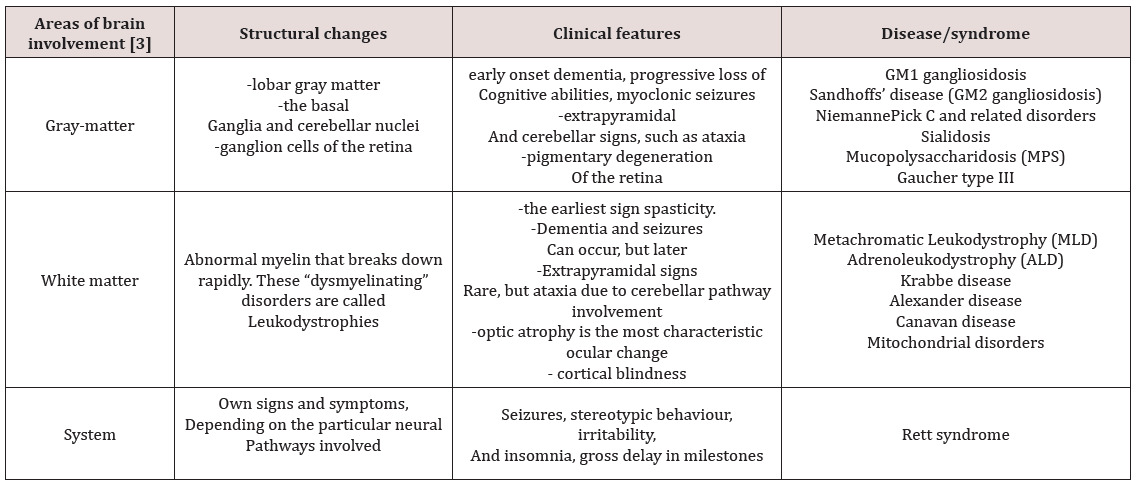
Table 2:Approach according to age of presentation [4].
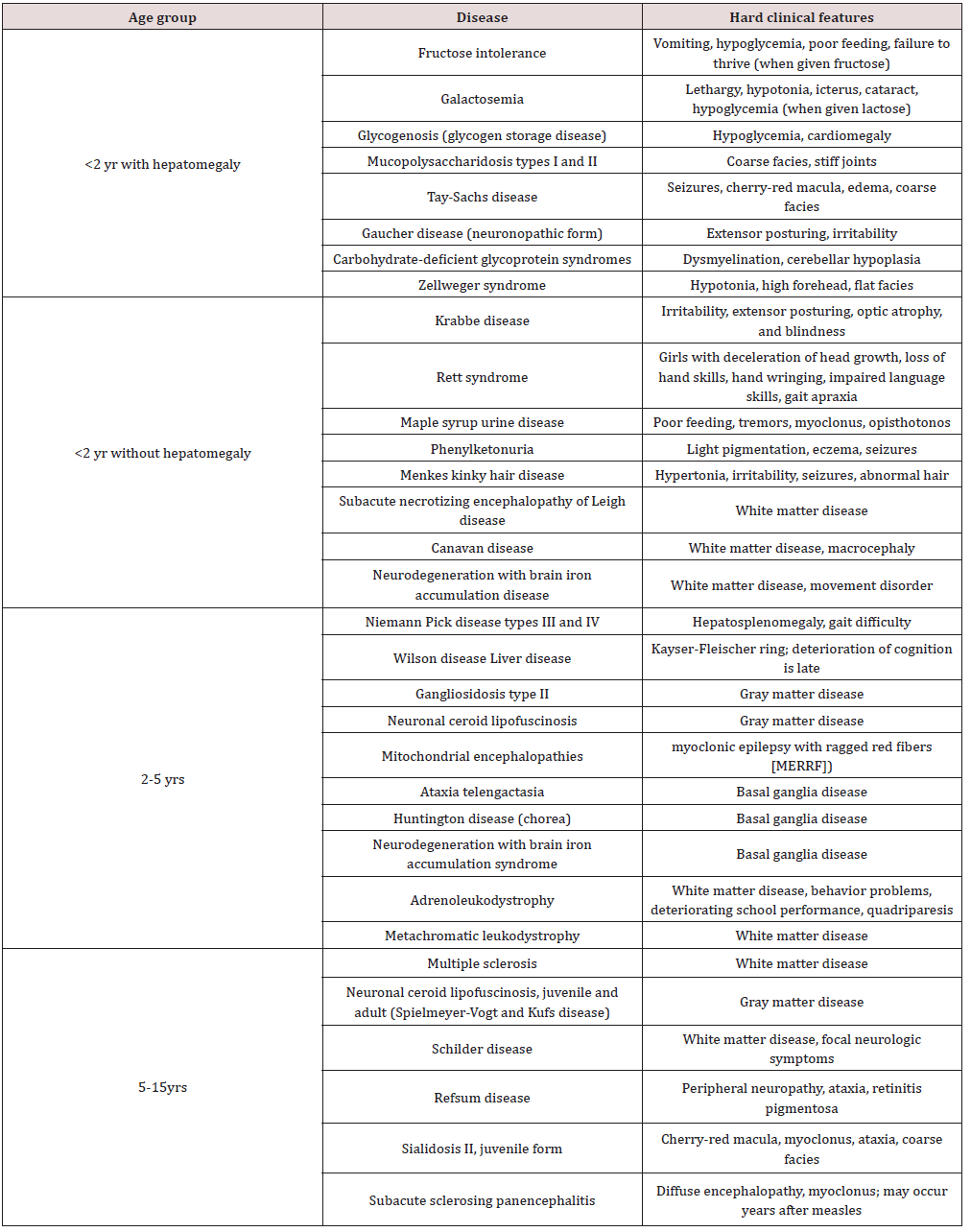
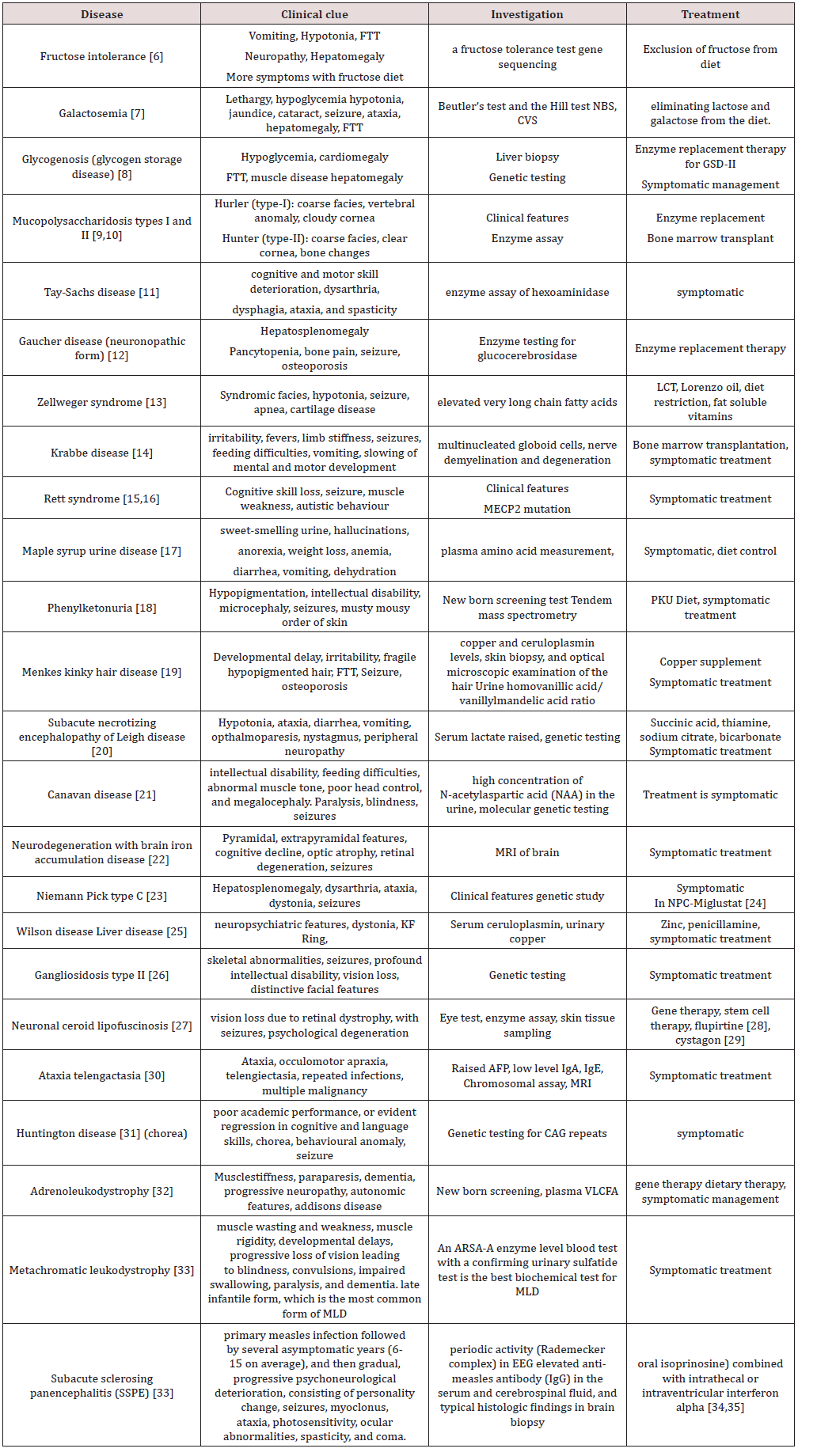
Table 3:Treatable conditions with neural regression [5] loss of social skills.

Classification
Approach to Child with Marked Regression
a) History: In a patient with developmental regression the history is very vital. Clues for diagnosis lie in the history. First step would be to ascertain the age of onset of regression and the acquisition of various milestones prior to that. Was the child completely normal before regression or was there a concern regarding development even prior to regression? Did the child attained milestones before losing it. Which milestones the child lost? In autism and other pervasive developmental disorders regression of language skills is noted first followed by loss of social skills (Tables 4 & 5).
Table 4:Specific pointers in history.
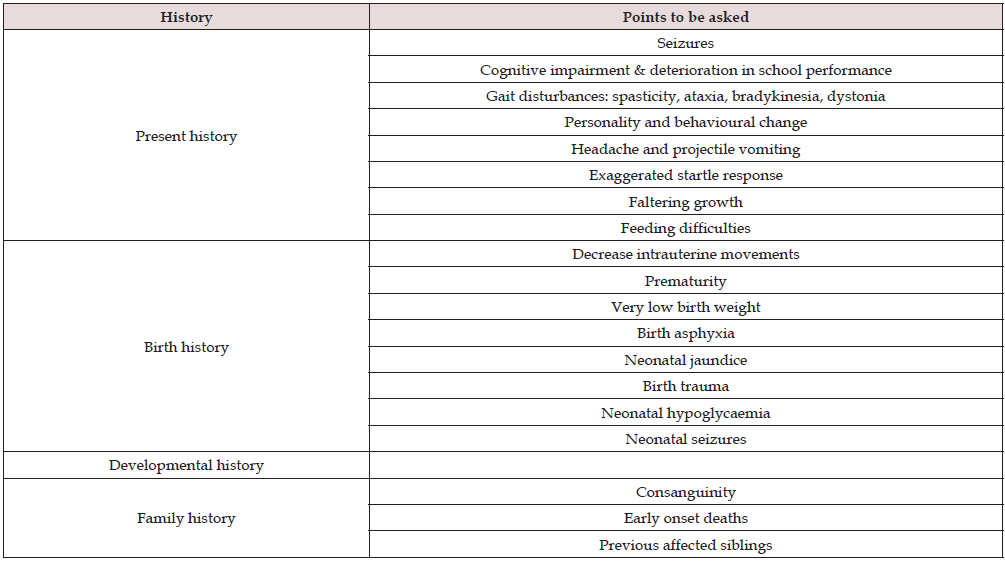
Table 5:Individual disease and clues for diagnosis.
For More Lupine
Publishers Pediatrics and Neonatology Journal Please Click on Below Link:
https://lupinepublishers-pedaitrics.blogspot.com/


