Showing posts with label Earth and Environment Journals. Show all posts

Friday, 12 February 2021

Lupine Publishers | Focusing on Food Security or Targeting the Economy: A Study on Maize and Cotton Production in Kandi Commune

 Lupine Publishers | Journal of Environmental & Soil Sciences 


Abstract

Maize and cotton are two crops that are highly produced in North Benin. Their production has advantages as well as constraints. These advantages and constraints are taken into account in the choice of the producer to cultivate one of them. The objective of this study is to present, at first, the advantages and constraints that the producers of Kandi commune face on these two crops. It also aims to expose the producers’ preference according to the advantages and constraints listed by them. To achieve this, the data were collected in two districts of the municipality over a period of two weeks. Semi-structured interviews were conducted with fifty producers through an interview guide. Data processing was carried out using a dual approach (quantitative and qualitative) which, on the one hand, consisted in carrying out statistical tests and, on the other hand, analyzing the statements collected during the data collection. The main statistical test used in this study is Kendall’s W-concordance test, which has been used to prioritize constraints. At the end of the analyses, it appears that cotton, just like corn, enables producers to meet the needs and social development of their households. On the other hand, the non-organization of the maize sector, the lack of inputs and the delay in their distribution, maize prices fluctuation and difficulties in the evacuation of cotton are the main constraints reported by producers. Despite its lack of organization and the other constraints to which it is subject, maize crop is the most preferred. In view of this, it would be appropriate to consider the organization of the maize sector and the optimization of the services provided by the organizations in charge of the cotton sector. This will be beneficial to both production systems and also to all actors involved.

Keywords: Food security; Income; Advantages; Constraints; Farmer’s choice

Introduction

Agriculture is one of the crucial activities that human being cannot neglect for his survival. It keeps the human species alive and contributes to its evolution. In Benin, it plays a great role in strengthening the economy and provide about 75% of jobs [1]. Among all the crops produced in the territory, two prove to be vital both in the constitution of the national economy and in the fight for food security: Those are corn and cotton. Known as the main cash crop in Benin [2] and the engine of the Beninese economy [3], cotton alone counts for 27% of exports and contributes by 7% to the national GDP. Its production has not stopped growing over the last five years. It reached in 2016, a tonnage of 451,000, which is an increase of more than 70% from the year 2015 [4]. Due to its multiple outlets, the cotton sector remains the country’s best organized sector [5]. If cotton receives a lot of attention from the Beninese government, corn itself does not have such a privilege. Nevertheless, it is the crop that could be an alternative to cotton production [6] in northern Benin. It comes second, after cotton as a subsistence and cash crop [7]. Indeed, its cultivation occupies nearly 70% of the total area devoted to cereals in Benin and represents about 75% of cereal production [8]. Together with cowpea, cassava and yam, it forms the staple crops of people’s diet [9]. Studies have shown that 63.1% of households in Benin consume 7 days out of 7, maize being the main cereal in the food ration [9]; [10]. Apart from the aspects raised, corn also has medicinal properties. According to [11], the corncob is used in combination with other plants to cure knee and low back pain. Some use it to treat diseases such as malaria.

Material and Methods

Study Area

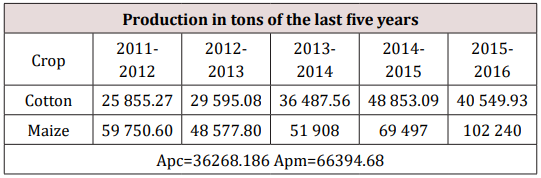
The study took place in the municipality of Kandi, county town of the department of Alibori. Located in the agro ecological zone of the cotton pan, it is limited by the communes of Malanville (North), Gogounou (South) Ségbana (East) and Banikoara (West). It is spread out an area of 3421Km2 and includes ten districts, sixty-seven villages and fifteen districts. The climate in Kandi is of Sudanese type characterized by two seasons that follow each other: The first, rainy from May to October and the second, dry from November to April. Climate change in sub Saharan Africa does not leave the Kandi commune on the side-lines. It is worth noting since a few decades in the commune and its surroundings an early drying up and a late or sometimes violent arrival of rains. Several studies carried out in the region have noted this [12-15]. In addition, the soil found at Kandi is of tropical ferruginous type. The relief is made up of plateau and one distinguishes by place hills made of granites and quartzite. As for vegetation, the town has grassy savanna, shrub and trees with some gallery forests. In terms of agricultural production, Kandi has a good reputation coming in second place after Banikoara, the giant cotton supplier in Benin. Apart from this asset, the municipality is essential in the department in terms of corn production. The following table gives an idea of the evolution of these two crops from 2011 to 2016 (Table 1).

Table 1: Production in tons of the last five years.

lupinepublishers-openaccess-journal-environmental-soil-sciences

Analysis of this table shows a peak of cotton and maize production between 2014 and 2016 with a respective tonnage of 48853.09 and 102240. The respective average production of the two crops is 362681.86 and 66394.68 tons.

Methodological Approach

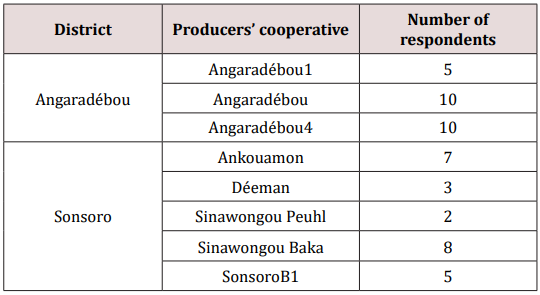
Among the ten districts of Kandi commune, only two were chosen to shelter the study. These are the districts of Angaradébou and Sonsoro. This choice was made in a participatory way with the coordinator of the Interprofessional Association of Cotton Producers. Firstly because of their performance in the production of both crops within the municipality and secondly because of their positioning. This choice was made for a wide variation of collected data and the obtaining of a socio cultural diversity in order to better touch the realities of the producers of Kandi as a whole. The data was collected using an interview guide designed to collect qualitative and quantitative data. The collection took place during the month of April of the year two thousand and eighteen (2018) and lasted 2 weeks. After an individual interview with five producers, the questionnaire underwent a slight adjustment. Faced with the unavailability of some farm managers, other people who were relatively close to them and involved in the farming activities of the households proved to be able to provide the necessary information for the study. A total of 25 subjects per district producing maize and cotton were included in the study. These have been identified by secretaries of cooperatives who hold leadership positions within their community. The following Table 2 provides an overview of the structure of the sample considered in the study.

Table 2: Structure of the study sample.

lupinepublishers-openaccess-journal-environmental-soil-sciences

Data Analysis

The data capture and analysis was carried out exclusively with SPSS v21.0 32bits software. The data processing was done using descriptive statistics, speech analysis and Kendall’s W-concordance test. The descriptive statistics essentially allow to obtain the frequencies and average of variables characterizing from a social and demographic point of view the interviewed farmers. The comments received from producers were analyzed and then used to model the “benefits and constraints” section. This technique was chosen inspired by the work of several authors including [16- 18]. The Kendall’s W-concordance test was also used to prioritize production constraints in order of importance.

Results

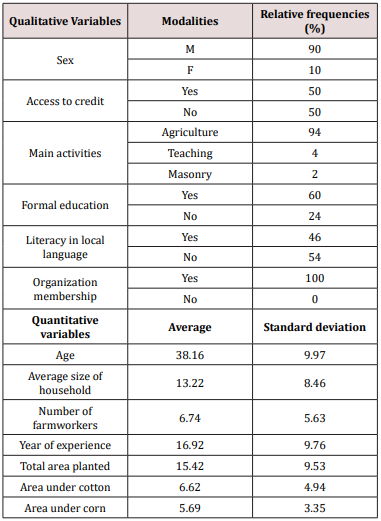
Table 3 below summarizes the socio-demographic characteristics of the producers surveyed in this study. It indicates that the subjects included in the sample are predominantly male (90%) with a low representation of women (10%). Ninety-four per cent of them live entirely depending on agriculture, compared to six per cent who make it as a secondary activity. Their farming experience varies from 3 to 40 years with an average of 16.92 years. Compared to the size of farm households in both localities (13 persons), the average number of farm active Worker (7 approximately) is relatively small. Farmers send their children to school until they are unable to move on. Sixty percent received formal education and forty percent got literate in local languages. Among those who have been literate 22% hold the certificate of primary school, 10% hold the certificate of secondary school and 2% hold the high school diploma and bachelor’s degree. Anyone wishing to cultivate cotton is required to belong to a Village Cooperative of Cotton Producers, this justifies the membership to an organization unanimously own by the respondents. The average area of cotton planted is 6.62 ha on an average total area of 15.62 ha. In contrast, the average area of maize grown is 5.69 ha. An observation of these figures allow to say that the cotton takes with a small difference, the top on the corn in terms of cultivated area in the commune. This could be explained by the several constraints faced by corn producers. Note that these results are quite similar to those obtained by [19] in their studies in the same commune. able 2: Structure of the study sample ese two crops from 2011 to 2016.

Table 3: Socio-demographic characteristics.

lupinepublishers-openaccess-journal-environmental-soil-sciences

Advantages

Advantages Related to Cotton Production

Cotton plays a major role in the lives of Kandi producers. From the exchanges held with the 50 people surveyed, it appears that several benefits are derived from the production of cotton. It allows heads of households and farms to make investments (buying cattle for traction, rolling stock, building houses ...), to perform ceremonies (marriage, baptism, burial ...) and then to meet regular expenses in their households and farms (schooling, food, expenses and debts of agricultural campaigns). The Interprofessional Cotton Association known as ‘’AIC’’ is the structure in charge of the cotton sector throughout the national territory. It has set in place a mechanism that allows producers to get inputs on credit before the campaign. They receive the inputs on credit, use them for production, and subsequently pay their debts at the time of payment. This approach is appreciated by the producers because, they lack sufficient financial means at the time of starting the campaign. Through the comments transcribed below, two producers support what has been said above. “The cash of cotton appears for me like a tontine, it allowed me to buy my bike, to build the house where I live. Thanks to the cotton I bought a ginning machine that serves me a lot after the corn harvest. My eldest son is already old enough to marriage. I need to buy him a motorcycle and prepare for his wedding by next year. It is on the cash of the cotton that I count to be able to do it. “ “The cash we get from cotton also allows us to do ceremonies. It is an obligation for us. In our culture, when someone close to your family dies, that means that your money is dying too. You cannot have money hidden somewhere without doing it. It’s like a duty for us.

Advantages Related to Maize Production

Corn in the first place ensures the food needs of households and the farm. After production, much of the crop is set aside to allow the producer, his family and those who serve him to overcome hunger, one of Maslow’s primary human needs. In the same way, the seeds used by the producers are taken from the previous crops. Apart from these two aspects, a great part of the producers have said that corn helps them financially. In fact, after harvest they reserve a larger portion for commercial purposes. The main reason behind this, is to cover regular expenses and household contingencies. These unforeseen events are usually cases of illness or death. Growing maize for the farmer is therefore a way to keep his relatives in safe from the food and financial point of view. The comments collected on this issue were analyzed and reissued below. “Corn helps us a lot, that’s what we eat at home almost all the time. In the form of dough, boiled, and akassa (local meal made with corn). When we are facing a financial problem we just have to take a bag of maize, sell it and the problem is solved. “Cotton’s cash lasts before coming. All the while, it’s corn that keeps us alive. Corn helps us a lot without lying to you.”

Cotton Production Constraints

The benefits of cotton and corn production are enormous. However, during the survey, producers listed a number of constraints they face every day. Seven main constraints came back during the exchanges. They have been grouped in the following table with their respective average ranks. It is noted after analysis of the table that the main constraint reported by the population studied is the insufficiency of the seeds supplied to them. The majority of producers have not only deplored the lack of seeds but also the late availability of these inputs. Similarly, the removal of seed cotton, the late payment of cotton costs, the inadequacy of herbicides and the high cost of inputs are the secondary constraints recorded in this study. It is also important to note through the Kendall coefficient (0.379) that the order of importance of these constraints varies quite remarkably from one producer to another (Table 4).

Table 4: Classification of constraints related to cotton production.

lupinepublishers-openaccess-journal-environmental-soil-sciences

Corn Production Constraints

Concerning corn production constraints, there is a relatively high degree of agreement on the ranking (Kendall’s coefficient = 0.698). The first three constraints recorded are the lack of specific inputs for maize, the obligation to sell cheap the crops, and the lack of financial means to cover the expenses inherent to production. The lack of agricultural equipment and the fluctuation of the price of maize occupy the last places in this ranking (Table 5).

Table 5: Classification of constraints related to corn production.

lupinepublishers-openaccess-journal-environmental-soil-sciences

Corn or Cotton

The objective of this section is to expose the respondents’ position after having simulated a situation where they are faced with making a choice between the two crops. It also aims to explain the reasons justifying their respective positions. Table 6 presents the distribution of producers according to the crop chosen. From this table, it appears that more than half of the producers (58%) chose corn, 22% cotton and 20% decided not to take a position. Table 7 below is a summary of the reasons given by the producers following the choice made. Producers, who opted for cotton justify their choice by the fact that the sector is organized, the price is fairly stable, and inputs are provided on credit. At the same time, those who chose maize justify this by its ability to cope with the producer’s financial problems, its ability to keep them alive before the arrival of cotton revenue and also by its easiness and short production cycle. Producers who have maintained a neutral stance argue that the two crops are inseparable and that in the current context, corn production is necessary in order to reap the benefits of cotton.

Table 6: Crop chosen by farmers.

lupinepublishers-openaccess-journal-environmental-soil-sciences

Table 7: Summary of the reasons given by the producers following the choice made Farmer stances.

lupinepublishers-openaccess-journal-environmental-soil-sciences

Discussion

As maize is a foodstuff, it is mainly used to cover the food needs of producers and their households. The forms under which it is consumed differ from one region to another, or even from one social category to another [20]. In Kandi commune, it is consumed in the form of porridge, paste and akassa. Secondarily, it is the subject of a commercial transaction and generates significant income for producers. After discussions with these producers, it is noted that the income earned is used for security purposes and social fulfilment. Purchases of food, buildings and ceremonies (marriage, baptism, death ...) are the main uses made of these incomes. They also, but very rarely, invest money that can add value to their production. Purchasing production equipment is generally limited to the minor tools that are necessary. This could be explained not only by the relatively large size of households living at the expense of these incomes, but also by the primacy of physiological and security needs over other needs. The difficulties that undermine the maize sector in the municipality are enormous, as well as the benefits that result from it. The lack of specific maize inputs outweighs all constraints by unlawfully resorting to inputs for cotton production. According to [5]; [7] and [21], this diversion is reflected in the low yields obtained at the cotton level. One could say that maize seems to be in the study area a parasite of the cotton crop. Studies conducted by [22] on the corn seed production and distribution system in accordance with this study revealed that the lack of input is one of the main weaknesses of the maize sector. The study also shows that, apart from the lack of inputs, the sale at low prices of harvests is a strategy developed by producers in urgent need of financial means. They are often lacking when they harvest the cotton. Cases of illness or other unforeseen events arise occasionally. In response to these problems, they sell corn crops. Those who do not adhere to this practice generally resort to Micro Finance Institutions (MFIs) loans as mentioned by [23]. The ‘‘warrantage’’, (a sort of securing by storing a part or the full harvest) implemented in Benin for more than a decade [24] in response to this situation hasn’t unfortunately had a significant impact in the study area. With regard to cotton, it is noted that income from production has the same purpose as corn, with the difference that cotton is exclusively sold and used more for sustainable projects. In some localities in the study area, cotton producers pay contributions after receiving cotton income to build classrooms or other community infrastructures. Numerous producers greet the organization around the cotton sector and mainly the credit-input which is granted to them. This credit would allow them, according to [25], to effectively fight against pests and raise the level of fertility of their land. Nevertheless, the high cost of inputs, the insufficiency of seeds supplied and especially the delay in their delivery are denounced as the real handicaps of the sector. Many are forced to informally leave money in order to have the extra amount of seed needed. Added to this, the evacuation of cotton harvests from the production areas to the factory loses its nature of gratuity at a given period of the campaign. All these constraints call into question the performance of the production system.

Conclusion

The aim of this study was to shed light on the two most important agricultural value chains in northern Benin. This, through the advantages and constraints that characterize their productions. At the end of the study, it appears that cotton as much as maize represents a lot. farmers. Corn is the staple of their diet and significant revenues are derived from the production of both crops. These revenues are mainly used to meet the needs of households and their social development. Cotton, on the other hand, enables producers to meet their economic and social needs. Besides, the two production systems are subject to constraints that need to be considered for the betterment of these sectors and the actors involved. Giving common attention to both crops through the organization of the maize sector and the optimization of the services provided by the AIC are means likely to boost the satisfaction of all the actors involved.

Acknowledgments

The authors of this paper express gratitude to all those who contributed to the success of this study. They especially thank Mr. Soufianou ARZOUMA, Mr. Washiou ATCHAOU and Mrs. SANNI Adéline for the introduction in the investigation zones and the preparation in local language. A kind regard is also addressed to Mr. Lafia Baky and Mrs. Gauthe Faïdath.

Read More Lupine Publishers Environmental & Soil Sciences Journal Articles:
https://lupine-environmental-soil-sciences.blogspot.com/

Tuesday, 7 January 2020

Lupine Publishers | Chemical Contaminants in Food Grains: The Burning Health Issues in Asian Countries


Lupine Publishers- Environmental and Soil Science Journal

Abstract


Food security is a high-priority issue for sustainable global development both quantitatively and qualitatively. Once pesticides are applied, residues may be found in soil, on plant, on harvested product, on application equipment, in water and irrigation canals, in pesticide storage area, on cloth of applicant. Short term poisoning effects like nausea, vomiting, headache, chest pain, eye, skin and throat irritation etc. and potential long-term health effect like allergies, cancer, nervous system damage, birth defects, reproductive problem have been reported in recent decades, adverse effects of unexpected contaminants on crop quality have threatened both food security and human health. Heavy metals, metalloids (e.g., Hg, As, Pb, Cd, and Cr) from pesticides and fertilizers can jeopardize human metabolomics, contributing to morbidity and even mortality. Those during crop production include soil nutrient depletion, water depletion, soil and water contamination, and pest resistance/outbreaks and the emergence of new pests and diseases.

Discussion

Growth in global population means that farmers must produce food for an estimated 9.1 billion people expected to inhabit the earth by 2050 [1]. Humans cultivate only about 150 of an estimated 50,000 edible plant species worldwide, with only 30 plant species comprising the vast majority of our diets. Just three of these (rice, maize and wheat) provide about 60% of the world’s food energy intake [2,3]. These plants are susceptible to 80,000 to 100,000 diseases caused by everything from viruses to bacteria, fungi, algae, and even other higher plants [4]. Again, Food plants have to compete with some 30,000 different species of weeds worldwide, of which at least 1800 species are capable of causing serious economic losses [5]. Globally, around 20-30% of agricultural produce is lost annually due to insect pests, diseases, weeds and rodents, viz, growth, harvest, and storage [1,6]. According to World Bank, South Asian countries are home to home to 33% of the world’s poor and economies have among the highest levels of public debt in the world [7]. Mean consumption of whole grains 38.4 g/day in between 1990 to 2010. Southeast Asian nations along with 2/3 Sub- Saharan African regions had the highest intakes. Overall, 23 of 187 countries had mean whole grain intake ≥2.5 (50g) servings/day, representing 335 million adults and 7.6% of the world adult population [8]. Southeast Asia is a region that produces high amounts of key food commodities and includes areas of divergent socio-economic status. The major grain crops produced in the region are rice and maize [9]. The potential sources for the contamination of grains are mostly environmentally based and include air, dust, soil, water, insects, rodents, birds, animals, microbes, humans, storage and shipping containers, handling and processing equipment [10]. The rates of destruction often are higher in less developed nations and they are now accounting for a quarter of the world’s pesticide use [5,11]. Therefore, judicious use of pesticides plays a major role in plant protection. Today’s more than 10,400 pesticides are approved worldwide. It has been reported that the consumption of pesticides accounts two million tons every year worldwide [12]. Interestingly, many pesticides still widely used in the USA, at the level of tens to hundreds of millions of pounds annually, have been banned or are being phased out in the EU, China and Brazil [13]. Pesticide residues reported in fruits, vegetables and grains of India [14], Nepal [15], Bangladesh [16], China [17] and Indonesia [18]. Farmers habitually apply fertilizers and hazardous insecticides in high quantities without assessing the actual field requirements due to inadequate knowledge [1,19]. Since pesticides are directly applied on crops, fruits, and vegetables in most agricultural applications, infants, children, and adults can be exposed to pesticides by the ingestion of those pesticide-contaminated foods [20-23]. Pesticides can exist in residential air by the evaporation of volatile and semivolatile pesticides, such as organochlorine pesticides, from crops and residential surface soil [24-27]. Soil is an important source for heavy metals (like mercury/cadmium) in crops and vegetables since the plants’ roots can absorb these pollutants from soil, and transfer them to seeds [28,29]. According Retamal-Salgado et al. 2017 cadmium (Cd) distribution in the different plant organs, more than 40% of Cd is absorbed and translocated to the aerial part of the plant (grain and straw), and it could be directly (grains) or indirectly (animals) ingested and negatively affect humans [30]. It accumulates in the liver and kidneys for more than 30 years and causes health problems. Toxicity of this metal involves kidney and skeletal organs and is largely the result of interactions between Cd and essential metals, such as calcium [31-35]. China feeds 22% of the world population with 7% of the worlds arable land. Sodango et al. 2018 reported that 20 million hectares (approximately 16.1%) of the total arable land in China is highly polluted with heavy metals, according to Ministry of Environmental Protection (MEP), China [36]. It is estimated that between 900,000 and 1,360,000 kg arsenic per year was introduced into Bangladesh soil through contaminated groundwater used for irrigation [37]. The use of sewage sludge for agricultural purposes can be limited by the potential content of heavy metals and toxic organic compounds that pose a threat to the environment [38]. Pajewska-Szmyt et al. 2019 reported that maternal exposure to heavy metals as Pb or Hg and persistent organic pollutants were associated with children neurodevelopment delay and also indirectly affects reproductive, respiratory, and endocrine system [39]. The use of pesticides has helped to increase rice yields but has also led to an increased pollution that presents a potential toxicity threat to the environment and public health [40]. Combined with outdated waste management technologies, there are potential health risks to farmers through occupational waste management practices, along with consumers through consumption of waste-contaminated products [41]. The WHO has estimated that more than three million farmers in developing countries are poisoned by agrochemicals each year [42]. In another study, WHO) and UN Environmental Program estimated that one to five million cases of pesticide poisoning occur among agricultural workers each year with about 20000 fatalities [43]. Skin injury, eye injury, headache, stomachache, and fever reported in cotton workers in southern Pakistan due to pesticide exposure [44]. Pesticide induced occupational hazards has been reported to many other similar studies in Nepal [45], China [46-48], India [49-51], Bangladesh [52], Sri Lanka [53], Myanmar [54] and Philippines [55]. The US Centre for Disease Control and Prevention confirmed more than 11,000 foodborne infections in the year 2013, with several agents like viruses, bacteria, toxins, parasites, metals, and other chemicals causing food contamination [56]. Widespread agricultural use of pesticides and home storage make them easily available for acts of self-harm in many rural households. Stability of organophosphorus pesticides are also important issue [57]. It was found that malathion was more unstable than dichlorvos and diazinon, there was an over 70% loss in 90 days even at -20 °C in coarsely chopped form [58]. It could be another reason for haphazard use of pesticides in the field and stored food commodities [59]. Around 600 million food borne illnesses and 420,000 deaths occur each year due to poor food handling practice. Such contaminants get access to contaminate food mainly due to food handler’s poor knowledge and negligence during handling activities [60,61]. Hassan et al. says increased prevalence of diabetes in South Asia may be related to the consumption of arsenic contaminated rice depending on its content in the rice and daily amount consumed [62]. Sabir et al. demonstarted that arsenite can bind covalently with sulfhydryl groups in insulin molecules and receptors, enzymes such as pyruvate dehydrogenase and alpha ketoglutarate dehydrogenase, and glucose transporters (GLU-T), which may result in insulin resistance [63]. According to Kumar et al. 50%-60% cereal grains can be lost during the storage stage due only to the lack of technical inefficiency. Use of scientific storage methods can reduce these losses to as low as 1%-2% [64]. Factors like increasing climatic variability, extreme weather events, and rising temperatures pose new challenges for ensuring food and nutrition security in Asian region. The South Asian region is one of the least integrated regions according to Washington based-IFPRI [65]. Agriculturally beneficial microorganisms may also contribute directly (i.e., biological N2 fixation, P solubilization, and phytohormone production, etc.) or indirectly (i.e., antimicrobial compounds biosynthesis and elicitation of induced systemic resistance, etc.) to crop improvement and fertilizers efficiency [66]. Overuse of chemical fertilizers and pesticides have effects on the soil organisms that are similar to human overuse of antibiotics. Indiscriminate use of chemicals might work for a few years, but after a while, there aren’t enough beneficial soil organisms to hold onto the nutrients [67]. Also, resistance to certain pesticides against brown planthopper (BPH), Nilaparvata lugens, and the white-backed planthoppers (WBPH), Sogatella furcifera reported in Asian countries has been reported [68-72]. Also, the higher exposure of crop plants to heavy metal stress reduces growth and yield and affect the sustainability of agricultural production [73]. Cadmium (Cd) is a well-known metal imposing threats to human health, and it can be accumulated in polished rice over the permitted range of 0.2mg kg1 [74]. It leads to reduction in the plant productivities as well by inhibiting their growth, photosynthesis, pigments, nutrient uptake, germination, electron transport chain [75]. Applications of phosphorusbased fertilizers improve the soil fertility and agriculture yield but at the same time concerns over a number of factors that lead to environmental damage need to be addressed properly [76]. Easy availability of pesticides has another interesting but pathetic outcome. approximately 110,000 pesticide self-poisoning deaths each year from 2010 to 2014, comprising some 14% of all global suicides [77]. According to Serrano-Medina et al. higher rates of suicide committed in areas with intensive use of pesticides compared to areas with less use of pesticides [78]. In Bangladesh, selfpoisoning by pesticide is responsible for about 40% of poisoning cases admitted to hospital and 8-10% of overall mortality in medical wards [79]. At the Philippine General Hospital in Metro Manila, Philippines (2000- 2001), recorded pesticide poisoning cases showed that more than 80% were intentional in nature [80]. Public concern about the adverse environmental and human health impacts of organochlorine contaminants led to strict regulations on their use in developed nations since 1940 [81]. Nevertheless, DDT and several other organochlorine insecticides are still being used for agriculture and public health programs in developing countries in Asia and the South Pacific [82-86]. As a consequence, humans in this region are exposed to greater dietary levels of organochlorines (Figure 1).
Figure 1: Asian Continent with subregions (Source: Wikipedia)
lupinepublishers-openaccess-environmental-soil-science-journal

Recommendations

Around 600 million food borne illnesses and 420,000 deaths occur each year due to poor food handling practice. Such contaminants get access to contaminate food mainly due to food handler’s poor knowledge and negligence during handling activities [87,88]. Accordingly, alternative methods for exposure and risk assessment have to be developed, which vary from the use of expert opinion and pre-marketing models to the use of combination of data from the literature, measurements, and expert opinion [89]. Many studies are there to overcome fertilizer/pesticide induced health effects. Rastogi et al. reported use of silicone nanoparticles can provide green and eco-friendly alternatives to various chemical fertilizers without harming nature [90]. It has been reported that selenium (Se) application decreases Cd uptake [75]. In similar studies, selenium, copper, zinc oxide and many other metallic nanoparticles [91-97] have been studied in food processing, packaging and preservation against phytopathogens and rodents. The washing with water or soaking in solutions of salt and some chemicals e.g. chlorine, chlorine dioxide, hydrogen peroxide, ozone, acetic acid, hydroxy peracetic acid, iprodione and detergents are reported to be highly effective in reducing the level of pesticides [98]. Various foodprocessing operations include sorting, trimming, cleaning, cooking, baking, frying, roasting, flaking, and extrusion that have variable effects on mycotoxins [99]. Cooking rice in excess water efficiently reduces the amount of arsenic (As) in the cooked grain [100].

For more Lupine Publishers Open Access Journals Please visit our website:
For more Open Access Environment Journal articles Please Click Here:
To Know More About Open Access Publishers Please Click on Lupine Publishers

Follow on Twitter   :  https://twitter.com/lupine_online

Monday, 16 December 2019

Lupine Publishers | Climate Resilient Interventions for Improving Food Security in Hill Ecology of Hindu Kush Himalaya

Abstract

The Hindu Kush Himalaya (HKH) region has significant implications for the agro based economies of eight adjoining countries, because of their large dependence on irrigation water originating in the HKH region. However, the HKH region is extremely vulnerable to climate change impacts, which is evident through frequent floods, droughts and retreating glaciers, thus leaving negative consequences for agriculture and livelihood. It is also evident that the traditional farming methods are no longer sustainable to cope with the changing climatic conditions for sustainable production in hill ecology. Therefore, innovative farming technique and irrigation technologies needs to be adopted for mitigating climate change impacts on agriculture and for ensuring food security. Although some pioneer work has been done in developing and promoting improved farming methods and irrigation techniques, but these improvements were mainly focused in major leveled irrigated areas lying downstream of HKH region. Thus, investment on promoting site specific climate resilient practices in hill ecology of HKH was largely overlooked. Addressing these issues, this study is focused on assessment of agricultural production system of Pakistan, as a case example by having 51% area falling in HKH region and reviewed few promising interventions/technologies successfully adopted in downstream irrigated areas that may be equally beneficial for the hill ecology of HKH region. Anecdotal evidence indicates that promotion of these interventions will improve community resilience to climate change and may lead to increased agricultural production and better livelihood for hill ecology of HKH region. This may also improve sustainable irrigation water supply for the irrigated areas downstream.

Introduction

The total area of Hindu Kush Himalaya (HKH) region is ~ 3.44 million sq. km spread over eight countries of Asia. The 51% area of Pakistan (~0.4 million sq. km) falls in HKH region, which form around 12% part of the whole HKH region [1]. Pakistan is home to one quarter (~19%) of the total population (~211 million people) of HKH region with an average population density of 97 persons per sq. km. The second (K2) and ninth (Nanga Parbath) highest peaks of HKH region fall in Pakistan. The agro based economy of HKH region in Pakistan is heavily dependent on the production of vegetables, crops and fruits. Current climate change trends and lack of adequate integrated water resource management strategies are causing huge losses to the country due to frequent droughts and floods [2]. Therefore, traditional farming techniques prevalent in Pakistan are no longer capable to keep up with the rapid climate change variability in the HKH region [3,4] and its downstream basins.
The Indus Basin of Pakistan is comprised of one of the largest contiguous canal irrigation systems in the world that lies at the downstream of HKH, thus prone to frequent climatic disasters [5]. For instance, the recent 2010 floods, originated in HKH region, drowned around one fifth of Pakistan, affected ~20 million people and caused more than US $43 billion impact on the country’s economy [6]. Irrigated agriculture produces around 90% of crop production in Pakistan and contributes more than 21% in the country’s GDP. Moreover, production in Pakistan has global implications, thus may impact on global food security. For instance, Pakistan produces wheat crop greater than the whole Africa and nearly equal to South America. Therefore, agriculture needs to be more wisely managed and traditional farming and irrigation methods needs to be modified according to the changing climatic conditions. This paper reviews some of the salient features of agriculture in Pakistan, its vulnerability to climate change and few promising irrigation technologies capable of improving farming system resilience to climate change.

Salient Features of Pakistan’s Agriculture and their Vulnerability to Climate Change

Land use in Pakistan

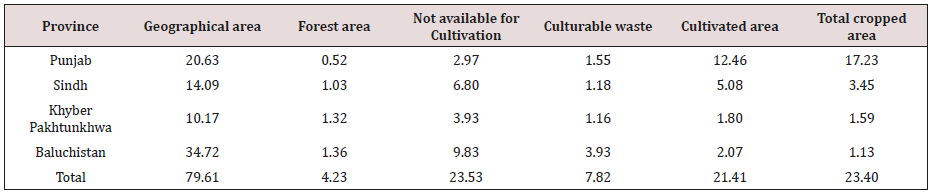
The province wise land use is presented in Table 1. The total area of Pakistan is 79.61 million hectares (mha) with 23.40 mha cropped area. The current cultivated area is concentrated in Punjab province with 12.46 mha, which is ~50 % of the total cropped area of Pakistan followed by Sindh Province at ~8 % of country’s cropped area. However, there is 7.82 mha culturable waste area that is largely concentrated in least developed provinces of Khyber Pakhtunkhwa (KP) and Baluchistan, which can be brought under cultivation to enhance food security. The province wise culturable waste areas are 12%, 23%, 64% and 190% of current cultivated lands in Punjab, Sindh, KP and Baluchistan respectively. Therefore, the agro based economies of KP and Baluchistan has greater potential for improvement by cultivating their culturable waste lands.
Table 1: Land use in Pakistan.
lupinepublishers-openaccess-journal-environmental-soil-sciences
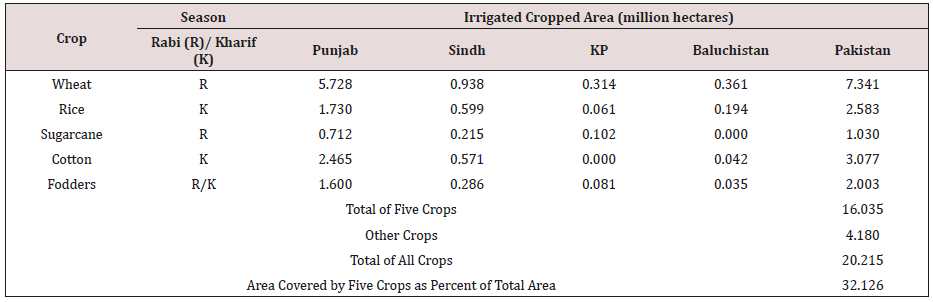
The irrigated cropped area in Pakistan is around 18.84 mha (Table 2) according to Agriculture Statistics of Pakistan 2006-07. This includes: wheat 7.34 mha (36.3 % of total); rice 2.58 mha (12.8 % of total); cotton 3.01 mha (15.2 % of total); sugarcane 1.03 mha (5.1 % of total); and fodders 2.00 mha (9.9 % of total). These five crops cover 16.03 mha of total irrigated area in Pakistan, which is 79.32% of the total irrigated area. Therefore, improving water productivity of these five major crops would have major impacts on productivity of irrigated agriculture in Pakistan. Other crops cover 4.17 mha; which constitute around 21.68 % of total irrigated area in Pakistan. The climate change induced floods and droughts significantly impact on crop production, especially during Kharif (summer) season, from both irrigated and rain-fed areas of Pakistan. The current land use methods tend to exacerbate the soil and water degradation and reduce land productivity potential. Similarly damage to standing crops due to lodging caused by heavy winds, water logging and salinity and frequent water stresses at crop critical growth stages causes production losses. Therefore, the traditional farming techniques need to be modified to control crop damage due to climate change induced threats, which is essential for sustainable agriculture in the country.
Table 2: Irrigated cropped area of major crops in Pakistan.
lupinepublishers-openaccess-journal-environmental-soil-sciences

Temporal Water Availability During Rabi and Kharif Seasons In Pakistan

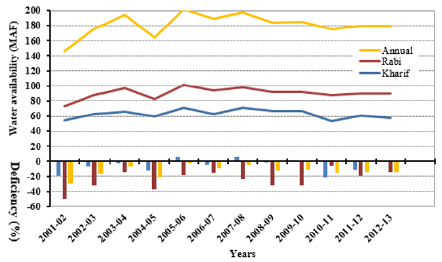
Temporal surface water availability and deficiency during rabi (winter) and kharif (summer) seasons in Pakistan is shown in Figure 1. Temporal changes indicated up to 23% increase and down to 16% decrease in total annual available surface water since 2001 until 2007. However, the variability in total annual available surface water diminished below 5% since 2009 onward. Interestingly a major flood occurred during 2010, but data show insignificant impact on the total water availability (Figure 1). Thus, climate change cannot be judged from the total water availability. However, the frequency, intensity and distribution of rainfall are important parameters to be considered. Similarly, the average deficiency remained around 6.4% during Kharif (summer season) and around 24% during Rabi (winter season) with an average annual water deficiency of around 13% during the last twelve years.
Figure 1: Temporal surface water availability and deficiency during rabi (winter) and kharif (summer) seasons in Pakistan.
lupinepublishers-openaccess-journal-environmental-soil-sciences

Increased Use of Groundwater in Pakistan

Canal water fluctuation and unreliability due to climate change has increased farming community dependence on groundwater during the last decade. The changing trend of water availability is presented in Table 3. The statistics of canal and tube well irrigated area in provinces from 1993-94 to 2010-2011 (Table 3) indicate a decrease of 19% and 26 % in canal irrigated areas and an increase of 26 % and 157% in tube well irrigated areas in Punjab and Sindh provinces respectively. The overall tendency from 1993-94 to 2010- 11 indicated a decrease of 17.5 % in the canal irrigated areas and an increase of 33.5 % in groundwater irrigated areas in Pakistan. The overexploitation of groundwater is coupled with saline water up-coning and disposing of deep brackish groundwater into the soil surface thus causing fertile lands barren in Pakistan. It is therefore essential to reduce groundwater usage by utilizing surface water more efficiently for fulfilling irrigation demands of larger areas. Thus, the traditional irrigation methods need to be modified to more efficient methods to reduce groundwater usage.
Table 3: Temporal change in irrigated area under surface and groundwater in Pakistan.
lupinepublishers-openaccess-journal-environmental-soil-sciences

Climate Resilient Interventions for Improving Food Security in HKH Region

The existing land use, crops, water availability and usage statistics clearly indicate that the traditional farming techniques are not capable to cope with the climate change induced risks. It is therefore essential to adopt suitable climate change risks mitigation interventions for improving food security in HKH region. Few of these interventions/technologies successfully adopted in irrigated leveled lands downstream of HKH are summarized below:

Furrow Bed (Raised Bed) Irrigation Systems

Furrow bed irrigation system is one of the commonly used form of surface irrigation throughout the world (Figure 2) and is generally considered a more water-efficient system compared with the traditional flat basin because of (i) the speed with which water is conveyed to the low end of a field [7]; and (ii) the relatively small proportion of the soil surface is in contact with the flowing water during irrigation than the basin [8]. Furrow bed irrigation system is important in the current climate change scenario of
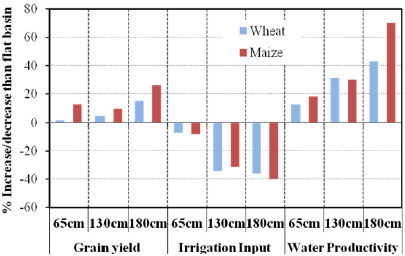
Figure 2: Advantages of furrow bed over flat basin [11].
lupinepublishers-openaccess-journal-environmental-soil-sciences
Pakistan agriculture in particular and Himalaya region in general due to the following reasons:
a) Furrow bed can save up to 50% irrigation water in comparison with traditional flat basin thus can reduce impact of limited water availability on crops in drought prone areas;
b) Furrows can quickly drain excess floodwater thus can reduce crop damage in flood prone areas;
c) Furrow beds reduce crops lodging by providing safe path and exit to speedy wind currents and greater reinforcement due to strong roots and soil grip;
d) Furrow beds laid perpendicular to slope can increase soil infiltration and ground water recharge by delaying runoff down slope and providing larger surface water storage capacity in furrows;
e) Conservation agricultural practices including minimum tillage, ground cover/mulching etc can be conveniently adopted on furrow beds which reduce soil erosion and soil and water degradation;
f) Furrow beds support mechanized farming thus can increase crop production and can be adapted to technological progress.
The Climate, Energy and Water Research Institute (CEWRI) of Pakistan Agricultural Research Council (PARC) has played a pioneer role in evaluation of furrow beds in Pakistan. Research conducted has shown that furrow beds is effective in improving yield of wheat by 20%, cotton 19%, Maize 58%, rice 26% compared with flat basin or ridge irrigation systems [9,10]. Similarly, crop yield per unit area increases by increasing the bed width. For instance, crop yield of maize showed up to 15% increase while wheat crop showed 26% increase on 180 cm bed size compared with flat basin [11], which was the largest increase noted when compared with other bed sizes given in Figure 2. Water saving of up to 50% in wheat, 30% in maize, 40% in cotton, 29% in rice were reported by N Ahmad et al. [9], Gill et al. [10], Hassan et al. [12]. Increase in water saving by increasing bed has been demonstrated in Figure 2 [9], which shows up to 40% and 36% increase in water saving by adopting 180cm bed size for maize and wheat crops respectively. Furrow bed increase crop yield and reduce irrigation application thus consequently crop water productivity is increased. For instance, an increase in water productivity of up to 70% in maize and up to 43% in wheat were reported by Hassan et al. [12] and Akbar et al. [13]. Impact of bed width on water productivity is illustrated in Figure 2, which shows up to 70% and 43% increase in water productivity for maize and wheat crops respectively compared with flat basin [13].
The CEWRI-PARC in collaboration with Australian Centre for International Agricultural Research (ACIAR) played a pioneer role in adopting furrow bed irrigation system in Maize wheat system of Pakistan. Conservation agricultural practices involving minimum soil disturbance were introduced in the form of permanent raised bed (PRB) farming system. Different bed width and furrow sizes were evaluated and demonstrated at farmer fields. Raised bed machinery imported from Australia was indigenously produced. The furrow bed farming system was disseminated by giving incentive to the farmers in the form of giving subsidies in purchasing raised bed machinery, training and demonstrations in the country. Although there are still issues in the machinery, especially for adopting PRB farming system, but the furrow bed system has been adopted widely for maize, cotton, sugar beat and vegetables crops throughout the country.

Sprinkler Irrigation Systems

In sprinkle irrigation method water is spayed into the air at 70-700 kpa (10-100 psi) pressure that fall on the ground or crop canopy like rainfall [14]. Using sprinkle irrigation system, the crop requirement can be accurately fulfilled through a combination of measures involving careful selection of sprinkle nozzle size, operating pressure and sprinkle spacing, thus adjusting sprinkle application rate to suit the soil infiltration rate. Sprinkle irrigation systems have increased importance for HKH region in the current climate change scenario due to the following reasons:
a) Use limited available water more efficiently as the application efficiency of a well-designed sprinkle system can vary from 60-80% thus can increase crop production and irrigated lands;
b) No land leveling required thus reduce operation cost and protect environment by avoiding cutting and filling of cultivated lands;
c) Irrigation of steep and rolling topography without producing runoff or erosion;
d) Greater potential to increase agricultural production by bringing extra undulating and sloppy HKH terrain under irrigation;
e) Light shower can avoid crop damage due to temperature extremes year around;
f) Timely irrigation of few centimeter using sprinkler irrigation system can double crop yield at critical crop growth stages, especially during wheat germination in HKH region;
g) The pre-sowing irrigation (Rouni) can be applied with sprinkler system for timely planting of crops.
All these factors increase sprinkle irrigation system suitability to the HKH region in the current climate change scenario. However, there are few drawbacks. For instance, these systems are affected by wind and, depending on the size of droplets and the spray trajectory, uniform distribution may be limited. Sprinkle systems have high initial costs and maintenance requirements. They also use high operating pressures, which has large energy requirement. The cost of portable and semi portable system is less but difficult to operate due to movement of laterals. The CEWRI-PARC in collaboration with local industries developed a complete range of rain gun sprinkler irrigation systems, including diesel, electric and PTO-driven pumping systems, couplers, other fittings and joints. To keep the systems portable, the pumping unit along with power unit (diesel engine, electric motor and solar panels) was mounted on a trolley. These systems have been used in the Khanpur Dam area where the rain gun sprinkler irrigation system is being used for establishment of orchards, efficient irrigation of fruits and vegetables, washing of Lychi and citrus, and for cooling and frost control in orchards. Initial investment requirements and unreliable electricity are restricting wider adoption of this technology.
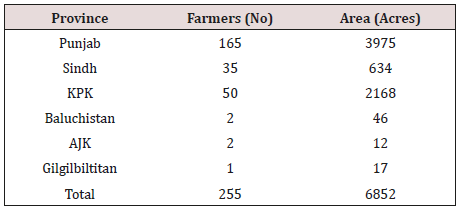
These rain gun sprinkler irrigation systems have been installed in various parts of Pakistan for demonstration and introduction of the technology. In rain fed areas, these systems are being used for supplemental and life-saving irrigations to fruits, vegetables and field crops. The research conducted by CEWRI-PARC resulted in local fabrication of Poly Ethylene (PE) based irrigation system components, sprinklers and high-pressure pumps. Based on research findings and success of pilot-scale installations, the Government of Pakistan launched a National Program entitled “Water Conservation and Productivity Enhancement through High Efficiency Irrigation Systems in Pakistan” during 2007-12. Drip and sprinkler irrigation systems were installed on an area of 6852 acres in all provinces (PARC 2010). The major area was in Punjab and followed by KP. There were 255 farmers benefitted from the project. There were 80 % sprinkler irrigation systems and 20 % were drip system during the period (Table 4).
Table 4: Drip and sprinkler irrigation systems in provinces, installed under the national project (from 2007-2012).
lupinepublishers-openaccess-journal-environmental-soil-sciences

Drip Irrigation Systems

Drip irrigation system applies water close to each plant and the application uniformity depends on the uniformity of discharge from the emitters [14]. It generally comprises of a pumping station, control head, main and sub main lines, lateral lines, emitters, valves and fittings. The drip irrigation system has special agronomical, agro technical and economic advantages that make it a suitable option of irrigation in the HKH and adjoining region. These advantages are as under:
a) Drip irrigation can conveniently and efficiently supply water directly to the individual crop rows or plants, thus can effectively utilize small continuous streams of water in the HKH region;
b) It reduces water requirement by saving up to 50% irrigation water to a young orchard as compared to sprinkle or surface irrigation methods thus can enhance community resilience to drought;
c) It requires less labor, as a well-regulated system can effectively utilize a continuous stream of water, a norm in HKH region, with less farmer supervision thus can increase production;
d) It discourages weeds growth and offers greater control over fertilizer placement and timing thus can save farmer resources;
e) Drip irrigation can be designed for any topography even if the area is rocky with steep slopes and plants are with irregular spacing, which increase its importance for HKH region.
Drip irrigation systems have shown yield gains of up to 100%, water savings of up to 40–80%, and associated fertilizer, pesticide, and labor savings over conventional irrigation systems [15]. The low rate of water application reduces deep percolation losses. The systems have lower energy requirements than sprinkler systems because of lower operating pressure requirement. The water application uniformity of locally developed drip irrigation system was above 85 % [16]. Evaluation of drip systems at CEWRIPARC showed lowest coefficient of variation of locally developed microtube emitters [17] with application uniformity above 85 per cent [16]. This shows that trickle irrigation systems have potential to use scarce water resource more efficiently if designed properly. The evaluations by Ahmad MM et al. [18] indicated that drip system with micro tube emitters can be operated at low pressure head (3.5 m) with an insignificant loss in uniformity as compared to operating at high pressure head (10 m), which can save energy cost, as given in Table 5. This low head drip system is being used for small scale vegetable production in Pakistan.
Table 5: Microtube emitter discharge and water application uniformity at various pressure heads and distances Ahmad et al. [9].
lupinepublishers-openaccess-journal-environmental-soil-sciences
These research outcomes are currently being disseminated through training and demonstration in provinces. The provincial governments are adopting drip/sprinkler systems evidenced through various programs, indicating government commitment for accelerating drip/sprinkler system adoption. By successful adoption of these technologies, more water can be saved or efficiently used along with an increase in yield. The saved water will automatically reduce over exploitation of groundwater and consequently mitigating the secondary salinity by improving overall water use efficiency of the irrigation system. This shows that the system has potential to use scarce water resource more efficiently if designed properly.

Conclusion and Recommendations

a) Lack of adoption of climate change resilient practices in the hill ecology of HKH region is negatively affecting their food security and also have negative implications for the irrigated agriculture downstream in adjoining countries;
b) The 51% area of Pakistan falls in HKH region, thus was considered as a representative case example for analyzing their agricultural production system, growing food security and climate change issues and promising climate resilient interventions mainly adopted in downstream leveled irrigated areas of HKH region;
c) Furrow bed, sprinkler and drip irrigation systems has been shown efficient irrigation methods with multiple advantages thus can be instrumental for improving community resilience to climate change by conserving the declining and uncertain available water resources in the hill ecology of HKH region;

d) However, adoption of these technologies is equally important for improving climate change resilience, food security and livelihood of the hill ecology of HKH region.

For more Lupine Publishers Open Access Journals Please visit our website:
For more Open Access Environment Journal articles Please Click Here:
To Know More About Open Access Publishers Please Click on Lupine Publishers


Follow on Twitter   :  https://twitter.com/lupine_online

Tuesday, 3 December 2019

Lupine Publishers | Focusing on Food Security or Targeting the Economy: A Study on Maize and Cotton Production in Kandi Commune

Abstract

Maize and cotton are two crops that are highly produced in North Benin. Their production has advantages as well as constraints. These advantages and constraints are taken into account in the choice of the producer to cultivate one of them. The objective of this study is to present, at first, the advantages and constraints that the producers of Kandi commune face on these two crops. It also aims to expose the producers’ preference according to the advantages and constraints listed by them. To achieve this, the data were collected in two districts of the municipality over a period of two weeks. Semi-structured interviews were conducted with fifty producers through an interview guide. Data processing was carried out using a dual approach (quantitative and qualitative) which, on the one hand, consisted in carrying out statistical tests and, on the other hand, analyzing the statements collected during the data collection. The main statistical test used in this study is Kendall’s W-concordance test, which has been used to prioritize constraints. At the end of the analyses, it appears that cotton, just like corn, enables producers to meet the needs and social development of their households. On the other hand, the non-organization of the maize sector, the lack of inputs and the delay in their distribution, maize prices fluctuation and difficulties in the evacuation of cotton are the main constraints reported by producers. Despite its lack of organization and the other constraints to which it is subject, maize crop is the most preferred. In view of this, it would be appropriate to consider the organization of the maize sector and the optimization of the services provided by the organizations in charge of the cotton sector. This will be beneficial to both production systems and also to all actors involved.


Introduction

Agriculture is one of the crucial activities that human being cannot neglect for his survival. It keeps the human species alive and contributes to its evolution. In Benin, it plays a great role in strengthening the economy and provide about 75% of jobs [1]. Among all the crops produced in the territory, two prove to be vital both in the constitution of the national economy and in the fight for food security: Those are corn and cotton. Known as the main cash crop in Benin [2] and the engine of the Beninese economy [3], cotton alone counts for 27% of exports and contributes by 7% to the national GDP. Its production has not stopped growing over the last five years. It reached in 2016, a tonnage of 451,000, which is an increase of more than 70% from the year 2015 [4]. Due to its multiple outlets, the cotton sector remains the country’s best organized sector [5]. If cotton receives a lot of attention from the Beninese government, corn itself does not have such a privilege. Nevertheless, it is the crop that could be an alternative to cotton production [6] in northern Benin. It comes second, after cotton as a subsistence and cash crop [7]. Indeed, its cultivation occupies nearly 70% of the total area devoted to cereals in Benin and represents about 75% of cereal production [8]. Together with cowpea, cassava and yam, it forms the staple crops of people’s diet [9]. Studies have shown that 63.1% of households in Benin consume 7 days out of 7, maize being the main cereal in the food ration [9]; [10]. Apart from the aspects raised, corn also has medicinal properties. According to [11], the corncob is used in combination with other plants to cure knee and low back pain. Some use it to treat diseases such as malaria.

Material and Methods

Study Area

The study took place in the municipality of Kandi, county town of the department of Alibori. Located in the agro ecological zone of the cotton pan, it is limited by the communes of Malanville (North), Gogounou (South) Ségbana (East) and Banikoara (West). It is spread out an area of 3421Km2 and includes ten districts, sixty-seven villages and fifteen districts. The climate in Kandi is of Sudanese type characterized by two seasons that follow each other: The first, rainy from May to October and the second, dry from November to April. Climate change in sub Saharan Africa does not leave the Kandi commune on the side-lines. It is worth noting since a few decades in the commune and its surroundings an early drying up and a late or sometimes violent arrival of rains. Several studies carried out in the region have noted this [12-15]. In addition, the soil found at Kandi is of tropical ferruginous type. The relief is made up of plateau and one distinguishes by place hills made of granites and quartzite. As for vegetation, the town has grassy savanna, shrub and trees with some gallery forests. In terms of agricultural production, Kandi has a good reputation coming in second place after Banikoara, the giant cotton supplier in Benin. Apart from this asset, the municipality is essential in the department in terms of corn production. The following table gives an idea of the evolution of these two crops from 2011 to 2016 (Table 1).
Table 1: Production in tons of the last five years.
lupinepublishers-openaccess-journal-environmental-soil-sciences
Analysis of this table shows a peak of cotton and maize production between 2014 and 2016 with a respective tonnage of 48853.09 and 102240. The respective average production of the two crops is 362681.86 and 66394.68 tons.

Methodological Approach

Among the ten districts of Kandi commune, only two were chosen to shelter the study. These are the districts of Angaradébou and Sonsoro. This choice was made in a participatory way with the coordinator of the Interprofessional Association of Cotton Producers. Firstly because of their performance in the production of both crops within the municipality and secondly because of their positioning. This choice was made for a wide variation of collected data and the obtaining of a socio cultural diversity in order to better touch the realities of the producers of Kandi as a whole. The data was collected using an interview guide designed to collect qualitative and quantitative data. The collection took place during the month of April of the year two thousand and eighteen (2018) and lasted 2 weeks. After an individual interview with five producers, the questionnaire underwent a slight adjustment. Faced with the unavailability of some farm managers, other people who were relatively close to them and involved in the farming activities of the households proved to be able to provide the necessary information for the study. A total of 25 subjects per district producing maize and cotton were included in the study. These have been identified by secretaries of cooperatives who hold leadership positions within their community. The following Table 2 provides an overview of the structure of the sample considered in the study.
Table 2: Structure of the study sample.
lupinepublishers-openaccess-journal-environmental-soil-sciences

Data Analysis

The data capture and analysis was carried out exclusively with SPSS v21.0 32bits software. The data processing was done using descriptive statistics, speech analysis and Kendall’s W-concordance test. The descriptive statistics essentially allow to obtain the frequencies and average of variables characterizing from a social and demographic point of view the interviewed farmers. The comments received from producers were analyzed and then used to model the “benefits and constraints” section. This technique was chosen inspired by the work of several authors including [16- 18]. The Kendall’s W-concordance test was also used to prioritize production constraints in order of importance.

Results

Table 3 below summarizes the socio-demographic characteristics of the producers surveyed in this study. It indicates that the subjects included in the sample are predominantly male (90%) with a low representation of women (10%). Ninety-four per cent of them live entirely depending on agriculture, compared to six per cent who make it as a secondary activity. Their farming experience varies from 3 to 40 years with an average of 16.92 years. Compared to the size of farm households in both localities (13 persons), the average number of farm active Worker (7 approximately) is relatively small. Farmers send their children to school until they are unable to move on. Sixty percent received formal education and forty percent got literate in local languages. Among those who have been literate 22% hold the certificate of primary school, 10% hold the certificate of secondary school and 2% hold the high school diploma and bachelor’s degree. Anyone wishing to cultivate cotton is required to belong to a Village Cooperative of Cotton Producers, this justifies the membership to an organization unanimously own by the respondents. The average area of cotton planted is 6.62 ha on an average total area of 15.62 ha. In contrast, the average area of maize grown is 5.69 ha. An observation of these figures allow to say that the cotton takes with a small difference, the top on the corn in terms of cultivated area in the commune. This could be explained by the several constraints faced by corn producers. Note that these results are quite similar to those obtained by [19] in their studies in the same commune. able 2: Structure of the study sample ese two crops from 2011 to 2016.
Table 3: Socio-demographic characteristics.
lupinepublishers-openaccess-journal-environmental-soil-sciences

Advantages

Advantages Related to Cotton Production

Cotton plays a major role in the lives of Kandi producers. From the exchanges held with the 50 people surveyed, it appears that several benefits are derived from the production of cotton. It allows heads of households and farms to make investments (buying cattle for traction, rolling stock, building houses ...), to perform ceremonies (marriage, baptism, burial ...) and then to meet regular expenses in their households and farms (schooling, food, expenses and debts of agricultural campaigns). The Interprofessional Cotton Association known as ‘’AIC’’ is the structure in charge of the cotton sector throughout the national territory. It has set in place a mechanism that allows producers to get inputs on credit before the campaign. They receive the inputs on credit, use them for production, and subsequently pay their debts at the time of payment. This approach is appreciated by the producers because, they lack sufficient financial means at the time of starting the campaign. Through the comments transcribed below, two producers support what has been said above. “The cash of cotton appears for me like a tontine, it allowed me to buy my bike, to build the house where I live. Thanks to the cotton I bought a ginning machine that serves me a lot after the corn harvest. My eldest son is already old enough to marriage. I need to buy him a motorcycle and prepare for his wedding by next year. It is on the cash of the cotton that I count to be able to do it. “ “The cash we get from cotton also allows us to do ceremonies. It is an obligation for us. In our culture, when someone close to your family dies, that means that your money is dying too. You cannot have money hidden somewhere without doing it. It’s like a duty for us.

Advantages Related to Maize Production

Corn in the first place ensures the food needs of households and the farm. After production, much of the crop is set aside to allow the producer, his family and those who serve him to overcome hunger, one of Maslow’s primary human needs. In the same way, the seeds used by the producers are taken from the previous crops. Apart from these two aspects, a great part of the producers have said that corn helps them financially. In fact, after harvest they reserve a larger portion for commercial purposes. The main reason behind this, is to cover regular expenses and household contingencies. These unforeseen events are usually cases of illness or death. Growing maize for the farmer is therefore a way to keep his relatives in safe from the food and financial point of view. The comments collected on this issue were analyzed and reissued below. “Corn helps us a lot, that’s what we eat at home almost all the time. In the form of dough, boiled, and akassa (local meal made with corn). When we are facing a financial problem we just have to take a bag of maize, sell it and the problem is solved. “Cotton’s cash lasts before coming. All the while, it’s corn that keeps us alive. Corn helps us a lot without lying to you.”

Cotton Production Constraints

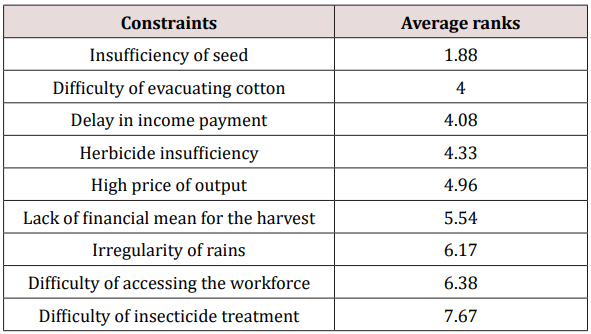
The benefits of cotton and corn production are enormous. However, during the survey, producers listed a number of constraints they face every day. Seven main constraints came back during the exchanges. They have been grouped in the following table with their respective average ranks. It is noted after analysis of the table that the main constraint reported by the population studied is the insufficiency of the seeds supplied to them. The majority of producers have not only deplored the lack of seeds but also the late availability of these inputs. Similarly, the removal of seed cotton, the late payment of cotton costs, the inadequacy of herbicides and the high cost of inputs are the secondary constraints recorded in this study. It is also important to note through the Kendall coefficient (0.379) that the order of importance of these constraints varies quite remarkably from one producer to another (Table 4).
Table 4: Classification of constraints related to cotton production.
lupinepublishers-openaccess-journal-environmental-soil-sciences

Corn Production Constraints

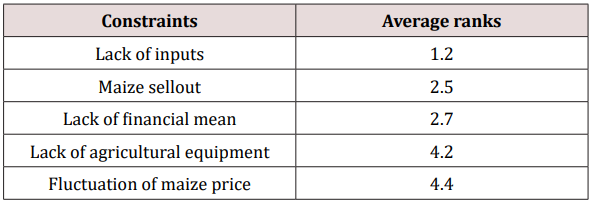
Concerning corn production constraints, there is a relatively high degree of agreement on the ranking (Kendall’s coefficient = 0.698). The first three constraints recorded are the lack of specific inputs for maize, the obligation to sell cheap the crops, and the lack of financial means to cover the expenses inherent to production. The lack of agricultural equipment and the fluctuation of the price of maize occupy the last places in this ranking (Table 5).
Table 5: Classification of constraints related to corn production.
lupinepublishers-openaccess-journal-environmental-soil-sciences

Corn or Cotton

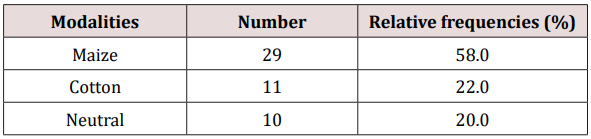
The objective of this section is to expose the respondents’ position after having simulated a situation where they are faced with making a choice between the two crops. It also aims to explain the reasons justifying their respective positions. Table 6 presents the distribution of producers according to the crop chosen. From this table, it appears that more than half of the producers (58%) chose corn, 22% cotton and 20% decided not to take a position. Table 7 below is a summary of the reasons given by the producers following the choice made. Producers, who opted for cotton justify their choice by the fact that the sector is organized, the price is fairly stable, and inputs are provided on credit. At the same time, those who chose maize justify this by its ability to cope with the producer’s financial problems, its ability to keep them alive before the arrival of cotton revenue and also by its easiness and short production cycle. Producers who have maintained a neutral stance argue that the two crops are inseparable and that in the current context, corn production is necessary in order to reap the benefits of cotton.
Table 6: Crop chosen by farmers.
lupinepublishers-openaccess-journal-environmental-soil-sciences
Table 7: Summary of the reasons given by the producers following the choice made Farmer stances.
lupinepublishers-openaccess-journal-environmental-soil-sciences

Discussion

As maize is a foodstuff, it is mainly used to cover the food needs of producers and their households. The forms under which it is consumed differ from one region to another, or even from one social category to another [20]. In Kandi commune, it is consumed in the form of porridge, paste and akassa. Secondarily, it is the subject of a commercial transaction and generates significant income for producers. After discussions with these producers, it is noted that the income earned is used for security purposes and social fulfilment. Purchases of food, buildings and ceremonies (marriage, baptism, death ...) are the main uses made of these incomes. They also, but very rarely, invest money that can add value to their production. Purchasing production equipment is generally limited to the minor tools that are necessary. This could be explained not only by the relatively large size of households living at the expense of these incomes, but also by the primacy of physiological and security needs over other needs. The difficulties that undermine the maize sector in the municipality are enormous, as well as the benefits that result from it. The lack of specific maize inputs outweighs all constraints by unlawfully resorting to inputs for cotton production. According to [5]; [7] and [21], this diversion is reflected in the low yields obtained at the cotton level. One could say that maize seems to be in the study area a parasite of the cotton crop. Studies conducted by [22] on the corn seed production and distribution system in accordance with this study revealed that the lack of input is one of the main weaknesses of the maize sector. The study also shows that, apart from the lack of inputs, the sale at low prices of harvests is a strategy developed by producers in urgent need of financial means. They are often lacking when they harvest the cotton. Cases of illness or other unforeseen events arise occasionally. In response to these problems, they sell corn crops. Those who do not adhere to this practice generally resort to Micro Finance Institutions (MFIs) loans as mentioned by [23]. The ‘‘warrantage’’, (a sort of securing by storing a part or the full harvest) implemented in Benin for more than a decade [24] in response to this situation hasn’t unfortunately had a significant impact in the study area. With regard to cotton, it is noted that income from production has the same purpose as corn, with the difference that cotton is exclusively sold and used more for sustainable projects. In some localities in the study area, cotton producers pay contributions after receiving cotton income to build classrooms or other community infrastructures. Numerous producers greet the organization around the cotton sector and mainly the credit-input which is granted to them. This credit would allow them, according to [25], to effectively fight against pests and raise the level of fertility of their land. Nevertheless, the high cost of inputs, the insufficiency of seeds supplied and especially the delay in their delivery are denounced as the real handicaps of the sector. Many are forced to informally leave money in order to have the extra amount of seed needed. Added to this, the evacuation of cotton harvests from the production areas to the factory loses its nature of gratuity at a given period of the campaign. All these constraints call into question the performance of the production system.


For more Lupine Publishers Open Access Journals Please visit our website:
For more Open Access Environment Journal articles Please Click Here:
To Know More About Open Access Publishers Please Click on Lupine Publishers