Showing posts with label Journal of pediatrics and Neonatology; Journal of neonatology. Show all posts

Tuesday, 3 January 2023

Lupine Publishers | Viral Infections in Infants with Neonatal Hepatitis

 Lupine Publishers | Journal of Pediatrics & Neonatology


Abstract

Introduction: Neonatal cholestasis is a common manifestation of various pathologies. These pathologies include direct hepatocellular injury, defects in hepatocyte bile formation, or mechanical obstruction of bile flow. Histologically, most of the biliary tract diseases, infections, genetic and metabolic diseases can display parenchymal inflammation leading to the diagnosis of Neonatal Hepatitis (NH). Hence, NH implies a pattern of neonatal liver disease rather than a specific cause of liver injury. Among non-obstructive causes, various viral infections are associated with NH. The unmasking of the etiology of NH in further patients’ management is extremely important. Also, the prevalence of viral associated NH varies among different studies. Therefore, we planned to investigate the frequency of common viral agents in infants diagnosed with Idiopathic NH (INH).

Objective: A total of 138 consecutive infants with conjugated hyperbilirubinemia undergoing liver biopsy were collected as well as thirty-one umbilical cord tissues belonging to normal infants as controls. Patients with known etiology of NH were excluded from the study, and 74 cases diagnosed with INH were enrolled. Nucleic acid from the liver tissues of patients was extracted and real-time PCR for the detection of EBV, CMV, HSV1, HSV2, and HHV6 was done.

Results: The mean age of the patients at the time of liver biopsy was 70 days (minimum: 22, maximum: 98 days). There were 36 males and 38 females. CMV DNA was detected in six patients and HHV6 DNA was detected in one patient, while all control tissues were negative for the viral DNAs (p<0.05). None of the other tested DNA viruses could be detected in liver tissues. In addition, none of the liver samples were positive for CMV inclusions in hepatocytes or biliary epithelium under the light microscope.

Conclusion: In conclusion, we found CMV DNA in six liver biopsies without any histological evidence of CMV infection. Using more sensitive methods such as PCR is warranted to determine viral DNAs in the liver tissues and establish their role in the development of NH. Further studies with larger populations should be conducted to provide more information regarding the role of viruses in the development of NH and compare their frequency in different populations.

Keywords: Neonatal Hepatitis; Cytomegalovirus; Cholestasis; PCR

Introduction

Neonatal conjugated hyperbilirubinemia is a common manifestation of mechanical obstruction of bile flow, direct hepatocellular injury and also defects in hepatocyte bile formation [1]. The distinction between biliary tract obstruction and hepatocellular injury is critical for clinical management of Neonatal cholestasis. Thus, the primary goal in patients’ management is to differentiate obstructive and nonobstructive causes of hyperbilirubinemia [2]. Once the obstructive causes are excluded, the next step would be evaluating the nonobstructive etiologies of hepatocellular injury. Due to the immaturity of the biliary system and hepatocytes, different injuries result in similar clinical presentations with a significant overlap of laboratory and pathological findings [3]. Indeed, most of the biliary tract diseases, infections, genetic and metabolic diseases can display parenchymal inflammation leading to the diagnosis of Neonatal Hepatitis (NH) by pathologists. Therefore, NH means a pattern of neonatal liver disease instead of a specific cause of liver injury. Advances in the understanding of neonatal liver diseases as well as the implication of new testing modalities allow for the unmasking of the etiology in most cases. The most common etiologies include infectious and metabolic diseases [4]. Metabolic causes can be suggested based on histological and clinical clues and can be confirmed using biochemical, molecular and genetic tests. However, despite all investigations, no etiology has been found in approximately 30% of infants with conjugated hyperbilirubinemia and this group of patients is addressed as Idiopathic Neonatal Hepatitis (INH) [3].

Many viruses, including Enterovirus, Adenovirus, hepatitis A‐E viruses, Coxsackievirus, Cytomegalovirus (CMV), Herpes simplex virus, Epstein Barr virus, Influenza virus and Human Herpesvirus 6 are associated with NH [5,6]. The virus may be transmitted from mother to fetus or acquired after birth [7]. While most of the infants with congenital infection show no evidence of disease at birth, approximately 5% of infants have neurological, respiratory, hematopoietic and gastrointestinal involvement by virus leading to long-term sequels [5]. The prevalence of infection leading to NH varies in different age groups and increases with age, also depending on socioeconomic status and the viral detection method. Congenital CMV infection is observed in about 0.2 to 2.4% of all live births [5] with seroprevalence of 60-90% in Central Europe [8, 9] and the USA [8, 10, 11]. In a study by Funato [12] CMV DNA was detected in 58.1% of infants with NH [12]. Another study on Korean children showed evidence of CMV infection in 31% of the kids with acute non-A, B, C viral hepatitis [13]. Continuous states or latent infection is characteristic of infection by most of these viruses [6]. Therefore, positive serological tests are not sufficient to confirm an association of viral infection with hepatitis. Additionally, the overlapping histological and clinical features in infectious associated NH and INH result in difficulty in distinguishing etiologies in most cases. The etiology of NH in further patients’ management is extremely important and the prevalence of viral associated NH varies among different studies. CMV isolation in liver tissues in patients with INH has been rarely reported, and little information exists in the literature in this regard [14-18]. Therefore, we planned to investigate the frequency of common viral agents, including CMV, EBV, HHV6, HSV1 and 2, in infants diagnosed with INH using Polymerase Chain Reaction (PCR).

Methods

The study was conducted in the pathology department of Children Medical Center Hospital, affiliated to Tehran University of Medical Sciences. From April 2009 to July 2016, a total of 138 consecutive infants with conjugated hyperbilirubinemia undergoing liver biopsy were collected. Thirty-one umbilical cord tissues belonging to normal infants with no illness in their sixmonth follow up were included in the study as controls. Neonatal cholestasis was defined as jaundice within the first 4 months of age with conjugated bilirubin of more than 20% of the total serum bilirubin. The Biliary atresia was diagnosed according to Fischler et al criteria [18,19]. Patients with biliary tract obstruction, family history of progressive familial intrahepatic cholestasis, alpha one antitrypsin deficiency, known metabolic causes such as tyrosinemia, sepsis and those with insufficient tissues were excluded from the study, leading to a final number of 74 cases diagnosed with INH. No other defined etiologies were found in the formation of cholestasis in these patients, all were full-term infants with normal birth weights with unremarkable perinatal histories. The diagnosis of INH was based on clinical findings, laboratory evaluations, biochemical data, imaging tests and liver biopsy. Age, gender and clinical manifestations were extracted from the archive. Serum aminotransferases (AST and ALT), Gamma Glutamyl Transpeptidase (GGT), total and direct bilirubin levels, serum-concentration of alpha one antitrypsin, sweat chloride test results, HIDA scan of the gallbladder and biliary system, abdominal ultrasound, TORCH study, intraoperative cholangiography, associated anomalies, serum amino acid chromatography and any other factor with possible etiologic importance were retrieved from medical records when available. Ongoing CMV infection was defined by the detection of serum CMV IgM or evidence of the presence of CMV in the urine [8-11, 20]. Hematoxylin and eosin, PAS, trichrome and reticulinstained slides were reviewed for all 74 cases with special attention to the presence of viral cytopathic effect and proper paraffin blocks were selected for nucleic acid extraction and PCR study.

Nucleic Acid Purification

Using disposable blades, two 5μm sections of paraffin blocks were made and transferred to DNAse/RNAse free tubes followed by deparaffinization. Nucleic acids were extracted using Roche High Pure PCR Template Preparation Kit (Roche Diagnostics, Indianapolis, IN) as instructed by the manufacturer. Briefly, deparaffinized tissue was incubated with tissue lysis buffer and proteinase K at 55◦C until tissue particles disappeared completely. Then binding buffer and isopropanol were added. The DNA was eluted into a final volume of 200 μL, quantified photometrically using nanodrop, Thermoscientific 1000, USA and stored in −70◦C. Each sample was subject to Real-time PCR for the detection of EBV, CMV, HSV1 and 2 and HHV6 (AmpliSens PCR kits, Bratislava, Slovak republic) on rotor gene 6000 (Corbett Research, Mortlake, Australia). Negative, positive and internal controls were run in each performed PCR assays. The study was approved by the Research Ethics Committee of Tehran University of medical sciences and was in agreement with the Helsinki Declaration. Statistical analysis was performed using SPSS version 16.0.1 (SPSS Inc., Chicago, IL, USA). To report the frequencies and differences between groups, descriptive statistics and Student’s t-test were employed respectively in which P-values of less than 0.05 were considered as significant.

Results

A total of 138 consecutive infants with conjugated hyperbilirubinemia undergoing liver biopsy with a final diagnosis of NH were studied. Cases with biliary tract obstruction, family history of progressive familial intrahepatic cholestasis, alpha one antitrypsin deficiency, known metabolic causes such as tyrosinemia, sepsis and those with insufficient tissues were excluded from the stud, leading to a final number of 74 cases. The mean age of the patients at the time of liver biopsy was 70 days (minimum: 22, maximum: 98 days). There were 36 males and 38 females. The clinical data was gathered with the most common clinical presentation being jaundice and the onset of jaundice was on 24.2 ±17 days of life. The mean birth weight was 2.4 ±0.7 kg. IgM and IgG serology for CMV were available for 52 patients and 30 patients out of these 52 patients also had blood CMV PCR results in their charts. No data regarding CMV serology or blood CMV PCR was found for the rest of patients. CMV IgM and IgG were positive in 8 and 11 patients (out of 52 patients), respectively and PCR for blood CMV DNA was positive in 6 patients (out of 30 patients). Using PCR, CMV DNA was detected in six and HHV6 DNA in one patient while all control tissues were negative for the viral DNAs (p<0.05). None of the other tested DNA viruses could be detected in liver tissues. Among patients with positive CMV serology, three infants showed CMV DNA in the liver. These three patients also were positive for blood CMV DNA. For one case with positive liver CMV DNA no data was available regarding serology or blood CMV PCR. The other two cases with positive liver CMV DNA showed only positive viral serology (both high IgM and IgG), but negative blood CMV DNA PCR results.

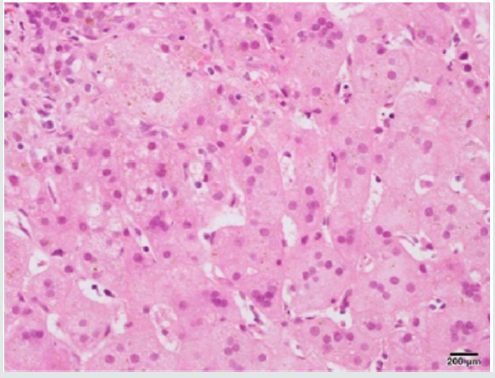
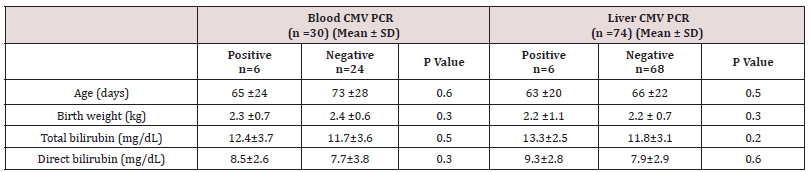
None of the liver samples were positive for cytomegalovirus inclusions in hepatocytes or biliary epithelium (Figure 1). The mean level of serum alanine aminotransferase (ALT) levels was 187 IU/L (12-572 IU/L), while serum alanine aminotransferase (AST) counterpart was 308 IU/L (29-1592 IU/L). The mean level of AST and ALT, GGT, total and direct bilirubin levels and serumconcentration of alpha one antitrypsin did not differ between cases with positive and negative DNAs (p>0.05). Table 1 shows the clinical and laboratory characteristics of patients enrolled in the study.

Figure 1: Liver biopsy shows neonatal hepatitis as giant cell transformation of hepatocytes in a patient with positive CMV serology and PCR (H&E).
lupinepublishers-openaccess-journal-pediatrics-neonatology

Table 1: Shows the clinical and laboratory characteristics of patients.
lupinepublishers-openaccess-journal-pediatrics-neonatology

Discussion

INH is an important cause of neonatal cholestasis. Classically, infants with INH reveal normal biliary trees and elevated levels of conjugated bilirubin. The clinical picture is not unique and often there is an overlap with other causes of neonatal cholestasis. As the treatment protocols for each category of diseases differ, extensive radiological, histological, biochemical, microbiological and even molecular workup is an essential part of the diagnostic algorithm. Histologically, hepatic giant cells, inflammation and lobular cholestasis are evident while there are no clues to obstructive changes of biliary atresia, the paucity of intrahepatic bile ducts, viral inclusion or abnormally stored materials inside the hepatocytes. However, in the first few months of life, we cannot rely on histology or serology alone to rule out storage disease or infectious processes as the false-negative rate is high. As the infectious process is one of the leading causes of NH which can be missed on routine histological or serological studies, we retrospectively did PCR on liver tissues of infants diagnosed with INH to understand the frequency of few common viral infections as possible etiology and their clinical and histological correlates [1]. We found CMV DNA by real-time PCR system in the liver tissues of six patients with NH, which was not observed in the control group. CMV infection is one of the main causes of NH among other viruses [6, 9, 12, 21]. Direct evidence of the role of viruses in the disease process is difficult to be established; however, the detection of the virus from the liver tissue is regarded as evidence of the role of CMV in NH [6,12 9,21]. We identified IgM anti-CMV antibodies and markedly elevated titers of IgG anti- CMV antibodies in three out of six cases with positive liver CMV PCR and so CMV was the most likely cause of neonatal hepatitis in these infants. Primary CMV infection can be detected by the presence of serum anti-CMV IgM antibody or the seroconversion of the IgG antibody. However, in infants, the antibody production is limited due to the immaturity of the immune system resulting in negative results for anti-CMV IgM antibodies. In addition, the passive acquisition of antibodies from the mother may complicate the serodiagnosis of CMV infection. We reviewed all the biopsies again with special attention to the viral cytopathic effect in these six infants, but no viral cytopathic effect was observed. The absence of CMV inclusion may be related to its rarity in the biopsies of immunocompetent patients [6].

5 infants in this study were positive in terms of anti-CMV IgM but negative with respect to CMV DNA. This may be due to false-positive results, the passage of antibodies from mothers, or low sensitivity of our PCR assay in the presence of low levels of CMV DNA. Indeed, serology has a low specificity for the diagnosis of CMV hepatitis and cannot differentiate between active and latent infections. Few reports have been published describing the frequency of the association of CMV infection with NH. The prevalence of the finding of CMV in our stud is lower than in Funato et al. and Shibata et al, both with the rate of infection of 23–67% of infants [6, 12]. Here, we should mention that by different PCR techniques, the rate of viral DNA isolation varies. Different study populations are other important factors. It also implies the negative test results for other DNA viruses in the present study. HHV-6 DNA was detected in one 60-day girl with mildly increased levels of ALT and AST. Although this virus shows replication mainly in lymphocytes, in the Pischke study it has also been amplified from liver tissue especially in patients with graft hepatitis [8]. Our study has some limitations. First, although we found CMV DNA in six patients with hepatitis, its responsibility for the development of hepatitis cannot be confirmed by our method. By the way, direct detection of CMV DNA in liver tissue can support its direct role in hepatitis development. Second, we cannot conclude that the negative PCR result is because of the absence of viruses as the amount of viral DNA may be lower than the test threshold. Third, blood CMV PCR and CMV serology results were not present in all patients so we could not determine the sensitivity of the tests. In summary, we found CMV DNA in six liver biopsies without any histological evidence of CMV infection. Using more sensitive methods such as PCR is warranted to find out CMV or other viral DNAs in the liver tissues in the absence of viral cytopathic effects and establish their role in the development of NH. Antiviral therapy may help NH recovery and reduce potential complications of infections. Further studies with larger populations should be carried out to provide more information regarding the role of viruses in the development of NH and compare their frequency in different populations.

Read More About Lupine Publishers Journal of Pediatrics & Neonatology Please Click on Below Link:
https://lupinepublishers-pedaitrics.blogspot.com/

Friday, 11 November 2022

Lupine Publishers | Better Neonatal Health Outcomes: Management of Materno-Foetal Risk Factors in Peripheral Health Centres In Burundi

 Lupine Publishers | Journal of Pediatrics and Neonatology


Abstract

Background

In Burundi, maternal health care is mainly provided by midwives especially in peripheral health centres. However, midwives may not have needed knowledge and management capacity to offer care needed for women presenting maternal risks. This study assessed and modelled determinants of the knowledge and management of materno-foetal risk factors among midwives offering maternal health care in peripheral health centres in Burundi.

Subjects and Method

A cross-sectional survey was conducted on 90 midwives from 32 peripheral health centres offering maternal health care using a multistage random sampling. Dichotomous outcomes were built, and logistic models fitted on sociodemographic determinants. Significance of coefficients were detected using confidence intervals.

Results

Of 90 midwives, 57 (63%) and 63 (70%) had deficient knowledge level and management capacity of materno-foetal risk fectors; respectively. Younger midwives, those who studied in technical public schools, and those who had received professional trainings were more likely to have good knowledge. The effect of experience was inconclusive. Midwives whose work experience amounted up to 5 years were better off while those with higher experience accused having deficient knowledge. A good knowledge of maternofoetal risk factors predicted better management capacity up to seven times more (OR=7.21 [2.23-23.40]). Contrarily, male gender, long commute distance and the age above 45 years negatively predicted better management capacity.

Conclusion

In peripheral health centres offering maternal health care, newly recruited midwives and those who completed university education need further capacity building training to enhance both their knowledge level and management capacity related to materno-foetal risk factors.

Keywords:Midwives; Peripheral Health Centres; Materno-Foetal Risk Fectors; Knowledge Level; Management Capacity

Background

Majority of Burundian pregnant women consult peripheral health centres where the staff is mainly paramedical (midwives). Often, pregnant women present materno-foetal risk factors requiring special management (Poon, Mbonye, Bustan, Sheldon, et al. [1-4]). Therefore, knowledge of materno-foetal risk factors by midwives offering maternal care services (antenatal, childbirth, and postnatal care) is essential for risk management. In developing countries, commonly cited materno-foetal risk factors include chronic diseases such as diabetes, hypertension (HTA) and acquired immunodeficiency syndrome (AIDS); maternal and foetal history of pregnancy complications; as well as maternal factors such as extreme age (age<19 or age>35) and abnormal weight (BMI<19.5 kg/m2 or BMI>25 kg/m2) (Artal-Mittelmark, 2019). As per the World Health Organization (WHO) guidelines, most of these factors require specialised medical monitoring before and after childbirth (Organization, 2017, Carolan, 2009, Mamba, 2000). Therefore, midwives should be able to assess and grade maternal and foetal risk factors with an aim to transfer all women presenting one or more risk factor(s) requiring higher-level management. This study sought to shed more light on the level of knowledge and management of materno-foetal risk factors among midwives offering maternal health care in peripheral health centres in Burundi.

Subjects and Method

Study Design

We conducted a cross-sectional survey in 32 peripheral health centres in four health provinces namely Bururi, Cibitoke, Kayanza, and Rutana. The study was conducted on a period of two months, from April to May 2020.

Population and Sample

The study targeted midwives offering maternal health care in selected peripheral health centres. Selection of health centres was done using multistage sampling. In the first instance, four health provinces were randomly selected from a total of 18 health provinces. In each province, two health districts were randomly selected (n=8). In each district, four health centres offering maternal health care were randomly selected (n=32). The study was carried out on 90 midwives offering maternal health care.

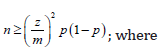
We employed the following formulae to calculate the sample size:

n = sample size
z = critical z score for α = 0.05
m = error rate (0.1)
p = prevalence of materno-foetal risk factors (p = 0.2)

Study Variables

We constructed two dependent variables; the knowledge level of materno-foetal risk factors and their management skills. The first outcome -level of knowledge of materno-foetal risk factors -was constructed based on a score from 26 knowledge questions; each question having a specific score scale. The overall score was reported as a percentage. The second outcome was the management capacity. It was constructed based on an overall score from 24 management questions. An average score was reported as a percentage. Indipendent variables included sociodemographic factors such as age, gender, civil status, education, professional experience, type of school attended, the number of professional trainings, and the commute distance.

Operational Definition of Variables

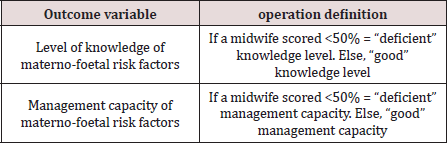
We constructed binary outcome variables coded “good” if a midwife achieved 50% or above, and “deficient”, otherwise. Details are presented in Table 1. Continuous independent variables such as age, number of professional trainings, number of years of professional experience, and the commute distance were categorized.

Table 1: Operational definition of outcome variables.

lupinepublishers-openaccess-journal-pediatrics-neonatology

Study Instruments

All variables were obtained using a pre-established and tested questionnaire.

Data Analysis

Materno-foetal risk factors knowledge level

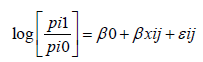
In the first instance, knowledge level was dichotomized, taking value 0 if midwife i scored less than 50%; and value 1, otherwise. Factors that determine the knowledge level were assessed using a logistic model. The model specification is as follows:

The dependent variable is the log odds that a midwife i scores j relative to alternative, where 0= deficient knowledge; and 1= good knowledge. Determinants are represented by a standard vector of covariates x. β0 captures fixed effects and β1 detect random effects on the probabilities of knowledge score.

Materno-foetal risk factors management capacity

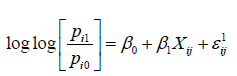
In the second time, the management capacity was also dichotomised, taking value 0 if midwife i scored less than 50%; and value 1, otherwise. Factors that determine the management capacity were assessed using a logistic model as follows:

The dependent variable is the log odds that a midwife i scores j relative to alternative 0, where 0= deficient management capacity; and 1 = good management capacity. Determinants are represented by a standard vector of covariates x. β0 captures fixed effects and β1 detect random effects on the probabilities of management capacity score. In addition to standard covariates, the logistic model on the management capacity of materno-foetal risks included the level of knowledge as a predictor. To ascertain significance of coefficients in logistic models, we used confidence intervals – which the literature claims to be more reliable (Bewick et al. [5], Chakraborty et al. [6]).

Research Ethics

This study obtained a certificate of ethics issued by the Ethical Research Committee of the Faculty of Medicine, University of Burundi (Ethics Certificate no 03/04/2020). Informed consent were signed by each participant. The data collected were anonymous and confidential and exclusively used for purposes of the study.

Results

Sociodemographic Determinants

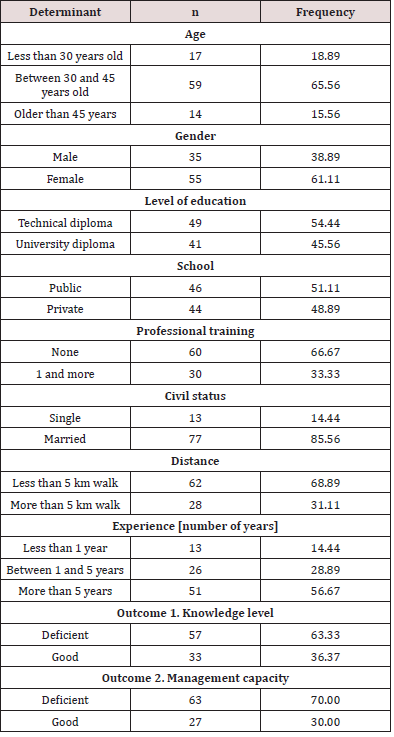
Sociodemographic characteristics of surveyed midwives are summarized in Table 2. 60% of midwives were middle-aged, female, and without professional training despite them having been working for more than 5 years. 86% of midwives were married and more than three thirds lived within five kilometers walk. There was no difference between the proportion of midwives who attended public versus private schools irrespective of the degree obtained. With respect to outcomes, 63% of midwives had a deficient knowledge level of materno-foetal risk factors and 70% had a deficient management capacity.

Table 2: Sociodemographic determinants.

lupinepublishers-openaccess-journal-pediatrics-neonatology

Logistic models

Materno-foetal risk factors knowledge level

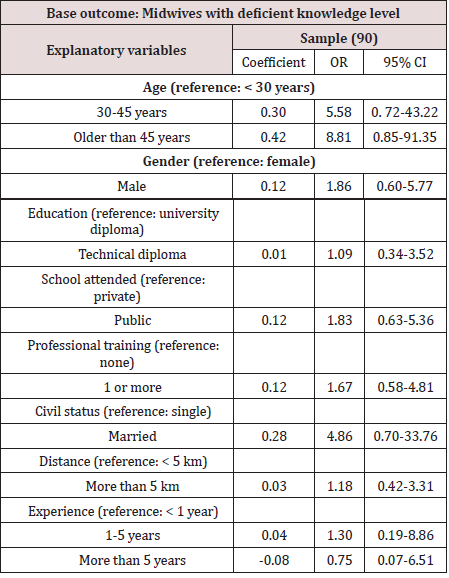
Table 3 summarizes results on the likelihood of a midwife achieving a good knowledge score with reference to midwives who scored deficient knowledge. In comparison with younger midwives, the likelihood that a midwife scores good in maternofoetal risk factors was more than five times for those aged above 30 years and again reached nine times more for midwives beyond the age of 45 years. Being a male midwife who studied in a technical public school was associated with a more likelihood of achieving a good knowledge score (1

Table 3: Results of the logistic model on the knowledge level.

lupinepublishers-openaccess-journal-pediatrics-neonatology

Materno-foetal risk factors management capacity

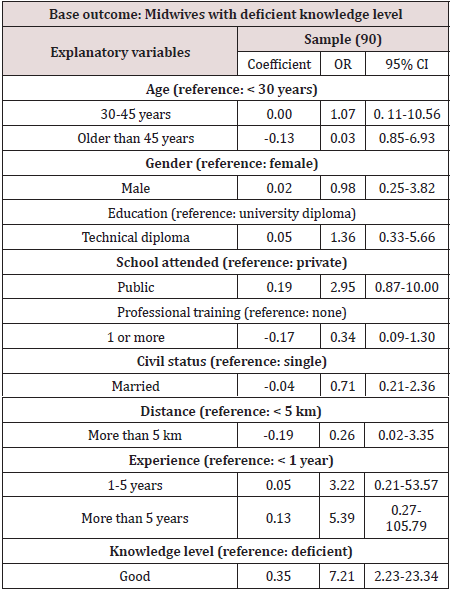
The model shows that midwives who had good knowledge of materno-foetal risk factors were more than seven times more likily to provide adequate maternal care when a woman presents with one or more risks (OR=7.21 [2.23-23.40]). Despite other coefficients being nonsignificant, the likelihood that a midwife provides better materno-foetal risk management was lower for midwives older than 45 years, for married or male midwives, as well as those who commute 5 km long to reach the workstation. Conversely, chances that a midwife performs better increased with the number of years of experience; reaching five times more for those who worked for more than 5 years. Also, in comparison with private school and university certificate, midwives from public and technical schools were more likely to offer better management of risk factors Table 4.

Table 4: Results of the logistic model on the management capacity.

lupinepublishers-openaccess-journal-pediatrics-neonatology

Discussion

This study, which targeted midwives offering maternal health care in peripheral health centres in Burundi, aimed to determine the level of knowledge of materno-foetal risk factors and further assess their management capacity. Results do not depart away from the existing literature. In the first instance, the likelihood that midwives have a better knowledge level related to materno-foetal risk factors was highly determined by older ages and married status. Also, male gender, technical degree, public school, professional trainings and the higher experience positively determined the better risk knowledge level. These trends have also been found in Ghana (Adams and Ray [7]), in Nigeria (Ashimi et al. [8]), and in other low- and middle-income countries. For instance, in a recent study which assessed determinants of the knowledge of maternofoetal risk factors among auxiliary midwives in Myanmar, older age and professional trainings were associated with more than twice higher knowledge level (Than et al. [9]). Tchounga et al. [10] in Côte d’Ivoire found similar results. In their study, better knowledge level of cervical cancer management of midwives was determined by exposure to professional trainings and the technical education (midwivery school) (Tchounga et al. [10]). However, our findings contradicted those in Tanzania where higher knowledge level was associated with younger ages (Urasa and Darj [11]). In our context, the decreased knowledge level among recent graduants could be ascertained to the decreasing quality of education which can be explained by the growing number of private and low-quality schools augmented by the lack of permant teachers (Obura, [12]).

With respect to materno-foetal risk management capacity, we found an interesting positive contribution of the knowledge level. In fact, midwives who have a good knowledge of risk factors are more than seven times more likely to provide adequate care to mothers presenting either risks. Other management enablers, though not signicant, included higher work experience, professional trainings, and training in public schools. In the study to determine factors that affect midwives’ performance in pain management in Ghana, inadequate professional trainings as well as being from a deficient education background predicted poor performance (Aziato and Adejumo [13]). Most importantly, in the same country, another author established a strong correlation between the increased number of years of experience and the higher likelihood of providing better maternal and child health services (Jonas et al. [14]). Midwives better performance was also cited in many other studies including in Nigeria (Opiah et al. [15]), in Surakarta and Karanganyar, Central Java (Wahidah et al. [16]), and in Omdurman State, Sudan (Andugry et al. [17]). In our study, the likelihood of better midwives’ performance predicted by the knowledge level of risk factors (OR=7.21 [2.23-23.34]) is higher than most of evidence in the literature. This trend could be associated with local context. In our study, majority of midwives who scored higher knowledge level of materno-foetal risk factors were mostly from ancient technical education. Ideally, they constitute an excellent pool of human resources in terms of health care provision [18-21].
We acknowledge the strengths and limitations of this study. The study used a statistically significant sample and employed multisampling techniques to minimise biases. This implies that results can be generalised countrywide. A major weakness comes from the study design. Despite cross-sectional designs generating evidence on associations to guide policy, they do not allow causality inference. Also, the study relied on self-reported data which can fraught with Hawthorne effect. The contribution of this study is its great policy implication. Results inform decision-makers and other stakeholders on the need to strengthen the knowledge level and management capacity of materno-foetal risk factors among most of peripheral midwives. In conclusion, in peripheral health centres offering maternal health care, newly recruited midwives and those who completed university education need further capacity building training to enhance both their knowledge level and management capacity related to materno-foetal risk factors.

Financial Support and Sponsorship

This work was supported by the Medical Teaching Hospital of Kamenge.

Acknowledgement

We acknowledge all Health Province Officers and District Health Officers who have facilitated the conduct of this work.

Conflict of Interest

There are no conflicts of interest.

Read More About Lupine Publishers Journal of Pediatrics and Neonatology Please Click on Below Link: https://lupinepublishers-pedaitrics.blogspot.com/ 
Saturday, 12 June 2021

Lupine Publishers | A Rare Cause of Respiratory Distress Syndrome in Fullterm Newborn: Obstructive Infracardiac Type Total Anomalous Pulmonary Venous Connection

 Lupine Publishers | Journal of Pediatrics and Neonatology


Abstract

Total anomalous pulmonary venous connection (TAPVC) may cause clinical signs and symptoms of resistant to treatment respiratory distress syndrome (RDS) in the full-term newborn. Despite echocardiography being the basic diagnostic examination method, three-dimensional reconstructive computed tomography allows making a more precise operation plan by defining the anatomy in an excellent manner. Cardiologic evaluation should be done immediately in the case of RDS with treatment-resistant full-term newborn because a delay in the diagnosis increases operative mortality.

Keywords: Term Newborn; Respiratory Distress Syndrome; Total Anomalous Pulmonary Venous Connection; Tomography

Introduction

Respiratory distress syndrome (RDS) is one of the main problems with premature infants and it develops as a result of surfactant deficiency due to lung immaturity. RDS is much rare in full-term newborns, and it usually appears in some clinical conditions causing secondary surfactant deficiency [1,2]. Particularly the obstructive type of total anomalous pulmonary venous connection (TAPVC), in which pulmonary veins drain into systemic venous structures or directly into right atrium without having any direct connection to left atrium, cause RDS by leading to severe pulmonary congestion. In this report it is reemphasized that obstructive TAPVC should be searched for an etiology of treatment resistant respiratory distress in the full-term newborn.

Case Report

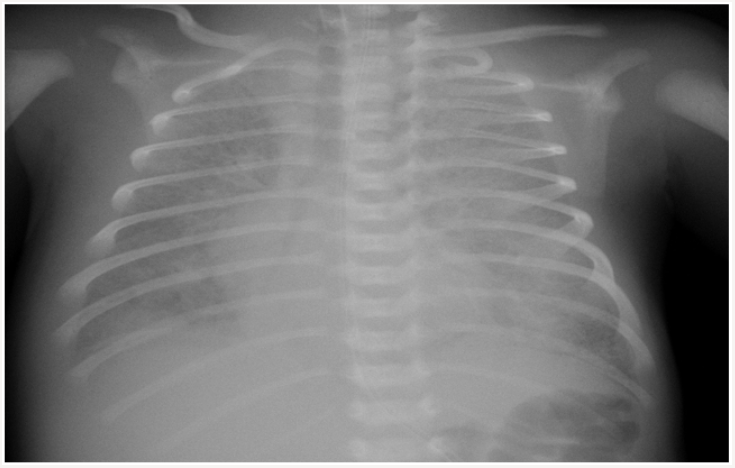
A newborn delivered by cesarean section at 38 weeks with a birth weight of 3100 grams and an apgar score of 5 at 1 minute and 6 at 5 minutes had been admitted to the newborn intensive care unit of an outside center for post-delivery respiratory distress. Upon increasingly worsening respiratory distress under mechanic ventilation and antibiotic therapy, the patient was referred to our clinic with the diagnosis of treatment resistant respiratory distress syndrome on the 7th day of life. There was no history of maternal drug usage, premature rupture of membranes, meconium aspiration, and perinatal asphyxia. There was no history of parental consanguinity and there were no similar cases in the pedigree. On physical examination, the newborn had a body weight of 3300 grams (50th-75th percentile), height of 50cm (50th percentile), head circumference of 36cm (75th percentile), heart rate of 140 bpm, respiratory rate of 72 breaths/minute, arterial blood pressure of 44/25mmHg (mean 35mmHg), and oxygen saturation of 90% (under mechanical ventilation support). The clinical condition was extremely poor; the newborn was dyspneic, had a poor peripheral circulation, and edematous eyelids and lower extremities. No murmur was heard on auscultation but respiratory sounds were diminished and there were bilateral crackles. Liver was palpable 5cm below costal margin. Laboratory examinations revealed respiratory and metabolic acidosis, a white blood cell count of 7460/ mm3, hemoglobin count of 12.2g/dL, thrombocyte count of 251000/mm3, negative C-reactive protein, creatinine of 0.6mg/dL, alanine aminotransferase of 17 IU/L, aspartate aminotransferase of 67IL/L, prothrombin time of 12.2 seconds, and activated partial thromboplastin time of 37.6 seconds. Ground glass appearance and dilated right atrium was observed on teleradiography (Figure 1). Antibiotic treatment was started due to rule-out pneumonia. High frequency ventilation was applied because of need to high pressure support. Fluid restriction was performed due to oligury, and generalized edema.

Figure 1: Teleradiography shows ground glass appearance and dilated right atrium.

lupinepublishers-openaccess-journal-pediatrics-neonatology

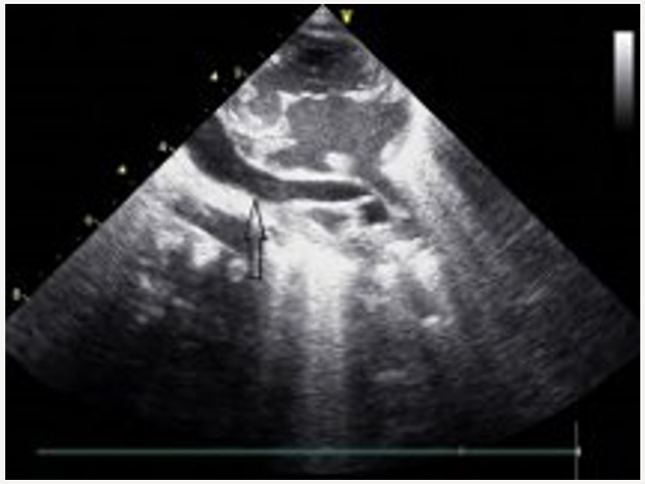
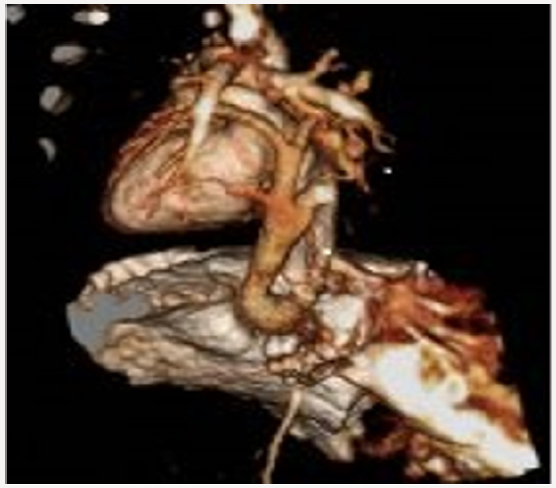
Blood transfusions were applied because of recurrent pulmonary hemorrhage. Circulation of patient was supported with inotropic agents. No clinical improvement could be achieved in the patient despite the application of high frequency oscillatory ventilation, inotropic agents, magnesium sulfate infusion, and surfactant treatment. An echocardiographic examination revealed dilated right heart chambers, leftward doming of interatrial septum, a right-to-left shunt through a small secundum type atrial septal defect, and patent ductus arteriosus. Pulmonary veins had no relationship with the left atrium. The parasternal long axis view demonstrated an infradiaphragmatic systemic venous connection of an abnormal descending vein (Figure 2). A three-dimensional reconstructive computed tomography delineated the confluence of all pulmonary veins to form the abnormal descending vein which drained into portal vein after an Infracardiac course (Figure 3). The patient was subsequently taken to corrective surgery for TAPVC on the postnatal 10th day; however, the patient died because of low cardiac output syndrome during the surgery.

Figure 2: The parasternal long axis echocardiography view demonstrate an infradiaphragmatic systemic venous connection of an abnormal descending vein.

lupinepublishers-openaccess-journal-pediatrics-neonatology

Figure 3: A three-dimensional reconstructive computed tomography delineated the confluence of all pulmonary veins to form the abnormal descending vein which drained into portal vein after an Infracardiac course.

lupinepublishers-openaccess-journal-pediatrics-neonatology

Discussion

In full-term newborns RDS usually develops as a result of secondary surfactant deficiency due to inflammatory mediators and plasma proteins passing to alveolar space and inactivating surfactant, or reducing surfactant production and release by directly injuring type 2 pneumocytes. Asphyxia, meconium aspiration, pneumonia, sepsis, shock, disseminated intravascular coagulation, pulmonary hemorrhage and pulmonary edema can cause RDS in full-term newborns [1,2]. In the current case, gradual reduction in pulmonary aeration and development of white lung appearance on teleradiogram despite intensive respiratory support suggested a congenital heart disease characterized by a significant left-to-right shunting causing pulmonary congestion and/or pulmonary venous obstruction. TAPVC is a rare congenital heart defect and constitutes 1-3% of all congenital heart diseases. It has four categories, namely the supracardiac, cardiac, infracardiac, and mixed types. In the infracardiac type the pulmonary confluence most commonly drains into portal vein. It is usually with an obstruction in the pulmonary venous connection. Obstruction of pulmonary blood flow leads to pulmonary venous hypertension and, through reflection to pulmonary capillary bed, pulmonary edema. Clinical presentation depends on the severity of pulmonary venous flow obstruction. Newborns with obstructed TAPVC present with cyanosis and respiratory distress unresponsive to treatment [3,4]. Traditionally, TAPVC is evaluated with echocardiography and angiography. However, advances in CT scanning technology in recent years have led to excellent spatial and temporal resolution as well as to a significant reduction in radiation dose. Thanks to its rapid completion, it is particularly useful in newborns that are in critical condition due to TAPVC. Hence, as an excellent noninvasive method for the assessment of pulmonary venous return and systemic venous connection, the use of CT angiography has become widespread [5]. Preoperative clinical and morphological features are important risk factors for postoperative pulmonary venous obstruction and survival. Infants with Infracardiac type TAPVC have a worse preoperative clinical status. It has been speculated that the obstruction of pulmonary veins leads to pulmonary venous remodeling and progressive changes [6]. We think that the overall poor preoperative condition of our case was the main reason of the operative mortality.

Conclusion

Obstructive TAPVC leading to pulmonary congestion and thereby RDS by causing pulmonary venous hypertension and pulmonary blood flow increase should be kept in mind. An early diagnosis is essential since a delay in diagnosis is the main cause of increased operative mortality. Although TAPVC is primarily diagnosed by echocardiography, three dimensional CT can be used in order to provide a precise information about the anatomy of abnormal pulmonary venous connection before a surgical intervention.

Read More About Lupine Publishers Journal of Pediatrics and Neonatology Please Click on Below Link:
https://lupinepublishers-pedaitrics.blogspot.com/