Showing posts with label Journal of sports medicine. Show all posts

Wednesday, 18 October 2023

Lupine Publishers | Surgical Repair of a Neglected Patellar Tendon Rupture

 Lupine Publishers | Journal of Orthopedics and Sports Medicine


Abstract

Neglected rupture of the patellar tendon is rare, as this type of injury is typically disabling in the acute setting. We present a 31-year-old male patient who sustained a left patellar tendon rupture while playing basketball. The diagnosis of patellar tendon rupture was neglected by the patient and care was delayed by 8 months. The proximally retracted patella and distally detached patellar tendon were brought back to their anatomic positions and repaired surgically while avoiding the use of autograft or allograft tissue due to fat interposition maintaining the patellar tendon length. This case report contributes to the scarce literature on surgical management of neglected patellar tendon rupture and presents a unique radiologic appearance of a chronic patellar tendon rupture.

Keywords: Patella; Athlete; Neglected; Delayed Repair

Introduction

Neglected ruptures of the patellar tendon are defined as ruptures presenting after at least six weeks and are often difficult to repair [1]. These injuries are rare, as they are often acutely disabling, and usually occur in patients under the age of 40 [2]. Rupture of the patellar tendon usually occurs near the inferior pole of patella, and most often occurs during sporting activities [3]. Surgical management of neglected patellar tendon rupture is more technically difficult to manage than acute ruptures, and the results are less favorable due to quadriceps muscle atrophy, adhesions, and proximal patellar migration [4]. Many different surgical techniques have been described for reconstruction of the disrupted extensor mechanism of the knee following neglected patellar tendon rupture. In this case we describe a simple technique of direct tendon reattachment with strong Ethibond suture reinforcement to allow immediate postoperative mobilization without the need for autograft or allograft tissue.

Case Report

A 31-year-old male presented to our orthopedic clinic for evaluation of his left knee after sustaining an injury 8 months earlier while playing basketball. He was seen in an urgent care clinic immediately following his injury, but was told his patella was displaced due to edema and should improve with time. He was unable to fully extend his knee (45 degree extension lag) following the injury and was using an over-the-counter knee brace to maintain knee extension in order to ambulate. Focused examination of the left knee revealed a superiorly displaced left patella and 45° to 120° passive range of motion with crepitus throughout. There was no pain to palpation of the knee, ankle, foot, or thigh, and the patient was neurovascularly intact. He had full strength in all muscle groups except the left quadriceps, which demonstrated grade 2 out of 5 strength. A chronic left patellar tendon rupture was suspected and confirmed by MRI (Figure 1). Operative management options were discussed, including primary vs. allograft repair of the patellar tendon.

All the risks and benefits of surgery were explained to the patient in detail, which the patient understood and consented to the procedure. A left femoral nerve block was performed for postoperative pain control and to prevent contraction of the quadriceps tendon stressing the repair. Patient was positioned supine on the operating room table and a bump was placed under the left hip. A midline incision was made ending medial to the tibial tubercle. Sharp dissection was performed down through the skin and subcutaneous tissues. There was noted to be a complete rupture of the patellar tendon just distal to the inferior pole of the patella with significant scar tissue surrounding the patellar tendon. There was rupture of both the medial and lateral retinacula. Adhesions were present laterally around the patellar tendon, additionally there were adhesions from the quadriceps to the femur proximally, these adhesions were carefully released in order to achieve necessary excursion and reapproximation. There was mild chondromalacia noted on the patella and trochlea of the femur. No fracture of the patella was appreciated. At that point, the tendon edges were gently debrided several millimeters down, back to healthy-appearing tendon. The inferior pole of the patella was then prepared using a #15 scalpel blade to resect up the periosteum from the anterior patella, then a rongeur and a curette were used to prepare down to the bleeding bony surface to improve tendon healing to bone. At that point, #2 Ethibond was used to run a total of 4 strands of suture coming out proximally on the patellar tendon in a running locking-type Krackow stitch. At that point, a drill was used for pilot holes in the inferior pole of the patella. Next, a tap was used in each of the pilot holes for the 3.5 mm suture Swivelock anchors (Stryker, Kalamazoo, MI). Then, the suture limbs were passed through the Swivelock suture anchor and tension was maintained by placing a polydioxanone (PDS) suture through the quadriceps tendon and manually pulling to approximate the inferior pole to the patellar tendon. There was excellent purchase of the anchors in the patella as well as approximation of the patellar tendon to the inferior pole of the patella. The repair was felt to take up excellent tension without undue stress to about 30 degrees of knee flexion and maintained full extension. At that point, the knee was then extended and the Ethibond sutures were passed proximally into the patellar periosteum and distally into the patellar tendon to reinforce our repair. There was excellent tracking of the patella within the trochlea without subluxation. The retinaculum was repaired. Subcutaneous tissues were closed with 2-0 Vicryl followed by running 3-0 Monocryl suture for the skin. Dermabond Prineo dressing was then applied. A sterile dressing followed by an Ace wrap was then applied, followed by a knee immobilizer locked in extension. The post-operative plan was to continue weight bearing as tolerated with early rehabilitation focusing on isometric strengthening of the quadriceps. The knee was to remain in full extension for six weeks, which was achieved using a hinged brace locked in full extension for ambulation, followed by a transition to graduated range of motion over the course of 12 weeks. At 4 months, the patient achieved 121 degrees of flexion with a 5 degree extension lag. In comparison, his nonoperative leg demonstrated 125 degrees of flexion with a 5 degree extension lag. No instability was observed in varus and valgus stress testing. The patient’s Knee Society Score (KSS) was 80/100.

Figure 1: Sagittal T2-weighted magnetic resonance imaging (MRI) of the left knee revealed a patellar tendon with avulsion of its origin from the distal pole of the patella (green arrow). The degree of patellar tendon retraction was decreased due to the presence of the large amount of infrapatellar fat (white arrow).

Lupinepublishers-openaccess-orthopedics-sports-medicine

Discussion

The major disability for our patient was an absent extensor mechanism of the left knee as a result of complete patellar tendon rupture. This was a unique presentation of a chronic patellar tendon rupture due to patient delayed presentation. Our primary goal was to restore this mechanism by repairing the patellar tendon. Patellar tendon rupture is usually unilateral and is commonly reported as a result of athletic injury [5], which were both seen in our patient. Patellar tendon rupture is acutely disabling and as such often treated primarily, however in rare cases chronic patellar tendon injuries are reported either as a result of missed injury or neglect. In our patient, the delay in treatment was due to a missed diagnosis immediately following injury by the urgent care communication. Early repair of patellar tendon ruptures is preferred and gives favorable results [3]. The results of reconstruction of neglected ruptures of the patellar tendon are less predictable because of quadriceps muscle atrophy and proximal retraction of the parapatellar soft tissues. Various reconstruction techniques, largely as case reports, have been reported by authors for neglected patellar tendon ruptures however there is no widely accepted method. Primary repair with autogenous graft augmentation using hamstring tendons or fascia lata has been most commonly seen [4]. External fixation using wires and pins has been reported as a solution for patients with an elevated patella and severe contracture of the quadriceps tendon [2]. Reconstruction with allografts consisting of an intact patellar tendon or Achilles tendon has also been used [6]. Mandelbaum et al. recommended Z lengthening for the quadriceps tendon and Z shortening for the patellar tendon with augmentation using the gracilis and semitendinosus tendons [7]. Our patient avoided the the use of allograft or autograft tissue, and a primary repair technique utilizing knotless anchors and suture tape [8]. However, given this patient’s anatomy the patellar tendon did not retract or enfold upon itself due to the presence of a large infrapatellar fat pad. Due to this presentation we were able to primarily repair his native patellar tendon. It is important to maintain the normal position of the patella intraoperatively as both patella baja and patella alta have been shown to negatively impact knee function [9]. In addition, maintaining patellar tendon length avoids any restriction of flexion or extension lag. It is also important to prevent excessive compression of the patella over the trochlea of the femur via retinacular release, which maintains smooth tracking and gliding of the patella and prevents anterior knee pain. In addition, the strength of the reconstruction can be confirmed intraoperatively with gentle passive knee movements up to 90°. This can also verify normal patella tracking over the femoral trochlea without undue pressure.

Conclusion

This case represents a unique presentation of a chronic patellar tendon rupture that presented 8 months following the injury but was still able to be repaired primarily. Additionally, we utilized suture anchors to strengthen our repair and tendon fixation into the patella.

Read More About Lupine Publishers Journal of Orthopedics and Sports Medicine Please Click on the Below Link:

https://lupinepublishers-orthopedics.blogspot.com/


Wednesday, 23 August 2023

Lupine Publishers | Effectiveness of Eccentric Exercise for the Management of Rotator Cuff Tendinopathy: A Critical Review

 Lupine Publishers | Journal of Orthopedics and Sports Medicine


Introduction

The rotator cuff (RC) mainly contains four muscles and their tendons: infraspinatus, supraspinatus, teres minor and the subscapularis [1]. These four muscles and their tendons surround the shoulder joint [2]. It is a group of muscles start from the scapular and attach around the humeral head, forming a cuff at the anatomical neck of the humeral head. The main function of the RC is to stabilize and activate the glenohumeral joint (ibid). The RC primarily performs three types of movement: abduction, external rotation and internal rotation. Previous studies report that there is no strong evidence that the RC contributes to glenohumeral movement (ibid). However, there are a large number of published studies that describe the link between RC and glenohumeral joint stability [3]. Hence, RC injury can result in loss of stabilization of the glenohumeral joint. RC tendinopathy (RCT) has been regarded as a kind of RC injury. RCT is a term used to describe a combination of pain and weakness in the RC tendon [4]. Also, it can be loosely described as excessive load resulting in impaired performance of the RC tendon when experienced with particular movements of the shoulder [5]. The prevalence of RCT is 14% in the general labor population [6]. In addition, a number of authors have considered the prevalence of RCT. It has been reported that prevalence is 19% among all ages (ibid). Therefore, the high prevalence of RCT cannot be underestimated. The diagnosis of RCT can be measured by ultrasound and magnetic resonance imaging (MRI). Its diagnosis also can be considered in association with pain symptoms [7-9].

Pathophysiology

There are many risk factors that can cause RC injuries. These include glenohumeral joint dynamic instability, joint abnormality and abnormal shoulder structure [10]. After a RC injury, the damaged tendon gradually develops microtears, calcification and fiber vascular proliferation [11]. The pathophysiology of RC injury can be attributed to the result of series of inflammatory reactions after soft tissue injury. However, RCT is characterized by different types of RC tendon injury. Tendinopathy is a common term used to describe pathological changes in tendons. Previous research has established that the pathology of RCT primarily contains intrinsic mechanisms, extrinsic mechanisms or combined mechanisms [2-7]. Intrinsic mechanisms can be defined as pathological changes directly affecting the tendon itself [12]. Excessive load is an important contributor to RC intrinsic tendinopathy. Healthy adult’s RC tendons consist of water, collagen, proteoglycan and glycosaminoglycan [13]. The largest proportion of RC tendon is type I collagen [14]. The collagen fibers of the tendons are confluent and form a cuff on the humeral head. It also forms a five-layer complex near the greater tuberosity. The first to fifth layers are superficial coracohumeral ligament, the main portion of tendon complex, dense fascicles, loose connective tissue and fibrocartilage, respectively. This composite structure seems to have excellent stability and elasticity. However, according to the intrinsic theory, the transformation of collagen bundles density and orientation could result in sheer forces between layers (ibid). Excessive load can cause changes and result in a strong force in the tendon. This increases with age and the impact of the disease can cause degenerative changes which can reduce adaptability in the tendon. There is an unambiguous relationship between degenerative changes and increasing age [15]. Excessive load plus degenerative changes lead to variation in biology and morphology of the RC tendon (ibid). There is a relatively small body of literature that is concerned with degenerative changes in RC tendons which contained calcification, fatty infiltration, tendon thinning and vascular proliferation [16]. Moreover, in an investigation into degenerative changes, [17] found that type III collagen has been increased that could decrease the elasticity of tendon during RC injury. Extrinsic mechanisms can broadly be defined as RC tendon injury that is potentially attributed to the friction on impact with external structures. These structures contain the humeral head and coracoacromial arch. Numerous studies have attempted to explain that 95% of RC injury was caused by impingement between the coracoacromial arch and humeral head [18]. Even in normal shoulder anatomy, a series of shoulder functions such as elevation and abduction can damage the RC tendon. There are a large number of published studies that describe the link between external impingement and RCT [19,20]. It has been thought that extrinsic impingement primarily results in pathological changes near the glenohumeral joint side of the RC tendon. The causes of intrinsic and extrinsic mechanisms are different, but both of them lead to an inflammatory response. After RCT, tendon healing is commonly divided into three parts [21, 22].

Firstly, the inflammatory phase lasts for one week. During this phase, vascular permeability increases, lymph and inflammatory cells flood into the lesion site. Secondly, in the proliferative phase, the influx of inflammatory cells produces some growth factors and cytokines which result in recruitment and proliferation of fibroblasts. Finally, in the remodeling phases, fibroblasts proliferate and begin to generate, orient, deposit and interconnect than become collagen [23] has shown that intrinsic factors or extrinsic factors alone do not increase the prevalence of RCT. In total 108 mature rats were equally divided into three groups: extrinsic compression group, overuse group and a combination of overuse and extrinsic compression group. Results from the studies indicated that no significant differences were found between separate overuse or extrinsic compression and RCT. Also, a positive correlation was found between a combination of overuse and extrinsic compression and RCT. This study suggested that a combination of intrinsic factors (overuse) and extrinsic factors could increase the possibility of RCT. However, these results came from study on animals and are difficult to directly utilize in clinical conditions. This is because human beings and animals have different anatomical and biological characteristics.

The Physiological Effects of Eccentric Exercise

Eccentric exercise is a type of muscle action characterized by contraction of a muscle during its lengthening due to an external load. To determine the effect of eccentric training, [24]. carried out an experiment. This study recruited 12 young male soccer players (mean=26 years) and implemented 3 sets of heels raising eccentric training twice a day for 12 weeks. Six participants have Achilles tendinosis and others were healthy one. To evaluate collagen synthesis and degradation, blood samples were taken 1 week before and after 12-week eccentric training programme through micro dialysis technique. Pain visual analogue scale (P-VAS) also was used to assess the level of pain before and after 12-week training. There are a large number of publish studies that describe the link between carboxyterminal propertied of type I collagen (PICP) increasing in blood and type I collagen synthesis. Also, data from several sources have identified the increasing carboxyterminal telopeptide region of type I collagen (ICTP) associated with the degeneration of type I collagen [25,26]. The findings of this study showed that PICP increased significantly in the blood after 12 weeks of training in injured tendon, but not changed in healthy tendon. ICTP have no significant difference before and after study in both health and injured. Many recent studies have shown the same findings as [23] experiment [27,28]. To eliminate bias, this study carried out the same starting time (9am) and controlled the room temperature (25︒C). In injured group, the level of pain also reduced after 12 weeks training. Combining the outcomes from blood samples and P-VAS, this study could provide strong evidence to support the effectiveness of eccentric exercise. However, although the study examined plasma concentrations of PICP and ICTP, the changes of collagen type I formation could not directly be observed. Previous studies suggested that MRI or ultrasound can observe the changes in collagen type I formation [29,30]. More medical examinations should be included in further studies. Also, the population of this study is professional athletes, instead of ordinary people. It may reduce the generalizability of this study. Further studies should focus on the ordinary population and carry out more clinical examinations.

One of the most influential accounts of eccentric training came from [31]. The findings of this study demonstrated significant neovascularization after eccentric training. 22 males and 8 females with Achilles tendinopathy participated in this investigation. Ultrasonography and colored Doppler were used to examine the neovascularization in the tendon before and after intervention. Participants were asked to complete 12 weeks of knee eccentric exercise twice per day, seven days per week. The result of this study indicated that eccentric training is likely to accelerate the neovascularization. Although this study focused on patients with Achilles tendinopathy, the benefit of eccentric exercise is likely to generalize to other tendinopathies, due to the similar anatomical, physiological and pathological feature of tendinopathies [32]. However, different gender ratios (22 males and 8 females) may result in bias of experimental outcomes. Compared to women, men are more likely to regenerate new blood vessels in the tendon area after eccentric training [33]. This is due to the difference in the physiological characteristics of men and women. In addition, there is no control group in this study. Although setting a control group is not ethically permissible, a control group could reduce cointervention bias and make the experimental results more reliable and valid. A systematic review that is often cited in research on the effect of eccentric exercise is that of [34] who found that eccentric training may promote increases in tendon stiffness. This study also reported that low intensity eccentric exercise is more effective than concentric exercise for increasing a tendon’s mechanical tension. The keywords “eccentric”, “tendon” and “performance” were used in its search strategy. 40 studies were included and total of 1150 participants (406 women and 744 men) were recruited in this study. Results of this study found that, compared to concentric exercise, muscle cross-sectional area (CSA) increases significant difference after eccentric exercise. Eccentric exercise can promote more CSA synthesis than concentric exercise [35]. also identified that increasing number of CSA were beneficial for the stiffness of tendons. In addition, this study highlighted low intensity eccentric exercise was beneficial for the maximal tendon force and stress, instead of high intensity eccentric exercise. The whole design of this study is rigorous and appropriate, given proper keywords and suitable search strategy. However, this study carried out narrative analysis which cannot provide strong evidence for the findings. In addition, the study recruits healthy participants which may not demonstrate the effect of eccentric training in clinical condition. Therefore, these findings should be translated with caution into clinical scenarios. Overall, these studies provided relevant evidence that eccentric exercise promote collagen synthesis, formation of new blood vessels and increases tendon stiffness. However, further study should focus on clinical condition and more rigorous experimental design.

The Effectiveness of Eccentric Exercise

Reported [36] positive correlation between tendon repairing and supraspinatus and infraspinatus eccentric exercise. Ten middleaged (mean age=54) patients with diagnosed RCT were recruited from two health care clinics. All the patients were provided with shoulder abduction and external rotation eccentric training which involved 90 repetitions per day. Shoulder pain was assessed by visual analogue scale (VAS) after the training programme, which was believed to be valid and reliable for evaluating level of pain. According to the result of this study, VAS significantly reduced from 57 to 29. Authors attributed this improvement to healing of tendon. This hypothesis seems to be consistent with the study of [23]. which found significantly improved collagen synthesis after eccentric training. In Susanne’ s study, ten middle-aged participants indicated small sample size and low generalizability. However, compared to middle aged people, the synthesis of young people’s collagen is significantly faster [37-39]. found that insulin-like growth factors that promote collagen synthesis increased significantly among young people (mean age =25) compared with elderly people (mean age 70 years). The design of this study is a single-subject research design which is appropriate for the study condition. Therefore, the outcomes produced by middle-aged people as research participants can be accepted. [40] investigated the effectiveness of eccentric training comparing with conventional exercise in clinical RCT. 36 patients diagnosed with RCT, were recruited and randomly divided into eccentric exercise group (20) and conventional exercise group (16).

The eccentric exercise group (mean age = 50.2) performed external rotator and abduction exercises for the shoulder. The conventional exercise group (mean age = 48.9) contained shoulder shrugs and stretching exercise for the pectoralis. Both groups completed 12 weeks of daily exercise at home. 14 weeks after the training programme (26th week), the Constant Murley Score (CMS) and Pain VAS were applied for measuring shoulder function and pain. Results of this study indicated that both eccentric and conventional exercise for the RC area improve significantly in shoulder function and pain after 26 weeks. The findings from this study also shown that there is no significant difference between eccentric training and conventional training for managing shoulder pain and function after 26 weeks. This study provided 12 weeks training and follow-up after 26 weeks, giving plenty time to examine the results. However, single-blinded instead of doubleblinded controlled trial measures were implemented in this study. This may lead to experimenter bias. In addition, although different language versions of the CMS showed good reliability and validity [41, 42], this instrument needs to have established standards [43]. Therefore, this study showed that in the long term, both eccentric and conventional exercise is beneficial for middle-aged people with RCT.

There is a published study describing the role of eccentric exercise for managing RCT [44]. A total of 11 patients with diagnosed RCT and preparing for arthroscopic subacromial decompression surgery were recruited in this study. All patients were randomly divided into 3 groups: control group, concentric RC exercise group and eccentric RC exercise group. The concentric group was asked to perform shoulder abduction exercises, 3 sets of 15 repetitions twice a day from 0° to 90°. The eccentric group was asked to perform shoulder adduction exercises, 3 sets of 15 repetitions twice a day from 90° to 0°. The control group were asked to carry out standard practice without normal treatment pathway. The Oxford shoulder Score and pain Visual Analogue Scale were used to measure shoulder function and pain at the beginning, after 4 weeks and after 8 weeks. Interestingly, results from this study did not indicate any statistically significant differences between all three groups. In addition, two individuals in the eccentric group determined to cancel the surgery and continue exercise at the end of study. Compared to [37]. study, a total of 8 weeks length of this study is relatively short. It may demonstrate that longer study could result in statistically significant differences [45-47] also found that a longer follow-up period of eccentric exercise can avoid shoulder surgery. To compare with eccentric exercise and concentric exercise, further study design should extend the length of the experiment or implement a follow-up period. However, 11 patients is a small sample size which cannot provide strong evidence to support the outcomes of the study. In addition, although individual cases show significant improvement and avoid surgery after this study, this result may not be generalizable. Overall, data from this study gave no significant differences between concentric exercise and eccentric exercise on managing RCT. Moreover, short-term eccentric exercise may not have obvious therapeutic effect. Further study should collect more samples and extend experimental time.

Conclusion

Overall, the present study was designed to determine the effect of eccentric exercise. The research findings clearly indicated that eccentric exercise can promote the synthesis of type I collagen, accelerate the neovascularization and increase the integrity of a tendons. The second aim of this study was to investigate the effectiveness of eccentric exercise on RCT. Generally, the investigations have shown that, in the long term, eccentric, concentric and conventional exercise are beneficial for patients with RCT. Compared to concentric and conventional exercise, although eccentric exercise may not have obvious therapeutic effect, evidence indicated that, in the long term, eccentric exercise should be more effective in managing RCT than other treatments. However, the findings in this assignment are subject to at least three limitations. First, different gender ratio and age stage could lead to bias. Secondly, small sample size could decrease the generalizability. Finally, single examinations method and lack of randomization show that results should be interpreted with caution. Nonetheless, therapists may still select eccentric exercise or combine them with other treatment to manage RCT in clinical condition. Further investigation should increase sample size, balance gender ratio and use diverse examination methods. Also, it is necessary to determine which level of intensity of eccentric exercise is more effective in treating RCT. In addition, accurate eccentric exercise should be investigated as the RC contains four muscles.

Read More About Lupine Publishers Journal of Orthopedics and Sports Medicine Please click on the Below Link: https://lupinepublishers-orthopedics.blogspot.com/


Monday, 3 July 2023

Lupine Publishers | Effect of Intensive Integrative Therapies on Pain, Disability and Quality of Life in Patients with Osteoarthritis Knees: A Comparative Observational Study

 Lupine Publishers | Orthopedics and Sports Medicine Open Access Journal


Abstract

Objective: To assess the differential effect of intensive yoga, yoga and naturopathy and yoga and Ayurveda management for Osteoarthritis of knees Design: Pre-post comparative study

Participants: Ninty-five individual prediagnosed with knee osteoarthritis according to ACR guidelines aged between 30-75 years were randomized into three groups, i.e., Yoga (n= 36), yoga and Naturopathy (n=30), Yoga and Ayurveda (n=29). All three group received their respective intervention for 1 week at arogyadhama, prashanti kutiram, S-VYASA.

Outcome measures: The primary outcome variables were visual analog scale (VAS) for pain on activity, Western Ontario and McMaster Universities Secondary Osteoarthritis index (WOMAC) and secondary outcome variables were anthropometric measurements and 6 min walk test were measured on day 1 and day 7.

Results: There was significant reduction in VAS scale on activity in yoga group (p < 0.001), whereas in Ayurveda group showed significant improvement in stiffness (p <0.001), and significant reduction in weight and pain on rest (p < 0.001) was in naturopathy group after 7 days of intervention.

Conclusion: IAYT practices combined with other therapies had better effect than alone IAYT. There were significant changes seen within groups.

Keywords: Knee Osteoarthritis; Integrative Approach of Yoga Therapy (IAYT); VAS; WOMAC; Ayurveda; Naturopathy

Introduction

Movement is a medicine for creating change in a person’s physical, emotional, and mental states. Disease is the destroyer of health wealth and mind. Lack of movement of knees leads to the later. The most common of lack of movement is Osteoarthritis (OA) OA knee mainly occurs in elders and middle age people and is more common among women and overweight subjects. The symptoms include pain, stiffness and decreased range of motion (ROM), which result in limited activity and reduced quality of life. The prevalence increases with age, and by the age of 65, approximately 80 percent of the US population is affected. It is the second most common rheumatological problem and most frequent joint disease with prevalence of 22% to 39% in India OA is a heterogenous disease, involving complex and interacting mechanical, biological, biochemical, molecular and enzymatic feedback loops with cartilage degeneration as the common, final event [1] despite this degeneration, OA is an active process and a network of mechanisms reacting to stress or injury on the joint. All joint features are affected in OA [2]. Structural changes include cartilage fibrillation, degeneration of articular cartilage, thickening of subchondral bone, osteophyte formation, synovial inflammation, degeneration of ligaments and meniscus, hypertrophy of joint capsule, cellular and molecular changes in nerves, as well as changes to periarticular muscle, bursa, fat pads [3]. The loss of cartilage and modifications to bone and synovial membrane contribute to an unfavorable biomechanical environment which increases stress on the joint and furthers the progression of cartilage degradation [4]. Non-steroidal anti-inflammatory drugs (NSAIDs), including cyclo-oxygenase II inhibitors and non-opioids analgesics such as acetaminophen have been the most popular method of managing pain in musculoskeletal tissues. Tradational System of medicine like Ayurveda, Naturopathy and Yoga also specify the symptoms and mode of treatment. So a observational study was planned to understand the effect of this traditional system of medicine.

Aim of the Study

a. To study the differential effect of three Indian systems of medicine on the outcome of OA knee management

Objective of the Study

a. To assess the differential effect of intensive yoga, yoga and naturopathy and yoga and Ayurveda management for Osteoarthritis of knees on pain and stiffness.
b. To assess the differential effect of intensive yoga, yoga and naturopathy and yoga and Ayurveda management for Osteoarthritis of knees on physical functions.
To assess the differential effect of intensive yoga, yoga and naturopathy and yoga and Ayurveda management for Osteoarthritis of knees on anthropometric measurements.

Material and Methods

Source of data

A total of 95 participants aged 30-75 years, were registered from Arogyadhama, a home-based health centre, S- VYASA, bangalore.

Sample size

The sample size was calculated with G-power software by fixing the alpha at 0.05 powered at 0.8 and an effect size of 0.71 based on the mean and SD of an earlier study.

Inclusion criteria

The inclusion criteria were patients clinically/radiologically diagnosed with mild to moderate OA knees according to American college of rheumatology (ACR) guidelines and with associated comorbidities were included in the study.

Exclusion criteria

Patients with severe OA knees, rheumatoid arthritis, autoimmune diseases, malignancies, knee surgery or kneearthroscopy and knee pain caused due to congenital dysplasia were excluded.

Ethical consideration

The study was approved by the Institutional Ethics Committee of S-VYASA University (approval letter no: RES/IECSVYASA/ 107/2017 dated 23rd October 2017). Signed informed consent was obtained from all the participants included in this study.

Design

Participants were randomly divided into three groups, i.e., Yoga alone, Yoga and Naturopathy, Yoga and Ayurveda group. All three groups underwent intervention of Integrative approach of yoga therapy (IAYT) and respective therapies for 6 days and assessments and treatment plans for participants were discussed with in-charge doctor and therapists. All groups continued their medication as per prescription.

Grouping and posology

Three groups pre-post comparative study.
Group A: Table 1 Standalone Yoga group

Table 1: Time table.

Group B: Table 2 Integrative Yoga and Ayurveda group

Table 1: Time table.

Group C: Table 3 Integrative Yoga and Naturopathy group

Table 3: Time table.

Group B: Table 2 Integrative Yoga and Ayurveda group

Assessment criteria

Primary outcome variables
a) Visual analog scale for pain on activity
b) WOMAC Indian version
c) 6 min walking distance test - The subjects were asked to walk on a flat surface for 6 minutes and the distance covered was expressed in meters.

Anthropometric measurements

a) Height: It was measured with stadiometer in centimeters (cm), and later converted into meters.
b) Weight: Weight was measured using research grade electronic weighing scale.
c) BMI: By using formula, weight in kg/ height in meter2, calculated the body mass
index of every individual.

Observations

Table 4

Table 4: Observations.


Results

Recapitulation

In the current study, variables were taken at baseline and following one week of intensive yoga, yoga and Ayurveda and yoga and naturopathy therapies. The primary outcome variable was pain pain assessed through Visual Analogue Scale (VAS) while resting, walking on plane surface, climbing stairs up and down as well as WOAMC scores. The secondary assessments included anthropometric measurements; and 6 min walking distance. We also recorded the vital parameters such as systolic and diastolic blood pressure, pulse rate and respiratory rates at baseline and at the end of one-week intervention for all three groups.

Yoga and ayurveda group

Within group comparison revealed that as compared to the baseline following variables showed significant improvement in weight, body mass index, 6-min walk test, WOMAC global score, WOMAC-pain, stiffness and physical functioning, visual analog score on rest, walking, climbing up and down. The values of within group comparison through paired sample t test are mentioned in Table 4.

Yoga and naturopathy group

Table 5: With-in group comparison changes in yoga and ayurveda group.

Within group comparison revealed that as compared to the baseline following variables showed significant improvement in weight, body mass index, systolic blood pressure, respiratory rate 6-min walk test, WOMAC global score, WOMAC- pain, stiffness and physical functioning, visual analog scale on rest, walking and climbing up and down. The values of within group comparison through paired sample t test are given in Table 5.

Yoga group

Within group comparison revealed that as compared to the baseline following variables showed significant changes in weight, Diastolic blood pressure, Pulse rate, 6 MIN walking distance, WOMAC global scores, WOMAC-pain, stiffness and physical functioning, visual analog score on rest, walking and climbing up and down. The values of within-group comparisons through the paired samples t-test are mentioned in Table 6.

Table 6: Within group changes in yoga and naturopathy group.

Table 7: Within group changes in yoga group.

Abbreviations

WT: Weight, DBP: Diastolic Blood Pressure, PR: Pulse Rate, WGS: WOMAC Global Score, STF: Stiffness, PF: Physical Functioning, VAS: Visual Analog Scale, WK: Walking, DW: Down, BMI: Body Mass Index, SBP: Systolic Blood Pressure, RR: Respiratory Rate, WOMAC
Table 8 presents the changes in all three groups at baseline and at the end of one week. None of the variables between groups were found significant both at baseline and following the one-week intervention duration.

Table 7: Results of the study.

Outcome Measures

All participants were assessed for primary and secondary outcomes twice, at baseline (day 1) and end of study period, day 7.

Primary outcomes

i. Visual Analog Scale (VAS): The visual analogue scale is a psychometric response scale which was used to assess pain on climbing stairs (20 staircases), climbing down from stairs (20 staircases) as well as following 6 min walking on flat surface. It was be used as an instrument to measure subjective quantification of pain. When responding to a VAS item, respondents was be asked to specify their level of pain by indicating a position along a continuous line between two endpoints.
ii. WOMAC: The WOMAC has been extensively evaluated in populations suffering from osteoarthritis (N Bellamy, Buchanan, Goldsmith, Campbell, & Stitt, 1988). The Indian version of WOMAC was used to assess the disability and quality of life [5]. Western Ontario and McMaster Universities Secondary Osteoarthritis index (WOMAC) is widely used in the evaluation of Hip and Knee Osteoarthritis. It is a self-administered questionnaire consisting of 24 items divided into 3 subscales assess the three dimensions of pain, disability and joint stiffness in knee and hip osteoarthritis [6].

Secondary outcome measures: Anthropometric Measurements

i. Height: Was measured in Centimeters (cm)
ii. Weight
iii. BMI: 6- min walk test
iii. BMI
iv. 6-min walk test

Discussion

Modus operandi of yoga and naturopathy therapy

Possible mechanism of improvement in yoga and naturopathy group is detoxification treatment, diet restriction and physical activity which help them more in reducing pain and improve the physical functioning. Yoga and naturopathy integrated therapies are found to reduce inflammatory markers in patients with chronic inflammatory disorders [7]. This could be the mechanism of action for improvement in the outcomes of OA knees through Yoga and Naturopathy.

Modus operandi of ayurveda therapy

The possible mechanism of action behind reduction of all the symptoms is due to medicated oil application frequently but the long-term effects of such applications need to be studied Ayurveda and Naturopathy therapies was planned by respective doctors.

Conclusion

Although statistically insignificant, the current study revealed that integration of naturopathy to yoga therapy was effective in reducing weight, and pain, whereas integrating Ayurveda to yoga therapy could lead to better reduction in stiffness in patients with OA knees. Such non-significant trends could be tested using larger sample size with prolonged intervention period in future studies.

Strength of The Study

The strengths of the study are:
a) This multidisciplinary study encompasses the fields of yogic science, Ayurveda and Naturopathy.
b) No earlier study has reported integration of yoga with Ayurveda and naturopathy for OA knees.
c) Because the duration of intervention was short, acceptability and adherence to therapy was good
d) As integration were delivered through a standard protocol, it could be reproduced in the exact way for all cases.


Read more about Lupine Publishers Journal of Orthopedics and Sports Medicine Click on the below link: https://lupinepublishers-orthopedics.blogspot.com/


Monday, 10 January 2022

Lupine Publishers| Two Trajectorieess a Promise of Reform and Ashaaram Pattern what are we Missing?

 Lupine Publishers| Journal of Orthopedics and Sports Medicine


Abstract

The working of social and economic institutions, inequality is also a product of the way political institutions work. Government has known to serve the interest of economics elites and this most often works to the detriment of common people. This refers to the article ‘’Two trajectorieess’’ A Promise of reform and Ashaaram Pattern, what others do. A molar leadership deficit, our political leaders choose not to speak on certain issues. But they are forgetting that they have a molar responsibility towards domestic violence testing among divorced women begins privately manage pharmaceutical intuition associated to slums occupied area in Pune University, India. The horrific incidence in kathua and unnao has shown.com the ugliest side of the country’s politician. The right procedure is not followed for the enquiry of the domestic violence and his contention by government police. The term intimate partner violence is often used synonymously with domestic abuse or domestic violence, but it specifically refers to violence occurring within a couple relationships (i.e., marriage, non-cohabitating intimate partners). To these, the World Health Organization (WHO) adds controlling behaviours as a form of abuse. Intimate partner violence has been observed in opposite and same-sex relationships, and in the former instance by both men against women and women against men.

The high risk of experiencing domestic violence among divorced women in pharmacy institution in India who associated in slum occupied underscores the need for effective, instructional-based and standard behaviour culturally primary prevention. To inform such domestic violence primary prevention strategies for this population, author herein aimed to identify correlates of domestic violence testing in divorce women. Utilizing a cross-sectional design, potential correlates of domestic violence experience were explored among a geographically-clustered random sample of speak up few known women recently-divorce women residing in private pharmacy institution in slums in Pune, India. In domestic violence testing was associated with less educational attainment by the participant’s, less satisfaction of the job with the respect they earn, if not given’’ at the time of college hours, poorer living of life style, unhealthy food and conflict skills, and greater acknowledgement of domestic violence occurrence in college and friends. These connection suggest strategies that could be incorporated into future domestic violence early prevention interventions for this vulnerable population (i.e. promoting completion of formal education of men alongside women, migration causes of institution harassment, abuse language, more personal, skills, and challenging norms surrounding domestic violence add or before inspect the pharmacy institution.

Introduction

Women who have experienced intimate violence disease are at greater risk for physical and mental health problems including posttraumatic stress disorder (PTSD) and dependency. Most women get a severe stroke and the impact of all may compound these costs. Researchers have reported that women with these experiences are more difficult to treat; many do not access treatment and those who do, frequently do not stay because of difficulty maintaining helping relationships. However, these women’s perspective has not been previously studied in close monitoring in privately manage pharmaceutical institution [1,2].The purpose of this study is to describe the experience of seeking help for divorcées women dependency by Indian pharmaceutical institution to avoid the present violence. Women with dependency with a history of depression want help however the health and social services do not always recognize their calls for help or their symptoms of distress. Dependency thickens and stiffens walls, which can inhibit quality of life and will power, confidence.

Perception of alcohol use among well–Educated employees of pharmacy institution before and after the office hour in slums Pune Suburban has conflict. Little is known about how the overall employment conditions in a country impact the likelihood of employment of privately running out pharmacy institution in Pune University India [3,4]. Correlation of intimate domestic violence has aware of physical, sexual, psychological abuse, and control perpetrated against an intimate condition, is reported and prevalent globally accepted. Approximately one third of divorcee women reporting physical and/or *abuse by their head of the department during their office hour. Not only is an abuse word a violation of human rights that often results in physical injury. Divorcee women who experience domestic violence have higher odds of depression (measure face reading , body sacred, appearance, lower standards of dress, anxiety and other mental health disorders [5,6] true principal health, burn out stages and gynaecologic morbidity, rashes, sores, or lesions in the mouth or nose, or under the skin among other chronic disease states which is not known. Additionally, their children suffer from greater morbidity and mortality. In India, although national estimates suggest decreasing frequency, one in three women still report having been abused by their head of the department during their lifetime. Further, this figure is likely an underestimate of the abuse women suffer post-marriage with little hesitation, as it did not survey violence perpetration by the in-law or other members who believes traditional cultural draws. Divorcee women who reside in privately manage pharmacy institution in pune university India’s slums are among those at greatest risk of domestic violence.

While the disparate figures between slum- and non-slum occupied communities may be in sum art factual due to shameinduced underreporting in higher income communities, factors that drive increased domestic violence perpetration and compel women to remain in abusive relationships are likely disproportionately greater in slum communities. Women in slum communities may be more likely to experience domestic violence because their reporting officers and related to inadequate finances, crowding, and poor sanitation, discrimination, and subordination, reside in communities where normalization and acceptance of Domestic violence is greater, alcohol use is greater, perception has not known, have weakened support systems that do not allow them to develop and exercise positive coping mechanisms, no longer yoga knowledge, weaken immunity profile [7]. Further, in Pune slum communities, at the time of appointment, many women transition from unclear to join the intuitions (no appointment letter produce to employee) and newly enter the slums from surrounding rural areas; thus, the differences in upbringing within the couple may also influence illegal expectations and prompt conflict. Further, divorcee women residing in slums may be more likely to stay in abusive relationships because of poorer knowledge, skill and physiological and mental unawareness to support services, NGO’s, organisation head dependency systems, stronger perceptions of hopelessness and surrender, and residence in environments where domestic violence and other forms of violence occurs with frequency and acceptance. The risk imposed by these factors is compounded by local sanctions that encourage divorcee women to weaken ties with natal family members and their community post-marriage, that limit the time the couple spends together alone to develop their relationship both pre- and post-marriage, and external pressure on the couple (i.e. fertility].

Thus, domestic violence prevention for women residing in slum communities requires a culturally-educated, communityeducated approach that recognizes the structural factors of slum environments pharmaceutical institutions that shape domestic violence risk. Further, given the high domestic violence burden and limited and saturated support resources, focus in resourcelimited sittings should be on primary prevention. National evidence suggests that almost two-thirds of divorcee women who report domestic violence, state the abuse had begun within the first two years of job, underscoring the need for such prevention efforts to occur pre- or immediately post-marriage. To date, few studies have examined drisk factors for domestic violence experience among women residing in slum communities in India. T hose who have, identified the following risk factors: age, low educational attainment of self and spouse, young age of marriage, having a legal versus illegal, additional dowry request from marital family, employment, employment status, residence in a joint family, renting versus owning one’s residence, fewer class rooms in the institution and shared rooms, accepting attitudes toward women beating, shorter duration of marriage, and women alcohol dependency cannot ignore. And although causal directionality could not be established, one cross-sectional study among slum-dwelling women found participation in social groups and vocational training to be associated with domestic violence experience, perhaps because participation challenges social norms. Of note, none of these studies specifically examined correlates of violence in early stage, critical for primary domestic violence prevention. As part of formative work that led to the development of an intervention for the primary prevention of domestic violence for newly-wed couples residing in Pune slums, we aimed to explore correlates of domestic violence experience among recently-married women.

Methods

This study was considering it is fundamental characteristics and importance of present situation and instruction at all levels of our educational systems, from pre-primary to graduate.

Study Design

The study was conducted in Pune university pharmacy institutions, the second largest city in the western state of Maharashtra, India. According to most recent data from world university ranking. The study employed a cross-sectional design, wherein semi-structured interviews were conducted during the academic year 2016-2018. Interviews were conducted one-on-one in privately by trained female study staff in Marathi. Participant recruitment and enrolment. To be eligible for the study, participants had to be: a divorcee woman over 18 years of age; recently divorce; in a first marriage; in a second marriage.

Data Collection

Sample has collected to speak up methodology and data was selected using a muster name and item semi-structured questionnaire administered one-on-one in private by a trained female study team member.

Participant and study team safety

The study protocol was developed using the guidance of the AICTE and safety recommendations for research on violence against women.

Discussion

This study is the first to report correlates of domestic violence experience in early marriage among women residing in slums linkage private pharmaceutical institutions in pune university, India. We identified nine key potential domestic violence correlates: Teachers are not allowed to give physical punishment to the students. If seen strict action will be taken. During assembly nobody will be allowed to enter the school, the teacher should stand behind the respective classes. No P.F will be deducted from teacher salary i-e compulsory. Defence of unqualified pharmaceutical confidentiality that must be stop. Mobile phone should be kept in the office while signing the attendance register and collect it while leaving the school. Performed such other duties as may be not prescribed. No personal work is allowed during school time. Fourth Saturday of the month is holiday. Poor transportation facility.

Acknowledgment

This study has been guided by under supervision and guidance of Renowned Laboratory Scientist Respected Dr. Ramesh Paranjape’ Retd. Director and Scientist ‘G’ National AIDS Research Institute India. I express my sincere gratitude towards Respected Sir’ for motivation and being great knowledge source for this research. This work was supported by Award Number R.S.S.M./447/2017 Rastriya Samta Swatantra Manch. The content is solely the responsibility of the authors and does not necessarily represent the official views of the Rastriya Samta Swatantra Manch. Thanks go to grammar teacher who reviewed the manuscript grammar.

Read More About Lupine Publishers Journal of Orthopedics and Sports Medicine Please Click on Below Link: https://lupinepublishers-orthopedics.blogspot.com

Monday, 29 November 2021

Lupine Publishers| The Role Effectiveness of Physical Activities on Mental Disorders in Students with Low Mobility Using General Health Questionnaire (Ghq)

 Lupine Publishers| Journal Of  Orthopedics and Sports Medicine


Abstract

Today, the emergence and growth of mental disorders are more noticeable in the student population due to the changes in health conditions of the world. Therefore, the purpose of this study was examining the role effectiveness of physical activities on mental disorders in students with low mobility using General Health Questionnaire (GHQ). The study was a causal-comparative research and has been conducted through the field method. The instrument was included the General Health Questionnaire-28 (GHQ-28). The statistical sample was included 430 male and female physical education and non-physical education students. The collected data was analyzed by descriptive and inferential statistical methods and analytical tests. The results showed that there was a significant difference between athlete and non-athlete students in all variable components of this study in two groups (P<0.05). It seems that regular physical activity can play an important role in students’ physical and mental health and students who participated in fitness and exercise programs have reported that their attitude and efficiency had a good state. Therefore, the increase of motivation through culture and the promotion of public awareness about the benefits of physical activity can be considered as one of the options for the development of the student sport.

Keywords: Anxiety; Social Function; Physical Problems; Depression; Physical Activities

Introduction

Today, the poor movement that has been created as a result of tremendous improvements in technology and mechanization of life and different jobs affects lifestyle in human societies. These very serious changes have had profound effects on human relationships at different levels of family and relationships with friends [1]. If we look at human’s physical construction, we will realize that human need naturally different kinds of physical activities for his/her entire development and evolution and the lack of adequate mobility and the lack of proper physical activities will disrupt different body systems. This great development in terms of health and well-being is one of the most important problems of today’s human [2]. This is very important for students, especially for students who are studying in a Master’s degree. Students should have a physical and mental health due to their role in social, cultural, and economic structures and their preparation to participate in social activities [3]. Today, the World Health Organization (WHO) considers a multidimensional concept for the concept of health multi-dimension and knows it as a positive concept based on the interests of individual and social sources and physical abilities. The WHO expresses that health is the welfare state and mental, physical, and social well-being and it is not only the lack of disease or body defects [4]. According to the definition of this organization, Health have physical, social, mental, emotional, and spiritual components. All five components have the interaction with each other for a healthy and strong person, so that if we give up one of them, we will be out of balance and our health will suffer in all domains [5, 6]. Therefore, dimensions of this definition (mental, physical, and social wellbeing and not merely the lack of disease) have the interaction with each other and these dimensions cannot be distinguished with a clear boundary [7]. There are indicators for the physical health and social welfare in many countries that those are reviewed and revised every few years, but the complexity and difficulty of definition often leads to neglect and ignore this in mental health [8]. The lack of mental health causes that a person suffers pains and physical and emotional symptoms such as isolation, headache, worry, anxiety, difficulty in falling asleep, and daily dysfunction [9]. Studies show that one of every two people will be prone to depression, so studies about improvement of mental health and its related factors are the most important studies in psychology [10]. In past decade’s huge changes were in the industrial world and considerably surround the lifestyle of many human communities. This has caused people to reduce physical activities, and have problems and diseases such as obesity, muscle weakness, cardiovascular and respiratory disease [11].

However, due to developments on the world health situation there is less risks to face this kind of problems. The considerable problem is emergence and growth of mental disorders .Purpose of mental health is the certain aspects such as human intelligence, mind and thought. According to Kameo someone has mental health, that who has no symptoms of anxiety and disability, able to establish communication with others and able to deal with the pressures of life [12]. We can found that the need for research in field of mental health and the survey of the effective factors on it is necessary with a look at the implications of urban lifestyle, apartment house, and the mechanization of societies in recent years and its negative effects especially on individuals’ mental health in a society and unresolved challenges [13]. The participation in sport activities as a scientific approach can increase individuals’ happiness and mental health. The various studies have shown that sport activities have psychological, emotional, and social benefits in addition to physical benefits, for example, the reduction of anxiety and depression, the increasing of sleep duration and better social relationships have been reported in different studies [14]. If a human has not enough calm to draw lost physical and personal resources and exposed to these severe psychological pressures repeatedly, the process of destruction will begin and then he/she will be sensitive to the disease especially psychosomatic diseases. Therefore, a human finds him/herself in anxiety without justification, fatigue, depression or feelings of dissatisfaction, and aimless, and he/she will hurt to relationships between individuals in the same way. One of the ways that psychologists introduce for the prevention and treatment of mental health problems is the role of physical activities in mental health, because the industrialization of societies and the reduction of physical activity in individuals have been revealed the need of sport more than ever and an extensive attention has been paid to exercise especially the role of exercise in psychological issues.

Research evidence show some environmental controversies that affect students’ mental health such as the desire for different social entertainments against willingness to study, the desire for physical superiority against organ limitations, the need to the lessons development against the feel of incompetence, the fear of personality expression against the desire for self-esteem, and job selection [15,17]. According to researchers’ idea who has mental health is a person that is distant from anxiety and disability symptoms and she/he can establish a constructive relationship with others, and is able to cope with life stresses [18]. On the other hand, conducted studies in the field of psychology and exercise have shown that exercise and physical activities are one of the effective methods for the prevention and treatment of mental illnesses [16,19]. Scientific evidences have shown that the participation in physical activities and the increasing of cardiovascular fitness are considered as an important factor in the improvement of mental health and mood. Nine factors are important in the creation of happiness and mental health that the participation in physical activities and exercise is one of the most important factors studied psychological and physical indexes in women that they concluded that aerobic activities and trainings had many benefits for behaviour and mood. Also, they stated that physical activities s were associated with the reduction of stress, tension, and the increasing of self-esteem [19].

Mental health is very importance for students in every community, because they are the future of any society. Mental disorders can lead to academic failure or the dropout. Students due to the specific conditions of students such as far away from family, getting into large and stressful collections, Economic problems and Lack of sufficient income, high volume courses, and intense competitions are prone to lose their mental health. They need an appropriate intervention for coping with such stressful situations. Regular physical activity at a moderate level course is one of strategies that scholars and researchers recommend to maintain and promote mental health [11,12] mental health (physical symptoms, anxiety, depression and dysfunction) of students in individual and team athletes with non-athletic and found out the amount of social dysfunction of team sports athletes than individual athletes and non-athletic and depression in non-athletes was more than two other groups. Also comparing each of the subscales between boys and girls athletes found that boys mean depression was more than girls [20].

Research results from Wang et al shows that any form of physical activity can protect and provide mental health. Sport in creating positive change, satisfaction with their sense of competence and efficiency play important role that are the component of mental health [14]. In his study concluded that following physical exercises, characters such as anxiety, depression and self-esteem varies to improvement that without regard to types of exercise activities that classified as aerobic have the most effects in terms of physiological and psychological.

Anxiety and depression are considered as trends and common mental disorders. So that Ghaffari (1384) studies results shows that non-athletes depression is less than professional and nonprofessional athletes. Studies suggests that physical activity and exercise has effect in promoting mental health, reducing depression,increasing welfare, mental and social health, self-confidence, self-belief and self-discovery. This study has compared male and female athlete and non-athlete students’ mental health, since many researchers have emphasized the role of physical activity and exercise as an instrument for the prevention of diseases and mental disorders and due to the existence of significant differences in men and women’s physiological characteristics. According to the findings of this study and differences of effectiveness in students due to studied different factors, we hope that can provide more effective and coherent programs for more participation in sports activities of different groups with an attention to these differences to improve students’ dimensions of mental health and the reduction of mental and psychological stresses in addition to the improvement of their physical abilities with the participation in sports activities.

Methods

This descriptive-analysis study was conducted on the causalcomparative method. The instruments of this study were included Goldberg’s General Health Questionnaire-28 (GHQ-28) and a demographic questionnaire that its validity and reliability have been proven in different studies. Goldberg’s General Health Questionnaire measures four categories of non-psychotic disorders such as somatic symptoms, anxiety and insomnia, social dysfunction and depression. Likert’s scoring method (0 to 3) was used for each case. The scoring criteria were the intensity of the evaluated symptoms and a higher score indicated a high intensity of the symptoms. According to this, a person with a score of 23 and lower score was considered as a healthy person and with a score of 24 and higher score was considered as suspected person who had a disorder. The statistical population of this study was all male and female physical education and non-physical education students in Universities Azad Islamic Branch of Gilan province. The statistical sample of this study was included 430 students that they were selected by randomized multi-stage cluster sampling. Athlete students were individuals who participated at least 3 times a week in sports programs and activities and non-athlete students were individuals who in this study did not have any physical activity or who their activities were limited to daily routine of life and education. The collected data were classified by descriptive statistical methods and were analyzed by dependent T-test. The SPSS software (version 21) was used for data analysis (α≤0.05).

Results

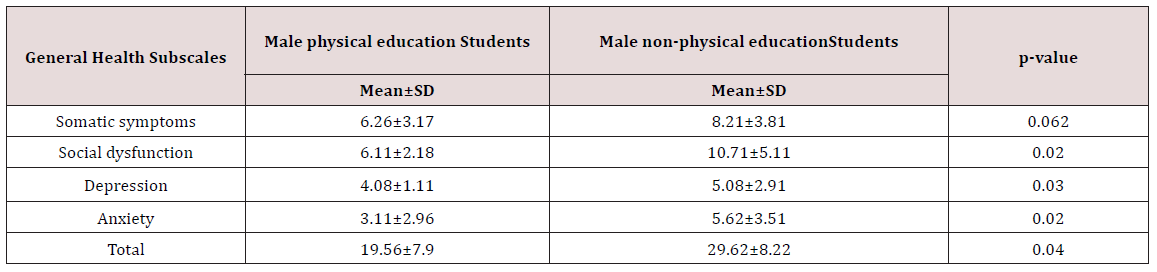
According to the results of the statistical analysis of this study, the status of general health indicators among physical education and sport sciences students was in the range of 19.68% that 27.11% was abnormal and 72.89% was normal in terms of general health status. Also, the results of statistical analyzes on the general health status among non-physical education students was in the range of 8.21%) that 42.17% was statistically abnormal and 57.83% was a good status. The male subjects’ age mean was 26 ± 3 and female subjects’ age mean was 24±7 in this study. The subjects’ age distribution was 63.17% in the age range of 20-30 years and 36.83% in the age range of over 30 years. 48.72% of physical education and sport sciences students were male students and 51.28% of them were female students. 56.11% of non-physical education students were male students and 43.89% of them were female students. The results in (Tables 1-3) showed that there was a significant difference between physical education and nonphysical education students (P<0.05).

Table 1: The results of independent T-test in the relationship with female Students’ General health subscales.

Table 2: The results of independent T-test in the relationship with male Students’ General health subscales.

Table 3: The results of independent T-test in the relationship with physical education and non-physical education Students’ mental health subscales.

Discussion

the purpose of this study was examine the role effectiveness of physical activities on mental disorders in students with low mobility using General Health Questionnaire (GHQ).The results of this study showed that there was a significant difference between physical education and non-physical education teachers in mental health (P<0.05). It means that physical education teachers had a higher mental health score in comparison with non-physical education teachers. This result is consistent with the results of Hamer Rass and Hayes, Anonymous, Narimani, Ahmadi and Pirhayti and Nariman’s study [21-23].

Undoubtedly, the establishment of a healthy and happy society depends on the physical and mental health of the members in the society and needs to efforts of healthy, efficient, and thoughtful human forces. In this regard, the human and specialist resources in education that often have acceptable scientific and practical knowledge and abilities need to be able to overcome threatening factors of general health by the management of their organizations. Otherwise, the reduction of their capability will be inevitable. In this regard, the highest harm will be for students who are trained and the educational goals will encounter with serious problems. On the other hand, teachers will be aware of harmful problems and resources in their profession with the cognition of these factors and will use coping methods to deal with its undesirable effects.

The results of this study are consistent with the results of Bakhshalipour et al that they examined the effect of aerobic training on non-athlete postmenopausal women’s mental health. On the other hand, the difference in mean of mental health in the comparison of male and female athlete and non-athlete students did not show a significant difference in any of the subscales, but it was significant in all subscales with the comparison of male athlete and non-athlete students. So that male athlete students’ mental health had better condition than the male non-athlete students. This results is consistent with the results of study. They stated that male athlete students who participate regularly in physical activities such as walking, jogging, swimming, aerobics, or playing in sports teams can be able to do boring tasks in a longer period than inactive male students that this can be due to adaptive responses in a body as a result of regular exercise. There is a lot of evidence about the benefits of regular physical activity for general health. Studies show that intense and regular exercise is associated with less stress and anxiety. Also, people who participate in fitness and exercise programs report that their attitudes and efficiency are better at work; for example, they make fewer mistakes. It seems that exercise can play an important role in students’ physical and mental health due to all subjects are students who study at master’s level and they do many research works, and modern life conditions that have physical abnormalities such as back pain, joint damage, and diseases such as obesity and cardiovascular diseases. Therefore, the increasing of motivation through culture and the promotion of general knowledge about the benefits of physical activity can be considered as one of the options for the improvement of student sport. A program that may not have been seriously considered so far. According to the results of these findings, it seems that one of the factors that cause student athletes have better mental health than non-athletic students is their participating in healthy activities such as sport activities. Tuckers research results Showed, that physical fitness significantly reduces mental disorders in people.

Conclusion

Generally, Athletes that, participate different sports field based on personal interests and tastes the exposure groups and sports cooperation and cooperation with them and enjoy the new friendships. This may be cause removing such feelings and dissociable and helps create collective spirit, while non-athletic students deprived this opportunity.

Read More About Lupine Publishers Journal of Orthopedics and Sports Medicine Please Click on Below Link: https://lupinepublishers-orthopedics.blogspot.com

Friday, 18 October 2019

Lupine Publishers | On A Criminal Trace of Crippling and Often Even Lethal False Diagnosis: Lege Artis Cz

Lupine Publishers | Journal of Orthopaedics

Case Report

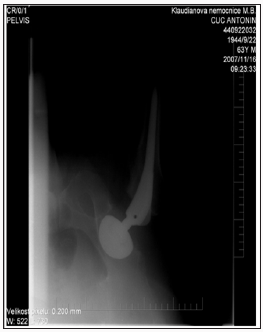
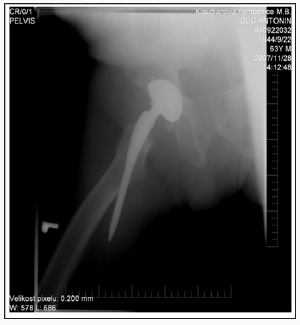
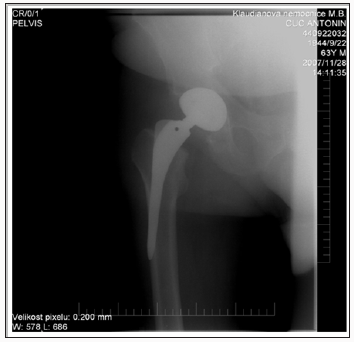
In 2010, the Czech Republic participated in the World Health Organization WHO Research to determine the quality of medical decision making in determining diagnosis and to determine an adequate individual choice of patient treatment. The conclusions were really frightening: the relative frequency of fatal medical decision-making errors is 10%, with a statistical accuracy of the tolerance estimate of +/- 2%, with a statistical reliability of conclusions of about 95%. Approximately rewarding results are found in all OECD countries - in all types of outpatient or inpatient health services. In real terms, this means that approximately every 10th accidental visit of the patient to the doctor will end up with an additional health problem. For example, a late-diagnosis of B-type jaundice, a medical prescription of an inappropriate medication that contravenes the health of a particular patient, or contraindicates the contraindication effects of other concurrent medications, or a radiologist misinterprets an X-ray image-with overlooked by emerging stomach cancer, overlooked severely fatal osteoporosis-disturbed bone, a preventive standard examination of the colonoscopy will occur with careless medical manipulation of the colon perforation probe in a hitherto healthy patient. In general, they are seriously threatened patients, sometimes even seriously endangered patient lives.
If the above mentioned documented WHO research results refer to the whole Czech pupil - that is, for the total population of the Czech Republic, 10.6 million living people and an average of at least one annual patient visit to any doctor in the Czech Republic. approximately 1 million citizens are probable expected to be expected to receive approximately one million people instead of the actual assistance needed in the Diagnosis and appropriate individual treatment, likely to have an unexpected, addictive - crippling health risky next complication - and some patients even due to a deteriorated health condition, probably some of them die sooner - many years before the bio statistic mean survival estimate for the remaining years would be the same-if the medical error did not become the correct diagnosis or treatment. The Providers Health care and medical staff said: It is fatal legal yearly irrevocable Facts - but I have said NO!

On a Criminal Trace of Repeated Mass Medical Mistakes With False Coded Working with Regards Lege Artis CZ

The First Criminal suspicious for Mass Illegal Medical Workflow CZ

If approximately one million Patients CZ are seriously threatened annually with incorrect medical decision-making contrary medical Knowledge’s WHO, logically at least Sum 50,000 Patients CZ are unnecessarily mutilated yearly. They are mostly casual preliminary dying - a long time ago from the adequate Cluster with similar Patients CZ with the same Diagnoses, Age, similar variant of Treatments they are growing differenced Health consequences and ever-increasing causal next health risks to die after medical mistakes - All these cases should end annually with ignoring of the Czech Justice Courts, supervising Criminal Police CZ, supervising from State Penalty Offices CZ - and survivors or heavily crippled patients of the Czech Republic should receive from the responsibly Health instance CZ of the Providers nets of Health Services of the Czech Republic - approximately there are ignored 3 million compensation for financial satisfaction per 1 case per annum.
The total should therefore be a probable compensation in the astronomical annual amount yearly - 50 thousand persons CZ x 3 million crowns - the result is 15 x 10x10x10x10x10x10x10x10x10x10 = 150 milliard CZK / year!!! Thus, in the Czech Republic’s national income about Sum CZK 330 Milliard, almou nearly half of the annual income is a waste of medical work. This is for the Healthcare of the Czech Republic, for the Provider of Health Services and their Employees, for the Judiciary CZ, for the State Budget of the Czech Republic, for the Criminal Police of the Czech Republic, for the Public Prosecutor’s Office of the Czech Republic unprivileged by national, political.
However, we have a very novel solution in the Czech Republic - whether you are an individual patient crippled and dying for legal or illegal medical mistakes very Cheap: All fatal cases will be placed in the category of “Unwanted inevitable medical and legal results of medical processes” with the unique cover false slogan LEGE ARTIS CZ. It is similar as a Italy Mafia with more strong laws, more servos as a OMERTA, who has taken a keen interest in all the injured patients in the medical, security, criminal and custody organizations: You are either a healthy, unnecessarily frozen or unnecessarily dying patient in the Czech Republic - but absolutely under the monotonic motto of observing Medical cases with false wisdom declination the principles of LEGE ARTIS CZ. So that any private truth criminalist evidence of Patients CZ, when that you are the Victim of a criminal way of providing medical health care will come out monotonously: You will almost never receive adequate financial justice satisfaction, because it is only derived of your preliminary “informed Patient consent” to planned risky and probably often including very technically illegal medical practice with Medical Devices, often with explicitly wrongly misused The Medical Devices- you have only one direction right Cementary route: sooner or later, without any patient comments to Court dealing CZ: to die without delay as a false result of the absolutely indifference responsible medical work “LEGE ARTIS CZ” with content many fatal explicit illegal technical partial medical mistakes [1-3].
Annual unnecessary severe mutilation of at least about 40 to maybe perhaps 50,000 patients in the Czech Republic with a much earlier causal death - this is a pre-agreed probable loss of life and health of the Czech Patients, which is the number of deaths and astronomically large national economic losses similar to the lives of Victims of the secret national continual war Physicians CZ - against their own patients in the Czech Republic, often absolute out of legal technical usage Medical Devices in hospital net CZ in regards to Technician Requirements of Laws EU/CZ.

The Perspective for Solutions to Limit and to Prevency the Mass Repeated Medical Mistakes in OECD

I know namely reliable coherent scientific processing to limit the Mass repeated similar medical mistakes with more efficiency sharing the best medical experiences only as perfect redefined scientific principles “LEGE ARTIS CZ“ - with more effective managing medical workflow with more effective usage samplings, clustering, validated medical processing, continual testing elementary partial medical activities of partial medical processing step by steps“ with more efficiency implanting Artificial intelligence, with more regards to Technician requirements of Laws EU/CZ for usage Medical Devices - with acquired my decision making method S_T_A_R_S in daily medical workflow - see the Literature Antonín Cuc: The Utility model 21532 CZ 2010, Czech Office for Industrial Laws. The Equipment for Retrieval and Search of sufficient statistic information to repeated similar strategic decision making with risk and computer support “the opened Sources to usage for Medicine US since April 17, 2017!
As a scientist, I am well educated in the field of Cybernetics and Statistics and in the field of H+S for Medical Devices, Technician requirements of Laws EU/CZ for legal processing usage Medical Devices in Providers Health care nets!

The précised and Redefined Logical Criminalist Definition Lege Artis Medical Processing in Health Care OECD

For example, violation of the Technical Requirements of the Laws on the Legal Safe Use of Medical Devices, for example in contravention of the Technical Requirements of EU / the use of Medical Devices, contrary to the requirements of related harmonized European standards, contrary to the instructions of the manufacturers of medical devices and contrary to the certified use of their installation and measuring instruments, contrary to the obligation to prevent known hazards declared in the Protocols on Medical Devices as products with use management conformity assessment rules “CE”.

The Logical Substantiation in Medical Processing OECD

In the Binary Logics so as in the Criminalist Logics for the conjunctions partial mixed procedural phenomenon’s with evaluating True, False - there are sum resulting evaluation the coherent sequential processing always resulting in evaluation F A L S E, when there are occurrence at least the One partial unit with evaluation with partial well criminal evidenced FALSE, definitely!
I am just needless dying Patient CZ because the implanting processing set Total Hip Arthroplasty since November 13, 2007 contained many illegal processing medical mistakes contrary functional assembling product processing for set THA Bicontact S, no cemented, nominal dimension 13 mm N, B.Braun Germany
- with false coaxial ties between the metallic Stem and my right femoral bone in the Surgery hall without preliminary Clinic Plan, with illegal declination coaxial ties 13,68 grads in sagittal Direction, out of acceptable assembling tolerance +/- 1 grad - The post operational first RTG images from date November 16, it was the sufficient criminal evidences about false illegal placement the spice the Stem in coordinate Xi, Yi, Zi - out of the firm installing radiologic Masks - but it should be controlled by the Laws and by the product ovoid on the Orthopaedic screen with the same scaling.
The wisdom false Court Medical Message from the Knowing Medical Institute - The Central Army Hospital Prague, CZ No. 36 C 181/2009-123 since the March 27, 2012 defined all Medical Orthopaedic Processing in Limits Lege Artis CZ, The fatal unhappy was defined not as Diagnose Fausse route stem on the Orthopaedic Surgery Hall - but as the results of the false medical Hypotheses in Complot of the Radiologic, Orthopads Doctors from the Orthopady Clinic and from the Knowing Medical Institute as Post operational tragic Event by Patient fallen“, despite such substitutions in truth Criminal traceing, Radiology, Geometry 3 D, Health Patient Documentation EHRs.
I laid down my life so that you and your physicians and technicians can work together in a responsible manner and in the real truth of God and in the same truth of the criminalist evidences.
I became an unnecessary Merthyr of human Stupidity and irresponsibility that threatens humanity and the patients of the Czech Republic who are denied the Constitutional Human Rights of the Czech Republic: for life, for a fair Court trials, for legal health care CZ. I believe that Medicine.com will never accept the falsity of the current approaches of „LEGE ARTIS CZ“, as now submitted to the world public by the Czech courts, the Criminal Police of the Czech Republic, the network of the State Prosecutor’s Offices of the Czech Republic.
I am just placing the principal private RTG images for Forensic reconstruction Crash of set THA Bicontact S, no cemented in Geometry 3 D since date November 13, 2007 on the Orthopaedic Surgery Hall of the Regional Hospital Mladá Boleslav. Most of Patients with similar Crash are dying in duration since 3 till 7 days after overlooked FAUSSE ROUTE STEM, I was reoperation till 17 days after Poly trauma on the Surgery Hall, when the preoperational THA processing was realised in the same profile of Surgeon catting as in first THA, but the Spice of the Stem was created met he blooding and full plegic dysfunction Nervus is achidici with destructions my structure muscles in right calf, I am just frequential happened fallen with risk the repeated breaking the proximal femoral bone with just 8x worse probabilities and I am dying earlier about many years as other Patients CZ in Cluster with right legal first THA surgery.
Figure 1:
My Orthopads, my Judge, the forensic doctors from the Knowing Medical Institute CZ, Departments of Criminal Police CZ, State Penalty Offices CZ are smiling to my nearly Death within forced me many growing casual orthopaedic and leukemic heavy injuring LEGE ARTIS CZ (Figure 1). The virtual „Shorten of the Length the Axes of metallic Stem “It is caused the false placement with fatal declination in sagittal Direction in angle 13, 68 grads, there are false installing position of the spice Stem on coordinates Xo, Yo, Zi - it is illegal „to observing the RTG image in hands and by intuitive views“, when the Orthopads should taken the Orthopaedic screen and comparison the placement the Spice contrary firm radiologic Mask for the stem!
The Doctors said by illegal daily habits: We are working Lege artis, only a few orthopaedic patient are sometimes legal dying! The Criminal police CZ gave legal agreements so as the Knowing Medical institute CZ too - The mortal injured Patient CZ on the Prosector Hall haven´t commentaries! We are dying needless and very Cheap and frequently in CZ, always Lege Artis CZ (Figure 2). This is the Image from date November 28, 2007 too, this is forensic nonsense to prented this Criminal traceing could be realised as Patient fatal post operational happened! The last moving of the Stem was realised in Surgery hall November 13, 2007 in Regional Hospital Mladá Boleslav CZ.
Figure 2:
In Court trials CZ the Judge could believe for medical illegal Stupidities each of workaday. No Protests from Patients CZ are accepted in legal care for Constitutional Human Rights CZ by Ombudsman CZ- despite me is the Sate investigator for occupational mortalities in Branche Medical Devices. My Death is very awaiting CZ Events, like a public Execution of a disagreeable world Scientist in 21st Century (Figure 3).
Figure 3: