Showing posts with label Open Access Environment Journals. Show all posts

Wednesday, 4 September 2019

Sub-Soil Properties of Hydrocarbon Contaminated Sites in Parts of The Eastern Niger Delta, Nigeria


Lupine Publishers- Environmental and Soil Science

Abstract

This study aims at assessing the subsurface soil properties of contaminated sites in parts of the Niger Delta with a view to providing basic data that would guide not only future development and construction in the region but in choosing remediation options for contaminated sites. Standard soil sampling and analytical methods were employed in the study. Soil moisture content values range from 5.2 to 97. 9 with spikes at Okrika OKR-CTRL and BM-CTRL probably due to shallow water table encountered at shallow depth of 2.0 m. While the average moisture level at contaminated sites was 20.08 while that of the control sites was 17. 85. The variation also suggests higher water retention potential of contaminated soils against normal clean soil which in essence will enhance contaminant persistence in the soil. The soil pH value for control sites tends to normal range i.e towards 7.0, while the values for impacted sites are slightly lower. Most samples had normal soil pH ranges except BM-SS1 which indicated acidic soil conditions with ranges of 4.5-5.8. Liquid Limit is higher for control samples than contaminated sites at Okrika, Ogu-Bolo, Bomu manifold and Norkpo while Liquid Limit value for impacted site at Sime is higher than the control site and similar for Nonwa sites. This variation could be as a result of the impact of the contamination on the soil. The plastic limit is highest at BM-SS, OGB-SSOKRSSNOR- SS and lowest at SIM-CTRL, NOW-CTRL, NOW-SS, OGB-CTRL and BM-CTRL. Generally, hydrocarbon contamination decreases liquid limit, plastic limit and Plasticity index of the soil. There is a generally slight reduction in porosity values at the impacted sites as compared with the control sites. The soil profile across the study area grade from fine silty sands to fine gravel sand and the soil profile up to depth of investigation were generally dominated by silts, sands and sandy clay in different proportions. Following this, stoppage of infiltration of liquid hydrocarbon product and movement of contaminated water through it will continue unhindered.

Introduction

There has been extensive oil contamination of swamp, rivers, creeks and groundwater in Ogoniland [1-3]. The contamination levels were high enough to cause significantly severe effects on human health and the ecosystem [4-6]. It is reported that surface waters had extractable petroleum hydrocarbons (EPHs) (>10-C40) concentration of up to 7420μg/l, found in drinking water wells and 9000 μg/l benzene in groundwater [7]. These values are 900 times higher than the WHO guidelines of 2009. Sediments had as high as 17, 900mg kg−1 EPH concentrations with Polycyclic aromatic hydrocarbons concentrations values recording 8.0mg kg-1, in most of the samples analysed. The UNEP [1] assessment reported that the effects of the contamination have destroyed mangrove areas. Climatic conditions are favourable for natural degradation of petroleum hydrocarbon contaminants however continuous re-pollution has prevented quick environmental regeneration [8,9]. Effective determination of contaminated sites can only be achieved with adequate knowledge of the interplay of site-specific factors such as geology, nature of the contaminant, pathway receptors linkages, toxicity levels and deployment of appropriate contamination management techniques and legislation [10-13].
The challenge of development to poor soil conditions, a situation which has escalated project cost and as a consequence impeded development (NDES, 1995) [14]. The understanding the interplay of the geomorphology, geology and the engineering behavior of the soils in the region is critical [15-17]. The slow physical development of the Niger delta region has been a major reason for youth restiveness, with its ramified impacts on crude oil production levels, security, employment, etc. This study therefore investigates the geotechnical behavior of soils.

The Study Area

The Niger Delta has spread across a number of ecological zones comprising sandy coastal barriers, brackish or saline mangrove, freshwater and seasonal swamp forests. The Niger Delta consists of three diachronous units, namely Akata (oldest), Agbada and Benin (youngest) formations. The Benin Formation (Oligocene to Recent) is about 2100m thick at the basin centre and consists of medium to coarse grained sandstones, thin shales and gravels [18]. The hydrogeology of the area at different times has described the Benin Formation as a highest yeilding water bearing zone of the area [19]. Overlying the 40m-150m thick Quaternary deposits, the Benin Formation consists of sequences of sands and silty clay alternating which later become increasingly prominent seawards [20]. Based on strata logs in the area, described the aquifer in the area as a stack of alternating aquifers lying upon each other in a multiple fashion such that the uppermost ones are mostly unconfined and underlain by the confined aquifers [21].
The Niger Delta has two most important aquifers, Deltaic and Benin Formations. With a typically dendritic drainage network, this highly permeable sands of the Benin Formation allows easy infiltration of water to recharge the shallow aquifers. Nwankwoala et al. [22] described the aquifers in this area as a set of multiple aquifer systems stacked on each other with the unconfined upper aquifers occurring at the top. Recharge to aquifers is direct from infiltration of rainfall, the annual total of which varies between 5000mm at the coast to about 2540mm landwards. Groundwater in the area occurs in shallow aquifers of predominantly continental deposits encountered at depths of between 45m and 60m. The lithology comprises a mixture of sand in a fining up sequence, gravel and clay. Well yield is excellent, with production rates of 20,000 litres/hour common and borehole success rate is usually high [23]. Across the area, measures transmissivity varies from 59 to 6050m2/d, Hydraulic conductivity from 0.04 to 60m/d and storage coefficient from 10-6 to 0.15 [24]. Surface water occurrence includes numerous networks of streams, creeks and rivers.
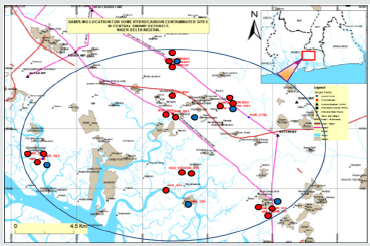
Groundwater recharge system in the study area is sourced from direct precipitation with an annual intensity of as high as 2000 – 2400mm. Water permeates the Benin formation sands to recharge the aquifers. The multi-layer aquifer system has shallow unconfined aquifers at the upper limit of the geologic units providing most of the domestic water needs of the communities’ inhabitants [6]. The water table in the area is between 0.7m to 3.5m depth and fluctuates with the prevailing land profile and season [1,25]. These aquifers are therefore vulnerable to pollution from a range of contaminants ranging from, hydrocarbon contaminant plumes, solid wastes and leachates [26,27] (USEPA, 2009) (Figure 1).
Figure 1: Location map of Study Area showing sample locations.
lupinepublishers-openaccess-journal-environmental-soil-sciences

Materials and Methods

Location and sample point positions were gotten with use of a hand held Global Positioning System device (GPS). Soil samples were collected from hand augered holes at depths of 1m, 2m, and 3m. Soil samples were duplicated while the National and international standards and methods were used during sample analyses using competent personnel and the right equipment and materials. The geographical position of the sample point is established and read off using a GPS device and recorded. Discrete Soil Samples were collected using the grab method with aid of a hand auger and water samples were also collected from boreholes drilled using percussion drilling methods. The investigation comprised drilling of 4 boreholes by cable percussion, recovered of samples and borehole logging.

Cable Percussion Boreholes

Four (4) Cable percussion boreholes were designed e.g NOWBH1, NOW-BH2, NOW-BH3 and NOW-CTR for drilling at the 4 locations - Nonwa, Sime, Norkpo and Bomu sites respectively to depths of 10m below existing ground level (bgl). Standard cable percussion boring equipment was used to produce 150mm diameter boreholes. Clean drilling techniques were employed at the sites, including the use of casing made the ground and any contaminated underlying strata in each borehole in order to avoid cross-contamination. Detailed records of the cable percussion boreholes have been produced in accordance with national and international standards. Details of the borehole installations were provided on the respective borehole records as appropriate.

Geotechnical Samples

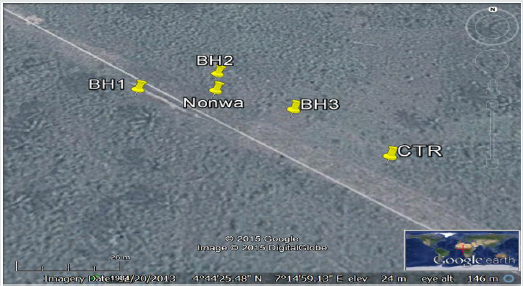
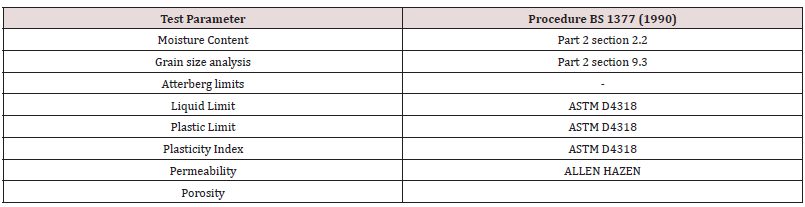
Samples for geotechnical analysis were collected in aluminium plates. This was done to ensure the integrity of the samples. The device uses an exclusive two-probe measuring system which allows both probes to be inserted into the same depth in the soil and allows the metals to be exposed to the same amount of soil providing the most effective way to consistently and properly measure soil pH. The pH was then read on the calibration and recorded. The pH and moisture meters are made of sensitive tips with and sampling devices were washed with sterilized water after each measurement. The Moisture Meter is a Brass soil moisture probe with an eightinch metal stem and Meter with 0 -10 calibrations mounted on top. The probe has a sensor at the tip and penetrates to root level. The moisture reading is then indicated is read off at the tip of the pointer needle and recorded. The analytical procedures adopted for the various parameters are APHA methods (Figure 2) (Table 1).
Figure 2: Typical Google map showing sampling point locations.
lupinepublishers-openaccess-journal-environmental-soil-sciences
Table 1: Geotechnical Parameters and Procedures of Analysis.
lupinepublishers-openaccess-journal-environmental-soil-sciences

Discussion and Results

Soil Geotechnical Analysis

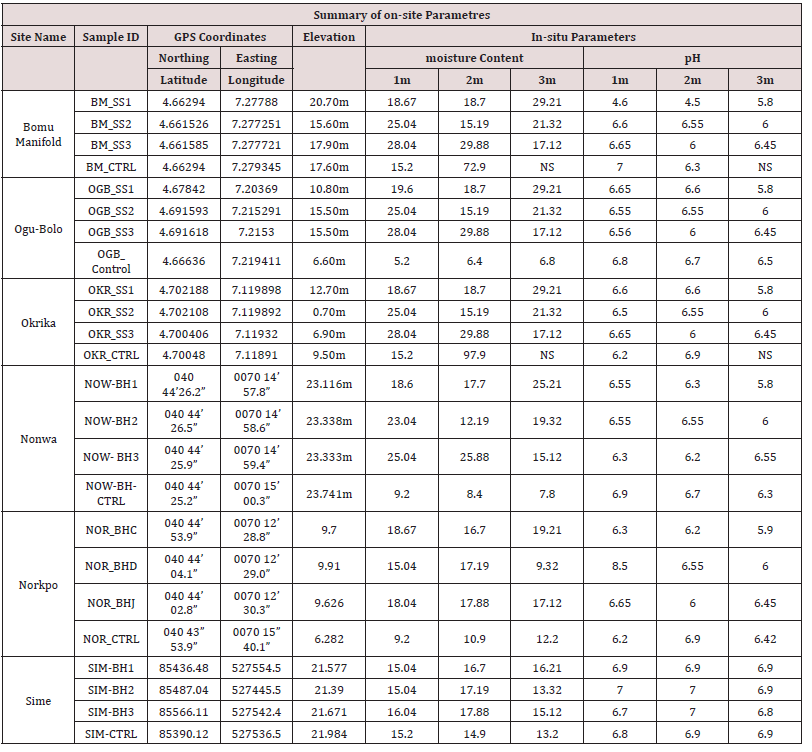
(Table 2) Hydrocarbon products when released to the environment are hazardous to the ecosystems [7]. Although it is naturally insoluble in water, it can infiltrate the soil and contaminate the groundwater. Some of the trapped hydrocarbons clog within the voids and pore spaces, making it difficult and costly to remove. These chemicals degrade the soil engineering properties and hence distort the soil behaviours. The controlling factors for soil-water system behaviour is controlled by (i) the quantity and type clay mineral (ii) nature of pore fluid, (iii) associated anions and cations (iv) organic matter. Almost all soil Properties are affected by Soil-waste interactions basically due to ion exchange or nature of pore fluid. However, it is better to consider the effects of the pollutants independently for better understanding owing to the complex nature of the effects. The effects may differ based on soil type. Pollutants have different effect on different clayey soils and these pollutants are considered based on index properties and Permeability. Atterberg limits, permeability and porosity will be discussed based on their role in contaminant transport and persistence in contaminated media (Table 3).
Table 2: Results of Physical Parameters.
lupinepublishers-openaccess-journal-environmental-soil-sciences
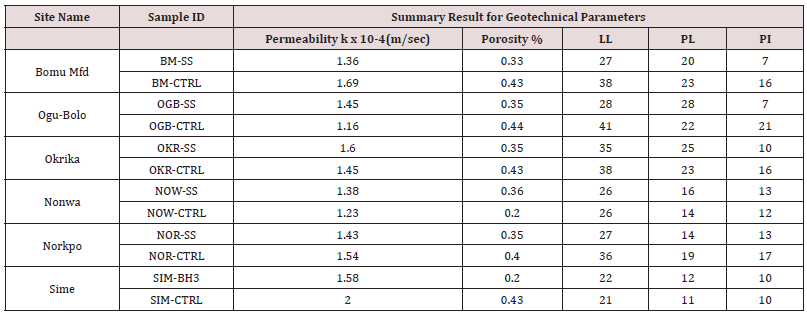
Table 3: Summary Results for Geotechnical Parameters.
lupinepublishers-openaccess-journal-environmental-soil-sciences

Soil Moisture Content

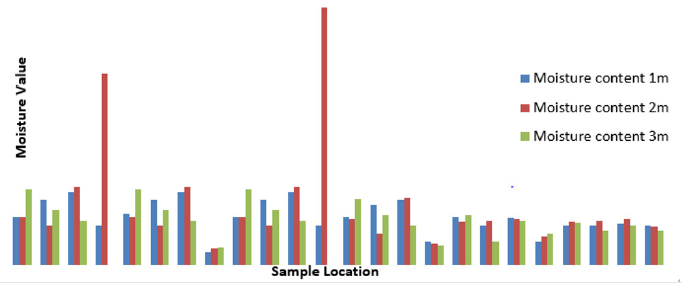
Soil moisture content values range from 5.2 to 97.9 with spikes at Okrika OKR-CTRL and BM-CTRL probably due to shallow water table encountered at shallow depth of 2.0 m. While the ave moisture level at contaminated sites was 20.08 while that of the control sites was 17.85. This slight difference in moisture could have resulted from the introduction of the fourth phase on the soil structure which possible gave rise to more water molecules adhering unto the soil grains and in effect creating an atmosphere for chemical reactions to take place in the soil. The variation also suggests higher water retention potential of contaminated soils against normal clean soil which in essence will enhance contaminant persistence in the soil. Table 2 and Figure 3 show the variation of moisture across various sites and depths.
Figure 3: Variation Chart of In-situ Soil Moisture Across Various Sites and Depths.
lupinepublishers-openaccess-journal-environmental-soil-sciences

Soil pH

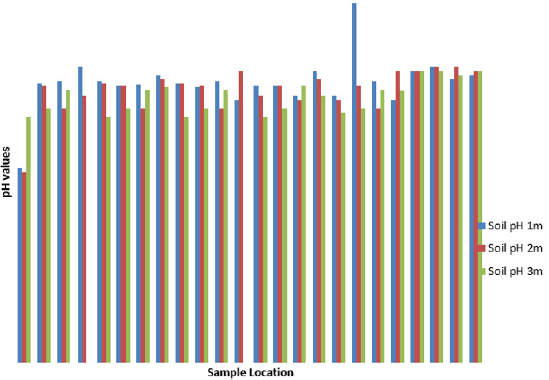
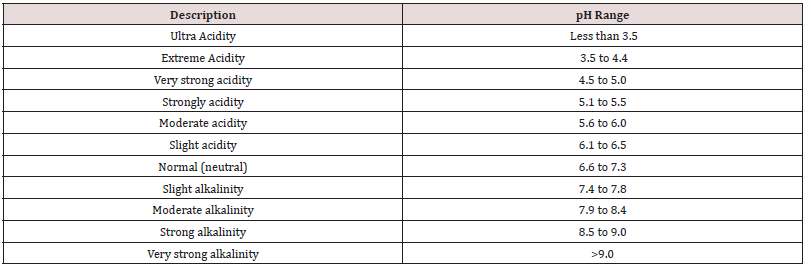
Soil acidity or alkalinity is measured using a pH scale. The device is calibrated on 0 - 14 mangitude, with 7 as the midpoint or normal. The smaller the values indicate higher levels of acidity while higher values i.e above 7, indicates increasing alkaline conditions (Table 4) (Figure 4). Bioremediation processes are significantly affected by Soil pH levels just like soil properties (physical, biological and chemical) and processes. Reduced microbial activities in contaminated soil for instance imply persistence of hydrocarbon contaminants in such soil [28]. Low pH leads to decrease in nutrition, growth, and yields of most crops. These factors improve as optimum pH levels are restored. Optimal pH range is between 5.5 and 7.0. Some plant however can adapt to pH ranges outside of the normal range. As shown in Figure 4 the soil pH values for control sites tends to normal range i.e towards 7.0 while the values for impacted sites are slightly lower.
Figure 4: Soil pH Variation across the Various Sample Points.
lupinepublishers-openaccess-journal-environmental-soil-sciences
Table 4: Soil pH Classification Range (Source: Torstensson et al. [30]).
lupinepublishers-openaccess-journal-environmental-soil-sciences
Most samples had normal soil pH ranges except BM-SS1 which indicated acidic soil conditions with ranges of 4.5-5.8. Formation of acid soils can be due to any of several processes which may include use of fertilizer, activity of plant root, rainfall and the weathering of soil minerals etc. At a petroleum impacted site as observed BHSS (Figure 4), pH readings tend to strong acidity probably due to history of prolonged hydrocarbon contamination (Zihms, et al., 2013). Small changes in pH values can induce severe changes in the sensitive biochemical environment thereby altering biological and chemical processes.

Atterberg Limits

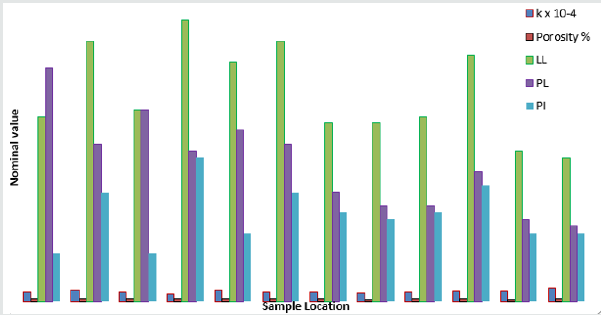
As shown in Figure 5, the general reduction in the Atterberg Limits values for the contaminated sites compared with the values at control sites. This is most likely the result of the soil degradation due to contamination at the sites. Liquid Limit is higher for control samples than contaminated sites at Okrika, Ogu-Bolo, Bomu manifold and Norkpo while Liquid Limit value for impacted site at Sime is higher than the control site and similar for Nonwa sites. This variation could be as a result of the impact of the contamination on the soil. It implies that the impacted soil has less ability to hold water than the clean soil, the flow and movement of contaminants in impacted soil will therefore be easier and faster than clean soil. The plastic limit is highest at BM-SS, OGB-SSOKR-SSNOR-SS and lowest at SIM-CTRL, NOW-CTRL, NOW-SS, OGB-CTRL and BMCTRL. Generally, hydrocarbon contamination decreases liquid limit, plastic limit and Plasticity index of the soil.
Figure 5: Soil Permeability, Porosity and Consistency Chart.
lupinepublishers-openaccess-journal-environmental-soil-sciences

Porosity

From Figure 5, Porosities and permeability values at impacted sites are generally lower than control sites. Permeability at BM-SS is lower than BM-CTRL and may be as a result of the much soil agitation due to ongoing remediation works at the time of the investigation. The impacted sections of the site have suffered some distortions and so is the soil profile. There is a generally slight reduction in porosity values at the impacted sites as shown in Figure 5 compared with the control sites. These reductions may be attributed the effects of the crude oil contamination. The control sites BM-CTRL, OKR-CTRL, NOR-CTRL and SIM-CTRL showed higher permeability values than impacted sites. These changes in soil characteristics have the capability of determining the behaviour of contaminants in the soil.

Particle Size Distribution

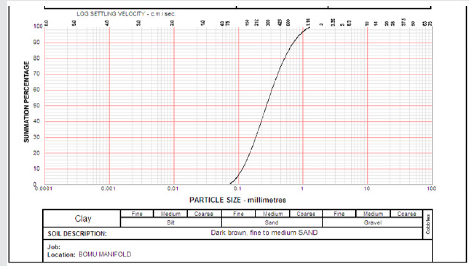
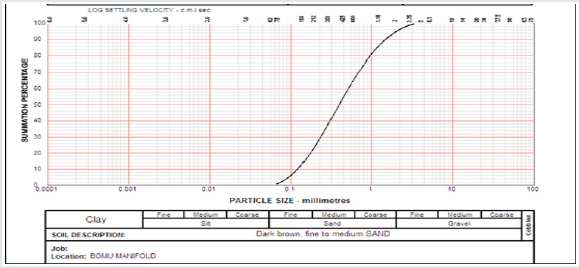
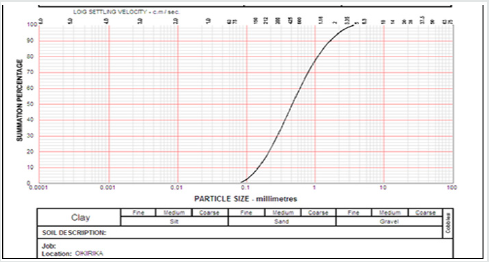
The grain sizes of soils in the area are poorly graded, from fine sands of 0.07mm sieve sizes to fine gravel sizes of 4mm sieve sizes. (Figures 6-8). This grading is typical of beach sands. The grain distribution increases as one moves towards the sea from Norkpo to Okrika indicating that the ease of contaminant infiltration into the subsurface will as well increase in that order owing to increasing permeability of the soil.
Figure 6: Soil Particle Size Distribution for Bomu Manifold.
lupinepublishers-openaccess-journal-environmental-soil-sciences
Figure 7: Soil Particle Size Distribution for Bomu Manifold.
lupinepublishers-openaccess-journal-environmental-soil-sciences
Figure 8: Soil Particle Size Distribution for Okrika.
lupinepublishers-openaccess-journal-environmental-soil-sciences

Atterberg (Consistency) Limits

The Atterberg Limits are generally lower in the impacted samples as shown in Figure 5. Liquid limit values for impacted soils range from 22-35 and control sites values fall between 21-41; Plastic limit is 12-28 for impacted and 11- 23 for control, Plasticity index is 7-13 for impacted and 10-16 for control sites. This is an indication of alteration due to the presence of contaminants in the impacted samples.

Soil Profile

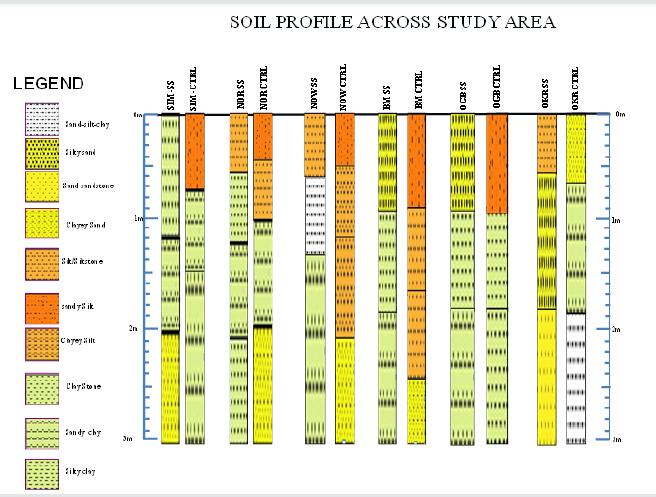
The soil profile across the study area grade from fine silty sands to fine gravel sand. The soil mixtures were as varied across the sites as shown in Figure 9. However, the soil profile up to depth of investigation is generally dominated by silts, sands and sandy clay in different proportions. This kind of soil will not be able to stop infiltration of liquid hydrocarbon product and movement of contaminated water through it will continue unhindered.
Figure 9: Soil Profile in the Study Area.
lupinepublishers-openaccess-journal-environmental-soil-sciences


Conclusion

This study revealed that the soil moisture content values range from 5.2 to 97. 9 with spikes at Okrika OKR-CTRL and BM-CTRL probably due to shallow water table encountered at shallow depth of 2.0 m. This slight difference in moisture could have resulted from the introduction of the fourth phase on the soil structure which possible gave rise to more water molecules adhering unto the soil grains and in effect creating an atmosphere for chemical reactions to take place in the soil. Most samples had normal soil pH ranges except BM-SS1 which indicated acidic soil conditions with ranges of 4.5-5.8. At a petroleum impacted site as observed BH-SS, pH readings tend to strong acidity probably due to history of prolonged hydrocarbon contamination at the site. Liquid Limit is higher for control samples than contaminated sites at Okrika, Ogu-Bolo, Bomu manifold and Norkpo while Liquid Limit value for impacted site at Sime is higher than the control site and similar for Nonwa sites. This variation could be as a result of the impact of the contamination on the soil.


The plastic limit is highest at BM-SS, OGB-SSOKR-SSNORSS and lowest at SIM-CTRL, NOW-CTRL, NOW-SS, OGB-CTRL and BM-CTRL. Generally, hydrocarbon contamination decreases liquid limit, plastic limit and Plasticity index of the soil. There is a generally slight reduction in porosity values at the impacted sites as compared with the control sites. The grain sizes of soils in the area are poorly graded, from fine sands of 0.07mm sieve sizes to fine gravel sizes of 4mm sieve sizes. The soil profile across the study area grade from fine silty sands to fine gravel sand. The soil mixtures were as varied across the sites. However, the soil profile up to depth of investigation is generally dominated by silts, sands and sandy clay in different proportions. This kind of soil will not be able to stop infiltration of liquid hydrocarbon product and movement of contaminated water through it will continue unhindered. Regular soil monitoring is recommended.

For more Lupine Publishers Open Access Journals Please visit our website:
For more Open Access Environment Journal articles Please Click Here:
To Know More About Open Access Publishers Please Click on Lupine Publishers

Tuesday, 3 September 2019

Lupine Publishers | Effect of Environment on Secondary Metabolism of Medicinal Plants


Lupine Publishers- Environmental and Soil Science


Abstract


Medicinal plants constitute main resource base of almost all the traditional healthcare systems. Most of the herbal drugs produced currently in majority of the developing countries lack proper quality specification and standards. Herbal drugs used in traditional medicine may contain a single herb or combinations of several different herbs believed to have complementary and/ or synergistic effects. Both the raw drugs and the finished herbal products manufactured contain complex mixtures of organic compounds, such as fatty acids, sterols, alkaloids, flavonoids, polyphenols, glycosides, saponins, tannins, terpenes etc. The quality of the finished product is based on the quality of the raw materials, which is again depends on mineral composition of soil, geographical area etc. As many as 35% of the medicinal plants used in Indian systems of medicine are highly cross pollinated which indicate the existence of a wide range of genetic variability in the populations of these medicinal plant species which in turn reflected in the variations in the composition of secondary metabolites. Ecological and edaphic as well as seasonal variations also cause changes in the chemical composition of medicinal plants. These facts have to be considered while developing quality parameters standards of medicinal plants and their finished products.

Introduction
While in food plants our main interest is the carbohydrate/ sugars, proteins, fats and other vitamins, in medicinal plants we look for therapeutically useful chemicals which are generally termed as secondary metabolites which are not that essential for the normal growth and development of the plants/organisms. Plants synthesize these compounds to protect themselves i.e. to adjust, adapt or defend/offend, from the hostile organisms or diseases or the environment. SMs that are useful in medicine are mostly polyphenols, alkaloids, glycosides, terpenes, flavonoids, coumarins, tannins etc. The production of secondary metabolites although controlled by genes but their specific expression is greatly influenced by various factors including biotic and abiotic environments such as climate and edaphic factors or other associated living organisms. During the course of evolution plants have evolved various physical and chemical mechanisms to protect themselves from the vagaries of nature (drought, heat, rain, flood, etc.) and also to defend or offend the predators or to protect from predators and pathogens. The most successful adaptation of plants while developing various physiological mechanisms is through the production of a variety of phytochemicals by which they were able to face both biotic and abiotic stresses and threats. In this process of defense/ offence from abiotic stress or the invading diseases causing organisms or the predators (animals, birds, insects and herbivorous animals), the plant synthesize a variety of chemical compounds. Apparently, plants produce many antioxidants for protecting themselves from the oxidative stress. These compounds are in general stored in the leaves or other parts such as, bark, hardwood, fruits, etc., so that the predators or the disease-causing organisms can be either knocked down or paralyzed or even get killed. In many cases, the production of the secondary metabolites in plant also depends on the association of other living organisms, more particularly, the plant or soil microbes. Such differential expressions of therapeutically active principles in plant on account of the above said factors appears to have known and well understood by the ancient scholars, when they gave specific instructions in the procurement of medicinal plants.

Biosynthesis

The pathways of biosynthesis are responsible for the occurrence of both primary and secondary metabolites illustrated in Figure 1. Biosynthetic reactions are energy consuming, fueled by the energy released by glycolysis of carbohydrates and through the citric acid cycle. Oxidation of glucose, fatty acids and amino acids results in ATP formation, which is a high-energy molecule formed by catabolism of primary compounds. ATP is recycled in fuel anabolic reactions involving intermediate molecules on the pathways. Whereas, catabolism involves oxidation of starting molecules, biosynthesis or anabolism involves reduction reaction. Hence, the need of reducing agent or hydrogen donor, which is usually the NADP. These catalysts are known as coenzymes and the most widely occurring is CoA made up of ADP and pantetheine phosphate. The most common pathways taken for biosynthesis are performed through the pentose for glycosides, polysaccharides; shikimic acid for phenols, tannins, aromatic alkaloids; acetate-malonate for phenols and alkaloids and mevalonic acid for terpenes, steroids and alkaloids. As showed in the Figure 1, the scheme outlines how metabolites from the process of photosynthesis, glycolysis and Krebs cycle are tapped off from energy-generating process to provide biosynthetic intermediates. By far, the important building blocks employed in the biosynthesis of secondary metabolites are derived from Acetyl-Co-A, shikimic acid, mevalonic acid and 1-deoxylulose 5-phosphate [1-8].
Figure 1: Biosynthesis scheme of plants secondary metabolites [8].
lupinepublishers-openaccess-journal-environmental-soil-sciences

Expression of Secondary Metabolites

medicinal plants are influenced by a variety of factors, which include climate/ season, edaphic conditions or the association of other plants and other living organisms [9]. Another factor that influenced the production of secondary metabolites in plants are the inter relationship between plants and the insect flora. It is now generally accepted that the flora and the insect flora in a tropical ecosystem have been co-evolving and co-adapting. Many of the medicinal plants are cross-pollinated and they need the help of pollinators. In an open area the wind could do the function, but in a canopied forest many of the shrubs and herbs growing under the big trees cannot get wind to pollinate. These plants are thus heavily depending upon the insects or even the birds to pollinate them. To attract the insects or birds the plants develop pleasant aroma (essential oils) and provide honey and pollen as food to these pollinators. Many flowers contain honey or pollen, which are the normal food of many insects and birds [10, 11]. The insects like bees and butterflies visit flowers after flowers and take honey or pollen or both. During this process they also carry pollen on their body part, which then help in pollinating while visiting other plants. Many flowers have structurally evolved flower parts to affect such pollinations by insects. These insects also multiply on plants. They lay millions of eggs and the larvae that emerge from these eggs then feed on leaves of the plants, sometimes destroying the plants altogether by over feeding. During the course of evolution, the plants began to synthesize certain toxic substance so that a good percentage of the feeding larvae could be killed [12-14]. The insect on the other hand began to develop resistance so that many of the larvae could survive. The plants on the other hand again counteracted. It is synthesizing more and more toxic compounds. This was something like the love and hate relationship between plants and the insects, which during the course of millions of years of evolutions have resulted in the synthesis of innumerable chemical compounds, mostly the secondary metabolites in plants as well as in insects [15,16].
The variability in living organisms is indeed the insurance for survival. The evolutionary origin of cross breeding was indeed a nature’s device for reshuffling of genes so that new variants could be produced. Similarly, the abiotic conditions also exerted certain influence in the plants and the plants responded by developing various chemicals [17]. In extreme drought conditions the desert exerts a kind of stress on the plants and the plants evolve by synthesizing chemicals that would help them to protect from stress induced by the desert conditions. An excellent example for this is the plant Commiphora wightii; an important medicinal plant used extensively as complimentary medicine named ‘Guggul’. The medicinal part of the plant is the gum exudates from the stem bark of living plants. This gum is traditionally collected from the desert regions of Rajasthan, Gujarat and even Afghanistan. To everyone’s surprise the chemical data of this gum revealed that it does not contain most of the active compounds. A logical explanation may be that this plant growing in a warm humid tropical forest region. It has no desert like conditions and therefore there is no question of any drought induced stress. The same plant when growing in desert has to confront drought induced stress and the plant synthesizes the stress beating chemicals. There are many similar cases that demonstrate that certain specific climatic conditions and edaphic situations are extremely important in the production of therapeutically desirable medicinal compounds. Sandalwood is another classical example. The specific aroma of sandalwood is due to the presence of certain essential oil chemicals, mostly monoterpenes and sesquiterpenes. The production of the specific aroma chemicals is fully expressed only in those sandalwood trees that grow in certain forest regions of Karnataka. The sandalwood growing in other places in India or elsewhere in the world do not have the same kind of aroma with the corresponding chemical constituents [18-20].

Importance of Secondary Metabolites

Secondary metabolites, which are a characteristic feature of plants, are especially important and can protect plants against a wide variety of microorganisms (viruses, bacteria, fungi) and herbivores (arthropods, vertebrates). As is the situation with all defense systems of plants and animals, a few specialized pathogens have evolved in plants and have overcome the chemical defense barrier. Secondary metabolites, including antibiotics, are produced in nature and serve survival functions for the organisms producing them. Secondary metabolites serve:
a) As competitive weapons used against other bacteria, fungi, amoebae, plants, insects, and large animals;
b) As metal transporting agents;
c) As agents of symbiosis between microbes and plants, nematodes, insects, and higher animals;
d) As sexual hormones; and
e) As differentiation effectors.
Although antibiotics are not obligatory for sporulation, some secondary metabolites (including antibiotics) stimulate spore formation and inhibit or stimulate germination. Formation of secondary metabolites and spores are regulated by similar factors. Thus, the secondary metabolite can:
a) Slow down germination of spores until a less competitive environment and more favorable conditions for growth exist;
b) Protect the dormant or initiated spore from consumption by amoebae; or
c) Cleanse the immediate environment of competing microorganisms during germination [21-24].

Environmental Stress and Secondary Metabolites in Plants

Environmental factors significantly affect plant growth and biosynthesis of SMs. Plant growth and productivity is negatively affected by temperature extremes, salinity, and drought stress. Plant SMs are compounds that play an essential part in the interaction of plants with abiotic stresses [25]. In addition, plant growth and development are also largely mediated by the endogenous levels of these SMs. A wide range of SMs are produced from primary metabolites such as amino acids, lipids, and carbohydrates in higher plants. Particular colors, tastes, and odors of plants are associated with SMs. Plant SMs also serve as essential sources of industrially important chemicals, flavors, food additives, and pharmaceuticals [26]. Plants accumulate such compounds in response to different signaling molecules. SM production is influenced by various environmental stresses. Environmental factors determine the synthesis and subsequent accumulation of SM. Alteration in any one factor triggers perturbations in the biosynthesis of plant SMs [27].

Differential Responses of Plants to Biotic Stress

Plants contribute a lot to this universe, but they have to face many stresses of biotic or abiotic nature. Biotic stress is a severe environmental constraint to the plant’s productivity. Biotic stress induces loss in crop yield probably more than the cumulative losses from all other factors. In any stress, the type and duration are critical for plant growth [28]. Plants use various defensive strategies to tolerate these adverse factors. Of the various defensive mechanisms, one is the production of reactive oxygen species. These defensive mechanisms against biotic stress are generated as a result of the continuous interaction between plant and pathogen [29]. Plants’ responses to biotic stress are not only the alteration in anatomical features, such as formation of a waxy cuticle, trichrome, setae, and spines, but also the production of various secondary metabolites. Such types of plant responses have been observed against bacteria, fungi, and pests. These secondary metabolites trigger different plant defense mechanisms in the form of ascorbic acid, antioxidative enzymes (peroxidase, polyphenol oxidase, lipoxygenases), salicylic acid, jasmonic acid, and Ca2+ against biotic stress and also act as toxins (terpenes, alkaloids, and phenolic compounds) against plant pathogens [30].

Engineering of Biomass Accumulation and Secondary Metabolite Production

Plants are the source of valuable secondary metabolites that are commonly used in pharmaceutical, food, agricultural, cosmetic, and textile industries [31]. Plant cell and tissue culture technologies can be established routinely under sterile conditions from explants, such as plant leaves, stems, roots, and meristems for both the ways for multiplication and extraction of secondary metabolites. In vitro production of secondary metabolite in plant cell suspension cultures has been reported from various medicinal plants, and bioreactors are the key step for their commercial production. Based on this lime light, the present review is aimed to cover Phyto therapeutic application and recent advancement for the production of some important plant pharmaceuticals [32]. The increasing commercial importance of secondary metabolites has resulted in a great interest in research focusing on secondary metabolism and finding alternative ways for secondary metabolite production. Plant cell and tissue cultures are branches of plant biotechnology and they have been introduced as alternative ways for the production of valuable secondary metabolites. Plant technology provides a continuous and reliable source for pharmaceutical phytochemicals and can easily be scaled up [33]. Therefore, plant cell and tissue cultures have a great potential to be used as an alternative to traditional agriculture for the industrial production of secondary metabolites [34,35].

Response to Secondary Metabolism to Light Irradiation

The key factors related light radiation include photoperiod (duration), intensity (quantity), direction and quality (frequency or wavelength). In response to light radiation, plants are able to adapt to the changes of circumstances by the release and accumulation of various secondary metabolites including phenolic compounds, triterpenoids and flavonoids, and many of them, have high economic and utilization value due to the well-known antioxidant property [36] (Table1).
Table 1: Photoperiod change on the content of various plant SMs [37-41].
lupinepublishers-openaccess-journal-environmental-soil-sciences
In comparison with a long day of light exposure, a short day of light exposure caused a decrease of, caffeoylquinic acids by about 40% and even an approximately double reduction in the content of flavonoid aglycones (Table 2).
Table 2: Light intensity changes on the content of various plant SMs [42-45].
lupinepublishers-openaccess-journal-environmental-soil-sciences
Camptothecin (CPT) class of compounds has been demonstrated to be effective against a broad spectrum of tumors. Their molecular target has been firmly established to be human DNA topoisomerase I (topo I). The medicinal plant Centella asiatica (L.) Urban contains mainly ursane-type triterpene saponins, the most prominent one is asiaticoside. It is now firmly established that the major bioactivities of C. asiatica leaf extracts are due to these saponins, including memory improvement, wound and vein healing, antihistaminic, antiulcer and antilepsory treatments, as an antidepressant, and as antibacterial, antifungal, and antioxidant agents. As a familiar indole alkaloid, the SM camptothecin can respond to environmental stresses and its accumulation rate can change with light irradiation conditions. It is known that overshadowing can induce biochemical changes in plants, particularly in leaves, and heavy shading of only 27% full sunlight, for example, can elevate the concentration of camptothecin in leaves of Camptotheca acuminata, whereas substantially reduce that in the lateral roots of this tree (Table 3).
Table 3: Light quality change on the content of various plant SMs [46-51].
lupinepublishers-openaccess-journal-environmental-soil-sciences
There has been considerable public and scientific interest in the use of phytochemicals derived from dietary components to combat human diseases. They are naturally occurring substances found in plants. Ferulic acid (FA) is a phytochemical commonly found in fruits and vegetables such as tomatoes, sweet corn and rice bran. It arises from metabolism of phenylalanine and tyrosine by Shikimate pathway in plants. It exhibits a wide range of therapeutic effects against various diseases like cancer, diabetes, cardiovascular and neurodegenerative. Kaempferol (3,5,7-trihydroxy-2-(4- hydroxyphenyl)-4H-1-benzopyran-4-one) is a flavonoid found in many edible plants (e.g., tea, broccoli, cabbage, kale, beans, endive, leek, tomato, strawberries, and grapes) and in plants or botanical products commonly used in traditional medicine (e.g., Ginkgo biloba, Tilia spp, Equisetum spp, Moringa oleifera, Sophora japonica and propolis). Its anti-oxidant/anti-inflammatory effects have been demonstrated in various disease models, including those for encephalomyelitis, diabetes, asthma, and carcinogenesis. Moreover, kaempferol act as a scavenger of free radicals and superoxide radicals as well as preserve the activity of various antioxidant enzymes such as catalase, glutathione peroxidase, and glutathione-S-transferase. The anticancer effect of this flavonoid is mediated through different modes of action, including antiproliferation, apoptosis induction, cell-cycle arrest, generation of reactive oxygen species (ROS), and anti-metastasis/antiangiogenesis activities. Context Catharanthus roseus (L.) G. Don (Apocynaceae) is still one of the most important sources of terpene indole alkaloids including anticancer and hypertensive drugs as vincristine and vinblastine. These final compounds have complex pathway and many enzymes are involved in their biosynthesis. Indeed, ajmalicine and catharanthine are important precursors their increase can lead to enhance levels of molecules of interest. A direct coupling of cantharanthine with vindoline to provide vinblastine is detailed along with key mechanistic and labeling studies. With the completion of a first-generation total synthesis of vindoline that was extended to a series of related analogues. The antioxidant effects of the flavonoids rutin and quercetin inhibit oxaliplatin-induced chronic painful peripheral neuropathy.

Response of Plant SMs to Temperature

The modulation of temperature to alkaloids accumulation was reported, and high temperature preferable to induce the biosynthesis of alkaloids. The total accumulation of alkaloids (morphinane, phthalisoquinoline and benzylisoquinoline) in dry Papaver somniferum was restricted at low temperature. In contrast, the total level of phenolic acids and isoflavonoid (genistein, daidzein and genistin) in soybean (Glycine max) roots increased after the treatment at low temperature for 24 h, and among which the highest increase of about 310% was observed in genistin after the treatment at 10 °C for 24 h, in comparison to the control [52,53] (Table 4).
Table 4: Temperature change on the content of various plant SMs [50,54-58].
lupinepublishers-openaccess-journal-environmental-soil-sciences
In women, aging and declining estrogen levels are associated with several cutaneous changes, many of which can be reversed or improved by estrogen supplementation. Experimental and clinical studies in postmenopausal conditions indicate that estrogen deprivation is associated with dryness, atrophy, fine wrinkling, and poor wound healing. The isoflavone genistein binds to estrogen receptor β and has been reported to improve skin changes. In vitro data has shown that the soy isoflavones genistein and daidzein may even stimulate the proliferation of estrogen-receptor alpha positive (ERα+) breast cancer cells at low concentrations. 10-Hydroxycamptothecin (10-HCPT), an indole alkaloid isolated from a Chinese tree, Camptotheca acuminate, inhibits the activity of topoisomerase I and has a broad spectrum of anticancer activity in vitro and in vivo. However, its use has been limited due to its water-insolubility and toxicity with i.v. administration. Isoprene is synthesized through the 2-C-methylerythritol-5-phosphate (MEP) pathway that also produces abscisic acid (ABA). Increases in foliar free ABA concentration during drought induce stomatal closure and may also alter ethylene biosynthesis. This first report on α-farnesene synthesis in Y. lipolytica lays a foundation for future research on production of sesquitepenes in Y. lipolytica and other closest yeast species and will potentially contribute in its industrial production. Pelargonidin chloride is an anthocyanidin chloride that has pelargonidin as the cationic counterpart. It has a role as a phytoestrogen and a plant metabolite. It contains a pelargonidin.

Response of Plant SMs to Soil Water

Water stress is one of the most important environmental stresses that can regulate the morphological growth and development of plants and alter their biochemical properties. Severe water deficit has been considered to reduce the plants growth, but several studies have demonstrated that water stress may be possible to increase the amount of SMs in a wide variety of plant species [59,60] (Table 5).
Table 5: Soil water change on the content of various plant SMs [61-64].
lupinepublishers-openaccess-journal-environmental-soil-sciences
Salidroside is isolated from Rhodiola rosea and is one of the main active components in Rhodiola species. Rhodiola rosea has long been used as a medicinal plant and has been reported to have various pharmacological properties, including antifatigue and anti-stress activity, anticancer, antioxidant and immune enhancing and stimulating sexual activity, anti-inflammation, improvement of glucose and lipid metabolism, antiarrhythmic effect, and enhancement of angiogenesis. Tanshinone IIA (Tan- IIA) is derived from the dried roots of Salvia miltiorrhiza Bunge, a traditional Chinese medicine. Although Salvia miltiorrhiza has been applied for many years, the toxicity of the mono-constituent of Salvia miltiorrhiza, tanshinone IIA, is still understudied. Molecular evidence found with cryptotanshinone for treatment and prevention of human cancer. Synthesis of the compatible solute glycine betaine confers a considerable degree of osmotic stress tolerance to Bacillus subtilis. Recent study reveals that abietic acid can be developed as a wound-healing agent.

Conclusion

SMs are the useful natural products that are synthesized through secondary metabolism in the plants. The production of some secondary metabolites is linked to the induction of morphological differentiation and it appears that as the cells undergo morphological differentiation and maturation during plant growth. It is observed that in-Vitro production of secondary metabolites is much higher from differentiated tissues when compared to non-differentiated or less –differentiated tissues. There are lots of advantages of these metabolites like there is recovery of the products will be easy and plant cultures are particularly useful in case of plants which are difficult or expensive and selection of cell lines for high yield of secondary metabolites will be easy. Many other examples could be presented with plant metabolic engineering as this research area is developing actively. Metabolic engineering is probably a large step forward but playing on the genes will not solve all the problems that have prevented the development of commercial success in the field of plant secondary metabolites. And Advances in plant cell cultures could provide new means for the cost-effective, commercial production of even rare or exotic plants, their cells, and the chemicals that they will produce. Knowledge of the biosynthetic pathways of desired compounds in plants as well as of cultures is often still rudimentary, and strategies are consequently needed to develop information based on a cellular and molecular level. Because of the complex and incompletely understood nature of plant cells in-vitro cultures, case-by-case studies have been used to explain the problems occurring in the production of secondary metabolites from cultured plant cells. Advance research has succeeded in producing a wide range of valuable secondary phytochemical in unorganized callus or suspension cultures till to date; in other cases, production requires more differentiated micro plant or organ cultures.

For more Lupine Publishers Open Access Journals Please visit our website:
For more Open Access Environment Journal articles Please Click Here:

To Know More About Open Access Publishers Please Click on Lupine Publishers

Thursday, 1 November 2018

Response of Sandy Soil Stabilized by Polymer Additives : (OAJESS)- Lupine Publishers


Traditional sandy soil stabilizers such as lime cement, fly ash and bituminous materials, etc., usually require long curing time. Hence now a day, polymer stabilizer is used more extensively because of its stable chemical property and shorter curing time. For the developing organization, it is important to judge the performance of stabilized soil during its developing stages only. This paper aims to highlight a quick and easy test to evaluate the mechanical performance of such polymer based stabilized soil. For this study, three different kinds of polymer stabilizers at developing stage were evaluated against a market ready product. The analysis of the test result include a comparison of the strength, moisture loss rate and strain energy under different curing time, polymer type, polymer additive amount and test conditions. This study shows that the strength of the stabilized sandy soil is significantly increased both under wet and dry conditions by using the polymer additives. With the procedure mentioned in the paper it was easier to identify the relative merits and demerits of each product.

https://lupinepublishers.com/environmental-soil-science-journal/fulltext/response-of-sandy-soil-stabilized-by-polymer-additives.ID.000112.php
https://lupinepublishers.com/environmental-soil-science-journal/abstracts/response-of-sandy-soil-stabilized-by-polymer-additives.ID.000112.php
https://lupinepublishers.com/environmental-soil-science-journal/pdf/OAJESS.MS.ID.000112.pdf