Thursday, 7 April 2022

Lupine Publishers | Pitfalls in the Genetic Identification of Human Remains

 Lupine Publishers | Journal of Forensic & Genetic Sciences


Abstract

DNA technology is an irreplaceable tool for the identification of human remains, but the reliability of the ante mortem reference data remains a serious concern. We present here two cases where misleading conclusions could be achieved by using only the genetic profile of the missing person's father such as reference sample. Nevertheless, when appropriate reference DNA samples (e.g., the maternal samples) became available, certain identifications were achieved as shown by the probability of maternity (> 99.999%). Thus, all these data together show that extra-pair paternity was found by the way, in both cases. Precautions to avoid misleading conclusions are addressed.

Introduction

From the beginning of PCR era it rose that DNA profiling of human remains could be an irreplaceable tool for personal identification [1]. Now, after two decades, DNA technology represents the golden standard for human identification [2], which is being used even for mass disaster [3] and mass graves victims [4]. DNA testing is, by definition, a sample-to-sample comparison, and its reliability in the identification of human remains depends from several factors, out of them the degradation of the sample [5] and the availability of the "ante mortem reference data" (AMRD) [6] play the major role.

In such cases, the ideal AMRD is represented by a genetic database (such as in the case of the Armed Forces personnel, for example). Alternatively, personal effects (tooth brushing and razors, for example) belonging to the missing subject can be used to recover genetic data from the biological traces left on them. Nevertheless, since these approaches are not always allowed, the personal identification is usually performed, in such cases, by using the DNA of the relatives/son/daughter such as reference sample. The resulting data will be then compared by following standard procedures employed in kinship analysis [7]. This report describes two cases in which misleading conclusion could be achieved by using only the genetic profile of the missing person's father such as reference sample. The genetic reasons of these undesirable results are discussed.

Description of the two cases

Case 1

The naked body of a male subject was found in this water (Gulf of Trieste, Italy; latitude 45°38'10"32 N; longitude 13°48'15"12 E) in the summer time of the 2009 [water temperature: 21°C]. Conventional identification was not possible because of the decomposition of the body. Ten days before, the father of 32 years- old man (affected by psychiatric disorders), living in the area reported his missing. Two specimens (muscle from the quadriceps and patellar ligament) were collected during the autopsy and underwent genetic typing by using the AmpF/STR® Identifier™ PCR Amplification Kit (Applied Bio system) [8]. Identical full profiles were produced from the two samples of the unidentified body (UB). As reference sample, only the missing person's father (MPF) sample (saliva swab) was available at that time. The comparison of the two profiles (UB vs MPF) showed allelic matches in 10 out of the 15 loci tested. Therefore, this result could exclude in see the identification of the UB.

Few weeks later, a saliva swab was collected from the missing person's mother (MPM) and processed as reported above. The comparison of the two genetic profiles (UB vs MPM) showed allelic matches in 15 out of the 15 loci tested. A LR (likelihood ratio) value of 135,501,461 (corresponding to a probability of maternity of 99.999999%) was then found. Therefore, the identification of the body was achieved.

Case 2

A skeleton was found in a cave in the autumn of the 2013 near the boundary line of Tarvisio (Italy; latitude 46°30'20" N; longitude 13°35'12" E). The skull showed signs of a violent trauma probably caused by a blunt object, suggesting the hypothesis of a murder. No document was found in the clothes. About a year before, an unattended truck was found in the Customs-station of the Italy- Austria border. In addition, in the same days, the missing of its truck driver, a 42 years-old Lithuanian man, was reported.

Two bone samples (BS) were collected at the autopsy and underwent genetic typing by AmpF/STR® Identifier™ PCR Amplification Kit (Applied Bio system) [8] and Y-Filer™ PCR Amplification Kit (Applied Bio system) [8]. Full "consensus profile" [9] was achieved for the autosomal markers while partial "consensus profile" (11 out of 16 loci) was achieved for the Y-specific ones. In addition, the use of the YHRD (Y-Chromosome STR Haplo type Reference Database) [10] showed that the haplo type of the skeletal remains (SR) was already found once (in 69, 064 samples) just in Lithuania, thus suggesting that the skeletal remains could belong to the missing truck driver. Initially, the Scientific Police of the Republic of Lithuania provided only Y-specific haplotype of the truck driver's father (TDF) such as reference samples. Since the comparison of the two haplotypes (SR vs TDF) showed 3/11 matches, an exclusion judgement could rise. Few months later, the autosomal genetic profile of the truck driver mother's (TDM) was available for further analysis. The comparison of the two genetic profiles (SR vs TDM) showed allelic matches in 15 out of the 15 loci tested. A LR (likelihood ratio) value of 794,665 (corresponding to a probability of maternity of 99.999874%) was then found. Therefore, identification of the skeletal remains was achieved.

Discussion

We present two cases where misleading conclusions could be achieved by using only the genetic profile of the missing person's father such as reference sample. The first sample-to-sample comparisons, in fact, excluded the identity of the human remains, in both cases. Nevertheless, when appropriate reference DNA samples (e.g., the maternal samples) became available, the probability of maternity was shown to be >99.999 % and therefore proving the identity of the human remains. Thus, all these data together show that extra-pair paternity was found by pure chance, in both cases.

DNA technology is an irreplaceable tool for the identification of human remains [1-6,8,9] but the reliability of the reference samples remains a relevant concern since the frequency of extra-pair paternity is estimated to be about 1% [11]. In our experience, which records less than one hundred cases of identification of human remains, even a case of illegal adoption was found by the way [12]. It is therefore advisable that all these aspects are considered in the forensic practice.

Read More About Lupine Publishers Journal of Genetic & Forensic Sciences Please Click on Below Link:
https://forensic-journal-lupine-publishers.blogspot.com/

Wednesday, 6 April 2022

Lupine Publishers| Cefpodoxime Proxetil and its By-Products: A Comparative Study as Per EP-7

 Lupine Publishers| Journal of Medical Sciences


Abstract

Cephalosporins are the highly used Broad-spectrum antibiotics, belong to β-lactam class. Cephalosporins resemble penicillin in that they have a β-lactam structure, but the five-member thiazolidine ring characteristic of the penicillin is replaced by a sixmember dihydrothiazine ring. The bactericidal action of beta lactam antibiotics is directly attributable to their ability to react with PBP’s. The research work relates to a by-products during process for the industrial manufacture of Cefpodoxime Proxetil. The drug is registered in USP and belongs to 3rd generation drug. It was discovered by Brotzu in fungus Cephalosporium Acremonium which produces a chemical which show antimicrobial activity. Abraham isolated the three fragmentation patterns of cefpodoxime proxetil. Data from this systematic study will help improve the safety and quality of cefpodoxime proxetil types of cephalosporin antibiotics cephalosporin P, cephalosporin N, cephalosporin C.7-ACA is widely used as the substrate for synthesizing cephalosporin antibiotics. Modification of the 7-ACA side-chains resulted in the development of useful antibiotic agents, and the first agent is Cephalothin (cefalotin) was launched by. Eli Lilly Company in 1964 There are many patents which gives the procedure of Synthesis of Cefpodoxime ProxetilStability of three Cefpodoxime proxetil products available in indian market at fridge temperatures (2-8 °C), room temperature (25 °C) and elevated temperature (42 °C). Flow properties, rheological and the physicochemical parameters of both powder and reconstituted powder were used to evaluate the stability of different brands of Cefpodoxime proxetil available in india. The powder of stability samples was eluted through a C18 column with formic acid-methanol-water as the mobile phase. In total, 15 impurities were characterized in commercial samples, including 7 known impurities and 8 new impurities. The structures of these unknown compounds were deduced via comparison.

Introduction

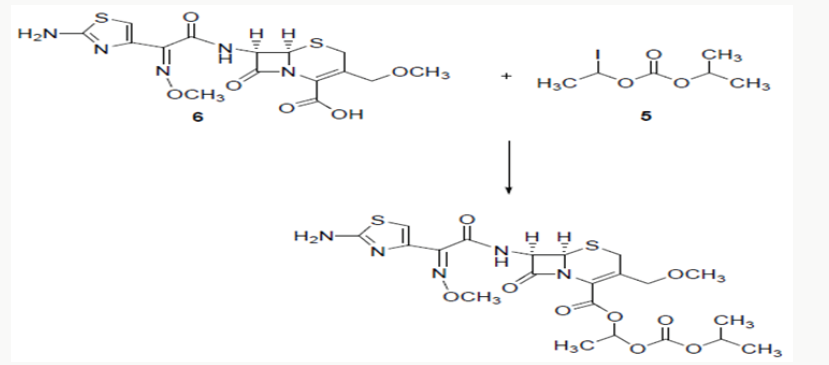
Scheme 1: Synthesis of cefpodoxime proxetil [1].
Lupinepublishers-openaccess-biomedicalengineering-biosciences

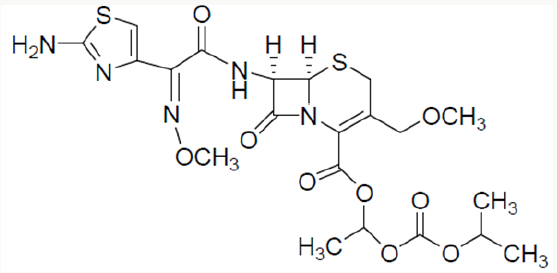
Cefpodoxime proxetil1 is chemically known as 1-(isopropoxycarbonyloxy) ethyl (6R,7R)-7-[(Z)-2--(2-amino-4- thiazolyl)-2- (methoxyimino)acetamido]-3-methoxymethyl-3- cephem-4-carboxylate. Cefpodoxime proxetil is a potent antibiotic and is of great therapeutic interest in the treatment of acute bronchitis, exacerbations, pneumonia, sinusitis, recurrence of chronic tonisillitis, pharyngitis and acute otitis media. Several methods have been reported in the literature2-4 for the synthesis of cefpodoxime proxetil [1]. Cefpodoxime acid (6) is treated with 1-iodoethyl isopropyl carbonate (5) to produce cefpodoxime proxetil 1, as shown in scheme 1. 1-iodoethyl isopropyl carbonate (5) is prepared5-7 from 1-chloroethyl chloroformte 2, as shown in scheme 1. 1-chloroethyl chloroformate (2) is reacted with isopropanol in presence of a base to produce 1-chloroethyl isoprpopyl carbonate (4). 1-chloroethyl isoprpopyl carbonate (4) on further treatment with sodium iodide results 1-iodoethyl isopropyl carbonate (5).

Cefpodoxime proxtil is a cephalosporin class of antibiotic used for the treatment of bacterial infection. It consists of eight steps namely Methoxilation, condensation side chain formation, work up charcolisation, crystallization and drying [2]. Stage 1: Methoxylation of 7-ACA is carried out with methanol and BF3 complex at low temperature. filter and pH of the filtrate is adjusted with TEA to get 7-AMCA (Stage-I). Stage 2: 7-AMCA is condensed with MAEM in presence of methanol and TEA. By product is removed by filtration. Filtered mass is treated with activated carbon. Product is isolated by adjusting its pH with sulphuric acid. It is centrifuged, washed with acetone and dried at 45 °C to get Cefpodoxime acid. Stage 3 1-Iodoethyl isopropyl carbonate is further subjected to condensation with the Cefpodoxime Acid in the presence of dimethyl acetamide using the 1,8- Diazabicyclo [5,4,0] unde-7-ene (DBU) as a catalyst which on further workup with water & washing with sodium thiosulfate & sodium chloride ethyl acetate, cyclo hexane and treatment with Methanol & EDTA & its further crystallization using the ammonia solution for pH adjustment yields the Cefpodoxime Proxetil 10.

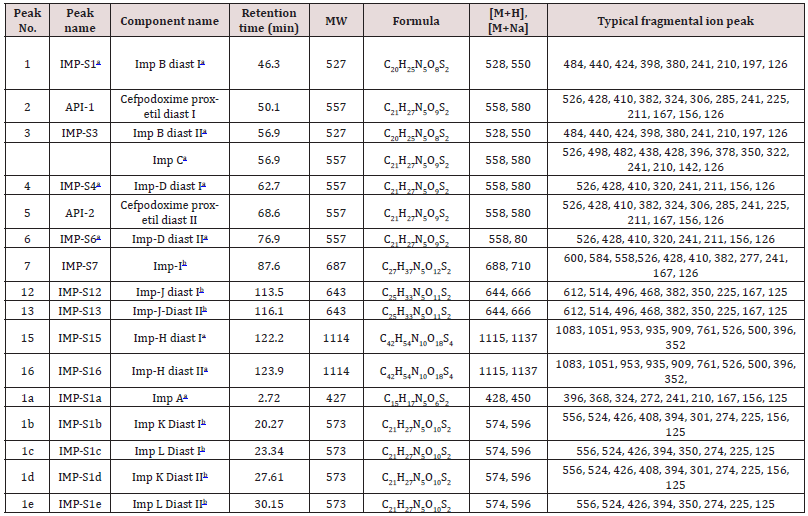
Cefpodoxime proxetil an oral, broad-spectrum third generation cephalosporin antibiotic. It has in vitro activity against many common Gram-positive and Gram-negative pathogens associated with common pediatric infections, so it is a useful option for empirical therapy. It is listed in the United States Pharmacopeia 36th Edition, the European Pharmacopeia 7.0 Edition and the Japanese Pharmacopeia 15th Edition. Different analysis methods have been developed and compared to measure impurities and degradation products. Fukutsu et al. identified three degradation products of cefpodoxime proxetil by high-performance liquid chromatography-hyphenated techniques. However, ICH guidelines Q3A require that all impurities (from processing and degradation) be identified above a certain threshold. Yet, currently, a systematic study for identifying cefpodoxime proxetil impurities is not available11-12. Hence, we focused on identifying unknown process impurities and degradation products in cefpodoxime proxetil using a chromatographic system from the European Pharmacopeia 7.0 Edition using liquid chromatography with diode array detection (LC-DAD), multiple stage mass spectrometry (MSn), and liquid chromatography-high-resolution mass spectrometry (LC-HRMS) methods along with stress degradation tests, degradation and mass fragmentation mechanisms of cephalosporins, and related synthesis processes. These studies will inform future quality control and safety of cefpodoxime proxetil products. We characterized 15 impurities including 4 new degradation products and 4 new process impurities, along with 7 known impurities as identified in the European Pharmacopeia. We would discuss these as well as the most likely cause of their appearance and the mass fragmentation pathways of the impurities.

Stability of a pharmaceutical product may be defined as the capability of a formulation in a specific container/closure system to remain within its physical, chemical, microbiological, toxicological, protective and informational specifications [3]. Although there are exceptions, 90% of the labelled potency is generally recognized as the maximum acceptable potency level [4]. Thus, stability study maintains the product quality, safety and efficacy throughout the product shelf-life [3]. The stability of pharmaceutical products depends on many factors, such as stability of the active pharmaceutical ingredient, the potential interaction between the active ingredient and the excipient, the dosage form, the storage condition, handling and length of time between manufacture and final usage. Although factors like environmental influence like light, moisture and heat are important in stability study of pharmaceutical products [5]. Dry powders for oral suspension are powder mixtures which require reconstitution at the time of administration mostly for paediatric use [6]. We therefore investigated the effect of temperature on the physicochemical characteristics of some oral re constitutable Cefpodoxime proxetil dry powder and suspension available in Nigerian pharmaceutical market and also to be able to select and recommend the best from the series of possible choices. This study specifically aimed to achieve these objectives by applying a simple, accurate and less time-consuming validated UV spectroscopic method for the quantification of Cefpodoxime proxetil in samples subject to variable storage conditions, thus their physicochemical stability assessment over a period of time. Three brands of Cefpodoxime (40mg/5mL, 50 mg/5mLl and 40 mg/5mLl) containing 800 mg, 1000 mg and 800 mg respectively for reconstitution in water for oral use were used in this study. The brands used (A: Innovator product, B: Generic product-Indian origin, and C: Generic product Indian origin) [7-10].

Physical properties determination18-19 The samples (reconstituted and non-reconstituted) were evaluated for physical stability by determining the aesthetic appeal (odour, taste, colour and texture), sedimentation volume, ease of re-dispersion, viscosity, particle size, flow rate, angle of repose, bulk density, tapped density, compressibility index and Hausner’s ratio as applicable. All parameters were performed in triplicate 13-15. Powder material and degradation products under different forced degradation conditions: 60 °C water bath degradation; high-temperature degradation; oxidative degradation, UV degradation; and, UV+ oxidative degradation). Acetonitrile was purchased from Thermo Fisher Scientific. Formic acid (98.0%) was supplied by Sigma- Aldrich Co. Ltd. and analytical-grade hydrochloric acid (HCl), NaOH and (H2O2, 30%) Merck A milli-Q (Millipore, Billerica, MA) was used to further purify glass-distilled water. RS (Batch17-201802, containing 95.9% of cefpodoxime, India.

Reference standard and sample solutions preparation

Approximately 3mg of cefpodoxime proxetil systematic RS was transferred to a 10mL volumetric flask, and dissolved in 10mL of a mixture of water, acetonitrile and acetic acid (99:99:1, v/v/v). This was the systematic RS solution. Next, 3mg of cefpodoxime proxetil impurity H RS was added to a 10mL volumetric flask and dissolved in 10mL of a mixture of water, acetonitrile and acetic acid (99:99:1, v/v/v). This was the impurity H RS solution. Then, cefpodoxime proxetil capsule contents (50mg) were dissolved in 50mL of a mixture of water, acetonitrile and acetic acid (100%) (99:99:1, v/v/v) [11-13]. This was the sample solution. Cefpodoxime proxetil bulk material (50mg) was dissolved in 50mL of a mixture of water, acetonitrile and acetic acid (99:99:1, v/v/v). This was the forced degradation stock solution.

Instrumentation

The LC/MS system consisted of a 3201 S1-2 binary pump, a 3202 S1-2 vacuum degasser, a 3014 S1-2 column heater, a 3012 S1-2 column switch system, a 3133 S1-2 sampler from SHISEIDO (Tokyo, Japan), an Accela PDA detector (Thermo Fisher Scientific Inc., Waltham, MA) and a 3200Q TRAP mass detector (Applied Biosystem Inc., California), controlled by Analyst® software (version 1.5.1).

Forced degradation study

The forced degradation stock solution was transferred and degraded under acidic, basic, 60 °C water bath, oxidative, UV and high-temperature conditions, separately.

Acid degradation solution

About 5mL of stock solution was transferred into a 25mL volumetric flask. Then, 2mL of 0.1mol/L hydrochloric acid was added. This mixture could stand for 2h, and then the acidic solution was neutralized with 2mL of 0.1 mol/L sodium hydroxide. Base degradation solution: About 5mL of stock solution was transferred into a 25mL volumetric flask and 2mL of 0.1mol/L sodium hydroxide was added and maintained for 2h. The basic solution was then neutralized with 2mL of 0.1mol/L hydrochloric acid16. Oxidative degradation solution: About 5mL of stock solution was transferred into a 25mL volumetric flask. Then, 1.0 mL of 10% hydrogen peroxide solution was added. This mixture was maintained for 2 h. Water bath degradation solution: About 5mL of stock solution was transferred into a 25mL volumetric flask. This solution was kept in a 60 °C water bath for 45min, and the solution could cool to room temperature. UV degradation solution: About 10 mL of stock solution was placed under UV light (254nm) for 12h. Hightemperature degradation solution: About 100mg of cefpodoxime proxetil bulk material was placed in an oven at 60 °C for 2h. Then 10mg of the above sample was transferred into a 10mL volumetric flask. The sample was dissolved and diluted with a mixture of water, acetonitrile and acetic acid (99:99:1, v/v/v).

Chromatographic Conditions

The analysis was carried out on a Kromasil 100-5 C18 column (4.6 mm×150 mm, 5 μm-particle diameter). Mobile phase A contained formic acid-methanol-water (1:400:600, v/v/v). Mobile phase B contained formic acid-methanol-water (1:50:950, v/v/v). UV detection was at 254nm and the flow rate was kept at 0.6mL/ min. Column oven temperature was 25 °C and the data acquisition time was 165min. The pump mode was gradient, and the program was as follows, time (min)/A (v/v): B (v/v); T0.01/95:5, T65.0/95:5, T145.0/15:85, T155.0/15:85, T155.1/95:5, and T165.0/95:5.

Mass Spectrometry

Tuning and MSn investigation of cefpodoxime proxetil and impurities was carried out using the following optimized MS conditions16 ,17:

a) Electro spray ionization: (EPI) positive ionisation mode, decluster potential (DP) 50 V, entrance potential (EP) 10 V, collision energy (CE) 40 V, curtain gas: 20.0 L/h. Ion source gas 1: 65.0 L/h, ion source gas 2: 60.0L/h, ion spray voltage (IS): 5500 V, temperature (TEM): 500.0 °C, and Interface heater. Enhanced MS (EMS) and enhanced product ion (EPI) spectra were acquired from m/z 50 to m/z 1200 in 0.1 amu steps with dwell time of 2.0 s. Analyst software (version 1.5.1) was used for data acquisition and processing. Molecular weights of each component were deduced using protonated.

b) Molecular ions- ([M+H]+) and were confirmed using minor adduct ions of [M+Na]+ and [M+K]+ peaks: High resolution-mass spectrum (HR-MS) investigation was accomplished with a dual gradient Ultimate 3000 HPLC system (Dionex Inc., Sunnyvale, CA) equipped with a LTQ Orbit trap XL high resolution mass spectrometer (Thermo Fisher Scientific Inc.) with the following MS conditions: positive ionization mode, FT cell recording window from m/z 100 to 1200, and resolution 60,000. Data processing was performed using Perl script (Quant Merge) software.

Results and Discussion

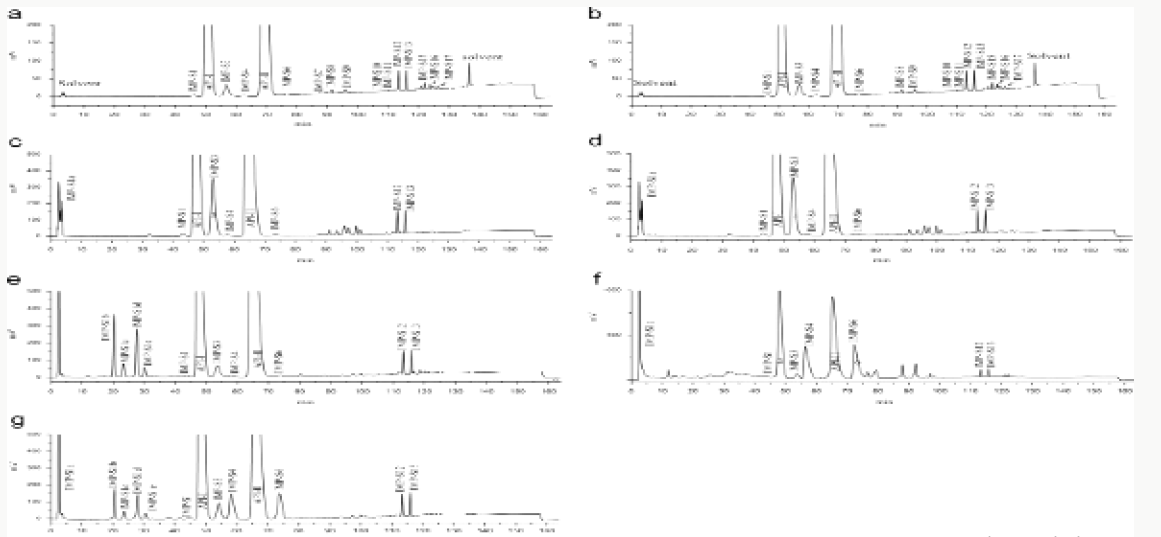
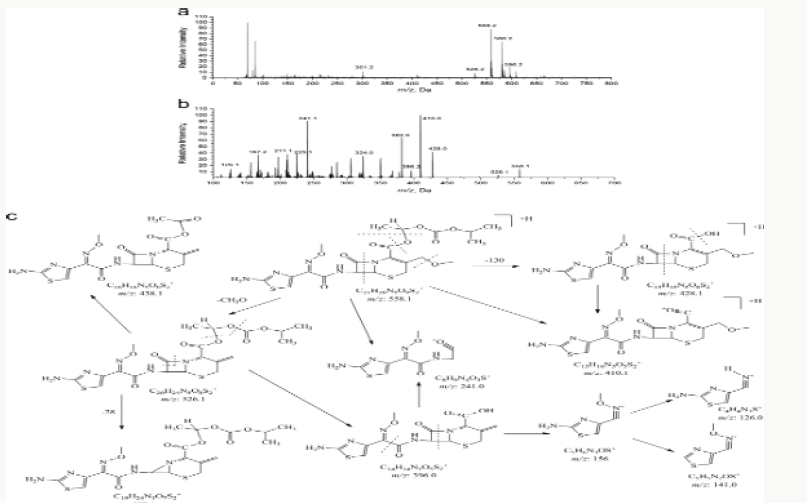
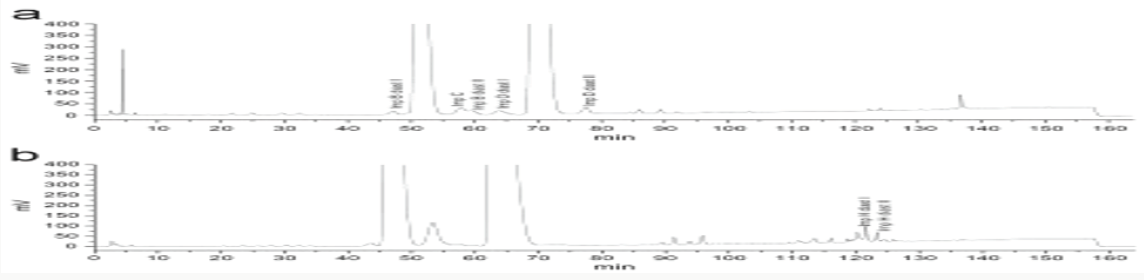
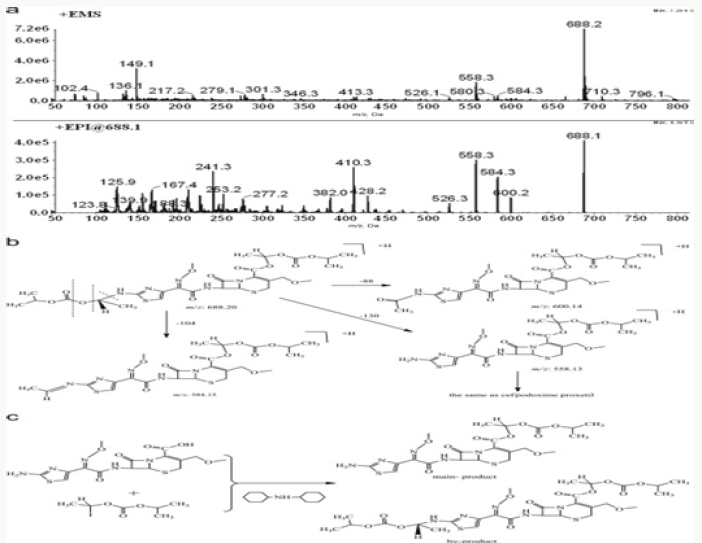
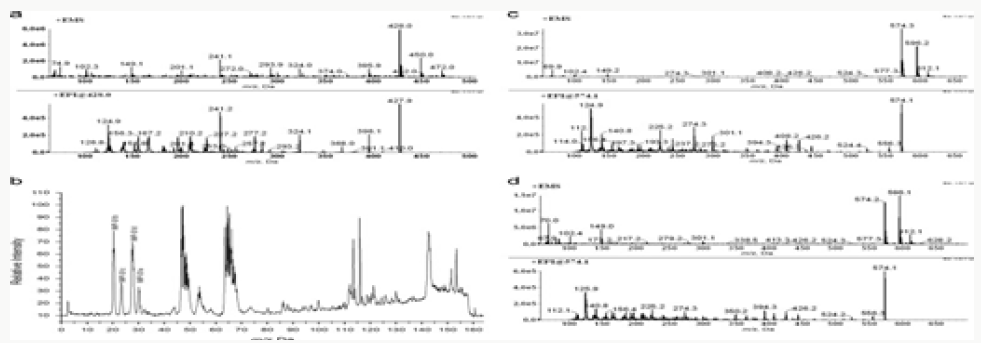
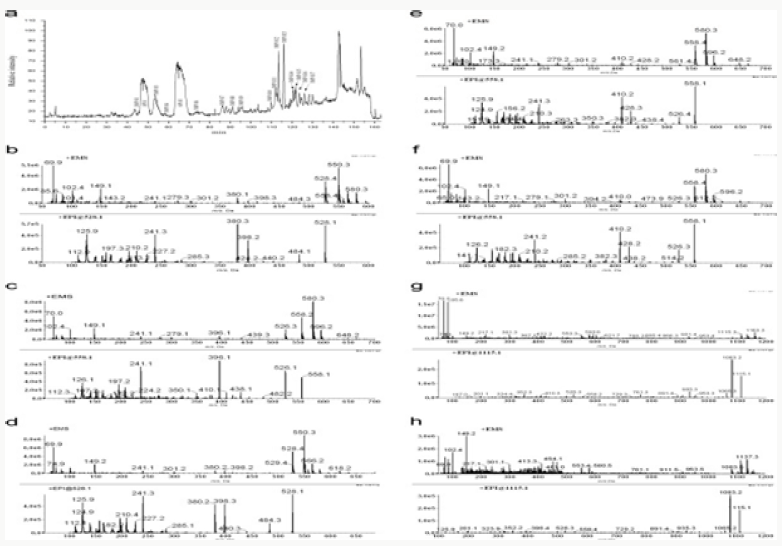
Impurity analysis by HPLC- Bulk materials were analyzed using the HPLC-DAD FIG a and b) and 15 impurity peaks were detected from the two samples. All 15 impurities originated from cefpodoxime proxetil bulk material. To determine the source of impurities, cefpodoxime proxetil bulk material was degraded under alkaline, acidic, 60 °C water bath, oxidation, hightemperature, and UV irradiation conditions, based on published cephalosporin degradation conditions. Typical chromatograms for the different forced degradation conditions are shown. Mass fragmentation pathway of cefpodoxime proxetil Understanding cefpodoxime proxetil fragmentation pathways can help identify impurity structures. Cefpodoxime proxetil was analyzed in positive ion mode firstly by direct flow injection using a methanol/water (1:1) mixture as the solvent through MSn. Mass spectra and the cefpodoxime proxetil mass fragmentation pathway are shown in Figures 1-3. The primary reason why drugs are formulated as a suspension for reconstitution is inadequate chemical stability of the drug in aqueous vehicle [14]. In this study we investigated the effect of temperature on the physicochemical characteristics of some brands of oral re constitutable Cefpodoxime proxetil to determine their stability profile. All the samples were within the expiry period and registered with appropriate drug regulatory agency in India. The colours of the un reconstituted product varies from off white to cream colour (sample “A”) and yellow to brown (sample “B’’) in spite of the fact that sample “C” maintaining its cream colour all through the duration of the study. The colours of individual sample depend on other formulation excipients. The reconstituted samples were banana flavoured, sweet with smooth texture. Chemical stability was analyzed through the drug content assay and by chromatography for possible degradation product of active drug (Cefpodoxime proxetil). The percentage of the labelled claim of the non-reconstituted samples decreased with time, across the different samples and at different storage conditions. Product “B” had the least percentage content across all storage conditions used (Figures 4-6).

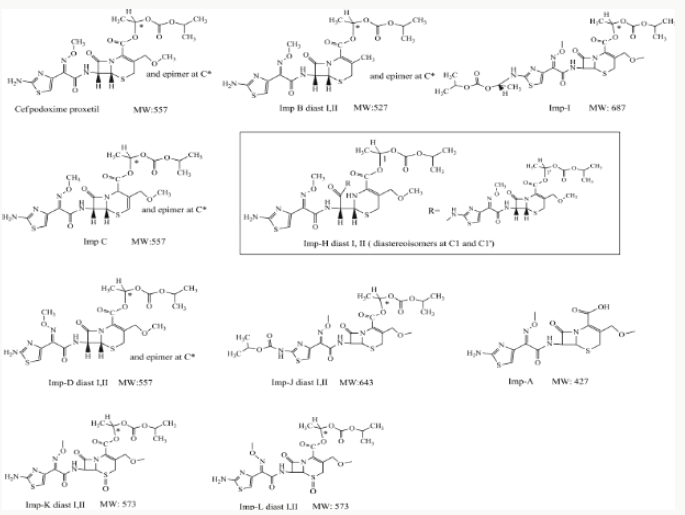
Figure 1: structure of cefpodoxime proxetil [1].
Lupinepublishers-openaccess-biomedicalengineering-biosciences

Figure 2:

Lupinepublishers-openaccess-biomedicalengineering-biosciences

Figure 3:

Lupinepublishers-openaccess-biomedicalengineering-biosciences

Figure 4:

Lupinepublishers-openaccess-biomedicalengineering-biosciences

Figure 5:

Lupinepublishers-openaccess-biomedicalengineering-biosciences

Figure 6:

Lupinepublishers-openaccess-biomedicalengineering-biosciences

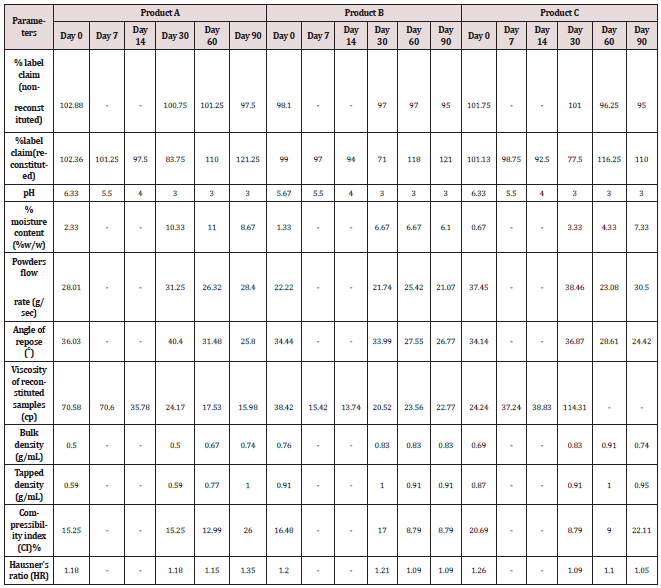
The drug content of samples in the refrigerator were within the USP specification for the duration of the study, except Product “B” whose drug content could not meet the specification on day 90 at room temperature [15]. Degradation of Cefpodoxime occurs either acidic, alkaline, oxidative, photolytic stabilities or combination thereof, but in this study as a result of the type of dissolution medium and the ester functional group present in the drug one is tempted to say hydrolysis must have play an important role in the degradation of Cefpodoxime proxetil [16]. The decrease in drug content of the samples as the sample ages for the non-reconstituted samples were reversed on day 60, across all brands and storage conditions. The chromatographic analysis of the reconstituted products showed two distinct retention factor values on days 60 and 90 (Tables 1 and 2). The implication of this is that before/on day 60 another product (possibly the degradation product) has been formed which possibly might have a similar wavelength of maximum absorption close to that of the pure Cefpodoxime proxetil, thereby increasing the absorbance value obtained and therefore the corresponding increase in the calculated amount of the Cefpodoxime present in the samples (Further research is ongoing in our laboratory to characterize the product that gave the second Rf value) (Figures 7-10). Changes in concentration may be caused by the mechanisms associated with hydrolytic decomposition and higher temperatures during the long period of storage [17].

Figure 7:
Lupinepublishers-openaccess-biomedicalengineering-biosciences

Figure 8:

Lupinepublishers-openaccess-biomedicalengineering-biosciences

Figure 9:

Lupinepublishers-openaccess-biomedicalengineering-biosciences

Figure 10:

Lupinepublishers-openaccess-biomedicalengineering-biosciences

Table 1: Physico-chemical parameters at refrigerator temperature (2 °C-8 °C/40% Rh).

Lupinepublishers-openaccess-biomedicalengineering-biosciences

Table 2: Physico-chemical parameters at room temperature (25 °C/60% Rh).
Lupinepublishers-openaccess-biomedicalengineering-biosciences

Weakly acidic or basic drugs show good solubility because of ionization and thus their degradation rate is faster. For the reconstituted samples, the pH decreases as the suspension ages across all the storage conditions and brands (Tables 3). The decrease in pH value is expected Cefpodoxime being an ester which readily hydrolysed in water to form carboxylic acid, though the acid produced is either poorly soluble or it exceed its solubility product thereby leading to product colour change or cloudiness [18]. This explains the colour changes earlier discussed. Most disperse systems are stable over a pH range of 4-8. The pH of the sample decreases as the samples ages. Products “A” and “C” have similar pH variation, although the pH of product “B” (3.00) deviate from the standard pH range stated above as early as day 14 at elevated temperature while, the pH values of products “A” and “C” only deviated from the standard range on day 60 across the storage conditions. The three brands evaluated were banana flavoured and sweet to taste throughout the duration of the study for refrigerated and room temperature conditions while the taste turned sour on the 30th day for all the brands at elevated temperature. Sour tastes rely on ion current to conduct the taste signal, thus stronger ionic taste. Recall that hydrolysis of Cefpodoxime lead to more ionic degradation products. Particle size has profound effect on the dissolution of a formulation. The bigger the particle size the lower the dissolution rate and the less intense the taste of the particle. The particle sizes for products “A” and “C” were similar and significantly smaller than that of product “B”. Within the first 30 days of this study all the reconstituted samples were of smooth and sticky texture except for those kept in the refrigerator which is smooth. The increase in temperature at both room and elevated temperature might have increase the kinetic energy of the individual particles of the molecules, thereby leading to an increase in their rate of collision which resulted in the samples being sticky.

Table 3:
Lupinepublishers-openaccess-biomedicalengineering-biosciences

Conclusion

The purpose of stability testing is to provide evidence on how the quality of a drug substance or drug product varies with time under the influence of a variety of environmental factors, and it enables us to predict the storage condition, predict the period in which the product should be re-tested and finally determine the product shelf life. This research studied three brands of Cefpodoxime proxetil poeder (Products A, B and C) at potential temperature of exposures, which shows that the refrigerator temperature condition (2 °C -8 °C/40% Rh) is best for storing the reconstituted suspensions and the non-reconstituted samples is best stored at room temperature condition (25 °C/60% Rh). Product A showed a very good chemical, physicochemical and physical stability profile over time when compared with Product B and Product C. Thin layer chromatography show the presence of the degradation product after prolonged storage which underscores the importance of manufacturer instruction for storage and disposal of the product after usage. The increase in the absorbance of the reconstituted suspension after day 30. The impurities in commercial cefpodoxime proxetil samples were characterized based on MS/MS fragmentation pathways and chromatographic behaviours. In total, 15 impurities were detected in the sample. Based on published cephalosporin degradation mechanisms, stress tests were designed and performed. The data showed that four impurities were degradation products and 11 impurities originated from the synthesis process. In addition, five impurities were potential degradation products. Seven known impurities were accurately elucidated by comparison with the mass spectra of the systematic RS and impurity H RS. Eight new impurities were elucidated for the first time based on the synthesis process and the mass fragmentation pathway of cefpodoxime proxetil. The remaining five synthetic impurities were not characterized by MS/ MS methods because they were in very low concentrations. This systematic study to identify impurities in cefpodoxime proxetil samples will assist us to improve its quality and safety. Note: These impurities are reported in European Pharmacopeia 7.0.b-These unknown impurities are characterized for the first time.

Read More About Lupine Publishers Journal of Medical Sciences Please Click on Below Link: https://lupine-publishers-medical-sciences.blogspot.com/

Monday, 4 April 2022

Lupine Publishers| Doctors should be paid more

 Lupine Publishers| Journal of Medical Sciences


Abstract

Only by increasing productivity can earnings be increased. This applies to doctors as much as all trades. Better techniques enable diseases to be cured that have hitherto been impossible by traditional methods. By these means, a doctor can heal more patients more easily. Thus, a doctor can earn more, and patients be charged less.

Introduction

In every country, a medical doctor is highly respected and usually paid double the average wage and often much more especially if they can be self-employed and charge the patients directly. Governments and insurance companies always control the medical providers. Doctors are seen as having the power of life and death over people and this is feared by politicians who seldom understand medicine. So long as students continue to apply to medical schools, the renumeration is settled by supply and demand. If there are enough doctors, the pay must be enough. If doctors left the profession and fewer students enrolled, the pay would be increased to attract more.

All this assumes that a doctor is able to restore health and postpone death. Longevity has increased, so doctors and the medical industry claim to be earning their keep. But is living longer a result of what a doctor can do when called upon to stop an illness? What about the improvements in sanitation that happened over a hundred years ago in the modernised countries and are being installed now in emerging countries. Soap does more to maintain health than aspirin. It has to be said that a headache is never the result of an aspirin deficiency [1]. Plumbers contribute more to health than doctors. Some can earn as much as doctors by working hard and taking on unpleasant jobs. To become a doctor requires more study and expense than ever faces an apprentice plumber and the skills are different.

The makings of a doctor

Think back to school days. Those who passed exams all had good memories. They may have lacked imagination but when it came to remembering names and dates, they had total recall and that is all an exam tested. Medical students are similarly tested on their memory [2]. Now ask whether a good memory is more important than an instinct for asking the right questions when it comes to puzzling out what the cause of an illness is. Having learned a lot of case histories, a doctor may remember that what he sees in the clinic is the same as reported in a text book and on that basis prescribes drugs which should help. That, unfortunately, is not good practice and usually supplied with the advice, “If you don’t feel better in a few days, come back and we’ll try something else.” Whether the medicine works or not, the doctor gets paid. By contrast, if the new toilet did not flush, the plumber would not be paid until it worked properly.

A doctor’s priority

The doctor will have provided the patient with a medicine that can be justified as correct by reference to existing practice. It will have been used before and tested. Whether the circumstances are the same, one can never be sure but at least the uncertainties are limited if the drug, and it usually is a drug, has been around long enough to be well tested. This is all about legalities. The doctor’s first responsibility is to protect himself and his colleagues. It is not about doing the best for the patient.

A patient who has not been treated by a doctor, cannot sue that doctor. This is now the first rule of medicine.

The language of medicine is deliberately non-conventional. It will be argued that it eliminates misunderstandings and can be more precise. So, who misunderstands? It is always the patient. Who dares to argue with a doctor? His rebuttal will be to let you seek a second opinion. Go for an operation and you will have to sign a disclaimer. Only another doctor would understand the legal clauses. Dentists are the same. As you sit in the waiting room two minutes before the appointment, the nurse presents you with a tenpage document and asks you to sign it; you do, so that if anything goes wrong, it is your fault and you still have to pay.

Where’s the money?

The whole procedure should be changed to put the patient first. In every other business, the customer comes first. Ask any doctor about their pay and they will tell you they do not do it for the money, they do it for the satisfaction of helping people. Does that mean they would work for less pay? No way! It means they know what to say to maintain their status. The world’s first welfare state was created by Aneurin Bevan [3] in Britain after the tragedy of the second world war. He wanted all hospitals to be government owned and all doctors to work for the government. The doctors’ unions protested. They were self-employed and could charge whatever the patients would stand. Eventually Bevan had to compromise and allowed the doctors to work for others as well as the government. In other trades, this is known as moonlighting and is generally frowned upon but for doctors it is regarded as the step up to the high earnings. Private medicine was allowed to run alongside the National Health Service and gave the surgeons and those at the top of the NHS an opportunity to put in a few extra hours in private hospitals so that they can bring their total earnings to about five times more than they would get from the NHS alone. Usually insurance companies were covering the costs of treatment in the private hospitals. The doctors were the same whether the patient was in private care or the NHS. The difference being that the floors in the private hospitals are carpeted and patients had individual rooms with a television. The patient would also jump the queue. The NHS would keep the patient waiting and that wait would be longer if the surgeon was not available due to commitments in the private hospital. Bevan’s socialist ambitions were thwarted, not by the patients who are the electorate, but by the doctors. Nevertheless, the NHS, now in its 70th year grumbles along with almost daily complaints about insufficient money. The assumption that spending more on health care will improve health is false and based on pleas from the medical profession. Never having worked in any other job, they think they work harder than anyone else and have higher responsibilities. How often does a doctor say, Unfortunately, you are not responding to the medication? It is the patient’s fault.

Payment by results

Pay doctors and their support staff according to results and their attitude will change. All other workers are paid on this basis. Productivity is the measure of efficiency and performance. No longer should the medical profession be allowed to hide behind their failure to apply better means of healing. If a doctor is unable to cure a disease, let him sue his medical school or employers for keeping him ignorant.

Patients should complain

There are many examples where failure to cure or heal should not be tolerated. The belief that it is better to let a patient die than treat them with something that has not been proven over many years on thousands of patients is a scam perpetrated for profit by corrupt regulators supported by existing suppliers. Despite asking for innovation, the obstacles to innovation in medicine are colossal. The complaints should be aimed by patients at their politicians who control the laws and regulators governing medical practice.

Non-healing wounds

In Britain there are 140 amputations a week, mostly because diabetic ulcers cannot be healed. This figure is rising, having doubled in the last few years. An amputation costs £25,000 plus the cost of equipping the patient with a prosthesis and their rehabilitation. Twenty years ago, the ability of low powered lithotripters to heal non-healing wounds was announced by orthopaedic surgeons who had observed the effect when treating wounds; they healed better than expected. Roll forward to the present day and NICE, National Institute of Clinical Excellence, in Britain states that the technology is still experimental [4]. That statement was made by a lawyer, not a doctor. In Germany, treatments are paid for (reimbursed) by insurance companies, so they only pay for approved treatments. CellSonic VIPP was being used successfully by Dr Christian Busch [5] at Tübingen University and following a complaint by a patient to her insurer for not getting adequate treatment and knowing that Busch with his CellSonic machine could help she informed the insurer and a director then telephoned Dr Busch. He agreed that CellSonic is the best of all methods for wound healing and criticised the insurance company for reimbursing the negative pressure machine which does not work. The company director agreed and asked for €400,000 for further trials. With adequate trials already done, why should the insurance company want more money?

In 2017, the total cost of wound care in Britain was £5.3 billion. The number of wounds in a year is 2.2 million so the cost to the NHS of each wound is £2,409. As these wounds never heal, the costs run on until the patient dies or has an amputation. Even an amputation often fails to intercept the infection preventing the wound closing, so the crisis continues [6]. The cost of healing a wound with CellSonic VIPP including labour and the machine is £130.00 plus 30% for cleaning and dressings totalling £169.00. This gives a saving of £2,240 per wound (£2,409 - £169) which spread over 2.2 million patients would be a saving of almost £5 billion a year. This amount is of no interest to the politicians or the NHS management. They think that the answer is to have more to spend on methods that do not work. The refusal of doctors to try machines offered to them free of charge confirms a major failure in the system. They have no incentive to improve.

Pain

One of the main reasons for absenteeism from work is lower back pain. The nurse at the local clinic will prescribe a pain killer. This will numb the brain making the pain tolerable, not cure the cause of the pain and not make the person able to perform better at work. Over many years, CellSonic VIPP has been found to cure all types of back pain and even succeeded in growing new nerves in cases of severed spinal cord. The treatment does not use drugs so there are no side effects [7]. For lower back pain, the treatment takes a few minutes and can be done by a nurse. Severed spinal cord takes longer and repeat treatments have to be carried out for a few months but given the fact that this is bringing a patient back from paralysis it is a breakthrough that restores life to a patient. I met a young girl in India who had been treated and asked her if she could now tell when she needed to go to the toilet. She smiled and realised I appreciated the enormity of her predicament. Her nerves from the waist downwards were working again. She was now getting back her dignity and independence. Only Cellsonic VIPP is able to bring about this transformation [8].

Cancer

A third of the world’s population is affected by cancer at some stage in their life and it remains a major killer. There is a general belief that cancer is caused by a bio-chemical failure and the cure has to be a drug. The aim is to selectively kill cancer cells with a deadly poison called chemotherapy (banned in warfare where is it known as mustard gas) but it also kills all cells, not just mutating cells. Radiation is more dangerous and causes cancer, yet it is used to burn away cancer cells whilst trying to avoid harming adjacent healthy cells. The cure rates from chemo and radiation are miserably low and during the treatment the patient is tortured.

CellSonic VIPP has been described by Dr Steve Halti wanger [9]

When you educated me on the fact that CellSonic not only produced sound waves but also CellSonic produces a short duration, high powered electrical field it looks more likely that you have created a nonsurgical form of irreversible electroporation using a combination of sound waves PLUS a high-powered electric field. The combination of VIPP sound and high-powered electrical fields have never been combined before to my knowledge to treat cancer. Noble prize work if you can live to collect it. This is a paradigmbreaking disruptive technology. WOW!

I think we now have a good working theory to explain why VIPP works in cancer

In my opinion, it is the combined effect of sound and electric field that produces the unique effects of VIPP which is why your technology is different from your competitors. So, if I can hang around, I may get a Nobel prize for medicine. Great! The real reward will be to know that deaths and pain have been halted. It surprises me that the medical establishment does not want a cancer cure. In Britain, the 1939 Cancer Act forbids advertising anything to do with cancer. The purpose is to prevent people being given false hope. Why that act was used to threaten a company selling a bright light to help a woman check if there are lumps in her breast only the woman at the Advertising Standards Agency knows. The breast light had been approved by a renowned doctor [10]. Their website now refers to cancer, so I hope they are not now legally threatened.

The opioid crisis

In the USA, the opioid crisis is killing and costing. The Financial Times article [11] says that pharmaceutical companies will be sued just as tobacco companies were sued for the damage their products inflicted on the innocent public [12]. The US Department of Health and Human Services reports [13] that in the late 1990s, pharmaceutical companies reassured the medical community that patients would not become addicted to opioid pain relievers and healthcare providers began to prescribe them at greater rates. Increased prescription of opioid medications led to widespread misuse of both prescription and non-prescription opioids before it became clear that these medications could indeed be highly addictive.

At the core of this problem is pain and mostly the pain of cancer. CellSonic VIPP has now been approved in the USA to treat pain in Stages III & IV Cancer and chronic disease Patients. The CIRBI link is Pro0002913 and the submission was written by Annie Brandt of the Best Answer for Cancer Foundation [14]. CellSonic does not use drugs so there are no side effects and the results are apparent within three days. The procedure works on all types of cancers. Big Pharma is in a self-inflicted crisis. CellSonic can help them as well as patients. Cancer is an electrical fault as explained by the researchers at Bradford University in England [15]. Pharmaceuticals will not resolve an electrical fault.

The value of life

With the title of this article suggesting that doctors should be paid more, the question should now be that if CellSonic can save the life of a cancer patient, what could the doctor charge? To help answer this, we have the value of a life. In August 2018, a jury in California awarded $289 million to a school’s ground-keeper with cancer after finding that the weed killer he used had not adequately described the risks to human health. The weed killer contained glyphosate and was made by Monsanto, a chemicals company that was recently taken over by Bayer. The German company’s share price plunged after the jury’s decision [16].

Does this mean that CellSonic should approach the victim and offer to clear his cancer for $289 million less a sum to pay for the legal costs he has suffered? The idea is fanciful, but the amount of money is real. This is what a court places on the value of the man’s shortened life and discomfort. There are millions of people suffering as is this man and their cancers are the results of all things such as tobacco, pollution, electrical powerlines, smartphones and the stress of divorce. The cost of treating cancer with CellSonic is about the same as healing a wound. It is not even as much as one night’s board in a private hospital. Therefore, the profit margin could be astronomical. It won’t be because I will not allow it and it will cost considerably less than the useless cancer treatments now inflicted. In the USA, a cancer patient incurs a spend of $200,000 a year either personally or from an insurance company and they die in the fifth year.

Conclusion

With doctors paid by results, they would increase their incomes by providing a better service. Only by changing the terms of remuneration will doctors be lifted out of their complacency and be taken back to the basics; by the best means available, to save their patients from pain and death. Like any other tradesman, they need the right tools to do the job and that equipment is readily available and affordable.

Read More About Lupine Publishers Journal of Medical Sciences Please Click on Below Link: https://lupine-publishers-medical-sciences.blogspot.com/

Lupine Publishers| The World Politics of Dominique Moisi

 Lupine Publishers| Journal of Medical Science


Mini Review

In his recent (2009) book, The Geopolitics of Emotion, D. Moisi, a French political scientist, took a still somewhat unusual approach; emotions can be causal in political relationships. The book argues indeed that they may be causes of both peace and war between and within nations. He focuses on three emotions: hope, fear, and humiliation. Surprisingly, the book has received a torrent of praise from reviewers. The overwhelmingly positive response to the book is surprising because modern societies play down emotions as unimportant, even between individuals, much less nations. Most persons, even many researchers, take a materialistic stance: emotions are unimportant because both individuals and nations guide their actions toward owning money, land, resources, and other clearly visible materials. It might be that in order to write persuasively about a specific emotion, the readers must first be dissuaded from their fixed idea: emotions are unimportant [1-4].

How did Moisi deal with this idea? There are three parts to his solution. First, rather than focusing on a single emotion, as most emotion researchers do, he considered three: fear, hope, and humiliation. Since one of the three, hope, is positive, the reader probably feels somewhat reassured by its inclusion, even if she or he has an inclination to reject emotions in general. The second emotion, fear, is not positive, but there is less confusion about it than with the emotion discussed below. The third step is more complex. In choosing the word humiliation, Moisi avoids a substantial difficulty that has long ruled the response to one particular emotion. The term humiliation usually refers to the emotion of shame, without using the term that is frequently avoided; people seem ashamed of shame. Just as research on sexual act avoids the f-word, acceptable conversation and most talk and writing about shame avoid the s-word.

The psychologist Gershen Kaufman [5] is one of several who have argued that shame is taboo in modern societies:

American society is a shame-based culture, but …shame remains hidden. Since there is shame about shame, it remains under taboo …The taboo on shame is so strict …that we behave as if shame does not exist. Shame, or the anticipation of shame, is virtually omnipresent for most people, especially secret shame. The idea that people spend much of their time and energy involved in or avoiding shame, if possible, and managing it if not successful, was central to the best known of Erving Goffman’s books:

“…there is no interaction in which participants do not take an appreciable chance of being slightly embarrassed or a slight chance of being deeply humiliated.” (1959, p. 243, emphasis added).

If this sentence is taken literally, it means that shame and/or the anticipation of shame haunts all social interaction. Avoidance of shame/embarrassment/humiliation is the driving force behind Goffman’s phrase “impression management”, which at first sight seems to be the central concept thru-out the book: everyone constantly worries about how they are seen by others. At first I wondered why his sentence about humiliation was virtually hidden in the last chapter of the book. But now I believe that he was aware of the distaste of most readers for shame. If he had flaunted the idea in the first chapter, the book might not have been a bestseller. The idea that shame issues are a virtually continuous presence in human affairs seems unthinkable in modern societies; modernity fosters the doctrine of individualism. We are taught that each person is a sovereign entity, self-reliant, standing alone. This emphasis is just a pipedream, since flourishing and even, to a large extent, surviving is dependent upon recognition and help from others. Individualism, and many other doctrines in modern societies, make it very difficult to deal directly with shame [5-12].

A) Shame and Violence

The psychiatrist James Gilligan (1997) proposed that most violence is caused by hidden shame. A prison psychiatrist for many years, he asked the prisoners convicted of murder why they did it. Their answers were surprisingly similar: “What did you expect me to do: he dissed me.”

Gilligan’s initial explanation of the way in which secret shame leads to violence is largely metaphorical:

The degree of shame that a man needs to be experiencing in order to become homicidal is so intense and so painful that it threatens to overwhelm him and bring about the death of the self, cause him to lose his mind, his soul, or his sacred honor. (p. 110- 111). A more realistic model might be the building up of painful feeling by another of Gilligan’s ideas, the spiraling of shame loops: I am ashamed that I am ashamed , toward infinity. The model of recursive loops proposed here explains how laminations and spirals of shame could lead to pain that feels unbearable.

Recently several historians and political scientists have at least hinted that humiliation might be a cause of war, in that revenge is driven by hidden shame. But most are cautious about an outright statement. In Hall’s (2017) study, for example, the word shame is not used at all, but humiliation is mentioned 8 times. But not in the summaries at the beginning and end of the article, nor in the title. There are several writers in this area, but only a few take a stronger stance than Hall (See, for example, Löwenheim & Heimann 2008 and Saurette 2006.) But even these more advanced studies don’t take the step of relating humiliation to the shame literature.

Vengeance against the nation that defeated it has been considered one of the causes of war. During the last century this idea was often expressed in terms of the French word for revenge, Revanche. A recent example can be found in the book by Schivelbusch (2001) who uses the term frequently in his review of consequences of defeat (there 51 pages of discussion of revanche). My own book (1994) and recent article (with Daniel and Loe-Sterphone (2018) follow the same thread, suggesting that revenge is usually caused by the acting out unbearable shame. This theory is illustrated by an analysis of what seems to be the emotional origins of WWI and WWII. Judging from the success of Moisi’s book, I am guessing that my earlier book and the other revenge studies are ignored because they dealt with a the single emotion of shame without first solving most reader’s rejection of all emotions as causal. Moisi’s book may take a crucial step in an extraordinarily important direction: changing our understanding of the causes of most wars. Perhaps it would be a step toward reducing the number and size of war in our time.

Read More About Lupine Publishers Journal of Medical Sciences Please Click on Below Link: https://lupine-publishers-medical-sciences.blogspot.com/


Saturday, 2 April 2022

Lupine Publishers | Pelvic Trauma and Its Importance in the Treatment of Patients With Multiple Injuries

 Lupine Publishers | Journal of Gynaecology and Women's Healthcare


Editorial

The importance of identifying and treating pelvic trauma is due to the fact that it presents about 3% of all skeletal injuries with an overall mortality ranging from 5 to 16% of patients with multiples injuries. The mortality rate of patients with hemodynamic instability due to severe fracture of pelvic bones may reach up to 40-60%, despite an effective multidisciplinary treatment approach. The unstable fracture of the pelvic ring is predominantly caused by closed trauma with high kinetic energy and is associated with a high risk of mortality. Many cases of closed pelvic trauma with high kinetic energy may present a high risk of associated lesions that influence the final outcome in mortality causing impact on the survival rates of these patients [1,2]. Some risk factors are associated with the severity of pelvic trauma such as osteoporosis, smoking, previous hysterectomy, patients over 60 years old, and patients tending to fall from one’s height. Lesions associated with bleeding are almost always venous in origin and will require blood transfusion.

The sacroiliac disjunction, prolonged hypotension, and female gender are predictors of bleeding requiring angioembolization. In pelvic trauma, the occurrence of associated lesions of internal organs such as the urethra, rectum, vagina, bladder, injury of external iliac vessels and nerve lesions may be associated. In many cases of closed pelvic trauma, retroperitoneal hemorrhage is due to bony and venous lesions, but may also be secondary to arterial lesions. Arterial lesions are infrequent in pelvic fracture, but are associated with refractory hemorrhagic shock and high mortality and require specific treatment such as angiographic embolization. In hemodynamic instability patients with pelvic bone fractures, treatment remains a major challenge for the surgeon. The trauma surgeon needs to decide between several therapeutic options that include: external fixation of the fracture of the pelvic ring bones, laparotomy to control intra-abdominal hemorrhage, angiography and embolization, preperitoneal pelvic packing, as well as control of bleeding in other sites such as exposed fractures and chest injury [3].

Preperitoneal pelvic packing is an effective measure in containing pelvic bleeding hemorrhage. Preperitoneal pelvic packing in addition to reducing the need for blood transfusion is effective in pelvic bleeding especially when associated with external stabilization of the pelvis at sites where angioembolization is not accessible [4,5]. Early and late complications have a great impact on patients’ morbidity and quality of life. Fecal and urinary incontinence, impotence, dyspareunia, locomotion deficiency, perineal and pelvic abscess, chronic pain and vascular complications such as embolism or thrombosis are important late complications of pelvic trauma. Most of the deaths (44.7%) occur on the day of the trauma and the main factors are: age > 65 years, pelvic instability, open wound contamination, rectum lesion, number of transfused blood units, associated lesions, acidosis, hypothermia and coagulopathy.

Read More About Lupine Publishers Journal of Gynecology Please Click on Below Link
https://lupinepublishers-gynecology.blogspot.com/

Friday, 1 April 2022

Lupine Publishers | Use of Dietary Yeast and its Products in the Feeding Regime of Meat Type Goats

 Lupine Publishers | Journal of Dairy & Veterinary Sciences


Abstract

All around the world, sheeps and goats play an important role in small scale farming systems. Goat farming is very beneficial from economic point of view. It provides many products but meat and milk are the major products. Goat meat has low level of calorie, fat and cholesterol so it is a healthy substitute to beef and lamb. Moreover goats also use extensively to provide milk for human consumption. It is easier to digest than cow’s milk because it has smaller fat globules than cow’s milk. In order to support metabolic process all living organisms require essential nutrients, to keep themselves alive so variations in animal diets may improve both the quantity and quality of the final products. In recent years, yeasts are gaining popularity in fattening system as a probiotics.

Since yeast is robust with high viability under a range of environmental conditions and can be culture very easily so yeast cultures are more commonly used as a feed supplements in livestock feeding systems. These cultures have positive impact on microbial population in gastrointestinal tract and they increase the beneficial activities associated with these microorganisms that has indirect impact on animal performance. Saccharomyces cerevisiae and Aspergillusoryza are the most important yeast products and they are very significant for the manipulation of rumen metabolism.

It is stated by most of the researchers that yeast culture supplementation has positive impact on carcass characteristics, nutrient digestibility, feed intake and the growth performance of the goats in cost effective way but on the other hand some of the scientists do not support that results and they concluded that yeast supplementation in the diet of goats and other ruminants do not have any significant influences on animal performance, carcass characteristics and other features. Step by step, this paper will make the detail evaluation of the use of dietary yeast and its product in the feeding regime of meat type goats, impact of yeast on goat physiognomic features such as growth performance, feed efficiency, digestibility and meat quality.

Keywords: Goat farming; Feeding systems; Yeast products; Yeast culture; Nutrient digestibility; Growth performance; Carcass traits; Meat quality

Introduction

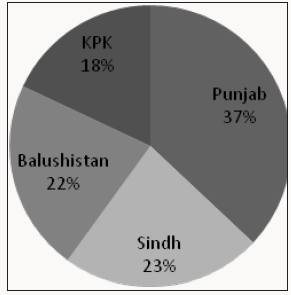
Agriculture is the backbone of Pakistan’s economy and improvement in this sector is essential for the development of country. This sector contributes 19.82 percent to the Gross Primary Production (GDP), provides employment to 42.3 percent people in the country, provide food to the population and many other products. This sector includes many sub-sectors but main sub-sector is livestock in this sector. About 58.55 percent is the contribution of this sub-sector to agriculture value added and to national GDP its share is 11.8 percent and gross value addition increased from Rs.778.3 billion to Rs. 801.3 billion. Livestock animals produce milk, meat, wool, bones, fat, skin etc. But milk and meat are the major harvests [1]. About 30-35 M people in the country are associated with livestock related activities and they earn 30-40 percent of their income from this sub-sector [2]. In livestock, Small ruminants (goats and sheep) preferred over large ruminants because of their high productive potential and small size [3].Sheeps and goats are the earliest animals to be domesticated. They can survive on pastures that cannot be used by other livestock and they can tolerate the period of drought better than any other livestock. Especially, goats are capable to tolerate the water deficiency and even limited amount of fodder is enough or them to survive [4]. After china and India, our country is the third largest goat keeping country in the world [5]. There is total 68.4 million goat population in country and Punjab is the province that has highest goat population as given in Figure 1 [6]. Goats in the country produce 845 million liters of milk and have share to 671 thousand tonnes of mutton produce by small ruminants [1]. More than 25 recognized goat breeds exist in Pakistan [7] along with two wild relatives of goats that are Markhor and Ibex [8].

Figure 1: Population of goats in provinces of Pakistan. Source: ACO (2006)

Lupinepublishers-openaccess-Dairy-Veterinaryscience

Goat farming and its products

All around the world, sheeps and goats play an important role in small scale farming systems. Goat farming is very beneficial from economic point of view. It provides many products but meat and milk are the major products. Food is necessary to stay alive. Among the humans religion is the major factor that influences the choices of food. Muslims and Jews are very careful and they only allowed eating halal food such as halal meat and drinks. Halal meat is a meat that obtained from the animals such as goats, sheeps, cattle and chicken that slaughtered under the rules provided by Islam and halal meat do not contain any ingredient from haram animals such as pig etc. [9].

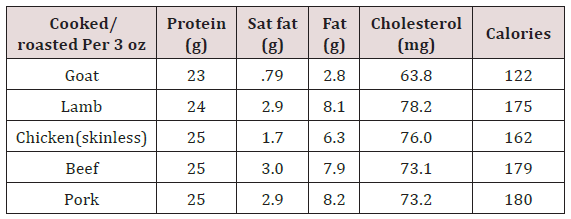
Goat meat is highly nutritious, internationally it is known as lean red meat [10-12]. In most of the developing countries goat meat is very important source of protein [13]. It is one of the staple meats in human diet. It comprises 63 percent of all red meat that consumed worldwide [14]. Goat meat is healthy and better substitute as compared to other red meats. It contains low level of calorie, fat, cholesterol (Table 1) [15] buthas high levels of iron and it becomes more popular widely among general population so its demand (as alternative low fat meat) increasing continuously [16]. However, goat meat has necessary fatty acids this is because of the fact that goats deposit greater level of polyunsaturated fatty acids than other ruminants [17,18]. Moreover, goats extensively use for the provision human consumable milk [19]. Pakistan is the fourth largest milk producing country in the world.

Table 1: nutritive comparison of goat meat with other meat.

Lupinepublishers-openaccess-Dairy-Veterinary-Sciences

Source: USDA (2001)

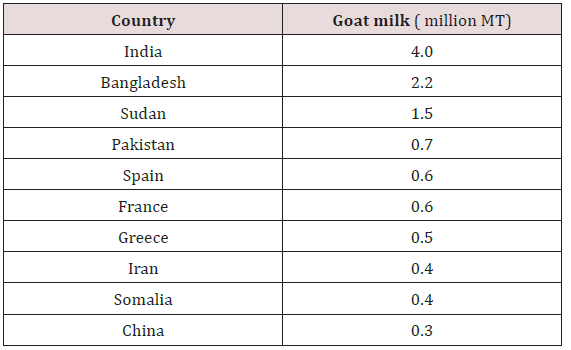
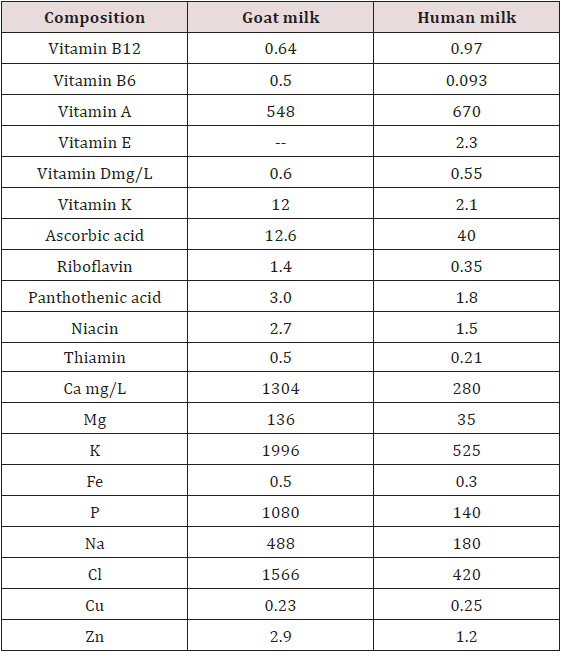
Approximately 0.7 million tonnes of the milk is produced by goats in Pakistan which is Only 0.2 percent of the total milk produced in the country as shown in Table 2 [20]. Scanty information is available regarding the physiological and chemical facts about the unique quality of goat milk. It contains greater level of short and medium chain fatty acids; these fatty acids are remedial against many diseases and disorders [21]. Goat milk is easier to digest than cow’s milk because it possesses smaller fat globules than cow’s milk [22]. Goat’s milk helps to prevent iron deficiency and bone demineralization because it contains higher vitamins and mineral contents than human milk as shown in Table 3 [23].

Table 2: Amount of milk produced in top ten countries.

Lupinepublishers-openaccess-Dairy-Veterinary-Sciences

Source: FAOSTAT (2008)

Table 3: Comparison of vitamins and minerals in human and goat milk.

Lupinepublishers-openaccess-Dairy-Veterinary-Sciences

Animal hair fibers are more soft and fine than other fibers but they are scarce. Factors such as genetic factors and climatic conditions make it difficult to produce these fibers on large scale. Hair fiber is another very important product of goat farming especially pashmina. All over the world the finest fiber produced by the animals is pashmina that produce in large quantity. It is formed by the hair of Asian native domesticated goat named as Capra hircus [24]. China, Mongolia, Iran, Afghanistan, Pakistan, Nepal and India are the chief fiber producing states. Among all these countries china is the major pashmina producer that produce about 70 percent of the total pashmina production. Mostly, pashmina used to make shawls, scarves, gloves, blankets and other fabrics that manufactured manually or are hand spun [25]. It is protenacious in nature which have 18 amino acids containing polyamide polymer and just like wool α- keratins are arranged helically that is why it is chemically similar to wool and mohair fibers [26].

Yeast cultures as a feed supplements in livestock

In order to support metabolic process all living organisms require essential nutrients, to keep themselves alive. In recent years, use of live microorganism and their products as a feed supplements for ruminants is very common. In many types of production systems microbial supplementations have beneficial impact on animal performance. Outcomes of many experiments indicated that the addition of yeast in the diet of goats and cattle is advantageous [27-30].

According to Putnam et al. [29] supplementation of yeast culture in the diet of dairy cows results in the rise in dry matter intake that cause further increase in the milk yield and the amount of milk protein in these animals. Yeast cultures (YC) contain dried yeast cells and these are actually microbial supplements. From many years these cultures use to increase the growth performance of animals. These cultures has positive impact on microbial population in gastrointestinal tract and these cultures increase the beneficial activities associated with these microorganisms that has indirect impact on animal performance [31].

Yeast varieties and its products in small ruminants

In many parts of the world there is a trend to use the yeast products (YP) as a feed additive in the diet of ruminants. Different yeast products are produced by many companies with variable trade names but a limited number of YP have been evaluated under controlled research studies. Saccharomyces cerevisiae and Aspergillusoryza are the yeast products and they are very important for the manipulation of rumen metabolism. Agarwal et al. [32] performed an experiment in which they use different strains of S. cerevisiae as a microbial feed additive and they reported that S. cerevisiae strain NCDC 49 is the best strain because it can tolerate the stressed conditions in gastrointestinal tract of animal. Yeast strains differ in their ability to stimulate the ruminal bacteria. It was reported by Dawson and Hopkins [33] that out of 50 only 7 strains are capable to stimulate the growth of bacteria that digest fiber from the rumen so care should be taken to select S.cerevisiae strains for use in yeast culture preparation of ruminants. Baker’s yeast strains and Brewer’s yeast strains vary in their capabilities to stimulate the critical groups of ruminal microorganisms and former strain has limited capability in this kind of stimulation [34]. According to Zelenak et al. [35] ruminal hemicellulose digestibility increase by the addition of live yeast product Yea-Sacc to the diet when substrate contains 20 percent and 50 percent barely in vitro.

Feeding system and yeast addition

Feed is the essential component in livestock farming and different experiments have been conducted to improve the quality of feeds given to the ruminants. Feed additives has positive influence on digestion rate and leads to the better growth performance, this is because of the fact that feed additives increase gut health of the animals [36]. As probiotics, yeasts are gaining popularity in fattening system. It is robust with high viability under a range of environmental conditions and can be culture very easily [37]. Many researchers proposed that supplementation of yeast culture in the diet up surge feed intake [38,39], nutrient digestibility [40] and the rate of growth [41] in cost effective way [42]. According to some investigators addition of yeast in the feed of meat producing ruminants leads to the variable growth responses that vary from no significant rise in average daily gain to an increase of greater than 20 percent. In this case the average daily gain was 8.7 percent [43].

There are various feeding systems such as high input feeding system, extensive feeding system, intensive feeding system, fodder based feeding system and grain based feeding system, use of yeast as a probiotic in these systems results in variable responses for example Shankpal et al. [44] conducted an experiment in India on Surti goat Kids. In their experiment, these scientists raised their goats under total mixed ration based feeding system with the supplementation of yeast to access its effect on growth performance, digestibility, feed conversion efficiency and feed intake of these kids. Total mixed ration (TMR) based feeding system actually involve mixing of all feedstuffs in an equal ration with respect to their nutritive value so this system supplies an ample amount of nutrition and energy to the animals which enable them to attain maximum performance. These Indian scientists concluded that this inclusion of yeast in feeding system had positive impact on all the 4/8 Citation: Memoona N, Kashif I. Use of Dietary Yeast and its Products in the Feeding Regime of Meat Type Goats. Con Dai & Vet Sci 1(2)- 2018. CDVS.MS.ID.000108. described parameters and also results in 6.66 percent lower feed cost in the experimental group than control group [44].

Furthermore, many scientists conducted an experiments on different animals raised under intensive feeding system for example Kawas et al. conducted an experiment on Pelibuey male lambs in mexico. These lambs were raised under intensive feeding system with the supplementation of yeast culture and sodium bicarbonate in their finishing diets to check its effect on growth rate and other parameters. At the end of the experiment these scientists concluded that supplementation of yeast in the finishing diet of intensively fed lambs has no significant impact on growth rate, digestibility and rumen pH [45]. Outcomes of this study were similar with the work of some other scientists who concluded that the addition of yeast in the finishing diets of intensively fed bulls has no impact on their growth rate [46-48]. Rearing of the kids under grain based feeding system is helpful to fulfill their nutritional requirements which have positive impact on their growth. However supplementation of diet with yeast enhances these beneficial impacts. According to Nisbet et al. [49] for the fattening ruminants addition of malate and yeast in grain based diets has much more beneficial influences and important for animal health [49].

Effect of yeast on the digestibility and feed intake

Supplementation of yeast in feed improves the digestibility of nutrients and results in higher production of carboxymethyl cellulase activity in rumen [50,51]. Yeast culture leads to the beneficial changes in the digestion by positively influencing the ruminal fermentation. In India it is demonstrated by Kumar et al. [52] that yeast culture has positive impact on feed intake and process of digestion in rumen. On the other hand, some scientists conducted an experiment in Turkey to demonstrate the variations in ruminal fermentation and nutrient degradability of some feedstuffs due to the supplementation of live yeast culture in diet of yearling lambs. In their study they use corn DDGS as a protein source, barley grain as an energy source and wheat straw as roughage and they concluded that live yeast addition in diet has no impact on dry matter (DM) degradability but it reduce the degradability of corn dried distillers grains with soluble (DDSG) in rumen.

Better feed intake has positive impact on animal production [53]. Within 6-8 hrs after meal yeast culture supplementation stimulate the higher degradation of solid feeds and higher intake of dry matter. Dry matter intake is the part of initial rate of fiber digestion. It is reported that yeast culture supplementation increase dry matter intake in some studies [40,54] but not in other studies [55,56]. Dawson et al. [57] demonstrated that yeast culture supplementation has pivotal role in digestion in those animals that maintained at high forage diets In South Brazil, Lima et al. [58] analyze the impact of inactive dry yeast (S. cerevisiae) from sugar cane as protein source on dairy goat performance and they reported that dry yeast supplementation in goat’s diet cause lower intake of dry matter and organic matter intake as compare to the soybean + dry yeast diet. This is because of the fact that dry yeast has very fine texture and unusual aroma from sugar cane that cause decrease in the intake of dry matter. Williams [59] confirmed that the quantity of rumen cellulolytic bacteria was amplified by yeast supplementation, exclusively in high concentrate diets.

Effect of yeast addition on growth performance

Many studied demonstrate that diet supplementation with yeast improves the growth performance in finishing lambs [60], calves [61] and bulls [46,47]. According to Haddad et al. [62] yeast supplementation in fattening sheep diet increase the weight gain. In Turkey, Bugdayci et al. [63] conducted an experiment on Saanen male kids and they reported that live yeast supplementation do not influence the live weight gain in goats but some researches do not support this idea [64,65]. However, Mikulecet al. [66] stated that there is no influence of live yeast supplementation on weight and weight gain in lambs. Titi et al. [67] performed an experiment in Jordanand demonstrated that live weight gain and live weight were not affected by the yeast culture supplementation in both awassi lambs and Shami goat kids.

Abou-ward [68] conducted an experiment on lambs and he find out that in average daily gain and dry matter intake significant upsurge occur in lambs as a result of feeding on the ration that contain at least 0.1 percent yeast culture. Rise in dry matter intake was because of the stimulation by cellulolytic bacteria [29,30,54,69]. Some Brazilian investigators reported that supplementation of live yeast never influence lamb performance such a dry matter intake, daily live weight gain, total live weight gain and final live weight [70]. However, it was also observed that the addition of 2.5 to 5g of commercial yeast in the diet of Nubian goats fed sorghum (whole plant) has significant impact on daily live weight gain [71].

Effect of yeast addition on slaughter and carcass traits

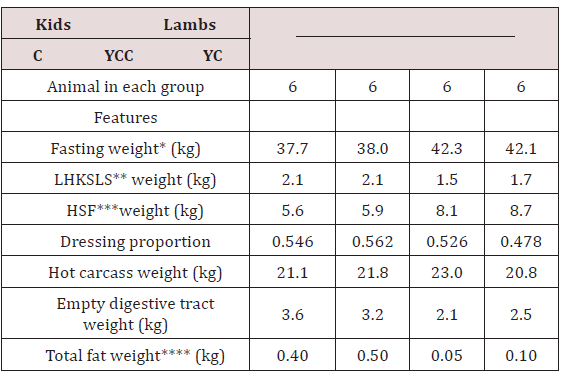
Particularly with reference to small ruminants scarce work had been published regarding the impact of yeast culture supplementation on carcass characteristics. Titi et al. [67] reported that yeast culture supplementation has no impact on cold dressing proportion and hot carcass weight of Shami goat kids but yeast culture supplementation decrease the cold dressing proportion, overall muscle/bone ratio and hot carcass weight in lambs. Carcass weight reduced in lambs because of the enlargement of the digestive tract due to higher dry matter intake (Table 4). It is demonstrated by kawas et al. [60] that in the lambs that were fed with high grain finishing diet, there is no impact of yeast culture supplementation on dressing proportion and chilled carcass weight of these lambs.

Table 4: Carcass characteristics of Awassi lambs and Shami goat kids as influenced by yeast culture (YC) addition in diet.

Lupinepublishers-openaccess-Dairy-Veterinary-Sciences

C: control group (without yeast addition).

YC: treatment group (with yeast culture supplementation).

*Average weight of 6 animals.

**LHKSLS: weight of liver+heart+kidneys+spleen+lungs+sweetbread.

***HSF: weight of head+skin+feet.

**** fat of heart+kidney+pelvic.

Source: O’Connor (1994)

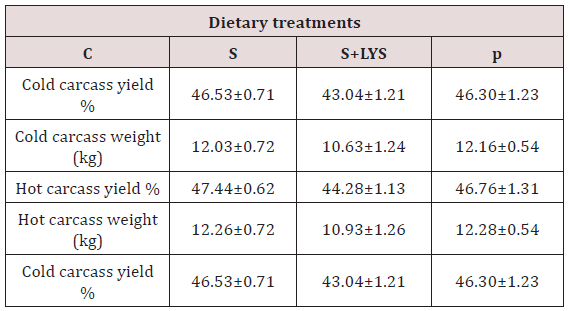
Similarly, Freitas et al. [72] reported that in different breeds of goats inclusion of dry yeast has no influence on hot and cold carcass weight, true carcass yield and carcass compactness index. According to Bugdayci et al. [63] live yeast supplementation in diet has no influence on hot and cold carcass yield in goats as shown in (Table 5) [63]. Similarly, investigators failed to find out any positive impact of yeast culture supplementation on carcass characteristics and composition in bulls or steers [73]. In the same way, some scientists reported that supplementation of S.cerevisiae results in the improvement of lamb fattening performance without any significant alteration in carcass traits [74].

Table 5: Impact of yeast supplementation on Saanen male kid’s carcass yields and characteristics.

Lupinepublishers-openaccess-Dairy-Veterinary-Sciences

p<0.05

C: Control group

S: Group served with sucrose added diet

S+LYS: Group served with sucrose and live yeast culture added diet

Source: Bugdayci et al. (2016)

Effect of yeast addition on meat quality

Growth rate of goat population is high (3.5 percent per annum) because of preference of goat meat [75]. Meat quality is the standard term that uses to describe the properties and perceptions of meat. Goat meat is highly nutritious internationally it is known as lean red meat [10-12]. It has course texture, dark red colour and as compare to lamb meat it has different flavor and aroma, characteristically [76]. Sethy et al. [77] observed that redness and tenderness of meat increase but shear force value decrease as a result of addition of 0.3 mg Seas selenium yeast and 100 IU vitamin E in goat diet. Similarly it was proposed by Morrissey et al. [78] that supplementation of diet with selenium yeast results in the rise of α-tocopherol in muscles but decrease the chances of lipid oxidation in muscles.

Likewise, Rufino et al. [79] reported that the addition higher level of inactive dry yeast in the diet of lambs improves the meat quality and carcass characteristics by decreasing the level of intramuscular and subcutaneous fat but by increasing the level of meat crude protein and ash concentration. Dry yeast addition in the diet of different goat breed does not influence the values of cooking loss and shear force value [72]. Some investigators concluded that quality of meat improved and shelf life extend as a result of supplementation of diet with Selenium yeast and vitamin E because it enhanced antioxidant status in the muscle [80]. Effect of yeast supplementation on lamb meat quality has also been demonstrated by Titi et al. [67] who concluded that the addition of live cultures of S.cerevisiae yeast in diet leads to the significant change in the chemical composition of meat.

Conclusion

All the yeast culture supplementation strategies are not identical in their efficiency because the influences of yeast culture supplementations on animal efficiency are strain dependent so the results of supplementations may vary considerably. However, it is concluded that the addition of yeast in the diet of goats and other ruminants is beneficial. Yeast culture supplementation is very convenient strategy that positively modifies the microbial actions, digestive tasks in rumen, meat quality and fattening performance in goats but still it is prerequisite to conduct more experiments under different feeding circumstances and in extended fattening episodes to clarify the beneficial influences of yeast addition in the diet of goats.

Read More About Lupine Publishers Journal of Dairy & Veterinary Sciences Please Click on Below Link:
https://lupine-publishers-dairy-veterinary.blogspot.com/