Tuesday, 15 August 2023

Lupine Publishers | Impact of Low Frequency Vibration During Welding and Annealing on Microstructure of Mild Steel Butt-Welded Joints

 Lupine Publishers | Journal of Modern Approaches on Material Science


Abstract

This work examined the Impact of Low Frequency Vibration during Welding and Annealing on Microstructure of low carbon steel Butt-welded Joints with a view to establishing vibration regimes and the resultant microstructures that may improve the condition of service performance as well as increasing life span of welded joints. Commercially available mild steel plates were butt-welded employing vibration and non-vibration welding conditions and subjected to heat treatment before carrying out metallographic analysis. Vibration frequencies were varied from 0 to 14.32Hz in three different steps.The mechanical performance of the weldment with reference to strength and toughness depend upon the type of microstructure of weld metal and heat affected zone. The post weld heat treatment of annealing and stress relieving tend to significantly reduce the incidences of the conditions highlighted above. Also, rearrangements and realignments of the grains especially at the weld zones are obvious and have greatly influenced the quality and properties of the welded joints. It was observed from the vibrated frequencies 7.96Hz and 14.32Hz that the grain size diameters are coarser in the non-heated samples than the annealed samples in all the investigated zones. Hence, the vibration treatment during welding and casting greatly influence microstructures and improves grain refinement and service performance of the butt-welded joints.Results of microstructure analysis indicates fine-grained sizes at weld zones; but coarse at the heat affected and base metal zones, respectively. Therefore, microstructures having finer grain sizes are known to possess good mechanical properties with consequential effect on fracture toughness.

Keywords: Butt-Welded; Grains; Microstructure; Coarse; Weldment; Annealing; Vibration

Introduction

As a result of the availability, ease of fabrication, cost, good mechanical properties, and weldability of Low carbon steel; it has found diverse applications in transportation, marine, mining, chemical processing, pipelines, construction, and metal-processing equipment. Most of the engineering components are being joined through various techniques which include welding, fastening, riveting, brazing. However, welding process has been adopted for several manufacturing processes to minimize manufacturing time, achieve weight reduction, improve mechanical attributes and to ensure permanent joint [1]. Welding is essentially a metal joining technique. A weldment can be grouped into three distinct zones which are weld metal zone (WMZ), heat affected zone (HAZ) and the unaffected base metal zone (UBMZ). For low carbon steel which is the most welded material the three zones of a weldment can be indicated in an iron carbon equilibrium diagram [2].The fusion zone which is the volume of the parent metal melted to form part of the weld metal zone or the weld head lies between the WMZ and HAZ [3].The weld metal zone is formed by the solidification of the weld pool which itself is formed by the melting of a part of the parent metal and the additional material that is contributed by the melting of the electrode when used. In welding, however, there is a gradual change in temperature from the center of the weld pool to a short distance away from it, solidification of the molten metal in the weld pool starts as soon as it reaches the liquidus temperature for that material composition [3]. It requires no undercooling as the party melted grains provide the nuclei where from the growth of grains start into the solidifying weld pool, such a mode of solidification is referred to as Epitaxial solidification [2].

Properties most required of weld metal are toughness and strength. In general strength and toughness of the weld metals do not match those of corresponding base on parent metal. The ratio of yield strength to ultimate tensile strength is always higher in weld metal than in base metal [4]. Properties of weld metals are greatly influenced by the type of microstructure, grain size, precipitation processes, ageing, etc. in a similar vein; microstructure can be affected considerably by welding parameters like welding speed, heat input, etc. Toughness properties of weldments are worse than those of rolled or forged steels, in addition to strength and toughness, weldments are also required to have good fatigue properties [5]. In general fatigue properties of weld metals are interior to those of corresponding base metals. Because fatigue properties are affected mainly by weld contours as well as by morphology and dispersion patterns of inclusions. Therefore, to obtain good fatigue properties, weld metals must be sufficiently pure. Also, because of a lower carbon content it welds metal in comparison with that in the steel forming the HAZ and the base metal, the creep strength of the weld metals is always lower. Therefore, it can be said that the weld metal properties are affected not only by the chemical composition of the filter material used, but also by the chemical composition of the steel used as the parent material, the welding process employed and the weld cooling rates [6].A heat affected zone of a weld is that part of the welded joint which has been heated to a temperature up to the solidus of the parent material resulting in varying degree of influence on microstructure as a consequence of heating and cooling cycle [7]. When metal and alloys without polymorphous transformation (e.g. Cu, Ni, Ai) are welded, the microstructure in the HAZ remains unaltered though grain growth or recrystallization may take place while in the case of metals and alloys with polymorphous transformations (e.g. steels), significant micro structural changes take place in HAZ, that in turn influence the mechanical properties and consequently the service behaviour of the welded joint [5].This study therefore seek to investigate the effectof low frequency vibration during welding and annealing on microstructure of mild steel butt-welded joints of low carbon steel with a view to establishing vibration regimes and the resultant microstructures that may improve the service performance andincrease thelife span of welded joints.

Method

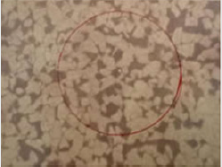
Butt-welded joints of O Hz, 7.96 Hz and 14.32 Hz were made up of three distinct zones such as parent metal, heat affected zone and weld zone. From each sample, sections were obtained using manual hack sawing which were representatives of all the segments of the samples. Because the specimens were small, hence they were mounted to facilitate rough grinding as well as intermediate and final polishing. Each extracted sample was ground using silicon carbide belt grinders of finer silicon carbide with grits of 240, 320, 400 and 600 meshes. Final grinding was carried out with 1000 grit size silicon carbide grinder. Each sample was then polished using Magnesium Oxide (MgO) powder. The mirror-like blower was dried using an electric blower and etched using a solution composed of Nital 2% (that is 2% Nitric Acid and 95% methyl alcohol). Etching revealed the different welded zones when viewed under the optical microscope and with the aid of the digital camera mounted on the microscope, the photomicrographs of the various structures were obtained. For the grain size measurement, the circular intercept method was employed whereby a circle of diameter 79.8mm was drawn on each micrograph representing the three zones of the weld joints. This circle was counted and added to ½ the intersecting grains. The number was then further translated as an average grain diameter of each photomicrograph. This was determined for all the weld zones and heat affected zones (HAZ) respectively

Results and Discussion

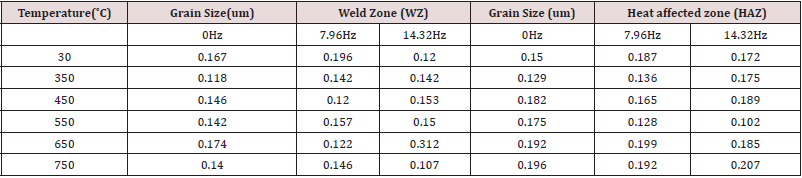
Results of microstructure analysis are presented in plates 1 -15 while the grain size diameters at different vibrations are presented in (Figures 1-3) and Table 1 Discussion

Plate 1: A1 Welded Zone for Control Sample (X250).
Lupinepublishers-openaccess-material-science-journal

Plate 2: A1 HAZ for Control Sample (X250).

Lupinepublishers-openaccess-material-science-journal

Table 1: Variation in Temperature with Grain size, Weld Zone and Heat Affected Zone.
Lupinepublishers-openaccess-material-science-journal

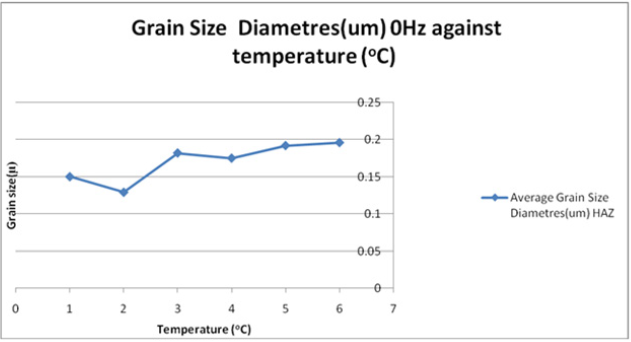
Figure 1: Grain Size Diameters for 0Hz Vibration Frequency.
Lupinepublishers-openaccess-material-science-journal

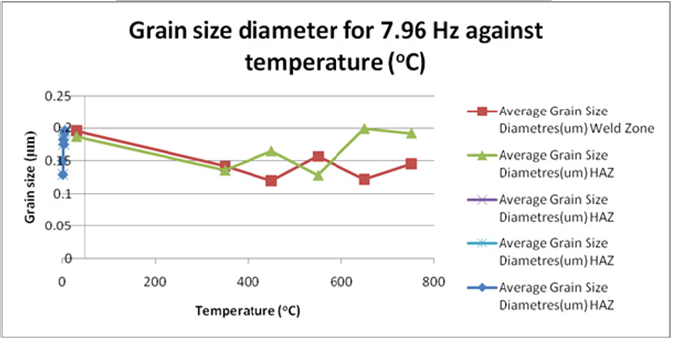
Figure 2: Grain Size Diameters for 7.96Hz Vibration Frequency.
Lupinepublishers-openaccess-material-science-journal

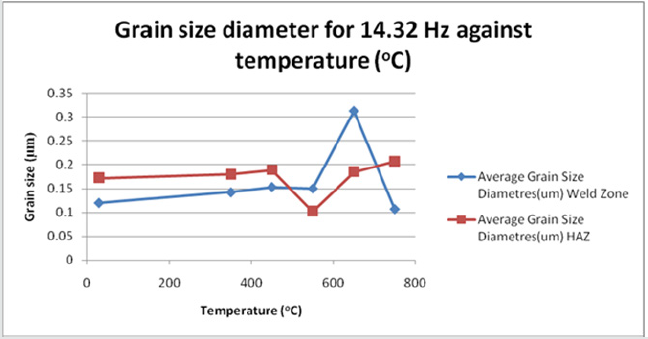
Figure 3: Grain Size Diameters for 14.32Hz Vibration Frequency.
Lupinepublishers-openaccess-material-science-journal

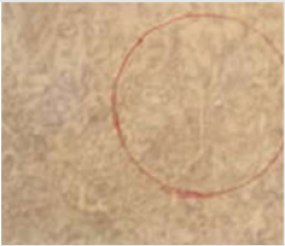
Plate 3: A1 Welded Zone Annealed at 350˚C.
Lupinepublishers-openaccess-material-science-journal

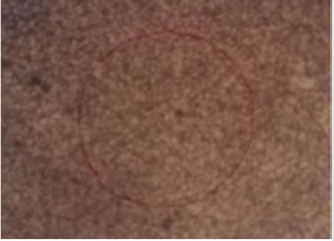
Plate 4: A1 HAZ Annealed at 350˚C(X250).
Lupinepublishers-openaccess-material-science-journal

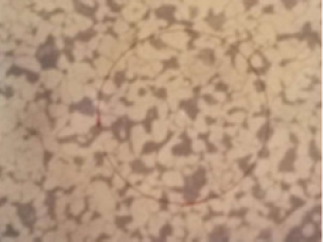
Plate 5: A1 Welded Zone Annealed at 450˚C(X250).
Lupinepublishers-openaccess-material-science-journal

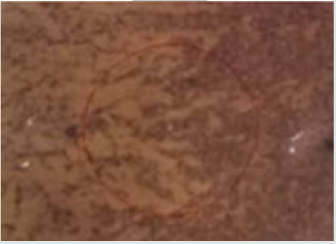
Plate 6: A1HAZ Annealed at 450 ˚C(X250).
Lupinepublishers-openaccess-material-science-journal

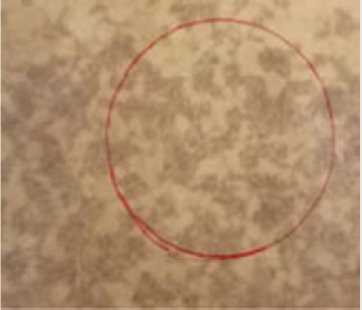
Plate 7: A1 Welded Zone Annealed at 650.
Lupinepublishers-openaccess-material-science-journal

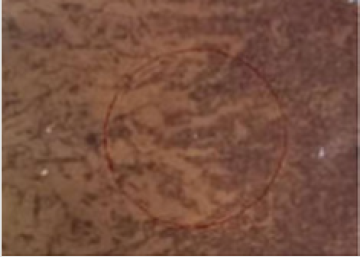
Plate 8: A1 HAZ Annealed at 650˚C (X250).
Lupinepublishers-openaccess-material-science-journal

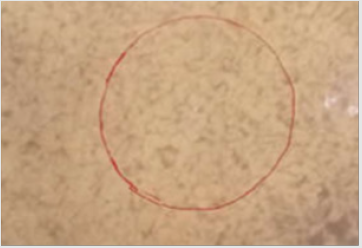
Plate 9: A1 Welded Zone Annealed 650 ˚C(X250).
Lupinepublishers-openaccess-material-science-journal

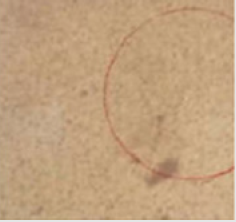
Plate 10: A1 Welded Zone Annealed at 750 ˚C(X250).
Lupinepublishers-openaccess-material-science-journal

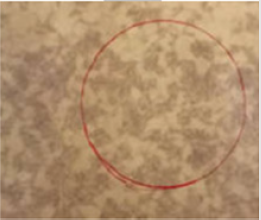
Plate 11: HAZ Annealed at 750 ˚C(X250).
Lupinepublishers-openaccess-material-science-journal

Plate 12: A2 - Welded Zone Control Sample (X250).
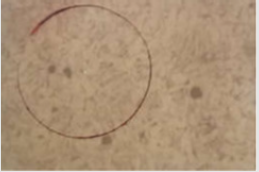
Lupinepublishers-openaccess-material-science-journal

Plate 13: HAZ Control Sample (X250).

Lupinepublishers-openaccess-material-science-journal

Plate 14: A2 Welded Zone Annealed at 350˚C(X250).
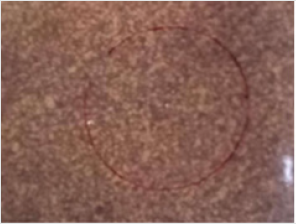
Lupinepublishers-openaccess-material-science-journal

Plate 15: A2 Welded Zone Annealed at 350˚C(X250).
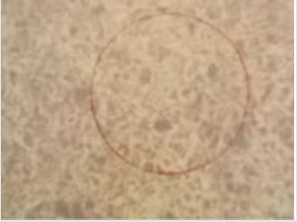
Lupinepublishers-openaccess-material-science-journal

Microstructure of Samples Vibrated at 0Hz Frequency

Weld Zone (Non – heat treated sample): The microstructure consists of light areas and dark areas. The light areas represent ferrite while the dark areas represent pearlite grains. Generally, the structure is that of chunky pearlite in partially transformed zone. Etching reagent of 2% Nital was used at 250X magnification. For the heat affected zone of the non-heat-treated samples, the microstructure was etched in 2% Nital at 250X magnification. There is distribution of fine pearlite grains as dark spots in a martensitic matrix. There is also the presence of small white undissolved carbide spheroids in dark pearlite areas. The weld zone annealed at 3500C reveals a fine dispersion of pearlite, otherwise called alloy carbides in a matrix of ferrite grains. The ferrite grains occupy the light back-ground. The microstructure was etched in 2% Nital solution at 250X magnification. Heat affected zone annealed at 3500C, the sample was welded under normal welding condition without application of vibration frequency. The microstructure etched in 2% natal consists of polygonal ferrite and acicular ferrite. The dark areas connote pearlite. The structure reveals that the cooling was slow as the sample was cooled in the furnace which resulted in tempered bainite [8]. The weld zone produced under normal welding condition and heat treated at 4500C was slowly cooled in the furnace. The structure consists of fine-grained pearlite and ferrite signs of non-metallic inclusions seen as dark cuts. Etching solution of 2% natal was used at 250X magnification. For the heat affected zone at the same heat treatment temperature and under the same welding condition, large pearlite and ferrite grains can be observed together with the evidence of grain growth.
The structure was etched in 2% natal at 250X magnification. The weld zone heat treated at 5500C and under the same welding condition of 0Hz frequency consists of fine ferrite grains which are depicted in white areas with equal amount of pearlite grains which are in dark areas (Figure 1). The presence of large dark spots indicates inclusions. It is also an indication that the weld was defective. The heat affected zone at the same temperature of 5500C shows tempered bainite with some proeutecoid ferrite. More equiaxed light gray constituents can also be observed in the sample [9]. The structure was revealed when etched in 2% natal at the magnification of 250X. The weld zone heat treated at 6500C under the same welding condition largely contain sepitacial grain structure; acicular or lower bainite; and black needles in a martensic white matrix etched in 2% natal and at 250X magnification. At the same annealing temperature of 6500C, the resulting microstructure is that of spheroidized carbides in a ferrite matrix. The structure was etched in 2% natal. The weld zone heated at 7500C, furnacecooled to room temperature and treated to no vibration frequency showed a structure of the fine spheroidal cementite in a matrix of ferrite. The heat affected zone on the other hand clearly showed grain growth zone. The microstructure consists of pearlite carbides prominent within the soft ferrite matrix.

Microstructure of Samples Vibrated at 7.96Hz Frequency

The weld zone produced at 7.96Hz vibration frequency has a structure of epitaxial long grains with large dark spots occasioned by welding defects (Figure 2). As a result of the vibratory treatment, the grains are more aligned. The microstructure consists of long ferrite grain with dark boundary edges. The heat affected zone consists of ferrite and pearlite grains. Large white portions represent the ferrite grain while the dark portions represent the ferrite grain while dark pearlite grains. The microstructure was etched in 2% nital at 250x magnification. The weld temperature of 3500c under the vibratory condition of 7.69Hz frequently showed a fine dispersion of carbide in ferrite matrix. The light areas are ferrite grain whereas the dark areas are pearlite grains [10]. Etching reagent used is 2% nital at 250x magnification. For the heat treatment temperature of 3500c, the microstructure consists of pearlite-ferrite grains. The appearance of the structure depicts tempered martensite. At 4500c, the weld zone has a structure of refined equiaxed grain. There are no contaminants in the structure. The weld joint is sound etched in 2% nital, the heat affected zone at 7.69Hz vibration frequency and 4500c heat treatment temperature has a structure consisting of pearlite and ferrite with pearlite scattered in ferrite matrix. The microstructure does not significantly change from the structure of the base metal. Both ferrite and pearlite are evenly distributed. Etchant of 2% nital was used. The weld zone heat treated at 5500C and at the same vibration has a structure of ferrite and cementite. The cementite grains became elongated with maximum ductility and minimum hardness with reduced machinability [6].
On the other hand, the heat affected zone consists of fine-grained ferrite and pearlite of spheroidal shapes. The heat affected zones in a most of the residual and welding stresses have been removed. The microstructure was etched in 2% initial. The weld zone heated to austenitizing temperature and annealed below sub-critical temperature consists of fine-grained ferrite and small pearlite areas. The structure has good impact toughness and strength but moderately hard, the heat affected zone at same temperature of 6500C consists of coarse grains of ferrite and pearlite with the pearlite zones subsumed in ferrite matrix. The weld zone heat treated to 7500C and vibrated at 7.96Hz welding frequency showed spheriodized cementite in ferrite matrix. All microstructure was studied using 2% nital as etchant and at the magnification of 250X. The heat affected zone slightly experienced thermal cycle from fusion zones. The microstructure basically consists of pearlite and ferrite but with large sizes of pearlite grains [11].

Microstructure of Samples Vibrated At 14.32hz Frequency

The microstructure for non-heat-treated samples showed equiaxed ferrite grain of a homogenous nature with pearlite patches within the matrix (Figure 3). The heat affected zones also contains pearlite and ferrite, grains of pearlite particles are coarse with pearlite being distributed in ferrite matrix. The structure is not distinct from the base metal structure. At 3500C heat treated temperature the microstructure consists of dense and massive ferrite grains with pearlite at the edges of the ferrite grains. In the heat affected zones on marked microstructural changes recorded. The structure cooled slowly to coarse grains of ferrite and pearlite while dark areas are pearlite. The weld zoneheat treated to 4500C consist of tempered martensite whereasthe heat affected zone has a structure of fine lamellar pearlite and ferrite the hardness of the base metal and the structure is not remarkably different from the original structure [11]. The weld annealed at 5500C and cooled in furnace also consists of pearlite and ferrite with some spheroidal cementite [7]. The heat affected zones annealed at sub-critical temperature of 6500C consists of equiaxed ferrite grains with signs of entrapped gases.Black spots are alloy carbides with matrix of ferrite. The microstructure of the heat affected zone consists of ferrite and pearlite. The grains are large on sizes but shows portions of fine grains towards the unheated zone [10].

Effect of Vibration and Heat Treatment on Microstructure

The microstructure of the three zones were studied for all the specimens vibrated at frequencies of 0, 7.96 and 14.32 and annealed at temperatures 3500C–7500C (Plates 1-15). The specimens were initially subjected to moderate vibration frequencies of 0, 7.96 and 14.32 Hz. A common phenomenon of the microstructures studied was the presence of pearlite in ferrite matrix. At 0Hz the grains at the base metal and heat affected zone are coarser than at the moderately higher frequencies of 7.96 and 14.32Hz at the same zones. Grain sizes at the weld zones are more refined which may improve quality and performances of welded joints. Most grains are equiaxed and spheroidal at weld zones. The grain sizes of the weld zones are often evenly distributed with massive grains of pearlite and ferrite whereas coarse grains are observed in the structure of the base metal and the heat affected zones [7].Mostly the grains are fine at the weld zones. Under the normal welding condition, the grains of the non-heat-treated samples are of finer grain sizes than the heat-treated samples with respect to the weld zones and the heat affected zones. But at the moderately vibrated frequencies 7.96Hz and 14.32Hz the grain size diameters are coarser in the nonheated samples than the annealed samples in all zones studied. The study has indeed shown that vibration treatment during welding and casting can greatly influence microstructures and generally improves grain refinement and service performance of the buttwelded joints [12-15].

Effect of Vibration and Heat Treatment on Grain Size

For most steels, the grain size of the microstructure is a strong determinant of notch toughness Table 1. Vibratory treatment has been shown to improve grain refinements [6]. As a result, the grain size has marked influence on the yield stress, and strain hardening rate and it is therefore logical to expect grain size to influence fracture toughness. Therefore, microstructures having finer grain sizes are known to possess high mechanical strength with consequential effect on fracture toughness [11].

Conclusion

The heating and cooling cycles of welding result in the development of residual stresses. The residual stresses developed due to welding being a combination of tensile and compressive stresses. Different welding processes result in different rates of cooling with consequential effect on microstructure, grain size and residual stresses. A high cooling rate process like EAW results in fine-grained weld zone of high hardness and strength, but with low impact strength. The post weld heat treatment of annealing and stress-relieving tend to significantly reduce the incidences of the conditions highlighted above. On the other hand, a low cooling rate process like submerged arc welding results in comparatively coarser-grained weld zone of medium hardness and strength with high fracture toughness. As the weld zone and HAZ have different hardness so is their tendency to brittle fracture which is a major function of the composition of the microstructure that influences the mechanical properties of the weld metal[16-19].


Read More About Lupine Publishers Journal of Modern Approaches on Material Science Click on the Below Link: https://lupine-publishers-material-science.blogspot.com/

Monday, 14 August 2023

Lupine Publishers | Danger of Buying Medicines in Any Place Other Than the Pharmacy

 Lupine Publishers | Journal of Drug Designing & Intellectual Properties


Introduction

There are medicines registered as such-and subject to the legislation of pharmaceutical specialties-and products that, without being registered as medicines, are sold and actively promoted, giving them medicinal virtues.
Among the medications it is necessary to distinguish those of prescription or prescription sale, of those without prescription or over the counter (over the counter or OTC counter medications in Anglo-Saxon terminology). On these there is the wrong an installed assumption among the general public, which considers “over-the-counter” medicines safe.
All medications without exception, used in excessive doses or for too long periods, in situations where they would not be indicated, can cause side effects, collateral, undesirable or adverse effects, generate interactions with other drugs or substances, induce behaviors of abuse or dependence and even delay the diagnosis of a condition that requires medical care.
Thus, for example, according to a study by Morlans, M., Laporte, J. et al., About 13% of all the etiological burden of terminal nephropathy that leads to dialysis or transplantation in our environment is due to the chronic use of painkillers, almost always in the framework of self- medication.
The sale of any medicine outside the pharmaceutical establishments is highly risky for the health of population. As the Argentine Pharmaceutical Confederation (COFA) warns, 20 percent of the drugs consumed in the country are purchased outside pharmacies, such stores include kiosks, supermarkets, service stations, gyms and even hotels accommodation. Sometimes this also applies to prescription drugs.
The traceability of a drug is the monitoring of the route that the product takes at all stages of its marketing, it is essential to achieve a correct use of the medications (pharmacovigilance, detection of chronic patients, patient monitoring) as well as to establish an action Therapeutics free of complications. It is also a tool that uses the health system to detect counterfeits, adulterations on medications. When separating from the original sales channel, traceability becomes difficult, if not impossible [1].
There is also a legal vacuum over their control by the national authority, since ANMAT has no jurisdiction over establishments that are not authorized by the Ministry of Health. In other words, the referred “sales channels” (kiosks, warehouses, service stations) are outside their jurisdiction and competence.

Advertising

The impact of the advertising of medicines on the behavior of consumers is undeniable, and hence the potential risks it represents for the health of the population. The National Academy of Medicine warned on repeated occasions about “advertisements that encourage the use of treatments and medications without medical supervision, and the proliferation of advertising messages advising medications and therapeutic procedures of benefit sometimes not established and sometimes exaggerated, with the purpose to encourage their consumption”.
The World Health Organization (WHO) created the “Ethical criteria for the promotion of medicines”, a theoretical framework where recommendations are made on advertisements aimed at the public “should help the population to make rational decisions about the use of medicines that are legally available without a prescription.
According to studies carried out by the Maimonides University and the Argentine Institute of Pharmaceutical Care (IADAF), the advertising of medicines encourages self-medication or drug misuse, a problem that takes 700 lives per year in the country.
In a note from health issues journalist Pedro Lipcovich, ( “Today we are addictive”) analyzes a television message of aspirin (acetylsalicylic acid) mentioning the striking omission of any of its therapeutic properties as anti-inflammatory, anti-fever, anticoagulant, associating its consumption “with ageneric welfare state and high social and labor performance”.
We passively assist in the promotion of bad eating habits, widely publicized, to increase the sales of a medicine that supposedly counteracts the effects. The induction to the conduct of immediacy in the installation of a treatment according to the symptoms, gives results: everything can be solved with a tablet and even some dietary supplements are preferred to be marketed as medicines because they “sell more”. But this attitude has its When a teenager is offered a “tablet” of ecstasy, with the promise of well-being and pleasure, it is utopian to think he could say “no.”
To all this must be added the lightness with which we assist in the prescription of medications. The mother, the coworker, the hairdresser, the kiosk and even the doctor’s office, among patients, recommend medications.
Advertising and active promotion by mass media, increases irresponsible self-medication and irrational use of medications. Medicinal drugs or medicines thus leave their place of social good, essential for public health, and become a consumer good.

Drug dependence

Numerous medications are used to produce changes or changes in mood, alone or in association with drugs or substances of abuse. According to the 2008 National Survey on Prevalence of Psychoactive Substance Consumption, conducted by INDEC, almost 4% of the population between 16 and 65 years of age consumes tranquilizers.
It cannot be taken into account that almost all drugs of abuse today were initially medications, which due to their pharmacological and toxicological characteristics (tolerance, abuse, dependence) began to be used for their psychoactive effects, being then restricted or withdrawn in your pharmacological employment. Such is the case of cocaine, some opiates (morphine, codeine), amphetamines, anesthetics (ketamine), ephedrine, popper, etc.
The Abuse Medicines Observatory (WCO) in Spain conducted a study that verified the non-medical consumption (substance abuse) of a total of 27 substances. 22% consumed analgesics, some 12% anxiolytics or tranquilizers (benzodiazepines); 10% stimulants and the rest a wide range of substances.
Majority use patterns included mixtures with drugs and alcohol and abuse of tranquilizers. Medications have always been part of the “drug culture” in non-therapeutic uses, in order to experience new sensations or obtain better yields. The modalities of drug abuse change and it could be said that some of them “become fashionable”. Currently, the “crazy jar” is the most common form of alcohol and medication use-mostly benzodiazepines- among teenagers and young adults.
According to data from the Toxicology Unit of the “Juan A. Fernández” Hospital of the City of Buenos Aires, during 2008, 2182 consultations related to acute poisoning by substances of abuse were attended; 292 of them were due to abuse of some type of medication and another 205 were due to the association of some medication with alcoholic beverages [2].
The equation between inappropriate promotion of drug use, forms of facilitated or uncontrolled accessibility and patterns of inappropriate use and substance abuse constitutes an increased risk trilogy, which exposes the potentially most vulnerable population.

Read More about Lupine Publishers Journal of Drug Designing & Intellectual Properties Please Click on the Below Link:

https://lupine-publishers-drug-designing.blogspot.com/


Saturday, 12 August 2023

Lupine Publishers | Perspective of Youth about Chromoblastomycosis

 Lupine Publishers | Journal of Research & Reviews Health Care


Abstract

Objectives of the present study were to evaluate the perspective of youth about chromoblastomycosis. A total of 100 subjects were asked to answer the questionnaire. The subjects were students in Bahauddin Zakariya University Multan, Pakistan. Alexander pedroso in Saopolo, Brazil studied the cases of Chromoblastomycosis in 1911. The name of disease was blastomycosa negra. The name of a disease figueria described by German Physician. It was done from the current study that most of the females said that chromoblastomycosis was not a viral, fungal, bacterial disease. There is a 50% chance whether it may or may not be a viral, fungal or bacterial.

Keywords:Chromoblastomycosis; Fungal Disease; Cauliflower

Introduction

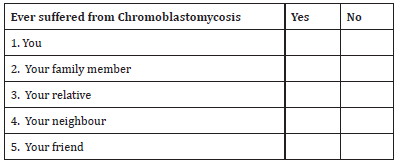
Fungal infection of the skin is the Chromoblastomycosis, which is a long-term. Often in rural areas, in tropical or subtropical climates this infection occurs such as Madagascar in Africa and Brazil in South America . By many different types of fungi, this infection can be caused. Very slowly, chromoblastomycosis spreads. It is not often lethal and usually has a good projection, but it’s cure is very difficult. Medication and surgery, the several treatments include. Among the subcutaneous mycoses and is ubiquitous, Chromoblastomycosis is classified. Chromoblastomycosis disease was recommended by the International Society for Human and Animal Mycology in 1992.On the foot or leg chromoblastomycosis begins [1]. Where the skin is wrecked, other exposed body parts may be infected. Papules are formed in this disease. Dull red patches are formed when these papules extend. Objectives of the present study were to evaluate the perspective of youth about chromoblastomycosis (Tables 1-4).

Table 1: Questionnaire to assess awareness about Chromoblastomycosis.

Lupinepublishers-openaccess-Research-Reviews

Table 2: Questionnaire to analyze awareness about ubiquity of Chromoblastomycosis.

Lupinepublishers-openaccess-Research-Reviews

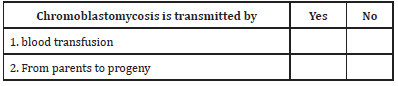
Table 3: Questionnaire to estimate vision about Chromoblastomycosis transference.

Lupinepublishers-openaccess-Research-Reviews

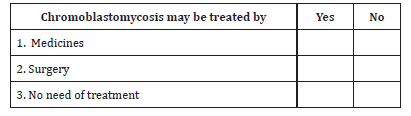
Table 4: Questionnaire to evaluate perspective of youth about Chromoblastomycosis.

Lupinepublishers-openaccess-Research-Reviews

Materials and Method

Results

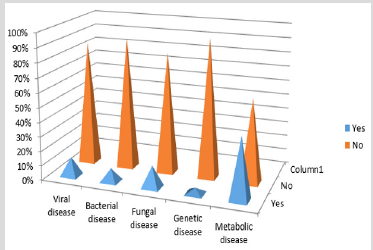
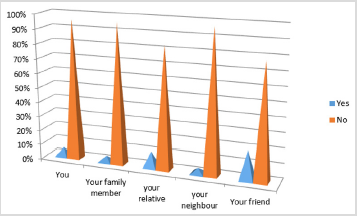
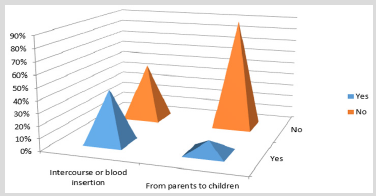
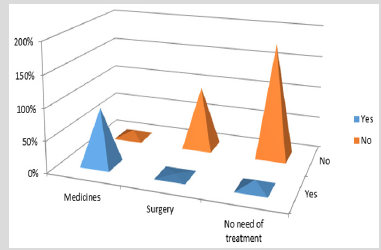
Presence and absence of chromoblastomycosis in male and female is shown in the (Figures 1-4). In the first column graph it was showed that most of the females said that Chromoblastomycosis was not a viral disease and most males also said that it is not a viral. Most of the females took this disease not as a bacterial and most males said that it was not a bacterial disease [2-5]. Most of the females said that it was not a fungal disease and males also had a same opinion. Both males and females said that chromoblastomycosis was not a genetic disease. Most females said that chromoblastomycosis was a metabolic disease. But when we observed the disease then we concluded that chromoblastomycosis was a fungal disease. Then, next question asked from them that whether you, your family member, relative, neighbor and friend suffered from this disease or not then most of the females and males said no. The other question asked to them whether the disease by contacts or blood transfer or from parents to offspring was transmitted or not then the most females said that disease was not transmitted by contacts or blood transfer or from parents to offspring. The other question were that either the disease was treated by medicines, surgery or no treatment was available for that then most females and males said that it could be treated by medicines [5-8].

Figure 1: Questionnaire Evaluation About Etiology of Chromoblastomycosis.

Lupinepublishers-openaccess-Research-Reviews

Figure 2: Questionnaire to evaluate views about prevalence of Chromoblastomycosis.

Lupinepublishers-openaccess-Research-Reviews

Figure 3: Questionnaire to evaluate views about prevalence of Chromoblastomycosis.

Lupinepublishers-openaccess-Research-Reviews

Figure 4: Questionnaire to evaluate views about Chromoblastomycosis.

Lupinepublishers-openaccess-Research-Reviews

Discussion

In recent studies, questionnairebased studies had given an important development. Alexandre pedroso in Saopolo, Brazil studied the cases of Chromoblastomycosis in 1911. The name of disease was blastomycosa negra. The name of a disease figueria described by German Physician [9,10].

Conclusion

From present study, it was concluded that most of the females said that chromoblastomycosis was not a viral, fungal, bacterial disease. There is a 50% chance whether it may or may not be a viral, fungal or bacterial.

Read More About Lupine Publishers Journal of Research & Reviews Healthcare Please Click on Below Link:
https://lupine-publishers-research.blogspot.com/

Friday, 11 August 2023

Lupine Publishers | Covered Perforativnye Ulcers Gastroduodenal Zone

 Lupine Publishers | Journal of Surgery


Abstract

Of the 215 patients with gastroduodenal ulcer probodnymi zone 17 (7.9%) She wore covered nature. The author notes some difficulties in diagnosing this type of pathology. If you open probodenijah symptomatology are manifestnyj nature and errors in diagnosis is usually not observed, then covered the clinical picture had ulcers was wiped out in nature, requiring additional research methods, including x-ray, to recognize this pathology. An inexperienced clinician may resort to using gastrografii contrast barium dredge. As a result of the suspension enters the free abdominal cavity, which further accompanied by the development of severe adhesive disease. This cause of this serious pathology he watched from 2 patients operated in various hospitals of Kuban. The author describes a diagnostic algorithm of this pathology in 17 patients admitted in the hospital, or with acute cholecystitis, or other pathology, and only a few hours when they are accidentally fibro gastroduodenoscopy the true cause has been identified the emergence of pain in epigastralna area is covered with a perforated gastroduodenal ulcer zone.

Keywords:Gastroduodenal Ulcer Zone Covered Perforation; Diagnostic

The aim of the study was the definition of diagnostic methods to identify covered perforating ulcers of the stomach and duodenum (PPJaZhD).

Introduction

Identification of covered probodnyh ulcers gastroduodenal zone represents some diagnostic difficulties. If you open perforations of ulcers leading clinical symptom is triad-Mond or (ulcerative anamnesias, “pain in the abdomen, doskoobraznoe tension of the abdominal wall) and x-ray-presence of free gas in the abdominal cavity, when covered probodnoj ulcer all they are missing [1- 3]. More-over, and other clinical symptoms are not defined, i.e. dullness, no liver kept blunting in sloping are-as of the abdomen and other [4,5,6]. Patients usually complain of mild pain in the area epigastralna, accompanied by diarrheal events malaise [7,8]. As their doctors have had the impression that the patient has occurred, or the aggravation of gastric ulcers or chronic cholecystitis [9,10]. Such patients are hospitalized in a therapeutic institution, and begin to be a typical survey, sometimes with the use of barium dredge that is blunder-its particles embedded in the peritoneum, and remain there, despite intensive abdominal lavage varying fluid. This leads to the development of a total of commissural process. To avoid this error, in the middle of the 20 centuries, Weber resorted to inflation of the stomach using gastric probe. This was accompanied by a delaminating of agglomerated tissues in area of ulcers and gastric cavity air rushed to free abdominal cavity (usually under the left or right of the dome of the diaphragm). This manipulation it produced during rentgeno gastroscopy, which al-lowed him to clearly observe the screen air outlet outside the cavity of the body [1,5]. Something similar can be observed in fibro gastroduodenoscopy-as soon as the endoscopies begins to inflate the stomach for inspection of its walls, the patient occur severe abdominal pain that is associated with the forced penetration of air from the stomach cavity in free abdominal cavity. In such a situation urgently carry out a repeated review x-rays of the abdomen, and if, in the first survey of the air in the abdominal cavity is not detected, then now he’s clearly defined [1,2,10]. So, the diagnosis is established. With this same purpose, some radiologists have resorted to the use of water-soluble contrast media.

Material and Methods

For 3 years in 2-ohm ECHO KGCSMP were treating patients with 215 probodnymi ulcers stomach and duodenal ulcers, of whom 17 (7.9%) There were PPJaZhD. All of these patients, who were all men aged 31 to 67 years, was on the front wall, or duodenal ulcers (12), or pyloric stomach Division (5). At 9 (4.18%) these patients the disease began with the emergence of moderate pain in epigastralna area, which was accompanied by vomiting. District therapists they suspected food poisoning and within days conducted appropriate outpatient treatment effect. By the end of the specified term of treatment in patients pain intensified, and at the same time appeared the strain in the right podreberie. With suspected acute cholecystitis, they were sent to hospital treatment. The remaining 8 (3.72%) disease patients developed similarly but when seeking medical help, through 6-12 hours from onset of symptoms, they immediately were suspected of acute cholecystitis. With this diagnosis were hospitalized in the surgery department. The first survey of all 17 patients was missing symptoms of irritation of the peritoneum. ULTRASOUND of abdomen radiography review pathology. For x-ray study of stomach using barium dredge, not steel, as in earlier Office underwent surgical treatment of patient with 2 adhesive ileus, which developed due to the falling mist abdomen (this error allowed doctors in other hospitals). In this situation, esophagogastroduodenoscopy was shown, but when I try to run it in all patients immediately arose strong abdominal pain. The procedure was discontinued. Within one hour from all 17 patients developed a picture of acute peritonitis. Repeat-ed survey radiography of abdominal cavity revealed the presence of free gas in it. Patient’s emergency laparotomy was performed.

The Result of The

During surgery in the abdominal cavity found muddy effusion. Around probodnoj the holes had inflammatory infiltrate, and it was partially obscured the top adjacent organs and tissues. All 17 patients carried out organ-preserving operations the results of the study. Of the 17 patients with PPJaZhD (5.9%) and 1 died the patient (from cardiovascular insufficiency). The overall mortality in probodnyh ulcers was 4.65% (of 215 patients died 10).

Discussion

When examining the data received on time execution of operations on the stomach and duodenum from these 17 patients, it can be concluded that cover probodnoj ulcers occurred due to the adhesive around the process expressed ulcers, with the rapid development of inflammatory infiltration. This can happen only when expressed protective immunity when around the ulcer occurs hearth with positive electric potential, to which attracted surrounding organs, having all the negative potential, and fabric to stick together. So in vivo survival occurs. When stoking the stomach this protective barrier is destroyed. That’s why even from ancient times people with abdominal pain otljozhivalis and ate almost nothing for a few days. Range that they at that time carried naked stomach ulcers. Apparently, positive role plays and reflex vomiting, during which adopted on the eve of food almost in full erupts outward. Body cavity decompression promotes podsasyvaniju surrounding organs to probodnymi.

Discussion

As you know, the most informative diagnostic process ulcers gastroduodenal zones possess esophagus gastroduodenoscopy and x-ray studies. However, we observed patients with PPJaZhD these methods initially did not give the expected result. And this was due to the fact that when abdominal radiography review absent such Cardinal diagnostic test, as the detection of free gas in it. Increased pain in the abdomen that occurred during the execution of fibro gastroduodenoscopy can be attributed to the violent disintegration of infiltration air, which at this time vduvalsja in the stomach cavity. As a result of its contents from falling into the free abdomen, that led to the development of a peritonitis. Repeated survey radiography of abdominal cavity allowed recognizing the true cause of the critical deterioration of patients, i.e. the development of widespread peritonitis, which is when the hollow organ perforation took only locally limited form. Thus, the leading value in the diagnosis of PPJaZhD has repeated panoramic radiography of abdominal cavity, which is performed after the failed fibro gastroduodenoscopy. The use of barium dredge to diagnose ulcers of stomach stones leads to the development of heavy adhesive disease of abdomen (due to the introduction of particles of barium in thickness of the peritoneum).

Read More About Lupine Publishers Journal of Surgery Please Click on Below Link:
https://surgery-casestudies-lupine-publishers.blogspot.com/

Thursday, 10 August 2023

Lupine Publishers | The Science and Biotechnology Behind Bio-E’s Marine Collagen + Caviar Daily Supplement

 Lupine Publishers | Journal of Biotechnology & Microbiology


Introduction

In light of the ascending need for high-quality oral beauty supplements, Bio-E has launched its new Marine Collagen + Caviar Daily Supplement. Containing selected rare ingredients from all over the world, the Marine Collagen + Caviar Daily Supplement is cultivated with scientific formulation, which aims at penetrating and revitalizing skin cells in order to stabilize their elastic structure, thus generating cell renewal and delaying the ageing process. Caviar contains multiple nutrients such as protein, multiple amino acids, highly unsaturated fatty acids, folic acid, vitamins and trace elements, which can promote collagen synthesis, and improve the mitochondrial function of cells while inhibiting protein cross-linking [1,2]. Due to its cell structure being similar to that of the human skin, it can be readily absorbed by the skin, thus accelerating the synthesis of collagen and increasing skin elasticity. Different varieties of microelements including more than 47 minerals and proteins, amino acids and recombinant basic fatty acids required by the skin not only effectively nourish the skin, but also keep the skin delicate and smooth and protect it against ageing [3]. Bio-E’s Marine Collagen + Caviar Daily Supplement contains carefully selected sturgeon caviar powder from France, and marine roe protein peptides harvested from Japanese salmon, to help energise billions of living cells. The highly bioavailable Japanese deep-sea salmon marine roe protein peptides are of small molecular weight at around 500 Da and contain “cytokines” that can increase the metabolism of ageing cells and revitalize new cells by IGF-1 activation, due to their abundance in amino acids, collagen, chondroitin sulphate, hyaluronic acid, elastin and so on. Benefits also include estrogen regulation that delays menopause, reduction of wrinkles and hair growth promotion [4]. Top-grade French sturgeon caviar powder has always been highly praised by aristocrats due to a traditional belief in its ability to nurture the cells, hence improving collagen regeneration as well as mitochondria function, resulting in more delicate and smooth appearances [5].

Human skin is composed mostly of type I collagen and type III collagen, accounting for 80%~85% and 10%~15% of the entirety of the skin’s collagen respectively [6]. Type I collagen mainly resides in the dermis with thick fibers, supporting the skin contour and enhancing skin elasticity. In the meantime, type III collagen exists in the superficial dermis as small fibers. The type III collagen content is at its peak when we are in fetus form, accounting for circ. 60% of the total amount of collagen. Hence the softness, elasticity and moisture of a baby’s skin are unmatched compared to those of adults. Not only is a baby’s skin extremely soft and plump, but it also possesses the ability to recover quickly after injury without leaving much of a scar, due to its high content of type III collagen. Because of this, type III collagen has also been referred to as “baby collagen” [7]. However, type III collagen dwindles continuously to less than 20% for adults, resulting in the inability of the skin to repair scars, sharply deteriorated elasticity and shrunk skin [8]. However, type III collagen diminishes continuously to less than 20% in adults, resulting in the skin’s inability to repair scars, rapidly deteriorated elasticity and collapsed looks [8].

In line with the functionalities of different types of collagen, Bio-E has formulated its marine collagen peptides complex with fish collagen peptides type I and III in conjunction with fish collagen tripeptide. The fish collagen peptides type I and III are harvested from sashimi grade salmon of the western Norwegian sea close to the Arctic Ocean, where the temperature is low throughout the year with very little human pollution. Then, a dual patented enzyme degradation technology is used to extract fish collagen peptides type I and III with over 500 active peptides, making it one of the fastest absorbing and bioavailable supplements on the market, with a digestibility of over 98%. It is also a trial tested to promote the body’s absorption of dietary iron and increase hemoglobin levels [9]. As type III collagen is highly sought after in the market due to its rarity, Bio-E’s Marine Collagen + Caviar Daily SupCurrent plement stands out as one of the few top-level products with both collagen type I and III added. Low molecule weight type I collagen peptides with thick fibers provide support for the skin, resulting in a firm and less wrinkly appearance, while type III collagen peptides with thin fibers promote the fibroblasts to further synthesize type III collagen and hyaluronic acid. In addition, a multi-patented fish collagen tripeptide is added because of its high bioavailability with a low average molecular weight between 250 to 500 Da. While most competitors are still with molecular weights between 1000 to 2000 Da, this 3rd gen collagen tripeptide achieves an absorption rate 5 times of its competitors [10]. A patented enzymatic hydrolysis technique is utilized to target cleave the “beauty fragments” GPH (Glycine-Proline-Hydroxyproline) to a global leading level of no less than 3.4%. It is certified by the Korean FDA with an efficacy claim of helping promote skin hydration. Furthermore, 3 human trials and multiple animal tests were conducted to validate its ability to help improve the plumpness and moisture in the skin, reduce the loss of hydration, diminish wrinkles caused by photoaging, and promote the synthesis of hyaluronic acid and ceramide [11-12].

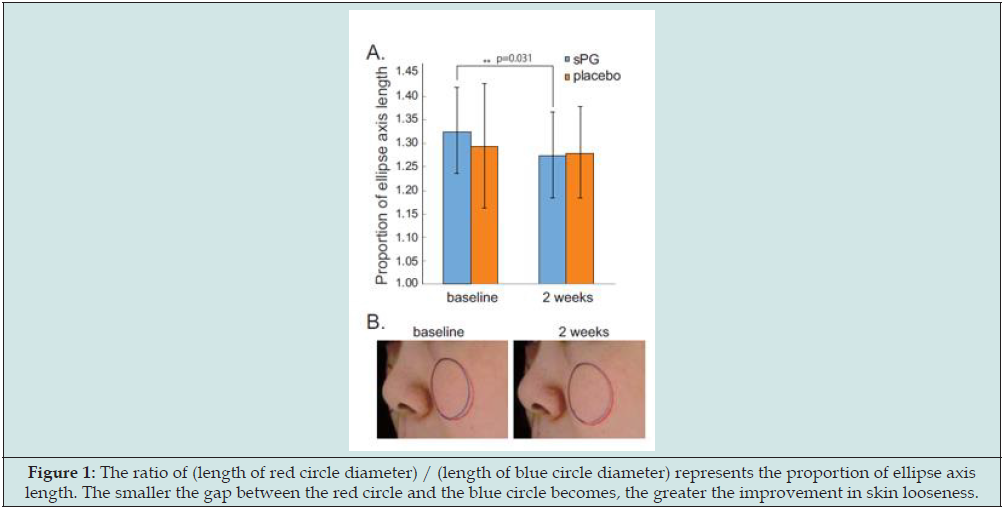
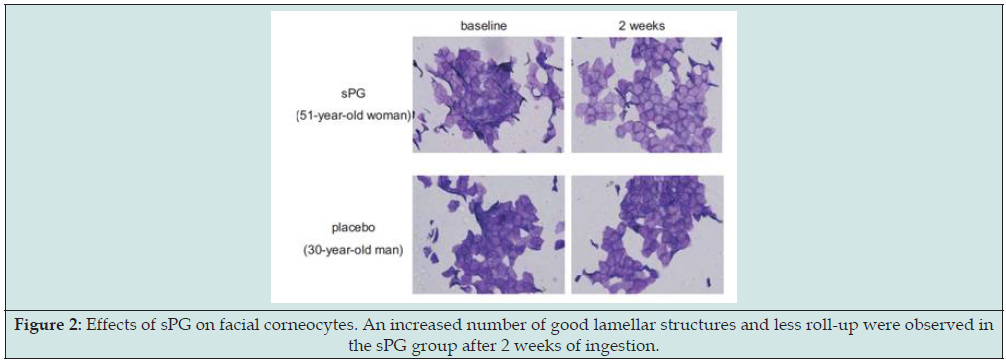
To further improve the efficacy in improving skin conditions, Bio-E incorporates proteoglycan and ceramide into its formulation, to help with the dermis’ hydration retention capacity and hydration loss prevention respectively. The proteoglycan comes from fish nasal cartilage powder of wild salmon in Hokkaido, Japan. The extraction ratio is extremely low, for only 1 kg of proteoglycan is extracted from 1600 salmons, making it one of the most expensive and exquisite inner beauty ingredients in the world. Proteoglycans can help lock in the water molecules in the multi-layers of the glycosaminoglycan chain while the unique structure of proteoglycans promotes the production of hyaluronic acid in fibroblasts, resulting in a higher hydration retention capacity than that of hyaluronic acid alone. Moreover, by combining with the EGF receptors, proteoglycans help promote the production of type I collagen, increase skin elasticity and reduce fine lines. In a randomized, double-blinded, placebo-controlled trial, ingestion of salmon nasal cartilage-derived proteoglycans showed improvement of the dermis conditions, including enhancement of skin elasticity, moisture, and smoothness, and reduction of wrinkles, facial pores, and blotches (Figure 1) adapted from reference [13]. Proteoglycans also contribute to the gut microbiota as a prebiotic, generating metabolites such as short-chain fatty acids to reduce the production of the inflammatory cytokines and improve the epidermis conditions such as lamellar structures (Figure 2) adapted from reference [13] and dry peeling [14]. The gut-skin axis is a very critical target for skin conditions and should not be ignored for any orally administered product intervention [15].

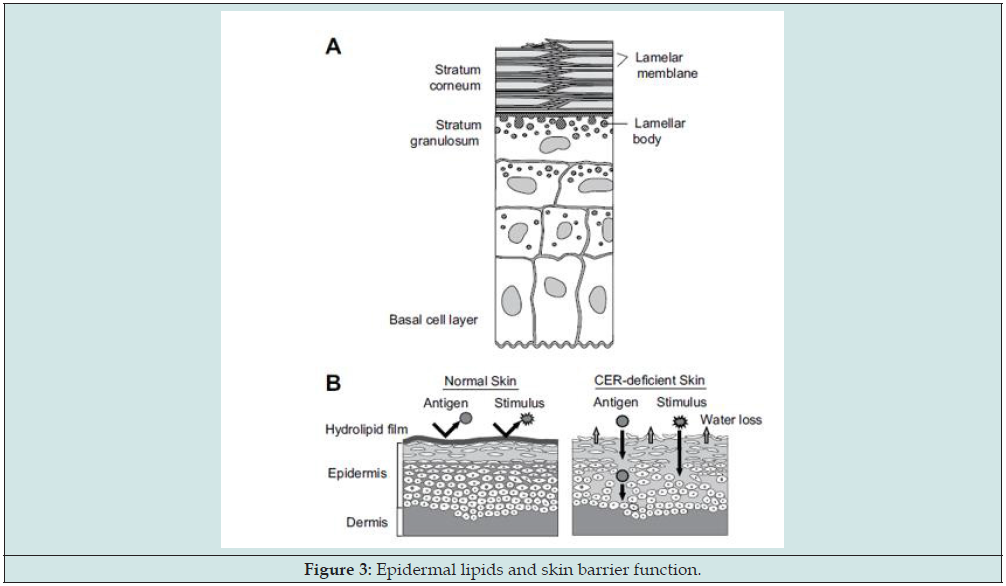
On the other hand, the prevention of water loss through the skin and defense from antigenic stimulus are critical for mammalian cells. These functions are served by the epidermal permeability barrier, which resides primarily in the extracellular domains of the stratum corneum as ceramide shown in Figure 3 adapted from reference [16].

Figure 1: The ratio of (length of red circle diameter) / (length of blue circle diameter) represents the proportion of ellipse axis length. The smaller the gap between the red circle and the blue circle becomes, the greater the improvement in skin looseness.

Lupinepublishers-openaccess-biotechnology-microbiology

Figure 2: Effects of sPG on facial corneocytes. An increased number of good lamellar structures and less roll-up were observed in the sPG group after 2 weeks of ingestion.

Lupinepublishers-openaccess-biotechnology-microbiology

Figure 3: Epidermal lipids and skin barrier function.

Lupinepublishers-openaccess-biotechnology-microbiology

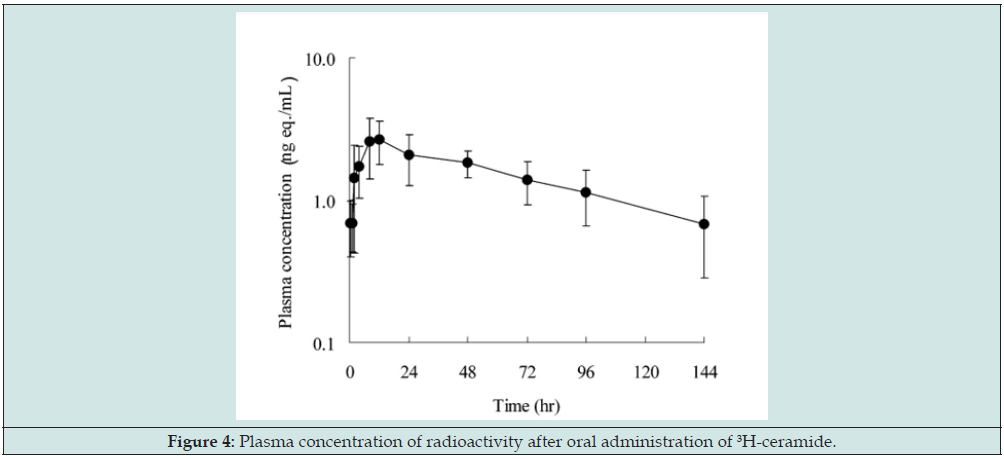
Figure 4: Plasma concentration of radioactivity after oral administration of 3H-ceramide.

Lupinepublishers-openaccess-biotechnology-microbiology

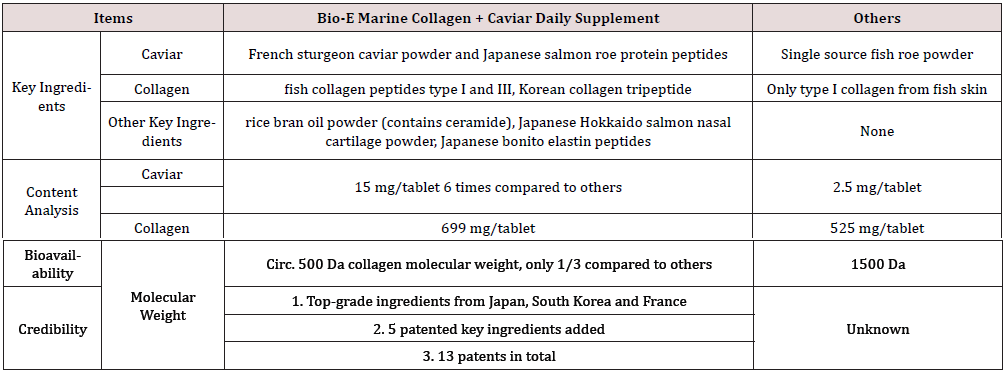
It is observed orally supplemented with a normal diet with ceramide (from rice bran and germ) for the 4 weeks reduced trans-epidermal water loss and improved stratum corneum flexibility. In Bio-E’s formula of Marine Collagen + Caviar Daily Supplement, ceramide is sourced from the precious essence of Japanese rice and comes in the form of rice bran oil powder. Only 1-2g glucose ceramide is extracted from one ton of Japanese rice through a dual-patented process. A number of clinical studies showed that this Japanese- patented ceramide can help repair corneum, establish skin protection barrier, and improve other skin problems such as dehydration, roughness, dry lines, sensitivity, redness, itching and so on [17,18]. Each tablet of Marine Collagen + Caviar Daily Supplement contains 2 mg of added ceramide, which is way higher than that of those on the market (Figure 4). The advantage of rice-derived ceramide lies in its high bioavailability for the following reasons: (1) the radioactivity concentration in the blood gradually increased to attain Cmax at 10.67 h after the administration, followed by gradual elimination with a T1/2 of 67.12 h, so it can be retained by the body for a long period (2) the rates of remaining ceramide in the body and skin were 34% and 16%, respectively, of the total absorbed ceramide, so the retention of ceramide in the body was high [19].

Last but not least, Bio-E Marine Collagen + Caviar Daily Supplement contains bonito elastin peptides, which are sourced from the aortic bulb of Japanese bonitos and research has shown that the signature indicator amino acids of elastin, desmosine and iso-desmosine, are only detected in the aortic bulb of bonitos, but not in their skin or any other tissues [20]. However, due to the aortic bulb’s size being only 2-3 cm long, only milligrams of elastin peptides can be extracted per fish. Research and questionnaires have suggested the ingestion of bonito elastin peptides generates multiple benefits including skin elasticity enhancement, reduction of wrinkles, vascular aging prevention, relief of joint pain and female chest sagging improvement [21].

Conclusion

Compared to similar inner beauty products on the market, Bio- E’s Marine Collagen + Caviar Daily Supplement is formulated with top-notch patented ingredients from all over the world (Table 1). The science and biotechnology of type I and III collagen peptides, low molecular weight tripeptides, EGF stimulating theory and gut-skin axis target were also unprecedentedly combined in this product.

Table 1. Comparisons of Bio-E Marine Collagen + Caviar Daily Supplement and other products on the market.

Lupinepublishers-openaccess-biotechnology-microbiology


Wednesday, 9 August 2023

Lupine Publishers | Operations Management Strategies for the TextileClothing Sector in Colombia

 Lupine Publishers | Latest Trends in Textile and Fashion Designing


Mini Review

The textile and clothing industry in Colombia represents a productive sector that has more than one hundred years of experience, which has allowed it to position both nationally and internationally, mainly due to the added value of fabrics, the quality of clothing, design innovation, and the occupation of local labor. However, in recent years the textile-confection, design and fashion sector in Colombia has faced many difficulties due to phenomena such as tax reforms, demand contraction, unfair competition, smuggling, money laundering, import and export policies, exchange rates, trade agreements, among others [1,2]. Additionally, challenges related to high energy costs, environmental costs, and demand for a wide variety of products with short life cycles must be addressed [3].

These changes in the textile-clothing industry have motivated the redesign of production and logistics processes, leading to optimization of operations to achieve satisfactory competitiveness levels, which depends on factors such as production costs, sales prices, human capital, technological development, product differentiation, infrastructure, geographic location, market size, among others [4]. Likewise, it should be considered that the apparel sector presents seasonal demands, in which the inventories must be constantly renewed to satisfy the demand, avoiding unsold inventories that represent large losses to the companies, and it requires convergence with the operations planning process in order to increase the inventory turnover and add value to products. Given this situation, it is absolutely necessary to apply operations management and supply chain management strategies, aiming to integrate, optimizing and coordinating business processes from raw material suppliers to the final consumer, managing forecasts to recover consumers and retailers confidence [5,6]. Therefore, members of the textile-clothing supply chain must conduct a thorough analysis of the fundamental logistics and operations to fulfill sale promises to final consumers and increase their productivity. It can be achieved using proper operations management strategies in the textile-manufacturing sector, creating value and addressing the intense competition in both the national and international markets.

Strategies for Inventory Management

In order to reduce the levels of sales and low turnover, the textile-clothing industry can identify the attributes of the supply networks of each type of retailer so that the manufacturers can understand how they should respond to the requirements for different classes of apparel [7]. This allows a greater integration of retailers and producers to manufacture garments under a quick response approach that meet the requirements of the market, even involving vertical integration in some industrial functions [8]. The textile-clothing companies must avoid shelf-out-of-stock at all costs since it implies the loss of a particular sale and the possible future sales of customers. For this, it is recommended use forecasting techniques, such as Fourier analysis methods, that can be easily implemented on SMEs through the use of common spreadsheets [9].

Likewise, it should be considered that the characteristics of the demand in the clothing industry are related to high impulse purchasing, demand uncertainty, high product variety, and a high number of references. In addition, the demand should be classified according to the specific attributes (smoothness, intermittence, uncertainty, and slow-moving). To cope with this issue, it is necessary to manage the historical series to facilitate the use of effective forecasting methods [10].

Strategies for Over Inventory and Overproduction

Over inventory and overproduction not only represent an economic problem for the companies but also an environmental and even social problem, which must be addressed to guarantee the sustainability of the business. For that, it is recommended to design pull production systems guaranteeing the integration of the echelons within the textile-clothing supply chain, such as integrating design and retail processes, leading to a flexible design process, quickly product delivery to the market and avoiding building up stock that will not be sold [11,12].

Similarly, involving retailers and store managers in the S&OP process can help determine what is or is not selling especially in the case of new product introductions and end of life product forecasts [13], and implementing demand forecasting methods such as Arima and Arimax can reduce the difference between planned inventory and real demand because these methods can process multiple variables and consider periods of high demand that vary from year to year, such as holidays [14]. Another strategy is related to integrating Point of Sale systems (POS) with stochastic computer-simulation models to provide quick response procedures for seasonal merchandise, thus reducing the replenishment time and the potential for lost sales [15], thus obtaining timely and accurate inventories for effective and efficient use of automatic replenishment systems and vendor partnerships [16].

Once over inventory or overproduction occurs, refashion strategies can be applied developing prototypes through deconstruction and reconstruction processes. Refashion is a process that intercepts overproduction, over inventory, discarded clothing, reclaims, and re-cuts, returning the item to the clothing stream, reducing wastes and the demand on raw materials required in the manufacture of new textiles and garment [17]. In this sense, another alternative is the donation of overproduction to improve sustainability indicators related to social dimensions (support to communities in need) and environmental dimensions (waste reduction and mitigate the damage to the natural environment). However, these donations must avoid replacing existing markets, so they must go to different and distant markets of the textile-clothing companies that manufacture said overproduction [18].

Strategies for Reducing High Production Costs

Production costs can be reduced through proper production planning and operations scheduling, which optimizes the resources available in the production facilities. For this, it is recommended to perform an adequate aggregate production planning process in order to minimize total costs associated with labor and inventory levels in a medium-term horizon [19]. For the short term, scheduling techniques must be applied to assign jobs to resources in clothing manufacturing plants reducing the time lost in assembly modules and setup operations [20]. Regarding the planning process of the required resources such as manufacturing modules, setup staff, floor area, machinery, equipment, among others, the use of simulation techniques has been proved to allow the minimization of total production costs under different operating scenarios [21]. Likewise, technologies such as RFID and cloud computing can capture and monitor real-time information to provide production scheduling solutions based on intelligent optimization techniques such as heuristics and metaheuristics [22,23]. Production systems based on lean manufacturing are also a great alternative to reduce costs and increase product quality [24-26], promoting the implementation of tools and methods such as 5S, DEMAIC, Kaizen, SMED, and TPM, as well as Six Sigma approaches [27].

On the other hand, under a global supply chain approach, it is necessary to consider global sourcing for materials and production services in order to get products and services with the flexibility and speed required by the market [28-30]. Thus, textile-clothing companies can focus on performing own processes that add value and outsourcing those for which the companies do not have sufficient competitiveness. For the case in which textileclothing companies need to acquire materials from suppliers, it is recommended to implement material requirements planning (MRP) systems to reduce excessive raw materials and provide on-time inventory, avoiding cost overruns and production delays [28,29].

Conclusion

Operations management allows addressing problems related to low levels of sales and low turnover, over inventory and high manufacturing costs in textile-clothing companies in order to improve productivity and competitiveness. Operations management provides strategies that promote the supply chain integration, adequate demand forecasting methods, S&OP methodologies, lean manufacturing principles, implementation of information technologies, and production planning techniques for the long, medium and short term.


Read more about Lupine Publishers Journal of Textile and Fashion Designing Click on the below link:

https://fashion-technology-lupine-publishers.blogspot.com/


Tuesday, 8 August 2023

Lupine Publishers | Role of Complementary and Alternative Medicine In Treatment and Prevention of Obesity; Molecular Strategies to Recommended Acceptance

 Lupine Publishers | Journal of Biomedical Engineering and Biosciences


Introduction

The incidence of obesity is increasing at an alarming rate which has led to a surge the obesity-related morbidity in the world. It is now a most evident problem in world’s population therefore, it needs to be addressed [1]. According to WHO, obesity is defined as BMI equals to or greater than 30 kg/m2 which is the accumulation of fat in adipose tissue to such an extent that may be fatal [2]. Obesity is now replacing malnutrition, infectious and contagious diseases as the most vital contributor to ill health. The obesityrelated health problem poses a burden on the health care system and lowers the quality of life of obese people. Particularly, it causes many chronic conditions like hypertension, cardiovascular diseases, diabetes type, kidney stones, respiratory issues, gout, arthritis, stroke, chronic fatigue sleep disorders and certain types of cancer such as breast and prostate cancer [2,3].The epidemic of obesity is due to a sedentary lifestyle, minimal or no physical activity, intake of saturated fatty acid, high calories carbohydrates, carbonated drinks, and preserved food and sometimes genetic involvement is susceptible [4] .Without modifying lifestyles through culture and environment, it would be difficult to attain healthy life patterns. Improved patient health, quality of life and reduced cost of care of patients with obesity and other obesity-related health issues will not be recovered and resolved by clinical interventions alone [5-7]. Obesity or overweight is always perceived to be due to high levels of calories intake and low level of physical activity, therefore, lowcalorie diet and enhance physical activity is presumed to be the foremost treatment for obesity. Although increased physical activity helps obese patients to combat various health problems or even lowers the risk of coronary artery diseases, hypertension, diabetes, and stroke. However, there are some other methods which help patients to fight obesity under restricted or non-restricted diet patterns [8,9]. There is new literature for the chronic care model which integrates both clinical and community system to address chronic problems, for instance, the use of complementary and alternative medicine [10]. National Centre for Complementary and Alternative medicine elaborated the term Complementary and alternative medicine as “a collection of diverse medical and healthcare system, practices, and products which are not considered as a current health care system” [11]. Due to increased public awareness through mass media, advertisement, and internet, people nowadays, are more attractive towards the use of comparative and alternative treatment to reduce weight and to get rid of body fat. Social pressure regarding body weight/size and desire to look smart compels obese subjects to use complementary and alternative medicine and they are massively used due to their short term and early effects [6,11]. In recent years, CAM therapies are widely used in addition to conventional medical treatment and people thought that they are extremely effective. However, until now, there are inadequate researches regarding the effectiveness and efficacy of CAM therapies for reducing weight and most of the current literature have fundamental methodological problems, they have significant health benefits along with major healthrelated risk factors [6]. When it comes to reducing weight and becoming smart, there is a wide range of complementary medicines available in the form of herbal supplements, they have little effect. Moreover, they help to reduce weight and as soon as you left those medicines, you will gain more weight than ever before so, this is one of the serious and alarming side effects of using complementary medicine. Examples include the use of herbal products, dietary supplements and over the counter medicine for shedding weight, although they have adverse side effects significant effect can be achieved when used in combination with allopathic medicine [12]. Furthermore, people are more inclined towards the ancient practices such as dry needling: acupuncture; visits to complementary clinicians like naturopaths, homeopaths, and chiropractors; and meditative and thoughtful practices such as Reiki, yoga, massage, and tai chi. They may have adverse effects and can cause physical injury as well. Therefore, there is the impetus for physician knowledge of CAM strengths versus drawbacks and collaborative integration of CAM in clinical practice of physicians so that maximum benefit could be achieved [13,14]. Although, it is one of the vital factors to teach and educate medical students at universities and hospitals about CAM; which can be assumed as a “bottom-up” approach for preparing the health care system for improved integration of CAM. However, “top-down” changes are required and suggested to enhance patient care and health [15]. The top-down approach proposes to better illustrate CAM’s role in contemporary health care, modifications must originate from governing organizations and administrations in the form of clearer recommendations. There is no clear agreement with the medical community regarding the efficacy of CAM therapies [15,16]. There is a serious need to discuss at social and legislative levels to even include it as an integrated part of the curriculum in the medical syllabus and also as a complementary framework in medicinal and health sciences under specific clear outcomes. It is very important to have approval and commandments for the use for Cams so that physician should recommend CAM in specific circumstances. This inconsistency advocates a lack of consistency in the consideration of therapeutic effects of CAM when publishing these guidelines and may feed underlying negative insights of the validity of CAM within the medical community [17-20]. In such cases where the efficacy of certain medications has proven scientifically should be recommended by the physician based recommended combination of CAM with traditional medicines. For instance, if a plant like Hoodia Gordonii, which is a member of the Asclepiadaceae (the milkweed family), is associated with appetite inhibition and few scientific studies are conducted on chief features (bioactivity of its biological ingredients, clinical application, in vivo biopharmaceutics, and safety) of this anti-obesity plant. Obviously, this has brought about a considerable concern, as H. gordonii is among the most popular organic anti-obesity products. In such cases, where the efficacy of certain medications has evidenced scientifically; should be recommended by physicians a recommended combination of CAM with traditional medicines [21]. Diet and deficiency of exercise are the old reasons for obesity, and in the last two decades, genetic factors are under research and identification to be involved in obesity [22]. Mutations happen in the genes by naturally or hereditary to have a role in the obesity syndromes’ (e.g., Bardet– Biedl syndrome) for example, but there is no clear pathway explaining the role of the intact gene in causing obesity [20,23]. Studies in humans showed the role of specific mutations in intact genes in severe human obesity, for example, Hyperphagia and impaired T-cell–mediated immunity in both mice and humans beside infertility are examples of leptin deficiency hormone under mutations [24,25]. One of the products studied previously to be effective against obesity are green tea leaves derived from Camellia Sinensis has shown to have It has polyphenols (catechins) as main bioactive molecules. These bioactive molecules increase energy consumption, triggering the oxidation, and sympathetic nervous system of fat metabolism, and for the alternative pathway, results in high production of enzymes responsible for hepatic fat oxidation, appetite prevention, and reduced nutrient absorption [26]. Another dietary supplement produces from the dehydrated Garcinia Cambogia fruit rind, which has a hydroxycitric acid, used in southern India. G. Cambogia product manages the sense of satiety and appetite by it is the mechanism of ATP-dependent citrate lyase enzyme, which exchanges the citrate to acetyl-CoA and oxaloacetate [27]. Several previous studies showed the effect of green tea catechins (GTCs) and green tea on the gene and protein expression in obesity. Another study showed that the catechin-rich diet increased the expression of the medium-chain acyl-CoA dehydrogenase (MCAD) and acyl-CoA oxidase (ACO), which decreasing the fat accumulation and enhancing hepatic β-oxidation activity [28,29]. On the other hand, also there are studies showing its role in lipogenesis, including fatty acid synthase (FASN), and adipogenesis, including CCAAT/enhancer-binding protein alpha (C/EBPα), liver X receptor alpha), and (LXR-α peroxisome proliferator-activated receptor gamma (PPAR-γ) [28]. Use of Complementary and alternative therapies are progressively increasing because the general population perceived them to be active in helping to ease some of the health challenges associated with obesity. Patient’s knowledge and involvement, personal attributes, health beliefs, attitude to CAM and medical history are principally accountable for the increased use of cam rather than socio-demographic factors and socio-economic status. CAM therapies for the obese people should be extensively investigated in well-controlled experimental research settings to deliver safety and effective data on treatments, as well as authenticated treatment options for those with obesity-related morbidity [30]. Looking into the current scope of obesity and its high incidence in different populations, there is a need to specify the reported evidence for CAM therapies as per type of obesity and mechanisms involved in obesity [31]. Role of inflammation and genes involved can play a vital role not only in metabolically stabilization of obese subjects but also at the same time to decrease their BMI to make them socially more stable and acceptable [32].


Read More About Lupine Publishers Journal of Biomedical Engineering and Biosciences Please Click on the Below Link:

https://biomedical-sciences-lupine-publishers.blogspot.com/ 


Monday, 7 August 2023

Lupine Publishers | Antimicrobial Efficiency of Selected Wastes and By- Products for Building Applications

 Lupine Publishers | Journal of Civil Engineering and its Architecture


Abstract

Article deals firstly with studying antimicrobial efficiency of ground metallurgical slags: granulated blast-furnace slag, aircooled blast-furnace slag, demetallized steel slag, calcareous ladle slag and copper slag. The efficiency was tested on microbial representatives: G+ and G- bacteria; yeasts; fungi. The efficiency was determined by dilution methods in agar growth media with resulting slag concentrations of 10, 20, 40 and 60%. The results gained by testing the antimicrobial efficiency of individual slag samples on selected representatives of biodeteriogenic microflora can be summarized as follows: the tested slag samples are characterized by selective toxicity on the model bacteria, yeasts, and microscopic filamentous fungi. Calcareous ladle slag possesses the highest antimicrobial efficiency, while granulated blast-furnace slag and demetallized steel slag have medium activity. Air cooled blast-furnace slag has still lower activity and copper slag has the lowest activity. Secondly, antifungal effects of fluidized bed combustion fly and bottom ash, pulverized fly ash, carbide lime slurry, commercial lime and granulated blast-furnace slag as well as cements made from it were tested on fungi according to technical standard ČSN 72 4310. The study confirms fungistatic properties of all samples as well as Blastfurnace cements containing the granulated blast-furnace slag additions from 65wt.% to 95wt.%, with exception of pulverized fly ash and Blastfurnace cements containing the granulated blast-furnace slag additions lower than 65wt.%, which have no fungistatic properties.

Keywords: Metallurgical slags; Antimicrobial efficiency; Mould-proof properties; Fungistatic properties; Fluidized bed combustion fly and bottom ash; Pulverized coal combustion fly ash; Carbide lime slurry; Fungistatic cements

Introduction

Every year increasing enormous amounts of wastes and industrial by-products are generated worldwide, which result in environmental problems. Their high cost disposal or low effective recovery and utilization lead to depositing in a landfill site. However, wastes and by-products can represent an important source of secondary raw materials in order to replace natural resources. The representatives of such materials can be metallurgical slags, coal combustion ashes, carbide lime slurries etc. Typical for these materials can be mentioned ground metallurgical slags: granulated blast-furnace slag with finenesses 340 (1Sa) and 520m2.kg-1 (1Sb), air-cooled blast-furnace slag (2S), demetallized steel slag (3S), calcareous ladle slag (4S) and copper slag (5S) as well as fluidized bed combustion fly (FBCFA) and bottom ash (FBCBA), pulverized fly ash (PCCFA), carbide lime slurry (CLS). Reuse of these materials for new applications is of great international interest. The antimicrobial properties, focusing on antifungal effects of the wastes and by-products have been previously studied [1-4]. Results of these investigations have shown that some of these materials possess significant antimicrobial efficiency and thereunto fungistatic properties and so can be readily used for building materials and products providing them increasing resistance against biodeterioration.

Biocorrosion, subsequently connected with biodeterioration of concretes, mortars, and building materials and products is a serious problem wherever the conditions suitable for particular microorganisms occur. Biodeterioration reduces the utility efficiency of concretes, as well as their service life. Biocorrosion, as a specific type of chemical corrosion, is caused by various biogenic organic acids and mineral acids (sulphuric acid, H2SO4, and nitric acid, HNO3), as well as by corrosive hydrogen sulphide H2S, and ammonia, NH3, which result from the metabolic activity of microorganisms [5-8]. These aggressive metabolites react mainly with calcareous components of concrete and mortar stone, with development of their non-binding calcareous salts. Some of them cause sulphate degradation, resulting in extreme expansion in the hardened concrete and leading to the complete destruction of concrete structural elements.

The article aims to review the previously measured results of antimicrobial efficiency of selected wastes and industrial byproducts for increasing their utilization in building materials and products, as well as for enlarging civil engineering applications with respect to higher biodeterioration resistance and sustainable development.

Materials and Methods

Materials

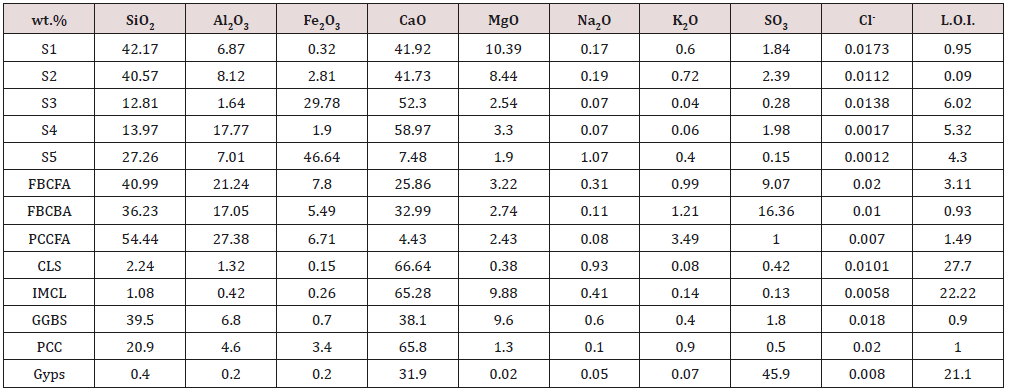
The tested wastes and industrial by-products have been as follows: granulated blast-furnace slag with finenesses 340 (1Sa) and 520m2.kg-1 (1Sb), air cooled blast-furnace slag (2S), demetallized steel slag (3S), calcareous ladle slag (4S), copper slag (5S) [1], fluidized bed combustion fly ash (FBCFA) and bottom ash (FBCBA), pulverized coal combustion fly ash (PCCFA) [2], carbide lime slurry (CLS), industrially manufactured commercial lime (IMCL) [3] as well as ground granulated blast furnace slag (GGBS) and the cements made from it (mixtures of GGBS, ground Portland cement clinker (PCC) and gypsum (Gyps)) [4], respectively. The samples were ground to the finenesses of 400m2.kg-1.

Table 1: Chemical composition of ground samples in wt.% used for testing.

Lupinepublishers-openaccess-journals-Civil-engineering-Architechture

L.O.I. – Loss on Ignition.

The chemical composition of samples was analysed by X-ray fluorescence analysis (XRF) according to EN 196-2 using a SPECTRO X-LAB 2000 apparatus. The semi-quantitative chemical composition of the samples is introduced in Table 1.

The mineralogical composition of the samples was determined by XRD technique using BRUKER AXS D8 Advance device. The identified mineralogical composition of the samples is as follows: S1a and S1b – melilite (solid solution of C2AS–C2MS2); S2 – melilite C2AS–C2MS2, brownmillerite C4AF, quartz SiO2; S3 – wüstite FeO, brownmillerite C4AF, free lime CaO, portlandite Ca(OH)2, larnite β-C2S, quartz SiO2; S4 – free lime CaO, larnite β-C2S, shanonite γ-C2S, gehlenite C2AS, C3A, gypsum CaSO4.2H2O, quartz SiO2 and S5 – fayalite 2FeO.SiO2, anortite CAS2, pyroxene type CaAlAlSiO6; FBCFA – quartz SiO2, anhydrite CaSO2, free lime CaO, anorthite CAS2, hematite Fe2O3, magnetite Fe3O4, glass phase; FBCBA – quartz SiO2, anhydrite CaSO4, free lime CaO, calcite CaCO3, hematite Fe2O3, magnetite Fe3O4, glass phase; PCCFA – quartz SiO2, mullite A3S2, hematite Fe2O3, magnetite Fe3O4, glass phase; CLS – calcite CaCO3 (22.40wt.%), portlandite Ca(OH)2 (70.10wt.%), hydrocalumite (structurally like as Friedel’s salt 3CaO.Al2O3.CaCl2.10H2O) Ca4Al2(OH)12(Cl,OH)2.4H2O (5.13wt.%), graphite C (2.37wt.%); IMCL – portlandite Ca(OH)2, calcite CaCO3, quartz SiO2, periclase MgO; GGBS – fully glassy, sometime containing a small amount of melilite C2AS–C2MS2 or merwinite C3MS2; PCC – C3S (70.5wt.%), C2S (10.2wt.%), C3A (5.7wt.%), C4AF (10.9wt.%) and free lime CaO (1.0 wt.%); Gyps – gypsum CaSO4.2H2O (min. 95wt.%), limestone CaCO3 (max. 2.5wt.%), respectively.

The determination of free calcium oxide CaOfree content in the metallurgical slags was performed using the hot ethylene glycol titration method [2]. The CaOfree content in the slags is given in Table 2. The ground slags were leached in distilled water at 20 °C for 24h. The pH was determined in the slag water leachates by an Agilent Technologies 3200P pH Meter with an electrode reference system. The measured pH values of the water leachates are also shown in Table 2.

Table 2: The free calcium oxide CaOfree content in the samples and pH of the water leachates.

Lupinepublishers-openaccess-journals-Civil-engineering-Architechture

GGBS1 – pH of the water leachate at 20 °C; GGBS2 – pH of the water leachate at 100 °C

Methods

Determination of antimicrobial efficiency of metallurgical slags under in vitro conditions

The antimicrobial activity of the metallurgical slags S1 – S5 was tested on selected representatives of biodeteriogenic microflora, such as bacteria, yeasts, and filamentous fungi. Microbial strains (bacteria and filamentous fungi) used in this work were either from the Czech Collection of Microorganisms, (CCM) T. G. Masaryk University, Brno, Czech Republic or yeasts from the Collection of Microorganism of the Institute of Biochemistry and Microbiology, Slovak University of Technology, Bratislava, Slovak Republic [1].

The tests were performed in the laboratory incubator at temperatures of 30 °C for bacteria, 28 °C for yeasts and 25 °C for filamentous fungi at a relative humidity of 95% for four days. Antimicrobial activity was determined by dilution methods in standard agar growth media, so that the resulting concentration of tested slags in growth media was 10, 20, 40, and 60% [1]. The pH of the growth media with the addition of the slags was strongly alkaline (pH 11); thus, half the samples of each slag was tested at this pH, and the second half was tested at a modified pH (bacteria pH 7.2, yeasts, and filamentous fungi pH 6.6). The first half of the samples with the original pH represented real conditions for growth of microorganisms in concrete; the second half with a modified pH represented optimal conditions for growth of the microorganisms in vitro [1]. The growth intensity of bacteria and yeasts was compared with the growth of bacteria and yeasts in the control growth media without slags. The growth of filamentous fungi in the presence of slags was monitored by the measurement of average diameter of growing colony at regular time intervals and was compared with the filamentous fungi growth in the control growth media without slags [1].

Method of testing the mould-proof properties of building products and materials

The antifungal effect of the materials was tested using the procedure given in the technical standard ČSN 72 4310 [9]. The mould-proof properties expressed as the intensity of fungi growth on building products and materials are determined by both artificial and natural contamination, with exposure to the selected testing moulds under the prescribed conditions presented in [9]. The scale of evaluation of the mould-proof properties of the tested materials according to [9] is expressed by a value from 0 to 5, which is the degree of fungal growth (DFG). The value 0 means that no growth of fungi occurs and the tested materials possess fungistatic properties; in some cases, fungicide properties also occur after the formation of an inhibiting zone in the broth medium around the sample. The building products and materials are not mould-proof, when the intensity of mould growth on the sample surface itself is from 1 to 5 of DFG.

The testing has been realized in the accredited microbiological laboratory of Testing Institute for Textiles in Brno, Czech Republic. A mixture of fungi - cultures delivered from the Czech collection of microorganisms, has been used for the testing. The test conditions are as follows: sample size Ø 5.5cm; temperature in the incubator 28±1 °C; rel. humidity in the incubator 95%; incubation period 3 months; standard broth media. The tested samples have been exposed to the contamination by the chosen microorganisms in the broth medium according to exactly defined conditions given in [9] during 3 months, after which their mould-proof properties have been evaluated.

Results

Antimicrobial efficiency of individual slag samples

Firstly, the antimicrobial activity of individual slag samples on selected representatives of biodeteriogenic microflora was determined; subsequently the antimicrobial efficiency of individual slags was mutually compared. The tests were also carried out at A–alkaline pH of growth media and N–neutral pH of growth media, as well [1].

Based on the obtained results of determining the antibacterial efficiency of individual slag samples on the selected model Grampositive bacteria (G+) and Gram-negative bacteria (G−), it can be stated that the inhibitory effect of the slag samples differs. Slag S4, which intensely inhibited growth of G+ and also G− bacteria, had the highest antibacterial activity, which was also proven at the lowest concentration of slag S4: 10% in growth media. The bacteria, except M. luteus, did not grow at higher concentrations of slag S4 in growth media, whereas the pH values of the growth media (alkaline, neutral) did not affect the inhibition intensity of bacterial growth.

The growth of G+ bacteria S. aureus and B. subtilis was inhibited in the presence of slag S3 in growth media as early as at a concentration of 10%, and at higher concentrations growth was completely inhibited. However, slag S3 did not affect the growth of G− bacteria, except for E. coli, at the highest concentration used (60%). Inhibition of bacterial growth in the presence of slag S2 was more intensive in the alkaline pH of growth media. The complete inhibition of the growth of G+ bacteria S. aureus and B. subtilis was detected with slag S2 at concentrations of 20, 40, and 60% in growth media and, inhibition of growth of G− bacteria E. coli, S. marcescens and P. aeruginosa was detected at a slag S2 concentration of 60% in growth media. Slag S1a caused total inhibition of B. subtilis growth at concentrations of 40 and 60% in growth media at both a neutral and alkaline pH. A 40 and 60% concentration of slag S1b in growth media at neutral as well as alkaline pH led to total inhibition of the growth of B. subtilis. No growth of E. coli was observed at a slag S1b concentration of 60% in growth media at neutral pH. Slag S5 did not significantly affect the growth of the model bacteria. Slags S1a, S1b, S2 and S5 caused a change in S. marcescens growth at alkaline pH. Based on the obtained results, it can be stated that the antibacterial efficiency of the individual slag samples decreased in the order: S4 > S3 > S2 > S1a = S1b > S5 [1].

From the results of determining the anti-yeast efficiency of the individual slag samples on the selected model yeasts, it can be stated, that Slag S4 possessed the highest anti-yeast activity. Growth of all model yeasts was completely inhibited at concentration as low as 10% of slag S4, at both alkaline and neutral pH of the growth media. Slags S1a, S1b, and S3 caused total inhibition of the growth of all model yeasts from a concentration of 20% in growth media at alkaline and neutral pH, as well. The growth of the model yeasts was intensively reduced in the presence of slag S2 at concentrations of 40 and 60% in growth media. Slag S5 partially inhibited the growth of the model yeasts; however, total inhibition of the growth of yeasts was not observed even at the highest concentration of 60% in growth media. Based on the measured results, the antiyeast efficiency of the individual slag samples decreased in the order: S4 > S1a = S1b = S3 > S2 > S5 [1].

From the results of determining the antifungal efficiency of the individual slag samples on the selected model filamentous fungi, it is evident that the model filamentous fungi used were sensitive to the presence of slag samples in various ways. As is apparent from the results of inhibition, all slags inhibited the growth of filamentous fungi by 40–100% at a concentration of 60% slag. The most sensitive to the presence of all slags were A. niger and T. viride. Their growth was completely inhibited when 20–60% concentrations of all slag samples at neutral and alkaline pH were used. The growth of these two fungi species was stopped, thus causing a fungistatic effect. A 60% concentration of slag S4 led to the inhibition of T. viride growth with fungicide effect (killed fungal spores). Slag S4 had the most inhibiting activity for all fungi. It completely inhibited growth of almost all model filamentous fungi in concentrations from 20– 60% at alkaline pH, with mostly a fungistatic effect. Only T. viride growth was inhibited totally with a fungicide effect at alkaline pH of growth media at a slag S4 concentration of 60%. At neutral pH of growth media, the growth of model filamentous fungi was inhibited completely at concentrations from 40–60% of slag S4 and at slag S4 concentration of 60% with fungicide effect on A. alternata, A. niger, T. viride and Ch. globosum.

A lower inhibiting effect on filamentous fungi growth was observed in the case of slags S1a, S1b and S3, but they inhibited the growth of all tested filamentous fungi from 40–100% at a concentration of 40%. The lowest impact on the growth of model filamentous fungi was observed in the presence of slags S2 and S5 in growth media, which affected only the growth of the most sensitive fungi, A. niger and T. viride. The most resistant was A. alternata. Its growth was most intensely inhibited by slag S4, with total inhibition observed at 40–60% of slag, with mostly a fungistatic effect.

Regarding the fact that model filamentous fungi were selectively sensitive to the presence of the tested slags, it is possible to determine only an approximate order of inhibition efficiency of the slags to filamentous micromycetes: S4 > S3 = S1a = S1b > S5 > S2. The pH values of the growth media did not significantly influence the intensity of inhibition of the model microorganisms’ growth [1].

The results gained by testing the antimicrobial efficiency of individual slag samples on selected representatives of biodeteriogenic microflora can be summarized as follows: the tested slag samples are characterized by selective toxicity on the model bacteria, yeasts, and microscopic filamentous fungi; calcareous ladle slag (S4) possesses the highest antimicrobial efficiency; slag S4 best inhibits the growth of bacteria, yeasts, and microscopic filamentous fungi of all tested slags; total growth inhibition of Trichoderma viride and Aspergillus niger was detected in the presence of all tested slags at a concentration of 10% in growth media, except for copper slag (S5); the calcareous ladle slag (S4) and granulated blast-furnace slag (S1a) possessed fungicidal (lethal) effect on spores of some filamentous fungi at a concentration of 60% in growth media; copper slag (S5) is characterized by the lowest antibacterial and anti-yeast efficiency, despite having the highest Cu, Cr, As, Zn, Pb, and Hg contents from all tested slags; air cooled blast-furnace slag (S2) and copper slag (S5) have the lowest antifungal efficiency [1]. Slag S4 is characterized as having the highest CaO content of 58.97 wt.% and the highest CaOfree content (3.30wt.%) as well as the highest pH (12.93), in comparison with the other tested slags (Table 2). Calcareous ladle slag (S4) has the highest antimicrobial efficiency, while granulated blast-furnace slag (S1a, S1b) and demetallized steel slag (S3) have medium activity. Air cooled blast-furnace slag (S2) has still lower activity and copper slag (S5) has the lowest activity.

The mould-proof properties of the selected wastes and by-products

After the 3-month incubation period, the mould-proof properties of tested samples were evaluated by the degree of fungi growth (DFG) according to technical standard [9] and the results are summarized in Tables 3 & 4. The samples possess different mould-proof properties, most of them is characterized in 0 value of the degree of fungal growth (DFG) i.e. there was no growth of fungi on sample surface.

Table 3: Antifungal properties of the tested samples.

Lupinepublishers-openaccess-journals-Civil-engineering-Architechture

DFG – degree of fungal growth on the sample surface, 0 – absence of fungal growth, 5 – fungal growth = 100%

Table 4: Antifungal properties of ternary mixtures of GGBS, PCC and Gyps.

Lupinepublishers-openaccess-journals-Civil-engineering-Architechture

*Gyps is expressed as sulphate content SO3 wt.% added into the binary GGBS and PCC mixtures.

The FBCFA, FBCBA and PCCFA possess different mould-proof properties, depending on the amount of free lime CaO [2]. The results imply that the higher the amount of free lime CaO in the ash, the more antimicrobially active the particular ash becomes. The mould-proof properties of the FBCFA and FBCBA reach 0 degree of fungi growth [2], they have a fungistatic effect according to technical standard [9]. The results for the mould-proof properties of PCCFA reach 5 degree of fungi growth i.e. PCCFA does not have a fungistatic effect and the sample surface is fully covered by fungi (fungi colonies cover 100% of the sample surface). However, FBCFA and FBCBA increases pH values of the water leachate up to 12.3 and 12.5, which affects the viability of microorganisms [2].

Generally speaking, CLS and IMCL are suitable for reaching 0 degree of fungi growth according to technical standard [9]. On the basis of the experimental results, it can thus be stated that the CLS and IMCL are defined as the fungistatic building materials [3] according to technical standard [9].

GGBS with 0 degree of fungi growth is fungistatic building materials [4] according to technical standard [9]. The ternary mixtures of GGBS, PCC and gypsum possess different mould-proof properties, depending on the amount of GGBS that was added to the mixture (Table 4). The results imply that the higher the amount of GGBS in the mixture, the more antimicrobially active the particular cement mixture becomes. With GGBS content in the mixtures of 65wt.% and higher, the mould-proof properties of the cements reach 0 degree of fungi growth.

In general, GGBS, CEM III/A 32,5 N (with GGBS content of 65 wt.%), CEM III/B 32,5 N and CEM III/C 32,5 N are suitable for reaching 0 degree of fungi growth [4] and they are defined as fungistatic building materials according to technical standard [9]. The inhibiting zone did not form on the agar around all of the tested samples. This means that the tested samples do not have a fungicidal effect. From a practical point of view, the fungistatic wastes and by-products are suitable for achieving a mould-free environment and potentially offer wide application possibilities in the building industry from preventive use to the purposes of repairing and reconstruction. However, the mechanism of the antimicrobial effects of the tested samples should be a subject of further study.

Conclusion

From the results of determining the antimicrobial efficiency of individual slag samples, it can be stated, that calcareous ladle slag (4S) intensely inhibited growth of G+ and also G− bacteria, had the highest antibacterial activity, which was also proven at the lowest concentration of slag S4: 10% in growth media. Slag S4 possessed the highest anti-yeast activity. Growth of all model yeasts was completely inhibited at concentration as low as 10% of slag S4, at both alkaline and neutral pH of the growth media. Slag S4 had the most inhibiting activity for all fungi. It completely inhibited growth of almost all model filamentous fungi in concentrations from 20-60% at alkaline pH, with mostly a fungistatic effect and at slag S4 concentration of 60% with fungicide effect on some of the selected model filamentous fungi. On the contrary, copper slag (5S) did not significantly affect the growth of the model bacteria. Slag S5 partially inhibited the growth of the model yeasts; however, total inhibition of the growth of yeasts was not observed even at the highest concentration of 60% in growth media. The lowest impact on the growth of model filamentous fungi was observed in the presence of air-cooled blast-furnace slag (2S) and slag S5 in growth media.

Based on the obtained results, the antibacterial efficiency of individual slag samples decreased in the order: S4 > S3 > S2 > S1a = S1b > S5. The decrease in anti-yeast efficiency of the individual slag samples was in the order: S4 > S1a = S1b = S3 > S2 > S5. Model filamentous fungi were selectively sensitive to the presence of tested slags, but it is only possible to determine the approximate order of inhibition efficiency of slags to filamentous micromycetes: S4 > S3 = S1a = S1b > S5 > S2.

The study confirmed the fungistatic properties of of fluidized bed combustion fly (FBCFA) and bottom ash (FBCBA), carbide lime slurry (CLS), commercial lime (IMCL) and granulated blastfurnace slag (GGBS) as well as Blastfurnace cements containing the granulated blast-furnace slag additions from 65 wt.% to 95 wt.%, with exception of pulverized fly ash (PCCFA) and Blastfurnace cements containing the granulated blast-furnace slag additions lower than 65 wt.%, which have no fungistatic properties. The study of mould-proof properties can be summarized: FBCFA, FBCBA, CLS, IMCL, GGBS, Cements with GGBS content of 65 wt.% and more are fungistatic building materials according to technical standard ČSN 72 4310.


Read More About Lupine Publishers Journal of Civil Engineering and its Architecture Please Click on the Below Link:

https://lupinepublishers-civilengineering.blogspot.com/