Showing posts with label surgery open access journal. Show all posts

Thursday, 4 February 2021

Lupine Publishers | Scientific Student Societies: A Way of Scientific Research Vocations Boosting

 Lupine Publishers | Journal of Surgery & Case Studies


Abstract

Born in Russia at the end of the XIXth century the Scientific Student Societies have developed a rather original way of initiation and involvement of the young in the scientific research during High School and University cursus. All through the XXth century and up to now, they have given several generations of Russian scientists an adequate pre formation consisting not only of skill acquisition in their future speciality but also in planning, realization and organization of scientific research and sharing of its results. Their popularity was also due to the high degree of initiative and autonomy left to the students.

Abbreviations: SSS: Scientific Student Societies

Introduction

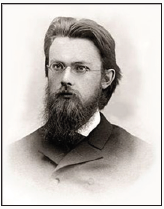
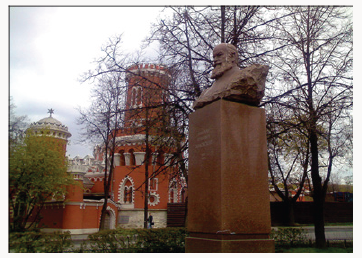
In our days, when most of young people with a diploma of physician are no more inspired by a scientific career possibility, and though Occidental World has general negative opinion about Russia and its institutions, it is not forbidden to exhume some moments which have proved efficacy and may be useful for.com now. Such an interesting institution (from my point of view) was the Scientific Student Societies (SSS) [1], existing in all the High Schools and Universities, but may be especially activated in Medicine Faculties. They were created in the end of XIXth century by famous scientists such as VI Vernadski (Figure1) and his colleagues in Sankt Petersburg (1882) and in the beginning of the XXth century by NE Jukovski (Figure 2) in Moscow (1909) [1-4]. In the 30-ies they were reactivated and widespread through all the country. After the 2nd World War, SSS were also working in the other countries of the “East Bloc”. The links and experience exchanges were current between them (International meetings and conferences, scientific information share, student exchanges and so on). Presently in the XXIth century they have not disappeared: “NIRS” - student scientific research work - remains a preoccupation of the academic staff in Universities and High Schools as well as different Ministries of the Russian Federation. Student scientific associations still exist, may be a little modified, sometimes independently as “Meridian”, “Luch” (that means ray or beam). Books including scientific articles written by students are still published [5-7], regional and national competitions are organized.

Figure 1: Vladimir Vernadski (1863-1945) famous chemist and mineralogist, creator of the first student scientific circles in Russia.
Lupinepublishers-openaccess-Surgery-Casestudies

Figure 2: Monument to NE Jukovski (1847-1921) - The “Father of Russian Aviation” - in the Entry Square of the Petrovski Palace (Aviation school) in Moscow.
Lupinepublishers-openaccess-Surgery-Casestudies

Description and Commentaries

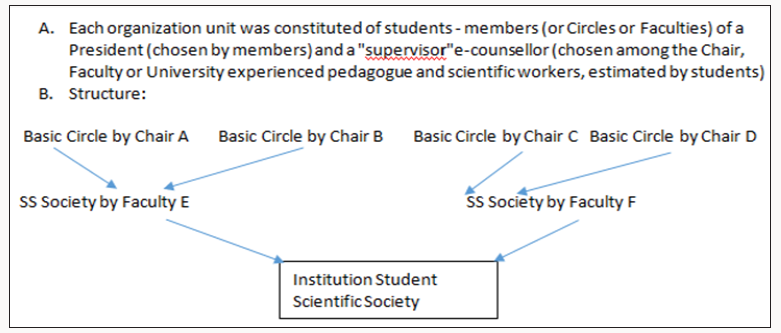
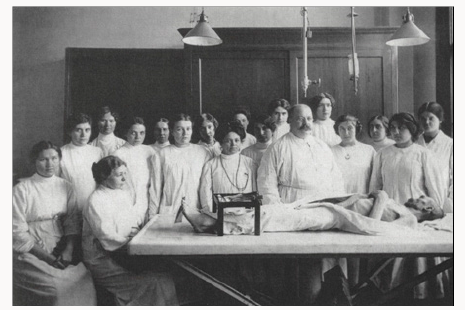
The SSS aims were: to popularize scientific research among students, to find out the most talented among them and to help them to develop towards an eventual scientific career. It was also a mean for students to acquire deeper knowledge in one or several disciplines and to choose their future speciality. The Student Scientific Circles eventually provided the departments with qualified helpers, as a just return for the teaching staff mobilisation during the young researcher’s formation. The structure schema of the SSS is presented in Figure 3. At the basis level was the Circle. As soon as they wanted, students were invited to join a student scientific circle by the department of their choice and to begin their initiation according to their trends with one of the assistant or docent. At this level, the students learned step by step how to manage scientific literature, to review it, to deepen their knowledge’s in the chosen subject, to acquire technical skills and, last but not least, to participate to the research of their mentor/supervisor, or even to start their own investigations on their personal research topic.*NB. The work performed within the SSS activity differed from end of cycle obligatory works, but the members of SSS were allowed to include their personal data in the end of cycle work, if it was adequate. The students - members of a circle - elected their president - responsible who organized periodic reunions for reviewing the work performed by the circle members. During these meetings experienced assistants and docents or professors were invited to present lectures or demonstrations helping the students to assess the peculiarities and the research specifics of the discipline (Figure 4). The best student ‘works were selected and recommended for reporting at Faculty and inter Faculties student scientific conferences.

Figure 3: Schema of a Student Scientific Society structure.
Lupinepublishers-openaccess-Surgery-Casestudies

Figure 4: Professor SHOR GV (1812-1944) - well known Pathologist - with students at a meeting of the student scientific circle of Pathologic Anatomy in the 30-ties.
Lupinepublishers-openaccess-Surgery-Casestudies

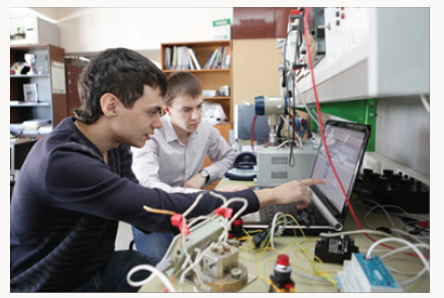
The next level was Faculty and University or High School Scientific Student Society. The department circles joined forming faculty and institute Student Scientific Societies (SSS), which were gathered as University or High School SSS. They were handed by students and only supervised by a responsible chosen among docents and professors of the Faculty. Students elected their president and delegates for contacts with other faculties, institutes of the country and of foreign countries. They organized faculty conferences, Inter-faculty scientific sessions. Their activity was financed either by the Professional Union of their School or by the University budget. The most promising students - members of SSS were further recommended for scientific work either in the department where they started their work, or in Scientific Research Institutes and other High School Faculties (according to the young specialist’s will and the possibilities of the aforementioned institutions). The Ministries took into account the SSS activity of the young specialist when his future was considered after the end of his cursus. Besides career start consideration, other awards were current: scientific books, scientific travels, being the co-author of a “chief’s paper, and so on. So the students made acquaintance not only with the individual searching process itself (Figure 5), but also with elements of organizing scientific research, co-operative investigation, discussion and peer evaluation of its results both by other students and by the Faculty staff scientists. Students also learned to communicate at different levels and, if they wanted, to prepare themselves to a scientific career. If not, nevertheless the aptitudes obtained during their work in the SSS was precious for their further professional activity: acquaintance with special literature research methods, reviewing and critics of scientific publications, acquisition of some technical skills, capacity to plan scientific research and organize scientific meetings.

Figure 5: Students at Research work in a Technical High School in the 80-ies.
Lupinepublishers-openaccess-Surgery-Casestudies

It is estimated that about 20% of the students attended the SSS. Among them about 30% have presented a valuable work (compilation, fundamental or applied research). Most of the exmembers of SSS have pursued a career in the previously chosen specialty. In Russia, all through the years 1930-1990 and up to now most of those who have followed a successful scientific or pedagogic career, were ancient members of the SSS. (That does not mean that without SSS a scientific career was not possible). Many of the students, even foreigner hosts, who have passed through this “school” have been later eminent scientists of their countries (for instance: Academician VI Shumakov - the first Director of the Transplantation Institute in Moscow, Professor VM Filipov - present Rector of the Russian University od People Friendship; Professor R Roman Ramos - Dean of the Medicine Faculty of the Mexico Autonomous University)

Conclusion

The SSS have given several generations of motivated Russian scientists an adequate pre formation consisting not only of skill acquisition in their future speciality (especially precious in surgical disciplines) but also in planning, realization and organization of scientific research and share of its results. This was capital for a developing country and remains important nowadays. The large autonomy and initiative given to the students in the SSS has certainly contributed to their popularity and success. This experience ought to be adapted to the conditions of our present society development and could enhance individual initiative and motivation, as well as collective research organization. It ought to be included into Faculties staff task and financing.

Read More Lupine Publishers Surgery Journal Article:
https://surgery-casestudies-lupine-publishers.blogspot.com/

Friday, 13 March 2020

The Optimal Pain Management Methods Post Thoracic Surgery: A Literature Review| Lupine Publishers

Abstract


Post-operative pain control is one of the key factors that can aid in fast and safe recovery after any surgical interventions. Thoracic surgery can cause significant postoperative pain which can lead to delayed recovery, delayed hospital discharge and possibly increased risk of chest complications in the form of atelectasis and even lower respiratory infections. Therefore, appropriate pain management following thoracic surgery is mandatory to prevent development of such morbidities including chronic pain.
Keywords:Thoracic Surgery, Analgesia, VATS, Robotics, Thoracotomy

Introduction

Thoracic surgical procedures can result in severe pain which can present as a challenge to be appropriately managed postoperatively. In particular, thoracotomies are well known for their severity of pain due to the incision, manipulation of muscles and ligaments, retraction of the ribs with compression, stretching of the intercostal nerves, possible rib fractures, pleural irritation, and postoperative tube thoracotomy [1]. Recognition of this has contributed to the development of minimally invasive techniques such as video assisted thoracoscopic surgeries (VATS) and lately robotic surgery [1]. These techniques not only aim to produce better aesthetic results, but also reduce post-operative pain and enhance recovery without compromising the quality of treatment offered. Poor pain management can lead to several and serious complications such as lung atelectasis, hypostatic pneumonia due to avoidance of deep breathing in these patients as a result of pain and superimposed infection [1]. Pain management as a result, does not only lead to greater patient satisfaction, but it also reduces morbidity and mortality in patients undergoing thoracic surgery [2]. Historically, post-operative pain management for thoracic surgery involved the use of narcotics alongside parenteral or oral anti-inflammatory agents [2]. Post chest tube removal patients typically are transitioned to oral analgesia. Multiple additional pain control adjuncts were also implemented with differing levels of success [1]. Over time, intra-operative techniques have been developed which aims to target pain reduction postoperatively [2]. As our understanding of both pain management and the factors that play a role in the development of pain has increased, we have been able to target these and improve postoperative pulmonary morbidity and pain scores [1,2]. We aim to review different means of pain control in this paper in order to assess their effectiveness in achieving optimum results.

Thoracotomy

The mechanism of pain in thoracotomy involves the innervation of the intercostal, sympathetic, vagus and phrenic nerves [3]. Additionally, shoulder pain may result from stretching of the joints during the operation.
After a thoracotomy, pain can persist for two months or more, and in certain incidences it recurs after a period of cessation. The incidence of chronic pain post thoracotomy is reported to be 22-67% in the population [4]. Good surgical technique and effective acute post-operative pain treatment are evident means of preventing post-thoracotomy pain and consequent pulmonary complications [4]. Due to the multifactorial character of the pain, a multimodal approach to target pain is advised. Typically, both regional and systemic anaesthesia are administered. A combination of opioids such as fentanyl or morphine are typically used [5]. A variety of techniques for the administration of local anaesthetics are available at present, and the effectiveness of each is assessed in this paper.
a) Thoracic Epidural Analgesia (TEA)
TEA was the most widely used method of means of analgesia. It was the gold standard means of pain relief [6,7]. It is typically inserted prior to general anaesthesia, at the level of T5-T6, midway along the dermatomal distribution of the thoracotomy incision. A study by Tiippana et al. [8] measured the visual analogue scale (VAS) in order to assess the presence of pain during rest and at the time at which they coughed in 114 patients of whom 89 had TEA and 22 who had other methods of pain control. TEA was effective in alleviating pain at rest and during coughing. In TEA patients, the incidence of chronic pain of at least moderate severity was 11% and 12% at 3 and 6 months, respectively. The study found that at one week after discharge, 92% of all patients needed daily pain medication. The study advised for extended postoperative analgesia for up to the week post-discharge to be administered in order to manage this. The study however concluded overall, that TEA was effective in controlling evoked post-operative pain. However, the study did encounter problems of technical form in 24% of the epidural catheters. The incidence of chronic pain, however, was lower compared with previous studies where TEA was not used. Several other studies support that TEA is superior to less invasive methods. According to Shelley B. et al. [9] TEA was preferred by 62% of the respondents over paravertebral block (PVB) with 30% and other analgesic techniques with 8%. Limitations of this technique included hypotension and urinary retention. Certain patients with active infection and on anticoagulation are excluded from epidural placement.
b) Paravertebral Block (PVB)
PVB is considered an effective method for pain management and its use has been increased in the recent years. This technique involves injecting local anaesthetic into the paravertebral space and it is able to block unilateral multi-segmental spinal and sympathetic nerves. Previous studies have shown that it is effective in achieving analgesia and is associated with a lower incidence of side effects such as nausea, vomiting, hypotension and urinary retention [10,11]. As the lungs are collapsed, it is associated with a lower risk of pneumothorax.
In a study by Davies R.G. et al. [10] there was no significant difference in pain scores, morphine consumption and supplementary use of analgesia between TEA and PVB. The rate of failed technique was lower in PVB (OR =0.28, p=0.007). Respiratory function was improved at both 24 and 48 hours with PVB but only significantly improved at 24 hours.
c) Intercostal Nerve Block (ICNB)
ICNBs are generally administered as single injections at least two dermatomes above and below the thoracotomy incision [12]. It is performed percutaneously or under direct vision, using single injections or through placement of an intercostal catheter. It can also be formed using cryotherapy. It is associated with reduced post-operative pain scores; however, it is less effective than TEA in controlling chronic pain [12]. This was illustrated by a study by Sanjay et al. [12] which found that patients that underwent ICNB had higher pain scores 4 hours post-operatively, than those who received epidural anaesthesia using 0.25% bupivacaine (p<0.05). The study concluded that in the early post-operative period there was significant impact in pain relief for both techniques, but thereafter, epidural anaesthesia was proven to significantly reduce post thoracotomy pain over ICNB. Due to the multifactorial nature of post-thoracotomy pain, various approaches are required in order to target pain. ICNBs are useful in the blockade of intercostal nerves, whilst PVB and TEA appear to block the intercostal and sympathetic nerves. Due to the inability of regional anaesthesia to block the vagus and phrenic nerves which are implicated in the pathophysiology of pain, NSAIDs and opioids are required as adjuncts. TEA is proven to be the most effective means of treating pain alongside PVB; however, it is associated with more side effects than PVB. At present, there are a limited number of studies directly comparing pain control and post-operative outcomes between PVB and TEA. There is no conclusive evidence that either method is superior to the other regarding pain control.

Video-Assisted Thoracoscopic Surgery (VATS)

Existing evidence supports the noninferiority of thoracic PVB when compared to TEA for postoperative analgesia [13]. PVB is versatile and may be applied both unilaterally or bilaterally. It can be used to avoid contralateral sympathectomy, consequently minimising hypotension. This is an apparent advantage it has over thoracic epidural. Furthermore, it offers a more favourable side effect profile when compared to epidural anaesthesia. At present, the factors taken into consideration when selecting a regional technique include tolerance of side effects associated with TEA, consensus on best practice/technique, and operator experience [13]. A randomised controlled trial by Kosiński et al. [14] compared the analgesic efficacy of continuous thoracic epidural block and percutaneous continuous PVB in 51 patients undergoing VATS lobectomy. The primary outcome measures were postoperative static (at rest) and dynamic (coughing) visual analogue pain scores (VAS), patient-controlled morphine use and side-effect profile. The study found that pain control (VAS) was superior in the PVB group at 24 hours, both at rest (1.7 vs3.3, p=0.01) and on coughing (5.8 vs 6.6, p=0.023), and control of pain at rest was also superior in the PVB group at 36 hours (3.0 vs 3.7 (p=0.025) and at 48 hours (1.2 vs 2.0, p=0.026). There were no significant differences in the postoperative morphine requirements. In regard to side-effect profile, the study showed that the incidence of postoperative urinary retention (defined as no spontaneous micturition for 8 hours or ultrasound-assessed volume of the urinary bladder >500ml) was greater in the epidural group (64.0% vs 34.6%, p=0.0036), as was the incidence of hypotension (32.0% vs 7.7%, p=0.0031). There was no significant difference in the incidence of atelectasis (4.0% vs 7.7%, p=0.0542). However, the incidence of pneumonia was significantly more frequent in the PVB group (3.8% vs 0%, p=0/0331). Kosiński et al. concluded that PVB is as effective as thoracic epidural block in regard to pain management as it offers a superior safety profile with minimal postoperative complications. A further randomised controlled trial by Okajima et al. [15] compared the requirements for postoperative supplemental analgesia in 90 patients who received wither a PVB or thoracic epidural infusion for VATS lobectomy, segmentectomy or wedge resection. The main outcome measures were pain scores at rest (verbal rating scale 0= none and 10=maximum pain), blood pressure, side effects and overall satisfaction scores relating to pain control (1=dissatisfied and 5=satisfied). The study found a similar frequency of supplemental analgesia (50mg diclofenac sodium suppository or 15mg pentazocine intramuscularly) for moderate pain in both groups, with 56% of those in the PVB group requiring ≥2 doses, compared to 48% in the epidural group (p=0.26). Hypotension, defined as a systolic blood pressure <90mmHg, occurred more frequently in the epidural group (21.2% vs 2.8%, p=0.02). There was no difference in the incidence of pruritus (3.0% vs 0%, p=0.29) and post-operative nausea and vomiting (30.3% vs 25.0%, p=0.62) between both groups. The study found no statistical difference between patient-reported satisfaction in pain control between epidural and PVB using the verbal rating scale (5.0 vs 4.5, p=0.36). The study concluded that PVB offered additional to equivalent analgesia to epidural, a lower incidence of haemodynamic instability postoperatively. A further study by Khoshbin et al. [16] performed an analysis on 81 patients undergoing VATS for pleural aspiration +/- pleurodesis, lung biopsies or bullectomy. The main outcome was postoperative pain levels, documented every 6 hours and scored against the Visual analogue Scale (0= no pain, 10= worst possible pain). In both PVB and epidural groups, bupivacaine 0.125% was the local anaesthetic of choice, with clonidine added to the epidural infusion at 300μg in 500ml. The study showed that there was no significant difference in mean pain scores between PVB or EP (2.1 vs 2.9, p=0.899), therefore concluding that PVB is as effective as epidural in controlling pain post-VATS.

Robotic Lung Surgery

Minimally invasive techniques are considered advantageous over open surgical approaches due to their shorter recovery times, reduced perceived levels of pain post-operatively and shorter postoperative length of stay in hospital [17-19]. Robotic surgery has become a popular method in recent years. Debate remains regarding whether robotic surgery is superior to VATS in regard with pain reduction. A case control study by Louie et al. [19] compared 45 robotic assisted lobectomies (RAL) to 34 VATS lobectomies. The study showed that both groups had a similar mean ICU stay (0.9 vs 0.6 days) and a mean total length of stay (4.0 vs 4.5 days). The study showed that patients that underwent robotic lobectomies had a shorter duration of analgesic use post-operatively (p=0.039) and a shorter time resuming to normal everyday activities (p=0.001). A limitation in this study was an inaccurate record of the amount of pain relief used by the patients, ultimately working as a confounding factor when interpreting the results. In a separate study by Jang et al. [18] 40 patients undergoing RAL were compared retrospectively to 80 VATS patients (40 initial patients and 40 most recent patients), all with resectable non-small cell lung cancer. The study showed that the post-operative median length of stay was significantly shorter in RAL patients compared to the initial VATS patients. The rate of post-operative complications was significantly lower in the RAL group (10%) compared to the initial VATS group (32.5%) and similar to the recent VATS group (17.5%). Post-operative recovery was easier for patients in both the RAL and VATS group due to earlier mobilisation, allowing them to return to their everyday activities quicker. In a retrospective review by Kwon et al. [17] 74 patients undergoing robotic surgery, 227 patients undergoing VATS and 201 patients undergoing anatomical pulmonary resection were assessed and compared with regard to acute (visual pain score) and chronic pain (Pain DETECT questionnaire). The study showed that there was no significant difference in acute or chronic pain between patients undergoing robotic assisted surgery and VATS. Despite no significant difference in pain scores, 69.2% of patients who underwent robotic-assisted surgery felt the approach affected their pain versus 44.2% of the patients who underwent VATS (p=0.0330). These results all support the superiority of robotic surgery over VATS and open approaches with regard to pain, length of hospital stay and recovery times. Both robotic surgery and VATS have their benefits i.e. two-versus three-dimensional view, instrument manoeuvrability, and reduced post-operative pain.

Conclusion

Since post-thoracotomy pain is multifactorial, a multimodal approach is required. In particular, ICNB blocks the intercostal nerves, and PVB and TEA appear to block the intercostal and sympathetic nerves. NSAIDs and opioids are required as valgus and phrenic nerve cannot be blocked by regional anaesthesia. TEA is evident to be the most effective in treating pain alongside with PVB. It is however associated with more side effects than PVB.


Read More Lupine Publishers Journal of Surgery Articles : https://surgery-casestudies-lupine-publishers.blogspot.com/
Read More Lupine Publishers blogger Articles: https://lupinepublishers.blogspot.com

Friday, 29 March 2019

Surgery Open Access Journal - Lupine publishers


Segmental neurofibromatosis (SN) or type V Neurofibromatosis is a genodermatos most often characterized by the presence of neurofibromas, more rarely café au lait spots, and sometimes lentigines limited to a limited body region. We report two Moroccan cases of true Segmental Neurofibromatosis with only pigmented lesions.Segmental neurofibromatosis (SN) or type V Neurofibromatosis is a genodermatos most often characterized by the presence of neurofibromas, more rarely café au lait spots, and sometimes lentigines limited to a limited body region, or more rarely on several bilateral segments. It is exceptional, with an estimated prevalence between 0.0014-0.002%. We report two Moroccan cases of SN.

https://lupinepublishers.com/surgery-case-studies-journal/abstracts/segmental-neurofibromatosis-two-moroccan-cases.ID.000119.php
https://lupinepublishers.com/surgery-case-studies-journal/pdf/SCSOAJ.MS.ID.000119.pdf
https://lupinepublishers.com/surgery-case-studies-journal/fulltext/segmental-neurofibromatosis-two-moroccan-cases.ID.000119.php

For more Lupine Publishers Open Access Journals Please visit our website: 
https://lupinepublishers.com/index.php


for more Case Studies Journals open the below link
https://lupinepublishers.com/surgery-case-studies-journal/index.php


Tuesday, 25 September 2018

Process for Preparation of Vitamin C and Method for Determination of Vitamin C in Tablets: SCSOAJ - Lupine Publishers


Procedure for calcium ascorbate (VITAMIN-C) includes such technological steps as reaction of ascorbic acid on calcium carbonate in water. In recent years, the determination of vitamin C has become an important subject in the field of biochemistry and commercial foods. This is because vitamin C plays an important role in maintaining human health. Due to the importance of vitamin C in human beings, the quantitative analysis of vitamin C has gained a significant increase in several areas of analytical chemistry such as pharmaceutical and food applications. There are numerous methods for the determination of vitamin C in a variety of natural samples, biological fluids and pharmaceutical formulations. The prepartaion method and methods for the determination of vitamin C are spectrophotometric methods and non-spectrophotometric methods (Arya and Mahajan, 1997). For non-spectrophotometric methods are such as high-performance liquid chromatography (HPLC), titration, enzymatic method and fluorometry (Arya, Mahajan and Jain, 2000). Direct spectrophotometry also has been applied to determine the vitamin C content in soft drinks, fruit juices, and cordials after correction for background absorption in the UV region.

Sydnone, Münchnone, Montréalone, Mogone, Montelukast, Quebecol and Palau’amine- Enhanced Precatalyst Preparation Stabilization and Initiation (EPPSI) Nano Molecules: SCSOAJ - Lupine Publishers


In the current editorial, we study Sydnone, Münchnone, Montréalone, Mogone, Montelukast, Quebecol and Palau’amine- Enhanced Precatalyst Preparation Stabilization and Initiation (EPPSI) Nano molecules (Figure 1) incorporation into the Nano Polymeric Matrix (NPM) by immersion of the Nano Polymeric Modified Electrode (NPME) as molecular enzymes and drug targets for human cancer cells, tissues and tumors treatment under synchrotron and synchrocyclotron radiations. In this regard, the development of Chemical Modified Electrodes (CEMs) is at present an area of great interest. 

Sternal Cleft: Appropriate Approach to Diagnosis and Treatment: SCSOAJ - Lupine Publishers


Sternal cleft (SC) is a rare congenital anomaly of the chest wall, isolated or combined with other malformations. We try to provide an appropriate stepwise approach for the diagnosis and treatment of SC. Prenatal ultrasound diagnosis can be obtained after the 18th week of gestation. At birth, diagnosis is based on the findings of clinical examination, chest x-ray, computed tomography and additional investigations for the associated anomalies. Primary approximation of the sternal bars is preferred before the age of 3 months. For older cases and rigid chest wall, the surgical correction can be achieved using prosthetic materials, autologous grafts, or biologic implants. The surgical decision depends on the age of patient, rigidity of the chest wall, and presence of other abnormalities in the chest wall.

Friday, 21 September 2018

Use of Skin Grafts for the Correction of a Circumcision Complication: SCSOAJ - Lupine Publishers

Surgical Management of Multiple Nevus Lipomatosis Superficialis: A Case Report: SCSOAJ - Lupine Publishers


Nevus lipomatosis superficialis is a rare skin lesion characterized by the ectopic dermal deposition of adipose tissue. While benign, it typically presents in the second to third decade of life as regional discomfort. We present the case of multiple lesions requiring serial surgical management.

Is Alveolar Ridge can be Completely Preserved by Socket Shield Technique (SST)? A Case Series: SCSOAJ - Lupine Publishers


Born in Russia at the end of the XIXth century the Scientific Student Societies have developed a rather original way of initiation and involvement of the young in the scientific research during High School and University cursus. All through the XXth century and up to now, they have given several generations of Russian scientists an adequate pre formation consisting not only of skill acquisition in their future speciality but also in planning, realization and organization of scientific research and sharing of its results. Their popularity was also due to the high degree of initiative and autonomy left to the students.

Thursday, 23 August 2018

Sydnone, Münchnone, Montréalone, Mogone, Montelukast, Quebecol and Palau’amine- Enhanced Precatalyst Preparation Stabilization and Initiation (EPPSI) Nano Molecules: (SCSOAJ) - Lupine Publishers

Sydnone, Münchnone, Montréalone, Mogone, Montelukast, Quebecol and Palau’amine- Enhanced Precatalyst Preparation Stabilization and Initiation (EPPSI) Nano Molecules by Alireza Heidari in Surgery & Case Studies: Open Access Journal (SCSOAJ) in Lupine Publishers

In the current editorial, we study Sydnone, Münchnone, Montréalone, Mogone, Montelukast, Quebecol and Palau’amine- Enhanced Precatalyst Preparation Stabilization and Initiation (EPPSI) Nano molecules (Figure 1) incorporation into the Nano Polymeric Matrix (NPM) by immersion of the Nano Polymeric Modified Electrode (NPME) as molecular enzymes and drug targets for human cancer cells, tissues and tumors treatment under synchrotron and synchrocyclotron radiations. In this regard, the development of Chemical Modified Electrodes (CEMs) is at present an area of great interest. CEMs can be divided broadly into two main categories; namely, surface modified and bulk modified electrodes. Methods of surface modification include adsorption, covalent bonding, attachment of polymer Nano films, etc. Polymer Nano film coated electrodes can be differentiated from other modification methods such as adsorption and covalent bonding in that they usually involve multilayer as opposed to monolayer frequently encountered for the latter methods. The thicker Nano films imply more active sites which lead to larger analytical signals. This advantage coupled with other, their versatility and wide applicability, makes polymer Nano film modified electrodes particularly suitable for analytical applications [1-27].

http://www.lupinepublishers.com/scsoaj/abstracts/SCSOAJ.MS.ID.000113.php
http://www.lupinepublishers.com/scsoaj/pdf/SCSOAJ.MS.ID.000113.pdf
http://www.lupinepublishers.com/scsoaj/fulltext/SCSOAJ.MS.ID.000113.php

Wednesday, 22 August 2018

An Unusual Case of Pre-Auricular Myiasis: (SCSOAJ) - Lupine Publishers

An Unusual Case of Pre-Auricular Myiasis by Abhinaya shivakumar* and Dinesh Kumar Sathanantham in Surgery & Case Studies: Open Access Journal (SCSOAJ) in Lupine Publishers

Background: Myiasis-the feeding of fly larvae on living mammals has various clinical presentations depending on involved tissues or organs. The most recognised causative organism Dermatobia hominis. It involves various sites, rarity in this case report is the site of involvement and in turn occurrence of an underlying malignancy.
Case report: 68 year old lady, presented with an ulcer over the right side of the pre-auricular region for 1 year. On examination, it was infested with maggots larvae, which later on had a underlying squamous cell carcinoma with basal cell carcinoma. Patient underwent treatment for the same. Details of the case and the management is been presented.
Conclusion: Myiasis transmitted by Human Botfly, infests all cavities mainly ENT sites, in debilitated individuals. But its occurrence in a open space of the body, and its association is a rarity and has been reported in this case. Author concludes, that all myiasis should be managed meticulously.

http://www.lupinepublishers.com/scsoaj/abstracts/SCSOAJ.MS.ID.000109.php
http://www.lupinepublishers.com/scsoaj/pdf/SCSOAJ.MS.ID.000109.pdf
http://www.lupinepublishers.com/scsoaj/fulltext/SCSOAJ.MS.ID.000109.php

Use of Skin Grafts for the Correction of a Circumcision Complication: (SCSOAJ) - Lupine Publishers

Use of Skin Grafts for the Correction of a Circumcision Complication by Luiz G Freitas Filho, Jose Carnevale and Luiz J Budib in Surgery & Case Studies: Open Access Journal (SCSOAJ) in Lupine Publishers

Background: Circumcision is largely performed and is considered to be technically simple and safe but it may occasionally lead to important complications.
Aim: To report the case of a patient who underwent a circumcision and presented a complication that obliged the use of skin grafts to recover the penis.
Materials and Methods: A 12-year old boy with neurogenic bladder underwent a circumcision using Plastibell device and presented a fasciitis of the lower abdomen and perineum with necrosis of the skin of the penis. He was submitted to a new surgical intervention where skin grafts from the abdomen were used to cover the body of the penis
Result: The cosmetic aspect of the penis was considered adequate at six months after the surgical procedure.
Conclusion: The use of skin graft could be a good and reliable alternative for different conditions resulting in buried penis.

http://www.lupinepublishers.com/scsoaj/abstracts/SCSOAJ.MS.ID.000107.php
http://www.lupinepublishers.com/scsoaj/pdf/SCSOAJ.MS.ID.000107.pdf
http://www.lupinepublishers.com/scsoaj/fulltext/SCSOAJ.MS.ID.000107.php

Monday, 20 August 2018

Double Malignancies: A Rare Entity: (SCSOAJ) - Lupine Publishers

Double Malignancies: A Rare Entity by Subhashish Das in Surgery & Case Studies: Open Access Journal (SCSOAJ) in Lupine Publishers

Patients which have diagnosed with a cancer, have a life time risk for developing another de novo malignancy depending on various inherited environmental and iatrogenic risk factors. Cancer victims could survive longer due to settling treatment modalities, and then would likely develop a new metachronous malignancy [1]. The incidence of multiple primary malignancies has not been rare at all. Screening procedures have especially been useful for the early detection of associated tumors, whereas careful monitoring of patients has treated for primary cancer, and then a good communication between patients and medical care team would certify not only an early detection for secondary tumors, but only finally & subsequently, an appropriate management.

http://www.lupinepublishers.com/scsoaj/abstracts/SCSOAJ.MS.ID.000104.php
http://www.lupinepublishers.com/scsoaj/pdf/SCSOAJ.MS.ID.000104.pdf
http://www.lupinepublishers.com/scsoaj/fulltext/SCSOAJ.MS.ID.000104.php