Thursday, 8 June 2023

Lupine Publishers | A Review on Rights-Based Strategies in the Prevention of Domestic Violence

 Lupine Publishers | Journal of Archaeology & Anthropology


Abstract

This paper is an attempt to broaden the discussion about the prevention of domestic violence against women informed by a rights-based strategy. Specifically, the study discusses the critical elements of a human rights framework to reduce domestic violence, present research findings on the prevalence and correlates of domestic violence in intimate relationships and explore strategies for the prevention of domestic violence on the basis of research and analysis. The study suggests that domestic violence needs to be resituated in the broader social transformation of society and that domestic violence should be conceptualized as violation of a woman’s most basic right. The strength of a rights-based strategy is that it meshes formal treaty doctrines with grassroots activism and critiques of power. The study suggests that “right to housing” and “right to property and inheritance” are critical and most fundamental for any strategy in the prevention of domestic violence. Importance of immovable assets and social support is significant in making a difference to the incidence of violence, Changing norms of acceptability of violence in the family is critical to reduce inter-generational transmission of violence, Male attitudes and society’s attitudes also need to be changed in this regard. Since prevention of domestic violence requires fundamental changes in attitudes and behavior, it confronts societal and individual resistance to change, Support structures could be both within the family and from NGOs, SHGs etc., who can both help in changing attitudes and in helping women acquire immovable assets. This calls for creative community involvement, shared responsibilities, and collective action with the goals to challenge the patriarchal assumptions of power and control and entitlement to women.

Keywords: Domestic Violence; Women; Human Rights; Development; Gender Equality; SDG5

Introduction

Within the burgeoning discourse on human rights, domestic violence against women is increasingly viewed as a serious violation of human rights subject to legal intervention. The societal responses to domestic violence have focused, to date, primarily on crisis intervention after the harm has occurred. While crisis intervention is a necessary response to domestic violence, it alone cannot address the complex dynamics of domestic violence. What is needed is a comprehensive strategy that addresses the prevention of domestic violence. However, few such strategies have been developed, and even fewer have been evaluated. This study is an attempt to provide a framework for the prevention of domestic violence informed by a rights-based strategy.
The study is divided into five sections. The first section provides a brief overview of the evolution of the international human rights system. The second section clarifies the concept and value-added of a rights-based approach to development. The third section examines the scope of the international human rights law to prevent violence against women. The fourth section examines the links between domestic violence and women’s social and economic rights. The concluding section provides a rights-based strategy in the prevention of domestic violence.

Evolving International Human Rights System

Human rights have made a great deal of progress as moral and legal force since the Universal Declaration of Human Rights was adopted by the United Nations (UN) on December 10, 1948. The Declaration, which was written by Eleanor Roosevelt, chair of the UN Commission on Human Rights, and 17 other international delegates, is the primary international articulation of the fundamental and inalienable rights of all human beings. The Declaration is not only the point of departure for all human rights treaties that followed; it has truly become the singly most meaningful human rights document around the globe. The Declaration consists of 30 different articles that enumerate a wide range of fundamental and inalienable rights to which all human beings are entitled. The Declaration states that “all human beings are born free and equal in dignity and rights”, and it declares that everyone is entitled, without distinction of any kind, to the various rights articulated in the Declaration. The Declaration was not intended to be a legally binding document. The first step toward implementation of the Declaration was the creation of specific treaties to deal with some of the main principles outlined in the Declaration. The International Covenant on Civil and Political Rights (ICCPR) and the International Covenant on Economic, Social and Cultural Rights (ICESCR), for example, were adopted by the UN General Assembly in 1966, and they were drafted and adopted as legally binding international treaties meant to ensure protection of the rights proclaimed in the Universal Declaration. These two treaties are broad in scope. Others are more specific, such as convention on the elimination of discrimination on the basis of race or gender, and on the right of the child. The standard method of enforcing human rights treaties is a reporting system. Governments are obliged to report periodically on their human rights practices and then must defend their records in front of an international body that can put diplomatic pressure on them to comply.
A major international treaty on women’s rights was adopted in 1979 by the UN General Assembly: Convention on the Elimination of All Forms of Discrimination against Women (CEDAW). CEDAW, in fact, is the first comprehensive human rights treaty to address women’s rights. CEDAW comprises of 30 articles, and provides a universal definition of discrimination against women. The treaty covers a wide range of issues, including maternity leave, pregnancyrelated health care, property rights, and affirmative action for women in education and employment. The treaty also provides a legal framework for nations to eliminate gender discrimination. Till today, 170 countries have ratified CEDAW.
In the 1990s, women’s rights have been further defined and expanded through negotiations at six major world conferences. The recognition of the fact that human rights are crucial for women’s well-being, women’s organizations continued to focus on the global stage some of women’s most basic rights, including freedom of movement, freedom to work outside of the home, right to bodily integrity and freedom from violence. It was the violence against women issue, especially domestic violence, which finally drew wide international attention to the idea that women’s rights are human rights. In fact, women’s human rights became the most dramatic agenda item at the 1993 World Conference on Human Rights held in Vienna, Austria. The 1995 UN World Conference on Women held in Beijing, China, reaffirmed the conclusions of the Vienna Conference and put women’s human rights even more firmly on the world agenda.
In June 2000, the UN General Assembly reviewed the implementation of the Beijing Platform (Beijing +5) and reaffirmed government’s commitment to work for the realization of women’s rights. The new document (Women 2000/Beijing +5 Outcome Document) reaffirms the 150-page Platform for Action at the landmark 1995 UN Women’s Conference and moves forward with tougher measures to combat domestic violence and trafficking of women. The Outcome Document calls for prosecution of all forms of domestic violence, now including marital rape. The traditional practices of forced marriage and honor killings are addressed for the first time in an international document.
Although these documents and programs of action do not have the status of international law, they carry political and moral weight as policy guidelines for the UN, governments, and other international organizations. Women’s organizations can use these documents to hold governments and the UN accountable.
All these conferences provided opportunity and space for public assessment and discussion of the critical areas of concern. They reaffirm the commitments of women’s movements that have placed women’s empowerment and rights on the international agenda. There is now a clear recognition that women will never gain dignity until their human rights are respected and protected. Strengthening families and societies by empowering women to take greater control over their own destinies cannot be fully achieved unless all governments around the globe accept their responsibility to protect and promote internationally recognized human rights. Empowering women is also critical to promoting democracy. The challenge, however, is to develop strategies to grant basic rights to women and enable them to choose how to exercise those rights. This is especially important because the gap between principles and practices defines the central dilemma of human rights Steiner et al. [1].
In order to improve institutional effectiveness, the international human rights system has been rapidly evolving. In recent years new roles have evolved for the UN, especially through the creation of the office of the High Commissioner of Human Rights. Within the Human Rights Commission, new thematic mechanisms (such as special rappoteurs and working groups) have emerged. New avenues have opened for individual communications, as reflected in the recently adopted Optional Protocol to the Convention on the Elimination of All Forms of Discrimination against Women (CEDAW). New forms of redress are being developed – including international prosecution against individuals and against corporations.
There is clearly room for additional reform of the UN mechanisms to ensure effective institutions and stronger means of enforcement. However, the international human rights norms have had, in fact, a demonstrable and positive effect on the behaviour of states toward their citizens (Risse et al. Ropp and Sikkink, 1999). Thus, significant strides have been made; both on a global scale through the United Nations and its agencies and on a regional level through the proliferation of human rights interest groups and nongovernmental organizations around the globe.
There has been a paradigm shift in the vision of human rights discourse. Now, the scope of the human rights vision has been broadened to include non-state actors (e.g., individuals, corporations, financial institutions and third-party states), in addition to the traditional state-centric paradigm. In an era of globalization where the world economy is increasingly being integrated, moving beyond a state-centered view of human rights to include non-state actors has a potential to hold non-state actors accountable for violations of social and economic rights. However effective implementation still rests with states, who as signatories to international conventions are duty bound to protect, fulfill and promote rights. Though for some states human rights are still contentious, there has been a dramatic progression in the acceptability of rights with the number of states ratifying core conventions rising from 10 percent to more than half in the last decade. This increasing acceptability of all rights including political, civil, cultural, social and economic has made inroads into current thinking on development policy and practice.

Rights-based Approach to Development

There has been a paradigm shift in the development discourse, from a welfare-based approach to development to a rights-based approach to development. Unlike the centrality of ‘economic efficiency’ in the welfare-based approach, the rights-based approach reflects a global consensus on the centrality of human dignity and equality in social and economic life and the nonnegotiable accountability of states for fulfilling their obligations.
The Human Development Report 2000 shows that human rights and human development are inextricably linked and mutually reenforcing. They take root and grow in diverse societies. They expand capabilities by protecting rights [2]. This understanding has contributed to the development of people centered sustainable development.
This revolution in the discourse of development is strongly influenced by the writings of Amartya Sen, the winner of the 1998 Nobel Prize in economics. First, Sen illustrates that human values are not always analogous to preference-satisfaction, and provides a critique of utility/ welfarism [3]. Second, Sen has had a long-held conviction that violation of rights and freedom is inimical to socio-economic development. Finally, Sen has combined these two strands effectively in his recent book, Development as Freedom [4]. Sen argues that freedom properly understood is the appropriate normative framework by which to understand global issues of development. At the heart of Sen’s extensive writing in moral philosophy and development economics is the idea that the ability to survive is a substantive freedom. He focuses on a person’s “capabilities” or substantive freedom of people ‘to lead the lives they have reason to value and to enhance the real choices they have’. These freedoms include the ability to acquire sufficient food, freedom from disease and ill treatment, access to education, freedom from social exclusion, freedom to participate in the life of the community, and freedom from unemployment. According to Sen, the success of development must be assessed by the achievement of such freedoms. In fact, development is the result of the exercise of these freedoms [4].

Sen further argues that substantive freedoms are supported by instrumental freedoms, such as economic opportunities to use resources, political choices about laws, social questions about arrangements of health care, the security of a social safety net, etc. The effectiveness of freedom interrelates with one another, and freedom of one type may greatly help in advancing freedom of other types. More importantly, Sen argues that individual freedom is a social commitment: that substantive freedom is extremely contingent on personal, social and environmental circumstances; and that the exercise of such freedom is inseparably linked to social, economic and political institutions.

According to Sen, expansion of freedoms is both the definition of development and the means to achieve it. The ultimate aim of development is enlarging the capabilities of all human beings. What are really important for people are the freedoms associated with human rights, he argues. In May 2001, the United Nations Committee on Economic, Social and Cultural Rights reaffirmed this view in a forceful statement arguing for a better integration of human rights in development strategies. The Millennium Development Goals calls for the adoption of policies, programmes and strategies informed by a rights-based approach. The Millenium Declaration requires answers to pertinent questions relating to how targets are achieved, and who are affected by improvements. The UN organizations such as United Nations Development Programme (UNDP), United Nations Children Fund (UNICEF), and United Nations Development Fund for Women (UNIFEM) are increasingly becoming committed to follow a rights-based approach. The international bilateral and multilateral non-government organizations such as OXFAM, CARE, and DFID have come out with plans and strategies with a rightsbased approach in their development work. The international financial organizations like International Monetary Fund (IMF) and the World Bank have some commitments to adopt a rights-based approach. For instance, poverty, according to the World Bank’s World Development Report 2000/2001, is “more than inadequate income or human development – it is also vulnerability and lack of voice, power, and representation”. Also, World Bank’s “Voice of the Poor”, which is based on extensive consultations with thousands of poor people around the world, concludes that dependency, lack of power and voice are the core elements of poor people’s definition of poverty [5] The Poverty Reduction Strategies Papers (PRSPs) include human rights issues for some countries like Nicaragua, Rwanda, Bolivia, Cambodia, Camaroon, Tanzania, Uganda and Vietnam. According to some critiques, the approaches of the IMF and the World Bank are not strictly in line with a rights-based approach [6,7].

All these developments indicate that a new dialogue is taking place between development and human rights experts. Today, it is widely recognized that the path of human dignity runs not through imposed technocratic solutions or imported foreign models or assumed tradeoff between development and rights. Health, education, housing, fair justice and free political participation are not matters of charity but rather matters of right. This is what is meant by “Rights-based Approach”. This refers to a participatory, empowering, transparent, accountable and non-discriminatory development paradigm that is based on universal, inalienable human rights and freedoms.
The rights-based approach to development is based on the central premise that development policies and programmes should be based on norms and values enshrined in the international human rights law. As compared to other development approaches, the idea of legitimacy in international law, with the principles of equity and justice, provides an added value to a rights-based approach.
The essence of rights is that they are empowering. Rights are transformatory: people are able to take their own decisions as actors or rights-holders by transforming rights to entitlements. And it is the obligations of the state and non-state duty-bearers to respect, protect and fulfill all human rights. The duty to respect requires the duty-bearer not to breach directly or indirectly the enjoyment of any human right. The duty to protect requires the duty bearer to take measures that prevent third parties from abusing the right. The duty to fulfill requires the duty-bearer to adopt appropriate legislative, administrative and other measures for the full realization of human rights.
The rights-based approach to development is based on the international principles of non-discrimination and equality, and participation. The principle of non-discrimination requires that laws and institutions, at local, national and international levels, that foster discrimination against specific individuals and groups (e.g., vulnerable, marginal, and disadvantaged or socially excluded) be eliminated. It calls for a broader strategy that addresses socio-cultural and political-legal institutions. The principle of participation requires active and informed participation by the people, including the socially excluded, in the formulation, implementation and monitoring of development policies and programmes. Participation is recognized not just as a means to other ends but also as fundamental human rights that should be realized for its own sake. The rights based approach places equal emphasis on accountability on part of the duty holders (state and inter-governmental organizations).
The rights-based approach also recognizes the interdependence or complementarity of rights. For instance, right to participation may depend on right to association, right to assembly, freedom of expression, right to information, right to education and right to employment. Since all rights are equally important, the rights-based approach recognizes the crucial interdependence of economic, social and cultural rights, on the one hand, and civil and political rights, on the other.
Keeping in mind the resource and other constraints in many developing countries, the rights-based approach allows for progressive realization and prioritization of rights over a period of time. In other words, governments can set benchmarks and priorities in participatory consultation with citizens. At the same time, it emphasizes that all countries have to provide a ‘minimum core obligation’ of all human rights to protect socially excluded people against retrogression and non-fulfillment of this minimum core obligation.
In the new millennium, human rights issues are taking on a new focus. First, economic and social rights are becoming of paramount concern as the link between an adequate standard of living and the enjoyment of other basic rights becomes more apparent. Second, there is an increasing realization that many groups in society require a higher level of protection than society as a whole. These groups are children, women, and indigenous groups, among others. The rights-based approach can be conceived as a pre-condition for women’s empowerment.
To re-iterate the essence of rights is that they are empowering. Rights are legally-binding entitlements, not charity. Rights are legitimate claims. The rights perspective is transformatory as it transforms needs into rights and responsibilities. The state and non-state actors have legal obligation to respect, protect and fulfill those rights. So, rights empower women. Empowerment promotes the exercise of meaningful choice by enhancing capabilities. It recognizes that women are active agents in solving their problems. It is also important to realize the interdependent nature of rights. For example, enacting and implementing equal opportunity laws will help empower women to gain equitable access to resources, liberating individual initiative and creating economic opportunities. Legislating against gender discrimination will enhance the capabilities of women by giving them better access to credit and productive resources, property and inheritance rights and improved political participation and representation. In other words, supporting and enacting a rights-based approach to the needs of women can not only end discrimination against them but also empower them. Women’s empowerment, in turn, is linked to the well-being of children, family and society.
A recent study has found that countries that promote women’s rights and increase women’s access to resources and education have lower poverty rates, lower child and infant mortality, improved nutrition, lower fertility rates, lower AIDS prevalence, less corruption, higher economic productivity and faster economic growth than countries who do not .
Most of the principles of a rights-based approach to development mentioned above are vital for protecting women from violence. For instance, the critical elements of a rightsbased strategy in the prevention of domestic violence are the following: non-discrimination and equality; dignity of the person; the understanding that all rights are interconnected and interdependent in their realization; the participation of women in the determination of issues affecting them.

Domestic Violence as a Human Rights Issue

Violence against women, including domestic violence, is a human rights abuse. It exists in every country and culture in epidemic proportion, and is disproportionately committed against women. The irony is that international human rights instruments and many domestic laws prohibit and condemn such violence.
Women experience violence in both conflict and non-conflict areas. In civil conflict areas like Kosovo, Rwanda, Sierra Leone and East Timor, sexual violence has been used as a means of domination and control over ethnic populations by military and paramilitary forces. Women in refugee camps also suffer from rape and sexual violence. Further in conflict and post-conflict societies domestic violence is widely prevalent.
In non-conflict areas there is an epidemic of violence against women. Population-based surveys from a range of countries indicate that 10 to over 50 per cent women report physical assault in intimate relationship. Of these women 33 to 50 per cent also report sexual abuse or coercion [8]. Moreover, discrimination in the enforcement of law, denial of equal opportunity in education and employment, exclusion of women from political representation, and the use of physical and psychological violence to intimidate and subordinate women in public spheres all constitute violations of the right to gender equality.
The effect of such violence is devastating. It not only harms the woman, it destroys the family, limits a community’s workforce, and perpetuates an atmosphere of fear, insecurity, and impunity. It also is connected to other devastating human rights abuses such the suppression of the right of speech, association and more importantly liberty. Violence against women has also significant impact on health of the woman and community. For example, violence against women is now recognized as a lead factor in the spread of the Human Immunodeficiency Virus (HIV), which invariably results in the Acquired Immune Deficiency Syndrome (AIDS). Progress against HIV requires that women are able to protect themselves against all forms of violence, including domestic violence, rape, and sexual abuse. The disease has also placed many women at greater risk of further violence.
The roots of violence against women are located in the unequal balance of power between men and women. The low value some cultures assign to women and girls and the norms that discriminate against women contribute to violence and prevent women from defending themselves. Unequal access by women and girls to education, economic resources, and decision making authority are the central outcomes of gender inequality and this limited access undermine the ability of women to negotiate both public and private acts of violence. Overall the denial of equal rights to women through cultural and social norms and practices in fact perpetuates and reinforces violence against women.
The recognition of violence against women, and specifically domestic violence, as a human rights violation is first articulated in Vienna Declaration and Programme of Action adopted at the 1993 United Nations World Conference on Human Rights. Although CEDAW does not explicitly address violence against women, it recognizes that discrimination is a root cause of violence against women and that the denial of equal rights to women reinforces and perpetuates violence against women. The UN Convention to Eliminate Violence Against Women is the first protocol to specifically focus on the full continuum of violence experienced by women.
Fundamentally the human rights approach focuses on those whose rights are being violated, allowing developing solutions that keep victims experiences and needs at the forefront. International standard continue to evolve in recognition of the pervasive nature of violence against women under circumstances ranging, for example, from domestic violence, to coercive sex work, to rape as a weapon of war. There are three critical approaches within the rights framework that have contributed enormously to facilitate the placing of domestic violence on the international and national agendas – namely due diligence, equal protection and domestic violence as torture. These three distinct legal approaches are discussed below.

Legal Approaches to Domestic Violence

Under international human rights law, the concept of state responsibility has been enormously expanded. The state now has a dual role to play. First, the state should not indulge in human rights violations. Second, more importantly, if violations occur in the private spheres, the state has a clear obligation to prevent those violations and protect the victims. Currently, there are three approaches of state responsibility for dealing with the issue of violence against women by private actors.

Due Diligence

The legal concept of “due diligence” describes the minimum effort a state must undertake in order to fulfill its responsibility to protect individuals from abuses of their rights. The committee charged with overseeing implementation of CEDAW in 1992 adopted General Recommendation 19 which emphasizes that “States may also be responsible for private acts if they fail to act with due diligence to prevent violations of rights or to investigate and punish acts of violence, and for providing compensation”. In 1993, the United Nations Declarations on the Elimination of Violence against Women (DEVAW) also calls on States to “pursue by all appropriate means and without delay a policy of eliminating violence against women” and further to “exercise due diligence to prevent, investigate and, in accordance with national legislation, punish acts of violence against women, and whether those acts are perpetrated by the State or by private actors”.
Equal protection of the law: This approach is based on the principle of the equal protection of law. If discrimination in law enforcement is demonstrated in case of violence against women, then the State may be held liable for violating international human rights standard of equality . For instance, Article 26 of the ICCPR provides that “all persons are entitled without any discrimination to the equal protection of the law”. This has then led the basis for states addressing victims of domestic violence, a group usually outside law enforcement. Here lies the significance of the Optional Protocol to the CEDAW which was adopted in 1999. The proposed inquiry procedure under that protocol can be approached, following complaints from individuals or groups. Individual women can bring claims against a government, which fails to take measures to punish or prevent domestic violence. There is provision for international prosecution against individuals who perpetrate domestic violence.
Domestic violence as torture: Convention against Torture defines torture as “an act by which severe pain or suffering, whether physical or mental, is intentionally inflicted on a person” for a purpose such as obtaining information or a confession, punishment, intimidation, or coercion, “or for any reason based on discrimination of any kind”. Domestic violence is a violation of a woman’s rights to bodily integrity, to liberty, and often right to life itself. Therefore, this approach argues that domestic violence is a form of torture, and should be dealt in line with other human rights instruments. Article 7 of the ICCPR states that “no one should be subjected to torture or to cruel, inhuman or degrading treatment or punishment”. When states fail to provide protections through legislation and other measures, they hold responsibility for the abuse. The failure of a government to prohibit acts of violence against women when they are of the nature and severity envisaged by the accepted definitions of torture constitutes a failure of state protection. Proponents of this approach believe that application of a human rights framework by recognizing domestic violence as torture and by insisting states to fulfill their responsibility to protect women, can be a powerful tool in eliminating violence against women. These three approaches to address domestic violence suggest that women’s rights groups have been successful in deconstructing the false dichotomy between public-private divide which has so long restricted efforts to put domestic violence in the national agenda. Marcus makes a strong legal case for the reconceptualization of domestic violence as a human rights issue, given the similarity and close parallel between abuse and terrorism. She contends that people or group wishing to terrorize others use three basic tactics: (a) surprise and seemingly random (but actually well-planned) acts of violence, (b) psychological and physical warfare to silence protest and minimize opposition, and (c) the creation of an atmosphere of intimidation in which there is no way to escape. In the similar manner as terror can be directed at a community, it can also take the form of violence perpetrated in a women’s home by her partner. In similar ways to terror, violence is designed to maintain domination and control, to increase advantages, and to defend privileges. She argues that the term terrorism as an alternative to domestic violence carries a connotation of privacy and thus minimizes or diminishes its importance and seriousness. Thus, significant language now exists to advance the status of women, and it is critical to capitalize on these advances. In recent years, women’s human rights groups are pressurizing governments to implement CEDAW, and take positive measures to end legal, social and economic gender inequality.

Links between Domestic Violence and Social and Economic Rights

Domestic violence is rooted in gender power balance, gender identity, and gender-specific roles and responsibilities.
First, since women and men often have different roles and responsibilities, they have different needs and priorities. For instance, women tend to carry the primary responsibility for maintaining household, like collecting water, fuel wood, preparation of food, care for children and elderly. These activities not only increase women’s daily burden of work (time poverty), they also restrict women’s participation in community activities and decision-making processes, employment, physical mobility etc. Further the perceived non-fulfillment of these responsibilities is often a precipitating trigger for domestic violence.
Second, women tend to have limited access to and control over productive resources such as land, house, credit, agricultural extension, water etc. Women’s limited access to land means less access to agricultural extension services, credit and water. Women are particularly threatened by loss of land, house and other property, and ownership rights because of the prevalence of statutory law and other forms of discrimination. This inhibits women’s rights within marriage, leading to threat of divorce and violence against them. Women also face additional obstacles to develop coping strategies.
Third, the pervasive nature of gender-specific violence not only affects the individual victims directly, it also indirectly limits women’s mobility and participation in social, economic and political activities. Women in many societies are afforded little recourse against domestic violence.
Finally, women are far less likely to participate in formal decisionmaking processes. Unequal control over economic resources not only inhibits women’s autonomy in household decision-making; it also inhibits participation in public institutions and to break the shackles of poverty and deprivation. Gender inequality is the most pervasive manifestation of inequality of all kinds in any society because it typically affects half of the population.
Moreover, women more than men in most countries face structural barriers that impede women from having rights, capabilities and capacity to choose. Women also face institutional barriers and discrimination in law. Women’s participation in decision-making are low at all levels. As a result they lack power and voice. Therefore an enabling environment is necessary to remove the structural and institutional obstacles. Therefore, promotion and protection of these critical rights can not only prevent violence against women, they will also empower women. In the long run, the realization of these economic rights along with reduced violence will help advance for overall empowerment.

Conclusions

For centuries, states have viewed domestic violence against women as a private matter not relevant to state policy. During the past decade, however, the issue of domestic violence against women has become one of the preeminent issues in the women’s international human rights movement. A large variety of countries now have accepted some responsibility to help prevent violence in the home and to prosecute offenders. To prevent and reduce domestic violence, government, non-governmental and intergovernmental organizations are already working at many levels [9, 10]. The strategies that are being adopted include: home visitation, collaborative efforts of domestic violence service providers, prevention efforts that address violence both in homes and in communities, school-based programs, and public education campaigns.
India, like many other countries, has enacted legislation that codifies domestic violence as a crime along with the creation of national media campaigns designed to raise consciousness about the issue, and establishment of women-only police stations intended to encourage reporting of domestic violence crimes. To respond to the needs of the victims, protection and support systems must be available. Religious and social institutions that could assist victims need to be trained in appropriate responses. Since the existing legal framework is inadequate to fully address women’s needs, political advocacy should be mobilized to change particular elements within the laws that continue to be unresponsive to issues of gender-based violence [11].
In addition to legal and institutional interventions domestic violence needs to be resituated in social justice and broader social transformation of society. What is needed is a rights-based strategy in the prevention of domestic violence. The strength of a rights-based strategy is that it meshes formal treaty doctrines with grassroots activism and critiques of power. While the right to make the claim is global, the specific and useful strategies to build a nonviolent and gender egalitarian society must be developed locally [12-15].
If one conceptualizes domestic violence as a violation of a woman’s most basic right, the focus becomes an ecological perspective [16-20]. It is only at this level of analysis and interventions that the problem of domestic violence has the potential to be eradicated. Domestic violence prevention strategies must include a critical understanding of the underlying causes of domestic violence as well as a vision of what constitutes a healthy, non-violent family [21-27].
Research and analysis in this paper clearly suggests that “right to housing” and “right to property and inheritance” are critical and most fundamental for any strategy in the prevention of domestic violence. Empowerment of women is the key to prevent genderbased violence. Access to, and control over economic resources, especially immovable assets, is the precondition to women’s empowerment. Social support network, especially natal family and neighbors, is also a crucial factor in reducing domestic violence. Four points need to be emphasized here:

a) Importance of immovable assets and social support is significant in making a difference to the incidence of domestic violence.
b) Changing norms of acceptability of violence in the family is critical to reduce inter-generational transmission of violence.
c) Male attitudes and society’s attitudes also need to be changed in this regard. Since prevention of domestic violence requires fundamental changes in attitudes and behavior, it confronts societal and individual resistance to change.
d) Support structures could be both within the family and from NGOs, women’s self-help groups etc., who can both help in changing attitudes and in helping women acquire immovable assets. This calls for creative community involvement, shared responsibilities, and collective action with the goals to challenge patriarchal assumptions of power and control and entitlement to women.
Prevention of domestic violence at the national level depends on the level of public and governmental commitment to making prevention a long-term priority, and to establish a consistent, coordinated, and integrated approach for each community. Given the pervasiveness and harms of domestic violence, a national policy of zero tolerance for domestic violence is necessary.

Read More About Lupine Publishers Journal of Archeology and Anthropology Please Click on Below Link:
https://journalofanthropologicalsciences.blogspot.com/

Wednesday, 7 June 2023

Lupine Publishers | Maurice Roy’s Protest

 Lupine Publishers | Journal of Modern Approaches in Dentistry and Oral Health Care


Opinion

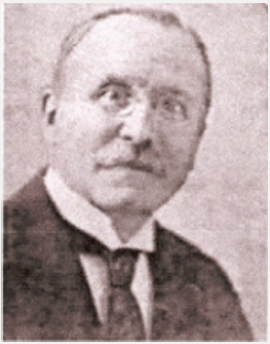
Maurice Roy was born on 24 December 1866. At 14, he entered a dental surgery as an apprentice technician. In 1884, he enrolled at the Dental School of Paris where he was awarded his diploma in 1886. He became a tenured teacher in 1900. He passed his baccalaureate. He then started medical studies. In order to meet his own needs, he worked as a dentist. He was exempted from military service because of his myopia; he was able to devote himself to writing his thesis he sustained in 1894. When the Dreyfus Affair broke out, at the cries of Zola in J’Accuse! published in 1898, he signed the petition for the rehabilitation of the captain. Having contributed towards the creation of FDI World Dental Federation in 1901, he became a member of its executive body in 1904, then its vice-president in 1911. He was re-elected to the post in 1936. In 1902 he founded the French Dentists Cooperative Society (Cooperative Society of Dentists of France), which supplied equipments to the practitioners of the country. In 1914 he created the relief committee for the wounded to the jaws and the face (Relief Committee of the wounded of the jaws and the face). He dedicated himself: he established surgical and prosthetic rehabilitation protocols that were used by other centers. In 1915 he created the Fraternal aid for French and Belgian war victims dentists (Fraternal help to French dentists and Belgian victims of war). In 1923 he took the lead of The Odontology magazine. Roy made it a key player in dentistry of that time. Every themes were subjectively studied. In 1928 he left the public welfare [1-3].

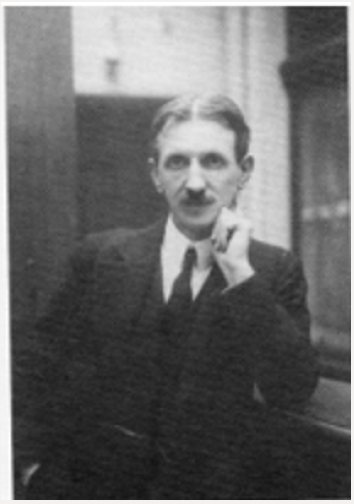
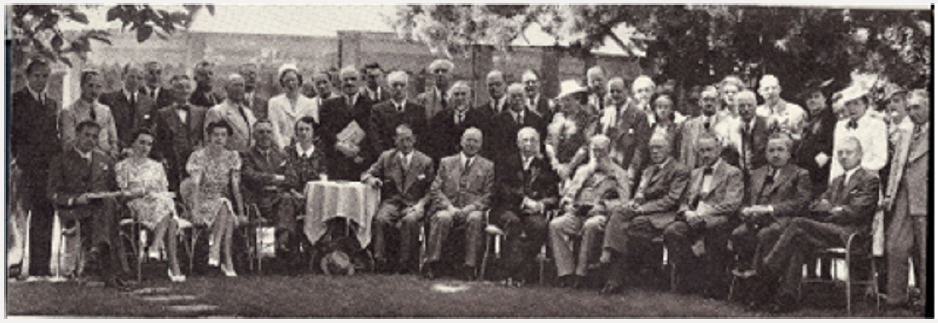
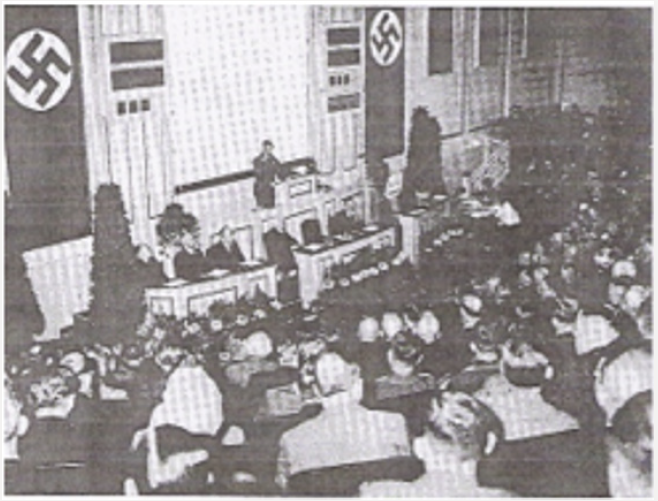
On 28 July 1933, Roy made the executive body pass a motion during FDI World Dental Congress in Edinburgh after Georges Villain, his president and friend, gave a thundering speech to denounce Nazi crimes and to help Jewish German dentists, that stated that: “The executive body of FDI, that duly gathered in session in Edinburgh on 28 July 1933 only to consider the protection of rights obtained by dentists from all over the world thanks to the diplomas granted by the competent authorities of their respective countries [4], declared that no matter of race, of religion or of politics under no circumstances must limit the liberty and the practising of our duly qualified colleagues. Likewise, no restriction which would lead them to breaches of their moral and professional obligations must be imposed on them.” Having made everything to help their colleagues although unsuccessfully the committee passed this motion unanimously excluding Germany who chose to withdraw from FDI. During the 1936 congress of Vienna, Roy received the Miller Prize for his work: the highest distinction that was awarded by the 33-member countries of the executive body including Germany. He received the Legion of Honor this same year. As they were shouted down during the 1938 congress, the Germans were absent from the 1939 congress of Zürich [5]. While the country was occupied, Roy hid aviators and Resistance fighters in his house. While he was the head teacher of the Dental School of Paris, he prohibited the wearing of the yellow star there, this could have caused him an arrestation from the Pétainist font. During a congress in Paris, he left the inaugural session just as the Germans appeared. That provoked a tremendous outcry. While the demands of the Germans were getting insistent, he stopped practicing his dental surgery in 1942, but kept his positions at the Dental School of Paris, at The Odontology magazine and at the Cooperative until his death [6,7]. His convictions caused him insulting articles in the Occupation newspapers: I’m everywhere. Because he was suspected by the Gestapo, he received only routine visits. Maurice Roy died on 5 January 1947 (Figures 1-6).

Figure 1: Maurice Roy (Roy Family, 2011).

Lupinepublishers-openaccess-dentistry-oralhealth

Figure 2: Georges Villain (1881-1938), ©BIUM, 2008

Lupinepublishers-openaccess-dentistry-oralhealth

Figure 3: Dental School of Paris - 57, rue Rochechouart (public domain).

Lupinepublishers-openaccess-dentistry-oralhealth

Figure 4: Congress of the Fédération Dentaire Internationale in Zurich, in 1939 (Ennis, 1967). Maurice Roy is in the 1st rank, 2nd on the right. There is no German dentist in this meeting.

Lupinepublishers-openaccess-dentistry-oralhealth

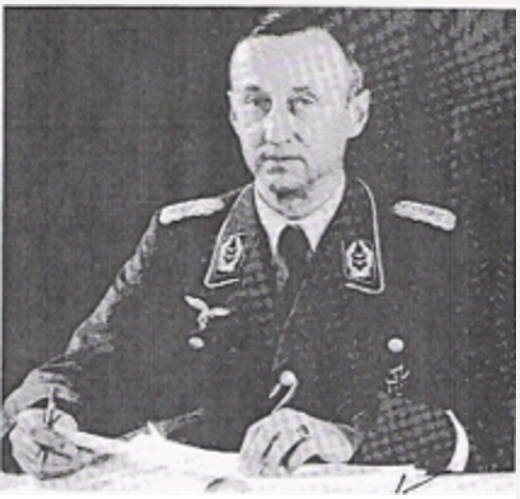
Figure 5: Reichszahnärzteführer Dr. Ernst Stück (1893 – 1974) (public domain).

Lupinepublishers-openaccess-dentistry-oralhealth

Figure 6: VIIth congress of the German dentists directed by Ernst Stück in 1935, in Berlin (public domain).

Lupinepublishers-openaccess-dentistry-oralhealth


Tuesday, 6 June 2023

Lupine Publishers | Cervical Tarlov Cyst Mimicking Spinal Hydatid Disease: Case Report

 Lupine Publishers | Online Journal of Neurology and Brain Disorders


Abstract

Background: Perineurial (Tarlov) cysts are usually incidental findings during magnetic resonance imaging of the lumbosacral spine. The Cervical localization have been reported to be a rare occurrence. We report such a case where a high cervical perineural cyst was masquerading as a spinal hydatid disease.

Case Presentation: We report a case of symptomatic cervical Tarlov cyst in a 9 years old girl operated on twice for pulmonary and hepatic hydatid cyst. Spinal magnetic resonance imaging (MRI) showed an extradural intraspinal lesion with fluid-equivalent signal extending from C5 to T2. Based on the history, the diagnosis of spinal hydatid disease was suggested. Surgical excision of the cyst resulted in significant improvement in patient symptoms, and histological examination revealed the diagnosis of a Tarlov cyst.

Conclusion: Cervical perineural (Tarlov) cyst can be symptomatic by causing nerve root compression and can be mistaken as a spinal hydatid disease on imaging. Surgical treatment can be curative.

Keywords: Tarlov Cyst; Hydatid Cyst; Diagnosis; Management MRI; Cervical Spine

Abbreviations: TC: Tarlov Cyst; CSF: Cerebrospinal Fluid; MRI: Magnetic Resonance Imaging

Introduction

Tarlov Cyst (TC) is defined as a cystic dilatation between the perineurium and endoneurium of spinal nerve roots, located at level of the spinal ganglion and filled with Cerebrospinal Fluid (CSF) but without communication with the perineurial subarachnoid space [1]. It is most often found in the sacral spine with a prevalence of 4.6% in the general population with about 13% of those being symptomatic [1,2]. The Cervical localization have been reported to be a rare occurrence [3], to our knowledge there are only five published cases of symptomatic cervical Tarlov cyst [4]. MRI of the spine is the gold standard imaging modality for the diagnostics. This is a case report of a symptomatic cervical TC that was masquerading as a spinal hydatid disease. To our knowledge, only five other cases of symptomatic cervical TC have been published [3,4].

Case Presentation

A 9-year-old girl, with medical history of surgery for pulmonary and hepatic hydatid cysts at age of 8, treated with anthelmintic with good outcome. As far as her past medical history is concerned, there were a history of cervical plexus trauma at the age of 6 with monoparesis sequelae of the left arm. She presented with a 4-week history of gradually developing left hemiparesis. On clinical exam, all deep tendon reflexes were normal. Proximal muscle strength of the left leg and the ipsilateral upper extremity was 3/5. Electromyography (EMG) showed abolition of motor and sensory responses of nerves SPE and SPI on the left upper limb. MRI of the cervical spine showed intraspinal cystic lesion of extra-Dural location lateralized to the left, extending from C5 to T2 causing a stenosis of the adjacent foramina, without contrast enhancement of the cyst wall (Figure 1). Based on the imaging and the history of patient, the diagnosis of a spinal hydatid disease was suspected. Neurosurgical indication was agreed, and the patient underwent a C4-T2 laminotomy (Figure 2), intraoperatively, cystic lesions strongly adhered to the dural mater with an appearance that was evoking congenital cysts. At this point, we opened the capsule and a clear CSF-like liquid came out from the cyst, we conducted a careful excision with Dural plasty. The histological examination showed fibrous tissue and the presence of neural elements, which is typical for perineural cysts. Postoperatively, the patient experienced significant improvement in her symptoms, represented by improved left lower-limb strength. A postoperative MRI of the cervical spine was performed after 6 months showed no recurrence of the cyst (Figure 3).

Figure 1: T2-weighted axial MRI showing an intraductal cystic lesion lateralized to the left and protruding in the adjacent neuro foramina. Squeezing the cervical spinal cord

Figure 2: C4 to T2 laminotomy, and the cystic lesion that has a translucid wall (arrows).

Figure 3: Sagittal (a) and axial (b) post opérative spinal MRI after 6 months showing the disappearance of the cyst and the pressure lifted on the cervical cord.


Discussion

Tarlov cysts, or perineural cysts, firstly described by I.M. Tarlov in 1938 as an incidental finding during his autopsy studies of the filum terminale [5]. They are pathological fluid collections located between the peri- and endoneurium, i.e. meningeal dilatations of the nerve sheat at the dorsal root ganglion. They are filled with liquor; therefore the signal is isointense to liquor on all MRI sequences [6]. They are often multiple and are mainly located in the sacral region, cervical location is rare. In a systematic study Burdan et al. reported about a prevalence of 1.2% of cervical perineural cysts [7]. They are symptomatic in 13% of cases according to Langdown et al. [1]. The exact physiopathology of perineural cysts remains unclear, and several hypotheses have been proposed. Tarlov suggested that hemosiderin deposition caused blockage of the venous drainage of the perineurium and epineurium after local trauma can lead to the development of these cysts [4]. Other authors discuss a developmental or congenital origin [8]. The onset of symptoms can be sudden or gradual, and are exacerbated by coughing, standing, and change of position [8], those symptoms depend on their location, and range from backache, perineal pain or sciatica to overt cauda equina syndrome [5]. TC is usually diagnosed using diagnostic imaging. X-ray can show bone erosion in the anterior or posterior part of the vertebral foramen [9]. The CT scan may show CSF isodense cystic mass at the foramen [10]. Myelography was used for the positive diagnosis of TC, it allowed the identification of the communication of the cyst with the subarachnoid space, and late filling phenomenon allowing the differential diagnosis with other cystic lesions of meningeal origin, which are not TC [11]. Spinal MRI is currently the method of choice in diagnosis of perineural cysts, it shows a cystic lesion, located near the dorsal root ganglion with a hypointense signal through T1 weighted imaging, a hyperintense signal through T2 weighted imaging, without godalinium enhancement. The differential diagnosis is mainly with other spinal meningeal cysts. The classification of Nabor et al. makes it possible to differentiate three types: Type I: extradural cysts without nerve fiber, type Ia: arachnoid cyst extradural. Type Ib: meningocele sacred. Type II: extradural cysts containing nerve cells (TC). Type III: arachnoid cyst intradural [12]. It is also important to distinguish with neurogenic tumors such as schwannoma, those solid tumors enhance after gadolinium injection, Joshi et al. reported about a central perineural cyst masquerading a tumor, the cyst was located intra spinally and caused compression of the cervical myelon [13] Till date, published treatment options for apparently symptomatic TC include medication, percutaneous procedures, and surgery. However, these methods are associated with various outcomes and complications. Mitra et al described a conservative approach for a symptomatic cervical TC using oral steroids after initial ineffective course of NSAIDs. A six-day-course of oral steroids was given, leading to relief of symptoms, as far as, the upper extremity motor strength was concerned, but with a slight increase in the patient’s sense of pain [14]. Kim et al. performed a more invasive transforaminal epidural steroid injection for a case of symptomatic perineural cyst in the cervical spine [15]. Epidural steroid injection was primarily employed to reduce neural inflammation causing radicular symptoms, but the follow-up MRI revealed a shrunken cyst in this case, which was an unexpected result of the intervention. Jungwon Lee et al. Performed ultrasound-guided cervical elective nerve root block using local anesthetics and steroids without fenestration of the cyst in a case of symptomatic cervical TC which was resistant to medication [16]. Therefore, ultrasound-guided cervical selective nerve root block is a safe and effective procedural option for the treatment of symptomatic cervical perineural cysts. The microsurgical approach usually involves a small laminectomy with cyst fenestration, cyst imbrication, cyst neck ligation, cyst resection, and combinations of the above [8,17,18]. Combining the evidence from 31 case series Laura E. Dowsett et al. found that after surgical treatment, the symptoms attributed to TC either completely or partially relieved in 83% of the cases. Complete resolution was experienced in 32% of cases, 50% had partial resolution, 16% had no improvement or worsening of symptoms and 0.4% had worsening of symptoms after surgery [19]. However, the optimal management of symptomatic TC is still a matter of ongoing debate because of the variety of outcomes and complications for each method. Percutaneous aspiration of a perineural cyst can cause headaches owing to intracranial hypotension [2]. Fibrin glue placement of perineural cysts is associated with several complications including aseptic meningitis and CSF leakage [20, 21]. Surgical excision of these cysts can also result in complications involving neural damage, pseudomeningocele, and intracranial hypotension [19].

Conclusion

In conclusion, symptomatic cervical perineural cysts are extremely rare. In the present case, because of the rarity of the lesion, we did not suspect a TC at first, however, it should be kept in mind in front of any intraspinal cystic lesion, and surgical excision may be an effective option for symptomatic cases.

Read more about Lupine Publishers Journal of Neurology and Brain Disorders Click on the below link:

https://brain-disorders-lupine-publishers.blogspot.com/


Monday, 5 June 2023

Lupine Publishers | The Schema in Cognition

 Lupine Publishers | LOJ Medical Sciences


Introduction

The brain of an infant may be the blank tablet envisaged by Locke [1], but as it is shaped by both experience and language it develops into the mind of an adult. As the character of the maturing individual becomes defined, the mind shapes experiences decreasingly according to immediate stimuli themselves and increasingly according to linguistic interpretations of and emotional reactions to perceptions. Thus, the environment does not dictate human behavior but provides a context for its expression. The basis for interpreting environmental stimuli is the schema the cognitive program (Ger: Weltanschauung) which acts as a template for perceptual experience and provides expectations and explanations about objects and their relations to and interactions with each other [2]. It is populated by or constructed of memes [3], which are subjected to selection pressure by the psychocultural environment and thus are not necessarily as true as they are gratifying and popular. Just as a reigning intellectual paradigm defines each of our modern sciences (e.g., atoms in chemistry) [4], a schema defines the mental life of an individual by providing an intellectual frame of reference for information, ideas and behavior. Traceable back to Edmond Husserl’s phenomenological observation of the mind’s tendency to organize experiences [5], like Piaget’s mental structure [6], it comprises the “Cognitive map” of the individual’s reality and determines his

a) worldview,

b) selfconcept,

c) selfideal and

d) ethical convictions

While providing basic notions about principles of nature and theories about how the world works, the schema both fosters and inhibits further learning. It is particularly good at promoting learning of refinement, whereby established expectations are confirmed and reinforced and responses made more subtle. However, learning of novelty is made less probable and more difficult by preset patterns of thought which limit an individual’s range of cognitive adjustment. Thus, the schema encourages selfcorrective, fine tuning of itself even in cases in which it remains a maladaptive behavioral program. The learning process can be broken down into two interrelated steps: assimilation and accommodation [7]. Assimilation is the perception of stimuli and the incorporation of experience into an existing schema; it is accomplished by assigning the percept of an object or phenomenon to an established cognitive category as defined by the individual’s vocabulary [1]. Accommodation is the change or modification of the schema due to the assimilation of new information. Minor adjustments, refinements and modifications of the schema are very common and occur with little or no awareness or emotion. The resulting schema is the individual’s reorganization of his experience into a system which provides both predictability of events and a sound basic strategy for successful behavior. Attitudes: However, as an individual matures, the presence of the schema tends to dominate the process of assimilation by defining perception in progressively restrictive terms and by the formation of attitudes which evaluate perceived data. Attitudes determine whether a given fact is construed favorably or not. This point is easily demonstrated by a play on a standard form of humor: “I have some good news and some bad news: the Yankees won last night”. This is good news to Yankee fans and bad news to a Yankee hater. Laugh or not, there are three factors which may contribute to the formation of attitudes. First of all, attitudes may be rooted in a person’s need to know about the environment. Such attitudes are data based and provide a verbal knowledge system to which incoming bits of information are compared or contrasted. Attitudes may also be adopted because of externally applied social rewards and pressures of normative group influence. Finally, attitudes may be expressions of the value system of the individual and provide him with the selfsatisfaction of selfsustaining internal rewards [8]. Along with their function of evaluating information, attitudes also act to promote the achievement of goals deemed to be worthy, to maintain selfesteem and to express views. Most important of all to students of stupidity, attitudes determine what a person considers to be his “Best interest”. This is crucial if stupidity is deliberate, informed, maladaptive behavior that is, behavior counter to one’s own best interest.

The determination of “Best interest” thus turns out to be quite an arbitrary process. The basic problem with such an evaluation is that judgment is so “Attitudinal”. For example, the extreme case of homicide may variously be considered a crime (murder), necessity (selfdefense), heroic (combat) or simply negligent if not accidental: the evaluation of the act depends very much upon the circumstances and the attitude of the judge. It is by interacting with the environment that people reveal their attitudes the beliefs, values and ideas which the reference group’s language and norms have molded into a schema. Socialization internalizes this system so that it defines who and what a member is and does. As a young person matures or an initiate conforms, external rewards and punishments become anticipated and behavior adjusts to preconceived expectations. It is important to note that the creed of a group functions as a unifying force [9]. Political and economic systems (e.g., democracy, capitalism, etc.) are often misconstrued as descriptive of how societies interact with their environments. Actually, along with behavioral rituals which are also binding, such systems are concrete expressions of ideological creeds which promote group unity. When the system’s values are internalized, the individual feels himself to be part of a homogeneous group of people comfortable with themselves regardless of what they are doing.

One of the inherent drawbacks of intense group loyalty, however, is that it can interfere with logical analysis of problems [10] and corrupt the superego values of the group. The unacknowledged goal of most groups is maintenance of the schema. Reason is used to rationalize, and value-based perception is skewed to favor the schematic/social quo. Conformity is the standard and intellectual integrity a threat to short term, immediate complacence. Unfortunately, the long-term consequences can be disastrous, as happened in the Penn State scandal centered on convicted child molester Jerry Sandusky [11]. To achieve and maintain a healthy balance, there must be a dynamic tradeoff between the short-term social needs of the group and the long-term intellectual imperative of information. This inherent compromise is typical of the human condition and displays itself as emotional conflict, suppressed or expressed, in all but the total conformist. One of the saving graces of a schema is that, consistent with the theory of cognitive dissonance, it can easily make minor adjustments changes which reduce rather than arouse emotional tension. Accumulated minor adjustments can add up to a significant schematic alteration which would be traumatic if forced in one step. This process is comparable to the gradual evolution of one species into another by the accumulation of genetic mutations. Minor adjustment makes it possible to retain the schema while behavior adapts to novel circumstances. This is ideal for a stupid society, as it permits vague and ambiguous leaders to do somewhat more or less than they should while their followers can believe their cause to be sacred. As new behavioral norms emerge, so too may an identity crisis or conflict gradually evolve as traditional values are deemphasized for the sake of group cooperation in new circumstances. The mechanism of successful schematic adaptation to novelty is, usually, largely language dependent, as it is language that provides the basis for our cognitive life, including the expanded mental capacity to be both very intelligent and very stupid.

Language: Language probably evolved as a means of sharing information and promoting group cooperation, but as a correlated side effect, it shaped the human psyche by the very nature of words. These are really audible symbols which represent selected, generalized aspects of the environment. In this sense, language is a code, [12] with each particular language necessarily biased and restrictive as it defines perceptions [13] in terms of the specific culturally determined categories to which the encoded symbols are attached. It is the linguistic requisite for categorizing which makes the human way of experiencing nature different from that of all other species. While making the human psyche unique, our verbal tradition prohibits “Freedom of experience” from the human condition, as only feral children can escape the subjective impact that the specific verbal values of his given reference group imposes [14]. Each language segments the environmental continua (motion, color, sound, etc.) into various arbitrary categories. Collectively, these provide the cognitive context in which members of the language group think, feel and evaluate experience: that is, we live by symbols [15]. Although categorizing permits the streamlining of some perceptions for the sake of mental efficiency, there are drawbacks. For example, every group is somewhat compromised by the very human tendency to indulge in “Stereotyping” [16]. This is a process of “Overgeneralizing” to the point that important discriminable experiences are treated equally [17]. As we go through life, we fill out our verbal categories with discrete items or events. When we deal with people, for example, certain salient characteristics which members of some perceived group share in common (skin color, language, religion, etc.) are considered determining factors in evaluating the group in general. For the sake of expedience, individual variation may then be ignored and generalizing carried to the extreme that all people who can possibly be placed in a given pigeonhole are lumped together mentally under the label for that category. Not only do we lose information to stereotyping, but the many groups of people become separated from each other because their different languages segment the common environment into different categories. Sad to say, when people in “Opposing” cultures experience the same stimuli differently, they often squabble about their perceptions and reactions rather than enlightening each other with complementary views of the world. Only in superficial matters can alternative interpretations be accepted as interestingor humorous without being threatening. On the other hand, most of history’s great religious and military conflicts had their origins in perceptual/philosophical differences of competing groups which found they could not live in both the same and different worlds.

Such conflicts underscore the point that language functions as a “Defining system” for people [18]. It is through words that “Relevance” is determined for each of us by our culture with behavior being shaped by the structuring of our reactions to what we construe to be relevant. What may really be relevant to one’s best interest may not be identified as such by a necessarily if unfortunately, biased language system. This bias of the language system is based on the descriptive categories and labels used to construct a person’s cognitive world. As the schema is formed, accuracy and objectivity of perceptions are sacrificed for and by euphemisms. These enhance self-esteem by giving favorable interpretations of the actions of the individual and his reference group and negative stereotypes to rivals and opponents. This verbal phenomenon can be carried beyond the selection of words even to their pronunciation as happened, for example, with the affected Spanish accent favored among the leftist elites of the United States2 in the 1980’s to show their support for the pro Soviet regime in “Knee-car-AH-gew-ah” [19]. As for terminology, when dealing with Vietnam, the Johnson administration began with a humanistic way of thinking and talking about the war but ended up following the lead of the military. The change to a detached attitude and then to a dehumanizing outlook was facilitated by euphemisms. “Gooks” were to be “Converted” into “Body counts” by “Defoliation” and “Surgical air strikes” itself a misnomer for inaccurate bombing– which were to accomplish “Attrition” which would precede “Pacification”.20 It was as difficult to argue against such strategy as it was easy to misjudge American’s best interest in those terms, as opposed to “Napalm” and “My Lai” [20,21]. A few years later, the Nixon administration had a similar problem judging its own best interest and literally got hung up on the terms “Executive privilege” and “National security”. The Nixonian were also disposed to use derogatory terms for their presumed enemies meaning the press, students, hippies, Jews, Italians, Germans, blacks and liberals in the State Department and Congress [22] and committed to destroying anyone3 who did not support the Nixon team [23].

Along with defining means and experience, words shape the schema by directing attention [24] to certain facets of the environment which are deemed important by the verbal value system. Each language system has an inherent tendency to emphasize certain experiences while others are trivialized. Thus, accuracy of overall perception and objectivity of interpretation are sacrificed to verbal appeal as people focus on particular stimuli at the expense of others [25]. Of course, events of expected significance receive the most attention and analysis particularly if they pose either a serious threat to the schema or an opportunity for a triumphant achievement worthy of the Superego Seal of Approval. Language further serves as a memory system, [26] in that categorized, encoded experiences act as a basis for comparing the present with the past and for projecting future expectations. Naturally, the process of memory formation is systematically skewed off by forgetting some events that happened [27] and including others that did not. Thus, some aviation accidents (and even more so, near misses) can be redefined out of existence while fantasy provides a rosy picture of what self-serving experts at the FAA (Flying Accidents Administration [28]) can trick themselves into interpreting and believing. The worst that can be said about language in this regard is that it allows people to remain firmly in touch with their delusions, or, as Goethe’s Mephistopheles believed: “With words, you can do anything” [29].

While examining the role language plays in the formation and functioning of the schema, we have considered it as a system for encoding, categorizing, stereotyping, defining, focusing and memorizing. We should not forget that it also functions as a communication system, making the individual’s schema a product of and contributor to the group creed. As a means of sharing experiences, language is quite efficient, but as a means of permitting people to talk to and about themselves realistically, it is too biased to allow accurate self-analysis. As a belief system, the schema promotes coping with some problems while limiting the ability to recognize even the existence of others. The schema promotes coping with acknowledged problems if the discrepancy between verbal beliefs and necessary behavior is emotionally tolerable, so in such situations, both individual and group efficiency is enhanced. However, when the discrepancy is so pronounced as to make people self-conscious, and when coping has to be treated as heresy, psychological and social disruption result from the delusive mental set of stupidity. Interestingly enough, living out the expressed creed that is, living up to the ideals can also be aggravating to the devout who flout their beliefs in daily life. Christ was crucified for fulfilling prophesies and embodying ideals. Like most great rebels, he endeavored to live up to stated standards; unlike most, he did. For example, his kicking money lenders out of the temple was an expression of his intolerance for organized impurity [30]. Such a person may be a great model for the dispossessed but is very dangerous for the establishment, so he was betrayed by the leaders of his own community. In this case, they responded in a manner typical of authorities who would be displaced if their promises were realized, and they had no difficulty recognizing what course of action was in their own immediate best interest.4 His crucifixion was an allegorical warning for everyone that the more one lives up to expressed ideals, the more likely he will suffer for the sin of doing so [31].

In the absence of whistle blowers, who are usually persecuted to the degree that they live up to the creed, language maximizes the potential of a social group to cooperate at whatever is accepted as necessary. Ironically, it promotes cooperation among members by inhibiting an appreciation of what it is they are doing or to what extent they may have over or underdone it. Hence, although language normally functions as a screen between people and their environment, it can become a barrier if perception and cognition become skewed off and distorted for the sake of biased values. In the two-dimensional world of the schema, information from the reality of the behavioral environment is often redefined by the social imperative of language. An individual may find himself experiencing momentary cognitive dissonance [32] when finding incoming data from the world of “Doing” contradicting or conflicting with his ideology the system of ideas built on his established beliefs. The usual reaction in such a situation is to “Save the schema” at the expense of learning about the environment. Thus, numerous Freudian defense mechanisms (e.g., rationalization, repression, suppression, etc.) keep individuals’ content with their superego value systems, albeit at the cost of improving their behavioral schemas. Physical reality may be a better source of information, but social values are preferable, [33] as they are comforting and reassuring even while they are misleading. The social world is really a symbolic environment of subjective judgments, all routinely condoned and defined by the prevailing language system. Incoming perceptions are compared to the established schema, and if a way of fitting them in can be found, it will be. If none can be found, the data are usually rejected by the defense mechanisms mentioned above. In more extreme cases, undeniable perceptions may force an uncomfortable awareness on an individual (or discussions in a group) which eventually lead to a new, more inclusive schema. This changing of one’s mind is the last resort, however, particularly if it tends to isolate an individual from his social group. Finally, language extends to matters which are beyond confirmation–that is, matters of the imagination. The universal presence of this facet of human affairs attests to its survival advantage, although there is obviously need for diplomatic caution when evaluating the reality of any such conjured phenomena or processes. Put the other way, there is no monkey dumb enough to give up a real banana now for a promise of all the bananas it can eat after it is dead. If there is some psychological advantage to human individuals who believe stories of an afterlife, there is even more gained by groups which collectively share, and coordinate activities based on myths [34].

Norms: A group is defined as “Individuals who share a common set of norms, beliefs and values” (i.e., a schema). The behavior of any member is usually of consequence to all other members, [35] and for most people, the social support of the group is vital in that it defines existence. A sense of belonging is a most compelling factor in the human experience and the feeling of isolation a tempering sensation unpleasant to most. The vast majority of people do almost all their learning in the immediate presence of others who serve as teachers or role models. Thus, socialization proceeds as initiates learn appropriate behavior and correlated linguistic values which make group members out of an assembly of individuals [36]. Norms function in the formation of the schema by providing social reinforcement (positive and negative) to the development of both the linguistic value system and the behavioral control system. It is group norms which define group values by shaping the language, attitudes, sentiments, aspirations and goals of the members. These give the ingroup a sense of identity and a degree of solidarity proportional to the hostility which may be directed toward conflicting outgroups [37]. Norms function to induce conformity wherever social organization is found. They provide the means group members use to exert subtle and indirect pressure on each other to think and behave appropriately. They are the customs, traditions, standards, rules, fashions and other unofficial criteria of conduct which organize the interactions of individuals into the codified behavior of group members. In fact, the initiate becomes a member to the degree that he focuses on the norms of a specific group and guides his actions according to them [38]. Identification is complete when the norms become internalized and function as subconscious reward systems. They then serve as the criteria that sustain the attitudes and objectives of the group as members’ judgments and interpretations of perceptions tend toward conformity. The result is similarity if not uniformity of thought and action [39] a condition which can be regarded as normal or intellectually depressing [40].

Of particular importance in formation of the schema is the role norms play in shaping the attitudes of group members, since attitudes are the evaluative components of the schema. That is, it is through social norms that words come to be evaluative labels with positive or negative connotations for group identity and survival. Usually, group attitudes are formed as members concurrently share experiences [41]. Such common experiences provide the basis for the formation of attitudes which express the emotional values of and make certain words loaded terms to members (e.g., “Liberty” to revolutionaries, “Good Christian” to the local holy rollers and “Old Siwash” to loyal grads). These loaded terms and the attitudes they signify provide standards of thought, expression and behavior for the individuals who consider themselves group members. Norms and attitudes then become mutually reinforcing because the attitudes of the group, expressing its essential values, provide strong psychological pressure on members to honor the norms by conformity. In fact, norms and the verbal attitudes they engender make it very likely true-blue members will think, feel, believe and behave in socially acceptable, predetermined ways about relevant objects and events [42]. Thus, for example, Joshua commanded his troops to “Devote” the people of Canaan to God under “The curse of destruction”( i.e., execute them) [43].

Groups: When a group determines the set of values an individual use for judging behavior, it is known as his “Reference group” (i.e., what Edmond Burke once referred to as a “Little platoon” [44] an association of citizens pursuing their common interests). By shaping verbal attitudes with emotionally laden terms, the reference group provides a standard of comparison for evaluating one’s own behavior as well as that of others [45]. As identity with a group develops, a self-conscious sense of obedience to expectation is replaced by a devoted commitment to common values. The fullyfunctional member is a collaborating component of the group and contributes to perpetuating group norms by cooperating with colleagues. Of course, a reference group is all the more effective in imposing its values on members if it surrounds their heads with halos and arouses in them a sense of holiness. The emotional attitudes then become even more effective in promoting conformity to norms as they assume the mantle of moral righteousness. Beliefs condition the existence of any social group and become all the more firmly entrenched if they are sanctified as they are inculcated into the schemas of the devout. The most effective beliefs structure both the consciousness and the conscience of group members. Along with shaping verbal attitudes into ethical values, group norms serve to regulate the behavioral actions and interactions of members by providing both a communication network and social support for each individual. The best that can be said for the functional value of norms is that they promote group cooperation. If they do this, the beliefs they promote and sustain will gain the status of sacred ideals. Once a belief is ensconced in the schema to the point of unilateral respect, it defines “Moral realism” which supports and transcends the “Verbal realism” of attitudes expressing its basic values [46]. This process can go to an extreme, as cooperating members sharing the same values reinforce their common belief about reality. With such social support, a new or altered schema may achieve mass acceptance if it once is established in the minds of a simple majority of group members. This self-promotion of a belief system through intensifying reinforcement is known as “The Gold Effect”, having been described by Professor Thomas Gold, F.R.S [47]. The process is akin to genetic drift in that in cultural life, a field is dominated by a factor (an idea rather than an allele) not because it is superior to competing items but simply because it is more common. This fact alone enhances the likelihood that, in cultural life, a self-reinforcing fad will become a posfeed mania. In terms of schemas, a popular belief can become extremely popular even if popularity is not directly dependent upon accuracy or veracity. Such an extreme may be ideal, if the standard of success is group cohesion. A legitimate goal of any society is to keep disputes within reasonable bounds, which is exactly what the common value system of a shared schema renders more probable. Being a human system, it is rarely 100% efficient, but the schema, as formed by common norms, does function to reduce frictional conflicts within a given group. Many cultures provide forums (soapboxes, letters to editors or Congressmen, public hearings, etc.) where the disgruntled can vent their emotions without much likelihood of anything being settled or disturbed. A classic example of this phenomenon is the Song Singing of Eskimos a ritual in which two disputants compose insulting songs which they sing as loudly as possible at each other [48]. Although nothing may be settled by such rituals, they do reduce psychic and social tension by permitting people to express their grievances and release their emotional energy.

If coping with given problems is too difficult within a static, well defined value system, a group may sacrifice its standards for the sake of cohesion. For example, students unqualified to receive diplomas may get them anyway, so as to avoid hurting their feelings. Such inflation of academic symbols does not really address the problem of learning, but it has a positive, short term effect on some images and is therefore good public relations. In general, a lag or tension is characteristic of a dynamic schema as new behavioral norms conflict with a preconditioned, if outmoded, verbal value system in an accepted state of psychic dissonance. Of course, the cultural impact of any particular schema is diluted by the many interpretations it receives from the individuals and subgroups which compose most reference groups. For example, the grand “Western schema” is subject to national variations which define the citizens of the Western nations on the international scene. Further, the American variant is subject to different interpretations on the domestic scene by businessmen and laborers, policemen and preachers, etc. This process of schematic interpretation is somewhat complicated by the dynamic interactions of the given reference group with its environment. When the group is threatened or impacted by external forces (e.g., natural disasters or conflicts with competing groups), the schema serves as a rallying point, commitment to it intensifies and cohesion is enhanced. This occurred with the civil truce (i.e., Burgfrieden) in Germany in 1914 when, class conflict and internal disputes gave way temporarily to a commitment to national unity [49]. Likewise, the rampant patriotism of Americans during WWII exemplified this phenomenon: as called upon by their president, businessmen and bankers, lawyers and laborers (with some “Wildcat” exceptions [50]) emphasized their common nationalistic schema and conformed to patterns of thought and behavior in the best interests of their country [51]. By way of contrast, in 1946, there was a tendency for subgroups and individuals to polarize by perceiving and interpreting events according to their own (i.e. different) best interests even if at the expense of the national supergroup [52].

Although intense cohesion may be entirely appropriate even in democracies during emergencies, the forced, [5] long-term cohesion of totalitarian states is often the arbitrary concoction of leaders committed to themselves. Conjuring up or creating external threats and crises promotes cohesion, justifies repression and calls for a strong leader [53] as personified by Chinese emperor Sui Wendi circa 600, when he began a war with Korea just for the sake of internal cohesion [54]. Cohesion can also be artificially sustained by deliberate attempts of leaders to bypass the rationale of the schema and appeal directly to the emotions of the people by downplaying sound argument in favor of weighted words [55]. Hitler was past master at arousing enthusiasm by the structured use of the irrational56 and his deliberate indulgence in the big lie. His favorite method was the induction of mass hysteria through the use of, symbols, uniforms, marches, salutes and national games prejudices, passions, hatreds, emotions, resentments and biases.58 His goal was the development of an ethnic/racial pride, and his incredible success in achieving that goal was due to his dealing directly with the hopes, fears and attitudes of his followers. He provided something they valued and wanted to believe in their own image [56-58] The logical if violent and demonic implications of the Nazi ideology had their own appeal to some but were largely (dis)missed by most [59]. Nor was Hitler content to craft his own messages to the public but deliberately limited access to any others. Germans in the ‘30’s were punished severely for listening to foreign radio broadcasts or even if, during a household search, the dial was left tuned to a foreign station [60]. Indeed, one Johann Wild of Nuremberg was sentenced to death for two radio crimes: Listening to a foreign station and repeating what he had heard [61].

Roles: If we shift our focus of attention from the schema to the individual, we find that each is partisan to many schemas, as each of us is a member of a number of different reference groups. A person is a member of a family. As a member of each group, the individual has at least one role to play and has an appropriate schema to guide his thoughts and actions as he shifts identity: e.g., a man can be a son to his father while being a father to his son. At each level, from supergroup to subgroup to individual and for each role, there is a schema to be adopted and applied by people cast in roles that shift with issues and circumstances. A classic example of role shifting was given in an analysis of African society in momentary flux: “... most Africans moved in and out of multiple identities, defining themselves at one moment as subject to the chief, at another moment as a member of that cult, at another moment as part of this clan, and at yet another moment as an initiate in that professional guild” [62]. And so, it is with other nonacute societies. For the sake of contrast, the fundamental difference between human roles and insect castes is noteworthy [63]. In highly social insects, an individual is a member of a caste, which is a “Life role”. It is a soldier, a worker, a queen, etc. for all of its adult life. Determination of caste membership may be genetic, as in the case of the haploid drones of bee colonies, or environmental, as exemplified by the queens, which develop under the influence of royal jelly. Also note that in all groups of animals where cooperation is vital, it is accomplished by role playing. Only in herds, flocks and schools (of fish) can masses of equal individuals be found, and such groups are characterized by the lack of differentiation of members, with at most only leader/ follower designations.

Among humans, anarchy and mass riots are the exception and indicate a breakdown of traditional norms. People are peculiar in that they usually compete for sharing. They have roles and rules for this phenomenon of cooperative conflict, and the winners and losers are usually pretty clearly defined in terms of a commonly accepted and disproportionate reward system. The rules are laws and norms which define how the role players should interact. Within a group, the emphasis must be on cooperative role playing. There are leaders and followers, thinkers and doers, rule makers and rule breakers. There may be any number of roles, all usually defined in terms of their mutual interactions [64]. For example, in an educational institution, administrators, faculty members and students all have interacting roles to play relative to each other. Such interactions can be formally defined by laws or rules as well as informally regulated by norms and taboos. In all situations, of course, there is considerable room for individual variation, depending on the personalities of the particular players and their subjective evaluations of each other [7]. However, the basic principle is that all members of a group share a common schema which they interpret according to their specific roles.

These differences in schematic interpretation give the various, interacting role players the sets of guiding expectations they need to gain the rewards and avoid the sanctions of the reference group. Conformity to expectations is usually the best policy, as it promotes cooperation within and among groups. “Rights” and “Truth” usually have little meaning and less impact on decisions about behavior. Most of these are made subconsciously and follow neural paths of least resistance leading to social paths of greatest acceptance. Along with the language of the major reference group, each subgroup has its own identifying jargon to help its members define their place and fulfill their roles. Also, role players have little rituals manners and mannerisms which facilitate communication and cooperation within and between groups at all levels. Thus, the strategy most conducive to successful role playing is one of conformity to reference group norms. “Fitting in” is usually something of a “Lube job” a matter of confirming existing beliefs by telling people what they already know and doing what they expect will be done. A given individual has, of course, many roles. In fact, a person has exactly as many roles as there are groups about whose opinion he cares. Unfortunately, playing roles in different groups can occasionally create dilemmas and contradictions in behavior especially when one tries to be loyal to conflicting reference groups [65]. A common type of role conflict occurs when one role offers immediate, material rewards while the superego value system of another reference group twinges the conscience. An example of this might be the Christian businessman who wrings his hands over the ethics of making a cutthroat move to advance his career in the corporate hierarchy. A person experiencing such a role conflict has to choose or compromise between external rewards and basic morality.

In many cases, an individual may not be aware of the inconsistent or contradictory demands different roles may be making on him, since the human mind has a great ability to compartmentalize roles into particular settings. Thus, a person may be a good Christian on Sunday, a successful businessman during the week and himself on Saturday. Most of the time, distinctive role programs can be separated subconsciously so that psychic duress (i.e., cogdis) is minimal if not absent [66]. Occasionally, an individual may be forced to alternate between conflicting roles. An example of this might be a student who plays teacher for an interim. Generally, this is not much of a problem, as most competing groups are usually distinctly separate with few, if any, common members: not many businessmen are also members of a union; nor are there many Jewish Christians nor many sailors in the army. However, a person trying to alternateconflicting roles does have a problem, as meeting the expectation of one group may cause censure by the other [67]. Such problems may remain potential, however, and not even apparent under routine circumstances. If there is any inconsistency in behavior, it may pass unnoticed as the conflicting roles normally are separated by time and/or space. A business executive who moonlights as a card-carrying musician can play such conflicting roles comfortably enough. On the other hand, a crisis may force a person to choose a role forcing recognition of who he really is. During a disaster, public servants may favor their families over their jobs. Of course, this is a crucial conflict if the job is related to relief efforts and public safety [68] as when hurricane Katrina hit New Orleans in late August 2005, only to have the police force melt away [69].

As a person shifts roles with changing circumstances, certain attitudes and elements of behavior remain constant and define the “Self” [70]. As a manifestation of the individual’s core schema, the self consists of perceptions, motives and experiences fundamental to identity. Moving outward from this central, consistent essence of character, each person has multiple, superficial attitudes and behavioral programs designed for the various roles to be played (e.g., family member, church goer, fellow worker, etc.) each slightly different and each relating to a role in a different reference group. Behavior in any situation is an expression of the self-drawn out by the compounding of given role in specific conditions. Expression of the self by role playing may not always be healthy [71]. Although it is normal for people to play roles, in that most people do so most of the time, it can be distressing. If playing a particular role means hiding one’s real self, then that is the price that must be paid for the social reward of acceptance. While it may be psychologically distressing to hide from a required role, it can be socially deleterious to bury oneself in a role [72]. Roles and situations are often said to dehumanize or deindividuate [73] the people caught up in them, but it is very human for individuals to take narrow roles to uncritical extremes. Even the happy state of “Being oneself” in a congruent environment can be both ideal and injurious, if the role has become limited or the environment artificially contrived. An example might be the archetypical “Pig” policeman who loves to push people around and gets away with it as long as official word of his abuses can be contained within the precinct.

Expression of the self is also affected by the fact that each role has as many dimensions as it has functions. For example, the leadership role has two interrelated functions goal achievement and group maintenance. Goal achievement requires organization, motivation, sanctions and concentration on relevant environmental factors. Group maintenance depends on mutual respect, trust and friendship of members. A responsible leader accomplishes a given task while maintaining or enhancing group identity usually by being a good role model. However, there is a duality intrinsic to many roles and an inherent ambiguity in determining just how effective any leader really is [74]. Of course, personality plays a part in what kind of leader a given individual is, as a comparison of Generals George S. Patton and Dwight D. Eisenhower makes clear. Patton was goal oriented and one of our best combat commanders; Eisenhower was more the diplomat skilled at maintaining group cohesion. It was the Allies’ good fortune in World War II that both found their appropriate niches and played their proper roles. For a group to realize its goals, the leader must coordinate the roles individual members play. One way to succeed in this respect is to build on the fact that members sharing a common schema will tend to assume mutually supporting roles which promote cohesion. Although their specific behavioral roles differ, members will interact effectively if there is common agreement about the desired goal. For example, in team sports, the players at various positions have different roles which will interrelate smoothly as long as everyone is committed to the ideal of winning.

Unlike sports events, when games end and teams disband, many challenges a society faces are eternal [75] and are dealt with by groups which seem as perpetual as the problems they never solve. A potential problem of and for such permanent groups is that they become committed as much to maintaining their roles as they are to be fulfilling them [76]. For instance, disease is certainly older than medicine, but the medical profession is well enough established to have structured ambiguous roles for its practitioners. This was demonstrated by the reaction of the American Medical Association to a rash of malpractice suits which recently plagued its members. A number of possible reforms were suggested to reduce such suits not malpractice, mind you, just malpractice suits. One suggestion, for example, was to shorten the period a patient would have to file such a suit. This would be fine for the doctors, if not their victims, and it shows that one of the roles doctors play is directed toward keeping themselves as healers in business. [8] If there is ambiguity in this kind of role playing, it is because there is ambiguity in life. Ideally, doctors would be acting in their own best interests simply by acting in their patients’ best interests. Of course, most of them do this most of the time, but that is not enough in our legally oriented, profit generating society. There is an inherent ambiguity in the expression “Health profession”. Medicine is a business, so most doctors look after their own wealth as they look after their patients’ health.

For the student of stupidity, the important point is that the ambiguity of “Best interest” is due to the arbitrary nature of role dependent judgment. This can make it difficult to determine whether or not a particular act is stupid or not. A person may act in his own worst interest in one sense while playing out the requirements of a conflicting role. Even within a given role, a person may have to emphasize one aspect of it to the neglect of others. A resultant decision or act may be deemed stupid by a judge who considers that which was sacrificed to be more important than that which was accomplished. Even a person’s intentions provide no reliable standard, as they may be misguided and shortsighted and ultimately work against him. All things considered, “Best interest” turns out to be quite unreliable as a guide for evaluating stupiditySuch a judgment is usually ambiguous because it is invariably based on an arbitrarily selected standard, so stupidity is thus often induced because a person can easily find some emotionally appealing standard to justify his actions to himself and will then persist in behavior which may work to his actual detriment. In the face of ambiguity, one may fall back on a more general schema to find a basis for defining a proper role, reducing perceived conflict and establishing a program for response in confusing circumstances. In American society, the official schema is the law. Laws provide guidelines for behavior and courts arbitrate when conflicts cannot be settled informally. Of course, the law itself is as ambiguous as lawyers can make it, [77] so Americans often fall back on business principles as guides for judging behavior. For example, for hospital administrators, the crucial criterion for admittance is not a prospective patient’s state of health but his ability to pay. When a person goes to a clinic, he needs to take his lawyer and accountant. Treatment begins only after payment is guaranteed and forms for medical irresponsibility are filled out. (It is a Godsend that the law of “Malice of intent” which gives the media license to libel does not also apply to the medical profession.)

Ambiguity is compounded by the fact that, in most cases, a role is shaped by a schematic compromise of means with ends. Most people have general goals (happiness, wealth, etc.), and most behavior toward these goals is guided by general constraints (laws and ethics). That is, as most of us seek to achieve our goals, certain forms of behavior are proscribed, and others condoned. Only in extreme cases is a schema dominated by an “End” to the point that a totally unconscionable person (like a Hitler) would do literally anything to attain it. Likewise, only in exceptional cases (like loving Christians) do people live by a schema which defines success in terms of how they behave rather than what they achieve. If there were less ambiguity in life, people would be clearer about their goals and more easily find appropriate means of achieving them. The schema is a general guide which provides a quasi-religious ethic for behavior. This may or may not be consistent with the goals, which are determined largely by the emotionally loaded terminology of the reference group. For example, in the field of civil rights, the change from discriminating against blacks and women to discriminating9 for them marked a great change in attitude toward the races and sexes but no change in attitude toward discrimination. The goals flipflopped from segregation to integration, while the means, remained the same. In any event, the change in attitudes toward minority groups was accomplished as awareness of the inconsistency between idealized goals and behavioral reality made people uncomfortable with their traditional values and norms. These had been diplomatically articulated on Mar. 12, 1956 in the U.S. Senate by Walter George, who claimed southerners had been “Very diligent and astute in violating the spirit” of any laws that “Would lead the Negro to believe himself the equal of a white man....” [77] The fact that the reasoning supporting racism was unsound had little impact on the strength of the attendant beliefs and fears, leading one to conclude the reasoning was really rationalizing deeper seated beliefs and fears.

Majority group members transcended their psychic inertia when they realized they would be more comfortable with accommodation than with continued resistance to mounting social pressures. The result of such forced integration has led to a new form of racism now based on experience with intermixture rather than ignorance that is, prejudice based on personal contact rather than bigoted theory. Meanwhile, well intended liberals are turning psychological somersaults and performing cognitive handstands to avoid unavoidable un PC conclusions . On the other hand, [10] when values become tarnished by the realization that they have ceased to be serviceable, and problems of the street overcome nostalgia, beliefs change. This occurred in the South in the 1960’s and in eastern Europe in the 1990’s. Norms and attitudes are recast into new molds as schemas are altered in response to problems which can no longer be ignored. A schema provides a set of beliefs (which pass for an understanding about the universe), a program for directing behavior and, most important of all, a sense of identity. As a guide for a person attempting to cope with an uncertain environment, the schema is clearly adaptive.

Read more about Lupine Publishers Journal of Medical Sciences Please click on below link:

https://lupine-publishers-medical-sciences.blogspot.com/


Saturday, 3 June 2023

Lupine Publishers | Unquestionable Wound Pain: Call for A Care-Plan Reform

 Lupine Publishers | Journal of Anesthesia & Pain Medicine


Opinion

Pain is a subjective experience and one that the medical healthcare profession will never fully be able to understand because the pain belongs to the patient. Ultimately, pain is whatever the patient experiences it to be, yet the traditional medical model approach is one that views the patient’s pain as something to be managed by the ‘professional’ [1,2]; who have been reported to often mismanage it [3]. Pain is in fact a personal encounter and one that is perceived differently both within and between individuals from one time to the next. This point must not only be acknowledged, but digested and acted upon, by healthcare providers working within the field of pain medicine. This paper concedes that pain is a biopsychological event that can only be fully managed by adopting a patient-centered and holistic approach to care. This proposition extends its focus to draw particular attention to those working in the field of wound care, due to the unique pain-related idiosyncrasies apparent among patients with acute and chronic wounds (from any origin: war/accident trauma; post-operative; foot/leg ulcers; burns/scars) that make them worthy of special attention in this matter.
In most recent years, wounds have been estimated to cost health services up to $96 billion globally [4] and this this figure is only set to rise due to self-compromising lifestyle and behavioral factors that lead to wound-promoting illnesses (for example obesity and diabetes) [5]. Pain has traditionally and consistently been dismissed as an overlooked aspect in wound care [6], yet pain has a detrimental and often devastating impact on wound healing [7] that negatively compromises an already weakened immune system [8]. Stress further perpetuates this deleterious cycle of events that tamper with effective wound healing, yet pain management does not take precedence in standard ‘wound care’ regimes. To illustrate, on reviewing the literature on various pain management guides, protocols and strategies specific to wound care published over the past twenty years (2000-2020), it became evident that, as with other types of pain, wound pain continues to be managed principally by pharmacological methods [9-12]. That is, guidance being offered from various commanding sources, from the World Health Organisation (WHO) to specialist wound and pain advocates [10-12] typically recommends a prescription care package of anti-inflammatory, non-steroidal medication (ibuprofen), which might be escalated to an oral pain killer (codeine) if the pain is greater and a stronger opiate analgesic (morphine) is offered when the pain becomes more severe. What this approach does is treat the symptom so is therefore less than optimum, because pain is more than just a symptom. Pain intensity, severity and duration are not only governed by physiological causes, but a psychological response. It has been reported that pain causes stress and stress negatively impacts healing [13]. Furthermore, pain perception (and therefore wound healing) is further compounded by anxiety; depression; and sleep deprivation as further by-products of stress [7].
Not only does this interacting biopsychosocial spiral of events impact on wound healing, but when it comes to pain from a wound, this topic becomes ever more complex due to the unique ways in which pain is manifested among patients with wounds. What makes wound pain distinct from pain caused by other illnesses (for instance cancer or arthritis), is that wound pain is consistently and blatantly visible to the sufferer. What this does is provides a constant reminder and red flag to notify the individual that there is something wrong. In fact, research has shown that wound pain is highest when dressings are removed [13], as opposed to being hidden by a dressing; and even when bandaged, the dressing remains a constant reminder of the fact that there is cause for concern. This form of biofeedback acts by conditioning a patient to a sense of heightened stress and unease that becomes amplified by an anticipatory response. This has been witnessed during such times when the wound becomes re-exposed, such as during dressing changes [13] and independently of pain sensation resulting from tissue disruption. A conditioned response therefore develops to prompt the physical system to experience pain. This anticipatory reaction explains pain perception as a bi-directional response. Not only can the physical body trigger warnings to the psychological self that there is a problem, but the mind can alert the body to feel pain. This mind-body dualism is magnified in the case of wound pain due to the high visibility of the source of the pain in question and this is precisely why pain regulation should be a focal point in any wound care plan due to its idiosyncratic qualities.
In order to bring pain medicine and treatment practice up to speed with contemporary integrated pain models [13], we need to consider holistic care packages that strategically intervene on both the physical and psychological levels of concern [6]. For example, empowering patients to self-manage their illness [1,14] both practically (e.g. wound dressing; patient-controlled analgesia) and mentally (e.g. cognitive reframing; stress management). Moreover, ‘treating’ the psychology should form an integrated part of any standard care package for wound patients [15], whereby continuous dialogue is used between patient and healthcare provider to monitor and reflect on aspects of the regimen. Patient pain diaries and monitoring of thoughts, feelings and behaviors can be achieved through use of self-support cognitive behavioral training for wound pain patients that facilitate restructuring negative coping strategies such as catastrophizing and fear self-statements [1].
Overall, it is aspired that this debate will provoke the attention of professionals working with patients with painful conditions to reconsider, firstly, that there is more to treating pain than a numbing of the symptom. As we appreciate, pain is an incredibly complex experience that cannot be managed reliably with medication alone. Secondly, wound pain is distinctive in that pain perception can be magnified by the unconcealed nature (or root cause) of the pain, which is unlike most other painful conditions. Finally, we wish readers to ponder over these germane issues right now, because despite witnessing scatterings within the literature of debates relating to the issues addressed here, it can be argued confidently, that all concerted efforts to get this message across to inform treatment plans thus far have failed, as we still do not see these viewpoints translated in to practice. We concede by reiterating that pain is subjectively owned by the patient and is therefore an un-questionable experience so can never be fully understood by a person outside of that experience; and call for a care-plan reform that guarantees a fully-integrated, biopsychosocial tailored package that responds to the voice of each patient.

Read More About Lupine Publishers Journal of Anesthesia & Pain Medicine Please Click on Below Link:
https://lupine-publishers-anesthesia-pain.blogspot.com/

Friday, 2 June 2023

Lupine Publishers | Homographic, Heterophonic and Heteronymic Evidence that Yoruba is a Language Isolate

 Lupine Publishers | Journal of Forensic & Genetic Sciences


Introduction

In linguistics, words that have the same spelling but have different meanings when pronounced differently are called homographs, heterephones or heteronyms [1,2]. Apart from English, Dutch and a few other Indo-European languages, few other languages on earth-apart from Yoruba have so many heteronyms. And given that many of the English heteronyms are merely verb and noun heteronyms (e.g. the noun ‘house’ means an actual structure for domicile while as a verb to ‘house’ means to provide said domicile and/or place person(s) therein) the number of spoton English heteronyms falls significantly. Also, many English and Indo-European language heteronyms come in pairs e.g. ‘confine’ as a noun means a boundary or limit while ‘confine’ as verb means to restrict. On the other hand, many Yoruba heteronyms came in trios, quartets, quintets and in rare cases septets such as the word ‘OKO’ which, depending on the pronunciation means spear, penis, farm, vehicle, husband, stone and hoe! [3] This is seven meanings for just one word merely by varying the pitch! It’s time for linguists worldwide to stop burying their heads in the sand and to do the honorable thing-officially reclassify Yoruba as a language isolate.

More examples of Yoruba homographs and heteronyms include the following: kindly note that the alphabet ‘d’ stands for the sound ‘do’, ‘r’ stands for the sound ‘re’ and ‘m’ for ‘mi’ (Table 1). This list of Yoruba heterophones is by no means exhaustive. But these are enough for any fair-minded and reasonable observer to strongly suspect, if not conclude that Yoruba is a language isolate [3].

Table 1:

Lupinepublishers-openaccess-Forensic-Genetics


Thursday, 1 June 2023

Lupine Publishers | Characteristic Cellular of the Vaginal Epithelium of Llamas (Lama glama) Captive in the State of Jalisco

 Lupine Publishers | Journal of Dairy & Veterinary Sciences


Abstract

With the objective of contributing data regarding the characteristic cellular forms in vaginal smear of Llamas (Lama glama) and to determine their structural forms in different physiologic states, pregnant, nurslings and you empty, they were carried out vaginal smear of 15 Llamas in captivity condition in the State of Jalisco, Mexico. In the empty Llamas of the 10 to the 30 days post weaning the superficial cells spread to go down from 41% to 7% of presence and the 30 days post weaning the intermediate cells they spread to ascend from 58% to 98% of presence. In the pregnant Llamas in the first month of gestation the naviculars cells were observed in more percentage 86% and the cells flakes in smaller presence 10%, while to the 9° month of gestation increase the presence of cells flakes of 10% to 44% and they diminished the naviculars of 86% to 55%. In the Llamas in nursing of the 10 to the 30 days of nursing the cells flakes spread to ascend from 16% to 54%, the opposite happened to the intermediate cells that spread to go down from 83% to 42% to the 30 days of nursing. The cellular differences in the vaginal epithelium of the Llamas could serve like a tool in the diagnostic of gestation and fertility.

Keywords:Camelids; vaginal cytology; gestation; nursing

Introduction

The principle of the vaginal cytology is based on identifying the type and the percentage of cells in the different stages of the cycle estral, since the hormonal changes of the vagina during the cycle are reflected in the morphology of their cells epitelials[1]. The vaginal cytology is used in most of the species to determine stages of the cycle estral in which is the female, for what is a procedure broadly used in veterinary medicine, [2], and it is used with a lot of effectiveness to determine stadiums of the cycle estral in dogs and cats [3]Stornelli[4] mentions that in the canines with estro 80% of superficial cells is observed, while in the cats with estro 88% of superficial cells is observed [5], while in the necklace Pecarí(Tayassutajacu). Mayor et al.[6] found 60% of superficial cells in estro in the vaginal smear of Alpacas (Vicugnapacos). In a work it found differences in the vaginal epithelium among empty and pregnant Alpacas observing similar cells to other species[7]. The camelids has an unique ovarian cycle, they are induced ovuladores, but their hormonal physiology differs of other ovuladores induced as the rabbit or the cat, [8,9] and they don't present estacionality for photoperiod[10]. The camelids are considered as seasonal reproducers in its natural habitat during the warmest, humid months and of more forage readiness[11]. The vagina of the Llamas measures from 15 to 25cm from the hymen to the cervix and approximately 5 diameter cm [12], these characteristics are necessary to understand its ignorance since it takes us to have a poor yield of breeding, compared with other conventional species[13].  

For such a reason the present study intends to carry out a classification at cellular level in the characteristic ways in vaginal smear of Llamas (Lama glama) captive, and to determine its structural forms in different physiologic states as a tool of diagnose reproductive. 

Materials and Methods

15 females were chosen under captivity conditions belonging to hatcheries peculiar of the state of Jalisco, Mexico, with a corporal condition, weigh and age average of 4-5, 115±8 kg and 4.5±1.5, of which 9 were pregnant, 3 empty and 3 nurslings. For the taking of the samples we use the technique described by Wave [14] where we use a hyssop of soaked sterile cotton with solution of chloride of sodium to 0.9% which 8 cm was introduced inside the vagina carrying out rotational movements against the vaginal wall with the purpose of extracting cells that come off in a natural way rotating the hyssop on a portaobjets, later on noticing with ethylic alcohol of 90°, for the tint that of Giemsa it was preferred and you proceeded that recommended by Lynch [15] where once fixed with alcohol it allows to dry off and it dives for a while in the coloring Giemsa from 15 to 30 minutes, later that washes himself with distilled water and dried off to the environment. The observation to the microscope one carries out with increase of 100X and immersion oil, the opposing cells were classified following the approach of Schutte, [16] in you scale, intermediate, naviculars and superficial.

Results

Figure 1: The following figure shows us the cellular activity from the first month of gestation up to the ninth in the 9 copies.

Lupinepublishers-openaccess-Dairy-Veterinaryscience

Figure 2: That shows us the cellular differences in the 3 copies of Llamas revised to the 10, 20 and 30 days search it weans.

Lupinepublishers-openaccess-Dairy-Veterinaryscience

As it is appreciated in the Figures 1,2&3 previous to the first month of gestation the naviculars cells were observed in bigger percentage 86% and the flakes cells in smaller presence 10%, the opposite to the 9° month of gestation where it increase the presence of flakes cells of 10% to 44% and they diminished the naviculars of 86% to 55%. One can observe that of the 10 to the 30 days post weaning the superficial cells spread to go down from 41% to 7% of presence and the 30 days post weaning the Intermediate ones they spread to ascend from 58% to 98%, what resembles each other with the cat tames that it not indicates the existence of levels estrogenicos in the one post weaning early, [17]. As it is observed in the previous graph, of the 10 to the 30 days of nursing the cells flakes spread to ascend from 16% to 54% and the opposite happened to the intermediate cells that spread to go down from 83% to 42% to the 30 days.

Figure 3: Where show us the cellular characteristics in the 3 Llamas in nursing, from the 10 days up to the 30.

Lupinepublishers-openaccess-Dairy-Veterinaryscience

Discussion and Conclusion

In the pregnant Llamas in the first month of gestation the naviculars cells were observed in bigger percentage 86% and the flakes cells in smaller presence 10%, while to the 9° month of gestation increase the presence of flakes cells of 10% to 44% and they diminished the naviculars of 86% to 55%. In the empty Llamas of the 10 to the 30 days post weaning the superficial cells spread to go down from 41% to 7% of presence. To the 30 days post weaning in the empty Llamas the Cells intermediate spread to ascend from 58% to 98% of presence. as long as in the Llamas in nursing of the 10 to the 30 days of nursing the flakes cells spread to ascend from 16% to 54%. The opposite happened to the intermediate cells that spread to go down from 83% to 42% to the 30 days of nursing. The cellular differences in the vaginal epithelium of the Llamas could serve like a tool in the diagnostic of gestation and fertility.

Conflict of Interest

There are not conflict of interest exists.

Read More About Lupine Publishers Journal of Dairy & Veterinary Sciences Please Click on Below Link:
https://lupine-publishers-dairy-veterinary.blogspot.com/