Friday, 26 May 2023

Lupine Publishers | Incidence and Clinical Outline of Hyponatremia in Psychiatric Inpatients: a Native Preliminary Evaluation

 Lupine Publishers | Journal of Psychology and Behavioral Sciences


Abstract

Introduction: Hyponatremia is one of the most frequent ion and water disorders and severe hyponatremia is associated with well-known clinical symptoms and manifestations. In the present assessment the incidence and clinical profile of hyponatremia have been probed among a great sample of non-western psychiatric inpatients and compared with the available data in literature regarding prevalence and other associated clinical characteristics.

Methods: All inpatients with idiopathic hyponatremia during the last sixty-four months had been included in the present study. Clinical diagnosis, as well, was in essence based on ‘Diagnostic and Statistical Manual of Mental Disorders, 5th edition (DSM-5)’. Statistical significance had been defined as a p value ≤0.05.

Results: While the annual incidence of hyponatremia in current evaluation was around 0.01%, the annual incidence of mortality due to hyponatremia was around 0.001%. It was significantly more prevalent among male psychiatric inpatients (p<0.04) and patients with duration of illness in excess of one year (p<0.04). Furthermore it was meaningfully more evident among schizophrenic patients (p<0.007), in comparison with remaining primary psychiatric disorders. There was no significant relationship between hyponatremia and symptomatic profile, or serum level of sodium and occurrence of seizure.

Conclusion: Hyponatremia was significantly more prevalent among male patients and cases with duration of illness in excess of one year. Furthermore it was meaningfully more evident among schizophrenic patients.

Keywords: Hyponatremia; Psychiatric disorders; Psychotropic drugs; Schizophrenia

Introduction

Hyponatremia (serum sodium concentration < 136mEq/L) is one of the most frequent ion and water disorders. It is generally due to disproportionate renal water retention. Severe hyponatremia (<125mEq/L) is associated with well-known clinical symptoms and manifestations. However, even mild reductions in sodium blood levels have been shown to be associated with increased mortality and with the risk of falls and fractures. The diagnosis of hyponatremia, although requiring simple clinical and laboratory tests, may be complex and difficult [1]. Hyponatremia is a prevalent and potentially dangerous medical comorbidity in psychiatric patients, too [2]. Hyponatraemia can occur in the context of water intoxication, where water consumption exceeds the maximal renal clearance capacity along with a low serum and urine osmolality. Cross‐sectional studies of chronically ill, hospitalized psychiatric patients have found the prevalence of water intoxication to be approximately 5% [3]. It may occur, as well, due to drug‐induced syndrome of inappropriate antidiuretic hormone (SIADH), where the kidney retains an excessive quantity of solute‐free water. In this situation, serum osmolality is low and urine osmolality is relatively high. The prevalence of SIADH has been estimated to be as high as 11% in acutely ill psychiatric patients [4]. Risk factors for antidepressant induced SIADH (increasing age, female gender, medical co‐morbidity and polypharmacy) seem to be less relevant in the population of patients treated with antipsychotic drugs [5].

Overall prevalence of antipsychotic‐induced hyponatremias has been estimated at 0.004% [6] and 26.1% [5]of patients. Mild to moderate hyponatremia presents as confusion, nausea, headache and lethargy. As the plasma sodium falls, these symptoms become increasingly severe and seizures and coma can develop. So while monitoring of plasma sodium is desirable for all those receiving antipsychotics, signs of confusion or lethargy should provoke thorough diagnostic analysis, including plasma sodium determination and urine osmolality [3]. Prevalence of polydipsia in a population of chronic psychiatric patients can be as high as 6 to 17% [7]. Schizophrenia represents 80% of cases reported [8]. Early onsets of psychiatric disorder and long duration of that or poor response to psychopharmacotherapy have been identified as significant risk factors for appearance of hyponatremia [9]. Patients with hyponatremia may be asymptomatic or present with nausea, anorexia, muscle cramps, weakness, fatigue, confusion and disorientation. Severe hyponatremia may result in serious neurologic sequelae such as coma and seizures, and death. Advanced age, too, appears to be a risk factor for this adverse effect, as does the concomitant use of diuretics [10]. Like other psychotropic medications, it is suspected that atypical antipsychotics can induce hyponatremia by either stimulating antidiuretic hormone release from the brain or enhancing antidiuretic hormone activity in the kidneys [10]. Currently, there are no reliable estimates of incidence or risk of hyponatremia from atypical antipsychotic drugs in older adults [11]. On the other hand, while acute hyponatremia is characterized by onset of symptoms in less than 48h, chronic hyponatremia develops over 48h and most patients have chronic hyponatremia. The serum sodium concentration is usually above 120meq/L. Brain adapts itself to hyponatremia by generation of idiogenic osmoles. This is a protective mechanism that reduces the degree of cerebral edema; it begins on the first day and is complete within several days. Hence in chronic hyponatremia patients may appear asymptomatic [12]. Mild chronic hyponatremia is not benign as previously thought and can directly contribute to increased morbidity and possibly, mortality [13,14]. In the present assessment the incidence and clinical profile of hyponatremia have been probed among a great sample of non-western psychiatric inpatients and compared with the available data in literature regarding prevalence and other associated clinical characteristics.

Methods

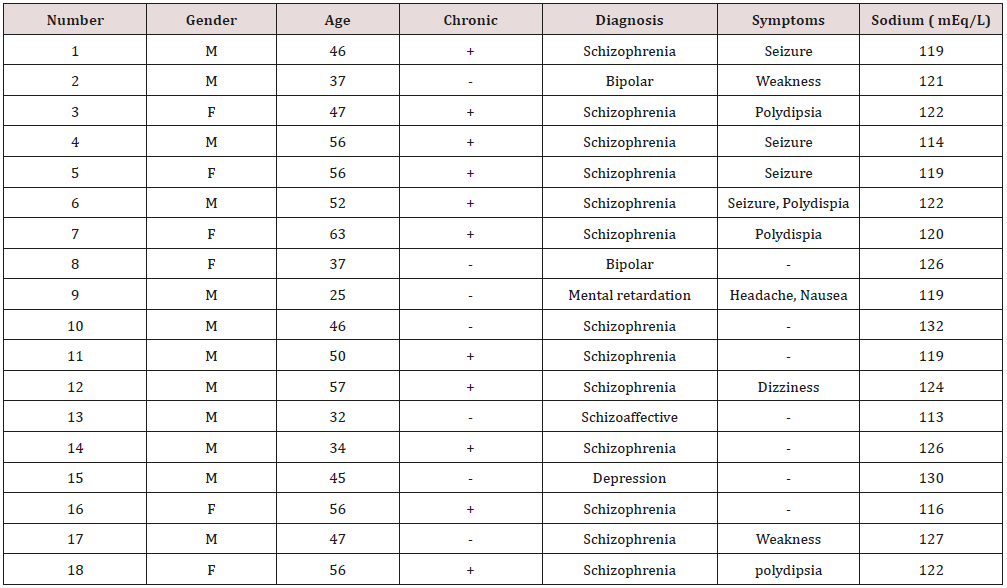
Razi psychiatric hospital in south of capital city of Tehran, as one of the largest and oldest public psychiatric hospitals in the Middle East, which has been established formally in 1917 and with a capacity around 1375 active beds, had been selected as the field of study in the present retrospective assessment. For evaluation, all inpatients with idiopathic hyponatremia during the last sixty-four months had been included in the present study. Hyponatremia had been detected during systematic baseline laboratory checkups or later as a result of clinician’s request and examination due to various symptoms or signs. Clinical diagnosis, as well, was in essence based on ‘Diagnostic and Statistical Manual of Mental Disorders, 5th edition (DSM-5)’ [15]. Among eighteen detected cases, twelve patients were male and six patients were female. Also, the necessary general permission had been obtained from the patients or their relatives during admission. The mean age of samples, as well, was around 43.92±9.51 years old and 52.50±8.34 years old for male and female patients, respectively. Most of the patients met with diagnosis of schizophrenia (n=13), and the remaining met with diagnosis of mental retardation (n=1), schizoaffective (n=1), bipolar disorder (n=2) and major depressive disorder (n=1) (Table 1).

Table 1: Demographic and clinical characteristics or hyponatremic patients.
Lupinepublishers-openaccess-journals-psychology-behavioral-science

Abbreviations: M= male; F= female; Chronic= duration of illness more than one year.

Statistical Analysis

Analysis of dependent variables had been accomplished by ‘t-test’ and appraisal of independent variables had been explored by means of ‘comparison of proportions’. Statistical significance, as well, had been defined as a p value ≤0.05. MedCalc Statistical Software version 15.2 was used as statistical software tool for analysis.

Results

As said by results, among 20118 psychiatric patients hospitalized in razi psychiatric hospital, during the last sixty-four months (April of 2014-August 2019), eighteen patients had been diagnosed as hyponatremic, whether symptomatic or asymptomatic, during their inpatient treatment, based on laboratory checkups. So, the annual incidence of hyponatremia in the current inpatients’ evaluation was around 0.01%. In spite of referral to intensive care unit and given medical treatment, one elderly chronic female patient died by reason of hyponatremia. Accordingly, in the present survey the annual incidence of mortality because of hyponatremia was around 0.001%. Also, with regard to gender difference and in keeping with results, while there was no significant difference regarding age between male and female patients (t = 1.962, p< 0.08, CI 95%: -18.29, 1.13), hyponatremia was significantly more prevalent among male psychiatric inpatients (z= 2.00, p<0.04, CI 95%:0.006, 0.660). Besides, concerning chronicity of psychiatric disorders, comparison of proportions showed that hyponatremia was significantly more prevalent among psychiatric patients with duration of illness in excess of one year (p<0.04) (twelve patients in the chronic wards versus six patients in the acute districts of the hospital). Moreover, with respect to prevalence of primary psychiatric disorders among patients, who have experienced hyponatremia during the last 64 months, schizophrenia was significantly more prevalent in comparison with remaining disorders (z=2.66, p<0.007, CI 95%: -0.11, 0.77). While, eleven patients had different clinical symptoms due to hyponatremia, seven cases were asymptomatic and diagnosis had been confirmed based on merely coincidental checkup. Quantitatively, analysis revealed no significant difference between those groups (z=1.33, p<0.18, CI 95%: -0.54, 0.10). Also, though mean total plasma level of sodium was around 121.72±4.97mEq/L, there was no significant difference between serum level of sodium in seizure cases (mean total= 119.75±1.29mEq/L) and non-seizure patients (mean total=122.64±5.06mEq/L) (t = 1.929, p< 0.28, CI 95%: -6.07, 0.29).

Discussion

Many psychiatric patients have polydipsia and polyuria without identifiable underlying medical causes. Hyponatremia develops in some polydipsic patients and can progress to water intoxication with such symptoms as confusion, lethargy, psychosis, and seizures or death [16]. This syndrome is sometimes called “compulsive water drinking,” “psychogenic polydipsia,” and “self-induced water intoxication.” Although the underlying pathophysiology of the syndrome is unclear, several factors have been implicated in producing polydipsia and symptomatic hyponatremia. These include a possible hypothalamic defect, the syndrome of inappropriate secretion of ADH (SIADH), and neuroleptic medication. Evaluation of psychiatric patients with polydipsia includes a search for other medical causes of polydipsia, polyuria, hyponatremia, and SIADH. Treatment modalities currently available include fluid restriction and medications [16]. Polydipsia, chronic or intermittent, with or without hyponatremia, frequently occurs among chronic patients with schizophrenia. The pathogenesis of polydipsia remains poorly understood.

It has been suggested that maybe in some of these patients, polydipsia and hyponatremia are consequences of patients’ adjustment to a prolonged intake of an insufficient diet, dominantly poor in potassium. Deficits of potassium, without significant hypokalemia, may cause impairment of the urine-concentrating ability with polyuria-polydipsia. A fall of intracellular tonicity, dominantly due to a decreased amount of K (+) and attendant anions in cells, should be accompanied with a fall of extracellular osmolality. Because of the diminished content of ions that may diffuse out of cells and because osmotic equilibrium between the extracellular fluid and intracellular fluid compartments cannot be established in a short period of time, these patients have a diminished ability to adapt to an excessive intake of fluids. These mechanisms might be related to the development of polydipsia and water intoxication in patients with different mental and somatic disorders [17]. On the other hand, while mild chronic hyponatremia, as defined by a persistent (>72 hours) plasma sodium concentration between 125 and 135mEq/L without apparent symptoms, is common in ambulatory patients and generally perceived as being inconsequential [18], hyponatremia at time of inpatient admission is associated with increased severity of illness and mortality in patients hospitalized for treatment of medical conditions and should trigger enhanced clinical monitoring to identify and treat somatic disorders [19]. Drug-Induced hyponatremia is a frequent and potentially seri¬ous adverse reaction with many psychopharmacological agents, mediated in most cases by SIADH. This condition most often leads to subtle psychomotor symptoms due to its slow progression, permitting a compensatory adjustment of intra-cellular volume in the central nervous system. Subtle psycho¬motor symptoms and motor imbalance readily resolve after discontinuation of the responsible pharmacological agent [19]. In contrast, rapid onset of hyponatremia may present with life-threatening encephalopathy, which requires emergent in¬fusion of intravenous hypertonic saline to reverse acute cerebral edema [20]. Back to our discussion and along with analysis, while our estimate respecting prevalence of hyponatremia was lower than the approximations of [4,5,9,12], it was higher in comparison with the calculations of Letmaier [6]. These variances can be due to diverse variables and confounding factors, like the principal of analysis, sample selection and settings of study. On the other hand, in spite of its acknowledgement as a known risk factor, a deficiency of epidemiological studies regarding hyponatremia is palpable, which is not limited to prevalence and incidence, too.

Regarding the risk of mortality as a result of hyponatremia, our outcome, though limited to only one elderly and chronic female schizophrenic patient, was, more or less, in harmony with the conclusions of Naticchia [1], Rodon Berrios [18] and Siegel [2], who had indicated that, even mild reductions in sodium blood levels have been shown to be associated with increased mortality and hyponatremia should be regarded as a prevalent and potentially dangerous medical comorbidity in psychiatric patients. Moreover, consistent with the outcome of the present evaluation, male gender could be regarded as a risk factor for occurrence of hyponatremia, at least among psychiatric patients. Concerning chronicity of psychiatric disorders, conclusion of the current appraisal was in accord with the suppositions of Oshawa [9] and Gandhi [11], who had found a long duration of psychiatric disorder and a prolonged admission as statistically significant factors in occurrence of hyponatremia, though the later had specified that due to atypical antipsychotic medications among older patients.

Moreover, with regard to higher prevalence of hyponatremia among schizophrenic patients, our conclusion was again in harmony with the findings of Ohsawa [9], Lapierre [7] and Siegel [2], who had found the aforesaid medical complication more among that disorders. Furthermore, regarding clinical profile of hyponatremia, our outcome, which had revealed that there was no significant difference, quantitatively, between symptomatic and asymptomatic hyponatremic cases, was in agreement with the report of Liu [4], who stated that patients with hyponatremia may be asymptomatic or present with nausea, anorexia, muscle cramps, weakness, fatigue, confusion and disorientation. Besides, our result as regards the insignificant relationship between sodium levels and severity of clinical symptoms, like seizure, was somewhat in accord with the findings of Manu [19], who had found medical deteriorations incidences in both hyponatremic and non-hyponatremic patients, although more among the first group. Anyhow, as the most common electrolyte abnormality in medical prac¬tice, recent evidence from meta-analyses indicates that hypo¬natremia is associated with increased morbidity and excess mortality, and psychiatric patients are at substan¬tial risk for this adverse event, which may occur with many pharmacologic agents. Since SIADH is the most common underly¬ing mechanism, accounting for over 80% of cases in psychi¬atric patients, in contrast to less than 30% in general medi¬cal practice, clinicians prescribing pharmacological agents conferring risk for dilutional hyponatremia should main¬tain a high index of suspicion for the full spectrum of conse¬quent clinical severity [20]. Restricted period of study, due to inadequate registration and documents in the last decades, and thus insufficient number of cases with idiopathic hyponatremia, and no concurrent checking of osmolality of serum and urine for proper classification of hyponatremia into water intoxication and drug‐induced syndrome of inappropriate antidiuretic hormone, do not permit generalization of outcomes to more than a preliminary survey. No doubt, further methodical studies in future will improve our clinical idea concerning diagnosis and management of this important medical problem among psychiatric patients.

Conclusion

Hyponatremia was significantly more prevalent among male patients and cases with duration of illness in excess of one year. Furthermore it was meaningfully more evident among schizophrenic patients.

Read More About Lupine Publishers Journal of Psychology Please Click on Below Link:
https://lupine-publishers-psychology-journal.blogspot.com/

Thursday, 25 May 2023

Lupine Publishers | Preparation of Morphine Derivatives Using Ionic Liquids

Lupine Publishers | Journal of Organic and Inorganic Chemical Sciences


Abstract

Dextromethorphan, an anti tussive drug belongs to the morphinan family, and is mostly available in the market as a combination therapy. Most of the reported preparation procedures involve the use of racemic starting materials that give lower yields. (S)- Octa base is one of the key starting raw materials used in our process and this easy, convenient and eco-friendly preparation (single step) is reported in this manuscript. This drug, Dextromethorphan is produced in large volumes annually (> 150 tons/year). Most reported synthetic procedures make use of huge amounts of volatile organic solvents which are hazardous for environment. This will be a major issue in the near future. To overcome this problem, we have tried using Ionic liquid as a solvent in the preparation and successfully arrived at best results, thereby decreasing the use of organic volatile solvents.

Keywords: Dextromethorphan, Morphine derivatives, Alkaloids, Formylation, Ionic liquid

Introduction

Dextromethorphan, a drug of the morphinan family, is having tranquilizing, dissociative, and restorative properties (especially at higher doses). It is a cough suppressant (ANTI-TUSSIVE) in several over-the-counter cold and cough medicines including generic labels and store brands, Benylin, Mucinex, Camydex 20 tablets, Robitussin, NyQuil, Vicks, Delsym, TheraFlu, Cheracol D, and others. It has also found plentiful other uses in medication, extending from analgesic effect to psychological submissions useful in the treatment of addiction. It is sold in syrup, capsule, and lozenge forms. In its unadulterated form, Dextromethorphan ensues as a white powder. Currently, Dextromethorphan is not registered in the Schedules of the United Nations 1961 Convention on Narcotic Drug [1].

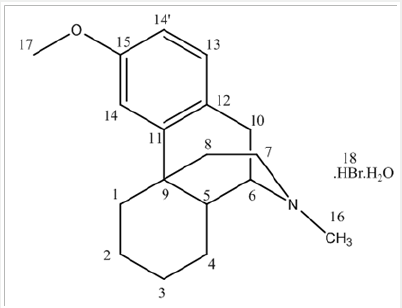
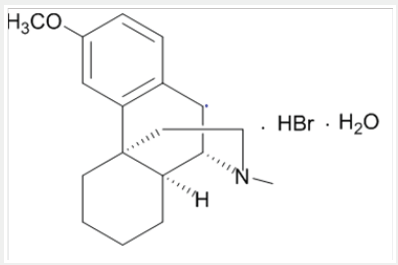
Dextromethorphan is the dextrorotatory enantiomer of levomethorphan, which is the methyl ether of levorphanol, both opioid analgesics. It’s IUPAC name is (+)-3-methoxy-17-methyl-9α, 13α, 14α-morphinan. It occurs as an odorless, opalescent white powder. It is freely soluble in chloroform and insoluble in water; the hydro bromide salt is water-soluble up to 1.5g/100mL at 25 °C. It is usually accessible as the monohydrated hydro bromide salt. However, some newer extended-release formulations contain Dextromethorphan bound to an ion-exchange resin based on polystyrene sulfonic acid (Picture 1).

Picture 1: Chemical structure of Dextromethorphan Hydro bromide.

Lupinepublishers-openaccessjournals-chemical-science

Mechanism of Action

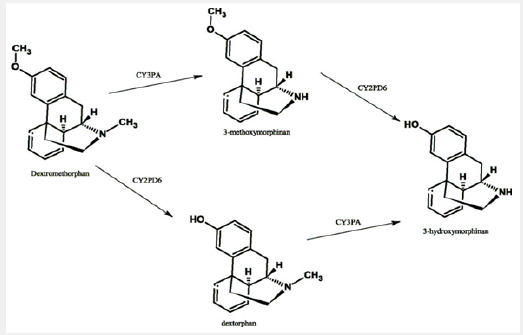
Dextromethorphan is a synthetic compound and acts as a dissociative anesthetic when taken in higher doses. Its mechanism of action is via multiple effects, plus actions as a nonselective serotonin reuptake inhibitor and a sigma-1 receptor agonist [2]. Dextromethorphan and its major metabolite, Dextrorphan, also act as NMDA receptor antagonist at high doses, which produces effects similar to other dissociative anesthetics such as ketamine and phencyclidine [3]. The metabolic pathway continues from dextrorphan to 3-methoxymorphinan to 3-hydroxymorphinan (Figure 1) [4].

Figure 1: Explains the metabolic pathway of the drug Dextromethorphan.

Lupinepublishers-openaccessjournals-chemical-science

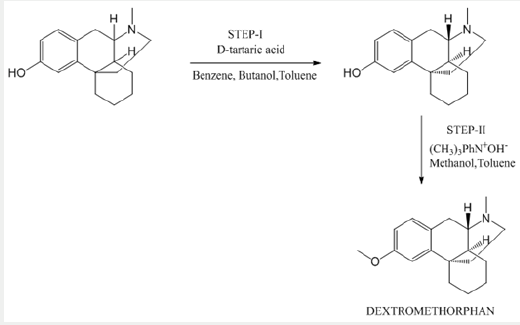
In one of the reported processes for the preparation of morphinan alkaloids, racemic hydroxy N- methyl morphinan is used as a starting material, an optically inactive isomer and is treated with tartaric acid for resolution to obtain selective one isomer (+) of morphinan. (PATENT- US2676177 (Roche, 1954, CHprior. 1949)) (Scheme 1).

Scheme 1: This scheme explains the reported procedure that uses a racemic hydroxy N- methyl morphinan as a starting material along with the use of solvents.

Lupinepublishers-openaccessjournals-chemical-science

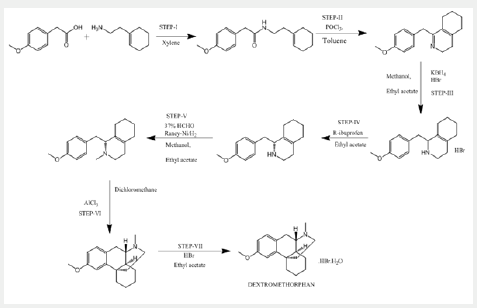
In a similar procedure reported in PATENT- CN102977021 A, Method for preparation of Dextromethorphan hydro bromide By Cui, Dapeng et al From Faming Zhuanli Shenqing, 102977021, 20 Mar 2013, Raney Nickel as a reducing agent is replaced by KBH4, thus, reducing the cost. Also, resolution is done with R-ibuprofen for the first time. Another advantage is the use of AlCl3 is adopted to replace H3PO4 to cyclize. Overall, it is a low cost, moderate reaction conditions, easy in operation and suitable for industrial production (Scheme 2).

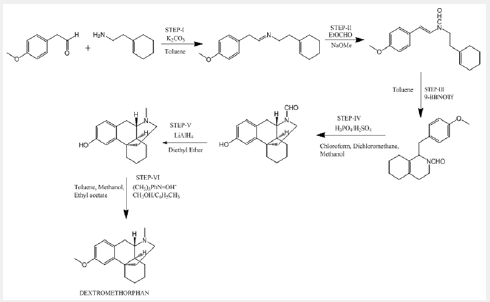
Further, in the search for better preparation methods, which is easier, lesser preparation steps, cost effective, and also using chemicals that are easy to handle and can provide higher yields as well as purity, it has been found that the critical step of Grewe’s cyclization is reported in a paper titled, ‘A Novel synthesis of substituted 1-benzyloctahydroisoquinolines by acid-catalyzed cyclization of N-[2-(Cyclohex-1-enyl]-N-styryl formamides’ [5] (Scheme 3).

Scheme 2: Explains another reported procedure, where alternate reagents like KBH4, R-ibuprofen and AlCl3 have been used to refine the existing method of preparation of Dextromethorphan.

Lupinepublishers-openaccessjournals-chemical-science

Scheme 3: Explains a reported procedure involving the preparation of Dextromethorphan that involves Grewe`s cyclization.

Lupinepublishers-openaccessjournals-chemical-science

Scheme 4: Explains a reported procedure of Dextromethorphan preparation, where formylation was done before the cyclization step to improve the yield.

Lupinepublishers-openaccessjournals-chemical-science

According to this paper, no cyclization of enamide was observed with Lewis acid catalyst (AlCl3, AlEtCl2, TiCl4), Two equivalents of BF3-Et2O was used, and complete conversion was observed. In all cyclization reactions, a side product is formed that is more polar than the octa hydroisoquinolines and N-formyl octa hydroisoquinolines synthesized from N-formyl- 2-phenylethylamines and benzaldehyde. Also, reduction of N-formaldehyde to N-methylated was done using LiAlH4. While going through literature, it was found that formylation before cyclisation avoids ether cleavage as a side reaction and higher yields were obtained than without N-substitution or N-methylation. In this patent, purification/resolution was done using the formation of Brucine salt (US3634429 (Jan 11, 1972) Morphinan derivatives and preparation there of (Scheme 4).

Experimental and Results

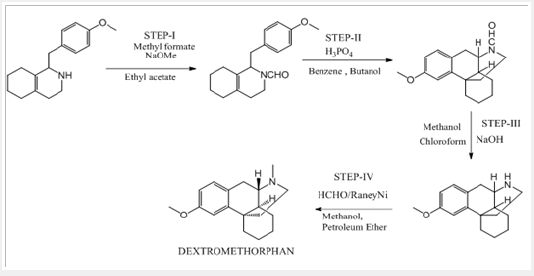
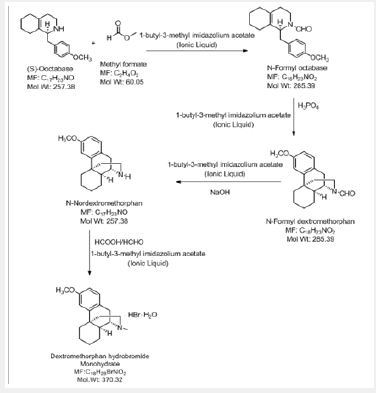
All the above-mentioned processes involve the use of solvents. So, in the existent investigation, an endeavor is explored to develop an alternate process wherein use of solvents can be avoided in the synthesis of Dextromethorphan (Scheme 5).

Scheme 5: Explains a greener preparation of Dextromethorphan using an Ionic Liquid.

Lupinepublishers-openaccessjournals-chemical-science

Preparation of Dextromethorphan Hydrobromide using 1-butyl-3-methyl imidazolium acetate (Ionic liquid) as a solvent

I-step:

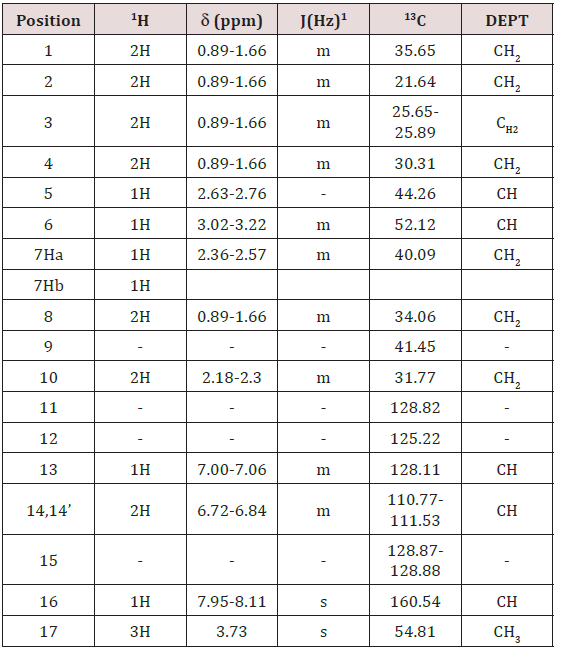
a) Stage-IA: In a flask, charge 1-butyl-3-methyl imidazolium acetate under nitrogen atmosphere. Charge (S)-Octa base under nitrogen atmosphere. Cool if required under nitrogen atmosphere. Charge Sodium methoxide solution in methanol under nitrogen atmosphere. Charge Methyl formate. Raise the temperature of the reaction mass to little reflux by using hot water not more than 55oC. Stir and maintain the reaction mass till reaction complies (2 hours). Concentrate the reaction mass u/v (Capacity of vacuum pump should be > 700 mm/Hg) till almost no solvent distills. To the concentrated reaction mass, charge toluene under nitrogen atmosphere and water extraction is done. The extracted toluene layer was concentrated to give N-Formyl octa base and is used as such.

m/z (M+H+) - 286

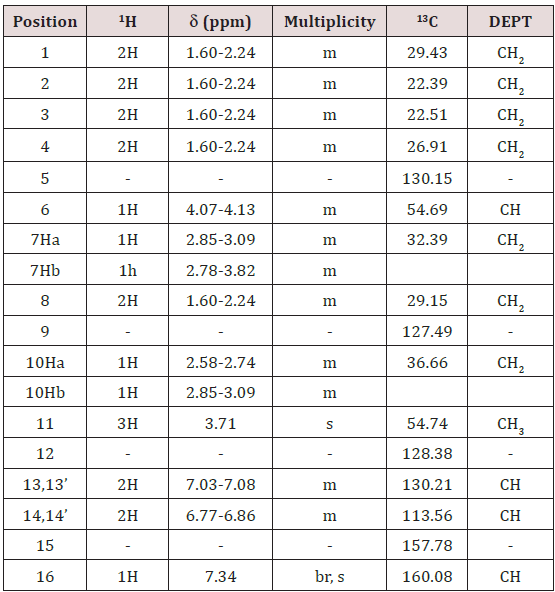
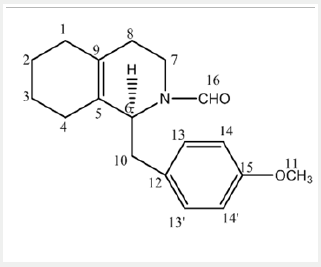
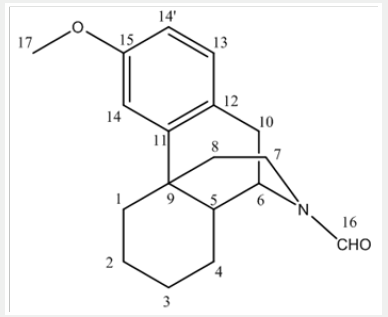
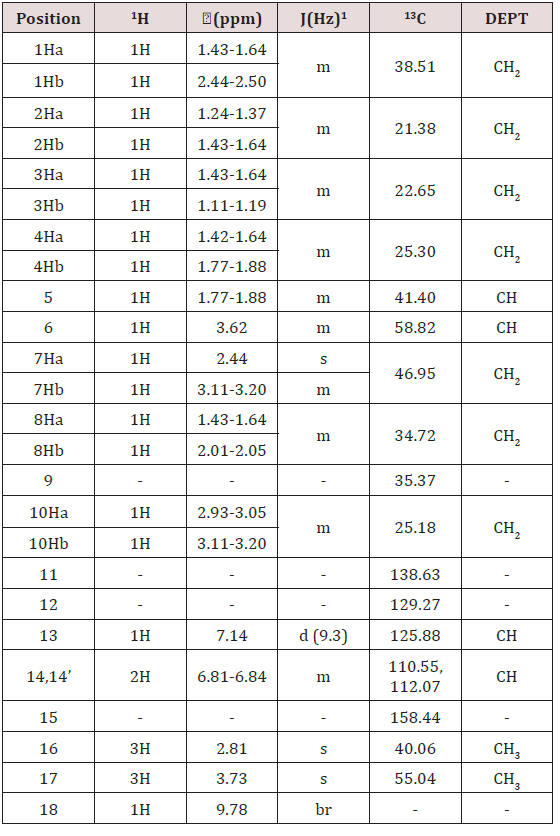
NMR chemical shift values tabulated below (Table 1) and (Picture 2).

Table 1: s- singlet, m-multiplet, br-broad.

Lupinepublishers-openaccessjournals-chemical-science

Picture 2:

Lupinepublishers-openaccessjournals-chemical-science

b) Stage-IB: In another flask, charge Ortho phosphoric acid (~ 85.0 % w/w). Charge Toluene and Raise the temperature of the reaction mass. Reflux and maintain over Dean stark apparatus to remove water azeotropically. Cool the reaction mass under nitrogen atmosphere and Charge Phosphorus pentoxide under nitrogen atmosphere. Reaction is highly exothermic. Charge 1-butyl-3-methyl imidazolium acetate. Slowly add N-formyl octa base and Raise the temperature of the reaction mass under nitrogen atmosphere. Stir and maintain the reaction mass at 65-70oC under nitrogen atmosphere till reaction complies. Concentrate the reaction mass under vacuum to remove toluene. To the concentrated mass, charge ethyl acetate under nitrogen atmosphere and stir. In another flask, charge water, Cool. Charge ethyl acetate reaction mixture reaction mass in to chilled water. Stir, settle and separate the layers. Repeat for back extraction. Wash the organic layer with water again and then a wash of 7% sodium bicarbonate solution is given. Concentrate the organic layer u/v till almost no solvent distills. Degas the concentrate u/v to remove traces of solvents.

m/z (M+H+) - 286

NMR chemical shift values tabulated below (Table 2) and (Picture 3)

Table 2: s- singlet, m-multiplet, br-broad.

Lupinepublishers-openaccessjournals-chemical-science

Picture 3:

Lupinepublishers-openaccessjournals-chemical-science

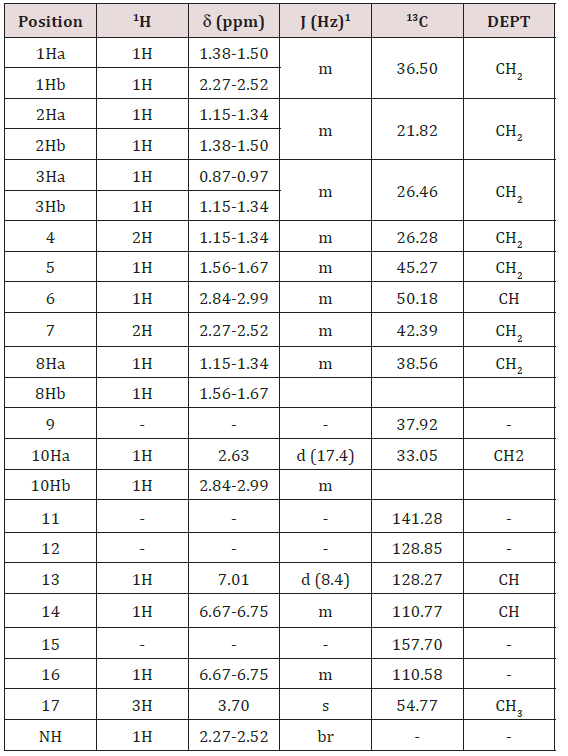
c) Stage-IC: To the concentrate mass, charge 1-butyl- 3-methyl imidazolium acetate and methanol under nitrogen atmosphere. Stir and slowly add sodium hydroxide solution Pre- Cooled ~15oC (Prepare by using 109 g Sodium hydroxide dissolved in 200ml Water). Raise the temperature of the reaction mass and Stir and maintain the reaction mass till reaction complies (~15 hours). Concentrate the reaction mass u/v. To the concentrate mass, charge toluene under nitrogen atmosphere and water workup is done. The extracted toluene layer was concentrated to give N-Nordextromethorphan (Stage-IC).

m/z (M+H+) - 258

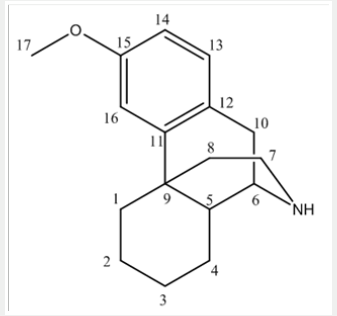
NMR chemical shift values tabulated below (Table 3) and (Picture 4):

Table 3: s- Singlet, m-multiplet, br-broad.

Lupinepublishers-openaccessjournals-chemical-science

Picture 4:

Lupinepublishers-openaccessjournals-chemical-science

d) Stage-ID: To the mixture of1-butyl-3-methyl imidazolium acetate and N-Nordextromethorphan (Stage-IC), slowly add Formic acid solution (Prepare by using 32.1g Formic acid diluted with 5.7ml water). Charge Formaldehyde solution. Raise the temperature of the reaction mass and Stir and maintain the reaction mass till reaction complies (~2 hours). After the reaction is complete, Charge water and cool the reaction mass if required and then slowly add sodium hydroxide solution Pre-cool (< 15 oC) (Prepared by using 28.0g Sodium hydroxide dissolved in 140ml water), extracted the product into toluene, again charge water, cool, and slowly add Hydrobromic acid. Raise the temperature of the reaction mass to 70-80 oC and Stir and maintain to get clear solution. The organic and aqueous layers separated. Cool the Aqueous layer under stirring to get precipitate and further cooled to 3-6 oC and wash with pre-chilled water. Dry the solid under vacuum, to get Dextromethorphan hydro bromide.

m/z (M+H+) - 272

NMR chemical shift values tabulated below (Table 4) and (Picture 5):

Table 4: s- Singlet, d- doublet, m-multiplet, br-broad.

Lupinepublishers-openaccessjournals-chemical-science

Picture 5:

Lupinepublishers-openaccessjournals-chemical-science

a) 1H-1H coupling constants.

Discussion

As of today, chemical manufacturing process of APIs in pharmaceutical industry is handicapped without the use of chemical solvents. However, it is a scientifically known fact that solvents are dangerously damaging chemical entities, mainly of the following reasons:

a) Volatile nature of solvents.

b) Storage and handling risks.

c) Usage requirements in large scale.

Apart from their handling risks to human beings, they also cause significant saturation in chemical pollution levels in the environment; there has been constant research going-on in academic field as well as industries to find their suitable alternative [6].

Ionic liquids are one such alternative that has been found useful to substitute the commonly used bench solvents. Other than their obvious “solvent” property that have been discussed in various publications [7-10], they have also been found to catalyze certain type of reactions in which they participate [11-13]. Moreover, their complete recovery from the reaction is an easy job when juxtaposed with their volatile solvent counterparts. For this reason, an ionic liquid can be re-cycled for multiple batches of reactions.

Another unique property of ionic liquids is that they can be “tailor-made” to suit specific reaction types by playing around with the cation and anion part of them. They are called as “task-specific ionic liquids”. These tailored [14] and specially synthesized ionic liquids have more scope of their application in a chemical reaction than just acting as a green solvent.

Conclusion

A simple, efficient, eco-friendly synthetic route is developed involving the single-step synthesis of Dextromethorphan Hydrobromide that is high on convenience and also a cost-effective procedure. This process is best suitable for the preparation of Dextromethorphan Hydrobromide and is scalable in plant. This synthetic route using an ionic liquid adapts a cleaner chemistry that assures both risk-free handling and reduced environmental pollution, when scaled-up.

Acknowledgement

Our group would like to thank the Department of Scientific and Industrial Research India, Dr. Hari Babu (COO Mylan), Sanjeev Sethi (Chief Scientific Officer Mylan Inc ); Dr Abhijit Deshmukh (Head of Global OSD Scientific Affairs); Dr Yasir Rawjee {Head-Global API (Active Pharmaceutical Ingredients)}, Dr Sureshbabu Jayachandra (Head of Chemical Research) Mr Manoj Pananchukunnath (Head of Global Injectables Scientific Affairs, Product Development) Dr. Suryanarayana Mulukutla (Head Analytical Dept MLL API R & D) as well as analytical development team of Mylan Laboratories Limited for their encouragement and support. We would also like to thank Dr Narahari Ambati (AGC- India IP) & his Intellectual property team for their support.

Read More About Lupine Publishers Journal of Chemical Sciences Please Click on Below Link:
https://lupinepublishers-chemicalsciences.blogspot.com/
Saturday, 6 May 2023

Lupine Publishers | Drivers for Future Energy Policy in The Developing World

 Lupine Publishers | Journal of Environmental & Soil Science


Abstract

The wheels of technology are turned by the conversion of energy from one form into another. Thus, energy is a key element of sustainable development. Current trends in energy supply and use are generally unsustainable, especially when the environment is affected by the emitted green–house gases. These are expected to double by 2050, and increased oil demand will heighten concerns over the security of supplies. Hence, research on green favorites should continue vigorously. It is unfortunate that these have their own limitations. In such a complex situation, consideration of energy priorities in research and development should be organized carefully, and drivers for future energy policy should be considered very critically. This should give very careful foresight for the viable technologies, energy efficiency, renewable energy, oil shale, nuclear energy, hydrogen energy, in addition to any future innovations. Energy is of vital importance for the processes of production and manufacturing. Thus, a key element of sustainable development.

Keywords: Energy Status; Energy Conservation; Oil Shale; Renewable Energy; Hydrogen; Fuel Cells; Energy Efficiency; Innovations

Abbreviations: CCS: Combined Cycle System; CO2 : Carbon dioxide; GHG: Green House Gas; H2 : Hydrogen; HC: Hydrocarbon; HV: Heating Value; HVAC: Heating Ventilation Air Conditioning; ICE: Internal Combustion Engine; JUST: Jordan University of Science and Technology; MED: Multiple Effect Distillation; NPPs: Nuclear Power Plants; PV: Photovoltaic; SHC: Solid Heat Carrier; STPP: Solar Thermal Power Plant; TE: Thermoelectric; TEG: Thermoelectric Generator; UF6: Uranium hexafluoride; UO2 : Uranium dioxide; US: United State

Introduction

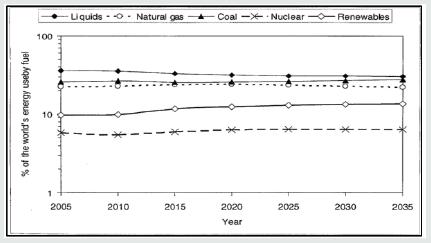
With the increase in energy demand and the expected shortage of the fossil fuel with time the need for sustainable resources increases. Hence, this is initially handled by using clean fuels [1], utilization of waste heat [2-6] and adopting different configurations [7,8], where resources and environment are conserved. Energy is of vital importance for the processes of production and manufacturing. Thus, a key element of sustainable development. Energy is the convertible currency of technology. The Wheels of technology are turned by the conversion of energy from one form into another. Currently trends in energy supply and use are generally unsustainable. Energy-related emissions of CO2 are predicted to more than double by 2050, and increased oil demand will heighten concerns over the security supplies. Figure 1 shows the percentage of the (primary) worldwide energy use provided by liquids, natural gas, coal, nuclear and renewables from 2005 through 2035. Renewables include solar and wind power, hydropower, geothermal power, tidal and wave power and biomass.

Figure 1: % of the World’s Energy Use by Fuel in 2005-2035 [10].

lupinepublishers-openaccess-journal-environmental-soil-sciences

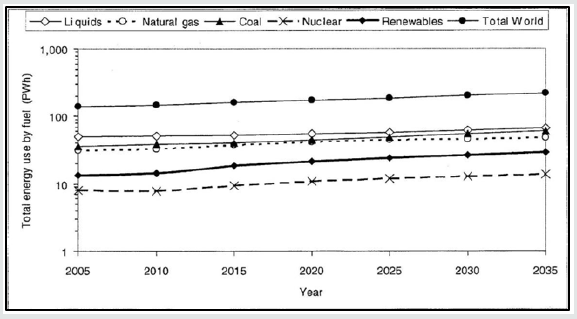
Liquids, natural gas and coal are collectively the “big three” fossil fuels that emit GHGs when converted to energy. They constitute about 81% of the worldwide primary energy. The actual amounts of energy used by source are shown in Figure 2 [9].

Figure 2: Total Annual Energy Use Worldwide by Fuel (1 PWh=1012 kWh) in 2005-2035 [10].

lupinepublishers-openaccess-journal-environmental-soil-sciences

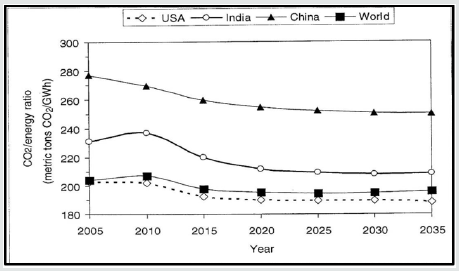
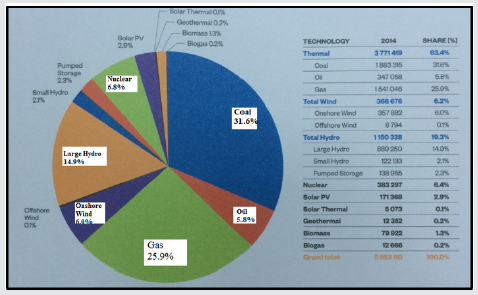
Figure 3 shows the importance in assessing the GHG nature of a regional economy, it’s given by CO2 / Energy Ratio (in metric tons of CO2 /GWh, GWh= 106 kWh) which Figure 4 shows the Global Market, Cumulative Installed capacity by Technology. There are certain “Green” favorites, such as solar, wind and biomass with limitations in capturing and storing, fluctuation, high cost, and being nonintensive. There are many exciting variants on nuclear power which face significant risks of cost overruns, limited investment, safety and health hazards. Petroleum and natural gas are currently the main sources of energy. But the combustion of these hydrocarbons contributes a large fraction of green-house gases and air pollutant emissions. The search for an alternative fuel that provides as much energy and is environmentally friendly has been a quest for quite sometimes [10].

Figure 3: Annual CO2 / Energy Ratio (in metric tons of CO2 /GWh, GWh= 106 kWh) in 2005-2035 for United States, India, China, and the World [10].

lupinepublishers-openaccess-journal-environmental-soil-sciences

Figure 4: The Global Market, Cumulative Installed capacity by Technology, MW.

lupinepublishers-openaccess-journal-environmental-soil-sciences

Energy Status

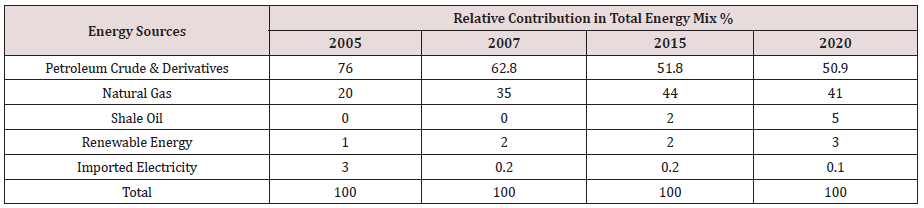
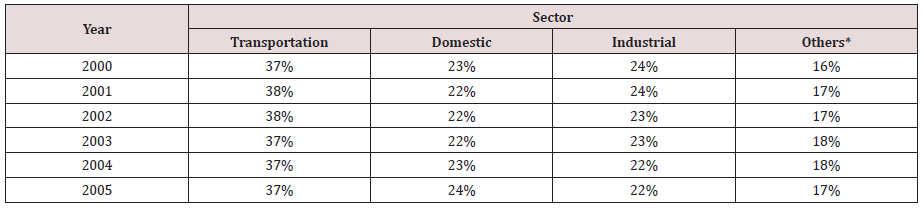
Unfortunately, some countries import almost all of its energy needs. In view of the increasing burden imposed by energy imports, it is critical for them to look for indigenous sources of energy. Switch to new, highly efficient and environmentally superior energy technologies, is highly desirable. Relative contribution of energy sources in the total energy mix over the period (2005-2020) is show in Table 1, for a typical developing country. The typical distribution of final energy (2000-2005) is shown in Table 2. Using energy has a direct impact on environment due to:

Table 1: Expected Contribution of Primary Energy Sources in Total Energy Mix (2005-2020).

lupinepublishers-openaccess-journal-environmental-soil-sciences

Table 2: Percentage Sector Distribution of Final Energy (2000-2005).

lupinepublishers-openaccess-journal-environmental-soil-sciences

a) Effluent gases [11].

b) Warming and climate change

Viable Technologies

Viable Technologies and Resources:

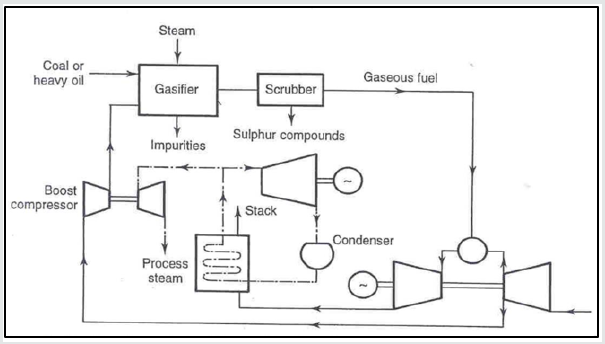
a) Combined cycles [12] and cogeneration (Figure 5) [13-21]

b) Energy conservation

c) Oil shale

d) Renewable energy

e) Nuclear power

f) Hydrogen and Fuel Cells

Figure 5: Gasification plant with combined cycle [24].

lupinepublishers-openaccess-journal-environmental-soil-sciences

Energy Conservation

Fossil fuels are at present, and will be for the following decades, the primary source of energy for satisfying the region’s energy demands. However, CCS already faces many challenges that are not only related to issues such as financing demonstration projects and integration of adequate infrastructure, but also to efficiency [22- 24]. For example, capturing and compressing CO2 would increase the fuel needs of a coal-fired powered plant by 25-40 percent. Therefore, efforts should be forwarded toward:

a) Utilizing higher power plant conversion efficiency (combined cycle).

b) Exploitation of low C/H content fuels, such as natural gas.

Oil Shale

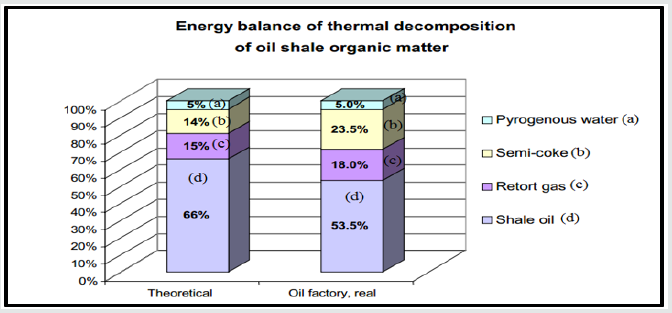
The rise of oil prices in the global market has increased the interest in production of oil from oil shale in Estonia and other countries as well. The greatest problem of shale oil production is the low thermal efficiency of the process [25]. Figure 6 shows the theoretical (retorting in standard Fischer Assay) energy balance of thermal decomposition of oil shale organic matter, as well as the real-life balance compiled based on the long-term experience of shale oil production with the solid heat carrier (SHC) method at the AS Narva Oil Plant Company [26]. Oil shale is a kerogen-rich fine-grained sedimentary rock and its abundant reserves are the second largest among all fossil fuels in the world if converted into heat [27-30].

Figure 6: Energy balance of thermal decomposition of oil shale organic matter. Theoretical means energy balance by retorting in standard Fischer Assay.

lupinepublishers-openaccess-journal-environmental-soil-sciences

Oil Shale needs more detailed studies that handle [31-33]:

a) Realistic quantification.

b) Appropriate Technology.

c) Economics of conversion.

Jordan contains 40 billion tons of oil Shale (30 years), Each ton oil shale contains 80-100 kg oil where Sulfur content about 4%. The heating value= ¼ HV of HC fuel, Hence one ton oil shale =0.025 ton of HC fuel but, it’s harmful to the environment(Open Pit Mining),results in barren land and it has a high consuming of water: one barrel oil needs one barrel water plus intensive energy consuming (In-situ retorting):3 barrels of oil need one barrel of fuel [34,35].

Renewable Energy

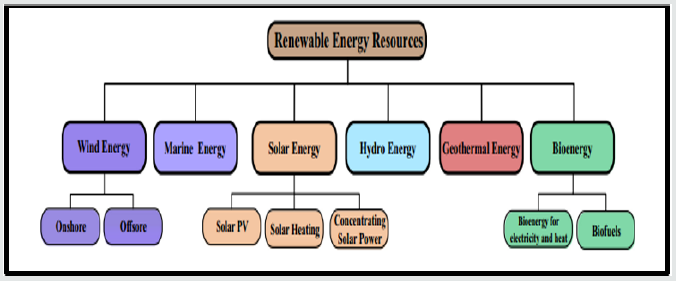
Figure 7: Overview of renewable energy resources.

lupinepublishers-openaccess-journal-environmental-soil-sciences

Renewable energies are sources of energy that are regenerated continually from nature and derived directly from the sun (such as thermal, photo-chemical, and photo-electric), indirectly from the sun (such as wind, hydropower, and photosynthetic energy stored in biomass), or from other natural movements and mechanisms of the environment (such as geothermal and tidal energy). Renewable energy does not include energy resources derived from fossil fuels, waste products from fossil sources, or waste products from inorganic sources [36]. Figure 7 shows an overview of renewable energy sources [37,38].

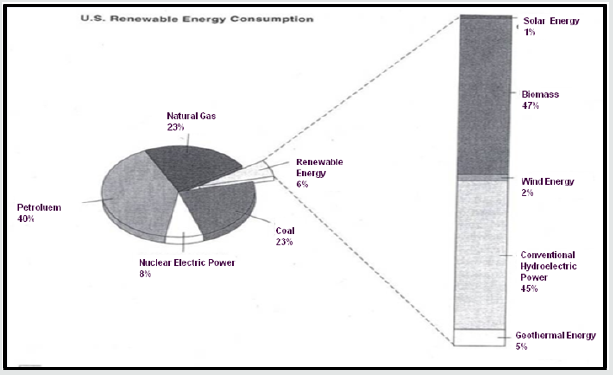
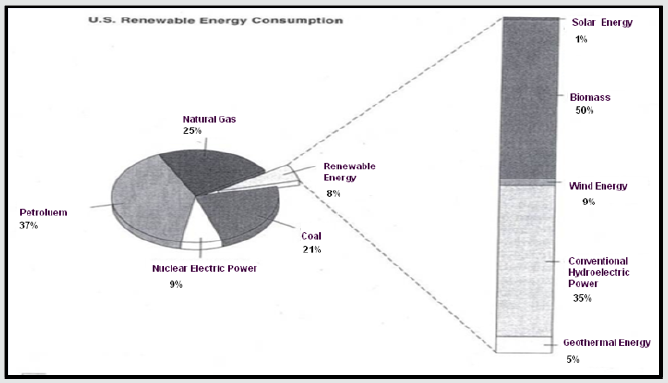
While it is true that renewable energy sources are environmentally friendly, or “green”, one has also to consider their feedstock. Solar, wind, hydro, biomass and geothermal energies are “free” at first glance, although they require huge land-use investments with environmental unfriendly footprints especially biomass. However, active research and development should continue until RE become competitive on all grounds, to increase their share in the total energy profile due to their own merits, not due to subsidies. Renewables account for 8% of the (world) and US national energy product as Figures 8 & 9. Most of this market is not due to symbolic renewables of wind and solar that dominates global discussion [39]. It is from biomass and hydroelectricity. It is also obvious that electricity from renewable energies has considerable problems in the way they are deployed today. First of all, and foremost, they are dependent on certain conditions (availability of wind, water and sunshine). Due to their intermittent nature, this deployment method is overstraining the grid, which is additionally rather inefficient in itself e.g. Germany. This not only requires improving the grid, but also making it “smart”.

Figure 8: U.S renewable energy consumption (by source) 2003. The generation of electricity accounts for about one-half of the renewable resources used.

lupinepublishers-openaccess-journal-environmental-soil-sciences

Figure 9: U.S renewable energy consumption (by source) 2003. The generation of electricity accounts for about one-half of the renewable resources used.

lupinepublishers-openaccess-journal-environmental-soil-sciences

Renewable Energy (RE) - Wind

At the end of 2008, the worldwide capacity of wind-powered generators added up to 121 GW, a mere of 1.5 percent of the world’s electricity usage. But the rapid growth continues, with China doubling its wind power capacity for the fifth consecutive year since 2004 [40]. The strongest growth will be biomass and wind towards (2035). The solar remains the perennial dark horse with tremendous but unproven potential. Intermittency of wind turns out to be a big problem for the grid-operating utilities, because electricity must be used as soon as it is produced. But how easily can be forecast when and where the wind will blow? You can’t simply start a wind mill up when you need it most. Thus, at least as the electricity grids are operated today, the intermittency of wind always requires backup systems (batteries) with an equal amount of dispatchable generation capacity. Unfortunately, at the moment these back-up systems are mostly conventional power plants that do not have short run-up times. In addition to the unpredictability of wind, wind farms usually need high investments to be built, and are also very expensive to properly maintain. At least 20 percent of the windmills are shut off for maintenance or repairs. What is even worse, they are often taken off the grid, because their electricity is not needed at that given moment [41,42]. There are no commercially viable ways to store wind energy at this time, other than pumping up water electrically in water reservoirs. But this only makes sense when wind farm and water reservoir are close to each other. Moreover, wind has noise emission, effect on animal species and birds. There are objections by the military: disturbing microwave lengths, radar and low-flying aircrafts [43-45].

Renewable Energy- Solar

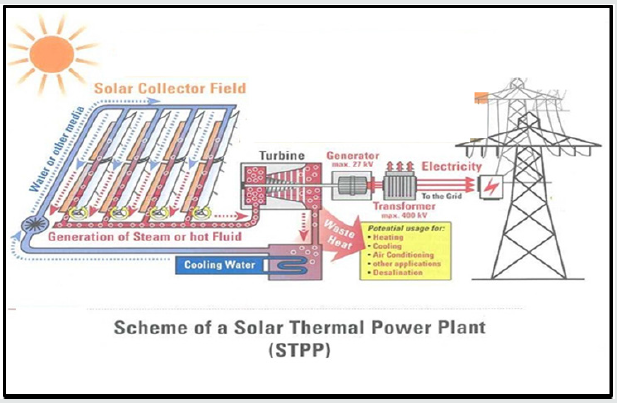
Figure 10: Scheme of Solar Thermal Power Plant (STPP)

lupinepublishers-openaccess-journal-environmental-soil-sciences

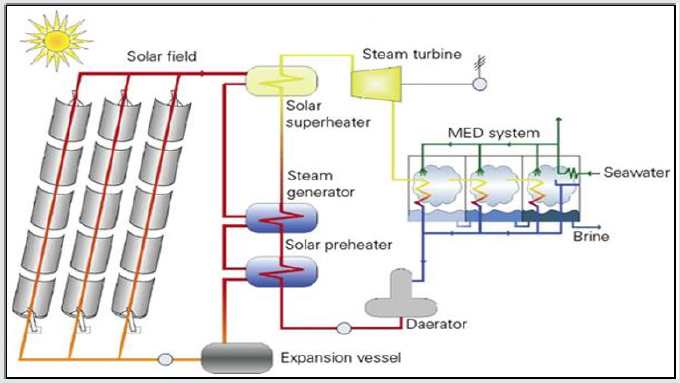
Figure 11: Solar parabolic trough power plant with oil steam generator and MED desalination.

lupinepublishers-openaccess-journal-environmental-soil-sciences

The amount of energy that comes from the sun is phenomenal: If we could somehow gather all the energy that reaches the earth on one day and store it, it would supply the energy needs of the whole world for almost 30 years. Moreover, solar radiation is actually the sole source for fossil or renewable energy that we use today. Electricity from sunlight can be generated directly using photovoltaic solar cells, or indirectly as with concentrating solar power [46-48]. Consider another interesting aspect: PV solar cells convert the sun’s radiation into DC power on which most of our appliances actually run [49]. But this power is converted into AC power by inverters and fed into the inefficient grid, only to be inverted again to DC [50]. At this point, the most cost-effective and efficient technology for converting solar power into electricity are huge solar-thermal power plants (Figures 10 & 11). Here, sunlight is gathered by a large solar-collecting field with parabolic mirrors, so called troughs. These collectors track the sun over the course of the day and concentrate the sunlight onto absorber pipes where the radiation is converted into heat. A heat transfer fluid which is circulating through the pipes is heated up to temperatures of almost 400⁰C [51,52]. The heat is used to generate vapor or steam with which electricity is then produced by conventional turbines. The process fluid or water is then cooled and returned to the cycle. The surplus heat could be used for heating, desalination, cooling, air conditioning, and other applications, but in most cases, it is currently rejected to the atmosphere. Solar-thermal power plants have been in commercial use for several decades since (1982). Thermal molten salt storage enables electricity production even during the night, or on cloudy days. The storage time, however, is estimated to be seven hours.

Water is mainly used for cooling the steam circuit, i.e. from the vaporization of water in the cooling towers (about 1 million tons water/y for 150 MW plant, 400 sq km). So, the plant operators not only have to capture the power of the sun, but also need immense amounts of water for cooling the heat transfer media. As most solar power plants today is located in deserts, this physical necessity may be an obstacle to development on the long run [53,54].

Nuclear Energy

There is now a plenty of uranium, that present reactors can supply energy for some hundreds of years, where fossil fuels are expected to run out in a few decades. So nuclear energy may be considered semi-sustainable.

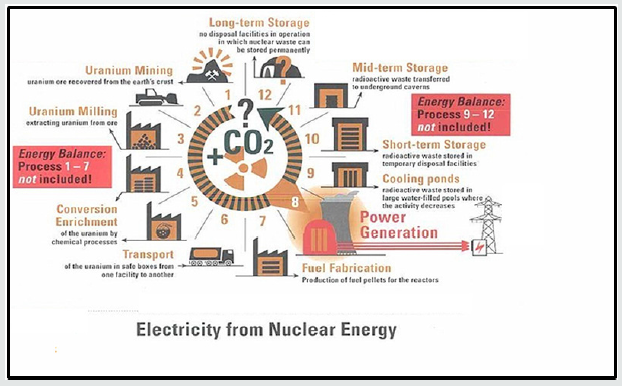
Using nuclear energy is assumed to limit the pollution with greenhouse gases in an efficient and cheap way. It is the only alternative to provide clean energy on a massive scale. However, nuclear energy has the problem of accidents and there is still no proper solution to store nuclear waste in a safe way [55]. Some consider nuclear power plants to be a “clean” electricity source, since the plants themselves do not directly emit CO2 and other GHGs. Nevertheless, the operation of nuclear power plants results in the immense environmental impacts which are displayed in Figure 12. After a cost intensive exploration process, uranium ore is recovered from the earth’s crust under quite difficult conditions. It must be extracted from the mined ore using strong acids and bases, and then be converted into either uranium dioxide (UO2 ) for heavy water reactors or gaseous uranium hexafluoride (UF6 ) for light water reactors [56].<.

Figure 12: Electricity from nuclear energy.

lupinepublishers-openaccess-journal-environmental-soil-sciences
Most reactors require uranium fuel to have a U-235 (an isotope of uranium) content of 3 to 5 percent. For this step, large amounts of electricity, mostly provided by fossil fuel plants, are needed to increase the actual concentration of 0.7 percent to 3 to 5 percent. Afterwards, the uranium is manufactured into fuel pellets by pressing powdered UO2 or UF6 into cylindrical shapes and baking them at high temperatures, usually between 1,600 and 1,700⁰C. Finally, energy is released in a reactor by controlled nuclear fission reactions just to boil water, produce steam and drive a turbine that generates electricity. This process alone has an efficiency of only 35 percent. For steam production and for cooling, approximately 2.5 times more water is needed for nuclear than is required for fossil fuel plants. This is the reason why nuclear power plants are located at rivers or lakes. In 2008, KIKK German committee reported a 60% increase in solid cancer incidence and a 120% increase in Leukemia incidence among children living within 5 km of all German nuclear power stations [57]. In essence, this suggests that doses to embryos/fetuses in pregnant women from environmental emissions from nuclear power plants (NPPs) may be larger than suspected. It is now officially accepted in Germany that children living near nuclear power plants develop cancer and leukemia more frequently than those living further away [58].

After the nuclear fuel is consumed in the reaction process, it is removed from the reactor and stored on site in large water-filled pools for about five years. Later, the radioactive waste is transferred to underground caverns for medium-term storage. At present, there are no safe disposal facilities in operation anywhere in the world which can accept radioactive waste for permanent storage [59]. In a radioactive waste disposal facility since the seventies, the storage has recently been found to be unstable. According to World Nuclear News, roughly 126,000 barrels filled with lowlevel radioactive waste including contaminated clothes, paper and equipment need to be brought to the surface for alternative storage [60,61]. A challenge involves approximately Euro 3.7 billion and a rather gracious heritage for future generation(s). We always need to keep in mind that already a minor failure in a nuclear power plant can create severe consequences for all forms of life on earth. Accordingly, decision makers should answer the question: How much “clean” a process like this that poses health risks exceeding that of any other process of electricity generation?

Hydrogen and Fuel Cells

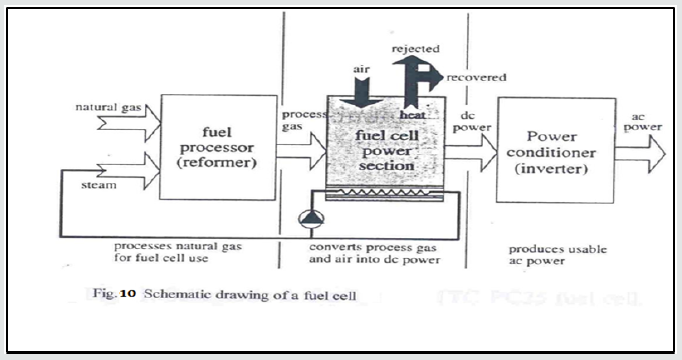
The key criteria for an ideal alternative fuel are inexhaustibility, cleanliness, convenience, and independence from foreign control. H2 is considered as one of the most promising fuels for generalized use in the future. Mainly because it is versatile, energy-efficient, low-polluting, and a renewable fuel. Hydrogen is environmentally favorable replacement for gasoline, heating oil, natural gas, and other fuels in both transportation and industrial applications [62-65]. In nature, mostly the hydrogen is bound to either oxygen or carbon atoms. Hence, to obtain hydrogen from natural compounds, energy expenditure is needed [66-71]. Therefore, hydrogen is considered as an energy carrier a means to store and transmit energy derived from a primary energy source. Presently hydrogen is mainly used in production of gasoline, fertilizers and metals. However, hydrogen requires energy to produce, store and distribute. Hence, hydrogen technologies need to be developed to reach the stage of competing with fossil fuels and other alternatives to produce power [72-75]. These technologies should emphasize efficient systems to reduce energy losses, and emissions. Among high efficiency technologies, fuel cells appear to be the most promising with high efficiency and very low environmental impact. Fuel cells are able to convert the fuel chemical energy into electricity, heat and water by reverse electrolysis. This leads to much higher conversion efficiency [76].

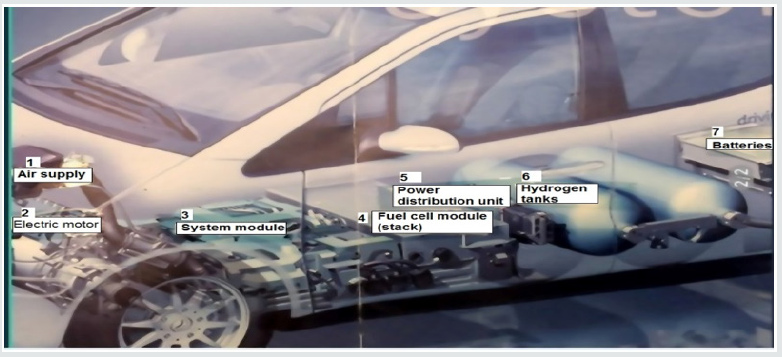
Fuel cells can convert the fuel chemical energy into electricity, heat and water by reverse electrolysis, Figure 13. This leads to much higher conversion efficiency. Both considerable primary energies saving and pollutant reduction, are achieved by upgrading conventional systems to fuel cell hybrid plants, Figure 13. Oil is essential in the transport sector while natural gas will become a more dominant fuel in power generation. Hydrogen economy is expected to offer considerable opportunities. Fuel cell development is an important step to the efficient use of hydrogen hence, research must continue in this area, Figure 14. The preferable solution is to produce H2 from sustainable sources such as, wind energy, solar energy, waterpower or biomass. However, these energies will not be able to provide a massive contribution to meeting the energy demand for many decades to come: Environmental reasons (large scale tolerance of wind energy), practical reasons (availability of surfaces), economic reasons (cost of photovoltaic energy) and technological reasons (storage of intermittent energies) [77]. Hence, the fuel cell is seen to be the most efficient energy converter in the near future, using H2 . However, it still has major problems, such as: Reducing the cost of fuel cells by a factor of 90%; enhancing the performance and durability of fuel cell systems by a factor of 2, and reducing the H2 production and distribution costs by a factor of 3 productions from water is not efficient [78].

Figure 13: Schematic drawing of a fuel cell.

lupinepublishers-openaccess-journal-environmental-soil-sciences

Figure 14: Vehicle with fuel cell and hydrogen gas.

lupinepublishers-openaccess-journal-environmental-soil-sciences

Energy Efficiency

Energy efficiency is a convenient technology to be adopted by the developing countries. Energy conservation implies reductions in the consumption of energy, such as (turning thermostats down) [79]. Consuming less energy results in protection of the environment and preventing climate change through forcing people to make sacrifices in comfort, pleasure and convenience. Efficiency implies obtaining more useful heat, or work from each unit of energy supplied, either by technological improvements or reducing waste. Consuming less energy results in protection of the environment and preventing climate change through forcing people to make sacrifices in comfort, pleasure and convenience [80]. Hence, Energy efficiency could be described in three ways: Less energy for the same benefit (conservation), the same energy for a greater benefit and more energy for an even greater benefit. Only the first description of energy efficiency is sustainable. The second does not lower gross energy use, and the third increases it [81]. If promoting energy efficiency, enhances the benefits of the end users, and does not reduce the impact of energy and environmental costs, this is not sustainable. Improved energy efficiency must lead to measurably less gross energy use (reduced use of fossil fuels) and polluting emissions. Improved “energy efficiency technology “involves much more efficient: motors, air conditioners, furnaces, direct and indirect water heaters and computers [82,83].

Variable speed drives and variable volume HVAC with direct digital control, energy management systems with optimal start, cogeneration and air-to-air heat pumps, reduce use of electricity and fuel in commercial buildings [84]. For transportation, to have lighter aluminum blocks, fuel injection, turbo charging, overhead cams, automatic speed controls, and using unleaded fuel with catalytic converters to reduce emissions. The bodies and frames of the cars need to become lighter, smaller and more unified. They are made lighter with plastics and fiberglass shaped into aerodynamic forms. Moreover, steel belted radial tires, front wheel drive, disk brakes with anti-lock features, light emitting diodes, all yields a better efficiency [85]. Interstate highway systems, speed limits legalized, carpooling, and most recently, the internet, email, and telecommuting reduced gasoline consumption and improved energy efficiency. In Power industry: combined cycles, cogeneration systems, trigeneration: of power, heating and cooling enhance energy efficiency. One-third of the oil used in most countries is used in transportation, by passenger cars and light trucks. The overall fuel efficiency of vehicles could be increased by improvements primarily in aerodynamics, materials, and electronic control [86].

The most fuel-efficient cars are compact with small engines, manual transmission, low frontal area, front wheel drive and reduced vehicle weight. Radial tires usually reduce the fuel consumption by 5 to 10 percent by reducing the rolling resistance.

i. Before driving:

a) Using fuel with the recommended minimum octane number; not overfilling the gas tank.

b) Parking in the garage.

c) Starting the car properly and avoid extended idling.

d) Not carrying unnecessary weight in the vehicle.

e) Keeping tires inflated and the wheels aligned.

ii. While driving:

Avoiding quick starts and sudden stops:

a) Driving at moderate speeds.

b) Maintaining a constant speed; avoiding sudden acceleration and sudden braking; avoiding resting feet on the clutch or brake pedal while driving.

Using highest gear (overdrive) during highway driving; turning the engine off rather than letting it idle; and using the air conditioner sparingly. Regular maintenance improves performance, increases gas mileage, lowers repair costs, extends engine life and reduces air polluting [87].

Innovations in Energy Systems

The automobile industry and the associate industries that serve as the base of the world’s economy and employ the greatest share of the working population. They have played a significant role in the growth of modern society by satisfying the need for mobility in everyday life [88]. Presently, all vehicles rely on the combustion of hydrocarbon (HC) fuels to derive the energy necessary for their propulsion. Recent European green car initiatives are concentrating on advanced internal combustion engine (ICE) research with emphasis on:

a) new combustion techniques such as stratification with direct injection in gasoline engines,

b) using alternative fuels (bio-methane, ethanol, hydrogen etc.),

c) intelligent control systems,

d) mild hybridization and

e) special tires for low rolling resistance [89].

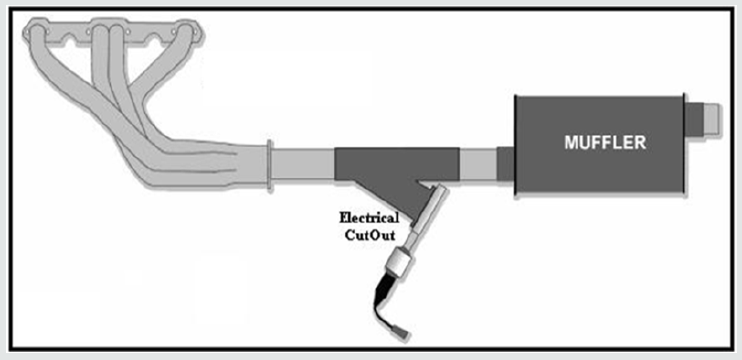
A smart Controller for improving fuel economy in vehicles was adapted with fuel saving ~ 11% ) (Figure 15). Considering recent fuel prices, a country of (6M people)can save: 60.0 M JD/y. The Environment is saved proportionally, from CO2 , Figure 3.

Figure 15: Smart device in vehicles for better control of efficiency.

lupinepublishers-openaccess-journal-environmental-soil-sciences

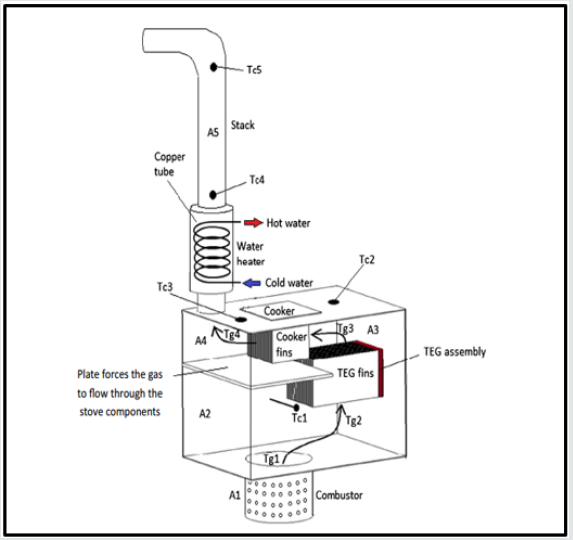
1.3 billion People – about 20% of the worldwide population – are still without access to electricity, almost all of whom live in developing countries [90]. Providing a minimum amount of electricity can actuate the basic needs such as light, radio and some medical electronic devices. Thus, making a lot of difference in their lives. TEG coupled to the stove can be a very interesting option to provide such amount of electricity. TEG is a device that harvests waste energy and converts some of it to useful power. It operates on a fundamental principle termed the See beck effect which states: when a temperature gradient is established between two different metals or semiconductors, a corresponding voltage gradient is induced. This causes a continuous current to flow through a complete circuit. The major advantage of a TE generator in this case is requiring almost no maintenance, since there are no moving parts. Only the battery needs to be charged when needed. The TE generator works day and night in clear or rainy weather unlike solar panels. Moreover, the battery does not need to be oversized. On the other hand, there are some challenges involved in using the thermoelectric generators. Mainly the low efficiency of the technology itself is below about 10% [91] and the high price of the TEG models. The low efficiency problem may be solved by new technologies evolved over time. The price will decrease with more adoption of such systems. Figure 16 shows a typical TE stoves which offers multitasks simultaneously such as: Space heating, cooking, heating water and generating electricity for basic needs. Moreover, generation of water is planned in the near future [92].

Figure 16: Cross sectional view of the JUST stove [92]. Where: Tg1: Gas temperature at position 1; Tc4: Thermocouple at position 4; Tg2: Gas temperature at position2; Tc5: Thermocouple at position 5; Tg3: Gas temperature at position 3; A1: Combustor zone; Tg4: Gas temperature at position 4; A2: After combustor zone; Tc1: Thermocouple at position 1; A3: After TEG fins zone; Tc2: Thermocouple at position 2. A4: After cooker zone; Tc3: Thermocouple at position 3; A5: The stack.

lupinepublishers-openaccess-journal-environmental-soil-sciences

Conclusion

Viable Technologies

Combined cycles, cogeneration, natural gas, fuel cells and energy efficiency: Contribute toward sustainability.

Power Generation:

Presently, concentration should be made on energy efficiency technologies. In the future, on fuel cells.

Oil Shale Needs

a) Realistic quantification

b) Appropriate technology

c) Economics of conversion: (requires huge amounts of fuel and water)

d) Genuine assessment of environmental impacts Renewable Energy

Green Favorites, although clean they have limitations in capturing and storing, fluctuation, high installation cost, and are non-intensive when converted. Active present and future research should proceed continuously, supported by all means possible, until RE become really competitive on all grounds, to share a progressively higher portion of the energy pie, with gradual replacement of fossil fuels.

Nuclear Energy

a) The nuclear energy has the problems of health hazards (during operation), storing waste, escalating initial cost, and accidents.

b) The risks of nuclear energy are too high for ourselves and the many generations to come.

c) Hence, the nuclear energy should not be an easy way for some policy makers to ensure enough energy in the future.

Hydrogen and Fuel Cells

More research and development should be concentrated on hydrogen. Mainly because it is versatile, energy-efficient, lowpolluting, and a renewable fuel.

a) A hydrogen car is safer than NG or gasoline car in collisions in open spaces.

b) But as safe as NG car and safer than gasoline or propane car in a tunnel collision.

c) However, H2 economy needs more efforts to reduce the cost of: FC, H2 production and distribution; plus, durability enhancement.

Energy Efficiency,

a) Energy efficiency is a convenient technology to be adopted by the developing countries.

b) Consuming less energy results in protection of the environment and preventing climate change.

c) Efficiency implies obtaining more useful heat, or work from each unit of energy supplied, either by technological improvements or reducing waste.

Innovations in Energy Systems

Innovations in energy systems should continue and more devices developed to enhance energy efficiency and sustainability

Acknowledgment

The author would like to thank Engineers Duaa MH Kharouf and Ahmad Abu-baker for the valuable help.

Read More About Lupine Publishers Journal of Environmental & Soil Science Please Click on Below Link:
https://lupine-environmental-soil-sciences.blogspot.com/
Friday, 5 May 2023

Lupine Publishers | Association of Blood Group with Tea Likeliness

 Lupine Publishers | Journal of Research & Reviews Healthcare


Abstract

The objective of the present study was to interlink Blood grouping with Tea likeliness. Total of 138 subjects took part in the study and the Subjects were students in Bahauddin Zakariya University Multan, Pakistan. Consent was taken from the subjects to analyze their Blood group and then collected information by making a Questionnaire that either they like tea or not according to their Blood groups. Statistical Analysis was done by using MS Excel. It was concluded from the present study that the Subjects having O Positive Blood group like tea very much while the subjects having A Negative, B Negative and AB Negative Blood groups don’t like tea.

Keywords:Tea likeliness; Blood grouping system; Tea lovers

Introduction

ABO blood group system is one of the most common Blood group systems of human beings which are categorized according to the inherited elements of Erythrocytes. It is determined by the presence of Antigens A and B which are present on the surface of red blood cells. Antigens (Red blood cells) and Antibodies (Serum) are produced opposite to each other in ABO blood group system according to which Blood transfusion occurs from person to person. ABO Antibodies in the serum are formed naturally. ABO antigens produced before birth and remain throughout life. ABO blood group system was first introduced by Austrian Immunologist KARL LANDSTEINER in 1901. There are four major types of ABO blood group system: Blood group A, Blood group B, Blood group AB, Blood group O. Blood group A contains Antigen A and the Antibodies produced will be Anti-B and its genotype will be AA or AO. Persons having Blood group A can donate blood to the persons having Blood group A or AB. Blood group A is the most common in AUSTRALIA. Blood group B contains Antigen B and the Antibodies produced will be Anti-A and its genotype will be BB or BO. Persons having Blood group B can donate blood to the persons having Blood group B or AB. Blood group B is the most common in ASIA. Blood group AB contains Antigen A and Antigen B and no Antibodies will be produced and its genotype will be AB. Persons with Blood group AB can donate blood to the persons having Blood group AB. Blood group AB is the universal recipient. Blood group O contains no Antigens but Antibodies produced will be Anti-A and Anti-B and its genotype will be OO. Persons having Blood group O can donate blood to the persons having Blood group O, A, B or AB. Blood group O is the Universal donor. Blood group O is the most common Blood type throughout the World [1]. The Rh Blood group is one of the complex blood groups in humans and it has become the second most important Blood group system after ABO system. It was first discovered in Rhesus monkey. The term Rh factor consists of Rh positive and Rh negative refer to the Rh (D) antigen. After testing the ABO Blood group in human beings, it is very important to check Rh status.

Hence, Blood groups can be A+, A-, B+, B-, AB+, AB-, O+ or O-. Rhesus positive consists of a protein (D antigen) which is found on the surface of our red blood cells. Rh positive blood type is present in almost 85% of the population. Persons with Rh+ blood can receive blood from persons with Rh- blood without any problem. Rhesus negative does not consist of a protein (D antigen. Rh negative is rare in the population. Persons with Rh- blood does not have Rh Antibodies naturally in the Blood plasma. Persons with Rh- blood cannot receive blood from persons having Rh+. Rh incompatibility can cause a serious disease like Erythroblastosis fetalis. It is an hemolytic disease in the new born child in which an Rh-/ type O mother carrying an Rh+/ type A, B, or AB foetus causes resistant to the Rh+ factor and start producing antibodies against the foetus blood group which leads to anemia in the child [2]. Tea is an aromatic beverage which is prepared by gushing hot or boiling water from the young leaves of Camellia Sinensis (Tea plant), found in Asia and it is the most widely consumed drink in the World after water. The story of tea began in china in 2737 BC and then, this beverage spreaded in the whole World like fire. Tea contains L-theanine, theophylline, caffeine and some amount of nicotine due to which man becomes its addictive and it regulates our Blood. More than four cups of tea per day are not good for our health. There are four basic types of Tea: White tea, Green tea, Oolong tea and Black tea. The benefits of taking tea include alerting our brain for some time and reducing heart attack. Tea also helps in reducing body weight and protecting our bones. Its side effects include headache, sleeping problems, diarrhea, kidney problems and convulsions. Besides its side effects, there are many Tea lovers i.e. 9 out of 10 persons like tea very much. Tea is like a passion for tea lovers or it is a hope for them to spend their hectic day along with tea because it is a symbol of relaxation for them. Besides this, Tea time is a family time in which everybody enjoys a lot. Some tea lovers don’t care about their health and take tea many times a day which can be dangerous for them. The objective of the present study was to interlink Blood Grouping with Tea likeliness.

Materials and Method

Blood Grouping

First of all, we laid out all the components of the kit in front of you which consisted of Antiserum A, Antiserum B, Antiserum D, Glass slides and Prickers (Needles). Secondly, took a pricker (needle) and pricked the upper portion of a finger for taking some drops of blood of a subject. Then, we made three spots of blood of considerable amount on a slide and added a small drop of Antisera A, Antisera B and Antisera D. After adding this, we mixed up little with the needle and after few seconds, noted the Agglutination in Blood drops. The Agglutination by the Antisera A and Antisera B in the drops of blood decided the blood group of that subject while Antisera D showed the positivity and negativity of the Blood. We Checked the Blood group of some subjects and the subjects whose blood drops containing Antisera B and Antisera D agglutinated, it meant subjects had Blood group B positive. The subjects whose Blood drops containing Antisera A and Antisera D agglutinated, it meant subjects had Blood group A positive. The subjects whose Blood drops containing Antisera A, Antisera B and Antisera D agglutinated, it meant subjects had AB positive Blood group. The subjects whose Blood drops containing Antisera A and Antisera B did not agglutinate while Blood drop containing Antisera D agglutinated, it meant subjects had Blood group O positive and the subjects whose Blood drops containing Antiserum D did not agglutinate in any condition given above then it meant, subjects had O negative blood group.

Project Designing

Consent was taken from the subjects to check their Blood group and then collected information by making a Questionnaire that either they like tea or not according to their Blood groups. Total of 138 subjects participated in the study. The subjects were students in Bahauddin Zakariya University Multan, Pakistan.

Statistical Analysis

Statistical Analysis was performed by using MS Excel.

Results and Discussion

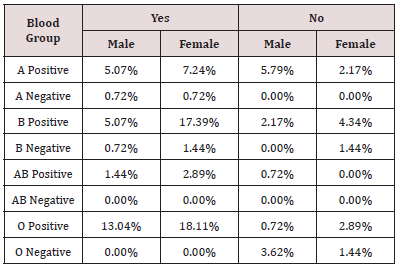
Questionnaire based studies have given an important advancement in recent researches [3-10]. Some researches like The Teas That Suits Your Blood Type by D’Adamo’s and Which Tea Is Good for You As Per Your Blood Group by Iram Zaz also gave us the information about the Association of Blood Group with Tea Likeliness (Table 1).

Table 1: Association of Blood Group.

Lupinepublishers-openaccess-Research-Reviews

Conclusion

It was concluded from the present study that subjects (Female) having O Positive Blood group like tea very much while subjects having A Negative, B Negative and AB Negative Blood groups don’t like tea.

Read More About Lupine Publishers Journal of Research & Reviews Healthcare Please Click on Below Link:
https://lupine-publishers-research.blogspot.com/
Thursday, 4 May 2023

Lupine Publishers | Multidisciplinary Management of Elderly Cancer Patients: The Radiation Oncologist’s Point of View

 Lupine Publishers | Journal of Surgery & Case Studies


Abstract

Oncological treatments of elderly patients are extremely complex; so far there’s no agreement even on the definition of “geriatric patient”. From the point of view of global health, the problem is of the outmost importance as the number of older patients will increase dramatically in the next years, leading to a change in world epidemiology with a significant increase of chronic-degenerative diseases such as cancer. For this reason, it’s mandatory to provide clinical oncologists with multidisciplinary algorithms aiming at the best treatment of older cancer patients.

Materials and Methods

The complexity of oncological treatments for elderly patients starts from the very beginning, since the definition of “geriatric patient” is not univocal. From the point of view of public health, the problem is of the outmost importance. since nowadays there are 600 million people over 65, in 10 years their number will overcome 1 billion and in 2050 there will be nearly half billion people over 80 [1-3]. Such an increase of longevity will lead to a change in world epidemiology with a significant increase of non-communicable disease such as cancer. In 2030 the annual incidence of new cases of cancer in aged people will be 13,7 million and, which is even more important, nearly half of such cases will be in low-income countries [4]. Very few clinical trials (which are the cornerstone of Oncology) take older patient into account, and usually they are very selected cases [5-8], quite differently from every day’s practice, so there’s paucity of data about care of older patients, which makes clinical oncologist’s task even harder [5].Moreover, at least till few years ago, most guidelines and recommendations only consider chronological age in order to determinate the treatment’s choice, and this policy has led to over- or under-treatments [5]. With the purpose of optimizing the treatment’s choice it is imperative to focus on the concept of biological or functional age, in opposition to merely chronological age [6,7].

We should briefly review the physiological modifications caused by aging, which affects every organ and apparatus. Considering for instance Nervous System, there is a decrease of cortical volume and of synaptic density, which leads to a weaker memory and attention. Cardiovascular system is strongly affected, with a diminished cardiac output, increased arterial stiffness, slower modulation of cardiac frequency etc. [9]. Osteo-muscular apparatus is involved too, with a decrease of bone density leading to an increased risk of fracture and a sarchopenia which causes decreased physical activity with parallel increased fatigue and asthenia [10]. Additionally, for most of oncologic treatments, liver and kidney’s function is crucial; with their reduction, drug toxicity increases. In some aged patients an aforementioned change is plain; in other they can be silent in conditions of balance, becoming evident in stress situations such as a malignant disease and its treatments [1].

Biomolecular Markers of Aging

Aging is an extremely complex phenomenon, showing deep differences among individuals, consequently so far, it’s difficult to identify biological markers which enable us to divide subjects of the same chronological age into different functional ages. Several markers have been suggested, starting with markers of systemic inflammation such as CRP, D-dimer, IL 6 [8]. They are easily quantifiable, and they’ve been associated with functional decline in aged people, but their levels are influenced also by frankly pathological conditions like infections and cancer itself [11,12]. Markers of cellular aging have been considered too, such as telomeres or cell cycle components [8]. Dosing such markers is anyway extremely expensive, and moreover they have a significant interindividual variability. Another marker which could document a link between cancer and aging is P16 INK 4A, which has been showed to increase in aged breast cancer patients receiving chemotherapy [13]. Nevertheless, all of these markers are, so far, not completely validated and reliable.

Geriatric Assessment

As long as validated and reliable biomarkers are not established, the best way to assess a geriatric cancer patient is clinical evaluation [14-17]. Geriatric assessment is a multidisciplinary and multi parametric evaluation which takes into account physical aspect, nutritional status, neurological and cognitive status and even social support [18,19].

Comorbidities

When planning an oncological treatment at any age it’s mandatory to take into account comorbidities. This is mainly true in aged patient, beginning from the commonest pathologies such as cardiovascular diseases, diabetes, chronic renal failure, collagenopathies [20].

Polypharmacy

About 50% of aged patients are on 5 or more different medical therapies before undertaking an oncologic treatment, so it’s mandatory to evaluate all of these therapies and their potential interaction\interference with anticancer therapy [21].

Nutritional Status

Malnutrition and weight loss are deeply connected with cancer and its treatments and they have been shown to be linked to increased risk of toxicity and mortality [22].

Functional Status

All oncologists are familiar with ECOG and KPS scoring systems. In aged cancer patients it’s appropriate to integrate them with other evaluation systems [5,8] such as ADL (Activities of Daily Living) and IADL (instrumental activities of daily living). For instance, an extremely simple and reliable indicator of functional status is the number of falls. They are seldom taken into account, but they seem to be connected with oncological treatments’ toxicity.

Cognitive Status

The risk of cognitive decline increases with age. During anticancer treatment, it can cause for instance a diminished comprehension of its side effects which can be communicated with a delay, increasing the toxicity of the treatment itself, even in a serious way [1].

Psychological Status

Anxiety and depression worsen quality of life and precipitate functional decline, with a lower adherence to therapies [23].

Social Support

Many older people, so even aged cancer patients, live alone. It’s been documented that social isolation is linked to a significant higher mortality in cancer patients [24].

Screening Tools

Many screening tools have been validated with the purpose of identifying aged cancer patients who can take advantage of a multidimensional geriatric assessment [25,26]. Among the commonest ones we mention G8 and Vulnerable Elderly Survey 13 [18]. The final result of these screening and of the subsequent geriatric evaluation is the final decision to perform an oncological treatment (and its intensity) or not [7]. Sometimes it could be appropriate not to perform a treatment with curative purpose in an aged patient because of multiple comorbidities (which could lead to increased toxicities and a reduction in life expectancy). In other circumstances, on the opposite side, it could be an error not to undertake a treatment only because of chronological age. Patient’s preferences must be taken into account too; main international guidelines recommend to including patient in the therapeutic decision [27]. In this setting we must insert geriatric assessment; it’s been documented in literature that multidimensional geriatric evaluation has lead to significant changes in treatment planning, in most of cases with the aim of attenuate it [28]. At the present a multidimensional geriatric assessment is not often performed in the process of decision making regarding oncologic treatment of older patients. It’s been shown anyway that older cancer patients who have been evaluated in such a way have completed their treatment in a significant higher percentage, and with less modifications, compared to those who haven’t received it.

Radiotherapy

radiotherapy is the clinical discipline which aims at curing cancer by means of ionizing radiations; it could be employed as the sole therapeutic modality or in association with surgery and \or systemic therapies. [29,30]. A geriatric evaluation is strongly advisable for older patients who are candidates to radiotherapy, first of all for those treatments which consider its association with a systemic therapy, but also for the exclusive setting. Around 70% of cancer patients will require a radiation treatment, and this is especially true in older patients, as state of art radiotherapy techniques offer higher cure rates with less side effects. Moreover, treatment time can be reduced, and this can help patient with logistic difficulties (e.g. distance from radiotherapy facility) and their family\caregivers. This is true first of all in the palliative setting (e. g. Treatment of pain from bone metastases), but it could be accomplished even in the non-palliative setting, with the adoption of shortest scheduled.

Conclusion

The first dilemma of radiation and medical oncologists treating aged patients is how to decide if a patient is suitable for a given treatment and whether to treat patients with standard protocols or with adapted regimens. So, it’s advisable to include a geriatrician in multidisciplinary oncological teams (Tumour Board).

If it’s not possible, a good result can be achieved even with a conventional geriatric evaluation and a higher cooperation among specialists. Anyway, even after an effective evaluation has declared that an older patient is fit enough to undergo an oncological treatment, it’s mandatory to monitor such a patient in a closer and stricter way compared to a younger one [31].

Read More About Lupine Publishers Journal of Surgery Please Click on Below Link:
https://surgery-casestudies-lupine-publishers.blogspot.com/