Showing posts with label Journal of Otolaryngology Impact Factor. Show all posts

Monday, 3 April 2023

Lupine Publishers| Language Development as An Objective Indicator of Neurodevelopment

 Lupine Publishers| Journal of Otolaryngology


Short Communication

Language development is an objective indicator of developmental and cognitive skills in children. It is also one of the fundamental pillars for a child to acquire autonomy and be able to adapt to social and academic situations. A language delay (including both verbal and non-verbal skills) is an indicator that some aspect of development in young children is not going well. Language delays may be primarily due to four causes: hearing problems, neurodevelopmental conditions, such as the risk of having Developmental Language Disorder (DLD, formerly Specific Language Impairment –SLI-), Intellectual Disability -which at an early age is labeled as Developmental Global Disorder (DGD), or Autism Spectrum Disorder (ASD).

Hearing Problems

According to WHO (2000), 10% of children are born deaf or hard-to-hearing. To a large extent, neonatal hearing screening can detect most of individuals with hearing loss, when there is a genetic or congenital etiology. Birth defects also include hearing loss and congenital deafness; it is estimated that between 2,000 and 6,000 children are born with these conditions each year in Mexico [1]. However, for those individuals with mild or moderate hearing loss, which is not detected by neonatal screening, a delay in language development can be evidenced around eighteen months of age. For example, recurrent otitis media has been known to contribute to language delays in young children under 2 years of age. However, a systematic review informed that it only contributes to phonological deficits in children [2]. Recurrent otitis interferes with the quality of the sound signal received by the child, especially the perception of some phonemes (e.g. fricative and voiceless sounds) but is not directly related to language and communication delays.

Late Talkers (LT)

When hearing loss is excluded as the cause of language delays, the developmental condition to be considered as the most prevalent is “Late Talker” (LT). According to various authors [3-5], this condition exhibits a prevalence of 13.5%, which is not caused by sensory, anatomical or neurological problems. The delay is primary manifested, but not exclusively, in the domain of expressive language (production of gestures, words and sentences) [6,7]. About 70-75% of LTs will catch up to their peers at 36 months of age. But approximately 25-30% of these children will continue with more severe language difficulties, which may evolve into a Developmental Language Disorder (DLD) [8]. Most of the studies about LTs agree that these children produce less than 50 words [9,10] and have not combined words at 24 months [11,12]. In many cases, children under the age of three, who speak little or not at all, go unnoticed at school or clinical services, since initial language delays are generally not considered a major problem that should be addressed by the health and/or education system.

Intellectual Disability (ID)

Neonatal metabolic screening is mandatory in many countries, and since 1998, it has been performed in all newborns in Mexico. This screening can detect congenital or metabolic conditions that can be treated promptly to prevent irreversible conditions such as ID. According to WHO [13], the frequency of congenital anomalies in the world is 2 to 3% in live births. However, there is still a big proportion of children with a risk of ID that go undetected in developing countries. In a recent study, Rizzoli Córdoba [14] reported that 4.2% of children were at risk of delay, being the communication and cognition domains the most affected at 24 months of age. Although the diagnosis of ID cannot be established until the psychometric measurement of IQ around the age of 4, the data suggests that in developing countries, Global Developmental Delay [15] with communication, cognition and other developmental domains affected might be more pervasive due to socio-demographic associated factors, such as the insufficient consumption of nutrients during pregnancy, poorer access to healthcare and screening, among others. According to WHO [13], it is estimated that about 94% of severe congenital anomalies occur in low- and middle-income countries. Moreover, in these countries 39% of children younger than 5 years, might be at risk of not reaching their developmental potential [16].

Autism Spectrum Disorder (ASD)

In the third order of prevalence, language delays in young children may be associated with the risk of presenting ASD, which is characterized by difficulties in the use of social communication (among other features), although said difficulties are not exclusively pragmatic [17]. This condition is frequent in neurodevelopmental disorders being present in about 1% of the children [18]. At least half of the children with ASD who develop language, lag behind their peers in phonological processing, use of gestures, symbolic play and social routines, expressive and receptive vocabulary, grammar (morphology and syntax), and pragmatics (social use of language). Early delays include social difficulties to establish joint attention with adults and peers, lack of response to their names, problems initiating social play and a reduced production of gestures and symbolic play. Said delays, specifically those with difficulties to establish joint attention and the lack of response to their own names, commonly mislead parents into falsely suspecting their child might have hearing problems. Moreover, delays on social and communicative outcomes, are sometimes unseen by health and education professionals.

What is recommended?

Although neonatal metabolic and hearing screenings are good sources for early detection of some conditions that affect child development, one of the greatest challenges for developing countries is to establish screening models that are useful for early detection of language delays before 30 months of age. No recommendations exist for screening language delays at these ages, being early identification a big challenge. An implication of this review is twofold: First, typical developmental language benchmarks of children under 30 months of age should be well known among primary health care clinicians, pediatricians, otolaryngologists, neurologists and preschool educators in order to early identify language delays. Second, identification of language delays under three years of age can serve as an important step forward for public health, because language can just be a symptom of a developmental condition. Finally, there is sufficient evidence supporting the effectiveness of treating language delays and disorders in children [19]. The development of expressive language, mainly the onset of first gestures, words and phrases is a relevant clinical tool, since its early appearance is associated to better long-term life outcomes and to better prognosis [20]. Early identification can help them receive a diagnosis and reduce the negative impact of any of these conditions throughout life.

Read More About Lupine Publishers Journal of  Otolaryngology Please Click on Below Link: https://lupine-publishers-otolaryngology.blogspot.com/

Lupine Publishers| Allegric Rhinitis: Pearls of Wisdom

 Lupine Publishers| Journal of Otolaryngology


Abstract

Statement of The Problem

This provides an overview of Allergic Rhinitis and its management. It is very useful for students of Rhinology and clinicians managing this disease. It introduces them to a systematic approach of assessing allergic rhinitis patients which is very commonly found in most populations and causes considerably morbidity. Allergy per se is a very difficult subject to master and it is with great perseverance one can treat patients suffering from this condition. The cornerstone of managing a patient of allergic rhinitis is first and foremost obtaining a good history. This is to be followed by a thorough examination and investigations. The general practitioner is the first expert to be involved in management of allergic rhinitis patient followed by specialists otorhinolaryngologists, and finally by allied healthcare personnel. Inflammation of nose and paranasal sinuses are characterized by two or more symptoms-namely, either nasal blockage; obstruction; congestion or nasal discharge. Associated symptoms include facial pain; pressure and either reduction or loss of smell. Certain diagnostic endoscopic signs of nasal polyps and or mucopurulent discharge and or mucosal oedema in the middle meatus and or CT changes of mucosa within the ostoemeatal complex, and or sinuses are seen. Definitions, aetiologies, clinical presentations, diagnosis; prognosis and management of allergic rhinitis is dealt with. Common allergens causing the disease are mentioned, pathophysiology and classification of allergic rhinitis is discussed in detail. Different types of allergen testing are highlighted along with their specific role and uniqueness. Principles of immunotherapy in treatment of allergic rhinitis are discussed here. Health effects of allergic rhinitis along with its impact on physical quality of life is mentioned. The basic idea of this presentation is to improve diagnostic accuracy by promoting appropriate use of ancillary tests like nasoendoscopy, allergy testing, computed tomography etc. and reduce inappropriate antibiotic use. The basic treatment plan of allergic rhinitis is according to the severity and duration. It consists of allergen avoidance, pharmacotherapy, allergen immunotherapy and surgery which has limited role.

Keywords: Allergy; Rhinitis; Pollens; Molds; Insects; Penicillium; Cladosporium; Hypersensitivity; Histamine; Hay fever; Rose Fever; Transverse Nasal Crease; Rhinorrhea; Allergic Salute; Allergic Shiners (Dennie -Morgan Lines); Cobblestone Appearance Of Oropharynx; Scratch Test ; Intradermal Test; Patch Test; Rhinomanometry; Antihistaminics; Immunotherapy; Topical Nasal Steroids; Cochrane; Mast Cell Stabilizer

Abbreviations: IgA: Immunoglobulin A, IgE: Immunoglobulin E, AR: Allergic Rhinitis; NAR: Non-Allergic Rhinitis; ARIA: Allergic Rhinitis & its Impact on Asthma; Greater than; Less than; TM: Tympanic membrane; NPT: Nasal Provocation Test; n NO: Nitrogen in Nitric Oxide; PNS: Para Nasal Sinuses; OM: Occipito Mental; CECT: Contrast Enhanced Computerized Scan; L.A: Local Anaesthesia GA: General Anaesthesia; PQLI: Physical Quality of Life Index; WAO: World Allergy Organization; SCIT: Subcutaneous immunotherapy; SLIT: Sublingual immunotherapy; AIT: Allergic Immunotherapy; e-Health: Electronic Health; DBPC: Double Blind Placebo Controlled; RCT: Randomized Controlled Trial; FDA: Food & Drug Administration federal agency in USA; SMD: Submucous Diathermy; IT: Inferior turbinate; FESS: Functional Endoscopic Sinus Surgery; OMC: Osteo Meatal Complex

Introduction

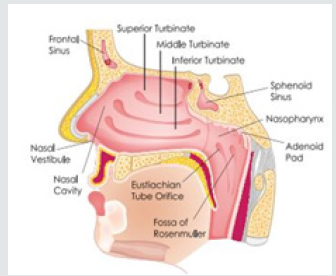
Rhinitis is a common presentation in E.N.T. clinics across the globe & allergy compounded with it causes even more difficult to treat for the clinician. This article is useful and handy for students and clinicians managing Allergy& Rhinitis. There is something in this for everyone-General Practitioners, Otorhinolaryngologists, Allergologists, Rhinologists and Allied Healthcare personnel. Special computer based newer modalities of investigations are highlighted in this which helps in assessing the nasal function of the affected patient. It’s very common to sometimes feel like sneezing & have running nose but please see a doctor if the feeling persists and do take care of yourself. Allergic Rhinitis is made so easy to comprehend. Nasal function includes temperature regulation, olfaction, humidification, filtration and protection [1]. Nasal lining contains secretion of IgA, proteins and enzymes. Nasal cilia propel the matter towards the natural ostia at frequency of 10-15 beats; min. Mucous moves at a rate of 2.5 -7.5ml. per min (Figure 1). Rhinitis is the presentation of two or more nasal symptoms for more than one a day namely Nasal congestion; obstruction, Rhinorrhea, Sneezing, Itching, Impairment of smell. Rhinitis occurs most commonly as Allergic Rhinitis. Non-infectious rhinitis has been classified as either Allergic or Non-Allergic Rhinitis. Allergic Rhinitis affects 15-30% of population with a wide geographic variance. It is more common in children & adolescents. 50% of all rhinitis in E.N.T. Clinics is Allergic Rhinitis. Allergic Rhinitis is defined as immunologic nasal response, primarily mediated by IgE. Non-Allergic Rhinitis is defined as rhinitis symptoms in the absence of identifiable allergy, structural abnormality or sinus disease. So, Allergic Rhinitis is an inflammation of the nasal mucosa, caused by allergen. It is the most common Atopic allergic reaction.

Figure 1: The Human Normal Eye Anatomy.

Lupinepublishers-openaccess-otolaryngology-journal

Aetiology

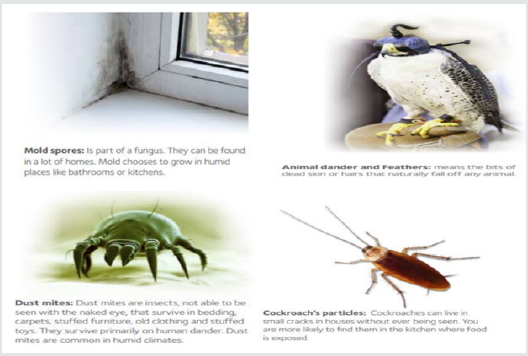
Aetiology is classified as Precipitating factors and Predisposing factors. Precipitating factors are classified into aerobiological flora and nasal physiology. Aerobiological flora are Allergens present in the environment, House dust & dust mites, Feathers, Tobacco smoke, Industrial Chemicals and Animal dander. Nasal physiology are Disturbances in normal nasal cycle. Predisposing factors are classified into genetic, endocrine, psychological, focal sensitivity tests, infections, physical, age & sex, IgA deficiency and common allergens [2]. Genetic factors indicate towards Multiple gene interactions are responsible for allergic phenotype. Chromosomes 5,6,11,12 & 14 control inflammatory process in atopy. 50% of AR pts. Have positive family history. Endocrine factors are Puberty, Pregnancy; Postpartum stages and Menopause. Infections such as Fungal. Physical factors are Degree of pollution of air, Humidity & Temperature differences, Temperature changes. Common allergens such as pollens (Spring tree pollens (Maple ; Alder ; Birch), Summer grass pollen (Blue grass, Sheep sorrel etc.), Autumn Weed pollen (Ragweed)), molds) Penicillium, Cladosporium etc.), INSECTS (Cockroaches, Houseflies, Fleas, Bedbugs) (Figure 2). Rhinitis is the presentation of two or more nasal symptoms for more than one a day namely Nasal congestion; obstruction, Rhinorrhea, Sneezing, Itching, Impairment of smell. Rhinitis occurs most commonly as Allergic Rhinitis. Non-infectious rhinitis has been classified as either Allergic or Non-Allergic Rhinitis. Allergic Rhinitis affects 15-30% of population with a wide geographic variance. It is more common in children & adolescents. 50% of all rhinitis in E.N.T. Clinics is Allergic Rhinitis [3]. Allergic Rhinitis is defined as immunologic nasal response, primarily mediated by IgE. Non-Allergic Rhinitis is defined as rhinitis symptoms in the absence of identifiable allergy, structural abnormality or sinus disease. So, Allergic Rhinitis is an inflammation of the nasal mucosa, caused by allergen. It is the most common Atopic allergic reaction.

Figure 2:

Lupinepublishers-openaccess-otolaryngology-journal

Pathophysiology

Immunoglobulin IgE mediated type 1 hypersensitivity response to an antigen (allergen) in a genetically susceptible person. IgE is produced from plasma cells & the process is regulated by T-Suppressor lymphocytes or T-helper cells. IgE has affinity for mast cells & basophils and gets fixed to the surface of mast cells by its Fc end. Type 1 Hypersensitivity causes local vasodilation & increased capillary permeability. There is edema of the submucosal tissue by allergic fluid followed by infiltration by eosinophils and plasma cells leading to vascular dilatation which causes engorgement of the inferior turbinates and there is increased activity of seromucinous glands [4]. Histamine exerts its pharmacologic effect on smooth muscle, vascular endothelium & mucous glands. Number of IgE molecules has been estimated as 5300 to 27,000 in non-allergic subject & 15,000 to 41,000 in allergic subjects. Hypersensitivity of the host depends on antigen dose, frequency of exposure, genetic make-up, and hormone activity of the body.

Classification

Allergic Rhinitis is currently classified into intermittent and persistent. In intermittent AR the symptoms are present less than 4 days per week and less than 4 weeks per year [5]. In persistent AR the symptoms are present for greater than 4 days per week and for greater than 4 weeks per year. The severity of AR is classified into mild and moderate to severe. Mild AR doesn’t interfere with daily activities or doesn’t produce any troublesome symptoms. Moderate to severe AR interferes at least with one of the factors such as impaired sleep, hampered daily activities/work, school/ sick absenteeism, also produces troublesome symptoms. AR is formerly classified into seasonal and perennial based on the allergens. Seasonal Hay Fever, misnomer- no hay/no fever. Summer Cold caused by viruses causing URTI. Rose Fever seen usually in Indian Subcontinent (colorful/fragrant flowering plants). Perennial Allergens present throughout the year.

Read More About Lupine Publishers Journal of  Otolaryngology Please Click on Below Link: https://lupine-publishers-otolaryngology.blogspot.com/

Monday, 13 February 2023

Lupine Publishers| Parental Perspective Pre- and Post-Cochlear Implantation in Tanzania

 Lupine Publishers| Journal of Otolaryngology


Abstract

Background: The National Cochlear implant program in Tanzania was established in the year 2017. Prior to this, very few children with Profound Sensorineural Hearing Loss benefited from this surgery abroad through grants from the Ministry of Health. Since the establishment of the local program, there is an increased awareness amongst parents’, and many are seeking to benefit from this initiative. The challenge, however, remains the measurements of expectations of the parents and the actual outcomes after the surgery. This is mainly due to the perspective of the parents which comes about from their understanding of the whole process of surgery and the rehabilitation after surgery that determines expected outcomes.

Aim: This study aims to establish a direct link between the parental perspective pre and post cochlear implant surgery. Participants: A total of 18 children between ages of 3 years and 6 years, divided in two groups, G1=children who have been implanted for 1-2 years (n=8) and G2=children who have been implanted for 0-1 years (n=10).

Method: A non-standardized closed ended questionnaire with questions on perspectives of three domains i.e. Communication, Listening Skills and Speech and Language development was administered to the parents, pre-implantation and 1year post implantation for G1 and 6 months post-implantation for G2.

Results: In all of the 18 cases, pre-implantation expectations were higher than the actual perspectives post-implantation. However, G1 parents had higher scores than G2 i.e. The preimplantation expectations were somehow met after 1 year of implantation.

Conclusion: The study demonstrates the ability of Cochlear Implantation to meet the parental expectations in the 3 outcome domains i.e. communication, listening skills and the development of speech and language. However, this is subject to the time frame post implantation i.e. the longer the time, the better the pre-implant perspectives are met.

Introduction

Cochlear implants, as prosthetic devices designed to replace the function of the inner ear, have become a widely used intervention method for people with severe to profound sensorineural hearing losses who gain little or no benefit from conventional hearing aids. Since their approval by the United States Food & Drug Administration (FDA) in 1990 for children as young as the age of two [1], pediatric cochlear implantation has become an increasingly routine procedure in numerous countries worldwide as a management option for permanent childhood hearing loss. The foundation of cochlear implant programs for these patients began in developed countries and over time the devices, surgical methods, and rehabilitation programs improved, which thus led to their initiation in developing countries. Prior to the commencement of locally performed cochlear implant surgeries in Tanzania, candidates for implantation had to travel to other countries for the procedure. This was a costly and intensive process for privately and government funded patients alike, a factor that fueled the need for a local program. In 2017, six children were implanted for the first time at Muhimbili National Hospital in Dar es Salaam, Tanzania, and to date a total of thirty patients have been implanted altogether. Over the time, since the first surgeries, local professionals and rehabilitation centers have become more proficient in evaluating and caring for these patients, and an increased awareness of hearing impairments as a whole has been observed. Perceptions regarding cochlear implants of health professionals, the general public, and in particular parents of implantees and potential candidates have also been seen to change, becoming more informed and understanding. Candidacy for cochlear implants is assessed on a case-by-case basis, with referrals for assessment primarily made according to candidacy criteria set out by the Cochlear Implant Group Tanzania [2].

Currently, the indications for cochlear implantation from an audiological perspective are as follows; bilateral severe to profound sensorineural hearing loss (typically >90dBHL at 2kHz and onwards), limited benefit from hearing aids, and the absence of contraindications for implantation. The candidates undergo thorough examinations by audiologists, speech-language pathologists, radiologists, otorhinolaryngologists, pediatricians, social services, psychologists, and other professionals where necessary. This process is not unlike guidelines in other countries with cochlear implant programs, and the National Institute for Health and Care Excellence (NICE) in the United Kingdom make similar recommendations, although in 2018 with suggestions from the British Cochlear Implant Group (BCIG) updated the eligibility criteria to define severe to profound deafness as only hearing sounds greater or equal to 80dBHL at two or more frequencies between 500Hz and 4kHz [3]. These recommendations and procedures differ slightly between countries and programs and may also change depending on whether the candidate is privately or publicly funded. Outcomes for pediatric cochlear implantation worldwide have encouraged their use as an intervention method for hearing impairments, reinforced by their widespread success and relatively low rate of complication [4]. A prospective longitudinal study of spoken language development in children implanted before the age of five, conducted over a period of three years, revealed significant improvements in spoken language performance (comprehension and expression) particularly over the first three years of device use. Greater improvements were seen in younger children and children with more residual hearing prior to implantation, although in all children outcomes surpassed the improvements predicted by their pre-implant assessment baseline scores [5]. A retrospective study evaluating the outcomes of cochlear implantation in relation to age of implantation conducted by Govaerts et al. [6] studied children with congenital deafness who were implanted before the age of six with a multichannel cochlear implant, evaluating them using Categories of Auditory Performance (CAP) scores and correlating outcomes with age of implantation.

All children demonstrated an increase in scores postimplantation, appearing to benefit from the device. The study identified that implantation between the ages of two and four always resulted in age-appropriate CAP scores after three years of implant usage, while implantation before the age of two years always resulted in immediate normalization of CAP scores. Implantation after the age of four, however, hardly resulted in normal CAP scores, signifying the importance of early intervention in preventing losses of auditory performance following the procedure, and only 20% to 30% of these children were eventually fully integrated into mainstream primary schools [6]. While this study reinforces the significance of age at implantation as a predictor of auditory and language outcomes, it also demonstrates the efficacy of cochlear implants as intervention for pre-lingually deafened children; even in patients implanted later than recommended, significant benefits were observed and a percentage of these patients developed the ability to integrate into mainstream education.

An integral part of the process towards pediatric implantation is continued counselling of parents of patients regarding their child’s impairment, amplification, the device, the surgery, rehabilitation, and of their expectations and outcomes. Parental expectations prior to implantation are considered a key factor in the process of candidacy assessment, so much so that they have been used previously as a criterion in the evaluation of the child’s eligibility for an implant [7]. Without the appropriate counselling and guidance, parents can be led to believe that the implant will work on its own, and that the child will be able to hear and speak shortly after switch-on [8]. Kampfe et al. [7] identified that these expectations can be influenced by the fact that the device is very expensive and high-tech, leading to unreasonable expectations. They also suggest that these expectations can also be partly due to the influence of the media, which presents the implant as an immediate change to hearing – often showcasing only significant reactions of patients in response to sounds [7]. Twenty-six years later, this statement still holds truth, as videos of ‘sensational’ reactions to sounds by implantees are spread on social media and on the news, particularly in countries where programs are in their infancy. These can lead to unrealistic expectations, subsequent stress, and disappointment when their expectations are not met. Families’ stress in relation to cochlear implants has been looked at in numerous studies and is due to a number of sources [9]. One such source is the surgical procedure itself. Although the procedure is quite safe with a low chance of complications [4], it is still a surgical procedure that has its risks, and this results in some anxiety or worry experienced by the parents [9]. It is vital that the procedure is explained appropriately to parents, and sources of clear information about it and the risks it may pose are made easily available. Another source of stress, as previously identified, is the parent’s perceptions when their expectations are not immediately met [10]. Over time this lessens as a stressor particularly as children begin to show improvements. In order to better understand parental expectations, it is important for clinicians to be aware of the reasoning behind their choice in going forward with implantation. A study by Sach & Whynes [11] interviewed 216 parents of children implanted at the Nottingham Pediatric Cochlear Implant Programmes using a mix of structured and open-ended interview formats. When asked about the decision to implant their child, 38% of parents stated that the benefit they expected was ‘improved hearing’, 23% anticipated psychosocial and behavioural benefits, 19% mentioned greater opportunities later in life while 16% cited improvements in speech [12].

In most cases outcomes were reported to be in line with their expectations, and 93% of interviews mentioned ‘improved hearing’ as an outcome of implantation. When interviewed about their expectations, 5% of parents admitted to having high and unrealistic expectations, while 16% mentioned that initial expectations had been low. With its large sample size and extensive data collection, this study has provided an insight into parental perspectives of cochlear implantations and the effect various factors can have on stress, expectations, and outcomes [12]. A study by Hyde et al.

investigating parental expectations and [13] experiences related to their children’s outcomes with implants, surveyed 247 parents in eastern Australia, and compared reports of pre-implant expectations with post-implant outcomes. Findings from this study indicated that while parents had relatively high expectations, these had mostly been met by their children’s outcomes post-implantation. 10% of parents, however, reported that expectations had not been met. Furthermore, the study established that professionals generally did a good job in providing parents with realistic expectations prior to implantation and during rehabilitation [13].

A child’s home and family environment can lead to variations in outcomes seen in implanted children [10,14,15]. Perspectives of parents and guardians towards the device and their children can influence development of the implanted child, as they can affect factors such as the level of support given at home, roles undertaken by family members in therapy, their interactions with the child, and organization and control in homes [14]. Amongst outcome predictors such as duration of deafness and learning style, family structure and support has been identified as a significant predictor of outcome following cochlear implantation as demonstrated by use of the Nottingham children’s implant profile (NChIP) to assess children, family, and support services prior to implantation [16]. Various studies into predictors of spoken language development and good outcomes with cochlear implantation have supported these findings. Better outcomes have been associated with lower ages at implantation [17], early identification of hearing impairment, number of active electrode channels effectively ‘mapped’, and bilateral implantation when compared with unilateral or bimodal stimulation [17]. Boons et al. [17] divide predictors of language development in pediatric cochlear implant recipients into three categories:

a) Auditory factors such as age of implantation or identification,

b) Child-related factors such as the presence of other disabilities and etiology of hearing loss, and

c) Environmental factors such as parental involvement and socioeconomic status.

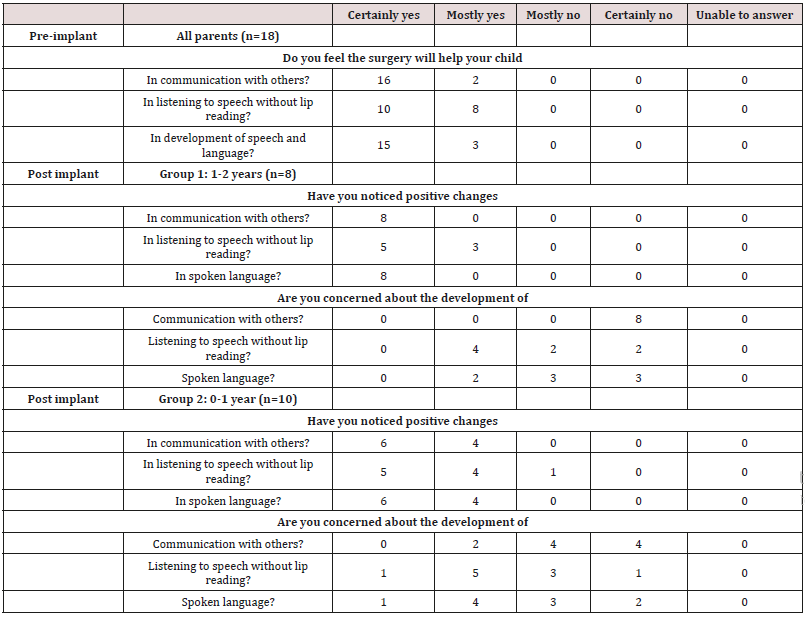
A retrospective study into these factors involving 288 prelingually deaf children with cochlear implants was conducted through the use of numerous validated outcome measures and standardized questionnaires. The study identified that amongst the factors that can influence outcomes of cochlear implantation, environmental factors related to parental characteristics played an important role. One such factor was the communication mode between parents and their child, as participants were asked whether communication was oral, total (using signs along with spoken language), or bilingual. Another factor looked at whether the parents’ involvement in the rehabilitation process was ‘sufficient’, as it would be in a well-functioning family, or ‘insufficient’ if parents were seen to be unmotivated or unable to fulfill commitments in relation to the child (Table 1).

Table 1: The DR lesion types descriptions.

lupinepublishers-openaccess-otolaryngology-journal

Boons et al. [17]acknowledge the oversimplification of these classifications and have identified that while it is not a validated measure of parental involvement it can suggest an undesirable attitude of parents towards the child’s impairment and rehabilitation. 96% of parents in this study were seen to be sufficiently involved in their child’s rehabilitation, but in 4% of cases issues were mentioned highlighting insufficient involvement in the process. This factor did not show a significant variation in outcomes in the first two years following implantation, but after a certain amount of time the study identified that the advantages and possible positive effects of a supportive environment become measurable. Multilingualism in communicating with the child also consistently correlated with lower language scores over time and was accompanied by low parental involvement in rehabilitation. These findings suggest that the effects of environmental factors increased as time went on and were more measurable after two years post-implantation [15,17] also reported more significant individual variations in outcomes in children over time and found that levels of parental involvement in the rehabilitation process was associated with children’s linguistic ability four years after implantation [15]. In comparison, higher language achievement in implanted children was associated with parents reporting lengthier and detailed processes in deciding about the implant pre-implantation and who showed a higher level of involvement and commitment with the child’s rehabilitation post-implantation [15]. This correlation was also identified by Niparko et al. [5], who found higher parent-child interaction scores being significantly associated with greater rates of increase in comprehension and expression of spoken language [5]. These findings are supportive of the conclusion that variability in parental involvement, quality and quantity of parent-child interactions, and commitment to rehabilitation are significant factors in outcomes of children with cochlear implant and can lead to significant measurable differences in spoken language development after longer periods of time.

Read More About Lupine Publishers Journal of  Otolaryngology Please Click on Below Link:

https://lupine-publishers-otolaryngology.blogspot.com/

Thursday, 13 October 2022

Lupine Publishers | Adaptive Ecological Social Technology of High-Quality Transition to Healthy Long Activity

 Lupine Publishers | Journal of Research & Reviews


Abstract

In the article the natural technology of high-quality transition to a healthy lifestyle for maintaining of physical and mental health is considered. The technology is directed to the acquisition of the useful habits of maintaining of health. Transition to a healthy life is carried out in three stages. At the first stage of people develops improving abilities development of the useful effects on acquisition and preservation of a healthy state on anatomic, physiological, energy and spiritual level. At the second stage, the useful, valuable impact useful beneficial, turn into the expensive, habits emotional fixing within a month in the various house, social and an environment. At the third stage transition to healthy life by the accumulated experience of perfecting of the acquired useful habits in various seasonal conditions is carried out (in the spring, in the summer, in the fall and the winter). The adaptive ecological social technology of high-quality transition to a healthy lifestyle this recent trend in health care. The World Health Organization considers that health of the person most of all depends on a way of life. The healthy lifestyle helps the person and society to be healthy. The adaptive ecological social technology of high-quality transition to healthy life concerns all humanity. It is on a global scale expedient to enable its realization within International MEGA of the project.

Keywords: Adaptive Ecological Technology; High-Quality Transition; Improving Ability; The Useful Habits; Healthy Activity

Introduction

Health protection of the person (health care) - one of the functions of the state. On a global scale the World Health Organization is engaged in health protection of humanity. Hygienic education and tutoring of the population as one of necessary sanitary and preventive actions, continues to remain a primal problem of health care. Formation of the population of the healthy lifestyle promoting maintaining health has to become the main goal of health care. Authors of various definitions of health used a set of the criteria characterizing from their point of view, a healthy substance. It and “wellbeing” (UNO, 1947, 1998), and “optimum performance of an organism” (G.I. Tsaregorodtsev, 1973), “plethoric existence of the person” (I.N. Smirnov, 1985), “equilibrium between the individual and a surrounding medium” (Weber, 1982), and other. According to P.I. Kalyyu (1988), six signs which are the cornerstone of health definitions most often meet:

I. The absence of a disease - the most general point of view (BSE, BME, Butterworths medical dictionary, 1978).

II. “Normal” function of an organism at all levels its organizations, the “normal” course of the typical physiological and biochemical processes promoting individual survival and reproduction. “Normality” at the same time has statistical property.

III. Ability to the realization of the trial social functions.

IV. Wellbeing (wellness, English) - physical, sincere, social (UNO).

V. “Dynamic equilibrium” of an organism, its AND functions of environmental factors (Weber; 1982; Noack, 1987, etc.). Then the balance “is steadier than a function of an organism - environment factors”, that health is stronger.

VI. Ability to adapt to constantly changing living conditions in a surrounding medium, that is - adaptation. It is also a ubiquitous point of view which found reflection in many works of both domestic, and foreign authors.

In medical community various approaches to concept health were created: hygienic, adaptive, genetic, prenosological, safe (UNO), equilibrium, physiological, psychological, viable, selfregulating, endoecological, resonance, spiritual, naturalistic and the combined approaches. Let’s consider some approaches to determination of healthy preserving medicine.

Determination of health by World Health Organization: Health is a condition of the complete physical, mental and social wellbeing. The feeling of wellbeing is the cornerstone of quality of life of the individual. Determination of health in the law on health protection: Health is a condition of physical, mental and social wellbeing at which there are no diseases and also disorders of functions of bodies and the systems of an organism. The medical reference book describes symptoms in one thousand diseases. It is almost impossible to carry out periodically diagnostics on all possible diseases and frustration of bodies and the systems of an organism for all population, and, therefore, to hold the relevant preventive activities.The genetic passport of health indicates a predisposition to various diseases as a heritable condition under adverse environmental conditions. The word HEALTH in the name of the genetic passport has prenozological character. The genetic passport indicates a predisposition to various diseases. It is the genetic passport of diseases. The predisposition to diseases requires from the person a constant attention to environmental conditions and to control of the corresponding biotic systems which are inclined to these diseases under adverse environmental conditions. By the basis of the genetic passport, the complex of preventive and diagnostic actions for prevention of developing of a disease is formed.

G.L. Apanasenko (1992) at the heart of health of the individual considered the viability provided with standard specialized structures. The activity of these structures is implemented by continuous circulation of streams of plastic substances, energies and information in the system and also between it and a surrounding medium. They are these streams define the existence of a phenomenon of life. These streams and also features of the revolting impacts on system give in to the scientific analysis that gives the chance to characterize this system, the degree of its stability (perfection) in general. This characteristic is also a prerequisite for health assessment.

The biological substance of health follows from the main property of vital systems - their abilities to self-organization - to self-regulation, an autoreduction, self-updating and also selfdevelopment and a self-reproduction. It can be described by various parties of the process of self-organization of biosystem - reactions of homeostasis, adaptation, a reactivity, resistance, a reparation, regeneration, biorhythms and also process of ontogenesis. Each of these reactions, being integrated with others, has the nature of the process defining a condition of the biosystem. Thus, health is the state caused by a set of the interdependent processes which realization is provided with a power function. Speaking about the person as about the highest form of realization of a phenomenon of life, it is necessary to remember its ability to learn and refract through itself a picture of the world surrounding it, to feel viability through social activity. The mentality and the highest levels of the organization of the person - spirituality - can act as a stimulator or a brake of a biological substratum, depending on specific conditions of activity. Estimating a condition of a biological substratum, we will consider further and more high levels of the organization of the person in approach to his health and also impact of natural processes. The highest organization of the person and positive impact of the nature are considered by spiritual and naturalistic approach to health.

Spiritual and Naturalistic Approach to Health

Spiritually - naturalistic approach to a concept health is based on a spiritual substance of the person and the processes of the nature maintaining health. In the middle of the last century professor of Technical University of Munich of Winfried Otto Schumann established that Earth and its ionosphere form the huge resonator [1]. Within 60 years after the numerous researches and rechecks the frequency of Earth of 8 Hz was determined. Since then in science this frequency is called the frequency of a resonance of Schuman. Formation of standing waves in such resonator was called Schuman’s resonance subsequently. Doctor Robert Becker measured waves of a brain of many spiritual healthy people. He found out that all of them have equal frequencies - 8 Hz, is not dependent on their religious and spiritual traditions, and are synchronized with Schuman’s waves both on frequency, and on a phase. Healthy people have the balance mentality and resonance of cages in a biofield at a vibration frequency of 8 Hertz. Besides, waves of the right and left-hand cerebral hemispheres at them are equal on the frequency and are opposite amplitude that leads to the formation of standing waves. Standing waves of a brain enter an interaction with Schuman’s waves.

In the USA (NASA) and Germany (M. Planck’s Institute) the long-lived experiments as a result of which it was established that Schuman’s waves are necessary for synchronization of biological rhythms and the normal existence of all alive on Earth were made. NASA uses generators of waves of Schuman for ensuring healthy normal activity of personnel. In the 50th years of the 20th century, it was proved that the intensity of resonance of Schuman directly influences the higher nervous activity of the person and also his mental abilities. Thanks to a resonance of the waves of Schuman a having natural origin and standing waves of a brain, spiritual people for whom a cerebral hemisphere work in a synchronous rhythm have a healthy state. The science confirmed it experimentally. Researchers experimentally confirmed the positive preventive influence of spiritual doctrines and processes on the improvement of the person and all wildlife. Spiritual processes of the composite substance of the person and society are bound to natural processes of improvement. At the end of the last century the scientific world was excited by results of experiments of the Japanese scientist Masaru Emoto, visually proved that water under the influence of our thoughts, emotions, words changes the structure. Masaru Emoto [2] experiments convincingly prove that the spiritual word makes good impact in resonance with Schuman’s wave. The health of the person is a psycho-physiological state with the balance mentality and functioning of a clear organism at an electromagnetic frequency of cages of 8 hertz and a wavelength of 8 meters in the resonance mode in a pollution-free and surrounding medium [3-4].

Through a neocortex of a brain of the person the reflective mentality is implemented. The phenomena, processes and substances are reflected reason and soul in shape feeling - knowledge which is fixed in memory. The reason, soul and a brain of people interact in the virtual space, as in the reflection of the actual world, and creatively created. The reflected substance is mental energy. The balance mentality is formed by positive mental energy when the mind of the person and a douche are updated by kind words and feelings. The balance mentality is stabilized as a vibration resonance of positive mental energy, saved up feeling - knowledge recorded in memory. Proceeding from spiritually - naturalistic approach to a concept health we will consider natural technology of high-quality transition to healthy activity.

Development of Improving Abilities

Improving abilities develop development of the useful effects on the formation of a healthy state on anatomic, physiological, energy and spiritual level [5]. Development of improving abilities is directed to formation of the clean environment of an organism, formation of the balance mentality and a healthy state.

Formation of the Clean Environment of an Organism

The clean environment of an organism is one of the necessary conditions of a wave resonance of cages. Purity - guarantee of health. The clean environment of an organism at the anatomic and physiological level is reached by hygienic and endoecological actions and a healthy delivery. Communication with the pollutionfree nature reaches formation of the clear environment of an organism on an energy level: absorption by enzymes-enzymes of light energy and vibrations of flora. The power clean environment of an organism remains a pollution-free surrounding medium, listening of harmonious music and release from negative energy hydrotherapeutic procedures in a douche or a bathroom and also in a bath, at the sea or the lake.

Formation of the Balance Mentality and Healthy State

Equilibration of mentality is a necessary condition of a wave resonance of healthy cells. Equilibration of mentality and formation of a healthy state is carried out by the following useful effects.

A. Spiritual actions, such, as, reading spiritual literature, visit of spiritual actions, development of spiritual consciousness and spiritual and moral qualities, the formation of spiritual bonds for equilibration of mentality and achievement of a healthy state. Development of abilities to make spiritual actions develops needs of nature and a habit to get rid of harmful passions, to gain mental health.

B. Communication by just peace kind thoughts and desires.

Just peace kind thoughts and desires generate creative mental energy and mental health. Many psychologists carry out the formation of mental health a kind word. Therapy by a word is lit in the Parable 4:20-22: “My son! Listen to my words, and to my speeches bend your ear; yes they do not depart from your eyes; store them in your heart: because of they life for this purpose who found them, and health for his all body”.

C. Development of spiritual abilities of humility, forgiveness, mercy, the formation of the peace kind relations in various social conditions and family for spiritual activity.

Abilities of manifestation of humility, forgiveness, mercy, formation of the peace kind relations for equilibration of mentality in various social conditions and family develop needs of nature and a habit to be mental balanced and healthy.

D. The manifestation of spiritual and moral qualities - goodwills and blessings, mercy and validity for healthy activity.

The manifestation of spiritual and moral qualities (goodwills, blessings, mercy, justice and others) develop needs of nature and a habit to build up the peace kind relationship, and to form mental health.

E. Development of abilities of control of biotic systems of an organism and its completely normal functioning by physical exercises: charging of a power system, physical culture of a tone of an organism and gymnastics of rhythms for the achievement of healthy physical condition of an organism. Maintaining physical health was explained briefly by the doctor and the scientist Avicenna: “The person moderately and in due time engaged in physical exercises does not need treatment.” The ability of control of biotic systems of an organism and its completely normal functioning develop needs of nature and a habit to support a healthy condition of an organism.

F. Development of a healthy delivery for maintaining a healthy physical condition of an organism.

Healthy delivery improves a healthy habit to support a healthy physical condition of an organism.

G. Development of complex abilities of achievement of a healthy state by the system of a cell-like auto reduction of an organism improvement of a qualitative condition of cages at the spiritual, power, physiological and anatomic levels.

The ability of improvement of a qualitative condition of cages at the spiritual, power, physiological and anatomic levels by the system of a cell-like auto reduction of an organism improves the useful habit to support a full healthy condition of an organism.

H. Frequencies and resonance diagnostics of a healthy state.

Frequencies and resonance diagnostics of an organism helps to control a healthy state.

Acquisition of Skills Health of Saving

At the third stage of preservation of a healthy state skills are gained, first, by transformation of the useful effects into the useful habits emotional fixing within a month in the various house, social and an environment. Secondly, coordination with a daily natural cycle of a rhythm of activity in social, natural and house conditions for preservation of complete healthy functioning of an organism. Thirdly, complex daily preservation of a healthy state at the spiritual, power, physiological and anatomic levels in various house, natural and social conditions by the system of a cell-like auto reduction. Skills of complex daily preservation of a healthy state at the spiritual, power, physiological and anatomic levels in various house, natural and social conditions by the system of a celllike auto reduction develop a habit of preservation of a complete healthy state during every day. Fourthly, frequencies and resonance diagnostics of a healthy state. Skills it is weekly to diagnose an organism helps to support a healthy state.

Accumulation of Experience of a Healthy Lifestyle

Accumulation of experience is carried out by skills health of saving in the various house, social and natural seasonal conditions (in the spring, in the summer, in the fall and the winter). following useful habits.

i). Seasonal preservation of the balance mentality and ensuring the full healthy functioning of an organism in the summer, in the fall, in the winter, in the spring by the system of a cell-like auto reduction.

The habit of seasonal preservation of the balance mentality and ensuring complete healthy functioning of an organism in the summer, in the fall, in the winter, in the spring on the basis of skills of daily preservation of a healthy state develops needs of nature and a habit to support a healthy condition of an organism within a year.

ii). Healthy seasonal delivery.

The habit of a healthy seasonal delivery develops needs of nature and a habit to support a healthy condition of an organism within a year.

iii). Choice of seasonal natural clothes.

The choice of natural seasonal clothes develops needs of nature and a habit to support a healthy condition of an organism within a year.

iv). Accumulation of experience of a complex coordination of healthy social activity with an annual natural cycle of the spiritual, power, physiological and anatomic levels in various house, natural and social conditions.

Complex coordination of healthy social activity with natural seasonal cycles develops needs of nature and a habit to support a healthy condition of an organism within a year.

v). The family tradition of a healthy lifestyle.

The family tradition of a healthy lifestyle develops needs of nature and a habit to support a healthy state within a year by family members and creates a healthy family environment.

vi). The cultural public tradition of a healthy lifestyle

The public cultural tradition of a healthy lifestyle develops needs of nature and a habit to motivate citizens, to reach and support a healthy condition of an organism and to lead a healthy lifestyle within a year and creates a healthy public environment.

vii). Periodic frequencies and resonance diagnostics of a healthy state.

The habit to periodically diagnose an organism helps to support a healthy state within a year.

The cultural family and public tradition of a healthy lifestyle plays an important role in the development of the natural technology of high-quality transition to healthy activity [6].

The Family Culture of a Healthy Lifestyle

The family culture of a healthy lifestyle is health the preserving practice health the supporting actions which are consciously fixed in the useful habits. The family culture of a healthy lifestyle includes formation health of creative outlook, motivation to a healthy lifestyle and development of a healthy lifestyle by parents and children in house conditions. The motivation of a healthy lifestyle takes the central place in formation and maintaining the health of each person. The motivation of a healthy lifestyle is understood as an awareness of the need of maintaining health by the person as bases for manifestation in various spheres of activity as bases of harmonious development. In the absence of motivation at the person any programs and actions for maintaining health will be poorly effective or are not productive at all. The family culture of a healthy lifestyle leads to a revival of a cult of healthy and fullfledged family as bases of society and the state. The healthy lifestyle is the most optimum system of the behavior of the person in everyday life allowing it to realize as much as possible the spiritual and physical qualities for the achievement of mental, physical and social well-being and a healthy state.Transfer of family culture of a healthy lifestyle from generation to generation from generation to generation forms the public tradition of a healthy lifestyle.

Public Culture of a Healthy Lifestyle

The healthy lifestyle is a key to the healthy nation. The first and most important condition for the introduction of a healthy lifestyle, change of world outlook consciousness of the population is. The consciousness of people has to pay attention to health, a healthy lifestyle. A main goal of a healthy lifestyle - the realization of spiritual, professional and physical development of the person. The transition of the people to a healthy and just way of life will lead to decrease in social tension in public health care, to decrease in expenses on health care. If the humanity leads a healthy lifestyle, they will be solved both demographic, and a majority of other problems:

a. the ecology of a surrounding medium will significantly improve;

b. the power of all levels will govern for the benefit of healthy society;

c. on the planet Earth will be restored healthy climate;

d. the humanity will find harmony with Nature;

e. the public culture of a healthy lifestyle will be created.

The public culture of a healthy lifestyle consists of set health preserving the practician which are formed on the base of moral and religious and national cultures and traditions which provide to the person a healthy physical condition and mental, spiritual and social well-being in an actual surrounding medium [5,6]. The scientist and doctor Avicenna claimed that doing in due time and he moderately physical exercises adjusts physiology. The parable (4:20-22) educates that the person executing moral and spiritual laws in the course of activity normalizes mentality, and it in turn, normalizes physiology. Such person conducts healthy activity.

Health the preserving practice of a public culture of a healthy lifestyle is family culture. It makes active the population on the mass development of a healthy lifestyle. Transfer of culture of a healthy lifestyle from generation to generation forms the public tradition of a healthy lifestyle. For the development of set health preserving the practician of a healthy lifestyle, it is necessary to form the social infrastructure of health care of formation and maintaining of health.

Social Infrastructure of Health Care of Maintaining of Health

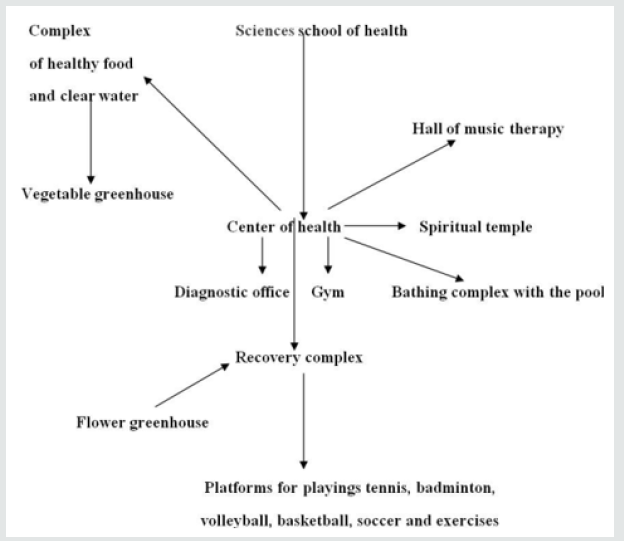
Social infrastructure of health care of formation and maintaining of health includes educational, professional, the supporting, service, educational and statutory substructures [7,8]. Social infrastructure is directed to increase in knowledge on health issues and its protection, to the formation of skills of strengthening of health, the creation of conditions for maintaining a healthy lifestyle, both certain people, and society in general. The kindergarten, school, education institutions, the centers for health, physical culture objects, health the preserving medicine have to form skills of a healthy lifestyle. The educational structure performs the function of information and propaganda dissemination of knowledge for all categories of the population about health and a healthy lifestyle. The service structure carries out a healthy delivery, the organization of the active recreation, mass morning exercises, creation bicycle and caps, dance floors, green zones used for the outdoor games etc., (Figure 1).

Figure 1.
Lupinepublishers-openaccess-Research-Reviews

Health the sustentaculum includes nurseries improving the camp for the formation of skills of a healthy lifestyle at the younger generation, the centers of health on the development of a healthy lifestyle, hygienic and endo ecological complexes. The educational structure trains the population and trains specialists in the training of the population in transition to a healthy lifestyle:

i. Experts for the centers of health and sanatorium institutions in carrying out consultations, practical training on the transition to a healthy lifestyle.

ii. Lecturers on formation health of creative outlook, to education and motivation of the population to a healthy lifestyle.

iii. Pedagogical workers for the universities and schools on formation health of creative outlook, to education to a healthy lifestyle of the younger generation.

iv. Social workers for carrying out practical training with the population on the transition to a healthy lifestyle and formation of family and cultural public tradition of a healthy lifestyle.

v. Games-masters for the training of the younger generation in control of biotic systems for the healthy functioning of an organism.

The professional structure realizes organizational measures of maintaining the health of the working population. Health influences quality of workforce, the efficiency of social activities and by that dynamics of economic development of society. During life 1/3 normal times the professional person participates in work. Therefore, it is important that under the influence of work there did not occur deterioration in health. Creation of service for restitution of healthy functioning of an organism is necessary.

It is necessary to conduct spiritual education for activization of spiritual processes of society for the achievement of healthy global wellbeing. Spiritual processes of social influence in global and defining way health of everyone. From a spiritual state to a healthy state - is much faster. The interrelation between spiritual processes of the person and his physical health fundamental. Improvement of the person happens positive mental energy which is generated by a spiritual throughway, in an ethical way of a word, good wishes, a healthy image of activity in a clean ecological environment, spiritual bonds with society and God, love to environmental visible and invisible.It is necessary to allocate mass media, pedagogics, medicine and art for the globalization of health to show in essence new path of development of humanity and, on the present, to build the infrastructure of public health care. To recover health, and to children first of all, it is possible only this way. The humanity has no other way. It is possible to receive reorganization from the people having high health creative fitness very quickly. The humanity used it the millennia. Spiritual processes of health will result in humanity in healthy global wellbeing.

Conclusion

The main objective of development of the modern health care has to become in transfer of the population to a healthy lifestyle. For this purpose it is necessary to form health the preserving infrastructure and to create conditions for healthy activity and true measures of a normalization of biotic systems of the composite substance of the person. The modern health care has to motivate the population to a healthy lifestyle. Increase in motivation at the population to natural measures of normalization of an organism and a healthy lifestyle has to be the purpose of the modern health care. Problems of the modern health care becomes have to: formation health of creative outlook of the population, lecturing and distribution of literature on naturally scientific aspects of health and a healthy lifestyle, participation of citizens in improving spiritual and sports collective actions, acquisition by citizens of all categories of the useful habits. To provide mass availability of the population to objects of physical culture: to stadiums, gymnasiums and platforms, pools. To provide a healthy delivery and access to water alone and also diagnostics of a physiological condition of citizens. To organize for the population of action for formation of family and public culture of a healthy lifestyle and to physiological, power and spiritual clarification. To provide to the population ecology of a surrounding medium, clean air, conditions of healthy labor activity.Relevant is a process of a becoming of the international scientific communities aimed at development of applied scientific research with application of digital platforms and network forms of cooperation on identification of natural measures of a normalization of biotic systems of the person, formation health of the supporting medicine and infrastructure of health care for realization of natural technology of high-quality transition of the population to healthy activity [9-16]. The technology of high-quality transition of the population to healthy activity is relevant for all humanity. It is on a global scale expedient to enable its realization within International MEGA of the project.

Read More About Lupine Publishers Journal of Research & Review Please Click on Below Link:
https://lupine-publishers-research.blogspot.com/

Saturday, 6 February 2021

Lupine Publishers | Categorical Loudness Scaling in the Fitting of Cochlear Implanted Children

 Lupine Publishers | Journal of Otolaryngology


Abstract

The correct - optimal - fitting of speech processor determines the best result of rehabilitation. The optimal setting of most comfortable level (MCL) is achieved by accurate patient’s assessment of electrical stimuli loudness. Unfortunately, small children can’t give a reliable report about their feelings. How to determine the MCLs in every channel of children implant? Objective methods don’t give the final (optimal) comfort levels of the child’s working program. Therefore, we need subjective assessments. We tried to use a method of categorical loudness scaling (CLS). This article is a guide how to teach CI children to evaluate loudness. Good results of the CLS were observed.

Keywords: Cochlear Implant; Fitting, Categorical Loudness Scaling; C – Levels; Most Comfortable Levels (MCLS); Threshold Discomfort Levels

Introduction

The correct (optimal) fitting of the processor determines the best result of rehabilitation [1]. The optimal settings of C-levels are achieved by accurate subjective patient’s assessments of the electrical stimuli loudness. Unfortunately, young children cannot give a verbal report about their feelings. How to determine the maximum comfortable levels (MCLs) in every channel of an implant in children, i.e. to find threshold discomfort levels? For example, an objective method – reflexometry (registration of stapedial reflex) – is used for fitting of children. But the program in which MCLs are equal to the reflex threshold levels is very rarely optimal one [2].

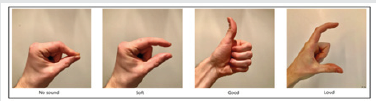
Therefore, subjective estimates of loudness are necessary. There are studies of categorical loudness scaling (CLS) in cochlear implant recipients [3] in which adult subjects participated. Results were reliable ones. What to do with children? We tried to use CLS for assessment of the loudness in cochlear implanted children. The aim of our study is how to find the equal loud C-levels in all channels and using these C-levels to create program with equal loud C-levels. Our study has a practical purpose, so we did not estimate the loudness function. We will not discuss the individual electrical levels of discomfort due to the large differences of these current values between listeners. The CLS is started when we had done reflexometry and parents selected an optimal program. We use our four pictures corresponding to categories “NO SOUND”, “SOFT”, “GOOD” and “LOUD” as a function of the electrical stimulus level (Figure 1).

Figure 1: Four categories of loudness

Lupinepublishers-openaccess-otolaryngology-journal

What reference electrical levels do we use?

Soft Levels

As we wrote earlier, at first day of fitting we approximately defined comfort levels (C-levels) which a child hears as quiet sounds [4].These stimulation levels had been recorded as C-levels in MAP3 of the first configuration. N.B. It is possible that the child did not hear a sound in some channels. Since by the time CLS starts, the child has some experience assessing the loudness of sounds, we can try to clarify these quiet C-levels. We use the first two pictures. This is a part of the CSL already. We stimulate, in our opinion, a quiet signal and “ask”. If child does not hear, we show picture “NO SOUND”. If child hears we show picture “SOFT”. Further, we reduce C-level below the threshold of hearing (2 presses on “Pg down”) and stimulate. We show squeezed fingers – “NO SOUND”. We repeat stimulation on different electrical levels involving the child in this game-study.

Loud Levels

By the time the CLS will be performed at relatively loud С-levels, we had done a reflexometry. How it is performed was described in our article [5]. N.B. In the case of absence of intraoperative ipsilateral reflex, it is impossible to exclude the presence of the contralateral reflex. We created a reflex-program with C-levels equal to the threshold levels of the reflex and recorded it as MAP2 of new configuration. It is known that different children can hear the different intensity of the sounds (from not too loud to loud) at the program where C-levels are equal to reflex threshold levels (our MAP 2). From this reflex-program we had created 3 programs and write them into the configuration. The first MAP is 3 steps lower, and 3-rd and 4-th maps are 3 and 6 steps louder correspondingly. In accordance with our instruction-explanation (“Program is optimal one if your child sometimes hears loud sounds” [6] speech therapists and parents selected optimal (working) program. It should be noted that almost all patients successfully use programs with C-levels above the reflex threshold levels by 3-6 steps (MAP3 and MAP4) [7] and even more. This is normal physiological phenomenon.

When we fit the patient without intraoperative reflex we work in accordance with the standard algorithm of fitting [8]. We gradually increase (in parallel) C-levels at all the electrodes until the parents and we’ll see that some program is loud one. Below this program is a working program (the optimal). Threshold levels are set to 10 percent of C-levels. Using this working program children respond well to all sounds and do not display negative reaction when surrounding sounds are the loud ones. Children can use a louder program in a quiet environment, but a child does not like it in a loud environment (according to parents’ comment). For the purposes of the CLS we use the test program, in which C-levels are less than levels of working program by 3 steps.

Why do we use a program less than optimal one for CLS? The child uses the optimal program in everyday life without problems, but when he will hear a sequence of long-term (300 ms) stimuli with an interval of 300 ms (SWEEP mode) on the one channel at maximal C-levels, the sensation can be unpleasant. N.B. Before CLS, it is necessary to visually assess the child’s reaction to the presentation of single and SWEEP stimuli at the C - levels of the test program - is there any negative reaction? Quite possible that child will not like the maximum C-levels of test program on some channels. C-levels in such channels must be corrected. Corrected C-levels of this test program will be used as loud sounds of the “LOUD” picture.

So. What do we have for our research?

A child hears and orients in sounds in accordance with an information of speech therapists and parents. Parents and teachers have identified a working program that the child uses without problems in all sound environments. Its C-levels are equal (very very rarely) or higher (almost all patients) than threshold levels of stapedial reflex. A child uses CI readily, in the morning the child asks to wear CI himself. A child indicates that the optimal program is the best one. (We asked parents to switch on processor at the first program –the child indicated to change the program). We know approximate loudness of some electrical levels. We know electrical levels, where the child hears quietly. We know where the child hears loudly - at C-levels of the test program. We know where the child hears well- in the area of the third quarter of the dynamic range of the audible current. The child has some experience of distinction between “SOFT” levels and “NO SOUND”. We can start the Categorical Loudness Scaling.

Methodics

How Do We Perform Categorical Loudness Scaling?

We use SWEEP stimulation, i.e. we provide a sequence of identical stimuli of the same amplitude on one channel. The duration of stimuli is 300 ms, the interval between them is 300 ms. SWEEP stimulation is started by pressing down the “Enter” button. The duration of the stimulation is determined by the duration of pressing the “Enter” key and the reaction of the child. We start CLS with a channel with a central frequency in the area of 800-1000Hz. We use categories “NO SOUND”, “SOFT”, “GOOD” and “LOUD” as a function of the electrical stimulus level. At first, we show our fig. 1 to the child. Child already has some experience in categories “NO SOUND” and SOFT”. We show signs with our fingers and explain what the volumes of the sound the child will hear in his (her) head (ear). Owing to our practice, we think that our pictures are more understandable and natural signs for description of child’s own sensation than a circle, squares, cubes etc. These signs are easier to repeat by children. Children may understand meaning of these signs from the birth.

We explain to the child that now we will stimulate, and he will hear a sound in the head (ear). We show the second picture, repeat the sign with our fingers and transmit quiet SWEEP-stimuli. We “ask” the child. If child agrees that he hears a quiet sound, we invite him to show it in the picture or with his fingers. Switching off stimulation, we squeeze fingers, show the first picture, that now there is no signal. Next, we show that we are going to increase the sound. We increase C-levels to 60% of the C-level of test program. We show the “GOOD” picture, raise our thumb and send SWEEP-stimuli. “Ask”. If child agrees, we invite him to show it in the picture or with his fingers. Switching off stimulation, we are clenching fingers, show that now there is no signal. The child agrees. Changing the electrical levels up-down we show with our fingers and on the corresponding picture how loud the signal or no signal will be heard. We invite him to show by his fingers or at appropriate picture. That’s how we perform the CLS training. After some training, a child begins to navigate in their feelings and to give real answers. When we reduce the level of stimulation the child brings own fingers closer, when we increase-move apart. Or they show the corresponding picture. He should be praised. Now we can go to the loudness estimations of the stimuli from the third quarter of the dynamic current range. When a child is assessing of the sound as “GOOD” we “ask” him if it is possible to increase the level of stimulus a little. Waiting for consent or refusal. Many children agree of our offer to slightly increase the stimulation. Then we increase C-level by 1-2 steps, stimulate and look how child displays this increase. Or by fingers, or on pictures. So, we move to the maximal C-levels of our test program where child will hear loudly i.e.to the fourth picture. Closely observe a behavior of the children during the CLS and involve them in the process!

It is curious to note that if some children show estimations of loudness not with their fingers, but with the pictures, they can show their ratings between pictures. For this reason, all four pictures must be placed in one line. Some children begin to show their estimations by the distance between palms. If the child is a contact one and cooperates with the audiologist, you can propose him to increase levels in order to gently touch the threshold discomfort levels. For this purpose, it is necessary to increase a C-levels of test program. But this is the best result. Repeated CLS measurements were done using single-electrode stimuli at a few electrode positions (sometimes all). C-levels at unmeasured electrodes were interpolated. The results were recorded. At the end of the CLS, we set equal-loud C-levels at all channels and make a program. Further, we compare these C-levels with the C-levels of working program defined by parents and teachers. We create new program with C-levels close to C-levels of working program. Since the C-levels of the created program and the working one are not the same ones, we check new program vootiue (on the child’s own ear) and create one program of 3 steps lower and 2 programs by 3 and 6 steps higher. Parents choose an optimal program in accordance with our instruction-explanation [8].

During the CLS we “communicate” with the child, “ask” and “explain”. Naturally, by signs: gestures, fingers, touching, facial expression and praise. We think that such a relationship is interesting to the child - child cooperates with the audiologist, we praise him for his work, correct mistakes, rejoices for the correct answer. Children tend to participate in this “research-game” with interest. We think that children are interested in judging the volume of sounds of different intensity and frequency, that’s why they willingly participate in the CLS.

Discussion

Children work in the CLS successfully. But loudness is a subjective evaluation. Naturally, for example, the same “LOUD” ratings of different patients will be different if they are measured in the terms of SPLs. We believe that the child himself chooses some criteria for assessing the loudness of sound and relies on it for all channels. It is quite natural for each patient to have his criterion, but we hope it is the same one for each child. Somehow it is used in repeated measurements on the different electrodes. Stable repeatable estimates are confirmation of this thesis. Every child adjusted all channels in accordance with own volume criterion. It is clear that adults also have their own criteria too, based on which they assess the loudness of the stimuli. But adult participants themselves noted difficulties in assessing the loudness of singlechannel stimuli of different spectral color. During the development of the fitting program SHCHUP [9] in which the stepped noises are used, adult patients themselves said that the estimation of the loudness of the stepped noises is easier than the loudness estimation of single-channel stimuli. Of course, children have the same difficulties. So, it is clear that the results of CLS on separate channels are not the completion of the fitting of children. The results of the detection equal loud(!) C-levels are important to configure the same equal loud levels in all channels and create a program. Despite the successful mastering of CLS by children, the last step of the fitting is the SHCHUP [9] . SHCHUP is the definition of comfortable SPLs of the stepped noises. The estimation of loudness of the stepped noises is a simpler task for experienced in CLS children too. On the base of SHCHUP’s results, we create four programs in new configuration.

The last step of fitting is the parents’ evaluation of the child’s perception of these programs in different sound environments and the definition of the optimal program in accordance with our instruction-explanation (Petrov & Tsjuk, 2015). Several hundred children (I did not count) participated in procedure of CLS, and I can surely say that the categorical loudness scaling in the fitting of cochlear implant children works successfully. We are sure that CLS is interesting game-procedure for the implanted children and useful method for an audiologist in order to fit children successfully. The CLS is a good encouraging and illustrative program for parents too. For example, we increased the level of stimuli and said mother that sound will be louder now. We stimulate and she sees that her child moves his fingers wider or moves his finger on the fig. 1 to the right. We reduce the level of stimulus and tell mother that sound will be quieter now. We stimulate and she sees that her child brings fingers closer or moves a finger on the fig. 1 to the left. At zero level, child squeezes his fingers together. So CLS is interesting and encouraging procedure for parents - mother sees the coherence of our words about changing of intensity (up or down) and the child response. Mothers are glad that her child correctly assesses the volume of sounds. This article describes General guidelines for performing of CLS. The main aim of this article is to guide how to teach the CI child to assess the loudness of sounds that is very important in the fitting process. Naturally, each child needs his own approach and this CLS, of course, is not done immediately. Speech therapists can use these pictures in their job with implanted patients and hard of hearing children too. Perhaps this method of the CLS can be patented.

Read More Lupine Publishers Otolaryngology Journal Articles:
https://lupine-publishers-otolaryngology.blogspot.com/

Saturday, 30 January 2021

Lupine Publishers | An Actual Statistical Problem with Model Selection My Solution

 Lupine Publishers | Journal of Otolaryngology


Introduction

This manuscript is a follow-up of my last one in SJO where I promised to show you my solution of a client problem. This case has been transformed such, that the logic of the problem remained unchanged and the confidentiality of my client’s data is warranted, however. In the last manuscript the results of the commonly found methods of modelling were shown and discussed. Now we will show my results and a discussion of them. Mathematically speaking the mainstream models already shown could be summarized as two univariate approximations by straight lines or a two-dimensional fit of a plane, describing the dependent variable by an approximation based simultaneously by a constant and two linear terms. I was fully aware of the limitations of the very small sample size of the mainstream models and I hope to successfully use this example to convince my readers about the economic benefits of discussions with professional mathematicians/statisticians instead of users of statistical software as I have classified them.

Methods

As I was blinded to the actual meaning of the variables X1, X2 and Y my experience indicated that I should try a second order polynomial fit as this would be the simplest possible model extension as compared to the mainstream linear models. The similarity to the considerations of Occam’s razor (see Wikipedia) are also well based on my personal professional experience. My model equation used is displayed below:

Y (X1; X2) =a0 + a1. X1 + a2. X2 + a3. X12 + a4. X1. X2 + a5 .X22 + error term (equ 1)

The above equation contains prior regression analysis the coefficients a0, a1 and a2 for the linear terms and a3, a4 and a5 for second order polynomial terms which must be estimated from the data by means of linear regression based on the method of least squares. The error term must fulfil the assumption that the data points represent statistically independent observations with constant variance in the domain of data points and an approximate Gaussian distribution. The most important data requirement is a continuous and metric measurement scale of the data and based on my long- term experience in medicine and other statistical applications, if fulfilled, the basis for a highly robust behavior of the regression analyses based on least squares. Finally, enough data points must be available. This is a problem in the determination of the sample size, which, in my opinion, requires professional statistical assessment.

Result

The numerical details are shown in Table 1 below with additional information necessary in the Excel data analysis software as the input for Excel’s regression routine:

a) Note 1: X1 and X2 and Y refer to the client provided original data. The author intended to look at a standard polynomial of degree 2 and the calculated data columns indicate all second order terms necessary from Excel logic for that purpose. The contents after the provided Y in the brackets are a help to understand that Y (as provided from my client) is the dependent variable of X1 and X2 in this very model. For physicians unfamiliar with exponential floating-point formatted numbers reading of the Excel online documentation is recommended.

b) Note 2: There are three lines in Table 2. The descriptions in column one show regression in the first, residual in the second and total in the third line. The total in line 3 displays the SS of all data against the grand mean. The residual in line 2 shows the sum of squares of the differences between data and calculated Y values using the coefficients a0, a1, …, a5 and the line 1 described as regression provides us with the information of the explained variation by the calculated regression coefficients. In view of the raw Y data shown in Table 1 we observed therefore a residual variance - in the magnitude of 9,0403. 10-28 which – for practical purposes – might be judged as zero. The mathematical interpretation in everyday language is there is an interpolation problem or a perfect fit between the raw Y data and the regression equation with the calculated coefficients shown in

Table 1:

lupinepublishers-openaccess-otolaryngology-journal

Table 2: ANOVA analysis of variance table

lupinepublishers-openaccess-otolaryngology-journal

df: degrees of freedom

SS: sum of squares

MS: mean squares (represent the variances which are the squared

standard deviations).

c) Note 3: The coefficients ai refer to the equation (1). Please note that i = 0, 1, 2, …, 5 in column one and a0 is frequently assigned the name intercept. We follow the frequently engaged standard statistical practice of setting not statistically significant coefficients to zero and have the solution of our model (from equation (1)) in equation (2) below:

Y (X1; X2) = 350 + 3. X1 + 0,5. X2 - 0,05. X1. X2 (equ 2)

The inevitable rounding errors which are present in all common computers are reflected in the Excel documentation which states that about ten to twelve digits in decimal results should be reliably exact. Therefore, it seems not to be a problem that 95% confidence intervals cover zero and actual numbers of digits of the raw data in Table 3 justify this decision. We analyzed in addition the model of equation 2 and for practical purposes we concluded that there were perfectly consistent results (data on file but not shown here). You might consider this fact as a simple way to be on the safe side with our conclusions about this data set. Our verbal comment to equation (2) is that the available data set very strongly indicates that a perfect functional relationship between X1, X2 and Y exists. In view of the relatively small sample size of the evaluated data here, it is strongly recommended to collect substantially larger data sets in the next future and only if results could be reproduced within the sampling error limits then an application for the Nobel Price could be envisaged in case our data originated from medical data.

Table 3:

lupinepublishers-openaccess-otolaryngology-journal

Conclusion/Discussion

The reader should consider several aspects of our example: First, finding practical interpolation from data sets could have apart from chances for a successful Nobel price application and small sample sizes other causes, e. g. that the Y-data is already a derived data item calculated from X1 and X2 actually. The originator of the data set could be consulted, and this issue might sometimes be clarified quickly. Second, a review of the selection criteria might shed additional aspects and one of the most likely finding might be that the data were collected from young, healthy volunteering soldiers instead of a larger sample with males and females in about 1:1 relation. Many other explanations for such a result might be presented here, but I think that an experienced statistician would likely be a valuable contributor to such – admittedly very rare – events. I think under all circumstances the plan for a follow-up study could be quite a challenge for the responsible physician as well. I’d like to emphasize that from a mathematical viewpoint a real and strong and simple functional relationship (interpolation) is likely to be considered as a very strong scientific revelation, finally. Another important consideration was in the results’ section mentioned and I’d like to address it here: In case of a polynomial of degree k with a sample n=k+1 there will be always an interpolation solution, which is just due to lack of sample size and as such not informative at all. My personal experience indicates very strongly that in cases where n-k coefficients are estimated and two k is at least contained in n-k several times then degenerate interpolation could safely be excluded, however.

In my early professional work life I was once confronted to a study to assess the effect of a substance on the blood pressure and heart rate which did not contain blood pressure as a selection criterion. It seemed to everybody as highly representative for the selected patients. Based on some 150 patients the baseline data showed certain, quite considerably big percentages of hypotonic, normotonic and hypertonic patients. The evaluation of baseline to end of treatment differences showed only a very weak linear trend for the changes of systolic, diastolic blood pressure and heart rate. A second order polynomial showed a clear, statistically highly significant quadratic trend: The hypotonic patients showed increased blood pressure data, normotonic had just data varying around zero and hypertonic patients showed statistically highly significant blood pressure reductions. Sponsor’s headquarter asked me to provide the average blood pressures from the full sample and as I assume - the international medical director - decided not to pursue this substance as the pooled average across hypotensive, normotensive and hypertensive patients was medically relatively small compared to the established hypertensive drugs of this pharmaceutical giant. It is no surprise at all, that a subgroup evaluation of the three blood pressure subgroups clearly indicated that young and middle-aged patients revealed quite small shares of hypertensive patients and patients aged over 60 years had considerable shares of hypertensive patients consistent with published literature of epidemiology. Today, I still judge this as a mistake based on the omnipresent linear thinking of the very company’s headquarter. Finally, I think the examples discussed here are at least some evidence that non-linearity can be present in medical data and the consequences could cause major detrimental damages to financial operations of corporations and by withholding potentially interesting drugs from patients’ unnecessary burden of disease(s).

Read More Lupine Publishers Otolaryngology Journal Articles:
https://lupine-publishers-otolaryngology.blogspot.com/