Showing posts with label lupine publishers indexing list. Show all posts

Friday, 3 January 2020

Lupine Publishers-Dirty Linen?

Lupine Publishers | Journal of Textile and fashion Designing


Introduction


Linen used to be the most widely used textile material for apparel clothing for ages during the primordial era. Additionally, owing to its strength, durability and long lasting property, the ancient Egyptians were considered to use it even as a currency. Thus, Linen was an intrinsic and intimate component of human life and it was valued so much that cleaning of household cloths in public place probably led to the popular colloquial term of washing dirty Linen (personal matters that could be embarrassing if made public). Linen which ruled the northern hemisphere garb for thousands of years lost its importance in the last few centuries as another natural fiber "Cotton" also initially marketed as white gold gained prominence during British colonization in Asia and the advent of industrialization. Availability of vast land mass for cultivation of cotton in Indian subcontinent, claimant tropical weather conditions, cheap labor, ease of downstream processing, etc boosted popularity of cotton and it became the most popular textile substrate around the globe within a short time. Linen, which enjoyed a lion's share among the natural farm-cultivated textile substrates until the 17th century, lost its mare and reduced to hardly 1 % of total textile fiber consumption by mid 19th century. However, last few decades have witnessed revival of Linen and usage of this long and thick fiber in apparel and home furnishing segment.
Linen is best grown in cold and moist climatic conditions, the claimant weather of Western Europe is considered to produce best quality of Linen. France, Belgium, Netherlands and other neighboring countries contribute to about 80% of global Linen fiber production of about 1,500,000 MT while remaining 20 % comes mostly from Egypt, Russia and China. Though, the Linen fiber cultivation is less in China, it has the highest Linen yarn spinning capacity amounting to almost 80 % of global production. The largest consumer of Linen made textile material worldwide is considered to be the USA, followed by Europe and India. However, their consumption pattern is different. In the.com and Europe about 30% of Linen is used in clothing and 70% in home furnishing, while in India almost 70% is consumed in clothing and remaining for home furnishing. India is considered to be one of the fastest growing markets for Linen and blended textile material and bout 30,0 MT was consumed last year and is believed to be growing at CAGR of about 15% in last decade. Linen's ability to absorb sweat and keep the body cool makes it a perfect fabric for India's climate.
Further, with the growing awareness about sustainability and various aspects of a textile material in terms of its environment impact, water footprint, biodegradability, long evity, etc the focus is shifting to Linen as it is one of the most eco friendly natural fibers. Cotton and Linen are both natural fibers of cellulosic origin containing hydro glucose units but there are many differences between them in terms of physical, environmental and usage performance. Apart from the use of Linen fiber in textile application, its other parts are also used as varnish for wood preservation and theOmega-3 fatty acid extract from its seeds "Linseed oil" as a nutrient for animal health. Linen has many fold advantages over cotton and other natural fibers as it
    a) Gains strength when wet and strongest among all natural fibers
    b) Provides natural drape due to crispy appearance
    c) Retains shape, does not shrink or stretch owing to nonelastic behavior
    d) Becomes soft and supple after washing
    e) Requires less quantity | thread count due to longer length and high fiber thickness
    f) Appears pleasant due to inherent luster and texture
    g) Wrinkles easily but become smoother through handling and use
    h) Absorbs up to 20% moisture before it begins to feel damp
    i) Enhances wicking property owing to hollow fiber interior
    j) Prevents bacterial growth making it ideal for towels, bed spreads, upholstery, curtains
    k) Retains heat and cold from human body due to insulating property
    l) Keeps cool in the summer and traps warmth in winter
    m) Resists static electricity and avoids danger of static shock during wear
    n) Alleviates arthritis and dermatitis due to hypo-allergenic power
    o) Induces better sleep due to anti-stress property
    p) Enhances usage comfort due to air permeability and breathability
    q) Needs less water, fertilizers and insecticides during farm cultivation
    r) Resists dirt and stains hence easy to wash and clean
    s) Retains physical appearance due to non-pilling tendency and no lint formation
    t) Enhances aesthetic appeal due to presence of slubs or small knots in the yarn
    u) Resists harmful electromagnetic radiation from sunlight
Gleaning from the research articles and review material on Linen, given below is concise information on flax farming, fiber extraction, yarn preparation, mechanical operation, machinery involved, wet processing methods and the end user applications. Cultivation. Linen fiber is extracted from flax plant (Latin name linum). Plant grows about 1 meter within 100 days from sowing to harvesting. A variety of seeds are used for plant breeding based on fiber content, weather tolerance, crop protection and weed control behaviour.
Traditional harvesting is usually done by plucking off the flax plants, tying them in bundles and allowing them to rot in the field to achieve decomposing of stalk and easy separation of fiber. This process is called retting it helps remove gummy substances from the bast fibers. Retting can also be done by other methods like:
    a) Pond retting-leaving the flax plant stalks in tanks of water, it takes about 2-4 weeks
    b) Stream retting-plants are immersed in slow moving streams the quality of the fiber separation is better than pond retting
    c) Chemical retting-involves immersion of the dried plants in a tank in acidic or alkaline solution. Though this process is comparatively economical and time saving it tends to affect color and strength of fiber if not controlled adequately.
    d) Enzymatic retting-fastest and costliest process makes use of pectinolytic enzymes for loosening fibers within few hours
    e) Dew retting-widely used, highly stainable but slow process, the stalks are left in the field for about 6 weeks, considered to provide best result. After retting, to remove the woody matter, the stalks "scotched" to remove woody matter by crushing them between two metal rollers. Then they are heckled and combed to separate out short fibers. The short fibers are collected for making coarser sturdy goods for upholstery usage while the remaining long and fine fibers are used for making apparel clothing. The fibers vary in length from about 25 to 150mm and 12-16 micrometers in diameter. The long fibers are then processed using a 'wet spinning' technique, while the short fibers are spun using a 'dry spinning' technique.
The long Linen fibers are put through machines called spreaders, which combine fibers of the same length and laying them parallel for creating a sliver. Then it is passed through a set of rollers to make a roving. The roving's are drawn out into thread and ultimately wound on bobbins or spools. The yarn is knitted or woven into fabric as 100 % Linen or in blends with other substrates as per the end use requirement.

Chemical composition

The stem of flax is made up of 5 layers-epidermis, cortex, bast, cambium and woody tissues. The outer layer is covered with thin layer of wax during plant growth. The cortex contains pectin and natural coloring components which impart hues varying from of grey to light brown. Linen fiber contains only about 70 % cellulose while remaining is hemi cellulose, lignin, wax and woody matter sprit. Hence, the conventional alkaline scouring and oxidative bleaching results in about 25-30% weight loss and adversely affects strength of the yarn.

Wet processing

The Linen fiber is processed in many of its forms like Rove yarn, packaged bobbins, knitted material or woven fabric depending on the substrate, machinery available and the subsequent processing steps. The pre-treatment is carried out depending on the requirement of whiteness for full white or for bright light | pastel shades, semi bleach (3/4 white) or partial bleach (1/2 white) by a multi-step scour bleach process.
Demineralization is carried out first to get rid of heavy metal ion contamination from the fiber and to help achieve improved whiteness and minimum yarn strength damage. Oxidative bleach with Sodium Chlorite is considered to give best results, however, due to eco concerns non-chlorine bleach like hydrogen peroxide or per acetic acid is preferred. Further, it is considered that a final treatment with reductive bleaching agent helps improve whiteness. In practice it is desired to minimize and control weight loss during pretreatment process to about 10-12% from cost economy as well as yarn strength retention point. Given below is a guideline pretreatment process based on widely used industrial practice
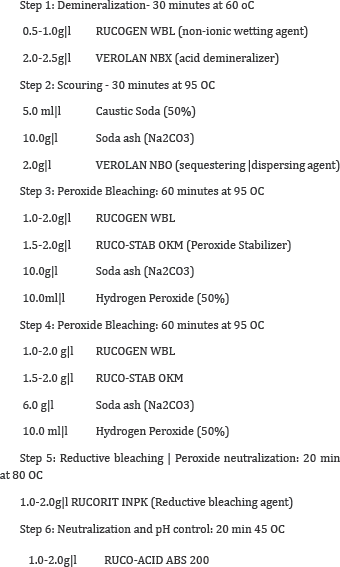
Lupinepublishers-openaccess-journals-Textile-Fashiondesigning

Dyeing being a cellulosic fiber Linen can be dyed with a range of dyestuffs like Direct, Reactive, Sulphur and Vat. Considering the brilliancy of shade and fastness properties, Reactive and Vat dyes are most preferred. Depending on the substrate form and the machinery in use, Linen can be dyed by exhaust, semi continuous (Cold Pad Batch) and continuous (Pad-dry-Pad-steam, Pad-Dry- Cure) methods.
Considering the basic requirement of dye diffusion and uniform level dyeing, the high exhaust, high energy specialty bis-monochlorotriazine based Reactive dyes like TULACTIV XLE are most popular for exhaust application while TULACTIV C dyes for CPB and PDPS application. Linen is known for its long lasting durability, therefore for high end apparel clothing end use application it is desired that the color should also last till the fiber lasts. In this aspect Vat dyes owing to their excellent light, wash fastness properties are highly recommended. NOVATIC MD a micro disperse variety is widely used for both exhaust as well as continuous application and TULACON C a liquid variety is preferred for dyeing of light pastel shades in one step Pad-Dry-Cure process.


Summary

Based on various ecological and superior performance criteria, Linens regaining its lost position. It is used in apparel as well as various home furnishing items like bed spreads, towels, curtains, table cloth, etc, the fashion savvy young generation has realized benefits of Linen in terms of its wearing comfort in any kind of weather, varying climatic conditions, durability, sustainability as Linen is one of the most biodegradable and stylish fabrics in fashion history.


For more Lupine Publishers Open Access Journals Please visit our website:
For more Open Access Journal of Textile and Fashion designing articles Please Click Here:
https://lupinepublishers.com/fashion-technology-textile-engineering/fulltext/dirty-linen.ID.000124.php

To Know More About Open Access Publishers Please Click on Lupine Publishers


Follow on Twitter   :  https://twitter.com/lupine_online

Friday, 13 December 2019

Lupine Publishers | Seismic Strengthening of Masonry Buildings Using Carbon Fiber-Reinforced Polymers

Lupine Publishers | Trends in Civil Engineering and its Architecture


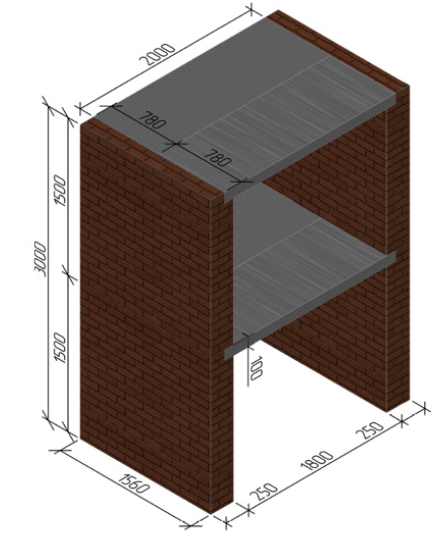
The experimental study on evaluation of seismic resistance of the large-scale model of a two-story fragment of brick building from ceramic bricks on cement mortar was conducted. The dynamic testing of the prototype was carried out on the two-component vibrio plat form, where seismic impacts with the intensity of 7 to 9 according to MSK-64 scale were modelled. During the tests the constant load on floors – 4,5kH/m2 was simulated using dynamic forces to the prototype were simulated. Different options for strengthening of load-bearing brick walls concrete blocks. The dimensions of the two-storey fragment are 2,3x × 1,56 × 3,0m. Using scrims from carbon fibre the slabs at each floor were combined into a single hard disk. During the tests, the horizontal and vertical with composite fabrics, scrims and nets, were considered. Upon the nature of the hysteresis curves the zones of elastic performance of masonry walls at the moment of cracks and destruction were determined. The optimal schemes of brick walls’ strengthening were proposed with the use of ribbons, scrims and nets from carbon cloth. The possibility to increase the stiffness of the slabs disk with composite materials was shown.
Keywords: Large-scale model of building; Brick masonry; Vibration platform; Hysteresis curve; Composite carbon ribbon and net

Introduction


The analysis of earthquakes, performed both in Russia and abroad, allowed us to state that seismic loads belong to the “category of such dynamic effects, exact prediction of the magnitude and nature of which is impossible beforehand” [1]. However, the individual parameters of the effects (the duration of the oscillations (from 10 to 40 s), the number of amplitudes in the record (100- 200), the magnitude of the vertical acceleration - 60-70% of the horizontal acceleration [2] obtained from instrumental records allowed to develop algorithm and methods for experimental studies of seismic resistance of structures made from various materials and thereby to reproduce the real conditions of their loading and propose constructive measures that exclude their collapse and loss of life. However, as noted in [1], “the situation is greatly complicated by the absence of a unified theory of the strength of materials ... under dynamic influences. It is impossible to establish exhaustively reliable methodologies of experimental research” without a well-established criterion for the causes of the materials’ strength breakdown. The result of the absence of this is the need for a large amount of experimental research to solve the strength problem, taking into account the nature of the dynamic effects on the structure and the actual conditions of their loading. This was noted in the early 80-ies of the XX century. Unfortunately, these issues have not been resolved to date with respect to both reinforced concrete and stone structures. Currently in Russia [3,4] criteria strength and plasticity are being developed, which take into account the various mechanisms of destruction brickwork with static action load. Abroad based on the analysis of the results of large volume of research masonry [4,5] developed refined criteria masonry proposed previously [6-9]. In this regard, as noted above, as well as taking into account that for earthquakes brick building get the highest damages in comparison with other systems buildings of reinforced concrete and steel, the only measure the reliability of masonry building with the action of dynamic load is an experiment in the large-scale models using seismic platforms.
Solution to improve the seismic brick walls and eliminate the damage masonry obtained during the impact of seismic forces at earthquakes, is associated with both buildup masonry (to increase the amount of clutching brick with liquid solution) and using different methods to gain more durable materials (plastering nets, metal clips, reinforced concrete frame, etc.). However, the use of these design decisions on strengthening leads to an increase in the mass of structures and, as a consequence of this, the level of seismic load on the construction. Now to enhance the stone structures in the worldwide application find composite materials based on glass- bazalto- and carbon fibers. Effectiveness of the use of these materials to enhance the stone structures is related to the fact that in significantly less weight of their strength and deformation characteristics (breaking strength, elastic modulus and relative elongation at break) either close or not essential different from similar characteristics of the model materials (metal, concrete, solution) used in the strengthening of structures. In addition, composite materials immune to aggressive external factors and their use is possible to enhance the structures almost of any form of the cross-section.

The purpose of work

Evaluation of the influence of various schemes gain carrying brick walls buildings with the use of composite materials on the strength and deformation ability of these buildings in the action of dynamic load modeling the seismic impact of the intensity of 7-9 points on the scale MSK-64.

Prototypes

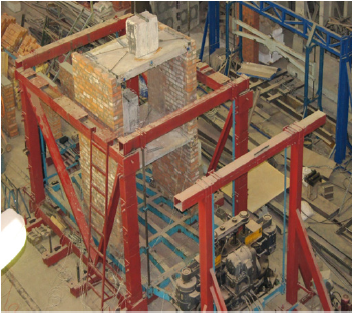
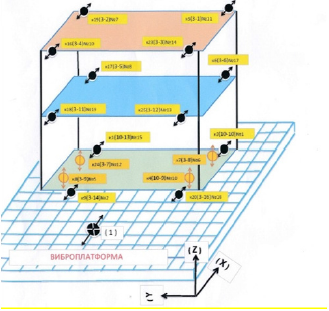
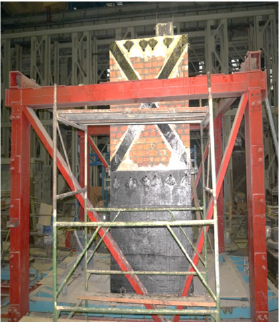
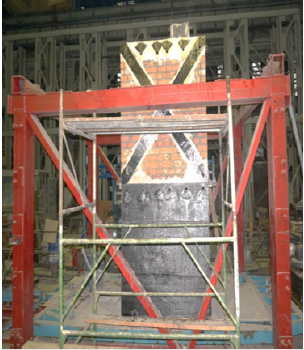
For research was mounted 2-storey fragment of the building (Figure 1). Masonry walls fragment was made of ceramic brick brand M250 on the cement solution brand M150. According to the results tests at the normal adhesion masonry corresponded to I category according to the Norms of СП 14.13330.2014 with Rt ≥0,18MPa (Rt - the value of normal adhesion of bricks with cement mortar). To gain masonry walls were used carbon tape and carbon mesh impregnated styrene-butadien composition, as well as carbon bidirectional and multi axcial fabrics, carbon anchor bundles. Overlap 1st and 2nd floor was made of teams concrete slabs thickness of 100mm in the class of concrete compressive B20. In order to ensure collaboration plates and improve the stiffness disk ceiling in his plane plates were combined with cross ties of carbon tapes. As a load on the plate overlap 1st and 2nd floor was mounted loads mass 300kg. Figure 2 shows a general view of experimental sample set on the vibro platform. Taking into account own weight plates distributed load on the overlap in the level of each floor was 4.5kH/m2. To measure the dynamic parameters impact on the structure and directly dynamic characteristics of the fragment was used instrumentation, installed on the structures and vibro platform (Figure 3).
Figure 1: Measuring stand of Hung Ta Instrument Co. Ltd to test the bending and compression strength.
Lupinepublishers-openaccess-journals-Civil-engineering-Architechture
Figure 2: Tooling to measure bending strength.
Lupinepublishers-openaccess-journals-Civil-engineering-Architechture
Figure 3: Digital indicator for measurement of bending Limit Company (marked in the border).
Lupinepublishers-openaccess-journals-Civil-engineering-Architechture

The test program

Dynamic test of the 2-storey fragment was carried out on a two-component vibrio platform pendulum type. Vibro platform activation was carried out by the vibrio machine type ВИД-12М. Dynamic test included the following steps.
I. Dynamic test on the vibrio platform of not reinforced 2-storey fragment of the building.
II. Dynamic test of the reinforced experimental sample of 2-storey fragment of the building, received damage after the completion of the first stage of the test, using unidirectional carbon tapes, carbon anchor harness and carbon bidirectional (multi axical) fabrics.
III. Dynamic test of the reinforced experimental model with replacement bidirectional carbon fiber for carbon mesh.

The test results and their analysis

The main task of processing records, besides getting maximum value of acceleration fluctuations in the points of registration on the structures fragment and vibrio platform (1-3 levels), was to establish the correlation between the maximum values fluctuations of the design fragment in the above levels and oscillation frequency of the vibrio platform, and to construct graphs of the corresponded amplitude-frequency characteristics (frequency response). In addition, in the process of the results analysis for several modes’ tests were obtained dependences according to the relative offset overlaps the first floor fragment from the inertial impact of the levels of 2 and 3 expressed in the form of parametric graphs. For getting parameter values of fluctuations in the frequency bands were used software filters of Butterworth the 6th order. In the course of treatment records values of the boundary frequencies (lower and upper) of these filters were taken less than 0.2Hz and, accordingly, the more than 0.2Hz than the main frequency of the vibro platform in the relevant mode test. In the course of treatment records to determine the nature of oscillations points on the structures fragment of the building was carried out as a spectral as well as visual analysis of these records. For waveforms horizontal fluctuations in the levels 1-3 in the Central axis track record obtained by four extremes in terms of fragment points in which were sensors, numerically were summarized to get average. In addition to improve the accuracy of processing results, this procedure allows you to divide the horizontal and torsional in terms of fragment fluctuation in its levels [10-13].
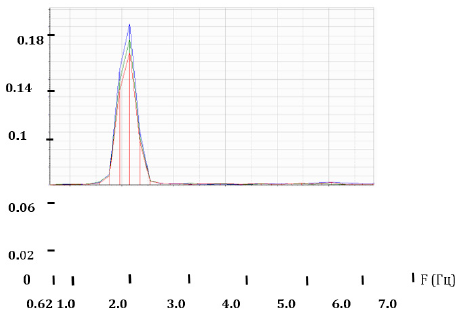
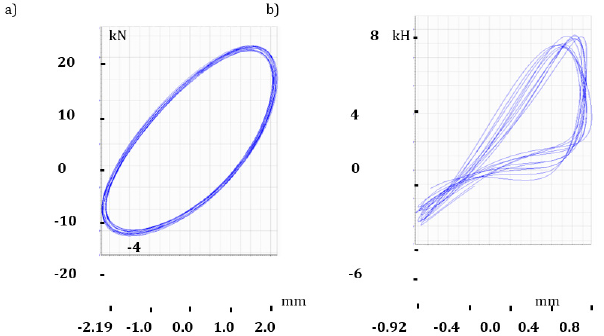
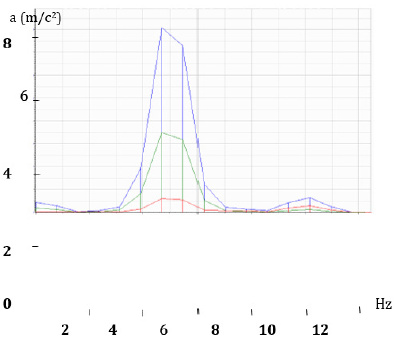
Analysis of the results of the first stage of the test: The results of processing records acceleration of oscillations points on the structures of the building fragment when tested in the specified above the frequency range are presented in the form of graphs (Figure 4). These graphs show the range of acceleration fluctuations in the level 3 (Blue), the level 2 (Green) and in the level 1 (Red) during the test of the fragment in loading regime № 1. In the process of tests at the horizontal acceleration platform 0,782m/ s2 and frequency of 3,8Hz (mode loading № 7), which corresponds to seismic effects of 7 points on the scale MSK-64, there have been cracks in one of the brick walls. Before the appearance of cracks design was represented by a monolithic system, and the schedule of the curves had a view shown in Figure 5a. With further increase in the load, there has been a destruction of compressed support area masonry of one of the walls and appearance of horizontal cracks on the seam (stretching masonry). At the time of the crack appearance hysteresis curve had a type of shown in Figure 5b, i.e., to further increase in dynamic load would lead to complete destruction of the system.
Figure 4: Tooling for measuring compressive strength.
Lupinepublishers-openaccess-journals-Civil-engineering-Architechture
Figure 5: Measuring stand of Hung Ta Instrument Co. Ltd to test the bending and compression strength.
Lupinepublishers-openaccess-journals-Civil-engineering-Architechture
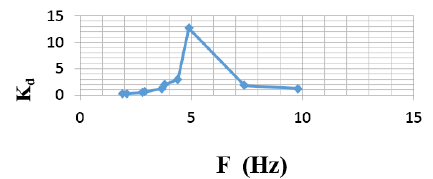
The graph of the Figure 6 shows the dependence of the coefficient of dynamic for relative fluctuations in the upper floors fragment on platform oscillation frequency. The values of the coefficient on the frequencies of 7,4 and 9,8 Hz have been obtained as a result of the spectral analysis of earlier indicated oscillations.
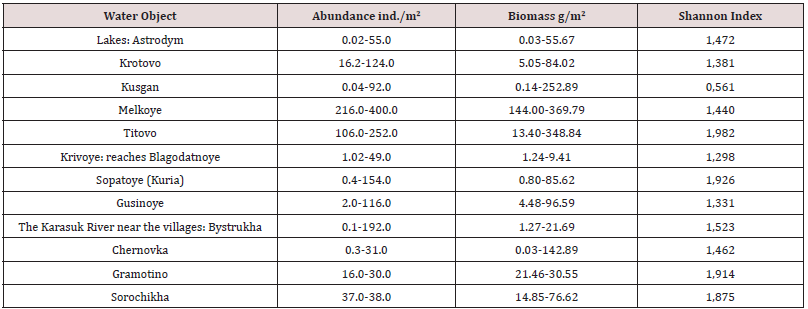
Figure 6: Tooling to measure bending strength.
Lupinepublishers-openaccess-journals-Civil-engineering-Architechture
Prior to the second stage of tests the following work on the strengthening of structures has been done:
a) Masonry was restored and reinforced with concreting to provide a joint work of masonry support area with the basis.
b) Strengthening of masonry walls was provided in the level 1st and 2nd floor with the use of bi-directional carbon fabric (in the level of the 1st floor) and carbon tapes width 300mm (in the level after installation of external reinforcement in the level of overlapping 1st and 2nd floor anchor bundles were installed to provide Mounting of the external reinforcement elements into masonry of the walls.
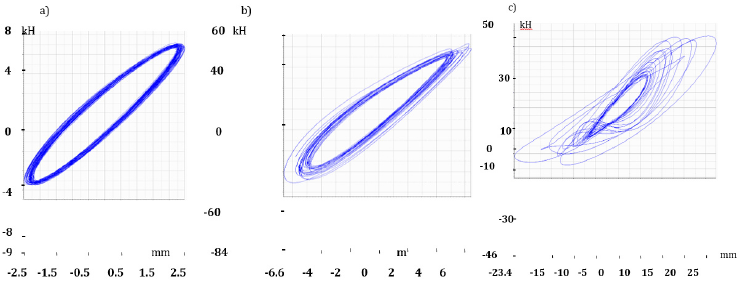
Analysis of data obtained on the second stage of the test: When the levels of dynamic loading are small, and the construction works in the elastic stage hysteresis curves at different levels of loading do not have shift on the horizontal and vertical axis (Figure 8a). At the moment, close to the emergence of cracks in the structures, hysteresis curves take the form shown in Figure 8b. At the time of the destruction of moving in different points of the sample are different: the construction starts working not as a monolithic system, but as a system consisting of the individual sites (the construction “is in the spacing”), and hysteresis curve becomes as shown in Figure 8c. The horizontal acceleration platform 1,9m/ s2 and frequency of 5,0Hz began the process of horizontal cracks appearing in interface walls of the 1st and 2nd floors in the level of overlap 1st floor. The future changes in the load horizontal crack spread all over the length of the Wall. At the same time vertical deformation of masonry in the zone contact the walls of 1st and 2nd floor changed from negative values (compression) on one edge of the Wall to positive values (stretching) - by other side of its edge. As analysis showed the nature of cracks formation in the masonry walls of 2-storey fragment, the lack of relations between the elements of strengthening of the 1st and 2nd floor (there was no interlace of tapes and fabric) led to the appearance of the horizontal cracks in contact the walls of 1st and 2nd floor. On the third stage of the test fabric of carbon fibers in the level of the first floor was replaced on carbon grid with additional installation of vertical tapes width 300mm (Figure 9), which are located continuously along the height of the fragment.
Figure 7: Digital indicator for measurement of bending Limit Company (marked in the border).
Lupinepublishers-openaccess-journals-Civil-engineering-Architechture
Figure 8: Tooling for measuring compressive strength.
Lupinepublishers-openaccess-journals-Civil-engineering-Architechture
Figure 9: Tooling to measure bending strength.
Lupinepublishers-openaccess-journals-Civil-engineering-Architechture
Analysis of data obtained on the third stage of the test, allows you to note the following
From the analysis of the Spectra of horizontal and vertical oscillations, it follows that for the construction fragment, having no damage caused by vibration test:
a) The frequency of their own horizontal fluctuations in the construction fragment on the first form, taking into account the elastic compliance base fragment is set 7,4Hz;
b) The frequency of their own vertical fluctuations in the construction fragment, taking into account the elastic compliance base fragment is set 6Hz.
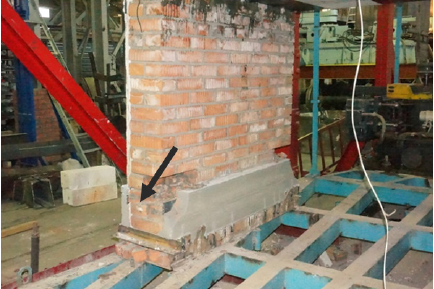
In Figure 10 shows the Spectra of acceleration fluctuations in the level 3 (Blue), the level of 2 (Green) and in the level 1 (Red) during the test fragment in the mode of loading number 8. During the process of test 28 modes of dynamic loading system with changes in the frequency spectrum of 1,3 to 4,7Hz was performed. The amplitude of oscillations platform changed in the range from 0.8 to 21мм. Vibration amplitude of the top of the experimental sample was changed in the range from 2,0 to 34,7мм. Acceleration maximum value of the vibro platform was 6,5m/s2 that was more than one and a half times of the standard value of acceleration for the site with range 9. at the same time acceleration at the top point of 2-storey fragment (plate overlap over the 2nd floor) at the moment, close to the destruction of masonry, changed from 6,5m/ s2 (23rd mode loading) to 13,6m/s2 (the time of the destruction of masonry - 28th loading mode). During the 23rd loading mode there was the beginning of the destruction of boundary-value sites of masonry near the support zone (Figure 11). At the moment, close to the destruction, there was a crushing brick in the corner areas of the walls in the level of supporting on vibro platform, that. ie. in areas with maximum stress compression of masonry. At the same time because of the cyclic changes of the load sign the process of destruction included masonry bundle followed by its crumpling. As seen on Figure 11, the presence of external reinforcement from the outer side of the walls of the as seen on Figure 11, the presence of external reinforcement from the outer side of the walls of the building fragment excluded masonry uniform compression on the thickness of the Wall. In this case the maximum voltage compression took place inside the corner zone of the walls.
Figure 10: Digital indicator for measurement of bending Limit Company (marked in the border).
Lupinepublishers-openaccess-journals-Civil-engineering-Architechture
Figure 11: Tooling for measuring compressive strength.
Lupinepublishers-openaccess-journals-Civil-engineering-Architechture

Conclusion


a) The use of the external reinforcement on the basis of composite materials to enhance the Stone constructions built in seismic dangerous regions, allows you to significantly reduce the mass of structures in comparison with widely applicable currently methods based on the use of the model of metal and reinforced concrete structures, and thus reduce the level of seismic load on the construction.
b) Application as an external reinforcement of carbon tapes, fabrics, Nets and anchor harness to enhance the Stone costructions can significantly improve Seismic resistance of constructions.
c) During the 3d test stage of 2-storey building fragment the used scheme of masonry strengthening showed its high efficiency.
d) In the design of buildings brick walls strengthening with the use of composite materials on the basis of carbon fiber it is recommended to set the elements of strengthening from both inner and outer sides of the walls that will allow more evenly distribute the internal efforts caused by dynamic load as on the length of the Wall, and on the thickness of masonry.
e) As a result of tests composite materials in the form of carbon tapes, carbon grid impregnated styrene-butadiene composition, of carbon anchor harness are recommended as the elements of the external reinforcement Stone structures in order to improve their carrier ability and seismic resistance. These materials can be used in the regions with seismic range 7-9 points on the scale MSK-64.


https://lupinepublishers.com/civil-engineering-journal/pdf/TCEIA.MS.ID.000167.pdf


For more Lupine Publishers Open Access Journals Please visit our website:
For more Trends in Civil Engineering and its Architecture articles Please Click Here:

To Know More About Open Access Publishers Please Click on Lupine Publishers

Wednesday, 31 July 2019

Study the Corrosion and Corrosion Protection of Brass Sculpture by Atmospheric Pollutants in Winter Season | Lupine Publishers

Material science journal | Lupine Publishers


Abstract

Brass is an important metalloid which is used in construction of sculptures. It is noticed that sculpture of brass is corroding due to interaction of pollutants. The pollutants develop chemical and electrochemical reaction on the surface of base material. Their concentrations of corrosive pollutants are increased in winter season. The air quality becomes very poor in winter season. Inside sculpture different forms of corrosion are observed like galvanic, pitting, stress, crevice etc. The major components of pollutants are oxides of carbon, oxides of nitrogen, oxides of sulphur, ammonia, ozone and particulates. Among these pollutants oxides of sulphur and ammonia are major corroder of brass. Ammonia is observed moist air to form ammonium hydroxide. It produces chemical reaction with brass metal and form complex compounds like [Zn(NH4)4](OH)2, [Zn(NH4)4]SO4, [Zn(NH4)]CO3, [Cu(NH4)4](OH)2, [Cu(NH4)4]SO4, [Cu(NH4)]CO3 etc. Oxides of sulphur react with moist air to exhibit sulphurous and sulphuric acids. They interact with brass to develop corrosion cell zinc metal and it is oxidized into Zn2+ ions and these ions are active to humidity and carbon dioxide to yield Zn(OH)2.ZnCO3.2H2O. Copper is converted into Cu2+ and it reacts with moist air and carbon dioxide to produce Cu(OH)2.Cu(CO3)2 and these complex compound detached on the surface of brass metal by rain water. These pollutants change their physical, chemical and mechanical properties and they also tarnish their facial appearance. Brass’ sculpture is affected by uniform corrosion. This type of corrosion can be control by nanocoating and electrospray techniques. For this work (6Z)-5,8-dihydrazono- 5,8-dibenzo[a,c][8]annulene and TiO2 are used as nanocoating and electrospray materials. The corrosion rate of material was determined by gravimetric and potentiostat technique. The nanocoating and electrospray compounds are formed a composite layer on surface of base metal. The formation of composite layer is analyzed by thermal parameters like activation energy, heat of adsorption, free energy, enthalpy and entropy. These thermal parameters were calculated by Arrhenius, Langmuir isotherm and transition state equations. Thermal parameters results are depicted that both materials are adhered with sculpture through chemical bonding. The surface coverage area and coating efficiency indicates that nanocoating and electrospray are produced a protective barrier in ammonia and sulphur dioxide atmosphere.
Keywords:Brass sculpture; Corrosion; Atmospheric pollutants; Nanocoating; Electrospray; Sulphur dioxide; Composite barrier

Introduction

The sculpture of brass comes in contact of contaminated air thus its deterioration starts for protection various types methods can be applied [1]. Brass [2] has major components is copper and zinc. Zn reacts the hot air to produce ZnO which is active in humidity [3] to convert into Zn(OH)2. In moist air [4], they form CuO, ZnO, Cu(OH)2 and Zn(OH)2. Both metals are active with sulphur to yield Cu2S, CuS and ZnS and these metallic sulphides [5] react with moist air to give Cu(OH)2, Zn(OH)2, CuSO4 and ZnSO4. The hydroxides of these metals interact with CO2 to produce CuCO3 and ZnCO3. Sulphur dioxide [6] is a culprit of brass. It undergoes with Cu(OH)2 and Zn(OH)2 to convert into CuSO4 and ZnSO4. Moist SO2 yields H2SO3 and H2SO4 whereas they create acidic environment [7] for brass and generate corrosion cell on their surface. It accelerates disintegration [8] in metal components of sculpture of brass. Brass is highly sensitive to ambient of ammonia gas [9]. It interacts with humid atmosphere [10] to NH4OH and it deposits on the surface brass metal [11] thus it converts into a complex layer of [Cu(NH3)4] (OH)2 and [Zn(NH3)4](OH)2 that layer erosion starts in rain water. [Cu(NH3)4](OH)2 and [Zn(NH3)4](OH)2 complex compounds [12] come in contact of H2SO4 environment to produce [Cu(NH3)4]SO4 and [Zn(NH3)4]SO4 that complex layer is eroded in rain water. In acidic medium brass outer face has developed CuSO4 and ZnSO4 when dust particulates [13] are deposited on their surface which contains Fe to remove Cu and Zn from outer surface. Dust particulates are possessed oxides of alkali metal in presence of moisture, it produces NaOH or KOH [14] that is create hostile environment for Zn and it forms complex compound [15] Na2[Zn(OH)4]or Na[Zn(OH)3.H2O] or Na[Zn(OH)3.(H2O)3]. The oxides of NO2 reacts with moist air to give HNO3 that acid produces chemical reaction with Cu and it converted into Cu(NO3)2. Some organic acids [16] available in air like acetic acid which develop corrosive environment for Cu and Zn which converts Cu into Cu2(CH3COO)4.H2O and Zn into (CH3COO)6. Zn4O complex compounds [17]. They are eroded by rain water on the surface of brass. Organic compounds [18] like amnio and sulpur increased day by day in atmosphere. They develop hostile environment for brass and corroding it. Corrosive pollutants [19] concentrations like oxides of carbon, oxides of nitrogen, oxides of sulphur, hydride of sulphur and nitrogen, ozone and particulates are enhanced due to industrials wastes, effluents, flues and other factors are like burning of coals, woods and cow dung cakes. Harmful pollutants [20] come into atmosphere through agricultural wastes, human wastes, pharmaceutical wastes, household wastes, food wastes and decomposition of living things. Various types of transports like road, water and air are evolving CO, NO2 and SO2 gases which produce acidic environments for brass. Several types of techniques are used to control the corrosion of brass like metallic coating; polymeric coating, paint coating, organic and inorganic coating of materials but these didn’t give satisfactory results in corrosive medium. Some organic and inorganic inhibitors are applied to protect the corrosion of materials in acidic but they provide good results. Hot dipping, electroplating and galvanization techniques is used as protective tools for brass corrosion in acidic medium but these methods don’t shave base metals. In this work it is to mitigate corrosion of brass corrosion by nanocoating and filler techniques. These materials form composite barrier on the surface base metal and blocked porosities and stop diffusion or osmosis process of pollutants.

Experimental

Brass coupons 15sqcm were taken for experimental analysis. Samples surface were rubbed with emery paper, rinsed with acetone, dry them and kept into desiccators. Sample kept 20meter height of roof in open sky and it observed that colour of brass can be changed. Corrosion rate was determined in winter season by weight loss method. The concentration of SO2 in November 75ppm, December 90ppm, January 105ppm and February 120ppm and temperatures recorded in this period were 298K, 294K, 291K and 295K. Synthesis organic compound (6Z)-5,8-dihydrazono- 5,8-dibenzo[a,c][8]annulene used as nanocoating and TiO2 as filler and corrosion of brass metal calculated in above mentioned concentrations and temperatures in winter season. Both compounds formed a composite barrier on surface of base metal (Figures 1-4). Surface adsorption phenomenon studied by thermal parameters like activation energy, heat of adsorption, free energy, enthalpy and entropy.Potentiostat/Galvanostat model EG&G used for corrosion potential, corrosion current and corrosion current density. Brass sample put between H2|Pt electrode as auxiliary electrode and Hg2Cl2|HgCl2 electrode reference electrode.
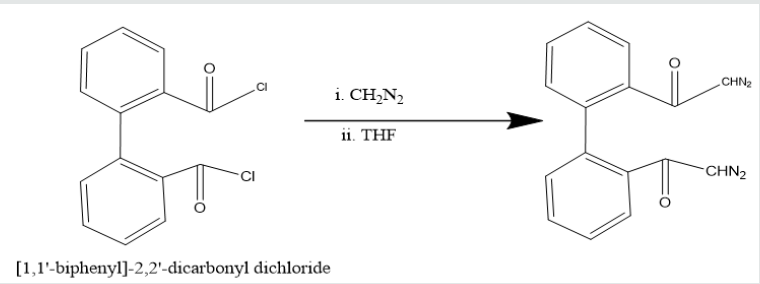
Figure 1: .
Lupinepublishers-openaccess-material-science-journal
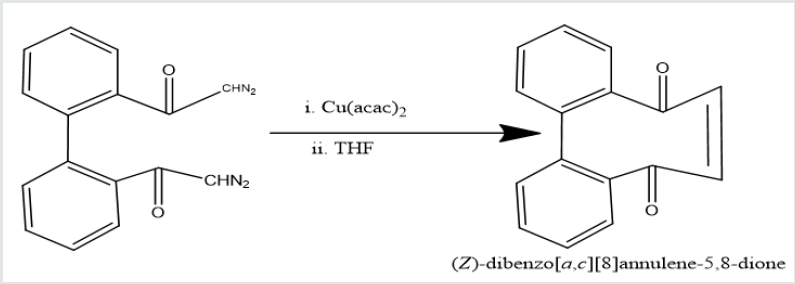
Figure 2:
Lupinepublishers-openaccess-material-science-journal
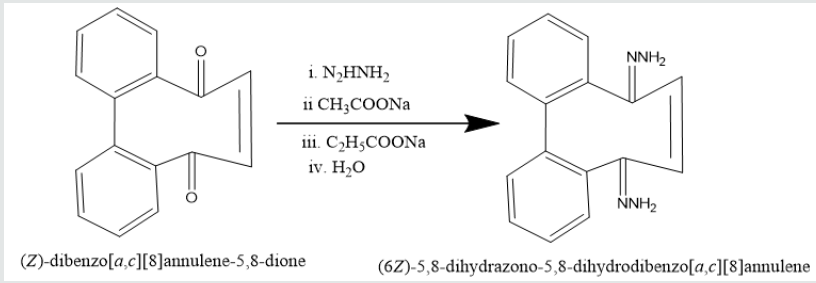
Figure 3:
Lupinepublishers-openaccess-material-science-journal
Figure 4:
Lupinepublishers-openaccess-material-science-journal

Synthesis of (6Z)-5,8-dihydrazono-5,8-dibenzo[a,c][8] annulene

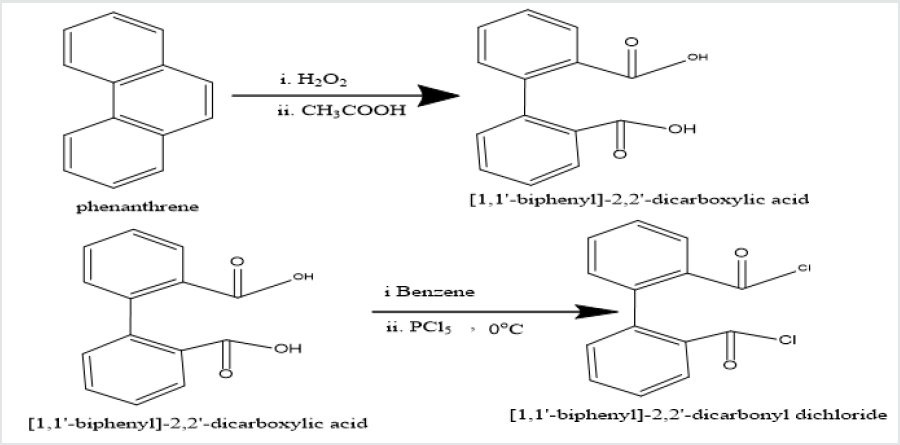
Phenatharene was oxidized into [1,1’-biphenyl]-2,2’- dicarboxylic acid by the use of H2O2 in presence of CH3COOH. When [1,1’-biphenyl]-2,2’-dicarboxylic acid was treated in PCl5 in benzene solution at 0 oC temperature, [1,1’-biphenyi]-2,2’-dicarbonyl chloride was obtained. It reacted with diazomethane to produce yield [1,1’-biphenyl]-2,2’-dicarboxodiazomethan which heated Cu(acac)2 in presence THF to yield (Z)-dibenzo[a,c][8]annulene- 5,8-dione. It was used with hydrazine hydrate in ethyl alcohol to give (6Z)-5,8-dihydrazone-5,8-dihydrodibenzo[a,c][8]annulene.

Results and Discussion

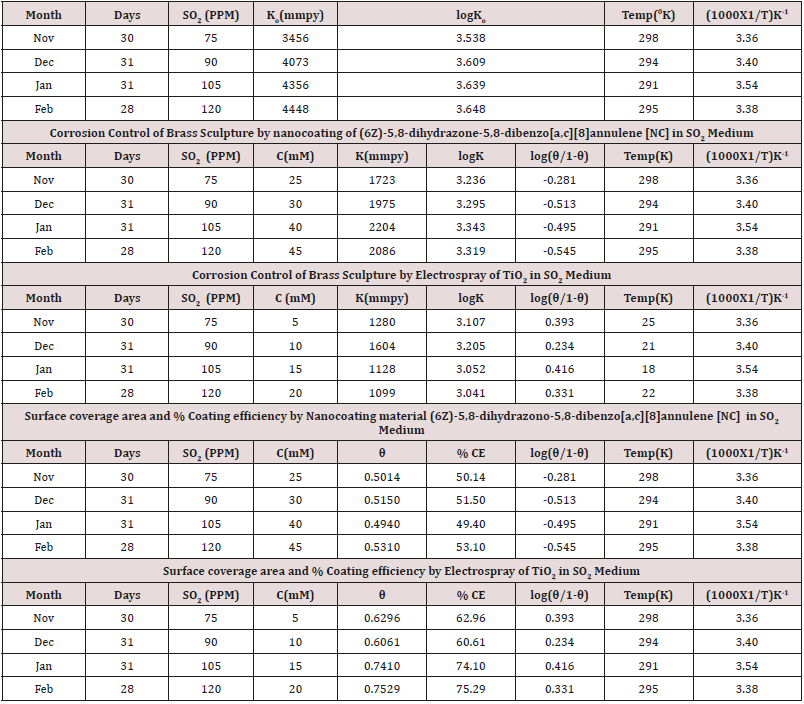
Brass metal was exposed in moist SO2 environment in 75ppm, 90ppm, 105ppm and 120ppm concentrations and 298 0K, 294 0K, 291 0K and 295 0K temperatures. The corrosion rate of brass metal was determined in winter season without coating and with coating (6Z)-5,8-dihydrazone-5,8-dihydrodibenzo[a,c][8]annulene and TiO2 electrospray of by weight loss formula K= 534 W/DAT (where W is weight loss, D is density and T is time) and their values were mentioned in (Table 1)
Table 1:Corrosion of Brass Sculpture in Winter Season in SO2 medium.
Lupinepublishers-openaccess-material-science-journal
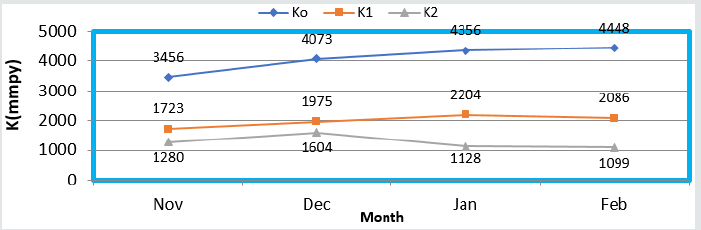
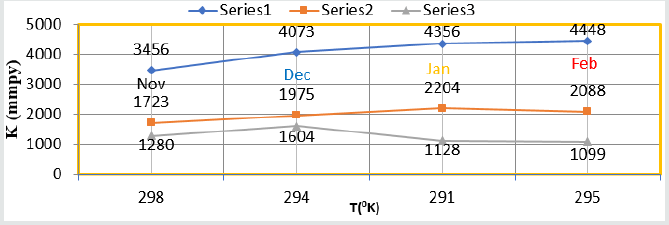
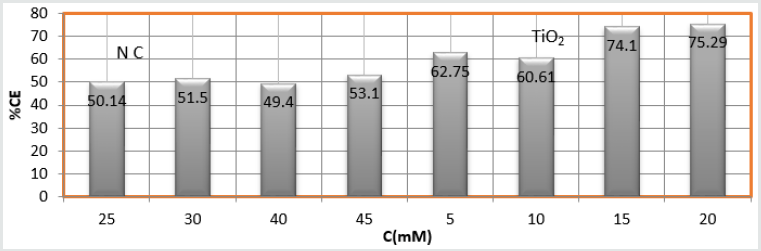
The corrosion rate of brass metal was recorded in the months of November, December, January and February, the results (Table 1) was shown that corrosion rate of metal increased in January to February but theses values were reduced with coating and filler materials like (6Z)-5,8-dihydrazone-5,8-dihydrodibenzo[a,c][8] annulene and TiO2. It was clearly noticed in (Figure 5) K versus Month. Brass metal kept into 75ppm, 90ppm, 105ppm and 120ppm of SO2 medium in month of Nov, Dec, Jan and Feb without coating. It was coated with 25mM, 30mM, 40mM and 45mM concentrations of (6Z)-5,8-dihydrazone-5,8-dibenzo[a,c][8]annulene, and again kept into same concentrations of SO2. After coating of (6Z)-5, 8-dihydrazone-5,8-dibenzo[a,c][8]annulene electrospray coating of TiO2 used at 5mM, 10mM, 15mm and 20mM concentrations and same concentrations SO2 Nov to Feb. The corrosion rates of in these three cases were written in (Table 1). These results were shown that corrosion rates without coating increased, it values decreased coating with (6Z)-5, 8-dihydrazone-5,8-dibenzo[a,c][8]annulene but their values more reduced with TiO2 electrospray. These trends were shown in (Figure 6) which plotted K versus C. The corrosion rates of brass metal at different temperatures 298 0K, 294 0K, 291 0K and 295 0K without and with coating were recorded in (Table 1). The addition of nanocoating and electrospray were reduced the corrosion rates as temperatures variation, it noticed in K versus T in (Figure 7).
Figure 5: K(mmpy) Vs Months for brass metals.
Lupinepublishers-openaccess-material-science-journal
Figure 6: KVs T nanocoating and electrospray.
Lupinepublishers-openaccess-material-science-journal
Figure 7: %CE Vs C(mM) nanocoating and electrospray.
Lupinepublishers-openaccess-material-science-journal
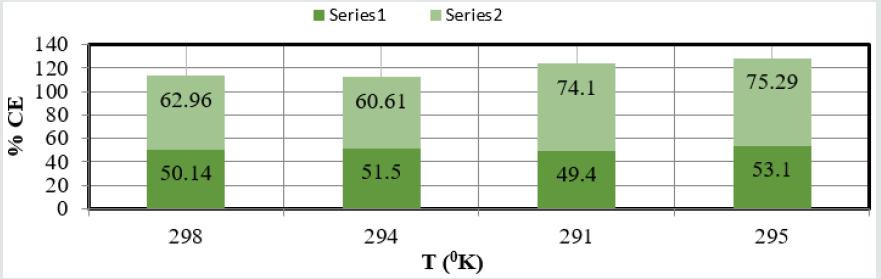
Figure 8: %CE Vs T for nanocoating and electrospray.
Lupinepublishers-openaccess-material-science-journal
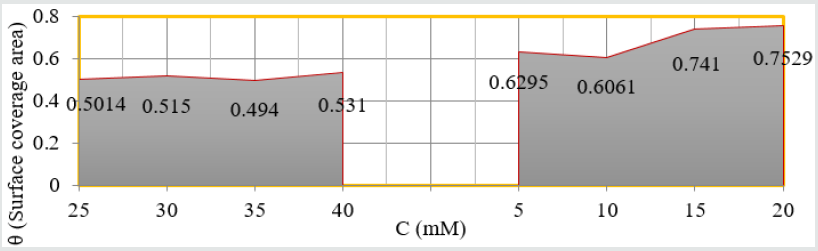
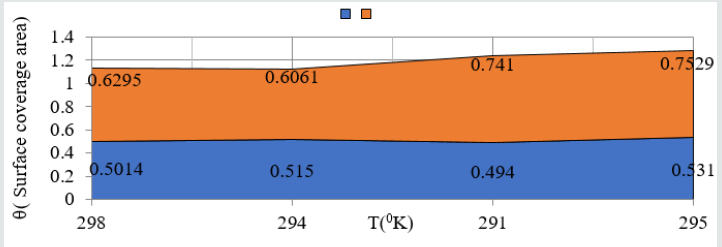
(Figure 8) plot between %C (percentage coating efficiency) versus C (concentrations in mM) indicated that nanocoating compound (6Z)-5, 8-dihydrazone-5,8-dibenzo[a,c][8]annulene increased coating efficiency but TiO2 electrospray produced more coating efficiency with respect of nanocoating compound. The values of % coating efficiency were calculated by formula %CE = (1-K/Ko) X100 (where Ko is corrosion rate without coating and K is corrosion rate with coating) and their values were given (Table 1). (Figure 9) show plot between %C (percentage coating efficiency) versus T (temperature in K). This figure indicated that percentage coating efficiency enhanced as temperatures varies in Nov to Feb months and their values were recorded in (Table 1). Figure 6 plotted between θ (surface coverage area) versus C (concentration in mM) and covered areas were produced by (6Z)-5, 8-dihydrazone- 5,8-dibenzo[a,c][8]annulene and TiO2 were mentioned in (Table 1). The results were shown that nanocoating compound occupied less surface areas with respect of electrospray. The surface coverage area developed by nanocoating and electrospray compound was calculated by formula θ = (1- K/Ko). (Figure 10) plotted between θ (surface coverage area) versus T (temperature) noticed that temperatures were varies from Nov to Dec but surface coverage area and electrospray values were increased and their values were written in (Table 1).
Figure 9: Vs C nanocoating and electrospray.
Lupinepublishers-openaccess-material-science-journal
Figure 10: θ Vs T for nanocoating and electrospray.
Lupinepublishers-openaccess-material-science-journal
Table 2:Thermal Parameters of Brass Sculpture in Winter Season by Nanocoating of (6Z)-5,8-dihydrazono-5,8-dibenzo[a,c][8] annulene [NC] in SO2 Medium.
Lupinepublishers-openaccess-material-science-journal
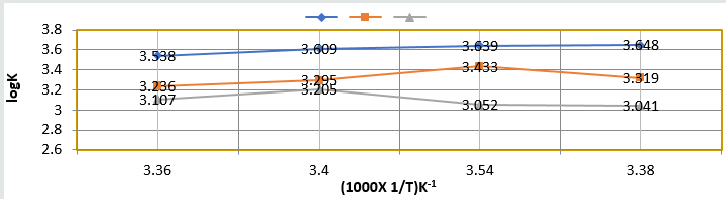
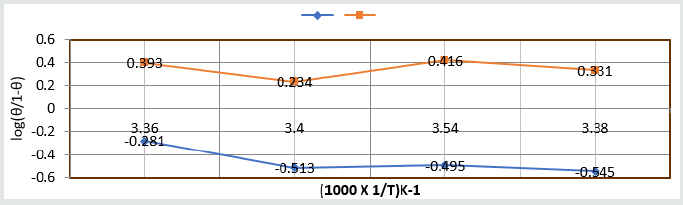
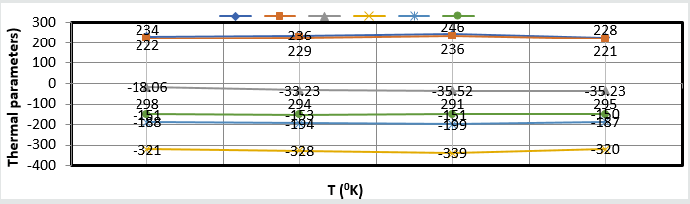
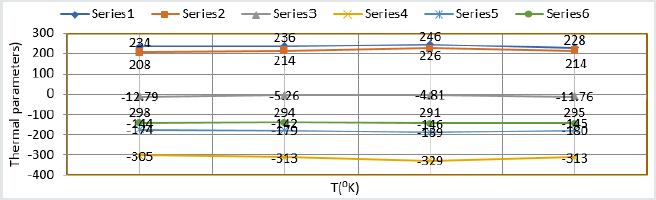
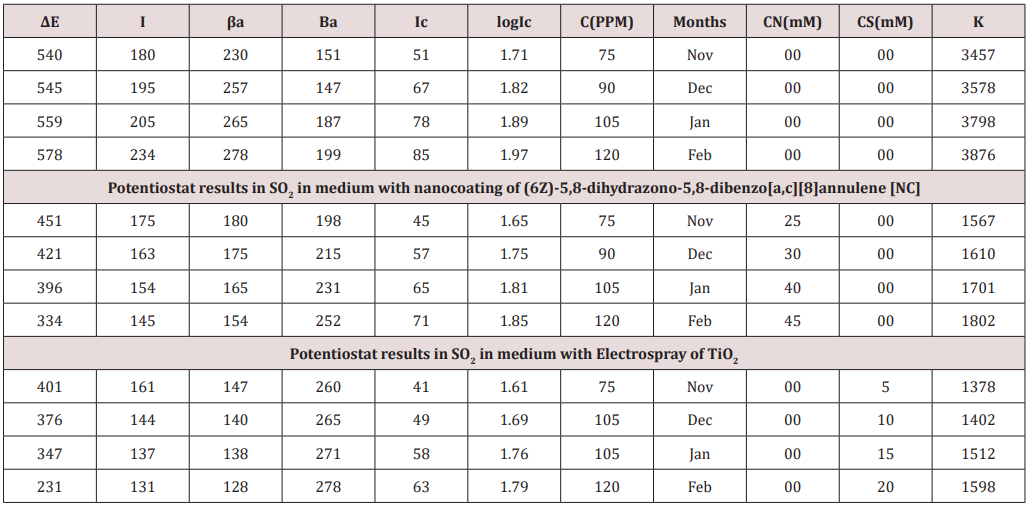
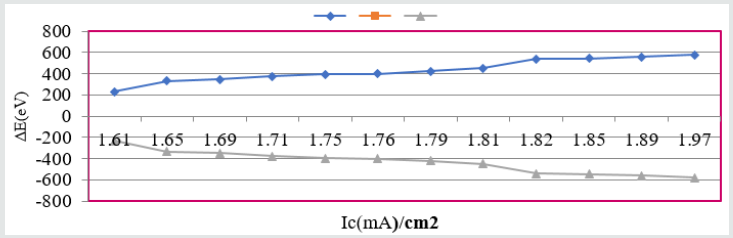
Composite surface formation was studied by Arrhenius equation, Langmuir isotherm and others thermal parameters like activation energy, heat of adsorption, free energy, enthalpy and entropy and their values were recorded in (Table 2). (Table 2) Thermal Parameters of Brass Sculpture in Winter Season by Nanocoating of (6Z)-5,8-dihydrazono-5,8-dibenzo[a,c][8]annulene [NC] in SO2 Medium. Activation energy of without coating, with coating and electrospray coating were determined by Arrhenius equation d(logK)/dT = A – Ea/2.303RT and their values were recorded in (Table 2). The plot between logK versus 1/T was found to be straight line as shown in (Figure 11). The plot between log K and 1/T found to be straight line. It observed that activation before coating activation energy high but decreased after coating. These trends indicated that nanocoating compound adhered on the surface of base metal. Heat of adsorption was calculated by Langmuir isotherm log(θ/1-θ) = log(AC) – q/2.303R T and their values were mentioned in (Table 2). Its values were found to negative, it indicated nanocoating compound formed chemical bond with base metal. (Figure 12) log(θ/1-θ) versus 1/T proved results of heat of adsorption.Free energy values of nancoating compound were determined by formula ΔG = -2.303 RT log(33.3K) and their values were recorded in (Table 2). Their values found to be negative; it noticed that nanocoating compound adhered on the surface of base metal by chemical bond. Enthalpy and entropy values of nanocoating and electrospray compounds were calculated by transition state equation K=k T/N h eΔS/R e-ΔE/RT and their values were mentioned in (Table 2). These values were found to be negative which indicated these compounds adhered on the surface of metals. All thermal parameters versus T (temperature) plotted in (Figure 13) which indicated composite barrier formed on surface of base metal. Thermal parameters Values of TiO2 eleectrospray activation energy, heat of adsorption, free energy, enthalpy and entropy were written in (Table 3) and their plot against T (temperature) in (Figure 14). (Table 3) results indicated electrospray compound formed chemical bond with nanocoating compound. (Table 3) Thermal Parameters of Brass Sculpture in Winter Season by Electrospray of TiO2 in SO2 Medium Potentiostat results were determined with help of equation I = βa βc/2.3 (βa+βc) Ic and corrosion rate K=0.128 X Ic X( E/d) ( Ic is corrosion current, equivalent weight and d is density) and their values were written in (Table 4). (Figure 15) was plotted ΔE(corrosion potential versus I(corrosion current density). The results of (Table 4) observed that without coating corrosion potential high but with coating nanocoating and electrospray reduced corrosion potential. (Table 4) Potentiostat results in SO2 in meduim with nanocoating and electrospray.
Figure 11: logK Vs 1/T nanocoating and electrospray.
Lupinepublishers-openaccess-material-science-journal
Figure 12: log(θ/1-θ) Vs 1/T nanocoating and electrospray.
Lupinepublishers-openaccess-material-science-journal
Figure 13: Thermal parameters Vs T for nanocoating and electrospray.
Lupinepublishers-openaccess-material-science-journal
Figure 14: Thermal parameters Vs T nanocoating and electrospray.
Lupinepublishers-openaccess-material-science-journal
Table 3:Thermal Parameters of Brass Sculpture in Winter Season by Electrospray of TiO2 in SO2 Medium.
Lupinepublishers-openaccess-material-science-journal
Table 4:Potentiostat results in SO2 in meduim with nanocoating and electrospray.
Lupinepublishers-openaccess-material-science-journal
Figure 15: ΔE Vs Ic(mA) for nanocoating and electrospray.
Lupinepublishers-openaccess-material-science-journal

Conclusion

It observed that winter season SO2 concentration increased. In this season humidity level found to more so it oxidized sulphur dioxide into sulphuric acid and created hostile environment for brass sculpture. It corroded zinc into zinc sulphate in longer period it produced leaching corrosion. Such types of corrosion controlled by the use of nanocoating of (6Z)-5,8-dihydrazono-5,8-dibenzo[a,c] [8]annulene and TiO2 electrospray. The results of activation energy, heat of adsorption, free energy, enthalpy and entropy values indicated that nanocoating compound adhered with chemical bonding. Thermal parameters results of electrospray confirmed that TiO2 bonded with (6Z)-5,8-dihydrazono-5,8-dibenzo[a,c][8] annulene chemical bonding. Both compound created composite barrier on the surface of base metal which produced anticorrosive barrier. The nanocoating compound developed lot of porosities during coating. These porosities blocked by electrospray and it increased coating efficiency and surface coverage area.

For more Lupine Publishers Open Access Journals Please visit our website:
https://lupinepublishersgroup.com/

For more Material science journal articles Please Click Here:
https://lupinepublishers.com/material-science-journal/

To Know More About Open Access Journal Please Click on Lupine Publishers

Monday, 29 July 2019

Interior Environmental Design, Heal? | Lupine Publishers

Open Access Journal of Complementary & Alternative Medicine | lupine Publishers


Abstract

Osteoporosis is a largely preventable disease that is characterized by bones that are porous and have a low density. Osteoporosis is associated with an increased risk of fractures. This condition can often be reduced, eliminated, or prevented by following healthy lifestyle guidelines. Public health leaders and advocates, government and non-governmental agencies, communities, health-care professionals are responsible for preventing osteoporosis. Nutritional deficiency, hormonal disorders, lack of exercise, immobilization and smoking can lead to poor development of bone and accelerate the loss of bone mass. Awareness and understanding are the keys to reducing the overwhelming incidence of osteoporosis. Great progress has been made in reaching out to the public through health campaigns, research, and publications; however, as the statistics show, the fight is not over.

Introduction


Osteoporosis poses a significant public health issue, causing significant morbidity and mortality. Osteoporosis is a disease in which the density and quality of bone are reduced. This disease is characterized by bone fragility and an increased susceptibility to fractures, especially of the spine, hip and wrist, although any bone can be affected. The likelihood of these fractures increases with age in both women and men. The loss of bone occurs silently and progressively. Often there are no symptoms until the first fracture occurs. Around the world, 1 in 3 women and 1 in 5 men are at risk of an osteoporotic fracture. In fact, an osteoporotic fracture is estimated to occur every 3 seconds [1]. In adults, the daily removal of small amounts of bone mineral, a process called resorption, must be balanced by an equal deposition of new mineral if bone strength is to be preserved. When this balance tips toward excessive resorption, bones weaken (osteopenia) and over time can become brittle and prone to fracture (osteoporosis). There is evidence that fracture risk is increased in people on prolonged use of nonsteroidal anti-inflammatory drugs and glucocorticoid therapy.

Who is at risk?

Awareness of risk factors can help to take steps to reduce bone mineral loss. Fixed risk factors like disorders and medications can weaken bone and affect balance [2]. Fixed risk factors include increasing age, female gender, family history of osteoporosis, ethnicity, menopause, hysterectomy, rheumatoid arthritis, hypogonadism in men etc. Most modifiable risk factors like alcohol, smoking, low body mass index, poor nutrition, vitamin D deficiency, eating disorders, physical inactivity also can directly impact bone biology and result in a decrease in bone mineral density (BMD).

Preventing osteoporosis

It is now known that osteoporosis is a preventable and treatable disease and not a normal part of ageing [3]. Although genetic factors play a significant role in determining whether an individual is at heightened risk of osteoporosis, lifestyle factors such as diet and physical activity also influence bone development in youth and the rate of bone loss later in life. After mid-20s, bone thinning is a natural process and cannot be completely stopped. The thicker the bones, the less likely they are to become thin enough to break. Young women in particular need to be aware of their osteoporosis risk and take steps to slow its progress and prevent fractures. Optimal bone growth and development in youth is vital in the prevention of osteoporosis as it is an important determinant of the risk of osteoporotic fracture during later life. It is estimated a 10% increase of peak bone mass in children reduces the risk of an osteoporotic fracture during adult life by 50% [4]. Once peak bone mass has been reached, it is maintained by a process called remodeling. This is a continuous process in which old bone is removed and new bone is created. The renewal of bone is responsible for bone strength throughout life. Factors that cause a higher rate of bone remodeling will ultimately lead to a more rapid loss of bone mass and high risk of fractures. Adequate calcium levels are crucial for bone health and muscle performance, which are closely associated with balance and fall risk [5]. Vitamin D plays a major role to maintain serum calcium levels through enhancement of small-intestine absorption [6]. Sunlight exposure, fortified foods, egg yolks, saltwater fish, liver, are rich sources of Vitamin D. Due to increasingly indoor lifestyles, young people often don’t get enough vitamin D. Parents should encourage children spend more time participating in sports and outdoor physical activity and less screen time in front of computers or televisions to maintain a healthy level of this key vitamin.

How is osteoporosis diagnosed?

Though traditional X-rays cannot measure bone density, they can identify spine fractures. Dual energy X-ray absorptiometry (DEXA) is the best technique for diagnosis and monitoring therapy. It is a low radiation X-ray used to measure spine and hip bone density and can also measure bone density of the whole skeleton. Other methods for diagnosing osteoporosis like Bone Turnover Markers (BTM) and radiological assessments have been used extensively in clinical trials and epidemiological studies.

Medical Management


Osteoporosis is potentially the most serious of menopause symptoms. The maximum bone loss occurs in first two years of menopause. Estrogen hormone therapy after menopause (previously referred to as hormone replacement therapy or HRT) has been shown to prevent bone loss, increase bone density, and prevent bone fractures. Estrogen is available orally, as a skin patch and in combination with progesterone as pills and patches. Progesterone given routinely along with estrogen helps prevent uterine cancer that might result from estrogen use alone [7]. It was thought that hormone therapy could ward off heart disease, osteoporosis, and cancer, while improving women’s quality of life. The findings emerged from clinical trials showed that long-term use of hormone therapy poses serious risks and may increase the risk of heart attack and stroke. Bisphosphonates are the most commonly prescribed medications to treat osteoporosis [8]. These drugs slow bone loss by causing certain cells involved in bone breakdown to undergo programmed cell death.

Regular exercise is essential

Regular exercise helps decreasing the risk of falls, probably because balance is improved, and muscle strength is increased. Build up slowly and aim to gradually increase the repetitions of each exercise over time. It is important to avoid exercises that can injure already weakened bones. In patients over 40 and those with heart disease, obesity, diabetes mellitus, and high blood pressure, exercise should be prescribed and monitored by physicians. Extreme levels of exercise like lifting heavy weights and forward bending may not be healthy for the bones. Exercises to correct postural deformities like Dowager’s hump should be incorporated in therapy.

Weight-bearing exercises

Several studies demonstrate the health benefits of exercise, including reduced risk of falls and fractures. Weight-bearing and muscle-strengthening exercises are ideal for osteoporosis prevention because it improves agility, posture, balance, and strength to prevent falls [5]. A statistically significant effect of exercise on BMD was reported by a systematic review investigating whether exercise could prevent bone loss and fractures in postmenopausal women [9]. It was found that high-force exercise involving lower limbs was the most effective exercise for femur neck BMD. Brisk walking is highly recommended, and patients can adapt their speed to the current fitness level. Sit-to-stand, Mini-squats, Calf raises, Wall press-up, Push-ups are good examples of exercises that patients can perform at home. Low-impact weight-bearing exercises like aerobics, using stair-step machines, fast walking on a treadmill are advised if high force exercises are contraindicated.

Muscle-strengthening exercises

Numerous studies have shown that strength training can play a role in slowing bone loss, and several show it can even build bone [10,11]. This is tremendously useful to help offset age-related declines in bone mass. Activities that put stress on bones can nudge bone-forming cells into action. Body weight exercises like squats, sit to stand; rising up on your toes can be performed at home. Lifting weights, using elastic exercise bands and using weight machines use muscle strength, where the action of the tendons pulling on the bones boosts bone strength. High-impact weight-bearing exercises help build bones and keep them strong. Cycling and swimming do not cause positive effects on BMD; thus, these are not the most suitable exercises for prevention and treatment of osteoporosis [12]. Swimming is neither a weight-bearing exercise nor a strengthtraining exercise. This means that if you are trying to prevent or fight osteoporosis, swimming should not be the only workout that you do.

Diet is Important


Many of the nutrients and food components we consume may influence bone by various mechanisms, including alteration of bone structure, the rate of bone metabolism, the endocrine and/ or paracrine system, and homeostasis of calcium and possibly of other bone-active mineral elements [13]. The most important nutrients for people with osteoporosis are calcium and vitamin D. Vitamin D helps body absorb calcium. Postmenopausal and senile osteoporosis can be prevented by adequate calcium intake during growth. Due to the accelerated muscular, skeletal and endocrine development, reduced intake of calcium and vitamin D during periods of growth can have a negative influence on bone development [14]. Bone mineral deposition during pubertal growth appears to depend on dietary absorption of calcium, and on reducing its excretion, and this is dependent on adequate Vitamin D status. A well-balanced diet with plenty of milk, fish, fruits and vegetables, cheese, and yogurt is important for bone health. The presence of lactose, caseinate and citrate in milk and dairy products helps better calcium absorption in relation to other dietary calcium sources. Vegetables with dark green leaves are also sources of calcium, but the calcium they contain has low bioavailability [15]. Osteoporosis experts recommend 800 to 1,200IU of vitamin D per day.

Preventing falls

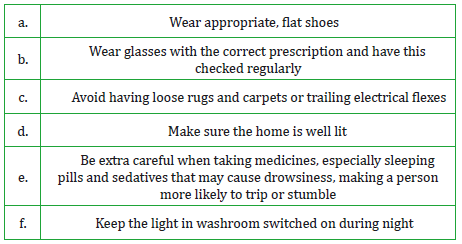
Fall prevention helps prevent osteoporosis-related morbidity. Interventions include vision and hearing correction, removing trip or fall hazards, evaluating suspected neurologic problems, avoiding medications that cause imbalance, and advising hip pad protectors for those with significant risk. A person with osteoporosis is especially at risk of breaking bones from falling because the bones are so much weaker than normal healthy bones. Certain steps that can make a house safer for someone with osteoporosis is shown in Table 1.
Table 1: Steps to prevent falls.
Lupinepublishers-openaccess-complementary-alternative-medicine-journal
The most effective treatment is provided by multidisciplinary approach involving physical therapist, psychologist, and nutritionist for consultation. Clinicians should consider risk-assessment to estimate absolute fracture risk and appropriate pharmacologic agents to prevent osteoporosis are to be prescribed [16].

Life style factors

Maintaining healthy habits can also reduce the risk or severity of osteoporosis. Smoking is an independent risk factor for osteoporosis as it reduces the amount of estrogen the body produces, and alcohol hinders calcium absorption [17]. It is also critical to maintain a healthy body weight. Nutrition is a modifiable pathogenic factor for osteoporosis. A holistic approach to bone health combining nutrition, physical activity and fall prevention is the key. Impactful public health education initiatives can create awareness about osteoporosis. Social media like Facebook groups and Twitter that provide a number of tools and resources as well as a forum for people to discuss osteoporosis shall be considered. Community programs with non-profit organizations reinforced at the local level can extend the program’s reach and messages.

Conclusion


Studies should be conducted to quantify the status of bone health of at-risk population, their level of awareness and steps to improve bone health. This small investment will pay rich dividends in the long run by preventing the occurrence of fractures and improving the bone health and quality of life. Health workers must work together to improve health literacy and prevention awareness to ensure that people understand the principles of bone health.

For more Lupine Publishers Open Access Journals Please visit our website:
https://lupinepublishersgroup.com/

For more Open Access Journal of Complementary & Alternative Medicine Please Click Here:
https://lupinepublishers.com/complementary-alternative-medicine-journal/


To Know More About Open Access Publishers Please Click on Lupine Publishers

Friday, 26 July 2019

The Biodiversity of Aquatic Gastropods in the Steppe Zone the West Siberian Plain (Western Siberia, Russia) | Lupine Publishers

Earth and Environment journals | Lupine Publishers

 Abstract

This study describes the species diversity, abundance and biomass of gastropods in the ecosystems of the southern part of Western Siberia (Karasukskii district, Novosibirsk Oblast). Distribution and Quantitative Characteristics of Common Species of Gastropoda are calculated. Twenty-one species of snails belonging to seven families were recorded, Lymnaeidae, Planorbidae, Bulinidae, Physidae, Bithynhdae, Succineidae, and Zonitidae. The biodiversity of mollusks was studied using the Shannon- Weaver index.

Introduction

The ecology of pond snails has been studied in the waterbodies of the central part of European Russia [1], but the authors emphasize the necessity of conducting similar studies in Siberia, and in other regions of our country. Gastropoda are widely distributed in the water bodies of the southern part of Western Siberia. They are an important component of benthic communities and take part in a number of trophic relationships. Some information about the ecology of freshwater snails’ species is presented in the publications [2-4] but many aspects are still poorly studied. In particular, quantitative data on the communities of mollusks are scanty [5,6]. We, in a previous work [7] Jacquard index biodiversity gastropods are calculated. The aim of the present investigation was to identify the occurrence and distribution of freshwater snails in the lake, rivers systems from the steppe zone the West Siberian Plain.

Materials and Methods

The species composition and biomass of snails in August of 2009 were studied (Novosibirsk Oblast, south of Western Siberia). Samples were collected in different parts in the Karasuk River in the upstream(near the villages of Bystrukha N 54026’ 53,2’’; E 800 55’ 50,5’ and Chernovka N 540 09’ 53,2’’; E. 800 02’ 54,2’) and downstream near the villages of Gramotino and Sorochikha (N 500 45’ 19,4’’; E. 780 20’ 15,1’ and N 530 43’ 19,7’’; E 770 56’ 29,5’), and in six lakes of the Karasuk system: Astrodym N 53036’ 59,4’’; E 770 48’ 04,7’, Krivoye (reaches: Blagodatnoye N 530 49’ 59,3’’; E. 780 03’ 17,3’’, Sopatoye N 530 48’ 28,7’’; E 78002’ 18,5’’ and Gusinoye N 530 48’ 13,0’’; E 78004’ 00,8’’), Krotovo N 530 43’ 30’’; E 770 51’ 31’’, Kusgan N 53044’ 23’’; E 770 53’25’’, Melkoye N 530 47’ 37,9’’; E 780 16’34,91’’, Titovo N 530 45’ 25,8’’; E 770 56’13,2’’.
The hydrological and hydrochemical characteristics of the rivers and lakes in steppe zone in the West - Siberian Plain are presented in the study by Savchenko (2010). The study was based at the Karasuk Field Station (Institute of Systematics and Ecology of Animals Russian Academy of Sciences; Karasukskii district, Novosibirsk region). Mollusks were collected according to the standard technique [8]. For a quantitative analysis of snails in the lake-river systems they were collected by hand from sites of 0.25 m2 (50х50 cm). The control sites were in open parts and in macrophyte stands at a depth of 0.1-1.1 m. To determine biomass, the collected mollusks were dried on a filter paper for ≥1 min and weighed. The species identification was made according to the shell and genital system using the keys [9,10]. The ICA index (index of copulatory apparatus) was one of the major criteria for the species definition of mollusks. The species definition within the Lymnaeidae index for mature specimens into account [6].

Results

Species Composition of Gastropods

In the Karasuk river - lakes system, of 21 species from 7 families of gastropods were recorded: Pond Snail - [Lymnaeidae]; Lymnaea (Radix) auricularia (L.,1758), L. (Peregriana) balthica (L., 1758); L. (P.) fontinalis (Studer, 1820), L. (P.) ovata (Drap., 1805), L. (P.) ampla (Hartmann, 1821), L. (P.) tumida (Held, 1836), and Lymnaea (Stagnicola) saridalensis (Mozley, 1934) and Great Pond Snails (Lymnaea) stagnalis (L., 1758), L. (L.) fragilis (L., 1758), L. (L.) doriana (Bourguignat, 1862); Ramshorn snails, Planorbis planorbis (L., 1758), Anisus vortex (L., 1758), A. contortus (L.,1758), Segmentina nitida (Mull., 1774) [Planorbidae], and Planorbarius corneus (L., 1758) [Bulinidae]; Physa fontinalis (L., 1758), Aplexa nypnorum (L., 1758) [Physidae]; Bithynia tentaculata (L., 1758) and B. troscheli (Paasch, 1842) [Bithyniidae]. Terrestrial gastropods were defined by genus, Succinea sp. [Succineidae] and Zonitoides sp. [Zonitidae].
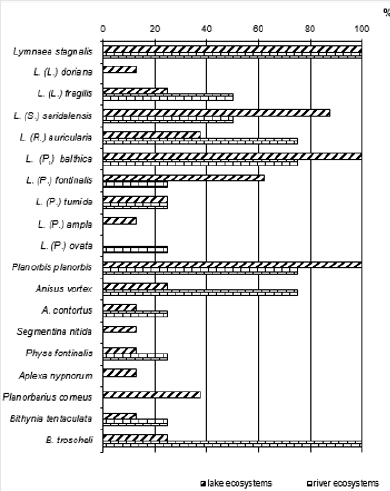
Figure 1: Distribution (%) of gastropods in the Karasuk River and lakes of the Karasuk system
lupinepublishers-openaccess-journal-environmental-soil-sciences
Table 1: Abundance and biomass of gastropods and the Shannon index in water objects from the Karasuk system.
lupinepublishers-openaccess-journal-environmental-soil-sciences
Sixteen gastropod species were recorded in the river and 20 in the lakes (Figure 1). Fifteen species were common for both the river and the lakes. The snails L. (P.) ovata were found in the river only and five species were found only in the lakes: (L. (L.) doriana and L. (P.) ampla, only in the Astrodym lake; S. nitida only in the Krotovo lake; A. nypnorum only in the Melkoye lake). Ramshorn snails P. corneus were found in the Krivoye Krotovo and Titovo lakes. Gastropoda in modern freshwater water bodies (the steppe zone West Siberian Plain) are represented by Pulmonata and Prosobranchia species. Both secondary aquatic pulmonate snails (four families) and terrestrial species (two families) were recorded in the study area. The terrestrial snails inhabit plants that grow close to the water’s edge and appear in the samples of aquatic species. Prosobranchia snails are primarily aquatic; they are the most ancient colonizers of the continental water bodies and are represented by only one family, Bithyniidae. Both bithyniid snails were recorded only in the upper stream of the Karasuk River (close to Bystrukha Village) and in Krotovo Lake [11].

Assessment of the Abundance and Biomass of Gastropods

The abundance of snails in the river varied from 10 up to 192 ind./m2 (Table 1). Lymnaeidae snails dominated, followed by Bithyniidae snails were sub-dominants. The Shannon-Weaver index, as calculated under the gastropod population density, indicated an increase of the species diversity from 1.4-1.5 bit/ind. (upper stream) up to 1.8-1.9 bit/ind. (lower stream). The maximum abundance of snails in the lakes varied from 49 up to 400 ind./m2. (Blagodatnoye reach and Melkoye). In lakes the Shannon-Weaver index varied from 0.56 bit/ind. (Kusgan) up to 1.9 bit/ind. (Titovo; Sopatoye reach). The maximum biomass of gastropods in the river varied from 21.7 to 142.9 g/m2; or in lakes from 9.4 to 369.8 g/ m2 (Blagodatnoye reach and Melkoye). Lymnaeidae snail’s biomass were dominated by, both in the river and in the lakes [12,13]. It should be mentioned that high abundance did not always correlate with high biomass. Thus, the high abundance (192 ind./m2) of L. stagnalis corresponded to the biomass 1.26 g/ m2, which can be explained by the prevalence of young snails in the samples. Although an adult L. stagnalis can weigh 4.9 grams.
Twenty-one species of snails belonging to seven families were recorded, Lymnaeidae, Planorbidae. Bulinidae, Physidae, Bithynhdae, Succineidae, and Zonitidae. All the recorded mollusk species are common in water bodies that are characterized by slow cur rents, in stagnant (mostly perennial) and semilotic water pools; they are common species in the southern part of Western Siberia. Lymnaeidae snail’s biomass were dominated by, both in the river and in the lakes.

For more Lupine Publishers Open Access Journals Please visit our website:
https://lupinepublishersgroup.com/

For more Earth and Environment Journals Please Click Here: https://lupinepublishers.com/environmental-soil-science-journal/

To Know More About Open Access Publishers Please Click on Lupine Publishers