Friday, 13 March 2020

Lupine Publishers | The Prevention and Treatment of Malaria in Traditional Medicine of Tetun Ethnic People in West Timor Indonesia

Lupine Publishers | Open access Journal of Complimentary and Alternative Medicine


Abstract


Native people in West Timor Indonesia have been exposed to malaria since long time ago. Because of this experience, it is believed that this community has developed their local concept about malaria, and how to manage it. This research was intended to document and analyze local knowledge and practices of malaria prevention and treatment developed by Tetun ethnic people in West Timor. The research was a field study, conducted through some interviews, discussions and observations. The results of this study showed that this community has long been developing various methods to prevent and threat malaria. The prevention and treatment of malaria in traditional medicine of Tetun ethnic people consists of both herbal and non-herbal methods and supported by some prohibitions and restrictions. The results also showed that the practice of traditional medicine for prevention and treatment of malaria by Tetun ethnic people can be explained scientifically. Medicinal plants that widely used like Strychnos ligustrina, Carica papaya, Momordica sp., Cleome rutidosperma, Physalis angulata, Alstonia spectabilis, Alstonia scholaris and Melia azedarach have been proven to have antimalarial activities as anti-plasmodial, antipyretic, analgesic, anti-inflammatory and immunostimulant.

Keywords: Local Knowledge; Traditional Medicine; Malaria Prevention and Treatment; Tetun Ethnic; West Timor


Introduction

Traditional communities in ancient times developed their local knowledge about the prevention and treatment of a disease based on their experience interacting with the disease for a long time. This local knowledge was then become a guidance for them to establish strategies to prevent and treat the disease, which were practiced widely in the community, and become their traditional medicine [1,2]. Traditional medicine is a term imposed on pre-scientific medical systems, and defines as a sum total of knowledge, skills and practices based on theories, beliefs and experiences of different cultural customs used in health care, disease prevention and increased physical and mental performance, which have been used for generations from one generation to the next [3,4]. Malaria is an ancient disease that has not been fully eradicated until this time [5]. Since long time ago, malaria was the main infectious disease that often attacks Timorese people, especially in Belu and Malaka Districts in West Timor (Indonesia). Several old manuscripts noted that Timorese people in early of 19th century were suffered from malaria which caused many deaths [6,7]. Until this time, Belu and Malaka Districts are still hyper-endemic areas of malaria. According to the Global Fund report, in 2014, Belu and Malaka Districts were classified as high malaria endemic areas, with the Annual Parasite Insidence (API) of 12.87o/oo and 11.58o/oo respectively, higher than Indonesian average API 1.38o/oo. Various programs for malaria prevention and eradication sponsored by the Indonesian Ministry of Health and World Health Organization such as insecticide-impregnated net, fogging, mass blood survey for early diagnosis and prompt treatment, and treat malaria patient using Artemisinin Combination Therapy (ACT) have been implemented, but decreasing of the API value is still not too convincing [8]. Cultural factors that influence public attitudes and acceptance on the programs of prevention and treatment of malaria are estimated to be one of the obstacles to the success of these programs. The implementation of various disease control programs and strategies often faces major challenges stemming from the social and cultural situation of the community. The social and cultural situation of a community in a particular place can negatively influence the choice, acceptance and use of interventions in disease control. Many programs of disease control and eradication are unsuccessful because of these social and cultural barriers. Therefore, it is very necessary to understand the local knowledge of the community, including an understanding of the health-illness concept that they believe in. An understanding of this can help policy makers in designing a sustainable and more effective disease control programs [9]. The Tetun ethnic is one of native communities that inhabit territories from the central part of Timor island (in Belu and Malaka districts, Indonesia) to the east (in Republic Democratic de Timor Lester, RDTL). Tetun people are still using traditional medicines to date, and often running various traditional medication rituals [10]. Because of their long-time interaction with malaria, it should be assumed that they have developed their own local knowledge about malaria and methods to prevent and treat it. Therefore, this research was intended to study the local knowledge of the Tetun ethnic people regarding malaria and the methods they have developed for the prevention and treatment of this disease.

Study Design

This study is a kind of research in the field of medical anthropology. This study was conducted as a qualitative exploratory research, with a field study as main technique, supported by a literature study.

Profile of Study Site and People

This research was conducted in Belu and Malaka Districts located in the central part of Timor island. These areas are located at 9°15’ S-9°34’ S and 124°40’ E-124°54’ E. Belu and Malaka are two of Indonesian territories that border directly with the Republic Democratic Timor Leste (RDTL). The topography of Belu Districts is mainly hilly, while Malaka is generally a stretch of flat land. Some areas of Malaka at the south part meet the rainy season twice in a year, while the areas of north part and also Belu areas are only have one rainy season. The main rainy season takes place between November-March due to wind that brings rain from the Indonesian Ocean. This rain occurs evenly in Malaka and Belu regions. The additional rainy season in April-June, which is limited in some areas of Malaka, is affected by wind from Australia that carries moisture from the Timor Sea. Based on the ethnolinguistics, there are four indigenous ethnic groups that live in Belu and Malaka Districts, namely Tetun, Dawan, Kemak, and Bunaq (Marae). Tetun ethnic is the majority ethnic group in Belu and Malaka, consists of approximately 80% of the population. They scaterred in almost all sub-districts of Belu and Malaka [11].

The Informants

The informants of this study were people of Tetun ethnic who have lived for long time in Belu or Malaka Districts. They were people with good knowledge and experiences of traditional medicine practices. The informants were selected through the purpossive and snowball tehniques. A total of 94 informants (42 men and 52 women) with the age of 40-90 years old were involved in this study. They came from 15 vilages of five sub-districts in Malaka (Wewiku, Malaka Barat, Weliman, Malaka Tengah and Kobalima Timur Subdistricts), and 14 vilages of ten sub-districts in Belu (Raimanuk, Tasifeto Barat, Nanaet Duabesi, Tasifeto Timur, Lasiolat, Raihat, Lamaknen, Kakuluk Mesak, Atambua Barat and Atambua Selatan Sub-districts). These informants consist of traditional public healers, home healers, and traditional medicine users.

Data Collection

Data were collected through several interviews, discussions, and observation. Interviews were conducted with a semi-structured questionnaire. Interviews were intended to collect informations about local knowledge on health-illness concept, symptoms, signs and causes of malaria, traditional methods for the prevention and treatment of malaria, and medicinal plants used for the prevention and treatment of malaria. More deep questions were developed spontaneously based on the answers given by the informants to the previous questions. Interviews and discussions were conducted in Tetun (local language) and Indonesian. We recorded the contents of every interview by wrote a detailed essence of the conversation, but not fully word by word. Several interviews were recorded with audio and video recorder. In this field study, we were assisted by several local guides to search for informants, accompanied in the interviews, to interpreted specific local terms that strange for us, and help us to search, document and collect plant specimens. All plants mentioned by informants were collected in-situ and documented by making photographs and herbaria for taxonomic identification. This field study was conducted from April 2017 to December 2017.

Data Analysis

Data obtained from interviews, discussions and observations were analyzed qualitatively, and presented in narrative or qualitative descriptions [12]. The steps of qualitative analysis are as follows:
a) Transcription of data: first of all, the interview data, discussions and field observation records were well-transcribed in a neat text.
b) Data reduction: transcripts were analyzed to marked meaningful parts, and then grouped based on the same characteristics into certain categories, i.e. the local knowledge about health-illness, local concepts about malaria, methods for the prevention and treatment of malaria, and plants used for the prevention and treatment of malaria.
c) Presentation of data: data that has been grouped were arranged regularly according to each category to make them easy to understand. Data of plants used in malaria prevention and treatment were presented in a table.
d) Verification and conclusion: determined the meaning of the data presented.

Local Concepts about Health-Illness

The concept of health and illness in Tetun community is very simple. Tetun people define health as a condition of normal, good and not sick. Illness is interpreted as a condition in which someone feels unwell or sick or has a disease in the body. Tetun traditional people state a condition as health or ill by seeing physical signs. A person is said to be health if he/she looks physically strong, fresh, agile, has a bright face and good appetite; and vice versa, if the physical performance seems weak, lethargic, pale face, lack of appetite, then the person is said to be sick or has an illness in the body. Someone is said to have recovered from illness when showing physical signs such as being able to get up, not feel dizzy anymore, being able to walk quickly and to work again, and his/her appetite is back and improved. The concept of Tetun people about health and illness is also associated with the ability to carry out daily life activities. Someone who is still able to work or move without feeling bad or pain in his body, then that person is not said to be sick. People who are clinically suffering from a certain disease but not feel sick and still able to carry out daily activities without being disturbed by the disease, then that person is not considered sick. WHO and Indonesian Ministry of Health define health as a state of complete physical, mental and social well-being, and not merely the absence of diseases or infirmity [13]. Comparing the concept of health according to Tetun people’s understanding with this official definition, it can be concluded that the concept of health of Tetun ethnic people is inadequate to describes whole condition called health, because for this community, health and illness are more related to physical performance than psychological and social performance.

Local Concept about Symptoms and Signs, and Causes of Malaria

The indigenous people of Tetun know malaria as is in mana’s (hot body, fever) with primary signs and symptoms are high fever, shivering, intermittent fever, headache, muscle and joint pain, pale, yellow eyes, and abdominal pain and/or diarrhea. Many informants did not know that swollen spleen (splenomegaly) is also one of the signs of malaria that is already severe, but they assumed that the swollen spleen can cause fever (they say “malaria”). In general, almost all the informants assumed that malaria is a common, mild and not serious disease, only a sick of hot body or fever. This local concept seems to greatly influences people’s perceptions of the danger of malaria and result in reduction of their alertness on malaria and the seriousness of managing this disease. In the local knowledge of Tetun ethnic people, the causes of malaria are: sweet food and drink, chilled, sunburn, fatigue, presence of other disease in the body, magic, cold food and drink, lack of sleep, inadequate post-natal care, spicy food, alcohol, and oily or fatty food. Tetun ethnic people assumed that sweet food and drink, sunburn, magic, spicy food, alcohol, and oily or fatty food cause an excessive heat in the body, and as a result, someone will get high fever malaria. Chilled, cold food and drink, lack of sleep is assumed to cause cold entering the body, and as the result, someone will get shivering malaria. The fatigue, presence of other disease in the body and inadequate post-natal care for mother and infant are assumed to destroy the equilibrium of hot and cold in the body and result in malaria with high fever and/or shivering. According to some informants, mosquito as malaria transmitter was a new knowledge that coming from outside, introduced by the Catholic missionaries from Europe. According to Foster dichotomous on causes of disease [14], the causes of malaria in the local concept of Tetun people are naturalistic, not personalistic. Factors such as sweet foods or drinks, long time in rain, water or cold places, long working under the hot sun, fatigue and the presence of other diseases in the body are naturalistic properties that cause heat-cold balance in the human body to be disrupted, and then causes someone to get malaria. Many Tetun people do not consider mosquito as carrier of malaria, causing them to have low awareness of the threat of mosquitoes. This may be one of the causes of the still high endemic of malaria in Belu and Malaka until this time [15].

Methods for The Prevention and Treatment of Malaria

The Tetun ethnic people have their own patterns or habits of life that they do for generations to prevent malaria attacks. The methods that are considered effective in preventing attacks of malaria are: luli or hale’u, drink medicinal concoction of bitter herbs, eat bitter food, and drink tua moruk. Luli or hale’u means avoiding things that can cause malaria (according to their local concepts about the cause of malaria), which are: not eating sweets frequently, not working for long time under the rain or hot sun, and not too tired at work or physical activities. Eating bitter foods, especially papaya and bitter melon, and drinking bitter palm sap tua moruk are also considered effective to prevent someone from being attacked by malaria. Some informants who previously linked malaria with mosquitoes stated that repelling mosquitoes using smoke of burned aromatic plants and sleeping under mosquito nets are effective for malaria prevention. The treatment of malaria in traditional medicine of Tetun ethnic consists of herbal and non-herbal methods. Herbal method consists of drinking herbal concoction, inhaling the vapor of boiled medicinal plant, massage with paste of medicinal plant, bath with water of boiled medicinal plant, and attach the paste of medicinal plant as a cataplasm on the swollen spleen. A non-herbal method is sunu kok, that is burning the waist above the swollen spleen using a piece of coconut shell coal or a heated metal. The results of the interviews showed that most traditional medication for malarial patient usually combine two or more methods. It was found also that the role of traditional healer in the treatment of malaria patient is not so important. Tetun ethnic people assumed that malaria is a common and not a serious disease, thus the treatment of malaria does not require a high competency healer. Several informants stated that they usually conducted self- and home-medication for malaria complaint. In the traditional medicine of Tetun ethnic people, the treatment of malaria is a simple treatment for reducing heat or fever [15]. The assumption of malaria as a common, mild and not a serious disease results in lack of awareness about dangers of malaria. It was found that in many cases, health workers often complain of disobedience of patients who stop taking antimalarial drugs immediately after they feel cured (being able to get up, not feel dizzy anymore, being able to work again, and the appetite is improved), even though Plasmodium in their blood has not been completely eliminated. As the result, the success of the malaria eradication program in this area has increased very slowly [8].

Plants Used for The Prevention of Malaria

Tetun ethnic people believe that consumption of bitter food or drink can prevent someone from malaria attacks. Therefore, small children are often forced by their parents to eat stew and drink decoctions of flowers, leaves and young fruit of Carica papaya, or young fruit of Momordica sp. (M. charantia or M. balsamina). Some informants gave information that if they feel tired, achy and lack of appetite, they will drink decoction of Carica papaya leaves, fruit of Momordica charantia, Melia azadarach leaves, Alstonia scholaris, Alstonia spectabilis or Strychnos ligustrina stem bark. Consumption of these plants’ decoction is believed to restoring body freshness, increasing appetite, eliminating fatigue, and thus, preventing from malaria attack. Some informants also believed that drinking tua moruk is effective in malaria preventon. Tua moruk is a traditional drink made by fresh tapped palm sap soaked with the stem bark of Alstonia scholaris, Alstonia spectabilis or Strychnos ligustrina soaked in it. Several publications of other previous studies showed that the bitter plants used by Tetun people to prevent malaria has been shown to have pharmacological activities as antiplasmodium and immunostimulant [16-18].

Plants Used for The Treatment of Malaria

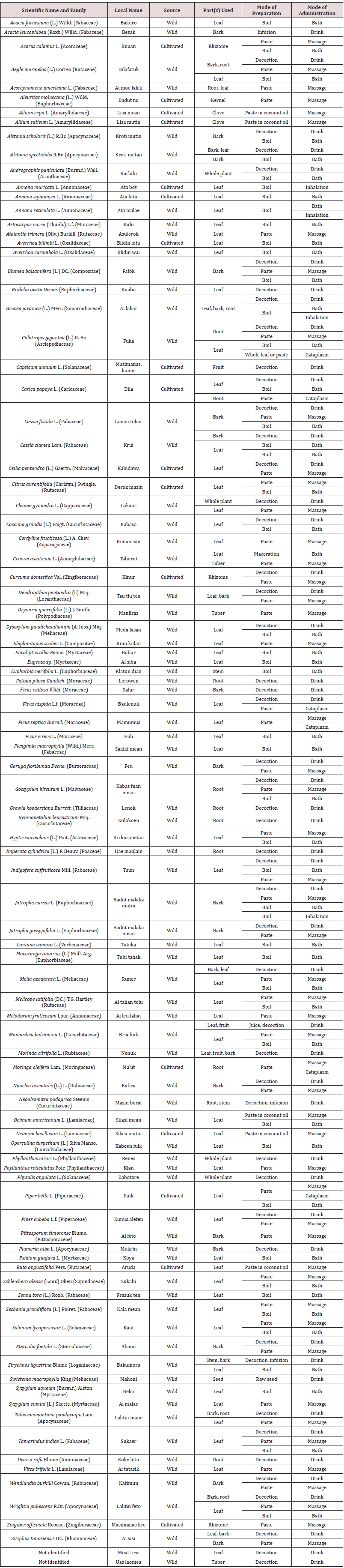
In this study, we recorded a total of 96 species from 39 families used by Tetun people in various formula for drink, massage, bath, inhalation and cataplasm (Table 1). Strychnos ligustrina, Carica papaya, Cleome rutidosperma, Physalis angulata, Alstonia spectabilis, Alstonia scholaris and Melia azedarach are some of the most widely plants used in various formula for drink. For massage, Garuga floribunda, Jatropha curcas, Acorus calamus, Allium cepa, Drynaria quercifolia, Ocimum sp. and Ruta graveolens are common. For bathing, people use Tamarindus indica, Psidium guajava, Melicope latifolia and Blumea balsamifera. Leaves of Brucea javanica, Annona muricata and Annona reticulata are used in inhalation method. Root of Moringa oleifera and leaves of Ficus hispida are used as cataplasm to reduce the swollen spleen [19]. Several plants were found in various formula for more than one mode of application. Several previous publications showed that most of these plants are also used in other traditional medicine for the same purpose in many areas of Indonesia and the world [16,18], and have been scientifically proven to have pharmacological activities as true antimalarial (antiplasmodial) and/or indirect antimalarial such as antipyretic, analgesic, anti-inflammatory and immunostimulant [20].
Table 1: Plants used by Tetum ethnic people for the treatment of malaria.
Lupinepublishers-openaccess-complementary-alternative-medicine-journal


Conclusion

The practice of preventing and treating malaria in the traditional medicine of Tetun ethnic people is a direct implementation of their local knowledge about malaria. The local concept of signs and symptoms and the causes of malaria encourage traditional people to create methods to prevent and treat malaria. The local concept of the Tetun ethnic people about malaria is the main reference in the creation of rules regarding prohibitions and restrictions, and recommendations for preventing attacks of malaria. The local concept of the causes of malaria determines the choice of plants for the treatment of malaria. Scientifically, these plants have been proven to have activities as true antimalarial and indirect antimalarial. The local concept of malaria as a common, mild and harmless disease causes that the role of traditional healer is not always needed in the treatment of malaria. Methods for the prevention and treatment of malaria developed by Tetun ethnic people consist of both herbal and non-herbal methods and supported by the implementation of several prohibitions and restrictions to provide healing for the sufferers of malaria.


Acknowledgement

We thank to Indonesian Ministry of Research, Technology and Higher Education, for financial support (Research Contract No. 0668/K8/KM/2018).

For More Lupine Publishers Open Access Journals Please visit our Website:

To Know More About Open Access Publishers Please Click on Lupine Publishers
Follow on Twitter:  https://twitter.com/lupine_online

Thursday, 12 March 2020

Lupine Publishers | Acute Erythroblastic Leukemia Revealed by Dermatological Manifestations

Lupine Publishers | Open Access Journal of Oncology and Medicine


Abstract


Acute erythroblastic leukemia is characterized by the proliferation of a predominant erythrocyte population on other lineages. Cutaneous manifestations remain rare and misleading, making the diagnosis of difficult to suspect as first-line. Here, we report an unusual and rare case of acute leukemia in a 24 year old male with gingival hypertrophy and dermatological manifestations. This case emphasizes that dentist and dermatologist should be well acquainted with these manifestations of systemic diseases.

Case Report


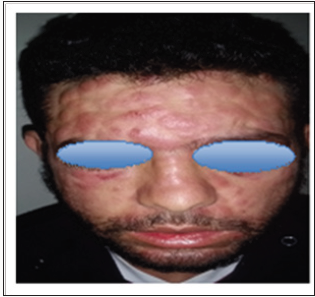
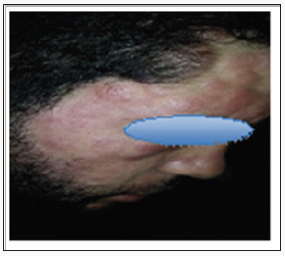
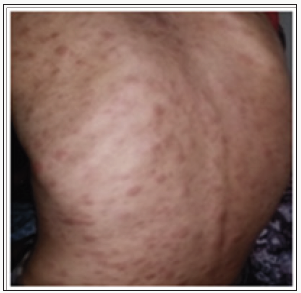
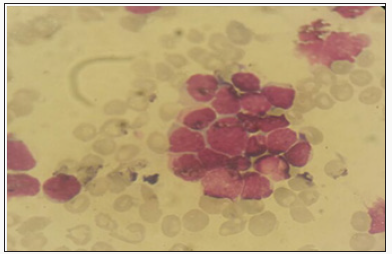
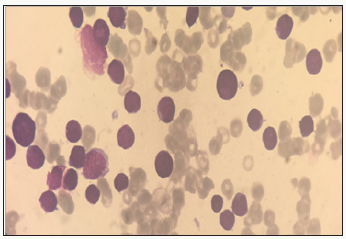
We report the case of 24 years old patient, with no significant pathological history, who had a rash for 10 days in a context of fever and very bad general condition. At admission the patient was febrile, tachycardic and dyspneic. Physical examination revealed erythemato-purplished papulo-nodules on the face, trunk, limbs and a gingival hyperplasia. The oral state was deplorable. Bilateral cervical lymphadenopathy was also found without the patosplenomegaly (Figures 1-3). The biological assessment showed a CRP of 150 and a pancytopenia with a Hbat 7.5g / dl, normal VGM and CCMH, a deep thrombocytopeniaat 85000 / l, leukocytesat 1500 / l. The blood smear showed 35% of circulating blasts and 22% of erythroblasts (Figure 4).
Figure 1: Clinical Manifestations of AML.
Figure 2: Clinical Manifestations of AML.
Figure 3: Clinical Manifestations of AML.
Figure 4: Blood smear showing 35% of circulating blasts.
The medullo gram showed a hyper-cellular marrow with a rate of myeloblasts greater than 45% compared to all non-erythroblastic elements and erythroblastic hyperplasia estimated at more than 65%; with signs of dyserythropoiesis suggestive of the diagnosis of erythroleukemia (Figure 5). Blood immune phenol typing was positive for CD13, CD33, MPO and Glycophotin A. The evolution was unfavourable; the patient died due to massive alveolarhemorrhage.
Figure 5: Hyper cellular marrow infiltrated by a blastic contingent estimated at 45%.

Discussion


Acute erythroblastic leukemia is characterized by the proliferation of a pre dominantery throcyte population on other lineages. There are two types: Erythroleukemia: defined by the presence in the bone marrow of more than 50% of the erythroid precursors of all the medullary cells, and more than 20% of myeloblasts of the whole non-erythrocytemedullary cells - Pure erythroid leukemia: it presents a neoplastic proliferation made of more than 80% of erythrocyte cells without obvious presence of the myeloblastic contingent [1]. It is usually manifested by signs of bone marrow failure and cytopenia [2,3], skin involvement remains rare, varied and disorienting the diagnosis; they are found mainly in Acute myelovlastic leukemia [4,5]. Cutaneous manifestations during leukemia are infrequent and varied. They designate all the cutaneouslesions related to the haematological malignancy directly or indirectly following their treatment; we essentially distinguish.
The specific dermatological lesions which can reveal hematological diseases [4], are mainly represented by leukaemides (leukaemia cutis), which are red brown to purple dermal papules, plaques or nodules. Granulocyticsarcom as an extra-medullary tumour masses, ulcerated plaques and gingival hypertrophy [5]. The infectious dermatoses secondary to the biological disturbances accompanying the malignan themopathy and their treatments. The occurrence of specific cutaneouslesions in leukemia is synonymous with a major aggravation of the prognosis (with for example a survival twice as short if there is a specific cutaneous involvement); this seriousness make some authors propose different treatments with a medium-long stay hospitalization[6-8].
In our case, acute myelonlastic leukemia 6 (AML 6 ) was revealed by diffuse leukemias resulting from the infiltration and proliferation of malignantha ematological cells (blasts) in the skin and by gingival hyperplasia secondary to mucosal infiltration [5]. The clinical presentation of acute leukemia including AML6 in the form of ulcer ativenecroticgingivitis in the foreground, is a rare form to be remembered, mentioned in all courses of medicine and dentistry, stipulating that Gingival involvement is a classic feature of leukemia [6] The frequent association of skin cancers with haematological malignancies is also highlighted in several publications [5].

Conclusion


The cutaneous localizations are among the rarest extreme dullary lesions of acute myeloid leukaemia’s (AML) not exceeding 1%. They are generally considered as factors of worse prognosis. Their cytogenetic or mutational specificities remain un established to date.


For More Lupine Publishers Open Access Journals Please visit our Website:

For more Open Access Journal of Oncology and Medicine Please Click Here: https://lupinepublishers.com/cancer-journal/

 
Follow on Twitter   :  https://twitter.com/lupine_online  

Wednesday, 11 March 2020

Lupine Publishers | Principles of the Military Consultations in Ancient Egypt

Lupine Publishers- Anthropological and Archaeological Sciences Journal Impact Factor


 Introduction
A way from the regular theory, that the royal king always had the perfect and ideal order and decision [1], when he always is depicting as an intelligent and wise man, making the correct solution against the doubts and uncertainties of his councilors [2], The pattern is basically that the king makes and demonstrates his superior judgment by the ensuing success [3].
From the beginning of the ancient Egyptian history, the royal king must had his own courtiers and advisors among the great ones [3A,3B], to consult with them, concerning the vital matters, especially when are relating to the country fate [4], the literary texts depicted several kinds of councils, whether were holding at the royal palace or outside it.
The first witness of holding a royal council was belonging to the 4th dynasty, at the reign of the great king Khufu, this council documented in Westcar papyrus [5] (= Berlin Papyrus 3033), when the great king Khufu summoned his sons to tell him an exciting marvel event that had happened in the past, the texts contains a cycle of tales within a single theme related to the birth of the kings who will succeed his line family rule, the episode begins when the king one day felt with a boredom, so he went around every chamber of his palace, finding something fun to entertain [6]. The story refers indirectly, the king’s need to own his close and special courtiers [7], who were emerging obviously at the Middle Kingdome literary texts (Berlin leather Roll of Senusert 1) [8].

Methodology
The research is concerned with the texts which refer to the royal consultation dating since the second intermediate period (Hyksos era) till the reign of the king Thutmose III, it contains four councils, three of them were held at the 2nd intermediate period (Apophis, Seqenenre and Kamose), while the 4th one belonged to the king Thutmose III’ reign.
The research will intend to analyze those councils, the reasons of its holding, members of the council and their positions, the place of its holding, the full dialogue that happened between the king and his councilors, and however the role of both (the king and his councilors) at these councils, as well as the results and the decisions which had been adopted.

Principle of Military Consultation in the Second
During the end of the 12th dynasty of the Middle kingdom [9], considerable details are indicating an increasing in numbers and activities of the Asiatics who infiltrated and settled around the eastern borders of the Delta [10], that settlement facilitated the operation of Hyksos invasion [11], which happened in the second half of the 13th dynasty of the Middle kingdom [12]. So, the country was divided into individual parts, the Hyksos invaders established the 15th dynasty, that predominated the whole Delta region until the middle Egypt borders at south, while the fugitive king of the 13th dynasty had to leave and ruled his remaining days of his reign to govern from Thebes [13], when the local governors of Thebes province hosted him and his royal family after the fall of the political capital el-Lisht, a short time passed, the Theban governors had inherited the kingship and authority and were establishing the 16th dynasty, which began the first liberal operations against the Asiatics invaders.
This latter dynasty was followed by a strong family (the 17th dynasty) whose kings began the true struggle and liberation wars against Hyksos, the first engagement occurred during the reign of Seqenenre Taa in the time of Ippy (Apophis) king of Hyksos.

For More Lupine Publishers Open Access Journals Please visit our Website:
For More Anthropological and Archaeological Sciences Articles Please Click Here:
To Know More About Open Access Publishers Please Click on Lupine Publishers

Follow on Twitter:  https://twitter.com/lupine_online


Wednesday, 4 March 2020

Lupine Publishers | Historical Silahtaraga Power Plant-Black Sea Decovil Line Research, Double Military Decovil Photogrammetry Study

Lupine Publishers- Anthropological and Archaeological Sciences Journal Impact Factor


Abstract

In this article, which we prepared in addition to the works carried out by tracing a lost cultural heritage, In 1915 Turkish geography, investigation and photogrammetry study on the narrow-gauge railroad line built to transport coal from the Black Sea coast to the Golden Horn will be included. In the study, a CAD model created by measurements made from old photographs related to the subject will be used as data in the prototype to be produced by SLS (Selective Laser Sintering) method. Then, we believe that the miniature model and production adventure of the Decovil locomotive, which we have brought to the present with the noncommercial serial production of the model, will be the means of remembering at least a cultural heritage that has not reached today.


Introduction

In this part of the study, the research of the historical railway and its archaeological importance will be shared. In this review, news published on the internet pages and books and some collection materials prepared by the researchers were used. The narrow-gauge railroad line located in the boundaries of Istanbul, in Kagithane district was founded in 1915. In order to uncover the lost story of this railway which ended in 1950 with the dismantling of the rails, a book published named “100 years later on the trail of a lost railway”. In the study carried out by the Municipality of Kagithane as a multi-disciplinary team, the team of writers created an important task in bringing the cultural heritage to the present day by bringing together the written documents, photographs and pieces of the railway which have the chance to reach today.

In the studies, many details related to the narrow-gauge railroad line, which was built for the purpose of transporting coal from the lignite basin in Agacli (25 km area starting from Kilyos to the Terkos Lake on the Black Sea coast) to the power plants in the Golden Horn, have been delivered to our day[1]. If we need to share some valuable details about the railway: The Kagithane- Black Sea decovil line, which was effectively used to meet energy needs during the First World War, was built between 1914 -1916 and is 57 km long (Figure1). The distance between the rails of the railway is 60cm and this system is called as decovil [2]. The name dekovil comes from the company founded in 1875 of the surnames of the French engineer and businessman Paul Decauville who lived between 1846 -1922 [3].

Figure 1: Distribution of archaeological sites in the Mouhoun Bend (Burkina Faso).
Lupinepublishers-anthropological-and-archaeological-sciences
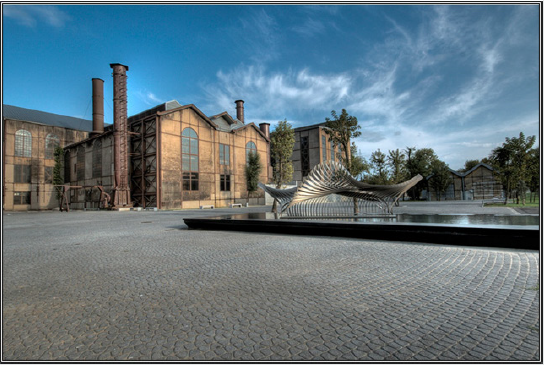
The period when the line was established, World War I continues in the region. There is an energy problem in Istanbul due to the imports of coal stopped from the UK due to the war and the damage of ships bringing coal from Zonguldak to the region during the war. The fact that the Canakkale Strait was closed due to the war made it impossible to import coal through the Mediterranean. In the Ottoman geography of the period, coal was used as an energy source in ships and power plants rather than domestic fuel. Today it is a museum building; the building, known as Silahtaraga Power Plant of the period, meets the electricity needs of Istanbul (Figure2). With the planned decovil line, it is aimed to evaluate the coal reserve on the Black Sea coast and to transport it to the Silahtaraga Power Plant without the need for sea transportation. In this way, the solution to the energy problem of Istanbul will be produced. Although the existence of the coal reserves of Agacli, Ciftalan region on the Black Sea coast has been known since the Byzantine Period, no studies have been conducted to make the reserve available for use. After the preliminary investigation, it is determined that the desired yield can be obtained by mixing the lignite coal in the region with Zonguldak hard coal, and it is decided to use the coal in the region and construction of the decovil line is started. The entire installation works are photographed by Hasan Mukadder Dolen, the railway regiment officer of the period.
Figure 2: Distribution of archaeological sites in the Mouhoun Bend (Burkina Faso).
Lupinepublishers-anthropological-and-archaeological-sciences
The period when the line was established, World War I continues in the region. There is an energy problem in Istanbul due to the imports of coal stopped from the UK due to the war and the damage of ships bringing coal from Zonguldak to the region during the war. The fact that the Canakkale Strait was closed due to the war made it impossible to import coal through the Mediterranean. In the Ottoman geography of the period, coal was used as an energy source in ships and power plants rather than domestic fuel. Today it is a museum building; the building, known as Silahtaraga Power Plant of the period, meets the electricity needs of Istanbul (Figure2).
With the planned decovil line, it is aimed to evaluate the coal reserve on the Black Sea coast and to transport it to the Silahtaraga Power Plant without the need for sea transportation. In this way, the solution to the energy problem of Istanbul will be produced. Although the existence of the coal reserves of Agacli, Ciftalan region on the Black Sea coast has been known since the Byzantine Period, no studies have been conducted to make the reserve available for use. After the preliminary investigation, it is determined that the desired yield can be obtained by mixing the lignite coal in the region with Zonguldak hard coal, and it is decided to use the coal in the region and construction of the decovil line is started. The entire installation works are photographed by Hasan Mukadder Dolen, the railway regiment officer of the period.
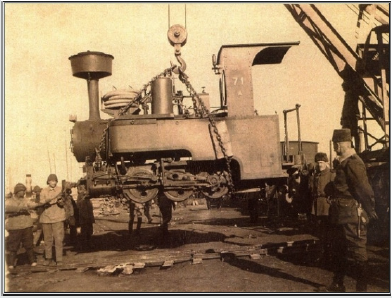
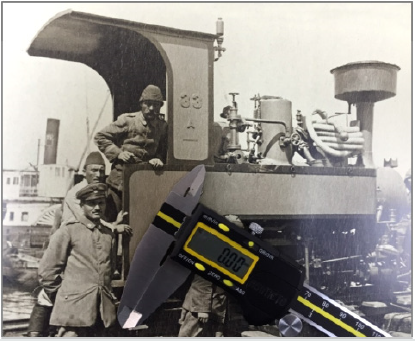
Hasan Mukadder Dolen’s photo collection was left to his grandson Emre Dolen after his death in 1975. It is known that many photographs and information about the historical railway have survived through this channel. Following the first line completed in 1915, a second line was built in Ciftalan in 1916. Railway rails and locomotives produced by Germany’s decovil line, with many stations, vehicles and employees is important in terms of energy logistics of the period. It is mentioned in the historical documents that the rails and locomotives transported from Germany to the Ayestefanos Railway Regiment warehouses in Yesilkoy by the Danube River were later brought to Eyup, Silahtaraga by ships (Figure3).
Figure 3: Distribution of archaeological sites in the Mouhoun Bend (Burkina Faso).
Lupinepublishers-anthropological-and-archaeological-sciences
The first line starts from Silahtaraga and reaches Agacli village after Kagithane stream; the other line runs through the Belgrade forests to the village of Ciftalan. The light rail line that reached the Black Sea coast from Kagithane, which is the famous promenade of the period, undertook an important duty in coal transportation during the years it was established, but was forgotten by being out of use in time.
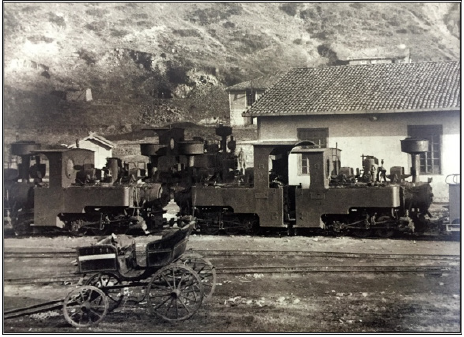
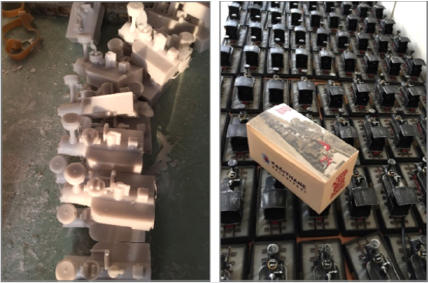
The line was transferred to the Ministry of Commerce in 1922 and to the Ministry of Economy after the proclamation of the Republic [4]. Although traces of the line disappeared in the region after 1956, the rails remained largely underground and in many regions the rails were removed. It is known that one of the locomotives is currently located in the Celtek coal mine depot of the Special Provincial Administration of Amasya. In the photogrammetry study for the protection of cultural heritage, CAD model will be created by using original photographs of locomotives known as Zwilling Heeres Feldbahn (Double Military Decovil) produced in Munich in 1890 by Krauss Werkshof [1] (Figures 4 & 5). The first prototype of the model produced with SLS (Selective Laser Sintering) one of today’s 3d print technologies, will be used for silicon mould technique in mass production.
Figure 4: Distribution of archaeological sites in the Mouhoun Bend (Burkina Faso).
Lupinepublishers-anthropological-and-archaeological-sciences
Figure 5: Distribution of archaeological sites in the Mouhoun Bend (Burkina Faso).
Lupinepublishers-anthropological-and-archaeological-sciences

Literature on Photogrammetry

In this part of the article, the photogrammetry study carried out with measurements taken from photographs of locomotives used in historical railway will be shared. In this context, sharing of literature knowledge about photogrammetry and its usage areas and then modelling study were included in the study. Visual analysis techniques are used in many scientific research areas. In the fields of anthropology and sociology, from the use of photographs of past periods [7] to airborne imaging technologies[8]; visual analysis techniques in different scientific fields from ecology, geography to medical science [9], are basically based on the use of photography as a source of information. Photographs used as data in the social field allow interpretations, social-cultural determinations and visual analysis of the time of the photograph [10]; in technical fields, it can also be used as a digital data source.
The use of photography for numerical data acquisition will be explained within the framework of photogrammetry concept. The word, which consists of a combination of ancient Greek “photos” (light), “grama” (drawing) and “metron” (measurement), means measuring with the help of pictures. Photogrammetry, which is used only in mapping, has been used in different areas in the following years. Basically, the photographic analysis to determine the shape, size and position of an object is called photogrammetry [11]. Photogrammetry is divided into three main sections (topographic photogrammetry, interpretation photogrammetry, special purpose photogrammetry) according to the application areas. Photogrammetry used in the fields of architecture, dentistry and archaeology is included in this third group [12].
In recent years, many studies have been done to document the cultural heritage with photogrammetric methods [13], photogrammetry has been used extensively in histor ical works documentation and model formation processes [12]. In such studies, the measurements taken on the photos allow the creation of the 3-D model of the historical work on the computer with digital photogrammetric techniques [14]. While the measurement process is carried out with the points and lines determined by the software, different methods can be used. In our study, the CAD model, which is designed with the measurements with calliper and ruler from old photographs, will be discussed within the scope of special-purpose photogrammetry.

Modelling Process

In this part of our study, we will discuss the modelling process created by taking measurements from the historical photographs of the railway line locomotive of KaÄŸithane. In the modelling study, the locomotive CAD model was created in CATIA V5. The modelling; cabin, nose, mechanical parts and rails, including a total of 4 body consists of (Figure 7).
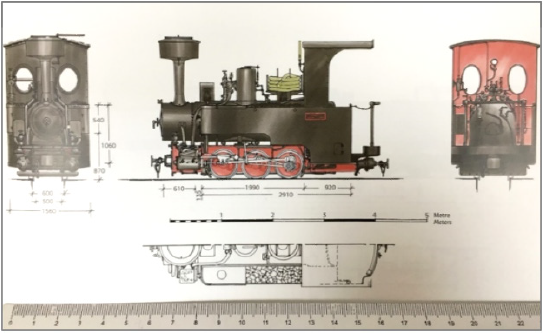
Part design tools are used in the modelling. The modelling of the locomotive as 4 bodies is taken into consideration for the production criteria for the silicone mould to be needed during mass production. In this sense, the model has been modelled and divided into pieces so as to enable post-production assembly. In the modelling study, first the technical drawings (Figure 6) made by Alan Prior were used for general information about the model; in the detail drawings, black and white photographs taken from different angles were used. After the results of modelling, some forms are very detailed for the casting process and line softening is performed according to the model casting process (Figure 7).
Figure 6: Distribution of archaeological sites in the Mouhoun Bend (Burkina Faso).
Lupinepublishers-anthropological-and-archaeological-sciences
Figure 7: Distribution of archaeological sites in the Mouhoun Bend (Burkina Faso).
Lupinepublishers-anthropological-and-archaeological-sciences

Data Transfer to 3d Printing System After Modelling

(STL File, Quality Problems) STL (Stereolithography) data is needed for additive manufacturing of the model. The CAD data generated for this reason is exported in the STL format in the CATIA software. In this process, STL mesh quality is important for the surface quality of the model to be produced. The quality of the prototype to be produced with SLS will affect the quality of the silicone mould from this prototype. The quality problems in the STL data are related to the number of mesh on the surface and the settings of the CATIA display and the necessary arrangement is made as follows: First, the screen settings are set in the ”tools“ - ”options” – “performance” section in the top menu of the CATIA Part Design module. In this section, the 3D Accuracy and 2D Accuracy “fixed” values are revised to “0.01”. The value 0.01 remains constant until changed again.
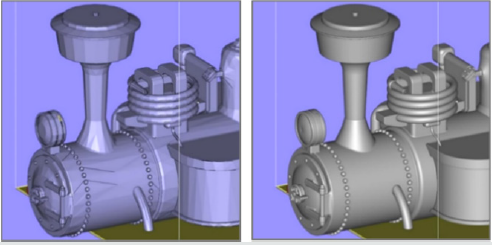
The next editing is done in the CATIA STL Rapid Prototyping module. In the “tesselation” command, with “sag” value, 0.001mm and “grouped” option preference, the mesh quality of each part is determined (Figure 8: on the effect of mesh quality adjustment on surface quality in STL data).
Figure 8: Distribution of archaeological sites in the Mouhoun Bend (Burkina Faso).
Lupinepublishers-anthropological-and-archaeological-sciences

Model Production Process

The technique used in the prototype production is SLS (Selective Laser Sintering) and the material used is PA 2200 (polyamide). If we need to give basic information about SLS production system: The SLS technique is made by sintering micron-size polymer powder in layers, using laser power. In 1986, Carl Deckard, a student at the University of Texas, developed this method of powdered material, which he called PGLSS (Part Generation by Layer wise Selective Sintering). Later on, this production technique called SLS, (with the description text: computer-aided laser apparatus which sequentially sinters a plurality of powder layers to build the desired part in a layer-by-layer fashion) is patented on October 1986 [15]. The method of SLS production is as follows:
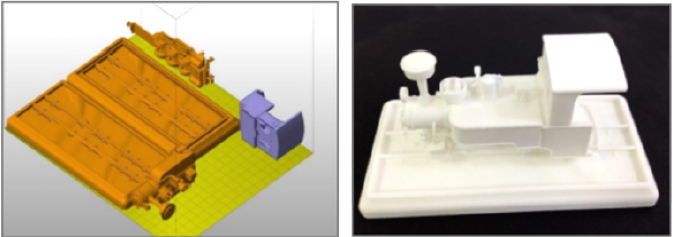
Firstly, files saved in STL format are opened in Netfabb software and settled in the production area. (Figure5). All parts are sliced at intervals of 0.1 mm (100 microns) after placement. Then the file sliced into 100 microns is saved in SLI format. Although there are 60 microns slicing options within the system, 100 microns will be sufficient for the desired quality. Then the process will continue in the EOS PSW software. After the material preference and parameter selection in EOS PSW software, the file will be transferred to the production bench. The material preference is selected as PA2200 and the layer thickness is 100 microns. The production parameter is then determined. After the prototype production to be performed in EOS P110 (Figure 9), silicone moulding will be carried out for mass production.
Figure 9: Distribution of archaeological sites in the Mouhoun Bend (Burkina Faso).
Lupinepublishers-anthropological-and-archaeological-sciences
The first prototype produced with PA 2200 material, is used to form the silicone mould. After that, the model which is replicated in the manufacturer company by casting process from polyester material is painted with handwork and the final product is obtained (Figure 10). In classical applications, the silicone mould is taken from the prototype modelled by the sculptor and polyester casting process is performed. In the prototype production subject to our study, the process was completed by using digital technologies and methods. In the study, modelling was performed in parametric cad software, enabling the revisions needed in the process to be made quickly.
Figure 10: Distribution of archaeological sites in the Mouhoun Bend (Burkina Faso).
Lupinepublishers-anthropological-and-archaeological-sciences


Tuesday, 3 March 2020

Lupine Publishers | Peer Review of Statistics in Surgical Research: Identify The X-Factor or Toss a Coin!

Lupine Publishers | Journal of Cardiology & Clinical Research


Professor Peter Bacchetti’s excellent article [1], highlighting “the other problem of peer review of finding flaws that are not really there based on unfounded statistical criticism, and its demoralizing effect on authors”. I wish to add some thoughts to the debated issues. Professor David Horrobin’s original classics on the subject [2,3]. have not yet been surpassed. It was updated recently [4] and prompted some contributory thoughts [5]. Having enough experience as author of reject articles and some as peer reviewer, I find the most devastating effect to author’s morale is making no comment, giving no reason for rejection or not replying all. The BMJ is guilty on this account as an article of mine was rejected that was accepted elsewhere after minor editing [6]. The BMJ, however, is in the good company of most biomedical journals who apply the COPE rules. The article lacked statistics of any kind that perhaps might be one of the reasons it was disliked at BMJ. To Editors’ credit, however, it took about a month to say ‘No’ that caused no momentum loss, unlike other Journals who reach the same verdict on other articles after 6 months or a year that drag another year or two before the author could recover and gather enough time, interest and energy to face the damn thing again. One subtle aim of that article [6], mentioned to BMJ Editors, was an attempt to say that “there is science and in particular evidence based medicine without statistics”.
It is a devil’s advocate to say statistics has not only been made into a “big lie” but also ‘false God’. It was invented elsewhere but currently worshiped only at most medical and surgical journals. A look at Science and Nature testifies such prestigious magazines have reduced statistics to real size and value as a “tool for testing a hypothesis”. It is not too basic a question for every biomedical peer reviewer to find out the exact role, aim and limitations of statistics. Some was mentioned in an article [7], nobody noticed save the late great Professor GD Chisholm editor of Br J Urology. It was based on a study that was rejected by a grant committee. It aimed at resolving 2 of the most serious puzzles of current clinical practice, postoperative hyponatraemia and the multiple vital organ dysfunction or failure syndrome [8]. However, giving data and statistics [7,8]. before clarifying the theories [9]. has proved as wrong as putting the cart in front of the horse. Einstein’s methods on proposing the special and general relativity theory is the correct way. When statistics was haled in the sixties everyone thought it was the only mean to discover “The Unifying Theory”.
This has proved both immensely costly and wrong. The basic fact is ‘statistics cannot, was not intended to and will never could, make a discovery’. Observation, mental experiments and the X factor are the only way to make a discovery long before it is verified and proved by practical studies and statistical tests. Before explaining the X-factor please allow me tell a relevant true story that symbolizes the current problem with statistics. Two friends of mine in UK had a disagreement, made a bit on a round of drinks and decided the first person to enter the hospital club will be the judge. Guess who did? I did but having no clue on how to resolve the conflict suggested that a flip of a coin might be the best way. They agreed also to my condition that while head or tail will determine the winner among them, if the coin stood on edge the judge should be the winner of all. It did and I won. Another conflict started on: Who should buy the 3rd round of drinks? Both agreed that it was my turn. I explained that buying the 3rd round will gain good company but lose all winnings, and my turn should be the 5th round! The point is statistics can tell the probability of head or tail and exclude the odd but when evaluating to either 0 or 100% and the truth is known, instead of expiring it generates residual arguments. Professor Richard Smith contributed to this debate by quoting Dr Hedge on Professor Robert Fox’s famous thought that “swabbing the rejects with the accepts does not make a difference.”
He added that perhaps it has already been done at BMJ” and asked “How can you know?” With due respect Sir, I frankly think nobody can. Despite a proven incremental value of an average article it does not make a noticeable difference or great loss to scientific advances. Statistically speaking that means a quality article submitted to BMJ has 50% chance of being accepted or rejected. So, why not save everybody the trouble and toss a coin? Here is where statistics has shot itself in the foot. It gives an average chance to the average and an odd chance to the odd but can’t tell which is important. The odd chance of a tossed coin to stand on edge matches that of a breakthrough scientific or medical article coming an editor or peer reviewer’s way but detecting such article makes all the difference. Some call it a hunch or gut feeling. Others qualify it by the three-pronged tests of quality, relevance and civility. Identifying the “X-factor” that makes such an article stand out is worth all the trouble. I honestly do not know but it is the arresting beauty found in Einstein’s famous papers, Newton’s laws, Mozart’s music and Shakespeare’s writing among many examples that include medicine [2-4]. I wrote 2 articles on such para-scientific para-medical stuff to identify the X-factor, “Rules and lures of the science game” and “The Mozarts of Science” sent to journals nearly two years ago and have not received a reply yet. I think a message of “Ignore the big headed bustard” arrived. Qualified people to find out the X-factor are COPE members. Another question that requires a ‘Yes’ or ‘No’ answer would be: if any of Einstein’s papers is evaluated using the current peer review standard and statistics adopted by most biomedical journals, would it be accepted?

Monday, 2 March 2020

Lupine Publishers | Post Endodontic Pain Reduction using three Irrigants with Different Temperature

Lupine Publishers | Journal of Otolaryngology Research Impact Factor

Abstract

Objective: The purpose of this research was to evaluate whether meticulous irrigation with three different temperatures would help in a decrease dental pain.
Materials and Methods: All 120 patients had teeth chosen for conventional RCT for prosthetic reasons in teeth with vital pulps. All canals were cleaned and shaped with Reciprocal files. Final irrigation was done with cold saline solution (6 OC, 4 OC, and room temperature).
Results: A total of 120 of 135 patients (69 females and 51 male) were included whereas 15 were excluded as not achieving the necessities of the study. All patients presented with a vital upper or lower molar, premolar, or front teeth. No statistically major change (P>0.05) between the groups was found regarding the degree or duration of pain.
Conclusion: The approach in both selecting the patients participating in the research and analyzing the data in this research allows us to determine that cryotherapy is an aid of clinical procedures to clean and shape the canals to decrease the occurrence of post-endodontic pain and the need for medication in patients presenting with a diagnosis of vital pulp.
Keywords: Apical healing; Flare-ups; Pain; Post endodontic pain; Post-operative pain

Introduction

Post-endodontic pain is an undesirable sensation occurred in patients regardless of the preoperative periapical status of the tooth treated. Therefore, prevention and management of post endodontic pain are essential in endodontic practice [1]. Organic material, microorganisms, and irrigating solutions extruding beyond the apical constriction during root canal therapy (RCT) will originate inflammation and periodontal ligament complications, such as severe pain or flare-ups. It must be noticed that the amount of extruded material (debris and/or irrigate) varies widely in the reported studies which indicate problems and inconsistencies in treatment methodologies [2-4]. Recent literature has showed that keeping apical patency would not generate more postoperative difficulties [5-7]. A recently issued in vitro study showed that intracanal delivery of cold irrigating solution at 2.5 °C with negative pressure flushing reduced the external surface temperature to close 10 °C [8-10], would be enough to create a local anti-inflammatory beneficial consequence in peri radicular tissues. Cryotherapy proposes that using cold over some procedures may decrease the diffusion of nerve signs, bleeding, edema, and local inflammation and is therefore effective in the reducing of pain. Therefore, the purpose of this research was to evaluate whether meticulous irrigation with three irrigating practices with different temperature would help in a decrease of post-endodontic pain.
Three expert endodontists with a private practice of 17 years and skilled in the procedures and procedures studied were included in the research and performed 40 RCTs each (a total of 120) in upper/lower front or back teeth with irreversible pulpitis recognized by pulp sensitivity testing with hot and cold.  Pulpal response tests were achieved by the main author, and a digital X ray diagnosis was documented by three certified clinicians. Additional clinical necessities for patients´ inclusion were as follows: Necessities of the research were agreed and spontaneously accepted, healthy patients were included, teeth with enough coronal structure and diagnosed with vital pulps, no previous RCT, and no analgesics or antibiotic consumption 7 days before the procedures. A total of 120 of 135 patients (69 females and 51 male) aged 18 – 60 years were referred and integrated in this research, whereas 15 were rejected as not accomplishing the necessities wanted. All participants showed with a vital upper or lower molar, premolar or front teeth designated for conventional RCT for dental rehabilitation reasons.

Methods

Dental procedures

Root canal treatment was done in one visit. Topical anesthetic (Anesthesia Topical, Astra, Mexico) was used. Patients received 2 carpules of articaine 2% with epinephrine 1:200,000 (Septodont, Saint-Maur des-Fosses, France). Situations in which supplementary anesthesia was needed, intra-ligamental anesthesia (2mL articaine 2%) was supplied. For the upper front teeth, the solution was administered by tender and slow local infiltration. For the lower teeth, one of the carpules was used for the lingual and alveolar nerve block, the other one for a moderate bucal infiltration nearby the tooth to be treated.

Irrigation protocols

Group 6 °C. The R25 (size 25/ .08) instrument was employed in tinny and curved canals, and R40 files (40/ .06) were used in broad root canals. Three in-and-out pecking series were employed with a fullness of not more than 3mm until getting the calculated WL. Patients allocated to this group receive a final irrigation with 5mL of cold (6 °C) 17% EDTA followed by 10mL of cold (6 °C) sterile saline solution dispensed to the WL using a cold (6 °C) metallic micro-cannula.
Group 4: Canals were instrumented as in group A. Patients allocated to this set received a final irrigation with 5mL of cold (4 °C) 17% EDTA followed by 10mL of cold (4°C) sterile saline solution dispensed to the WL using a cold (4 °C) metallic micro-cannula for 1 minute.
Group RT: The R25 (size 25/ .08) instrument was employed in tinny and curved root canals, and R40 files (40/ .06) were used in wide canals. Three in-and-out series were employed with a space of not more than 3mm until getting the calculated WL. Reciprocal instruments were used in one tooth only (single use). Participants allocated to this control group were treated similarly to the experimental groups, except that they received a final flush with 5mL (room temperature) of 17% EDTA followed by 10 mL (room temperature) of sterile saline solution delivered to the WL.

Statistical analysis

The related issues preoperatively recorded were integrated into the examination as follows: age and sex, occlusal contacts, and maxilla or mandibular teeth. Changes in the strength of pain among groups were studied using the ordinal (linear) X2 test. Variances in VAS-recorded standards after 24, 48, and 72 hours and in the quantity of analgesic intake among the two groups tested.

Results

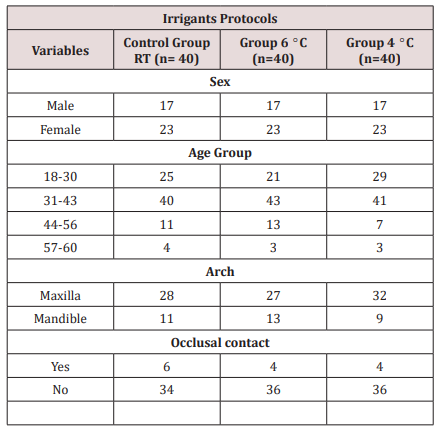
Table 1: Distribution by group of teeth and location.
lupinepublishers-openaccess-journal-otolaryngology
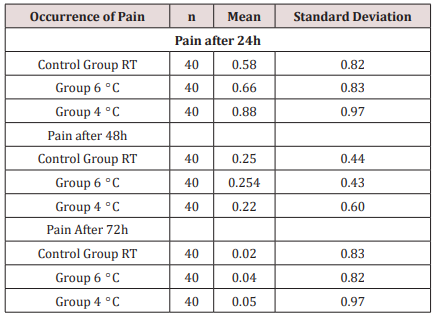
Table 2: Kruskal/Wallis test applied to the post-endodontic pain.
lupinepublishers-openaccess-journal-otolaryngology
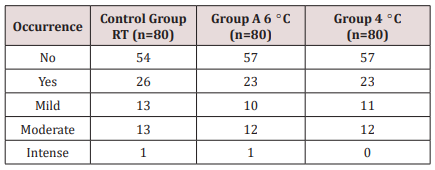
Table 1 displays the distribution of variables; a total of 120 participants took part in this study: 69 (57.5%) were women, and 51 (42.5%) were men. The ages fluctuated among 18 and 60 years; 87 (72.5%) were upper teeth, and 33 (27.5%) were lower teeth. The clinical management of the patients is showed in Table 1. No significant modification (P > 0.05) between the groups was encountered concerning the grade or period of pain. Rendering to the VAS examination, marks were seen 24 – 72 hours late in the 3 groups with a significant decline successively (Tables 2 & 3).
Table 3: Kruskal/Wallis test applied to the post-endodontic pain.
lupinepublishers-openaccess-journal-otolaryngology

Discussion

Pain is tough to comprehend and calculate especially when it occurs unexpectedly in patients. The major trouble in knowledge painful and discomfort is the participant’s individual valuation and its dimension. For this objective, organization of the estimation form has to be entirely understood by participants. In our research, a simple spoken classification was followed in the feedback procedure with four classes: no pain, slight, modest, and intense pain. These classes were clearly comprehended by participants and were described by the occurrence or nonappearance of the necessity for pain-relieving treatment. Preoperative pain is one of the main predictors of post-endodontic pain [11-14]. Thus, only teeth with irreversible pulpitis indicated for RCT because of prosthodontic purposes were treated in this research. In our research, we reduced the variation in the procedures following protocols based on recommendations by authors and manufacturers. While successful endodontic treatment depends on various variables, an important point to consider in the shaping of the root canal system is the amount of the irrigating solution. Proper disinfecting and filling the root canal system is facilitated by the keeping of its original shape from the entrance to the apical third, without any iatrogenic event.

Conclusion

According to the conditions established for this study, there was no statistically significant difference between the instrumentation systems assessed.