Wednesday, 17 March 2021

Lupine Publishers| Association of Mother’s Genetic Sensitivity to the Taste of 6-N-Propylthiouracil (Prop) and Their Children’s Dental Caries Status in Nepal

 Lupine Publishers| Interventions in Pediatric Dentistry Open Access Journal (IPDOAJ)


Abstract

Introduction: Dental caries is a multifactorial disease and is one of the most prevalent infectious disease that affects mankind. Young children present a unique risk for dental caries as their host-defense systems and bacterial flora are in the process of being developed and also because the newly erupted tooth surfaces are more susceptible to dental caries. Mothers are the persons who generally influence their children via their own food preferences. Hence the mother’s taste perception plays an important role in the development of dental caries in their children. The need of this study is to examine the association of mother’s taste perception to 6-n-propylthiouracil with caries prevalence in their young children as well as with other caries risk determinants such as mothers and their children’s oral hygiene practices.

Material and Method: 180 pair of mothers and their children in the age group of 3 to 6 years of both sexes were selected for the study & 6-n-propylthiouracil testing is done. A trained and calibrated examiner who did not have any knowledge of the mother’s PROP test performed a comprehensive clinical examination of the children to determine the presence or absence of DMFT/dmft.

Results: It is observed that nonstarter mother and children have higher caries prevalence than medium tasters and supertasters. Discussion- Genetic sensitivity to taste is an inherited trait in children from their parents, inheritance from mother being more pronounced.

Conclusion: Dental caries is multifactorial. No significant correlation between susceptibility of mother and child to genetic sensitivity exists, and genetic sensitivity is not the only criteria for severity.

Keywords: 6-n-Propylthiouracil; dental caries; dietary habits

Introduction

Dental caries is a multifactorial disease and is one of the most prevalent infectious disease that affects mankind. The development of dental caries depends on several critical interactions between a susceptible tooth surface, oral bacteria, fermentable carbohydrates and frequency of consumption of sugar [1,2]. Young children present a unique risk for dental caries as their host-defense systems and bacterial flora are in the process of being developed and also because the newly erupted tooth surfaces are more susceptible to dental caries [3]. Parents must also negotiate the dietary transition from bottle feeding to solid food and also take into consideration the child’s tastes. Several risk factors such as salivary counts of mutant’s streptococci, past carious experience and frequency of sugar intake have been evaluated to identify children at high risk of caries [1,4-7]. However, none of the currently available caries screening methods can identify children at high risk of caries quite effectively [1,8].

The role of diet as a direct cause of dental caries has been extensively reported [1,4,9,10]. A high intake of sugar has been correlated with a high dental caries in pre-school and school aged children. A high sugar intake reflects a preference for a sweet substance. Genetic sensitivity to taste may be associated with a preference or no preference of some food by children. Sensitivity to taste is an inherited trait in children [1,11]. In 1991 it was found that there is a genetic variation in the ability to taste the bitterness of the chemical 6-n-propylthiouracil (PROP) [1,12]. This variation was found to be associated with food preferences in children. Fox in 1931 found that some individuals perceived chemicals related to PROP as bitter (supertaster) while others could hardly perceive them at all (nonstarter). Those who are PROP super taster are typically supertasters in general and tend to dislike sweet while those who are PROP none tasters like sweet food and prefer strong tasting food products. Mothers are the persons who generally influence their children via their own food preferences. In many households’ mothers generally reward their children using sugary snacks which might increase their children’s preference for that kind of food. Hence the mother’s taste perception plays an important role in the development of dental caries in their children. This study was carries out with following aims and objectives:

Aim

To find the association between mother’s sensitivity to 6-n-propylthiouracil (PROP) and their children’s dental caries status

Objectives

To compare mother’s and child’s oral hygiene practices with their dental caries status. To determine the taste quality and taste preferences of food products among these study groups.

Materials and Methods

220 pairs of mother and children were randomly selected from consecutive children who were accompanied by their mothers visiting the Department of Pedodontics and Preventive Dentistry in the institution. Out of these 220 pairs of mother and children 180 pairs fulfilled the inclusion criteria. A single trained and calibrated examiner who did not have any knowledge of the mother’s PROP test performed a comprehensive clinical examination of the children to determine the presence or absence of DMFT/dmft. All examinations were performed with a mouth mirror and explorer in a lighted operatory after taking consent from the mother. Demographic information of mothers, their oral hygiene practices, their oral health status and the presence of grandparents in the household was collected by an open-ended questionnaire. A second questionnaire was used to collect data regarding the oral hygiene and feeding practices of the child (e.g. frequency of tooth brushing, intake of sugary food and frequency of intake of sugary food).

Inclusion Criteria

For children

a) Age groups of 3 to 6 years.
b) ASA physical status I/II and stable mental condition
c) Should be accompanied by mother.

For mother

a) Participant cooperation and acceptance of the study programmer.
b) Should be healthy and mentally stable.
c) Should be literate.

Exclusion Criteria

For children

a) Should not be less than three years and not over six years
b) Should not have any medical / hereditary conditions.
c) No acute dental diseases.

For mothers

a) Should not be pregnant
b) Should not suffer from systemic diseases
c) Should not be allergic to 6-n-propylthiouracil (PROP)
d) Should not be under any medications that could alter the taste sensation and affect salivary flow.

Prop testing

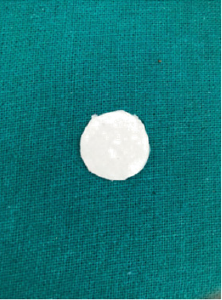
Figure 1: Filter paper with PROP solution.

Lupinepublishers-openaccess-pediatric-dentistry-journal

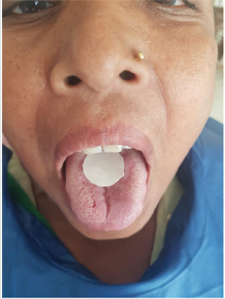
single examiner who did not have any knowledge of the mother’s and children’s oral health status had conducted the PROP test on the mothers. A small piece of filter paper (2 cm circle of Whatman’s grade 1 filter paper) containing approximately 1.6 mg (measured by calibrated dropper) of 6-n-propylthiouracil (PROP) was used to determine each mother’s taste type (Figure 1). The mother was asked to put the piece of filter paper in the mouth and moisten it with saliva for 30 seconds (Figure 2). After removing the filter paper, the mother was asked to quantify the intensity of bitter taste on the modified Green’s scale and was classified of supertasters (>60), medium tasters (12-60) and no tasters (<12). All examinations and PROP testing were carried out at the same time of the day (mid-morning) throughout the study. All the data gathered was tabulated and statistically analyzed. Student’s paired t test and chi square test was done.

Figure 2: PROP test on mother.

Lupinepublishers-openaccess-pediatric-dentistry-journal

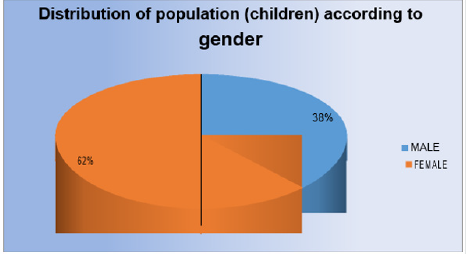
Figure 3: Distribution of population (children) according to gender.

Lupinepublishers-openaccess-pediatric-dentistry-journal

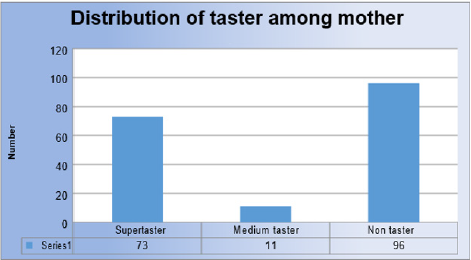
Figure 4: Distribution of taster among mother.

Lupinepublishers-openaccess-pediatric-dentistry-journal

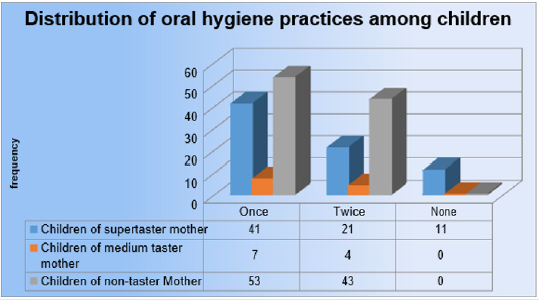
Figure 5: Distribution of oral hygiene practices among children.

Lupinepublishers-openaccess-pediatric-dentistry-journal

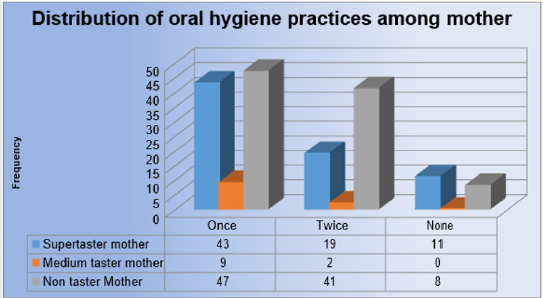
Figure 6: Distribution of oral hygiene practices among mother.

Lupinepublishers-openaccess-pediatric-dentistry-journal

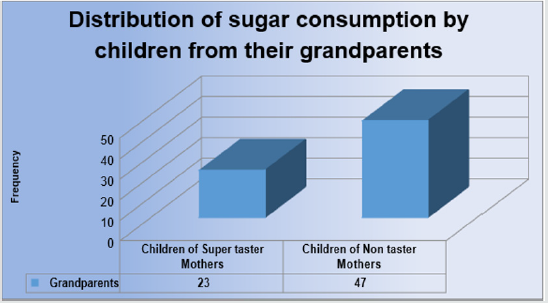
Figure 7: Distribution of sugar consumption by children from their grandparents.

Lupinepublishers-openaccess-pediatric-dentistry-journal

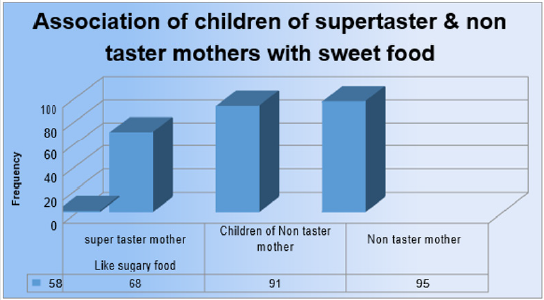
Figure 8: Association of children of supertaster & non taster mothers with sweet food.

Lupinepublishers-openaccess-pediatric-dentistry-journal

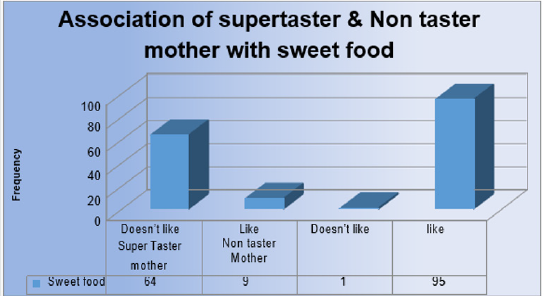
Figure 9: Association of supertaster & Non taster mother with sweet food.

Lupinepublishers-openaccess-pediatric-dentistry-journal

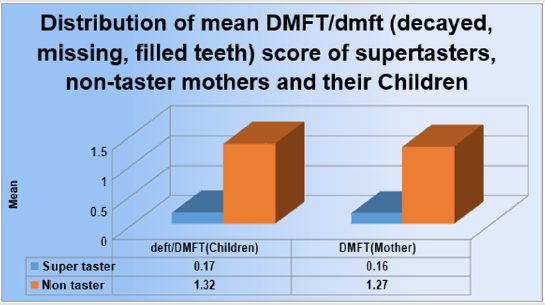
Figure 10: Distribution of mean DMFT/dmft score of supertasters, non-taster mothers and their Children.

Lupinepublishers-openaccess-pediatric-dentistry-journal

Table 1: Association of supertaster & non taster mothers and their children with sweet food.

Lupinepublishers-openaccess-pediatric-dentistry-journal

Table 2: Distribution of mean DMFT/dmft score of supertasters, non-taster mothers and their Children.

Lupinepublishers-openaccess-pediatric-dentistry-journal

Discussion

The present study comprised of 180 pairs of mother and child. The mothers were subjected to PROP testing and classified into super tasters, medium tasters and non-tasters according to the Green’s labeled magnitude scale. The mothers who were super tasters found the taste of PROP to be extremely bitter and the non-taster mothers described the taste of PROP to be tasteless while the medium taster mothers failed to categories the taste of PROP. The super taster mothers perceived the taste of PROP in lower concentration (1.6 mg per ml). This may be due to the presence of high-density fungiform papilla and taste receptors in the tongue compared to medium tasters and non-tasters. This may make the super taster mothers dislike sugary food. Mothers being the primary care givers to children influences the food habit of children. Mothers who prefers sugary foods are more likely to prepare and feed their children the same then those who do no prefer sugary food. In our study it was found that the mean dmft/ DMFT score among non-taster mothers (1.32) and their children (1.27) was higher than the mean dmft/ DMFT of super taster mothers (0.17) and their children (0.16) respectively. The influence of grandparents in the family cannot be neglected. Even in children of super taster mothers, 23 children reported they were given sugary snacks by their grandparents regularly while 47 children of non-taster mothers reported the same.
The pampering of grand parents may also be a causative factor for dental caries in children. The finding of the present study also showed that children who brushed their teeth once or twice per day experienced more dental caries if their mothers were non tasters whereas children of super tasters had less dental caries. This can be explained by the frequent intake of sugary food in case of children of non-taster mothers and also may be influenced by the food prepared by their mothers. Similarly, mothers who were non tasters had a higher dental caries experience than the super taster mothers. This may be due to their increased susceptibility to sugary food. In the present study when the super tasters and non-taster mothers were asked about their liking for sugary food, majority of the super taster mothers (64) stated that they did not prefer sweet food, while 95 non taster mothers stated that they preferred sugary food. In case of the children of super taster and non-taster mothers, the results were significant. The mother’s dietary habits and tastes probably affected the oral health status of the child. When the association between the preference of sugary food in super taster and non-taster mothers and their children was seen, it was found that the children of super taster mothers did not prefer sugary food while it was vice versa for the children of non-taster mothers. This may be due to genetic factors and also might be due to the dietary habits of the mothers which influenced the dental caries status of their children.

Conclusion

In the present study, the results suggested that the children of the mothers who are non-tasters or who prefers sweet food have higher dental caries experience. Factors such as the presence of grandparents in the household, frequency of brushing, preference of food and dietary habits may play an important role in the development of dental caries in children. Thus, mother’s genetic sensitivity to the bitter taste of prop can be used as a useful adjunct to identify children who are at risk of developing dental caries.

Read more about Interventions in Pediatric Dentistry Open Access Journal (IPDOAJ) please click on below link https://lupine-publishers-pediatric-dentistry.blogspot.com/


Tuesday, 16 March 2021

Lupine Publishers| Parental Perspective Pre- and Post-Cochlear Implantation in Tanzania

 Lupine Publishers| Scholarly Journal of Otolaryngology


Abstract

Background: The National Cochlear implant program in Tanzania was established in the year 2017. Prior to this, very few children with Profound Sensorineural Hearing Loss benefited from this surgery abroad through grants from the Ministry of Health. Since the establishment of the local program, there is an increased awareness amongst parents’, and many are seeking to benefit from this initiative. The challenge, however, remains the measurements of expectations of the parents and the actual outcomes after the surgery. This is mainly due to the perspective of the parents which comes about from their understanding of the whole process of surgery and the rehabilitation after surgery that determines expected outcomes.

Aim: This study aims to establish a direct link between the parental perspective pre and post cochlear implant surgery. Participants: A total of 18 children between ages of 3 years and 6 years, divided in two groups, G1=children who have been implanted for 1-2 years (n=8) and G2=children who have been implanted for 0-1 years (n=10).

Method: A non-standardized closed ended questionnaire with questions on perspectives of three domains i.e. Communication, Listening Skills and Speech and Language development was administered to the parents, pre-implantation and 1year post implantation for G1 and 6 months post-implantation for G2.

Results: In all of the 18 cases, pre-implantation expectations were higher than the actual perspectives post-implantation. However, G1 parents had higher scores than G2 i.e. The preimplantation expectations were somehow met after 1 year of implantation.

Conclusion: The study demonstrates the ability of Cochlear Implantation to meet the parental expectations in the 3 outcome domains i.e. communication, listening skills and the development of speech and language. However, this is subject to the time frame post implantation i.e. the longer the time, the better the pre-implant perspectives are met.

Introduction

Cochlear implants, as prosthetic devices designed to replace the function of the inner ear, have become a widely used intervention method for people with severe to profound sensorineural hearing losses who gain little or no benefit from conventional hearing aids. Since their approval by the United States Food & Drug Administration (FDA) in 1990 for children as young as the age of two [1], pediatric cochlear implantation has become an increasingly routine procedure in numerous countries worldwide as a management option for permanent childhood hearing loss. The foundation of cochlear implant programs for these patients began in developed countries and over time the devices, surgical methods, and rehabilitation programs improved, which thus led to their initiation in developing countries. Prior to the commencement of locally performed cochlear implant surgeries in Tanzania, candidates for implantation had to travel to other countries for the procedure. This was a costly and intensive process for privately and government funded patients alike, a factor that fueled the need for a local program. In 2017, six children were implanted for the first time at Muhimbili National Hospital in Dar es Salaam, Tanzania, and to date a total of thirty patients have been implanted altogether. Over the time, since the first surgeries, local professionals and rehabilitation centers have become more proficient in evaluating and caring for these patients, and an increased awareness of hearing impairments as a whole has been observed. Perceptions regarding cochlear implants of health professionals, the general public, and in particular parents of implantees and potential candidates have also been seen to change, becoming more informed and understanding. Candidacy for cochlear implants is assessed on a case-by-case basis, with referrals for assessment primarily made according to candidacy criteria set out by the Cochlear Implant Group Tanzania [2].

Currently, the indications for cochlear implantation from an audiological perspective are as follows; bilateral severe to profound sensorineural hearing loss (typically >90dBHL at 2kHz and onwards), limited benefit from hearing aids, and the absence of contraindications for implantation. The candidates undergo thorough examinations by audiologists, speech-language pathologists, radiologists, otorhinolaryngologists, pediatricians, social services, psychologists, and other professionals where necessary. This process is not unlike guidelines in other countries with cochlear implant programs, and the National Institute for Health and Care Excellence (NICE) in the United Kingdom make similar recommendations, although in 2018 with suggestions from the British Cochlear Implant Group (BCIG) updated the eligibility criteria to define severe to profound deafness as only hearing sounds greater or equal to 80dBHL at two or more frequencies between 500Hz and 4kHz [3]. These recommendations and procedures differ slightly between countries and programs and may also change depending on whether the candidate is privately or publicly funded. Outcomes for pediatric cochlear implantation worldwide have encouraged their use as an intervention method for hearing impairments, reinforced by their widespread success and relatively low rate of complication [4]. A prospective longitudinal study of spoken language development in children implanted before the age of five, conducted over a period of three years, revealed significant improvements in spoken language performance (comprehension and expression) particularly over the first three years of device use. Greater improvements were seen in younger children and children with more residual hearing prior to implantation, although in all children outcomes surpassed the improvements predicted by their pre-implant assessment baseline scores [5]. A retrospective study evaluating the outcomes of cochlear implantation in relation to age of implantation conducted by Govaerts et al. [6] studied children with congenital deafness who were implanted before the age of six with a multichannel cochlear implant, evaluating them using Categories of Auditory Performance (CAP) scores and correlating outcomes with age of implantation.

All children demonstrated an increase in scores postimplantation, appearing to benefit from the device. The study identified that implantation between the ages of two and four always resulted in age-appropriate CAP scores after three years of implant usage, while implantation before the age of two years always resulted in immediate normalization of CAP scores. Implantation after the age of four, however, hardly resulted in normal CAP scores, signifying the importance of early intervention in preventing losses of auditory performance following the procedure, and only 20% to 30% of these children were eventually fully integrated into mainstream primary schools [6]. While this study reinforces the significance of age at implantation as a predictor of auditory and language outcomes, it also demonstrates the efficacy of cochlear implants as intervention for pre-lingually deafened children; even in patients implanted later than recommended, significant benefits were observed and a percentage of these patients developed the ability to integrate into mainstream education.

An integral part of the process towards pediatric implantation is continued counselling of parents of patients regarding their child’s impairment, amplification, the device, the surgery, rehabilitation, and of their expectations and outcomes. Parental expectations prior to implantation are considered a key factor in the process of candidacy assessment, so much so that they have been used previously as a criterion in the evaluation of the child’s eligibility for an implant [7]. Without the appropriate counselling and guidance, parents can be led to believe that the implant will work on its own, and that the child will be able to hear and speak shortly after switch-on [8]. Kampfe et al. [7] identified that these expectations can be influenced by the fact that the device is very expensive and high-tech, leading to unreasonable expectations. They also suggest that these expectations can also be partly due to the influence of the media, which presents the implant as an immediate change to hearing – often showcasing only significant reactions of patients in response to sounds [7]. Twenty-six years later, this statement still holds truth, as videos of ‘sensational’ reactions to sounds by implantees are spread on social media and on the news, particularly in countries where programs are in their infancy. These can lead to unrealistic expectations, subsequent stress, and disappointment when their expectations are not met. Families’ stress in relation to cochlear implants has been looked at in numerous studies and is due to a number of sources [9]. One such source is the surgical procedure itself. Although the procedure is quite safe with a low chance of complications [4], it is still a surgical procedure that has its risks, and this results in some anxiety or worry experienced by the parents [9]. It is vital that the procedure is explained appropriately to parents, and sources of clear information about it and the risks it may pose are made easily available. Another source of stress, as previously identified, is the parent’s perceptions when their expectations are not immediately met [10]. Over time this lessens as a stressor particularly as children begin to show improvements. In order to better understand parental expectations, it is important for clinicians to be aware of the reasoning behind their choice in going forward with implantation. A study by Sach & Whynes [11] interviewed 216 parents of children implanted at the Nottingham Pediatric Cochlear Implant Programmes using a mix of structured and open-ended interview formats. When asked about the decision to implant their child, 38% of parents stated that the benefit they expected was ‘improved hearing’, 23% anticipated psychosocial and behavioural benefits, 19% mentioned greater opportunities later in life while 16% cited improvements in speech [12].

In most cases outcomes were reported to be in line with their expectations, and 93% of interviews mentioned ‘improved hearing’ as an outcome of implantation. When interviewed about their expectations, 5% of parents admitted to having high and unrealistic expectations, while 16% mentioned that initial expectations had been low. With its large sample size and extensive data collection, this study has provided an insight into parental perspectives of cochlear implantations and the effect various factors can have on stress, expectations, and outcomes [12]. A study by Hyde et al.

investigating parental expectations and [13] experiences related to their children’s outcomes with implants, surveyed 247 parents in eastern Australia, and compared reports of pre-implant expectations with post-implant outcomes. Findings from this study indicated that while parents had relatively high expectations, these had mostly been met by their children’s outcomes post-implantation. 10% of parents, however, reported that expectations had not been met. Furthermore, the study established that professionals generally did a good job in providing parents with realistic expectations prior to implantation and during rehabilitation [13].

A child’s home and family environment can lead to variations in outcomes seen in implanted children [10,14,15]. Perspectives of parents and guardians towards the device and their children can influence development of the implanted child, as they can affect factors such as the level of support given at home, roles undertaken by family members in therapy, their interactions with the child, and organization and control in homes [14]. Amongst outcome predictors such as duration of deafness and learning style, family structure and support has been identified as a significant predictor of outcome following cochlear implantation as demonstrated by use of the Nottingham children’s implant profile (NChIP) to assess children, family, and support services prior to implantation [16]. Various studies into predictors of spoken language development and good outcomes with cochlear implantation have supported these findings. Better outcomes have been associated with lower ages at implantation [17], early identification of hearing impairment, number of active electrode channels effectively ‘mapped’, and bilateral implantation when compared with unilateral or bimodal stimulation [17]. Boons et al. [17] divide predictors of language development in pediatric cochlear implant recipients into three categories:

a) Auditory factors such as age of implantation or identification,

b) Child-related factors such as the presence of other disabilities and etiology of hearing loss, and

c) Environmental factors such as parental involvement and socioeconomic status.

A retrospective study into these factors involving 288 prelingually deaf children with cochlear implants was conducted through the use of numerous validated outcome measures and standardized questionnaires. The study identified that amongst the factors that can influence outcomes of cochlear implantation, environmental factors related to parental characteristics played an important role. One such factor was the communication mode between parents and their child, as participants were asked whether communication was oral, total (using signs along with spoken language), or bilingual. Another factor looked at whether the parents’ involvement in the rehabilitation process was ‘sufficient’, as it would be in a well-functioning family, or ‘insufficient’ if parents were seen to be unmotivated or unable to fulfill commitments in relation to the child (Table 1).

Table 1: The DR lesion types descriptions.
lupinepublishers-openaccess-otolaryngology-journal

Boons et al. [17]acknowledge the oversimplification of these classifications and have identified that while it is not a validated measure of parental involvement it can suggest an undesirable attitude of parents towards the child’s impairment and rehabilitation. 96% of parents in this study were seen to be sufficiently involved in their child’s rehabilitation, but in 4% of cases issues were mentioned highlighting insufficient involvement in the process. This factor did not show a significant variation in outcomes in the first two years following implantation, but after a certain amount of time the study identified that the advantages and possible positive effects of a supportive environment become measurable. Multilingualism in communicating with the child also consistently correlated with lower language scores over time and was accompanied by low parental involvement in rehabilitation. These findings suggest that the effects of environmental factors increased as time went on and were more measurable after two years post-implantation [15,17] also reported more significant individual variations in outcomes in children over time and found that levels of parental involvement in the rehabilitation process was associated with children’s linguistic ability four years after implantation [15]. In comparison, higher language achievement in implanted children was associated with parents reporting lengthier and detailed processes in deciding about the implant pre-implantation and who showed a higher level of involvement and commitment with the child’s rehabilitation post-implantation [15]. This correlation was also identified by Niparko et al. [5], who found higher parent-child interaction scores being significantly associated with greater rates of increase in comprehension and expression of spoken language [5]. These findings are supportive of the conclusion that variability in parental involvement, quality and quantity of parent-child interactions, and commitment to rehabilitation are significant factors in outcomes of children with cochlear implant and can lead to significant measurable differences in spoken language development after longer periods of time.

Objectives

This paper aims to study the perspectives of parents and guardians of children implanted in Dar es Salaam, Tanzania. As identified previously, parental perspectives can be a factor contributing to a child’s outcomes particularly in the first few years after implantation. It is important therefore that parents have realistic expectations and information and are aware of their role in children’s development. Being a young program, it is believed that an insight into parental perspectives regarding cochlear implantation in Tanzania will aid clinicians in further understanding the factors that can cause variations in outcomes of these children, particularly in relation to family and social support, and will also show the extent to which parent’s expectations have been met post-implantation. This article therefore aims to address the following research questions:

a) What are parents’ expectations of cochlear implantation for their children prior to implantation with regards to listening without lip-reading, communicating with others, and the development of speech and language?

b) Post-implantation, what are parent’s experiences with their implanted children? Have they noticed positive changes in communication with others, listening without lip-reading, and in spoken language?

c) How do the changes noticed by parent’s post-implantation relate to their expectations in those specific domains?

d) Are parents still concerned about their children’s development in communication, listening without lip-reading, and spoken language at one-year post-implantation?

e) Are there any differences in parental perspectives of noticeable changes across the identified domains and in their concerns about the child’s development between parents of patients who have been implanted for longer when compared to more recent implantees?

Materials and Method

A prospective longitudinal study design was adapted to collect data from the parents of twenty-one children with a bilateral severe to profound hearing impairment who underwent cochlear implantation in Tanzania. A quantitative approach to data collection and statistical analysis was determined appropriate due to the advantage of quantitative research in giving an overview of the area being studied, allowing a description of parental perspectives towards cochlear implantation to be discerned. As this is the first study to research this domain in Tanzania, it is believed that the employment of quantitative data analysis will aid in guiding future qualitative studies that may be required to explore the topic in more detail (Kelle, 2006). Parent’s expectations pre-implantation and perspectives on outcomes post-implantation were thus recorded using a quantitative survey.

Participants

The participants of the survey were parents of children who underwent cochlear implantation in Tanzania between June 2017 and January 2019 (n=21). All children underwent comprehensive assessments as part of the candidacy evaluation for cochlear implantation outlined by recommendations made by the Cochlear Implant Group Tanzania (CIGT), undergoing extensive audiology, radiology, medical, psychological, and social assessments before being selected as suitable candidates [2]. Three children were excluded from this study; one child with auditory neuropathy spectrum disorder (ANSD) identified through an audiological evaluation that revealed an abnormal auditory brainstem response and present otoacoustic emissions, which can be taken as evidence of ANSD [18]. Due to the variety of pathologies and wide variability in outcomes in children with auditory neuropathy spectrum disorder seen in other studies and the absence of an electrically evoked electrophysiology testing to predict benefit from implantation [13], outcomes and thus parental perspectives may be different from other children. The other child was identified by a pediatrician and a speech and language pathologist as a child with autism spectrum disorder, which can also result in different experiences and outcomes with cochlear implants when compared to the general pediatric implant population [19]. The third child to be excluded from the study suffered from a post-operative surgical site infection ten months post-implantation that resulted in inconsistent and eventually non-use of the processor, and subsequent explant of the device due to exposure of the implant.

All children (n=18) were implanted unilaterally with the twelve channel MED-EL Sonata Ti100 implant in combination with the 31.5mm ‘standard’ electrode array. All patients use the MED-EL Opus 2 behind-the-ear speech processor, have undergone mapping and follow up as clinically appropriate. The programming of their MAPs was conducted by audiologists trained in cochlear implant programming through a combination of behavioral and objective methods, using electrically evoked stapedial reflex thresholds (eSRTs) in fifteen children and electrically evoked compound action potentials (eCAPs) in three children. In patients with whom reliable feedback through behavioral techniques for speech processor programming is not obtainable, objective methods such as eSRTs and eCAPs have been shown to correlate significantly with behavioral thresholds and thus are useful with these populations, especially in pediatric implantees [20,21]. Out of these 18 children, 8 were male (44.4%) and 10 were female participants (55.6%). The mean age of all participants at the time of the post implant survey was 4.8 years, ranging between 4.1 years and 6.6 years. The mean age at implantation was 3.6 years, ranging from 2.3 years to 5.9 years. Between Group 1 and Group 2, the mean age at the time of the survey was the same (4.8 years). Age at implantation, however, varied significantly; the mean age at implantation for group 1 (n=8) was 3.0 years while the mean age at implantation for group 2 (n=10) was 4.1 years. The age ranges also varied between the two groups; group 1 participants ranged between 2.3 years to 3.7 years at the time of implantation, while group 2 participants ranged between 3.4 years to 5.9 years when implanted.

Measures

A questionnaire devised by Nikolopoulos, Lloyd and Archbold (2001) was determined suitable for the purpose of this study (Appendix 1), adapted from an article titled “Pediatric Cochlear Implantation: The Parent’s Perspective” (Nikolopoulos, Lloyd, & Archbold, 2001). The survey was administered after the completion of the patient’s candidacy assessment and decision to continue with implantation, having undergone all the necessary investigations outlined previously. Parents completed this questionnaire in writing within the final two weeks pre-implantation. Either one or both parents were present at this time. The pre-implantation survey required parents to respond regarding their expectations in three main areas;

a) Their expectations about the child’s communication with others

b) Listening to speech without lipreading

c) Their expectations of the implant’s effect on their child’s development of speech and language.

Post-implantation, questions were asked in relation to these three domains. The questionnaires were administered postimplantation with data collection from patients dependent on date of implantation. The patients have been divided into two groups; Group 1 (G1) being children who have been implanted for between one to two years, and Group 2 (G2) being children implanted for between six to twelve months. Surveys were once again completed in writing with either one or both parents. The three areas identified previously were enquired about in two subsets; the first asking parents if they noticed any positive changes in relation to

a) communication with others,

b) Listening to speech without lipreading and

c) development of speech and language, while the second enquired about the parent’s concerns about the child’s development in

i. Communication with others

ii. Listening to speech without lipreading and

iii. Spoken language

The format of the questions was the same as utilized by Nikolopoulos, Lloyd and Archbold [22], using a five-point Likert scale that allowed patients to choose an answer between ‘certainly yes’, ‘mostly yes’, ‘mostly no’, ‘certainly no’, or ‘unable to answer’ [22].

Results

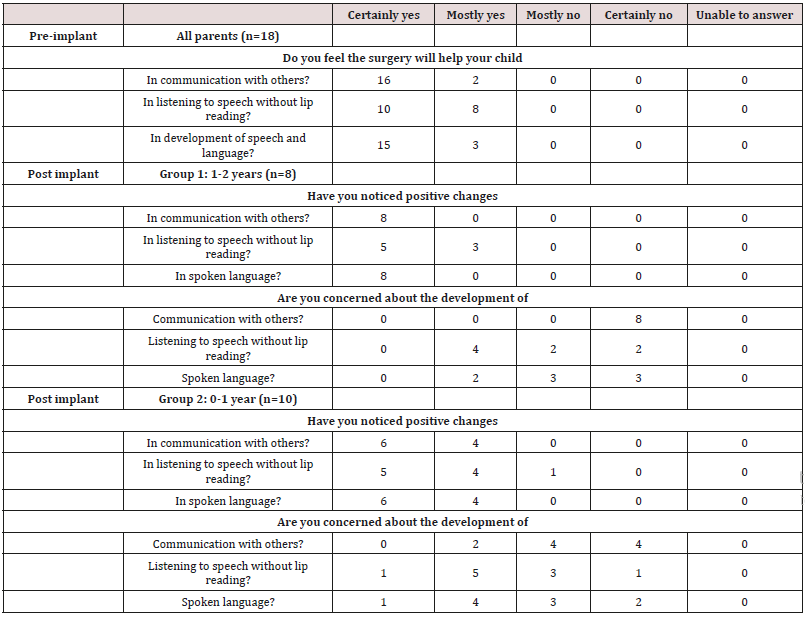
Prior to the intervention, all parents responded positively to all three questions when asked whether they believe the device will help their child in communication with others, listening to speech without lipreading, and in the development of speech and language. 100% of responses (n=54) were either “Certainly Yes” (n=41, 75.9%) or “Mostly Yes” (n=13, 24.1%). Expectations were much higher with regards to communication and the development of speech and language, with 31 out of 36 responses across these two domains (86.1%) being “Certainly Yes”, signifying that the parents expected a definite improvement in these two areas after implantation. Much lower were the expectations of benefit in listening to speech without lip reading, as 10 out of 18 parents (55.6%) expecting a definite improvement (“Certainly Yes”), with the remaining 8 parents answering “Mostly Yes”. In communication with others when surveyed post implantation, 100% of parents were satisfied to some extent; 14 out of 18 parents responded “Certainly Yes” when asked if they noticed positive changes in this domain, while the remaining 4 parents responded “Mostly Yes”. An important difference can be noted between the responses from the two groups, with respondents from group 1 (who have been using the device for over one year) all answering “Certainly Yes” (n=8), while in group 2 (implant use less than one year) 60% of parents responded “Certainly Yes” and the remaining 40% responded “Mostly Yes”. These responses allow an insight into parent’s experiences of benefits with the device over time, as all parents perceived a difference in the child’s ability to communicate post implantation, but over time this difference was more noticeable and parents were more assured of the positive changes caused by the intervention. They also demonstrate that parental expectations prior to the surgery were sufficiently met by their experiences with the child’s ability to communicate with others post implantation in both groups.

A similar result was obtained when asking about noticeable positive changes in spoken language. All parents (n=18) responded either “Mostly Yes” (22.2%) or “Certainly Yes” (77.8%) to this question. The difference between the two groups was the same as with the question regarding communication with others: 100% of group 1 (n=8) parents noticed a definite improvement in spoken language in their children, while in group 2 (n=10) 60% of parents responded “Certainly Yes” and 40% responded “Mostly Yes”. These responses highlight that an improvement in spoken language also becomes more apparent as time of implant use increases, and that parental expectations in this domain are sufficiently met post implantation.

When asked about their experiences with their child’s ability to listen to speech without lip reading, less parents in both groups gave a definite “Certainly Yes” answer. Overall, 10 parents (55.6%) gave this answer, while 7 parents answered, “Mostly Yes”. These positive responses accounted for 94.4% of answers, as one parent answered, “Mostly No”. Looking at the individual groups, in group 1 five parents answered, “Certainly Yes” and the remaining three answered “Mostly Yes”. In group 2, five parents (50% of respondents) answered “Certainly Yes”, four parents answered, “Mostly Yes”, and one parent answered, “Mostly No”. This was the only instance where such an answer was recorded for questions related to positive changes noticed by the parents. It is possible that this may have been due to the parent’s high expectations of the child being able to understand speech without visual cues post implantation, or because of the relatively short duration of implant use and rehabilitation making changes in this domain less noticeable. This particular patient was the oldest implantees in the study, being implanted at the age of 5.9 years and having built up a reliance on lip reading even while wearing conventional hearing aids prior to implantation. To further look into parent’s perspectives post implantation, the next set of questions aimed to get an insight into their concerns regarding their child’s development in communication with others, listening to speech without lip reading, and spoken language. In Group 1, 54.2% of responses across all three domains were “Certainly No”, with all eight parents denying any concerns in communicating with others.

This highlights the benefits perceived from the surgery – all children were seen to be better at communicating, and parents were not worried about the development of this ability. In concerns about developing spoken language, 3 parents (37.5%) answered “Certainly No” and a further 3 answered “Mostly No”, while 2 parents (25%) answered “Mostly Yes”. This showed that even over a year after the surgery, parents still had some concerns about spoken language, although more qualitative studies would be needed to discern the exact areas of concern in this regard. For concerns about listening to speech without lip reading, 50% of parents selected “Mostly Yes” as their answer while the other 50% selected either “Mostly No” or “Certainly No”. This could be indicative of higher expectations in the child’s ability to listen without visual support. More parental concerns were noted in children implanted for less than one year. In Group 2, two (20%) parents answered, “Mostly Yes” with regards to concerns about development of communication with others, with the other eight parents answering, “Mostly No” and “Certainly No”. Five parents answered, “Mostly Yes” (50%) about their concerns in listening to speech without lip reading, and one parent in this domain answered “Certainly Yes”; 60% of responses in this area were therefore in the affirmative. With regards to development of spoken language, 40% of responses in this group were “Mostly Yes” and one parent answered “Certainly Yes”. The higher number of affirmative responses about concerns in the child’s development in Group 2 suggest that while parents may have noted a general improvement in some of their child’s abilities, they were still worried about development in other aspects, and that the outcomes perceivable by these parents in the time period post implantation may not have fully met their expectations of the benefit they may have thought they would see.

Discussion

The support an implanted child receives from their parents, environmental factors, and social surroundings are considered as influential factors on developmental outcomes, especially as time goes on [15]. Parental expectations of the surgery and their perspectives on the benefit can influence their attitudes towards rehabilitation and communication with the child, along with commitment to appointments, therapy, and home-based exercises. These expectations are swayed by a number of things: parent’s hopes that the implant will enable the child to develop and function normally [11], their observations of other implantees or hearing-impaired people, their experiences with the professionals they have met, the portrayal by the media of cochlear implants as a ‘cure’ for deafness [7], and the counselling they receive both pre-operatively and post operatively. Results obtained from this survey show that pre-implantation expectations for most, if not all, parents are quite high. They expect that the surgery will help the child in communication with others and in speech and language development, and most parents do not doubt the device’s ability to assist their children in this regard. This is consistent with findings from the study performed by Nikolopoulos et al. [21], wherein 81% and 86% of parents responded “Certainly Yes” in these two fields respectively. Although in listening to speech without lip reading only 35% of parents responded similarly, another 40% of parents responded “Mostly Yes” for this domain i.e. 75% of patients believed they will help the child in this domain to some extent [21].

Post implantation responses from parents in both groups generally show that their experiences with their children indicate to them that there are positive changes due to use of the device. Across both groups, 70.4% (38 out of 54) responses over all three domains were “Certainly Yes”, suggestive of a definite positive change being noticeable in the child. A further 27.8% (15 out of 54) responses were marked “Mostly Yes”, and only one response was “Mostly No”. This response was recorded in response to the ‘listening to speech without lip reading’ question by a parent from group 2 (0 – 1 years since implant), and therefore may be due to the relatively short time since implantation. As shown by the responses recorded by parents in group 1, after a year of implant use parents largely report positive changes in this domain too. This suggests that cochlear implantation has significantly met parental expectations recorded prior to implantation, possibly further reinforcing their efforts in rehabilitation and in support of the child. As time progresses, it can be deduced that parents see more of their expectations being met. Alternatively, this could also mean that parent’s expectations are lowered and more realistic as they realize the limitations of the device and the challenges posed to implantees, even though the surgery is seen to be greatly beneficial to the recipient.

Are parents still concerned about their children’s development in communication, listening without lip-reading, and spoken language at one-year post-implantation? The answers received about future concerns regarding the children’s development allow us to further understand expectations and perspectives, especially as time progresses and implant use increases. In group 1, 6 out of 24 (25%) answers were in the affirmative (all being “Mostly Yes”. 4 out of these 6 responses were with regards to listening to speech without lip reading. Meanwhile, in group 2, 13 out of 30 (43.3%) responses were in the affirmative, and 2 of these 13 answers were “Certainly Yes”. This answer was given by the parent of the oldest implantees across both groups (5.9 years being the age at implantation) when asked about concerns regarding development of listening to speech without lip reading and spoken language. Age at implantation being a significant factor in influencing outcomes post implantation [6,17], it could be a contributing factor in the parents’ concerns about their child’s development, particularly as professionals would ideally have made them aware of age’s influence on outcomes. Parent’s reports of their concerns also indicate that as implant use increases, they are less worried and concerned about outcomes. Boons et al. [17] found that over time, some of their study participants reported that their expectations changed over time, as they saw the child progress. A large variety was seen in parental expectations, with some parents reporting high expectations while others reported low expectations. Most parents noted that outcomes were largely in line with their expectations. This study had a relatively low sample size, and therefore a higher sample size would be desirable in generalizing the results to a wider population. A more long-term study could also be undertaken to highlight and understand variability in outcomes and parent’s experiences with their implanted children [23].

Conclusion

Between the results seen in both groups, a higher percentage of parents in group 1 have noticed positive changes across all three domains and have also reported being less concerned in all areas than parents of children in group 2. As time passes, children generally can be said to meet parent’s expectations more than at earlier stages after implantation. From the three areas considered in this study, they seemed to be more concerned about their child’s ability to listen to speech without lip reading, noticing a slower rate of improvement in this area than in the other domains. In conclusion, this study has given an insight into parental perspectives of cochlear implantation in Tanzania. Results are largely correlating with findings from studies in other countries and programs. However, further research is needed into other factors affecting outcomes, perspectives of implantees, and those of their families. Qualitative research into other factors influencing these influences on outcomes and expectations is needed, in order to highlight areas where professionals and parents can further collaborate in the process of cochlear implant and its rehabilitation.

Read more about Scholarly Journal of Otolaryngology please click on below link

https://lupine-publishers-otolaryngology.blogspot.com/

Monday, 15 March 2021

Lupine Publishers| How Might the UK Government Engage with the Public on Compulsory Vaccination Debate in the United Kingdom?

 Lupine Publishers| Journal of Clinical & Community Medicine


Abstract

This essay suggests three ways in which compulsory vaccination can be taken forward should the UK Government decide to do so. It addresses the question of; how can we ensure that public concerns about compulsory vaccination are considered if compulsory vaccination is to be introduced by the UK Government? Arguments for and against compulsory vaccination from the literature ate provided. However, the interest here is not whether compulsory vaccination should be adopted or not but how best to take this forward should the UK Government decide to take this forward.

Background

On the 29th of September 2019, the United Kingdom (UK) Government suggested that it was “looking very seriously” into the introduction of compulsory vaccination for school children [1]. This follows the recommendation of four London senior National Health Service (NHS) GP’s including Sir Sam Everington, Dr Mohini Parmar, Dr Andrew Parson and Dr Josephine Sauvage [1]. The UK Health Secretary, Matt Hancock, speaking at the Tory conference, said: “I’m very worried about falling rates of vaccinations, especially measles” ... “For measles, the falling vaccination rates are a serious problem, and it is unbelievable that Britain has lost its measles-free status.” [2]. Earlier this year, the UK lost it ‘measles eradicated’ status with the World Health Organisation (WHO) [3]. Worldwide, figures show a rise of 300% reported cases of measles in the first three months of 2018 when compared the same time period of the previous [4]. MMR vaccine rates in England has been in the decline since the last five years [5] and according to figures from the Childhood Vaccination Coverage Statistics England 2018-2019 – there was a decline from 91.2% of vaccinated children to 90.3% when data was compared with the previous year.

Compulsory vaccination has previously been introduced in other countries such as the United States and Australia [6]. The main argument is that compulsory vaccination protects other children who cannot be vaccinated for other medical reasons. Compulsory vaccination is neither new in the UK, for example, when compulsory smallpox vaccination was introduced for all children born after 1853 [7]. Childhood vaccination programmes have seen successful eradication of diseases such as smallpox in the UK and brought under control other diseases such polio, diphtheria, whooping cough, and meningitis, and they extend back to the nineteenth century. Nevertheless, vaccination remains voluntary in the UK, and as such, public communication, education and trust have been relied upon [8] as a means to maintain high uptake to ensure herd immunity [9].

Other concerns for health authorities, is the rise in unproven theories linking vaccines to diseases such as autism, multiple sclerosis and diabetics; and the rise of anti-vaccination movement on social media on the other hand. For example, Wakefield et al. [10] published in ‘The Lancet’ described twelve children aged between three and ten, suffering from developmental regression and gastrointestinal problems. Andrew Wakefield in a press conference prior to this publication suggested a possible link between measle, mumps and rubella (MMR) vaccine and autism. However, the study could not be replicated elsewhere. The Lancet paper was retracted and Andrew Wakefield was struck off the British medical register by the General Medical Council for serious professional misconduct in 2010 [11]. Nevertheless, this false hypothesis continues to shape the MMR vaccine debate especially with the rise of social media anti-vaccine movement. According to the UK Health Secretary, “If you don’t vaccinate your child and you can, then the person you are putting at risk is not only your own child, but it is also the child who can’t be vaccinated for medical reasons”. He called those who spread anti-vaccine messages as having “blood on their hands” asking social media platforms to do more to curb the ant—vaccination movement on social media [12].

Compulsory vaccination to a wide range of childhood diseases such as polio, measles, mumps, and rubella and pertussis have in the past met with fierce legal and legislative challenges justified by ideological, scientific, religious and political philosophies. Thus, it is expected that moves to make the vaccine compulsory in the UK would generate a new round of emotionally charged debates. In response to Government suggestion of the possibility of introducing compulsory vaccination, the British Society for Immunology chief executive Dr Doug Brown said: “to make this compulsory in the UK, there are concerns that it could increase current health inequities and alienate parents with questions on vaccination” [13]. Dr Brown noted that more can still be done in terms of information campaigns and the delivery of local immunisation in communities. The Royal Society for Public Health noted that “compulsory vaccination should be a last resort.

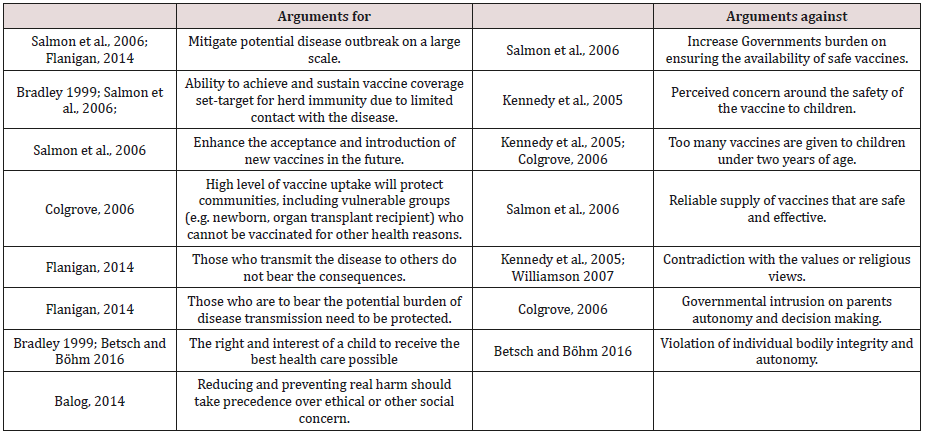
Table 1 below set out arguments for and against compulsory vaccination. This review is not meant to be exhaustive, but rather, it is a selection of literature that illustrates some of the core arguments for or against compulsory vaccination debate. The focus of this opinion essay is not whether compulsory vaccination should be adopted or not but how best to take this forward should the UK Government decides to take this forward.

Table 1: Arguments for or against compulsory vaccination.

Lupinepublishers-clinical-community-medicine

Compulsory Vaccination and Public Engagement

An interesting question therefore is; how can we ensure that public concerns about compulsory vaccination are considered if compulsory vaccination is to be introduced by the UK Government? Research on risk communication has shown that simply understanding the rationale and the science behind such policy intervention does not necessarily translate to trust and acceptance of public health policy interventions. Often times, the public would have concerns and questions which they would want to be answered even if the science is settled, see for example. This essay, therefore, suggests three ways in which compulsory vaccination can be taken forward should the UK Government decide to do so.

Firstly, debates about new public health policy interventions are never just about science and evidence. This is especially the case where science conflict with group beliefs, values or religious convictions as proven by psychometric and social theories of risk. People will interpret public health policy interventions in a range of different contexts including their situational context. Therefore, the Government must be willing to understand the variety of political, ethical, scientific, cultural, religious and ideological context that exist and how this would affect the interpretation that will be brought to bear on the compulsory vaccination intervention by the Government. This way, the Government could set out exceptions and boundaries, in a way that would effectively ease any backlash or resistance that could arise if the policy is implemented.

Secondly, there is a need for Government to understand what people’s hopes and concerns about compulsory vaccination are. This is important as the public, who are adopters of policy intervention, should have a say in how, where and who is affected by mandatory vaccination. Important questions that could potentially arise here are - would the public value their autonomy than been compelled? This sits within the libertarian or nannystate arguments where some critic would see this as a step too far into family matters. Other questions are: who decides who is compelled or not and in what conditions? What evidence decides this parameter? Can parents delay child vaccination should they have concerns? It would also be good for the Government to set out how public concern raised will be considered and addressed. This will ease the burden and pressure around public acceptability of any compulsory vaccination policies.

An example of a recent public engagement on public health interventions can be seen in the case of the electronic cigarette (EC) debate; even if the public engagement tended to be limited to the acceptability debate and not necessarily the technical debate [14]. The EC debate was triggered by the sharp rise in the use of EC in the UK, and a call by the WHO in 2008 who raised concerns that ECs were being marketed as a safer alternative to tobacco cigarettes despite a lack of, or insufficient, scientific understanding of the safety and efficacy of ECs at the time (WHO, 2008). EC is currently being regulated under the EU Tobacco Products Directive (TPD) following public consultation carried out in 2010 on whether to bring nicotine-containing products (NCPs), including ECs, within the medicines licensing regime. This regulation came into effect in May of 2016 and according to the directive, ECs containing up to 20mg/ml of nicotine will be regulated by the TPD. However, whether this regulation will change in light of recent EC health concern (vaping illness) in the US [2] and following Britain’s exit from the European Union, remains unknown as at the time of writing this article.

Finally, like much other public engagement, the Government will need to be clear and honest if, why and when they want to engage with the public if there are to take compulsory vaccination forward. Risk communication research has shown that public engagement can open up areas of agreement and conflict that can have implications for trust and risk acceptability. However, they must be used in ways that challenge, rather than reinforce powerful incumbent societal structures [15,16]. If compulsory vaccination is to be introduced, then public engagement will be beneficial to empower and give voice to concerned public groups. Then, the objective of this engagement should guide when and how the public debate should take place. In the case of the electronic cigarette debate, for example, the MHRA-led public consultation was influential in shaping the questions and arguments that were brought to bear on the vaping debate [17-24].

Read more about  Journal of Clinical and Community Medicine please click on below link https://journalofclinicalcommunitymedicine.blogspot.com/

Friday, 12 March 2021

Lupine Publishers | Theoretical Study of Movements Trash in Cotton Lobules In Cleaner Small and Large Trash

 Lupine Publishers | Journal of Textile and Fashion Designing


Abstract

The article considered mathematical model that describes the separation of large and small trash by weight of cotton, with elastic connection on the cotton. The relationship between the forces acting on the speck on the angular velocity and the radius of the working drum cleaner, laws of motion specks obtained on the surface and inside the cotton mass on the process parameters.

Keywords: Pulp; Speck; Elastic element; The force of the bunch; The dry friction force; Kolkova drum; Surface netted; The angular velocity

Introduction

Known designs of cleaners are based on shock-shaking effects on fibrous material [1]. Despite the fact that improving the design of cleaners has an ever-increasing trend, the industry's demand for highly efficient cleaners does not decrease. It should also be noted that, with the improvement of the designs of cleaners, the basic working elements of them remain the same. This, in our opinion, is a consequence of the fact that the essence of the process of cleaning fibrous material from weedy impurities is not sufficiently disclosed, the available dynamic and mathematical models do not fully correspond to the actual cleaning situation. Therefore, any progressive attempts to describe the purification process using the latest achievements of science should be welcomed. Linear [2], nonlinear [3] dynamic models of the process for cleaning fibrous material are known. Also developed are models aimed at isolating weedy impurities from the surface of a layer of fibrous material [4], isolating weed particles from the fibrous material by shearing the layers [5], isolating the litter during their interaction with the working organs of the disintegrated [6].

There are also attempts to describe the process by empirical formulas based on experimental material [7]. Despite the fact that the models adequately solve the tasks assigned to them, due to accepted assumptions in the development or in the analysis of models, some questions were not answered, which served as the development of a dynamic model that takes into account the masses of the mote associated with fibrous material by an elastic bond, interacting with the surface of the material by the force of dry friction. Let the fibrous mass contain a mote with a mass that is connected to it by an elastic element and by the force of dry friction. Depending on the location in the composition of the pulp, we divide the trash into two types. The first type of trash is located on the surface of the scrap and is in contact with the mesh surface. Such mote has an angular velocity equal to the speed of the spike, and in addition, under the action of a centrifugal force, they preferentially move through the opening of the mesh in the radial direction from the center.

The distance from the center to the mote will be denoted by, we assume that the mote is connected to the fibrous mass through an elastic element with variable rigidity and write down the equation of motion of the mote.

Lupinepublishers-openaccess-journals-Textile-Fashiondesigning

Where - coefficient of stiffness of a bundle of a mote with fibers and depends on the displacement r -R , T.e. kc = kc(r -R) , where function k (z) is determined experimentally and has a monotonically decreasing character, and after detachment of the mote from the fibrous mass, it vanishes, i.e. should be taken kc (z) = 0 at z > z0 . In particular, this function can be chosen in the form of a piecewise constant k = k0 at z < z0 and k = 0 at z > z0 or piecewise linear k = kx (z" - z) at z ≤ z(| and k = 0 at z ≥ z0 Moving r(t) satisfies the following initial conditions r = R, r = Rωα2 at t = 0 In this case, the leaving time t = tk the mote of the mesh surface is determined from equations:

k[r (tk) - R] = 0

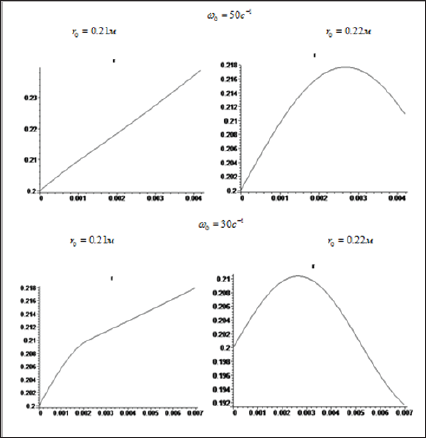
If to ≤ tk then the mote has time to leave the surface of the grid during the contact of the scrap with the surface of the grid, but if to > tk , then the mote after the interaction of the scrap with the reticulate surface does not leave the scrap and continues to move with it. The results of integrating equations (1) are presented in Figure 1. The second type includes the mote, which is in the composition of the pulp at a distance from the center of the drum, and r1 < R . In this case, these kinds of trash move for some time in the region within the fibrous mass, the movement of the trash relative to the scrap preferably in the radial direction [8-10]. To compose the equation of motion of the mote, we assume that the force of the bond between the mote and fibers acts on the mote, and also the frictional force at the surface of their contact as a result of the movement of the mote relative to the fibrous mass.

Figure 1: Obligations of radial displacement mote for time for different values of movement angular velocity of the drum.

Lupinepublishers-openaccess-journals-Textile-Fashiondesigning

Lupinepublishers-openaccess-journals-Textile-Fashiondesigning

Lupinepublishers-openaccess-journals-Textile-Fashiondesigning

By supplying the expressions for the kinetic energy (3) and the generalized force (7), we form the equation for the definition of the variable r .

Lupinepublishers-openaccess-journals-Textile-Fashiondesigning

On Figure 2 the curves of the distance dependence r(t) (m) and the rate of moth removal r(t) (m/c) in the case when θ = ωbt , kc = kc0 = const Calculations were made for different values of the parameter ω** =√kc /mc (1/cek) ? With small masses of mote,this value can assume large values. Therefore, calculations were carried out for ω** > 500 1/ cek. The calculations also R = 0.2 , ωb = 80 1/cek, f = 0.3 ,θO= 200,√k/m = 801/cek

Figure 2: Dependence of displacement r(t) and speed r1 = r (e) of time for different values of the parameter ω**(c-1 )

Lupinepublishers-openaccess-journals-Textile-Fashiondesigning

It can be seen from the results that this parameter plays a significant role in the process of removing the mote [11]. At small values, the mote is rapidly removed from the scrap, for example, if it is assumed that the detachment of the mote from the scrap occurs when the stretch δ = 0.02, then the weight of the mote for which the parameter a, takes on values ω** < 1000 then they are removed from the pulp. Other specks where ω** > 1000 , then the initial velocity of the mote will be insufficient to remove from the mass. If the speed of the drum is taken Lupinepublishers-openaccess-journals-Textile-Fashiondesigning then specks with a parameter ω** = 1000 will also be deleted.

Conclusion

As a result of the analysis of the dynamic model for the interaction of weed impurities with the pulp with an elastic coupling between them, the dependency of the parameters of the displacement of the rubbish on the angular velocity and the radius of the cleaning drum of the cleaner is established, which can be used in the development of purifiers for raw cotton.

Read More Lupine Publishers Fashion Designing and Textile Journal Please Click on Below Link:
https://fashion-technology-lupine-publishers.blogspot.com/

Thursday, 11 March 2021

Lupine Publishers | Critical Analysis of the Definition of the Meter

 Lupine Publishers | Journal of Forensic & Genetic Sciences


Abstract

Defining the meter is an inavoidable step towards identifying the nature and properties of physical space. It turns out that the international definition of the meter raises some questionings, partly because of the vagueness and the inconsistency of the wordings.

Introduction

The Concept of Length

Given that length is a concept, we do not measure the length of an object, but we measure what separates its ends: the result of the measurement is called length of the object .

Origin of The Meter

The definition of the length unit is the object of an impressive diachrony, as it is testified in the Manuel des Poids et Mesures published by A. Tarbé in 1840.

The uniformity of weight and measures was wished since a long time. This whish of Charlemagne, Philippe-le-Long (1321), Louis XI, François I (1540), Henri II (1557), Henri III (1575) and Louis XV (1766) had found insurmountable obstacles, owing to provincial prejudices and mainly local habits. However, there are only few abuses as much inconvenient as the diversity of measures, because it introduces uncertainty and mistrust...

The Académie des Sciences has been mandated by the constituent assembly (France, 1789-1791) for determining the weights and measures units. The Academy used the quarter of the terrestrial meridian between the equator and the north pole for basis of the metric system [...] the length of the quarter of the meridian was approximately 5,132,430 toises; and the ten millionth part of this arc was almost exactly equal to 3 feet 11 lines 44/100. The impatience to decide, pushed to decree that this would be the size of the provisional meter (Law of August First 1793).

The diachrony was not caused by time; instead, it was led by tenacious searchers.

A First Definition of The Meter

The law of 18 Germinal an III (April seventh 1795) stated:

Art. 2. There will have only one standard for Weights and Measures There will have only one standard for Weights and Measurements for the enter Republic; it will be a platinum rule on which will be inscribed the meter, which has been adopted as the fundamental unit for the whole system of measurements [...] it will be registred at the legislature [...].

Art. 3. A model in accordance with the reference prototype will be sent in each district capital [...].

Art. 5. One will name: meter, the length measure equal to the ten-millionth part of the meridian arc between the north pole and the equator (Tarbé, p. 368).

The Law of 19 frimaire an VIII (December tenth 1799) retained the final value of the meter at 3 feet 11 lines 296 thousandths (Tarbé, p. 15). We can draft a first definition of the meter from these data: The meter is a concept which corresponds to the ten millionth part of the quarter of the meridian.

Proposal for a Speed Unit

In 1983, the Conférence Générale des poids et Mesures decided:

La vitesse de la lumière dans le vide c est égale à exactement 299.792.458 mètres par seconde .

The speed of light in the vacuum c is exactly 299,792, 458 meters per second.

The speed of ligth c is a fundamental constant which is currently expressed in meter per second, m s -1. We could replace m s-1 by cel, as international unit of celerity. Then the speed of light would read : c = 299,792s,458 cel.

Definition of the meter

The same Conference of 1983 gave the meter a new definition: Le mètre est la longueur du trajet parcourue dans le vide par la lumière pendant une durée de 1/299.792.458e de seconde.

The meter is the length travelled in the vacuum by the light during a duration of 1/299,792,458th of second.

This definition is questionable for three reasons :

a) In 1983, the words meter , length , duration and second had no consistent scientific definitions.

b) Use the meter to define the speed of light, then in the wake, use the speed of light to define the meter , is a truism There will have only one standard for Weights and Measurements for the enter Republic; it will be a platinum rule on which will be inscribed the meter, which has been adopted as the fundamental unit for the whole system of measurements [...]it will be registred at the legislature [...].

If we refer to definitions of time and space1, it’s a nonsense: Time is a concept corresponding to what separates two states of a system. Space is a concept corresponding to what separates two systems. According to these definitions, there is no relation between time and space. In 2011, the Conférence Générale des Poids et Mesures declared: Le mètre, symbole m, est l’unité de longueur ; son amplitude est déterminée en fixant la valeur numérique de la vitesse de la lumière dans le vide à exactement 299.792.458 lorsqu’elle est exprimée en unités SI m s-1.The meter, symbol m, is the length unit; it’s amplitude is determined by setting the numerical value of the speed of the light in the vacuum at exactly 299,792,458 when it’s expressed in m s-1 SI units. This definitions does not add any substantial information to the definition of 1983; space is still depending on time.The frequency of cesium is a constant of nature, une constante de la nature CGPM [1]; hence, the meter can be defined compared to the wavelenth of cesium, which is a fundamental constant : l = c/u = (299,792, 458 cel / (9,192,631,770 Hertz). cel/Hertz has the dimension of the international length unit, which is called meter : l = 0, 032612256 m. Therefore, 1m = 30, 663319 l. The meter is equal to 30, 663319 times the wave length of More serious, the wording makes the meter dependant on the second ; with an obvious consequence : space is forced to depend on time. If we refer to our definitions of time and space, it’s a nonsense:

Time is a concept corresponding to what separates two states of a system .

Space is a concept corresponding to what separates two systems .

According to these definitions, there is no relation between time and space.

In 2011, the Conférence Générale des Poids et Mesures declared:

Le mètre, symbole m, est l’unité de longueur; son amplitude est déterminée en fixant la valeur numérique de la vitesse de la lumière dans le vide à exactement 299.792.458 lorsqu’elle est exprimée en unités SI m s-1.

The meter, symbol m, is the lengthunit ; it’s amplitude is determined by setting the numerical value of the speed of the light in the vacuum at exactly 299,792,458when it’s expressed in m s-1SI units .

This definitions does not add any substantial information to the definition of 1983 ; spaceis still depending on time.

Next Paragraph “The frequency of cesium is a constant of nature, uneconstante de la nature (cf.CGPM – 2011) ; hence, the meter can be = c/ndefined compared to the wavelenth of cesium, which is nota fundamental constant :

= (299,792,458 cel / (9,192,631,770 Hertz)

cel/Hertz has the dimension of the international length unit, which is called meter :l# 0, 032612256 m.

Therefore, 1m # 30, 663319 l

The meter is approximatelyequal to 30, 663319 times the wavelength of cesium.

The Metric System

The law of July fourth 1837 made the metric system mandatory from January first 1840, in replacement of the traditional measures Tarbé [2].

Shortly before the end of World War II, an International Economic Conference was held between the 1st and the 10th of November 1944 in Rye in New York State: among various issues, it advocated the universal adoption of the metric system Céré [3] 6th part.

It is remarkable that Anglo-Saxon countries and the countries of their former areas of influence are still not willing to comply with these provisions: the two systems are still used, with the risk of serious confusions.

In this connection, let’s remind the decree of May 8th 1790 of the French National Assembly: [...] the King (Louis XVI) will be begged to write to her British Majesty, and ask her Majesty to convince the Parliament of England to contribute with the national assembly in fixing the natural unit for measures and weights [...] Tarbé [1].

Read More Lupine Publishers Forensic & Genetic Sciences Journal Please Click on Below Link
https://forensic-journal-lupine-publishers.blogspot.com/

Wednesday, 10 March 2021

Lupine Publishers| Ictal Asystole after Meningioma Resection: Case Report

 Lupine Publishers| Online Journal of Neurology and Brain Disorders


Abstract

We report the first-ever case of left fronto temporal-onset seizures causing ictal a systole, within 24 hours of a left sphenoid wing meningioma resection. It reinforces the importance of close monitoring of neurosurgical patients with continuous EEG.

Keywords: Seizure; A systole; Meningioma; Case report

Introduction

Autonomic dysfunction in various forms, affecting the cardiovascular, respiratory, gastrointestinal and other systems, is commonly associated with seizures. Seizures frequently affect the heart rate and rhythm, often in a transient manner. An increase in heart rate is very common with various kinds of seizures, but ictal bradycardia and a systole are much less common [1]. Symptomatic ictal Brady arrhythmias occur in less than 0.5% of epilepsy patients, and the overwhelming majority have been reported in association with temporal lobe epilepsy. The common presentation is a patient who has complex partial seizures with or without secondary generalizations, who develops ictal a systole and syncope. It has been suggested that this is a seizure self-termination mechanism [2].

We report here a case of a woman with new onset seizures caused by a meningioma, who had episodes of ictal a systole following tumor resection. To our knowledge, this is the first-ever report of ictal a systole that began after tumor resection - most cases in the literature noted this in the setting of long-standing temporal lobe epilepsy. While illustrating the importance of the central autonomic network in cardiac function, it also emphasizes the need for neurosurgical patients to be closely monitored following their procedure.

Case Report

A 69-year old female with diabetes mellitus with a newly- diagnosed left sphenoid wing meningioma was admitted to our hospital for resection. The meningioma had been diagnosed after she had developed new-onset seizures a month prior to admission. She had been started on levetiracetam for seizure prophylaxis. Her admission labs were significant for elevated glucose, and mild hyponatremia of 128mill moles per liter, that corrected to 135mmol/L when adjusted for elevated glucose level.

After an uneventful left craniotomy and mass removal, she remained in the intensive care unit for monitoring. Late in the evening on the day of her surgery, she had an episode of bradycardia progressing to loss of pulse, for which cardiopulmonary resuscitation with chest compressions was initiated. However, she regained spontaneous circulation quickly. She was showing some confusion and altered speech, and therefore had a long-term EEG placed to rule out seizure. The EEG was significantly asymmetric, with attenuation, slowing, and rare trains of epileptiform activity over the left hemisphere. She had another episode of loss of pulse, requiring cardiopulmonary resuscitation through chest compressions, with the spontaneous return of circulation within 1 minute. EEG revealed subtle left frontal seizure preceding the asystole that quickly spread to the contra lateral hemisphere. Subtle left arm and head jerking were the only other clinical correlate. Diffuse EEG suppression followed the a systole.

She was started on a dopamine infusion, but the next morning she had two more episodes of asystole lasting 15 and 10 seconds in rapid succession. There was EEG evidence of left fronto temporal onset seizures with rapid progression to involve the contra lateral side preceding this asystolic event. There was also evidence for fontal rhythmic intermittent delta activity (FIRDA) on the left, a nonspecific finding that might indicate increased intracranial pressure or other frontal dysfunction. A temporary transvenous pacemaker was implanted. She had an episode of supra ventricular tachycardia, but remained otherwise stable.

Figure 1: (A) Standard scalp EEG sampled at 500 Hz, time compressed at 2mm/sec and viewed with filter 1-70 Hz. The red circle denotes onset of a partial seizure in the left temporal region. The blue circle highlights asystole lasting 56 seconds. (B) Single lead EKG demonstrating bradyarrythmia leading to asystole. (C) left temporal chain electrodes demoinstarting seizure onset. (D) Time compressed FFT (1-40Hz) - left hemisphere over right hemisphere. The black circle highlights the abrupt flattening of EEG following asystole.

Increasing the daily levetiracetam dose and correction of hyponatremia with hypertonic saline led to the cessation of epileptiform discharges on the EEG. However, her affect remained flat, and the decision was made to taper the levetiracetam and start oxcarbazepine. Her seizures remained under control, and no further brad arrhythmias were noted, leading to the removal of the temporary pacemaker five days after it was inserted. The patient was discharged to a rehabilitation facility and remained stable at follow-up (Figure 1).

Discussion

The cause of ictal Brady arrhythmias is debated. There does not seem to be any evidence for primary cardiac conduction defects. It has been suggested that the fact that there are delays between seizure onset and a systole that the pathology involves activation of certain brain regions [2]. It is known that there is a central autonomic network in the brain, of which the insula is a part, and stimulation of areas within it can trigger parasympathetic outflow changes. Catenoix et al. [3] stimulated the insula in human subjects, causing high-frequency discharges there, which were followed by a systole after 2 seconds. A direct postganglionic effect on the heart is possible, which may tend to synchronize autonomic input to the heart with epileptic activity [4].

The insula is a deep structure, and scalp correlate to an insular seizure is likely to be a frontal or a temporal ictal discharge. In our case, subtle but unequivocal left frontotemporal rhythmicity preceded the a systole in both events. It was otherwise absent from the record. It is feasible to postulate that left frontal seizures originating from a known lesion reached the insula, and caused cardiac pause and/or a systolic arrest.

There are some studies which suggest that autonomic control, especially as mediated by the insula, shows hemispheric lateralization, with the right hemisphere predominantly modulating sympathetic tone, and the left hemisphere parasympathetic tone [5]. However, studies on ictal arrhythmias have not been consistent in their findings concerning lateralization [2]. Therefore, the question of what makes certain epilepsy patients prone to Brady arrhythmias and a systole, as opposed to tachy arrhythmias, remains open.

Conclusion

This first report of ictal a systole following meningioma resection reinforces the need for close monitoring of neurosurgical patients, especially with EEG, and being alert to the possibility of a systole and syncope in those with fronto temporal seizures. The brain-heart connection as represented by the central autonomic network's influence on cardiac function needs to be further investigated.

Read more about  Online Journal of  Neurology and Brain Disorders please click on below link https://brain-disorders-lupine-publishers.blogspot.com/

Tuesday, 9 March 2021

Lupine Publishers| Excess Weight, Obesity, Diabetes (Type-2), and Clinical Complications

  Lupine Publishers| Archives of Diabetes & Obesity


Editorial

According to the National Institutes of Diabetes, Digestive and Kidney Diseases of the National Institute of Health, USA, approximately two-thirds of all adults in the USA (167 million), are overweight and a third is obese. The World Health Organization (WHO) estimates that there are 1.3 billion overweight adults globally. Of these 300 million are clinically obese. The global increase in incidence of type-2 diabetes among adults has more than doubled since 1980, from 153 million to 422 million people, according to a study donein 2014, involving 2.7 million people from around the world. These numbers and statistics keep changing every year, in view of the rapidity with which these twin epidemics are increasing worldwide.Cardiometabolic diseases (CMDs), including hypertension, obesity and Type-2 diabetes, are a growing concern and have become an epidemic worldwide [1-9]. In view of this global concern, professionals and professional societies are putting out current revised guidelines to manage better, these diseases.

Excess weight and obesity are the major driving forces for global diabetic epidemic. Both excess weight and type-2 diabetes lead to various vasculopathies, clinical complications, and ultimately result in the precipitation of acute vascular events, heart attack or stroke. It is estimated, that current worldwide estimate of overweight individuals (BMI>25Kg/m2) will increase from 1.3 billion to 2.0 billion by 2030. In a recent publication in the journal of clinical and preventive cardiology, I discussed some of the recent developments for reducing or reversing cardio metabolic diseases (1). Studies at the diabetes centre at Leicester University, England have demonstrated (personal communication) that 6 hours of standing (during working hours) burns 300 calories (equivalent to walking two hours on the treadmill). On the other hand, Dallas Heart Study has shown that 10 hours of sitting can increase the levels of circulating cardiac troponin, which is indicative of silent ischemia of the heart. We are not sure whether simply standing and burning calories alone will be beneficial to the heart or it needs intermittent high or moderate intensity exercise to keep fit. Do the people who stand and work all day also suffer from silent ischemia of the heart?

Professor Roy Taylor of Newcastle University, England has demonstrated that even in a well characterized diabetic, a low calorie diet will reverse the diabetes. Can one live a normal healthy life with such a low calorie (600 calorie per day) diet? A similar study with a very low calorie diet showed that although one can reduce the body fat drastically from such a diet in a very short time, the effect of such a diet was not in the best interest, as for as the health of the heart was concerned. According to a recent study by Dr Jennifer Rayner, at the Oxford University, UK, a crash diet with low calories (600-800 cal.) may harm heart’s ability to pump blood. Prof. Stephen Phinney and associates at the University of California, Davis, in their 12-week study put 40 subjects on a 1500-calorie diet. Half of the subjects were on low-fat high-carb diet and the other half, on low carb and high-fat diet. Despite the high fat that the low-carb diet group had, at the end of the study the levels of triglycerides had dropped by 50% in this group. Levels of good cholesterol had increased by 15%. They concluded that the dietary fat intake was not directly related to blood fat (Lipids.43:65-77, 2008).“Fat is not the problem”, says Dr. Walter Willet, Chairman of the Department of Nutrition at the Harvard School of Public Health (LA Times 21/20/2016). “If Americans could eliminate sugary beverages, potatoes, white bread, pasta, white rice and sugary snacks, we would wipe out almost all the problems we have with excess weight and diabetes and other metabolic diseases.

The Lancet’s (The Lancet: Obesity Series: 2015; Lancet 378:838- 47, 2011) five messages on obesity included; the obesity will not be reversed without government leadership; business “as usual” would be costly in terms of population health, health-care expenses, and loss of productivity; assumptions about sustainability of weight are wrong; we need to accurately monitor and evaluate basic population weight and intervention outcomes; a systems approach is needed with multiple sectors involved. According to most estimates, nothing has changed since the Lancet published the first series. Indeed, according to the NCD Risk Factor Collaboration, if the post-2000 trends continue, the global target of halting the rise in prevalence of metabolic diseases by 2025 to 2020 levels is lower than 1 percent (Lancet April 2016). Contrary to these expectations, increases in overweight and obesity in adults are widely projected to increase in the coming decades. Roberto et al in their article in the Lancet say “No country has reversed obesity epidemic” (Lancet 385:2400-09, 2015). The World Health Organization’s (WHO) Global Action Plan for the Prevention and Control of Non-Communicable Diseases has clear agreements on what strategies should be implemented and tested to address obesity (WHO: 2013-2020).In this connection, it is worthwhile considering the position of the Academy of Nutrition and Dietetics, “It is the position of the Academy of Nutrition and Dietetics that successful treatment of overweight and obesity in adults requires adoption and maintenance of lifestyle behaviors contributing to both dietary intake and physical activity” (J. Acad. Nutr Diet.116:129-47, 2016). There is considerable interest in the ketogenic diet for weight loss and management of type-2 diabetes. A meta-analysis of 13 randomized controlled studies suggested that people on ketogenic diets tend to lose more weight and keep more off than people on low fat diets (JAMA. 2018;319(3):215-217. doi:10.1001/jama.2017.20639). Researchers are speculating, that someday the ketogenic diet may be a better choice as a nutritional therapy for excess weight, type-2 diabetes, obesity, Alzheimer’s disease (http://dx.doi.org/10.1016/j.fshw.2016.10.003) and some types of cancer.

There is a global debate about the beneficial effects or lack of such effect in treating the risk factors for CMDs versus the robust management of the disease itself as suggested by Professor Jay Cohn and associates at the Rasmussen Center for Cardiovascular Disease Prevention, University of Minnesota. It is generally well accepted that the Western medicine is disease centric in its approach to disease management. It is also claimed that the traditional medicine as practiced in India and China or more geared at holistic personalized medicine and the prevention of the disease. However, neither the Western Medicine nor the Traditional Medicine have successfully managed to lower the incidence of CMDs worldwide. We believe that early detection of the risks for development of CMDs and robust management of these risks is the best choice we have currently. With so many controversies popping up every day, it is not certain as to finally who will decide as to what is the best choice for the management of CMDs, big data-artificial intelligence (machine learning), IBM-Watson or the experienced clinician?

It gives me great pleasure to write this editorial, which expresses some of my views on these topics of great public health importance; excess weight and type-2 diabetes. I hope the Journal, Archives of Obesity and Diabetes will provide a platform for discussion on various strategies and action plans for the reduction and reversal of excess weight, obesity, diabetes, and their clinical complications.

Read more about Archives of Diabetes & Obesity please click on below link https://diabetes-obesity-lupine-publishers.blogspot.com/