Friday, 25 December 2020

Lupine Publishers | An Actual Statistical Problem with Model Selection My Solution

 Lupine Publishers | Journal of Otolaryngology


Introduction

This manuscript is a follow-up of my last one in SJO where I promised to show you my solution of a client problem. This case has been transformed such, that the logic of the problem remained unchanged and the confidentiality of my client’s data is warranted, however. In the last manuscript the results of the commonly found methods of modelling were shown and discussed. Now we will show my results and a discussion of them. Mathematically speaking the mainstream models already shown could be summarized as two univariate approximations by straight lines or a two-dimensional fit of a plane, describing the dependent variable by an approximation based simultaneously by a constant and two linear terms. I was fully aware of the limitations of the very small sample size of the mainstream models and I hope to successfully use this example to convince my readers about the economic benefits of discussions with professional mathematicians/statisticians instead of users of statistical software as I have classified them.

Methods

As I was blinded to the actual meaning of the variables X1, X2 and Y my experience indicated that I should try a second order polynomial fit as this would be the simplest possible model extension as compared to the mainstream linear models. The similarity to the considerations of Occam’s razor (see Wikipedia) are also well based on my personal professional experience. My model equation used is displayed below:

Y (X1; X2) =a0 + a1. X1 + a2. X2 + a3. X12 + a4. X1. X2 + a5 .X22 + error term (equ 1)

The above equation contains prior regression analysis the coefficients a0, a1 and a2 for the linear terms and a3, a4 and a5 for second order polynomial terms which must be estimated from the data by means of linear regression based on the method of least squares. The error term must fulfil the assumption that the data points represent statistically independent observations with constant variance in the domain of data points and an approximate Gaussian distribution. The most important data requirement is a continuous and metric measurement scale of the data and based on my long- term experience in medicine and other statistical applications, if fulfilled, the basis for a highly robust behavior of the regression analyses based on least squares. Finally, enough data points must be available. This is a problem in the determination of the sample size, which, in my opinion, requires professional statistical assessment.

Result

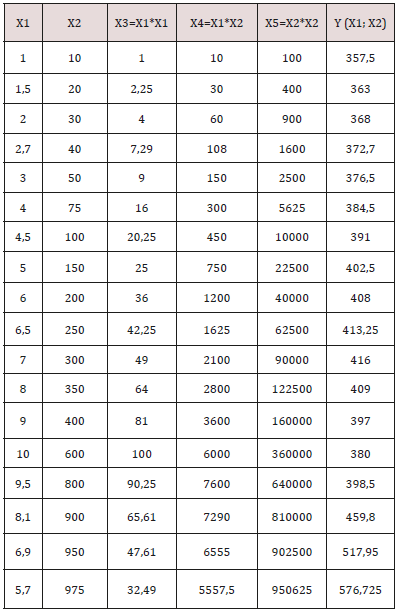
The numerical details are shown in Table 1 below with additional information necessary in the Excel data analysis software as the input for Excel’s regression routine:

a) Note 1: X1 and X2 and Y refer to the client provided original data. The author intended to look at a standard polynomial of degree 2 and the calculated data columns indicate all second order terms necessary from Excel logic for that purpose. The contents after the provided Y in the brackets are a help to understand that Y (as provided from my client) is the dependent variable of X1 and X2 in this very model. For physicians unfamiliar with exponential floating-point formatted numbers reading of the Excel online documentation is recommended.

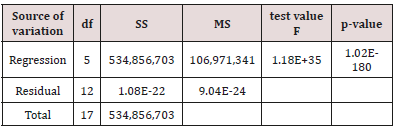
b) Note 2: There are three lines in Table 2. The descriptions in column one show regression in the first, residual in the second and total in the third line. The total in line 3 displays the SS of all data against the grand mean. The residual in line 2 shows the sum of squares of the differences between data and calculated Y values using the coefficients a0, a1, …, a5 and the line 1 described as regression provides us with the information of the explained variation by the calculated regression coefficients. In view of the raw Y data shown in Table 1 we observed therefore a residual variance - in the magnitude of 9,0403. 10-28 which – for practical purposes – might be judged as zero. The mathematical interpretation in everyday language is there is an interpolation problem or a perfect fit between the raw Y data and the regression equation with the calculated coefficients shown in

Table 1:

lupinepublishers-openaccess-otolaryngology-journal

Table 2: ANOVA analysis of variance table

lupinepublishers-openaccess-otolaryngology-journal

df: degrees of freedom

SS: sum of squares

MS: mean squares (represent the variances which are the squared

standard deviations).

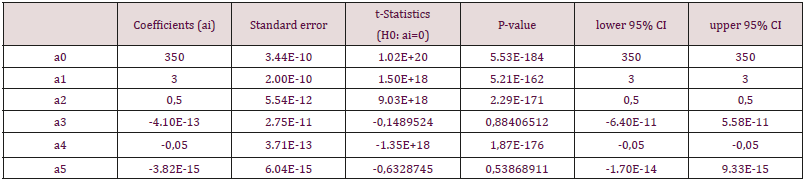
c) Note 3: The coefficients ai refer to the equation (1). Please note that i = 0, 1, 2, …, 5 in column one and a0 is frequently assigned the name intercept. We follow the frequently engaged standard statistical practice of setting not statistically significant coefficients to zero and have the solution of our model (from equation (1)) in equation (2) below:

Y (X1; X2) = 350 + 3. X1 + 0,5. X2 - 0,05. X1. X2 (equ 2)

The inevitable rounding errors which are present in all common computers are reflected in the Excel documentation which states that about ten to twelve digits in decimal results should be reliably exact. Therefore, it seems not to be a problem that 95% confidence intervals cover zero and actual numbers of digits of the raw data in Table 3 justify this decision. We analyzed in addition the model of equation 2 and for practical purposes we concluded that there were perfectly consistent results (data on file but not shown here). You might consider this fact as a simple way to be on the safe side with our conclusions about this data set. Our verbal comment to equation (2) is that the available data set very strongly indicates that a perfect functional relationship between X1, X2 and Y exists. In view of the relatively small sample size of the evaluated data here, it is strongly recommended to collect substantially larger data sets in the next future and only if results could be reproduced within the sampling error limits then an application for the Nobel Price could be envisaged in case our data originated from medical data.

Table 3:

lupinepublishers-openaccess-otolaryngology-journal

Conclusion/Discussion

The reader should consider several aspects of our example: First, finding practical interpolation from data sets could have apart from chances for a successful Nobel price application and small sample sizes other causes, e. g. that the Y-data is already a derived data item calculated from X1 and X2 actually. The originator of the data set could be consulted, and this issue might sometimes be clarified quickly. Second, a review of the selection criteria might shed additional aspects and one of the most likely finding might be that the data were collected from young, healthy volunteering soldiers instead of a larger sample with males and females in about 1:1 relation. Many other explanations for such a result might be presented here, but I think that an experienced statistician would likely be a valuable contributor to such – admittedly very rare – events. I think under all circumstances the plan for a follow-up study could be quite a challenge for the responsible physician as well. I’d like to emphasize that from a mathematical viewpoint a real and strong and simple functional relationship (interpolation) is likely to be considered as a very strong scientific revelation, finally. Another important consideration was in the results’ section mentioned and I’d like to address it here: In case of a polynomial of degree k with a sample n=k+1 there will be always an interpolation solution, which is just due to lack of sample size and as such not informative at all. My personal experience indicates very strongly that in cases where n-k coefficients are estimated and two k is at least contained in n-k several times then degenerate interpolation could safely be excluded, however.

In my early professional work life I was once confronted to a study to assess the effect of a substance on the blood pressure and heart rate which did not contain blood pressure as a selection criterion. It seemed to everybody as highly representative for the selected patients. Based on some 150 patients the baseline data showed certain, quite considerably big percentages of hypotonic, normotonic and hypertonic patients. The evaluation of baseline to end of treatment differences showed only a very weak linear trend for the changes of systolic, diastolic blood pressure and heart rate. A second order polynomial showed a clear, statistically highly significant quadratic trend: The hypotonic patients showed increased blood pressure data, normotonic had just data varying around zero and hypertonic patients showed statistically highly significant blood pressure reductions. Sponsor’s headquarter asked me to provide the average blood pressures from the full sample and as I assume - the international medical director - decided not to pursue this substance as the pooled average across hypotensive, normotensive and hypertensive patients was medically relatively small compared to the established hypertensive drugs of this pharmaceutical giant. It is no surprise at all, that a subgroup evaluation of the three blood pressure subgroups clearly indicated that young and middle-aged patients revealed quite small shares of hypertensive patients and patients aged over 60 years had considerable shares of hypertensive patients consistent with published literature of epidemiology. Today, I still judge this as a mistake based on the omnipresent linear thinking of the very company’s headquarter. Finally, I think the examples discussed here are at least some evidence that non-linearity can be present in medical data and the consequences could cause major detrimental damages to financial operations of corporations and by withholding potentially interesting drugs from patients’ unnecessary burden of disease(s).

Read More Lupine Publishers Otolaryngology Journal Articles:
https://lupine-publishers-otolaryngology.blogspot.com/

Thursday, 24 December 2020

Merry Christmas!!


Merry Christmas! May God showers your life with unlimited blessings on this day. May your Christmas be graced with peace, joy, and blessings! Hope this festive season will bring good luck and good health for you and your family. We heartily wish each and every member of our Lupine family a very safe and glorious X-mass!! 


Wednesday, 23 December 2020

Publishers | Exogenously Applied Nitrogen and Zinc Fertilizers Improved the Rice Productivity

  Lupine Publishers | Current Investigations in Agriculture and Current Research


Abstract

Nutritious management in fine rice is primarily concomitant with the application of nitrogen and zinc fertilizers, which is challenging to amend under field conditions due to variations in soil fertility and environmental conditions. Therefore, a field experiment was carried out at Chakkanwali reclamation Research Station district Gujranwala to explore the role of nitrogen and zinc on the growth and yield of fine rice during kharif 2016. This study was laid out in a randomized complete block design with factorial arrangement having three repeats. Experimental treatments comprised of 2% foliar spray of nitrogen and zinc at tillering, booting, and flowering stage alone and in combinations. Results indicated that exogenous application of 2% nitrogen and zinc at flowering stage significantly improved all the yield contributing parameters which ultimately enhanced the final paddy yield.

Introduction

Rice is a delicious food for all the tiers of society in most of the states around the world. Billions of people eat rice for at least once a day to fulfill their dietary needs [1]. Increasing rice productivity in all domains is authoritative to meet the mounting demand of the world’s population. Rice grains are wonderful source of carbohydrates, fiber, fat, vitamins, minerals, energy and number of its by-products increases the value of rice crop across the biosphere [2-4]. Rice accounts for 3.1% in the value added in agriculture and 0.6 percent of GDP of Pakistan [5]. Rice cultivated area in Pakistan increased up to 6.4% as compared to last year during 2017-18. Its cultivation grasped historically maximum level of 7,442 thousand tones against the production of 6,849 thousand tones [5]. Average production in Pakistan is lower as compared to developed countries of the world. Among various factors causing turn down the rice productivity; imbalanced use of fertilizers is significant [6].

Optimum plant nourishment is one of the absolute imperative elements in enhancing the rice productivity. Among all the plant nutrients, nitrogen is critical for rice, and generally it is the most yield limiting nutrient in rice production domains around the globe [7]. As availability of organic nitrogen in soil is frequently minimizing by intensive cultivation of exhaustive crops, leaching, ammonia vitalization and de-nitrification. Rice plants required nitrogen during early growth phase to encourage tillering and vegetative growth, which in turn regulates the probable number of panicles. While application of nitrogen during reproductive phase improved the primary panicle formation and contributes to sink size in the late panicle formation period and play a vital role in grain filling, enhancing the photo-synthetic capacity and encouraging accumulation of carbohydrate in leaf sheaths and culms [8]. Among various micronutrients, zinc also play vital in optimum crop growth [9] and is prerequisite in small amount to allow several crucial plant physiological pathways to work properly [10]. It plays an important role in maintaining the integrity of biological membranes, the resistance to contagion by assured pests [11] and the pollination by affecting the formation of pollen tube [12,13]. It is also necessary in the carbonic enzymes that benevolences in all photosynthetic tissues and for chlorophyll biosynthesis [14,15].

However, its scarcity upsets numerous biochemical processes, such as auxin metabolism, enzyme activation, cytochrome and nucleotide synthesis, chlorophyll production, membrane integrity and growth [16]. Its insufficiency shows uneven plant growth, dusty brown spots on upper leaves of stunted plants, reduced tillering and enhanced spikelet sterility in rice Dobberman and Fairhurst, 2000. Application of nitrogen fertilizer directly to soil causes loss in the form of volatilization and leaching while in case of zinc fertilizers, the soluble portion leaches down. These losses can be minimized through the exogenous application of these nutrients which may confirm prompt accessibility of nutrients by the leaf tissues and effective movement to the developing parts of plant with minimum loss [17-21]. Keeping in mind these facts, the present study was designed to explore the role of exogenous application of nitrogen and zinc fertilizers at different stages of rice.

Materials and Methods

Experimental site and treatments

A field study was carried out at Chakkanwali Reclamation Research Station, District Gujranwala to explore the response of exogenous application of nitrogen and zinc on different growth stages of fine rice during Kharif 2016. The experiment was laid out in a randomized complete block design with factorial arrangement having three repeats. Experimental treatments comprised of 2% foliar spray of N and Zn at tillering, booting and flowering stage alone and in combinations.

Soil analysis

Prior to seedbed preparation, composite soil samples were collected from 0 to 30 cm depth for physico-chemical analysis. The soil of experimental site was silt loam, having pH 8.5, EC 2.11 dS m-1, organic matter 0.56%, total nitrogen, available phosphorus and exchangeable potassium 0.042%, 0.0062, 0.136 mg kg-1.

Crop husbandry

Twenty-eight days old nursery of fine rice (cv. Super Basmati) was transplanted in standing water on 11th July 2016 with 20 cm plant to plant and 22.5 cm row to row distance. Recommended dose of phosphorus (90 kg ha-1) and 1/3rd of nitrogen (50 kg ha-1) was applied at the time of transplantation. The remaining two-thirds of inorganic nitrogen (100 kg ha-1) were applied in two equal splits at tillering and panicle initiation stages. The water level in the field was maintained at 15 to 20 cm up to 30 days after transplanting and then water was drained out from the field for 2 days. After that water level was maintained at 10 to 15 cm until a week before final harvest. All other agronomic practices were kept uniform for all the experimental units to keep the crop free from pests. A unit area (1m2) was selected at random from two different sites for each plot. At maturity, grain yield, biological yield, harvest index, plant height, panicle length, number of kernels per panicle, number of tillers per plant and final plant height was measured.

Statistical analyses

The data for investigated treatments was analyzed by using the software Statistix 8.1, following Fisher’s analysis of variance and the least significant difference (LSD) test at 5% levels of probability was used to compare the means of different treatments [22].

Results and Discussion

Plant height (cm)

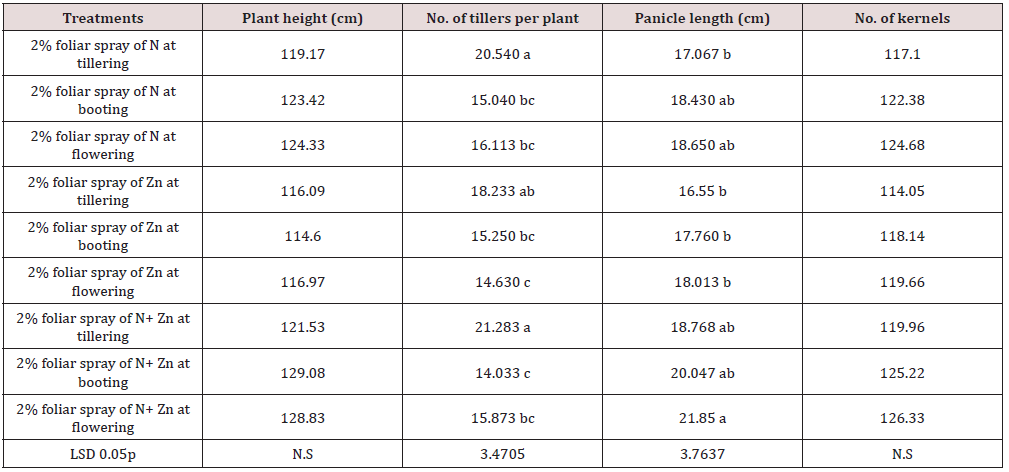
Plant height divulges the overall vegetative growth of rice in response to management practices. The results showed that the foliar application of nitrogen and zinc at different growth stages had non-significant effect on final plant height (Table 1). However exogenous application of 2% nitrogen and zinc at booting stage produced taller plants (129.08cm). While foliar spray of 2% zinc at booting produced minimum plant height (114.60cm) of rice.

No. of fertile tillers per plant

Tillering of a plant depends on the genotype, environment as well as the plant nutrition. Statistical analysis of the data showed significant effect of foliar spray of 2% nitrogen and zinc at different growth stages of rice (Table 1). Exogenous application of 2% N+ Zn at tillering stage produced significantly higher number of tillers per plant (21.28). Lower number of fertile tillers per plant (14.03) was observed with foliar spray of 2% N+ Zn at booting stage. Higher number of fertile tillers per plant might be due to the application of Zn that increased N use efficiency that ultimately produced more effective tillers per plant. Similar findings were reported by Islam [23] and Abdul and Balasubramanian [24]. Similarly, the studies carried out in IRRI [16] indicated that zinc application activates and increases tillering capacity in rice due to improved enzymatic activity.

Panicle length (cm)

Panicle length affects in grain yield by more transport of photosynthesis material. Panicle length varied significantly due to exogenous application of 2% nitrogen and zinc at different growth stages (Table 1). Foliar application of 2% N+ Zn at flowering stage produced significantly higher panicle length (21.85 cm). While foliar application of 2% Zn at tillering stage produced minimum panicle length (16.55 cm). Similar results were reported by Bandara [25] who showed that panicle length of rice was affected by nitrogen and zinc application. Similarly, Sarwar [26] also observed the low size of panicle length in without Zn application.

No. of kernels per panicle

Many factors affect the kernels per panicle such as genotype, cultural practices used (planting date, seeding rate and soil fertility) and growing conditions (air and soil temperature, etc.). Exogenous application of 2% nitrogen and zinc at different growth stages had no significant effect on number of kernels per panicle (Table 1). However, foliar spray of 2% N+ Zn at flowering stage produced higher number of kernels per panicle (126.33). While foliar application of 2% Zn at tillering stage lower number of kernels per panicle (114.05).

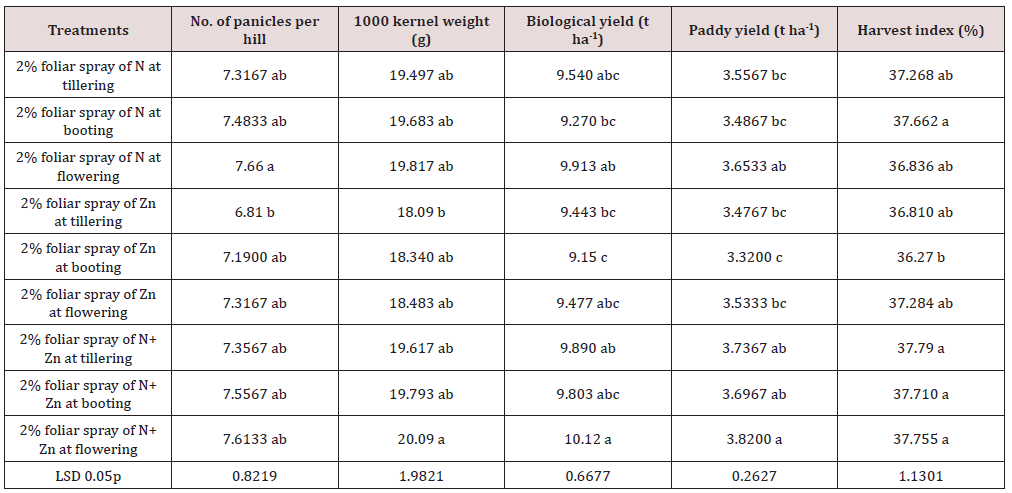
Table 1: Effect of exogenous application of nitrogen and zinc on the growth and yield contributing parameters.

Lupinepublishers-openaccess-Agriculture

No. of panicles per hill

Number of panicles per hill plays an imperative role in influencing the final grain yield. Genetic makeup, optimum crop management and availability of nutrients is greatly influenced the setting of panicles. Statistical analysis of the data showed significant effect of foliar spray of 2% nitrogen and zinc at different growth stages number of panicles per hill of rice (Table 2). Exogenous application of 2% nitrogen at flowering stage produced significantly higher number of panicles per hill (7.66). Lower number of panicles per hill (6.81) was observed with foliar spray of 2% zinc at tillering stage. It could be attributed to the improved availability and uptake of other nutrients resulting in improvement in metabolic activities.

Thousand kernel weight (g)

Thousand kernel weight varied significantly due to exogenous application of 2% nitrogen and zinc at different growth stages (Table 2). Exogenous application of 2% nitrogen and zinc at flowering stage produced significantly heaver kernel weight (20.09 g). While foliar spray of 2% zinc at tillering stage produced minimum kernel weight (18.09 g). It might be due to more efficient participation of all three micronutrients in various metabolic processes which enhanced accumulation of assimilates in the grains and resulted in heavier grains. Our results are supported by Suleimani [27] who recorded significantly increased kernel weight by integrating micronutrients like Zn, Fe, Mn and Cu.

Biological yield (t ha-1)

Vegetative and reproductive growth of rice crop indicated the biological yield and it displays an indirect index of photosynthetic machinery as it represents the total biomass assembles by the plant. Biological yield varied significantly due to exogenous application of 2% nitrogen and zinc at different growth stages (Table 2). Foliar spray of 2% nitrogen and zinc at flowering stage produced maximum biological yield (10.12 t ha-1). While application of 2% zinc at booting stage produced minimum biological yield (9.15 t ha- 1). Supreme biological yield was recorded may be owing to more plant height, fertile tillers per plant, number of kernels per panicle and thousand grain weight with efficient utilization of nutrients, sunlight interception and water, which ultimately produced more biomass and grains [28].

Paddy yield (t ha-1)

Paddy yield is composed of various yield components such as number of panicles, kernels per panicle and1000 kernel weight. Statistical analysis of the data showed significant effect of foliar spray of 2% nitrogen and zinc at different growth stages on paddy yield of rice (Table 2). Exogenous application of 2% nitrogen and zinc at flowering stage produced significantly higher paddy yield (3.82 t ha-1). Lower paddy yield (3.32 t ha-1) was observed with foliar spray of 2% zinc at booting stage. In this study, the use of nitrogen and zinc produced the highest paddy yield due to the combined effect of many yield components including higher number of tillers per plant, number of panicles per hill, number of kernels per panicle and 1000 kernel weight. Chaphale [29] recorded higher paddy yield when NPK was applied with zinc in combination. Previous findings also revealed that the application of zinc fertilizer not only increased yield but also zinc concentrations in rice seed [30-33].

Harvest index (%)

Harvest index indicated the photosynthesis efficiency of crop plants which converted into the economic yield. More harvest index showed the prolific efficiency of a crop. Harvest index varied significantly due to exogenous application of 2% nitrogen and zinc at different growth stages (Table 2). Maximum harvest index (37.79%) was recorded with the exogenous application of 2% nitrogen and zinc at tillering stage. Minimum harvest index (36.27%) was observed with foliar spray of zinc at booting stage. Higher harvest index indicated its superior ability of better dry matter partitioning towards grains [14].

Table 2: Effect of exogenous application of nitrogen and zinc on yield contributing and yield parameters of rice.

Lupinepublishers-openaccess-Agriculture


 Read More Lupine Publishers Agriculture Journal Article:

Tuesday, 22 December 2020

Lupine Publishers | Population Density of the White Bellied Rat, Rattus Rattus Frugivorus in El-Kawther City, Sohag Governorate, Egypt

  Lupine Publishers | Current Investigations in Agriculture and Current Research


Abstract

The objective of the study is to study the population density of the white bellied rat Rattus rattus frugivorus at the Experimental Station of the Faculty of Agriculture, Sohag University in El-Kawther city, Sohag Governorate, Egypt for 2014-2016 years. The results were showed that the population density of white bellied rat, R.r. frugivorus increases in summer and decreases in winter. It is clear that the sexual ratio decreases in winter, where males are more than females and are active in spring and summer. It was also found that adult males are increasing in the spring and summer seasons, while in females they increase in winter

Keywords: Experimental Station; dominant species; rodent management programs; white bellied rat

Introduction

Rodentia is one of the most important mammalian orders which has a great number of rodent species with their effect on the environment. Directly, through their destructive feeding habits and indirectly by a stable food items for many predators in the food chains. In Egypt changes in the agro-ecosystem, during the last 40 years, have had a great effect on the distribution and abundance of field rodent population [1]. Rodents are implicated in many types of damage, including crop and tree damage, structural property and cable damage, disease transmission [2]. Rats and mice are possibly the most damaging rodents based on economic losses and health-related issues. They are constantly associated with unsanitary habitats, such as sewers and pit latrines and thrive in overcrowded apartments. It has been reported that nearly 4 million rats are born every day and 10 rats for every human alive [3]. This high abundance is expected to lead to more contact between humans and rats resulting more than ever to debilitating rat borne zoonoses with the increased density of human population [4]. In Egypt, the changes of the environment by reclamation the desert and increase the cover plant in this area have been a great effect to the distribution of rodent species on abundance in the studied area [1,5,6].

Materials and Methods

The present work was carried out in the experimental station of the Faculty of Agriculture, El-Kawther city, Sohag University for 2014-2016 years. It is located in newly reclaimed area at the Eastern desert area as arid region (15km. East of Sohag Governorate). This area has been planted from a long period about (30 years) with isolated patches of vegetables, wheat, Egyptian clover, alfalfa and certain orchards. 20 wire-box traps were baited and distributed twice every week at 6pm and collected at 7am.The captured rodents were classified and recorded. The Percentage of every species was estimated as a percent from total rodents captured during the year dominant percentage (D %).

Dominant percentage = Number of rodent species/ Total rodents captured*100

Trap index = No. rodent captured/Total traps distributed.

Results and Discussion

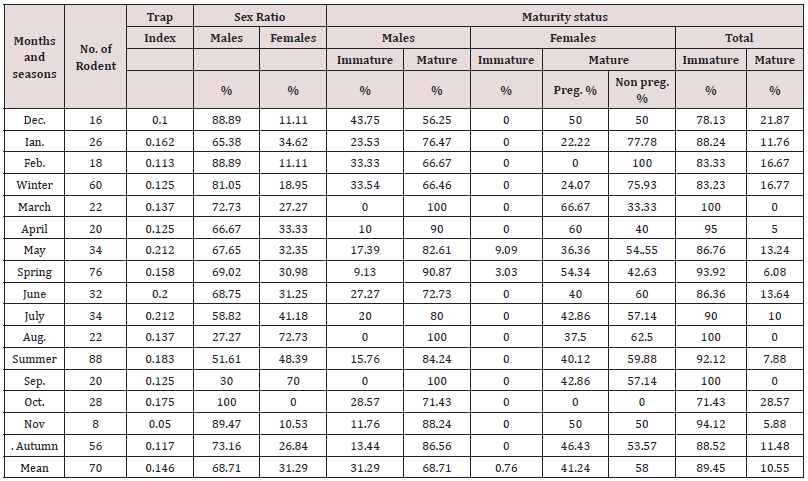
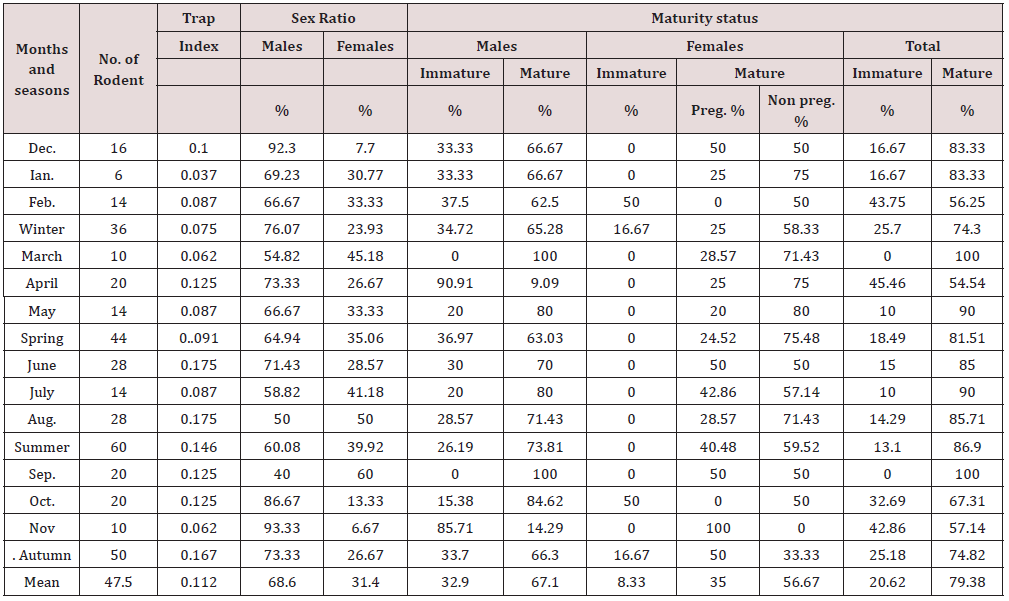
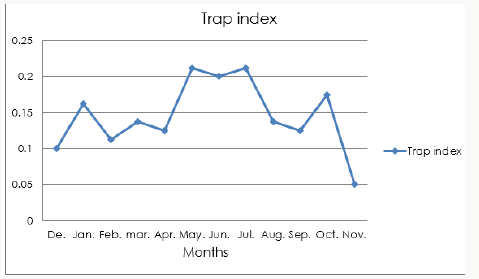
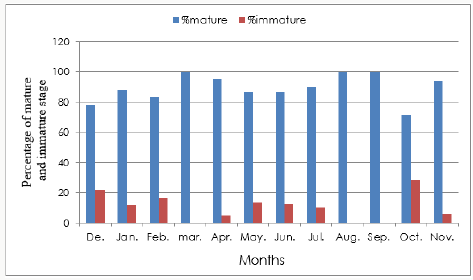
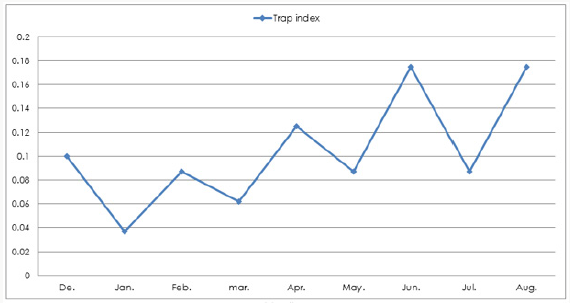
The results show in the experimental station of the Faculty of Agriculture, El-Kawther city, Sohag University in Tables 1 & 2 and Figure 1 found that this species ranked the first in abundance among the total rodent’s population captured in the cultivated area at Sohag constituting 82.84% and 74.63% of trapped rodents during 2014/2015 and 2015/2016 respectively. The highest population as assessed trap index occurred during Summer (0.183) and autumn (0.117) equaled by spring (0.158) then winter (0.125) in the first year and Spring (0.091) and Summer (0.146) followed by autumn (0.167) then winter (0.075) in the second year. Inter seasonal variations were noticed with distinct speaks during November (0.05), December (0.1), May (0.212) and July (0.212). The lowest density was observed during November (0.05) and December (0.1) in the first year (Table 1) and (Figure 1). In the second year the highest density of rodent population was observed in August (0.175) and June (0.175) and the lowest density was observed in January (0.037), November (0.062) and March (0.062) (Table 2). Results of six ratio of this species showed that males slightly outnumbered females during winter and spring, while the reverse was observed in summer and autumn in the first year. The female’s ratio was higher than male’s ratio during all season, except April and November in the second year. From the same (Tables 1 & 2) and (Figures 2 & 3) mature stages surpassed immature stages all over the two years except in April during the first year when reverse occurred.

Table 1: Seasonal and monthly fluctuation, trap index, sex ratio and maturity status of R.r. frugivorus in the cultivated area during 2014/2015.

Lupinepublishers-openaccess-Agriculture

Table 2: Seasonal and monthly fluctuation, trap index, sex ratio and maturity status of R.r. frugivorus in the cultivated area during 2015/2016.

Lupinepublishers-openaccess-Agriculture

Figure 1: Monthly distribution of R.r. frugivorus in cultivated area during 2014/2015.

Lupinepublishers-openaccess-Agriculture

Figure 2: Maturity status of R.r. frugivorus in cultivated area during 2014/2015.

Lupinepublishers-openaccess-Agriculture

Figure 3: Monthly distribution of R.r. frugivorus in cultivated area during 2015/2016.

Lupinepublishers-openaccess-Agriculture

The highest density of immature animals was obtained in December (43.75%), February (33.33%), October (28.57%) and June (27.27%) during the first year and in April (90.91%), November (85.71%) and February (37.50%) the second year. Finally, the results were showed that the population density of white bellied rat, R.r. frugivorus increases in spring and summer and decreases in winter. It is clear that the sexual ratio decreases in winter, where males are more than females and are active in spring and summer. It was also found that adult males are increasing in the spring and summer seasons, while in females they increase in winter. This may be due to high pregnancy rat in these months and in the previous months giving chance to high population of immature animals [7]. It was observed that the highest percentage of pregnant females and the high average number of embryos prepregnant female was recorded in winter of the second year. This may be due to the torrent occurring in November 2016 due the compensation of the lost population during the torrent. With exception of winter season during the first year that pregnant females were not trapped. The average number of embryos prepregnant females was found to increase during the decrease of population (Table 1), wholly in agreement with Abdel Gawad [8]. The results similar with Desoky [9] finding is in agreement with the results show in the experimental station of the Faculty of Agriculture, El-Kawther city, Sohag University, found that the presence of three species of rats included the Lesser garbia, Gerbillus sp. was recorded (1.08%) from newly reclaimed area; the Nile grass rat, A. niloticus (4.44%.) This may be attributed to the availability of food in neighbored field crops and vegetables plantations also, the white bellied rat, R. r. frugivorus the dominant specie (94.27 %).

This may be due to several factors e.g.

  1. intra-specific competition, fecundity increasing and in habitat the ecosystems in which poultry buildings established in the faculty farm the presence of palm trees in the preparation of farm animal production, or poultry farm nearby, this provides shelter and increase in feed stores.
  2. Rattus r. frugivorus the dominant species, this may be due to the presence of attributed to the availability of food and shelter as well as prefers trees for nesting nearly from animal production farms and found the inter-specific competition between this species and other species [5,6].
  3. The differences in species composition of rodents depending on locality, neighboring, habitat type, inter specific compotation and preferred food [9].
  4. The objective of the study is to study the population density of the white bellied rat Rattus rattus frugivorus at the study area and its seasonal changes to be used in the development of a future plan in effective strategy for implementation of rodent management programs in cultivated and newly reclaimed agro ecosystems in Egypt.

Monday, 21 December 2020

Lupine Publishers | Scenario, Importance and Prospects of Seed Spices: A Review

 Lupine Publishers | Current Investigations in Agriculture and Current Research


Introduction

Arid and semiarid parts of the India are known as Seed Spices Bowl (Rajasthan and Gujarat) and contribute more than 80% of total seed spices production. Total 109 spices are listed by ISO and 63 spices are grown in India and out of which 20 are being classified as seed spices. Out of 20 seed spices, ICAR-NRCSS working of 10 most important seed spices namely cumin, coriander, fennel, fenugreek, ajwain, anise, caraway, celery, dill and nigella [1]. Seed spices also grown in some other states on considerable areas such as Uttar Pradesh, Madhya Pradesh, Bihar, West Bengal, Orissa, Punjab, Karnataka and Tamil Nadu. Since there is a large scope of seed spices by introducing them in new areas, the higher yields can also be achieved effortlessly by implementing new technologies. Among seed spices, maximum area is under cumin followed by coriander, fennel fenugreek, ajwain, celery, nigella, dill, anise etc. Being seasonal crops, these are grown extensively in rotation with food crops and also as inter/mixed crops under rainfed/irrigated conditions. All these crops mostly grown in rabi season. India is the largest producer, consumer and exporter of seed spices in the world. Seed spices contribute about 51.79 % of total area and 19.06 % of production of total spices in the country. The area under seed spices is about 1.74 million hectare and production is about 1.45 million tons (DASD, Calicut- 2016-17). India is consistent source of seed spices for importing countries worldwide. There has been ever increasing demand of seed spices and importing countries look at India for quality produce of seed spices.

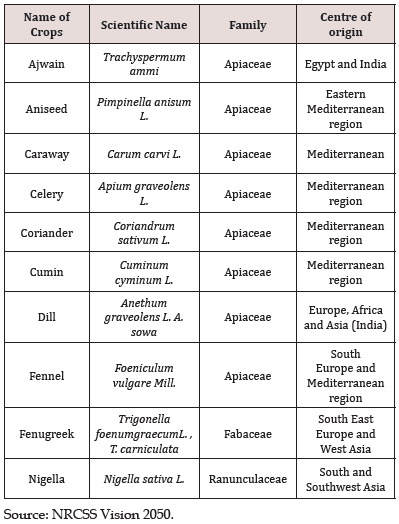
Seed spices play a significant role in our national economy because of its large domestic consumption and growing demand for export. India is exporting about14 percent of its production annually and full fill nearly 50percent of world demand. India is exporting only 15 percent of its production annually and full fill the 50-60 percent of world demand. The total export of seed spice crops is Rs 3738 crore, out of which cumin alone contributes Rs 2418 crore annually (Spice Board India, 2017-18). Other than India, seed spices are grown in different part of the world covering mainly Mediterranean region, South Europe and Asia. Morocco, Russia and Bulgaria are the major producing countries for coriander, Turkey, Iran and Egypt for Cumin; Egypt, China, Romania and Russia for fennel; Morocco and Bulgaria for fenugreek; Iran and Egypt for Ajwan; Germany and Hungry for dill; southern France and china for celery; Bulgaria, Cyprus, Germany, and Russia for anise; Pakistan, Sri Lanka and Egypt for Nigella (Table 1).

Table 1: Name of NRCSS mandate crops.
Lupinepublishers-openaccess-Agriculture

Status of Seed Spice Research in India

The research work on seed spices since long year back probably start of 20th century. The major breakthrough achieved in that period was identification of cumin blight causal organism i.e. Alternaria burnsii by Uppal [2] and Fusarium oxysporiumf.sp. cumini by Prasad [3] causing Fusarium wilt in cumin. Some conventional work has been reported by Ramanujam [4] found extent of cross pollination in coriander, fennel, ajwain. Further, Patel [5] reported 2-4.5 % cross pollination in cumin, Ramanujam [4] did some inheritance studies in coriander. To control the stemgall, in coriander Nene [6] used a variety of fungicides. All such work was low in pace and scattered. Systematic research wok started when the Government establishment the All India Coordinated Spices and Cashew Improvement project (AICSCIP) in 1971. The biggest milestone was achieved in1975 when cumin, coriander, fennel and fenugreek were added in the AICSCI project by starting four new seed spices research centres, viz. at Coimbatore (Tamil Nadu), Guntur (Andhra Pradesh), Jagudan (Gujarat) and Jobner (Rajasthan). In 1986, two organizations came into existence, first, All India Coordinated Research Programme on Spicesat Calicut from AICSCIP for research and second, Spice Board of India by merging Cardamom Board (1968) and Spice Export Promotion Council (1966) for promotion ofexport and implementation of various government schemeson spices including seed spices [7].

The landmark achievements were made after the exclusive set up of institutes for R&D of spices and seed spices. ICAR-Indian Institute of Spices Research Calicut (estb. 1986) and National Research Centre on Seed Spices Ajmer (estb. 2000) have pioneered in developing a number of high yielding varieties and production technologies. AICRP Spices is also conducting location and situation specific research on spices including seed spices at 14 centers in 12 states. During ninth plan period, ICAR established National Research Center on Seed Spices at Ajmer in April 2000 to conduct basic and strategic research exclusively on seed spices crops to further generate technology for enhancing the production and productivity.

Research Achievements

Germplasm holdings and maintenance

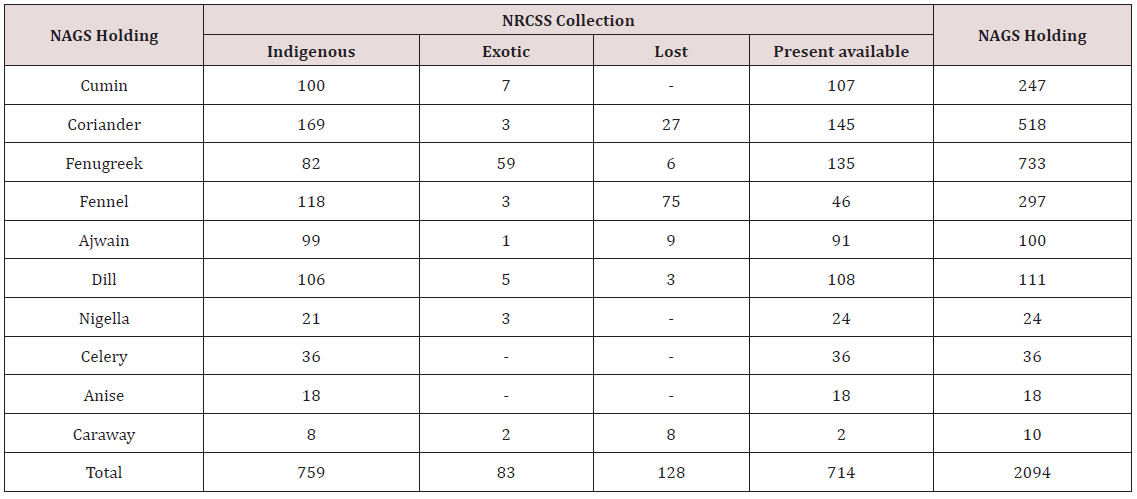
In the National Agriculture Research System for seed spices includes NRC on Seed Spices and AICRP Spices, the germplasm of seed spices has been evaluated for yield, adaptability and the reaction to diseases and pests, insects-pests, maturity, adaptability, processing attributes and nutritional qualities, maintained scientifically and updated with new accessions. The AICRPS has contributed substantially by enriching germplasm, developing high yielding varieties; technologies for increasing the production and productivity; combating pests and pathogens to reduce crop losses, secondary agriculture etc. The germplasm collection available consists of 1990 accessions in coriander, 499 in cumin, 625 in fennel and 989 in fenugreek. Efforts to update the existing germplasm through the addition of indigenous and exotic collection need to be intensified [8]. There is also a strong need to research for new genes in land races and wild type to develop stress tolerant varieties. The exploration and conservation of germplasm is the prime objective of crop improvement. The total number of germplasms maintained by following center in India (NRCSS, IISR, SKN, Jobner, SDAU Jagudan, TNAU Coimbtore, HAU, Hisar, NDAUT Faizabad etc.) other than NBPGR, New Delhi. The exotic materials have been obtained through the NBPGR (Table 2).

Table 2: Total germplasm assemblage at NRC on Seed Spices, Ajmer, Rajasthan.
Lupinepublishers-openaccess-Agriculture

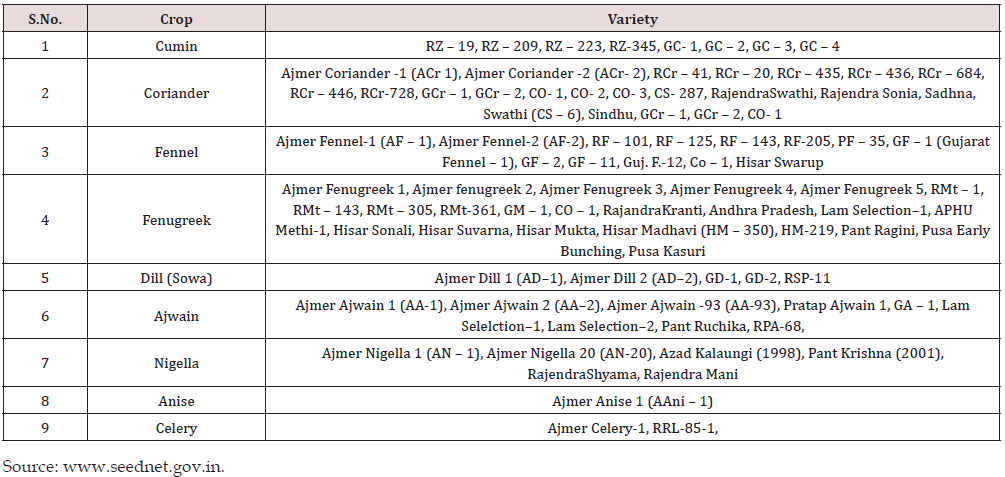
Development of improved varieties

(Table 3).

Table 3: Improved varieties of seed spices.
Lupinepublishers-openaccess-Agriculture

Quality seed production of seed spices

Seed replacement rate in seed spices is very low (15%) which is a major challenge for enhancing production and productivity of seed spices. Providing good quality seeds is one of the most important and easiest means to accelerate the productivity of seed spices in the country. Although the importance of seed was recognized in ancient agriculture, the need for organized seed production was identified only at the beginning of 20th century when Royal commission of Agriculture (1925) recommended spread of improved varieties and seed distribution. Importance of quality seed includes seed is a vital input in crop production, it is the cheapest input in crop production and key to agriculture progress, crop status largely depends on the seed materials used for sowing, response of other inputs in crop production depends on seed material used, the seed required for raising crop is quite small and its cost is so less compared to other inputs, this emphasis the need for increasing the areas under quality seed production and it is estimated that good quality seeds to improved varieties can contribute about 20-25% increase in yield.

Production Technology of Seed Spices

The agro-techniques are highly site specific and vary for different crops. Suitable package of practices including, efficient water, optimum sowing time, seed rate, nursery management, transplanting, spacing, intercultural practices, weed management, cropping system, intercropping and organic farming practices has been standardized for different seed spices crops for realizing the optimum potential of improved varieties in the different agro-climatic conditions. The production technology for off season cultivation has also been worked out for leafy coriander and fenugreek production. In order to boost up production it is important to popularize improved and innovative production technologies for adoption by the farmers. In coriander, plastic covered walk-in-tunnel and shade net covered walk-in-tunnel with low pressure drip system was found highly suitable for off-season cultivation for green leaves. Raised bed technology with drip fertigation and plastic mulching has been found effective for fennel, dill, celery and ajwain. The production potential of seed spices is much larger than that has been achieved so far. In the endeavor to meet the increasing demand of seed spices crops it is now essential to work out complete package of practices varying across seasons, zones and production systems.

Seed spices are basically low nutrient and water requiring crops and seed spices cultivation is confined to the areas where limited water is available for irrigation. Irrigation efficiency is only to the tune of 30-35%, therefore only means to provide the water is effective management and enhancing the water use efficiency to the level of 80% which is possible with the use of micro irrigation. Lots of initiatives have been taken to apply water in such a manner which can provide maximum output. When, where and how water should be applied has been worked out. Precise irrigation management practices have been developed for seed spices at NRCSS. Normally, all these crops are grown in flat bed, practice of raised bed sowing may be very effective in saving irrigation water as well as maintaining favorable aerobic condition in the root zone throughout the growing season of the crop resulting in better yields. Among various methods tried drip irrigation has proved successful in exhibiting high water productivity by saving irrigation water from 25-60% along with 10-60% increase in yield as compared to conventional method of irrigation.

Different cropping system has been helpful for crop diversification, efficient utilization of resources and making intensive use of inputs for sustainable income to marginal farmers. The diverse favorable agro-climatic conditions of the country provide opportunity to cultivate variety of horticultural crops such as fruits, vegetables including root and tuber crops, flowers, plantation and spices crops and medicinal and aromatic crops. These crops provide additional income to farmers. Intercropping of fennel or with knolkhol in 1:2 ratio followed by fennel/ dill with cabbage in 1:1 intercropping ratio is very effective for realizing higher yield and benefit. Cluster bean- cumin- summer moong followed by pearl millet- cumin- summer moong cropping sequence is very effective cropping sequence for cumin growing farmers. Intercropping of seed spices in arid fruit orchards has also been assessed and found economical.

However, most of the seed spices are low nutrient requiring crops but fertilizers alone account for 20-30% of the total cost of production in spices crops. Fertilizer efficiency studies using isotope labelled fertilizers have shown nutrient derived from fertilizer (NDFF) values of 0.5 to 30%. Monitoring soil health and leaf analysis will be useful to ensure a balanced nutrient management and safeguard against hidden hunger. The phosphate rich organic manure (PROM); a value-added product by co-composting different organic wastes with high grade rich phosphate in fine size can be useful in many spices crops and is effective alternative to costly chemical fertilizers. Foliar nutrition method for some of the spices crops has been worked out but there is need to cover more seed spices for high nutrient use efficiency. Besides, use of liquid form of fertilizers through fertigation appears to be promising for deeper application with sizeable input saving. The use of bio-fertilizers, VAM fungi, biological nitrogen fixers and other beneficial microbial agents also need to be optimally used to attain an efficient management.

Protection Technology

Major insect pests of seed spices

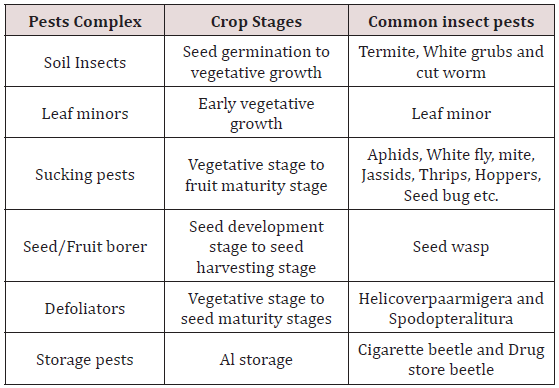
a) Biological control: Seed spices crops attacked large number of predators and parasitoides due presence of its specific aroma, nectar and pollen on these crops (Table 4). The population of parasitoides found increased with the increase of temperature in Rajasthan and Gujarat condition. The parasites Aphaleeinuskurdijmovi occurs regularly, reaches to its maximum (98 percent) which was observed during November-December. On artificial release, the parasitism increases gradually and reaches up to a maximum in 30 days [9]. The noctuids moth larvae Spodoptera and Helicoverpa attracted large number of parasitoides in field conditions. The common parasitoides are Sturamiainconspicuoides, Actiamonticola, Euplectrusgopimohani. For managing noctuids moth larvae at field conditions 4-6 inaculative releases egg parasitoids 150,000 like Trichogramma Chilonus. T. Brasielensis @150000 parasitoides/ha or starting at first appearance of the moths at 1-15 days interval is found useful., release of larval parasitoids such as Chilonusblackburnii, Braconbrevicornis, Telenoumsheliothinae, Carceliaillota, Coteriakazat or Campoletiscloridae, take care of the already hatched larvae. Coccienellied consist of major predator found feeding on various sucking pests of seed spices. Major coccienellid found predating on seed spices crops are, Coccinella septumpunctata L. Bromoidessuturalis F. Menoochilussesxmacalatus and Adoniasp. Predatory bird myna (Acridotherestristis) was also found feeding on the aphid the other common predators of aphids are Chrysoperlacarnea, Episyrphusbalteatus and Ischiodonscutellaris [10,11].

Table 4: Insect Pests complex of Seed Spices.
Lupinepublishers-openaccess-Agriculture

b) Botanicals: Application of neem based commercial formulation like Neemarin at 1% and seed extract of neem (Azadirachata indica), karanj (Pongamiasp.), buken (Meliasp.) and pride of India (Lagerstroemia indica) reduce the aphid’s population by 50 per cent within 7 days of application (Singh, 2007). Gupta and Rai, 2004 observed 80 per cent reduction of aphid H.coriandri population on coriander crop through spraying of 1.0% neem oil and achieve highest grain yield 983 kg/ha.In cumin crop aphid M. Persicae population was reduced more than 50% for 15 days by application Neem Seed Kernal Extract(NSKE) at 5%. Applications of neem oils and karanj oils successfully controlled early instars larvae of H. armigera and S. litura [12].

c) Chemical control: In cumin crop spraying of phosphomidon-0.03%, monocrotophos -0.03% at 2-week intervals after first appearance of aphids give effective protection. The seed yield o treated plot was 4.7q/ha in compared to 3.0 qt/ha on untreated plot [13]. Sharma et al. 2007 found two application of dimethoat 0.03%, thiomethoxam 0.025%, Imidachlorprid 0.005% and acephate 0.037% reduce more than 90 % of aphid (Myzuspersicae) in cumin in 3 days of treatment and give 40 % more yield in comparison to untreated plot. Patel et al 2007 observed application of thiomethoxam @ 12.5 g ai /ha give significant control of Aphis gossipy in cumin, and there was no significant difference observed in application of double dose of thiomethoxamie, @ 25g ai/Ha. The yield was also at par in both the treatments. Two spray of carbosulfan 25 EC at 1250ml./ha. was found an optimum dose for effectively control of sucking pest population in cumin especially aphids and white fly. Corbosulfan did not showed any adverse effect on natural enemy population and also leave no phytotoxic effect on plant [14]. Uses of aldicarb side dressing at 1.0kg/ ha, corbofuran 3G at 0.5kg ai/ha., phorate 10 G at 1.0kg/ha., endosulfan, 0.03%, phosphomidon 0.03%, monocrotophos 0.03% effectively reduce the aphid population on coriander crop and increased yield [15,16]. Thrips (Thripstabaci and Scirtothrips dorsalis) and mite on coriander was controlled by use of monocrotophos at 0.5 kg/ha and chlorpyriphos at 0.05- 1.0%, Rao et. al., 1983. Insecticidal control of aphid Hyadaphiscoriandri on fennel was achieved by application of foliar spray of 0.05% quinolphos, 0.07% endosulfan, 0.009% cypermethrin, 0.05% dichlorvos, 0.025% methyl parathion 0.03% phosphomidon, 0.03% dimethoate and 0.01% fluvalinate [17]. At flowering stage application of methyl parathion 0.025% and endosulfan 0.07% minimizes infestation of seed midge in fennel crop during storage [17]. Two application of metasystox at 0.05% significntely reduce thrips population on fennel crop [18]. Application of dimethoate at 0.045% and metasystox at 0.03% gave maximum aphid control in fenugreek crop and give highest yield (6.87 and 6.27 qt./ha) [19]. Effective management of Spodopterlitura and Helicoverpaarmigera on cumin, coriander, fennel fenugreek and nigella were achieved by application of 0.05% monocrotophos fallowed by 0.2% aldicarb after 10 days, fenvalerate 50g ai/ha. orendosulfan at 700 g ai/ha (Table 5).

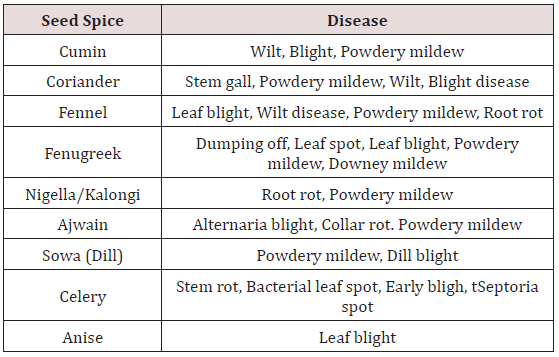
Table 5: Important diseases of seed spices.
Lupinepublishers-openaccess-Agriculture

Major disease of seed spices

Control: The disease infestation in seed spices lower the production and productivity. Hence management of disease one of the important practices which can enhance the productivity of seed spices. Diseases like wilt, blight and powdery mildew in cumin; wilt, powdery mildew and stem gall in coriander; blight and gummosis in fennel, and powdery mildew, downy mildew and mycoplasma-like organisms (MLOs) in fenugreek frequently attack these crops causing heavy loss of yield and deteriorate the quality of the produce. Though the package of practices for the control/ management of each of these diseases have been formulated but still diseases like wilt (cumin and coriander), root rot (fenugreek) and gummosis (fennel) are difficult to be controlled completely. Concerted efforts are needed to evolve appropriate technology for their effective control or varieties which can tolerate or resist this disease. Methodology developed and recommended by NRCSS, Ajmer for control of important diseases are as under.

  1. Application of mustard residue (2.5 t/ha) + mustard cake (0.5 t/ha) + neem cake (0.5 t/ha) as soil amendment with one irrigation during hot summer.
  2. Application of T. viride or A. versicolar as seed treatment @10g/kg seed and soil application @ 2.5 kg/ha mixed with 50 kg of FYM at the time of sowing.
  3. ST with Trichoderma, SA with cator cake and FS with chlorothalonil followed by two sprays of difenoconazole and azoxystrobin was found most effective for the management of Alternaria blight of cumin.
  4. Soil Solarization in combination with oil cakes has been found highly effective.
  5. Two sprays of Neem oil (2%) at 10 days intervals during flowering in evening hours.
  6. Chemical control.

Organic Seed Spice Production Technology

  1. In a study at NRCSS, application of organic Module-1 comprising of soil application of vermin-compost, Trichoderma and neem cake as well as seed treatment of Azotobacter, PSB and Trichoderma with the foliar spray of garlic extract and neem oil is better for realizing higher, growth and yield parameters as wells as yield and net return.
  2. Application of 7.5t/ha sheep manure followed by 4.0t/ha vermi-compost with bio-fertilizer Azotobactor@250g/ha seed in coriander is better for realizing higher yield in cumin and coriander.
  3. Application of 75% N & P through vermin-compost andenriched vermi compost with seed inoculation by Azotobactor and PSB is economical organic nutrient management strategy in coriander and cumin.
  4. Seed treatment along with soil application of Trichodermaviridae @2.5kg/ha and soil application of neem cake @150kg/ha and foliar spray of karanj oil for is an integrated approach for disease management in coriander under organic coriander production.
  5. Insecticidal soap developed by NRCSS (neem oil based- 1%)
  6. In coriander, application of PSB + Azotobactor along with FYM.
  7. In fenugreek Rhizobium treatment along with FYM

Postharvest management and processing of seed spices

The postharvest handling activities start after the harvesting of crop, first with drying of freshly harvested crop, threshing, seed drying, cleaning, grading, packing and transportation of whole seed to market, processing plant or storage place. On farm processing is an important aspect to prevent deterioration of the produce and maintain the quality [20]. Improvements in hygiene, packing and storage facilities help in keeping quality of spice flavours and reduce chances for afla-toxin and salmonella contamination of seed spices. Many products have been developed by NRCSS in seed spices such as essential oil, oleoresins, cryogrind powder of seed spices, coriander, fennel, dill squashes, RTS, biscuits etc.

Technologies Dissemination

Only 40% farmer households in India have access to various sources of information for modern technology for farming [20]. The popular information sources among farmers have been reported to be fellow progressive farmers and input dealers, followed by mass media. The public extension system and extension workers have been found to be accessed by only 5.7% households. Only 4.8% of the small farmers have access to public extension workers as compared to 12.4% of large farmers. Public-sponsored other extension methods, like training programs, study tours and so on, were found to have least influence on the adoption of modern farm technologies. The ratio of extension staff to farmers varies widely across the country from 1:300 in Kerala to 1:2000 in Rajasthan [21]. Looking the scarcity of transfer of technology NRCSS used to disseminate the developed technology through collaboration with different KVKs, farmers fair, training programme, fields days, Front Line Demonstration (FLDs) etc [22,23].

Major Challenges in Seed Spices

Certainly, there is lot of scope and opportunities in seed spice but many emerging challenges which are needing to tackle to sustain the production and increase the farmer’s income. These challenges includes; wilt, blight and yellowing disease in cumin, stem gall problem in coriander, dwarf varieties with tolerance to Ramularia blight and gummosis in fennel, seed replacement rate (SRR) of seed spices is very needed to be increased, standardization of minimum seed standards in seed spices, priming and pelleting of the seeds of seed spice to hasten the germination [24], Focused work is needed to develop GAP standards for organic and nonorganic seed spice cultivation both for domestic and international need, PoP’s for better resource management, development of climate resilient varieties, GAP’s as per domestic and international market, pollination management in seed spices, promoting production of organic seed spices, mechanization and precision farming, pesticide residue management, forecasting models for IDM/IPM, post-harvest handling and processing for value addition etc. The seed spices improvements for harnessing genetic potential through collection and characterization of germplasm to enhance the variability and ultimately developments of superior varieties. Recombination breeding should be promoted to enhance the yield and quality in seed spices [24]. There is strong need for development of molecular markers database and mapping population in seed spices for tagging of candidate’s genes.

Prospects of Seed Spices

Seed spices are used for imparting flavour and taste to food and also have huge medicinal properties for health benefits to treat multiple diseases. Though seed spices have been using in Unani and Ayurvedic medicines, but extensive work should be done to know the potentiality of seed spices to cure the various human and animal diseases. Seed spices are an important horticultural crop and these areas mainly concentrated in arid and semi-arid parts of India. Seed spices can be accommodated in other crops in different cropping and/or farming system. The fenugreek can be grown as a fodder crop which is rich in protein. The straw from different spices can be used as a feed for the animal by blending it in different ratio. Seasonal vegetables and flowers can be rotated intercrop with seed spices (Lal and Verma, 2018). Increasing health consciousness among the spice user especially the European and American community leads to the growing demand for organic crop products including spices. It has led to the development of international trade for organic spices. India is traditionally cultivating spices organically. Though there is need to increase the area under organic cultivation of seed spices. Exporters specializing in organic production have been successful in achieving the international standards prescribed for spices (Malhotra, 2010). Seed spices mostly cultivated in arid and semi-arid area of the country and these crops have ample scope for expansion of areas under seed spices in different agro climatic Zones and Sub Zones as well as new areas in the country particularly Northern Estates, Andhra Pradesh, Karnataka, Bihar, Chhattisgarh and Jharkhand. Mechanization and value chain management in seed spices to ensure the high quality and better price of the produce.

To realize the export and domestic demand of seed spices, there is need to enhance the quality through value chain management. Value addition in seed spices are very low majority of export is in the form of whole spices from India. So, work should be focused on valued addition in seed spices by various means. India enjoys the status of largest producer of seed spices in the world but the productivity in the country is very low and it is bellow potential of the crop varieties. There is a considerable gap between achievable and realized productivity, hitherto the national average yield has not registered the significant rise and need to be work on it. India is today in the enviable position as one of the worlds ‘s largest producer of seed spices and is a major player in the global market. India has the better potential of increasing the production of seed spices crops and future prospects of their export are many. The seed spices can be grown successfully under saline/alkaline water, acid soils, eroded lands, lower fertile soils, limited soil moisture conditions and metal polluted soil. These seed spice not only thrive well under these odd situations but also improve them by following means. Some seed spices have potential for hyper accumulation of salt resultant helps in reclaiming saline sodic soil such as fennel and coriander. Thereby reduction in soil pH and ESP and increase in exchangeable calcium takes place in soil. Seed spices crops could be successfully grown on heavy metal polluted soils and under atmospheric pollution as substitutes for some other edible crops and removes the appreciable amount of heavy metals by hyper accumulation.

Summary

India has attained self-sufficiency and stability in food production. These helped India to become food security to the population and providing balanced diet. India has always been known as land of spices. The term spices refer to such natural plants or vegetable products or mixtures in whole or ground form and as used for imparting flavor, aroma and piquancy to and for seasoning of foods. India has a magnificent past, pleasant present and a bright future with respect to production and export of spices. Seed spices are extensively grown in arid and semi-arid tracts of Rajasthan and Gujarat where climatic condition is very harsh, and these crops provide livelihood to large section of the population in the dry areas. In recent years, organic farming has gained considerable importance. The spices produced from this type of farming are without any harmful ingredients. More than 100 varieties have been developed in different seed spices and seed are available for cultivation. Many packages of practices for seed spice crops have been developed. Management module for insect pests and diseases already been developed. Many products have been developed and many need to develop to promote postharvest technology in seed spices such as essential oil, oleoresins, cryogrind powder, squashes, RTS, biscuits, dill parag etc. Besides the enormous scope, there is certain emerging challenges to which, there are urgent need to answer these problems to double the farmer’s income. Such challenges include, wilt and blight disease in cumin, stem gall problem in coriander, dwarf varieties with tolerance to ramularia blight and gummosis in fennel, the priorities research in years to come have been identified as crop diversification with seed spices, breeding for resistance to biotic and abiotic stresses, breeding for quality and value added products, value chain management, use of biotechnology, pesticides residue.


Read More Lupine Publishers Agriculture Journal Article:

Saturday, 19 December 2020

Lupine Publishers | Comparison of the Efficacy of Plaque Removal of Listerine Smart Rinse Kids and Vi– One Junior Fluoridated Mouthwash in Children Aged 6 To 10 Years

 Lupine Publishers | Journal of Pediatric Dentistry


Abstract

Objectives: In this study, a comparative study was done on the effects of Vi-One and Listerine fluoridated mouthwashes on the reduction of dental plaque in pediatric patients between 7-11 years of age in dental clinics of Sepideh and apple in Shiraz, Iran. Listerine Smart Rinse Kids is a product of the United States and Vi-One Junior mouth wash is the domestic production of the country at Rozhin Corporation. This research was conducted by Mohammad Karimi and Hassan Dehghan in 2018-2019.

Material and Methods: In this study, 100 individuals were selected and divided into two groups of 50. During the study, no other method of controlling the plaque was used. In this method, the first group first used Vi-One mouthwash for 10 days and after two weeks of rest and minimizing dental plaque, they used Listerine for 10 days. While the second group used Listerine first, then they applied Vi- One in the same way. The results of this review were then evaluated.

Results: The mean of plaque index in total mouth and in the posterior teeth area with the use of Listerine Smart Rinse Kids was lower than that of Vi-One Junior mouth rinse. In another words, Listerine had a better effect on plaque removal than the Vi-One mouthwash in the posterior mandibular region.

Conclusion: The results show that although Listerine mouthwash had a better effect on dental plaque removal, none of the two mouthwashes had a significant difference in effects on maxillary and mandibular jaws.

Keywords: Dental Plaque; Vi- One, Listerine, Fluoridated Mouthwash; Periodontal Diseases; Plaque Index

Introduction

Currently, dental caries and gingivitis are common oral and dental diseases in this country. One element that can prevent tooth decay is Fluoride. In the oral health program of the country, fluoride mouth wash 2% was used to prevent dental caries in elementary school students all over the country [1]. In the other hand, dental plaque is an important factor in the formation of dental caries and periodontal diseases. Leo and his colleagues have identified dental plaque as the main cause of gingivitis [2]. With the use of mouthwashes, one can control the dental plaque, chemically [3,4]. In fact, mechanical plaque removal is one of the most common and effective methods for preventing caries and inflammation of the gum [5]. Fluoride mouthwash usage is contraindicated in children younger than six years of age due to the risk of swallowing and causing systemic toxicity and fluorosis [6-8]. Symptoms of acute oral fluoride toxicity in children include severe nausea, vomiting, hyper salivation, abdominal pain, and diarrhea [9]. In severe or fatal cases, these symptoms can be followed by convulsions, cardiac arrhythmias, and coma [10- 12]. Laboratory and animal data have shown that prevention the accumulation of plaque and consequently, reduction in dental plaque can be achieved when fluorides is applied topically which inhibits the bacterial multiplication [13]. The fluoride from mouth rinse is retained in dental plaque and saliva to help prevent dental caries [14]. In one review, the average caries reduction in nonfluoridated communities attributable to fluoride mouth rinse was 31% [15]. Another study in Sweden reported that the use of fluoride mouthwash along with brushing has a significant effect in decreasing of dental caries [16]. Listerine Smart Rinse Kids has been used for the purpose of this study. This product is an alcoholfree mouthwash. The ingredients include Sodium fluoride 0.02% (0.01% w/v fluoride ion), Water, Sorbitol, flavor, phosphoric acid, Sucralose, Cetylpyridinium chloride, disodium phosphate, sodium saccharin, menthol, blue 1 and green 3 [17]. One study reported that use of this mouthwash can strengthen teeth 99% better than brushing alone [18]. Another source indicated that it gives 12- hour cavity protection [19]. Vi-one Junior Mouthwash is specially designed for children. This mouth rinse contains Sodium fluoride 0.05%, Cetylpyridinium chloride 0.05% and Disodium phosphate agents. The respective flavors contain sugar-free and harmless sweetener. This brand also is an alcohol-free product [20]. The purpose of this study was to compare the efficacy of two types of mouthwashes, one the domestic mouthwash (Vi-One Junior) and the other, the brand name Listerine Smart Rinse kids fluoridated mouthwash in the removal of the dental plaque.

Material and Methods

This study was a cross-over clinical trial. The eligibilities for entering in our study were as follow:

a) Children having at least 20 teeth with no large restorative area.

b) No history of periodontal Diseases.

c) Not having any Prosthodontic or Orthodontic appliances.

The condition for withdrawal from the study, if there was any sign of reactions to any of these mouth rinses. There was no obligation to have any food regimen.

The study population consisted of 100 patients who were in a 50-member group. Before taking oral mouthwash, plaque index was minimized, and all subjects underwent tooth scaling at the beginning and, if necessary, teeth polishing were done before taking mouthwash. Oral hygiene was assessed via a plaque index. First, in both groups, the Silness-Löe plaque index was recorded. It is an Index for evaluating the thickness of the plaque in the gingival region, which measures the thickness of plaque on all surfaces (M, B, D, and L) [21].

Coding for the plaque index was carried out according to the criteria [22]:

a) Code 0: No plaque

b) Code 1: A film of plaque is adhering to the free gingival margin and adjacent area of the tooth. The plaque may be seen in situ only after application of disclosing solution or by using the probe on the tooth surface.

c) Code 2: Moderate accumulation of soft deposits can be seen with the naked eye within the gingival pocket, the tooth, or gingival margin.

d) Code 3: Abundance of soft matter can be seen within the gingival pocket and/or on the tooth, and gingival margin.

In this index, each tooth is divided into four surface area but in our purposes in the present study, we modified the surfaces area from 4 to 6; thus, we have three surfaces in the buccal area (Mesiobuccal, Midbuccal, and Distobuccal) and three surfaces in the lingual area (Mesiolingual, Midlingual and Distolingual). The first group used Vi-One & Listerine mouthwash (kids mouthwash), for 10 days in the following way. Needless to say, this process was supervised by parents at home. The kids have to gargle 5 cc ’s of Vi-One mouthwash 2 times per day for 30 seconds, and during this period of time, no other plaque control methods and tooth brushing should be used. At the end of the period of 10 days, the plaque index was recorded again. Then, the subjects were given a week to rest and stop using the mouthwash while they had permission to start brushing like before. Again, the plaque index was minimized for patients with polishing the teeth, and they used Listerine mouthwash for 10 days. In the same way, 5 cc ‘s of the mouthwash twice daily was used for 30 seconds, and at the end of the one-week period, the plaque was recorded. For the second group, in the first 10 days, mouthwash. Listerine was prescribed and in the second 10 days, the Vi-One mouthwash was applied. All procedures were performed according to the above pattern.

Results

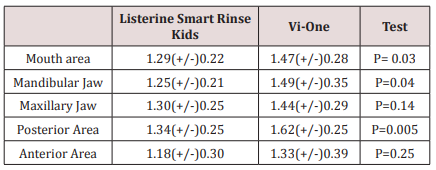
Paired T-test was used for statistical analysis of the findings. The findings showed when Listerine Smart Rinse Kids was used; the mean of plaque index in all area of the mouth (especially in the mandibular jaw and the posterior region) was significantly less than the time Vi-One was applied. However, there was no significant efficacy difference between the use of both types of mouthwash in the upper jaw and the anterior region.

There was no significant difference between the mean plaque index in Vi-One mouthwash between upper and lower jaw, and there was no significant difference between the maxillary and lower jaw in the case of Listerine Smart Rinse Kids either. The presence of this indicator in both types of mouthwash in the anterior region was significantly less than the posterior region. The mean and standard deviation of the plaque index in both groups, as well as in different regions of the mouth, are listed in Table 1.

Table 1: The amount of dental plaque in terms of area and type of Mouthwash.

lupinepublishers-openaccess-journal-pediatric-dentistry

Discussion

In general, the anti-plaque properties of mouthwashes are completed through bactericidal and bacteriostatic effects, separation of microorganisms from dental surfaces, loosening of joints to these surfaces or lowering of the surface tension of the tooth [2,21,23]. Some mouthwashes can be useful for preventing tooth decay or periodontitis [6,24]. Furthermore, mouthwashes are recommended for children and adolescents with orthodontic appliances or adults who need deep cleansing (such as curettage) [6]. These types of mouthwashes were generally used before and after surgery (especially Chlorhexidine) and have a very positive effect on the treatment of gum and ulcerative inflammation [6]. Use of this type of mouthwash should not last longer than 2 to 3 weeks due to some side effects such as staining the teeth and soft tissue staining, increased calculus deposition, unpleasant taste, burning sensation, and mucosal irritation [6]. It’s time to use this mouthwash after brushing and before bedtime, and it’s best not to eat anything after half an hour after use. Fluoride-containing mouthwashes are another type of mouth rinse that has a fairly large use. These mouthwashes have a significant effect on teeth strengthening. Fluoride in the mouthwash cause bonding with enamel and dentin, and with bonding with calcium and phosphorus, they form Fluorapatite, which is more resistant to caries than Hydroxyapatite. Fluorides also accelerate the mineralization, repair the decayed teeth surfaces, and help to increase the reverse processing of damaged tooth surface area [25,26]. Fluoride also reduces the effect of oral bacteria on teeth. It is done by interfering with the function and formation of the microorganisms. The best fluoride mouthwash protects the teeth against the acids which are produced by dental plaques. “Neglecting the oral hygiene of children leads to the accumulation of plaque and as a consequent the formation of dental calculus which will have a devastating effect on the both child’s gums and teeth” [27].

In one study, the statics showed an alcohol-free mouthwash containing a combination of 0.075% CPC and 0.05% Na F produces statistically significant reductions in dental plaque and gingivitis after three and six months compared to baseline [28]. In another research, Jessica E. Koopman, et al argued that the oral microbial community displayed remarkable resilience towards the disturbances it was presented with. The effects of the fluoride mouthwash on the microbial composition were trivial [29]. On the other side, in another study, the research showed that all four fluoride mouth rinses were effective in decreasing the plaque levels of S. Mutans [30]. In this study, we investigated the effect of two mouthwashes of Listerine Smart Rinse Kids and Vi-One in which Vi-One mouthwash in the posterior region was less efficient than the Listerine mouthwash, and the interesting point that most kids mentioned the taste of Listerine was more acceptable. Given that the contents of sodium fluoride were equal in both mouthwashes, due to the fact that Listerine mouthwash was more acceptable than the mouthwash, it could be related to the other materials present in this product which can be a part of the manufacturer’s secrets. This difference in taste can be a factor in the effect of improving Listerine’s efficacy in the posterior regions.

Conclusion

Listerine Smart Rinse Kids had a better effect on plaque removal than the Vi-One mouthwash in the posterior mandibular region. Both types of mouthwash had a better effect on the anterior region than the posterior region, but none of the two mouth rinses had a different effect on the maxillary and lower jaw. Although many popular types of mouthwash may help to control dental plaque and gingivitis, they should only be used as an adjunct to other oral hygiene measures such as brushing and flossing. Fluoride mouthwashes should be encouraged in children above the age of 6 with a high risk of caries.

Read More Lupine Publishers Pediatric Dentistry Journal Articles:
https://lupine-publishers-pediatric-dentistry.blogspot.com/