Showing posts with label Nanomedicine Open Access Journal. Show all posts

Monday, 13 September 2021

Lupine Publishers| Anti Ulcer Activity of Leea Indica in Wistar Albino Rats

 Lupine Publishers| Archives of Nanomedicine Open Access Journal (ANOAJ)


Abstract

Objective: Leea indica is a well known plant with numerous pharmacological activities owing to the presence of the active constituents. Inspite of numerous therapeutic uses, efficacy of the plant in treating ulcers is not yet evaluated scientifically. Hence an attempt has been made to evaluate the Antiulcer activity of Leea indica.

Methods: The effect of Leea indica methanolic extract (LIME) on gastric ulcer in pylorus ligation-induced and aspirin induced models was studied by employing LIME at 200 mg/kg, 400 mg/kg. In both the models Ranitidine (40mg/kg) was employed as the standard. Depending on the model, parameters evaluated were total acidity, free acidity, volume and pH of gastric fluid, ulcer score and percent inhibition of ulcer index.

Results: Data were analyzed following graph pad instat version 3.0 followed by Dunnets multiple comparision test. LIME (400mg/kg) significantly (P<0.01) reduced gastric ulcer index in pylorus ligation-induced and Aspirin induced ulcer models comparable to that of Standard drug. Histopathological studies confirmed that LIME (400mg/kg) possess anti ulcer activity in both models. The elicited activity might be owing to the existence of secondary metabolites such as flavonoids, tannins, and saponins.

Conclusion: Obtained results elucidate the Antiulcer activity of Leea indica methanolic extract. Further investigations on isolation of specific phyto chemicals and elucidating mechanisms of action are needed.

Keywords:Antiulcer, Pylorus Ligation Model, Aspirin Induced Model, Histopathology, Leea Indica, Peptic Ulceration, Vitaceae, Anti Hyper Lipidaemic, Antitumor, Hydrocarbons

Mini Review

Peptic ulceration is one of the common modern age epidemics affecting nearly 10% of world population [1]. Even though numerous potent anti-ulcer drugs are marketed, most of them were associated with toxicities, thus emphasizing the essentiality in search for new alternatives. Approximately 80% of the world’s population trust on herbal-derived medicines reinforcing herbs was advantageous sources for new drugs. Leea indica a traditional Chinese medicine found to be distributed in India, Srilanka, Bangladesh, Burma, Nepal, Thailand, Laos, Camboida, China, Vietnam, New Guinea, Malasia, Solomon islands, North Australia, Santa Cruz island, New Hebrides and Fiji [2-4]. Leea indica, an evergreen large shrub of family vitaceae [5,6] grows up to 8mt. Leaflets are ovate-lanceolate with crenate to serrate margins. Leaves are 1-3 pinnate bearing 7 leaflets, with petioles 7-20cm long. Fruits are purplish black, bearing six seeds with 1 cm in diameter. Flowers are greenish white with 5mm across. Stems are glabrous to pubescent.

Leea indica leaves were scientifically evidenced for wide pharmacological activities like antitumor [7], antiviral [8], analgesic [9], sedative and anxiolytic [10], Nitric oxide inhibitory [11], phosphodiestrase inhibitory [12], antidiabetic [13]. Anti hyper lipidaemic [14]. Leaf decoction is employed in pregnancy and delivery for birth control and body pain [4,15]. Dried leaves ingested were effective against cancer [16]. Roasted leaves relieve vertigo. Leaves (31.4%) constitute to be the most widely used parts in medicine preparation then fruits and roots (16.05%) [17]. Therefore the current investigation was designed to screen the leaves for the antiulcer activity. Twenty three chemical constituents were detected in Leea indica leaves by Gc-Ms analysis, Spectroscopic techniques, and Co-TLC. Compounds identified were eleven hydrocarbons, palmitic acid, pthalic acid, 1-eicosanol,farnesol, soalnesol, gallic acid, three pthalic acid esters, lupeol, β-sitosterol and finally ursolic acid [18]. Though the plant was reported with numerous chemical constituents antiulcer activity was not yet screened. Hence the present study was taken up to investigate antiulcer activity of Leea indica.

Materials and Methods

Chemicals

Ranitidine(Lee Pharmaceuticals, Hyderabad.), Aspirin (Shalg pharmaceuticals, Goregaon, Mumbai.)

Plant

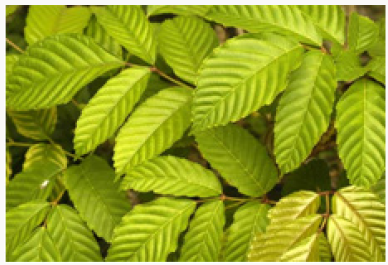
(Figure 1) Leea indica leaves were procured from Karthikavanam forest, Dhulapally, Hyderabad. These were authenticated by Dr. Madhavachetty, Professor, Sri Venkateshwara University, Tirupathi. The plant was placed in the college herbarium with a vocher specimen no. 438.

Figure 1: Leea indica leaves.
Lupinepublishers-openaccessjournals-Nanotechnology-nanomedicine

Animals

Male Wistar albino rats (200–250g) were purchased at Albino Research Center, Bachupally, Hyderabad. They were accomodatedin polypropylene cages with standard diet and water ad libitum. Experiment was designed as per ethical norms of CPCESA and IAEC Malla Reddy Institute of Pharmaceutical Sciences (1662/PO/a/12/ CPCSEA).

Extraction

Fresh leaves were shade dried, coarsely powdered and sieved with sieve no.40. Powdered material (500gm) was packed in soxhlet apparatus and subjected to extraction with methanol and water for about 48h. Solvents were evaporated under reduced pressure by rotary vacuum evaporator. Obtained methanolic extract (MELI) and aqueous extracts of Leea indica (AQLI) were subjected to phyto chemical screening and acute toxicity study [19].

Acute Toxicity Study

This study was performed as per OECD guideline 425 using limit test dose 2000mg/kg [20]. Rats were fasted overnight and a limit dose of 2000mg/kg was administered and observed for autonomic profiles (defecation and urination), behavioural profile (alertness, restlessness, irritability and fearfulness), neurologic profile (spontaneous activity, reactivity, touch response, pain response and gait), physical states such as lacrimation, loss of appetite, tremors, hair erection, salivation, diarrhoea and for morbidity or mortality continuously for 2 h, periodically during the first 24 h and daily thereafter, for a total of 14d.

Antiulcer Activity

Pylorus Ligation Method: Male Wistar albino rats were segregated into four groups comprising five each [21]. Group I negative control, received distilled water, Group II positive control, received ranitidine 50mg/kg; Group III LIME (200mg/kg, p.o); Group IV LIME (400mg/ kg, p.o). Plant extracts were administered for 10 d. At the end of experimental period rats were fasted overnight with water ad libitum. Standard, Ranitidine (40mg/kg) and LIME (200, 400mg/ kg) were administered. Under light ether anaesthesia, the abdomen was cut opened by incision below the xiphoid process. The Pylorus end of stomach was slightly lifted up and ligated avoiding damage to blood vessels. After completing ligation stomach was replaced and the abdominal wall is sutured and closed. Rats were deprived of water during post operative period for 3 to 4h [22]. Four hours later, stomach was dissected out. Stomach contents were drained into tubes and were subjected to centrifugation at 2000 r/m for 10 min. Supernatant obtained was analysed for gastric volume, pH, free acidity and total acidity. The stomach was incised along the greater curvature, and observed for ulcers and the ulcer index (UI) was calculated. Ulcers were scored and severity was assessed microscopically (10 X) employing hand lens (10 X). The scores were given as mentioned.

Read More About Lupine Publishers Archives of Nanomedicine Open Access Journal (ANOAJ) Please Click on Below Link: https://lupine-publishers-nano-science.blogspot.com

Tuesday, 4 May 2021

Lupine Publishers| Multi-Purpose Functional Materials Based on Thermosensitive Poly (N-vinylcaprolactam)

 Lupine Publishers|  Archives of Nanomedicine: Open Access Journal (ANOAJ)


Introduction

Worldwide mortality rates have experienced a remarkable decline in recent decades, a trend that projects to continue over the next years, increasing the older population. As a result of increased life expectance, people are living more and better. Virtually every country in the world is experiencing growth in the number and proportion of elderly people. Dealing with the population growth, its aging and treatments of typical health problems found in older people are just some of urgent demands for near future. Particularly, several developing countries are experimenting a fast transition from young to old population, which is affecting their national health system and families budgets. Getting older bring senior health challenges.

Typical chronical diseases are arthritis, circulatory problems, cancer, osteoporosis, diabetes, problems of locomotion due to trauma and falls, as well as oral healthy. On the other hand, “lifestyle” diseases related to tobacco and alcohol abuse accounts for a rising share of deaths of relatively young people. Additionally, non communicable diseases, such as circulatory-system ailments, cancers, and psychiatric disorders, are expected to replace infectious diseases and child malnutrition as the greatest contributors to the global disease burden [1]. During the last decade, nanotechnology revolutionized human life in aspects never though by Feynman in its famous conference “There´s plenty of room at the bottom” [2]. The possibility to induce, enhance or modify properties of materials used in our ordinary life or in incredibly sophisticated applications opened a new road for creative technologies in materials science, chemistry and medicine.

Nanotechnology is one of the promising fields for engendering new applications in energy, environmental and health, which represent three of the greatest challenges facing humanity in this century. By assembling materials at the nano scale, exceptional properties improvements can be obtained, which play a strategic role in our technological society3touching aspects that are quite far from our eyes. Selective biosensors for cancer cells, smart nano composites for transport and drug delivery, functional nanoparticles for cancer therapy and image, scaffolds for tissue engineering, and nano structured materials for implants, bones prosthesis and dental uses, can be used as good examples of effective bio functional materials based on nanotechnology.

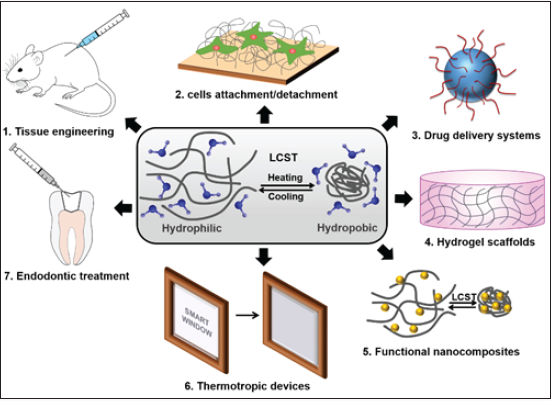
The design and discovery of new functional materials involve a mixture of clever chemical intuition, rational assessment of the technical requirements, and substantial experimental efforts [4]. The complete development cycle, from scientific concept to marketing practice, takes time and requires a huge amount of resources. Once the material is sufficiently understood, new applications in different commercial fields is just a matter of creative and boldness. For instance, we successfully developed a nontoxic thermosensitive hydrogel based on poly (N-vinylcaprolactam) with a lower critical solution temperature (LCST) (Figure 1) [5]. This hydrogel (also referred to as PNVCL) exhibits a phase transition near the body temperature from a hydrophilic and water-soluble phase at low temperatures to an insoluble hydrophobic state when heated.

Its cyto compatibility and fast response to temperature stimuli allow its use as injectable hydrogel for tissue engineering [1]. Changes in the PNVCL molecular weight and concentration enabled the development of hydrogels with tunable mechanical properties and fast gelation times to support cartilage specific extracellular matrix production both in vitro and in vivo. PNVCL can also be obtained by initiated chemical vapor deposition on substrates for cell sheet engineering, excluding the use of conventional enzymatic treatments [2]. [6]Thermosensitive hydrogels are also suitable for drug delivery systems, including those modified with magnetic nanoparticles against pathogenic oral bio films, usually employing well-known antibiotics such as chlorhexidine but also some flavonoids and antimicrobial peptides [3]. The replacement of injured or malfunctioning natural organs or tissues by a natural substitute requires transplantation of an acceptable, healthy substitute.

Figure 1: Multi-purpose functional materials can be applied in different uses. Thermosensitive poly (N-vinylcaprolactam), for example, has been used as injectable hydrogel for tissue engineering (1), as substrates for cell growth (2), in drug delivery systems (3), as scaffolds to fabricate ‘bio artificial’ or ‘bio hybrid’ synthetic organs (4), as functional nano composites (5), smart windows (6), and for dentistry treatments (7).

Lupinepublishers-openaccessjournals-Nanotechnology-nanomedicine

According to World Health Organization,7 126.670 of solid organs were transplanted in 2014, which is less than 10% of global needs. Almost 25% of all transplants occurred in USA, followed by China (7,9 %), Brazil (6,2 %) and France (4,5 %).In fact, hydrogels can be used for engineered tissue scaffolds or to fabricate ‘bio artificial’ or ‘bio hybrid’ synthetic organs due to their unique compositional and structural similarities to the natural extracellular matrix to repair organs injuries and regenerate organs [4]. Beyond complexes uses for health, thermosensitive hydrogels can be modified using functional nanoparticles, such as noble metal, magnetic ferrites, bioactive glasses or porous silica for different purposes, from drug transport and delivery, coatings for packaging, biosensors or optical applications [5], which include passive and active thermo tropic devices used in smart windows [6].

Finally, special attention should be dedicated for dental applications against C. albicans and S. mutans biofilms, cariogenic species generally responsible for dental caries. Perhaps the greatest challenge to obtain effective multi-purpose functional materials is to build a multidisciplinary collaboration network of chemists, engineers, dentists, biologists, physicians from academy but including also marketing experts and professionals from industry. Innovative ideas and creative solutions are at interfaces among specialties.

Read More About Lupine Publishers Archives of Nanomedicine: Open Access Journal (ANOAJ) Please Click on Below Link: https://lupine-publishers-nano-science.blogspot.com/


Tuesday, 16 July 2019

Printable Self-Assembled Peptide Bio-Inks: Promising Future Applications in Nanomedicine | Lupine Publishers

Journal of Nanomedicine | Lupine Publishers

Abstract

In the current era of research and development, nanotechnology and additive manufacturing play a key role in the industry as well as in the healthcare applications. In order to explore medicinal applications, researchers focus on the design and synthesis of biocompatible nanoparticles and nanomaterials. Molecular self-assembly is a powerful approach for the fabrication of supramolecular functional materials. Self-assembly offers the integration of nanotechnology with the additive manufacturing for the fabrication of three dimensional (3D) printed objects. The cross-linked peptide hydrogels are gaining attention as potential bioink for the 3D bio-fabrication. The current article focuses on the scope of the printable peptide containing hydrogels as bio-ink in the fields of nanomedicine, drug delivery and tissue engineering.


Introduction


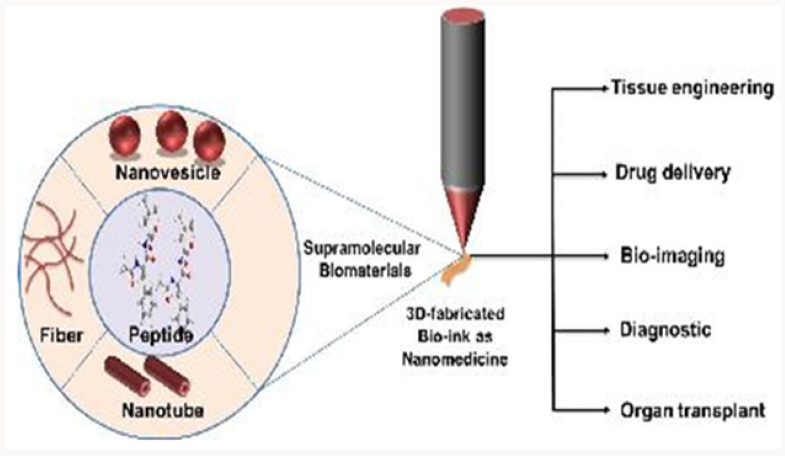
Design and the development of smart nanostructures that can diagnose and simultaneously cure the health problems are the main goals of the nanomedicine. Self-assembling bio-compatible functional nanomaterials and their therapeutic activity under biological environment are the key steps in order to develop effective nanomedicine. Among various approaches to fabricate nanostructures, self-assembly offers to fabricate supramolecular functional nanostructures from their individual building blocks. Self-assembly process involves through bottom-up approach to construct supramolecular nanostructures. The nanostructures including nanofibers, nanovesicles and micelles are formed through intra- and intermolecular covalent and non-covalent interactions. Self-assembles nanostructures formed by bioactive materials can be integrated with additive manufacturing for developing effective nanomedicine. The layer-by-layer bio-fabrication methods are introduced in healthcare due to their applications in 3D drug delivery systems, matured tissue cultures and in-vitro organ fabrications [1]. Fabrication of patient-specific therapeutic system facilitates more personalized and beneficial medicinal results. 3D printing allows low cost and rapid printing of biomaterials that are composed of drug molecules as well as embedded living cells [2]. The application of printing technologies for nanomedicine requires the development of suitable materials, which endure not only the process itself but also help to keep the biological entities stable. 3D bio-fabrication of nanomaterials is a favourable strategy over direct 3D fabrication at nanoscale resolutions (Figure 1). Running parallel to nanomedicine and 3D printing technology, various types of selfassembled printable materials have been developed by researchers for medicinal applications. Self-assembled high water containing nanostructures and extra-cellular native environment mimicking hydrogels are promising candidates for medicinal applications such as drug delivery as well as tissue engineering. The development of nanomedicine bio-fabrication has been less explored due to lack of suitable bio-inks. A number of hydrogels have been introduced by worldwide researchers using various natural and synthetic molecules. Among them, self-assembling printable peptide containing hydrogels are the promising biocompatible material for healthcare applications. In order to avoid the premature collapse of the printed structure, suitable bio-inks need to be developed carefully. An ideal peptide bio-ink should compose of supramolecular nanostructure with mechanical rigidity and shape fidelity. Peptides have the ability to adopt specific structures which can easily tune by amino acid sequences with tunable physical and chemical properties. Peptides self-assembled through various covalent and non-covalent interactions such as hydrogen bonding, van der Waal forces to construct different nanostructures including nanofibers, micelles and nanotubular structures. The peptide nanostructures with high bioactivity provide controlled, biomimetic environment for cells in regenerative medicine and drug trapping sites for site-selective drug delivery.
Figure 1: Schematic representation of nanomedicine fabricated by integrating peptide self-assembly with 3D- bio-fabrication.
Lupinepublishers-openaccessjournals-Nanotechnology-nanomedicine
Printable peptides are promising candidates for regenerative nanomedicines. Recently, Das reported injectable nanofibrous self-assembled of Amoc (9-anthracenemethoxycarbonyl)- capped dipeptide hydrogels. These nanofibrous hydrogels show antibacterial property and promote cell proliferation of human white blood cells [3]. The acylated peptide containing two to five hydrophobic amino acids with polar C-terminal residue selfassembles in 3D nanofibrous structure [4]. The reported peptides undergo a remarkable structural transition under the influence of salt and peptide concentrations in order to increase the stiffness of hydrogels. These injectable nanofibrous peptide hydrogels further encapsulate human umbilical vein endothelial cells to stimulate blood vessel development. Incorporation of active biomolecules such as DNA, RNA with the peptide is also an important strategy to develop printable peptide-based regenerative nanomedicine. A polypeptide - DNA conjugate forms in situ biocompatible hydrogel bio-ink [5]. The resultant properties of polypeptide and DNA components result in the hydrogel networks suitable for viable and functional living cells under physiological conditions. Mimicking in vivo environment by layer by layer neuronal cells in three-dimensional models is difficult during in vitro brain model development. The brain is an enormously complex organ, which is structured into various regions of layered tissue. Lozano et al. developed bio-ink by cross linking of RGD peptide with gellan gum [6]. The resultant polypeptide polymer hydrogel shows cross linked porous nanostructures which enable to encapsulate and provide the supportive environment for primary cortical neurons. Neural network formation in cell supportive matrix offers the opportunity to provide prototype brain-like structures for healthcare applications like understanding of brain injuries and neurodegenerative diseases.

Conclusion


Sophisticated targeted drug delivery and regenerative therapeutics have gained increasing attention during recent years. In comparison with conventional drug delivery, 3D bio-fabrication allows manufacturing of patient specific-drug delivery systems. Above mentioned examples show the potential of printable peptidebased hydrogel networks, which can resolve tissue engineering and regenerative therapeutics problems. Few examples have shown the printed 3D networks worth for antibacterial and microbial activity. Development of new peptide-based materials and their implementation in printable nanomedicine is the key challenges to become the mainstream technology. 3D printed biomaterials need to upgrade in order to achieve four-dimensional printing in healthcare applications.

For more Lupine Publishers Open Access Journals Please visit our website
https://lupinepublishersgroup.com/
For more Journal of Nanomedicine articles Please Click  Here: https://lupinepublishers.com/nano-science-nano-technology-journal/
To Know more Open Access Publishers Click on Lupine Publishers

Tuesday, 28 May 2019

Nanomedicine open access journal- Lupine Publishers


Nanotechnology employs substances comprising particles of one to 100 nanometres (nm) in size [1,2], in other words, finely powdered ‘dusts’. These are generally manufactured, and do not occur in nature, although natural materials of small particle size are included in the definition.
Nanomaterials reputedly display ‘unique phenomena’, offering economic potential through manipulation of nanoparticles for novel applications [3]. Hence nanotechnology requires study and ‘fine-tuning’ of atomic, molecular and macro-molecular materials, whose properties may vary from those manifested by materials in ‘bulk’ dimensions [4]. These aims imply existing (and growing) expertise regarding the required ‘fine-tuning’ processes and suggest that manipulating nano-dusts will create benefits for society, in technological and, for instance, medical, applications.

https://lupinepublishers.com/nano-science-nano-technology-journal/fulltext/understanding-parallels-between-homeopathy-and-nanomedicine.ID.000124.php

For more Lupine Publishers Open Access Journals Please visit our website: http://www.lupinepublishers.com/


Thursday, 7 March 2019

Nanomedicine Open Access Journal-Lupine Publishers


Energy is an extensive view for industrial advancement. Solar thermal energy is designed by light and heat which is radiated by the sun, in the form of electromagnetic radiation. Solar energy is the highest promptly and sufficiently applicable authority of green energy. Impact of nanoparticle shapes on the Hiemenz nano fluid (water based Cu, Al2O3 and SWCNTs) flow over a porous wedge surface in view of solar radiation energy has been analyzed. The three classical form of nanoparticle shapes are registered into report, i.e. sphere , cylinder and laminar . Nanoparticles in the water based Cu, Al2O3 and SWCNTs have been advanced as a means to boost solar collector energy through explicit absorption of the entering solar energy. The controlling partial differential equations (PDEs) are remodeled into ordinary differential equations (ODEs) by applying dependable accordance alteration and it is determined numerically by executing Runge Kutta Fehlberg method with shooting technique. It is anticipated that the lamina shape SWCNTs have dynamic heat transfer attainments in the flow improvement over a porous wedge surface as compared with the other nanoparticle shapes in different nano fluid flow regime.

https://lupinepublishers.com/nano-science-nano-technology-journal/fulltext/solar-radiation-energy-issues-on-nanoparticle-shapes-in-the-potentiality-of-water-based-cu-al2o3-and-swcnts.ID.000110.php

For more Lupine Publishers Open Access Journals Please visit our website: http://www.lupinepublishers.com/

For more Nanomedicine Open Access Journal Please Click Here: https://lupinepublishers.com/nano-science-nano-technology-journal/


Monday, 4 March 2019

Journal of nanoscience and nanotechnology-Lupine Publishers


Metals like lead, copper, cadmium dispersed in environment. Heavy metals considered toxic. They have adverse and acute after effects on humans. These metals although have beneficial effect but hazards are pronounced. Level of heavy metals is increasing due to rapid industrialization and pollution. Toxicity of metals causes diseases and health issues among people. It is complicated to measure possible health risk of occupational persons. So detection of these metals in blood is important issue. Even at low amount intake of trace element can lead to health problems among people. Blood is directly influenced by toxicity when inhaled these metals from environment where existence of heavy metal is high. This presently, initiate to work on scientific detection of metals effect on human and health assessment. From study metals copper, cadmium, lead concentration in blood samples were found slightly above the recommended values. Cadmium concentration examined at moderate. Results predict the lowest and high concentration in whole blood of contacted HM group was (0.56–8.78ppm) and (.08 – 4.67ppm). Cadmium highest value among whole blood exposed samples range (.03 - .98 ppm). Range of copper in blood from table in whole blood is from (0.01 – 1.107ppm).In affected person’s blood samples metals found at greater level and related with contact period. Inhalation of fumes of metal in industrial places causes hazards.To know more click on below link.


Friday, 1 March 2019

Nanotechnology peer reviewed articles-Lupine Publishers


γ-ray radiation was used to reduce graphene oxide thin films to partially reduced graphene oxide films at ambient conditions. Micro-Raman spectroscopy showed that irradiation of GO with γ-rays did not change the structure of graphene. The γ-rays are only active on the oxygen functional groups bonds because they are short and highly energized wavelengths. γ-rays penetrate the C-C lattice isotropically hence sustaining the graphene layer structure. This results in transparent and intact r-GO thin films with no structural defects. The defects on the structure would result to the opaqueness of the C-C lattice hence compromising the transparency of the material. The Scanning electron microscopy, Transmission Scanning electron, Fourier transform infrared and Raman spectrometry are presented.To know more click on below link.


Monday, 25 February 2019

Nanomedicine Open Access Journal-Lupine Publishers


Peptic ulceration is one of the common modern age epidemics affecting nearly 10% of world population [1]. Even though numerous potent anti-ulcer drugs are marketed, most of them were associated with toxicities, thus emphasizing the essentiality in search for new alternatives. Approximately 80% of the world’s population trust on herbal-derived medicines reinforcing herbs was advantageous sources for new drugs. Leea indica a traditional Chinese medicine found to be distributed in India, Srilanka, Bangladesh, Burma, Nepal, Thailand, Laos, Camboida, China, Vietnam, New Guinea, Malasia, Solomon islands, North Australia, Santa Cruz island, New Hebrides and Fiji [2-4]. Leea indica, an evergreen large shrub of family vitaceae [5,6] grows up to 8mt. Leaflets are ovate-lanceolate with crenate to serrate margins. Leaves are 1-3 pinnate bearing 7 leaflets, with petioles 7-20cm long. Fruits are purplish black, bearing six seeds with 1 cm in diameter. Flowers are greenish white with 5mm across. Stems are glabrous to pubescent.To know more click on below link.


Monday, 18 February 2019

Nanotechnology peer reviewed articles-Lupine Publishers


Peptic ulceration is one of the common modern age epidemics affecting nearly 10% of world population [1]. Even though numerous potent anti-ulcer drugs are marketed, most of them were associated with toxicities, thus emphasizing the essentiality in search for new alternatives. Approximately 80% of the world’s population trust on herbal-derived medicines reinforcing herbs was advantageous sources for new drugs. Leea indica a traditional Chinese medicine found to be distributed in India, Srilanka, Bangladesh, Burma, Nepal, Thailand, Laos, Camboida, China, Vietnam, New Guinea, Malasia, Solomon islands, North Australia, Santa Cruz island, New Hebrides and Fiji [2-4]. Leea indica, an evergreen large shrub of family vitaceae [5,6] grows up to 8mt. Leaflets are ovate-lanceolate with crenate to serrate margins. Leaves are 1-3 pinnate bearing 7 leaflets, with petioles 7-20cm long. Fruits are purplish black, bearing six seeds with 1 cm in diameter. Flowers are greenish white with 5mm across. Stems are glabrous to pubescent.


For more Lupine Publishers Open Access Journals Please visit our website: http://www.lupinepublishers.com/

For more
nanotechnology peer reviewed articles Please Click Here: 

Wednesday, 13 February 2019

Nanomedicine research journal-Lupine Publishers


Nanoparticles have been used to protect the exteriors of built structures for many years, with nTiO2 having a major role in the production of self-cleaning surfaces. Photo catalysis leads to the liberation of substances such as Reactive Oxygen Species, which can effectively remove organic contaminants, including the disfiguring microbial growths, from the surfaces. Light exposure is not essential for this activity, however some engineered nanoparticles have been shown to have inherent antimicrobial properties. Other nanometals have been employed, sometimes together with TiO2, or with materials such as stone consolidants. A brief review of some recent research in the area, including ecological problems that can arise when the particles are released into the environment, is presented. It is essential that standard testing methods, both for nanoparticle efficacy and for ecotoxicological effects, be developed.


For more Lupine Publishers Open Access Journals Please visit our website: http://www.lupinepublishers.com/

For more
nanomedicine research journal Please Click Here: 

Friday, 8 February 2019

Nanomedicine research journal-Lupine Publishers


Peptic ulceration is one of the common modern age epidemics affecting nearly 10% of world population [1]. Even though numerous potent anti-ulcer drugs are marketed, most of them were associated with toxicities, thus emphasizing the essentiality in search for new alternatives. Approximately 80% of the world’s population trust on herbal-derived medicines reinforcing herbs was advantageous sources for new drugs. Leea indica a traditional Chinese medicine found to be distributed in India, Srilanka, Bangladesh, Burma, Nepal, Thailand, Laos, Camboida, China, Vietnam, New Guinea, Malasia, Solomon islands, North Australia, Santa Cruz island, New Hebrides and Fiji [2-4]. Leea indica, an evergreen large shrub of family vitaceae [5,6] grows up to 8mt. Leaflets are ovate-lanceolate with crenate to serrate margins. Leaves are 1-3 pinnate bearing 7 leaflets, with petioles 7-20cm long. Fruits are purplish black, bearing six seeds with 1 cm in diameter. Flowers are greenish white with 5mm across. Stems are glabrous to pubescent.

https://lupinepublishers.com/nano-science-nano-technology-journal/fulltext/anti-ulcer-activity-of-leea-indica-in-wistar-albino-rats.ID.000105.php

For more Lupine Publishers Open Access Journals Please visit our website: http://www.lupinepublishers.com/

For more nanomedicine research journal Please Click Here: https://lupinepublishers.com/nano-science-nano-technology-journal/


Wednesday, 23 January 2019

Multi-Purpose Functional Materials Based on Thermosensitive Poly (N-vinylcaprolactam):(ANOAJ)-Lupine Publishers

Multi-Purpose Functional Materials Based on Thermosensitive Poly (N-vinylcaprolactam) by Emerson R de Camargo in ANOAJ in Lupine Publishers.

Worldwide mortality rates have experienced a remarkable decline in recent decades, a trend that projects to continue over the next years, increasing the older population. As a result of increased life expectance, people are living more and better. Virtually every country in the world is experiencing growth in the number and proportion of elderly people. Dealing with the population growth, its aging and treatments of typical health problems found in older people are just some of urgent demands for near future. Particularly, several developing countries are experimenting a fast transition from young to old population, which is affecting their national health system and families budgets. Getting older bring senior health challenges.

https://lupinepublishers.com/nano-science-nano-technology-journal/fulltext/multi-purpose-functional-materials-based-on-thermosensitive-poly-n-vinylcaprolactam.ID.000102.php

For more Lupine Publishers Open Access Journals Please visit our website: http://www.lupinepublishers.com/

For more Nanomedicine Open Access Journal Please Click Here:
https://lupinepublishers.com/nano-science-nano-technology-journal/

Wednesday, 16 January 2019

Nano Toxicity: Due to Drug Delivery and Environmental Exposure:(ANOAJ)-Lupine Publishers


Nano Toxicity: Due to Drug Delivery and Environmental Exposure by Suriyaprabha R in ANOAJ in Lupine Publishers.

Nanotechnology is undergoing a vast expansion in materials science, Research and Development. Nano scientists are focusing on synthesis and development of nanoparticles, nanomaterials, and bio nano composite materials. The drug delivery is also a recent development where in bio nano materials are being used for diagnosis of the various diseases. The synthesis of nanomaterials at large scale causes health risk due to the exposure via inhalation, skin contacts and ingestion; based on the characterisation of bio nano materials. The use of bio nanomaterials in drug delivery as well as the environment exposure during the large-scale synthesis of nanomaterials, the bio nanomaterials into human body.The exact mechanisms, chemical reactivity and enzymatic reaction is not well understood, documented, and studied. Therefore, the intake bio nanomaterials via drug delivery or environment exposure amounts to health risk and need to be studied in detail.

https://lupinepublishers.com/nano-science-nano-technology-journal/fulltext/nano-toxicity-due-to-drug-delivery-and-environmental-exposure.ID.000101.php

For more Lupine Publishers Open Access Journals Please visit our website: http://www.lupinepublishers.com/

For more nanotechnology peer reviewed articles Please Click Here: https://lupinepublishers.com/nano-science-nano-technology-journal/